High-Efficiency Photovoltaic & Stackable Storage Bundles
Direct supply line for Costa Rican EPCs, solar contractors, agricultural cooperatives, and commercial developers seeking verified CAN/RS485 protocol compatibility, high conversion efficiency, and extreme weather resilience.
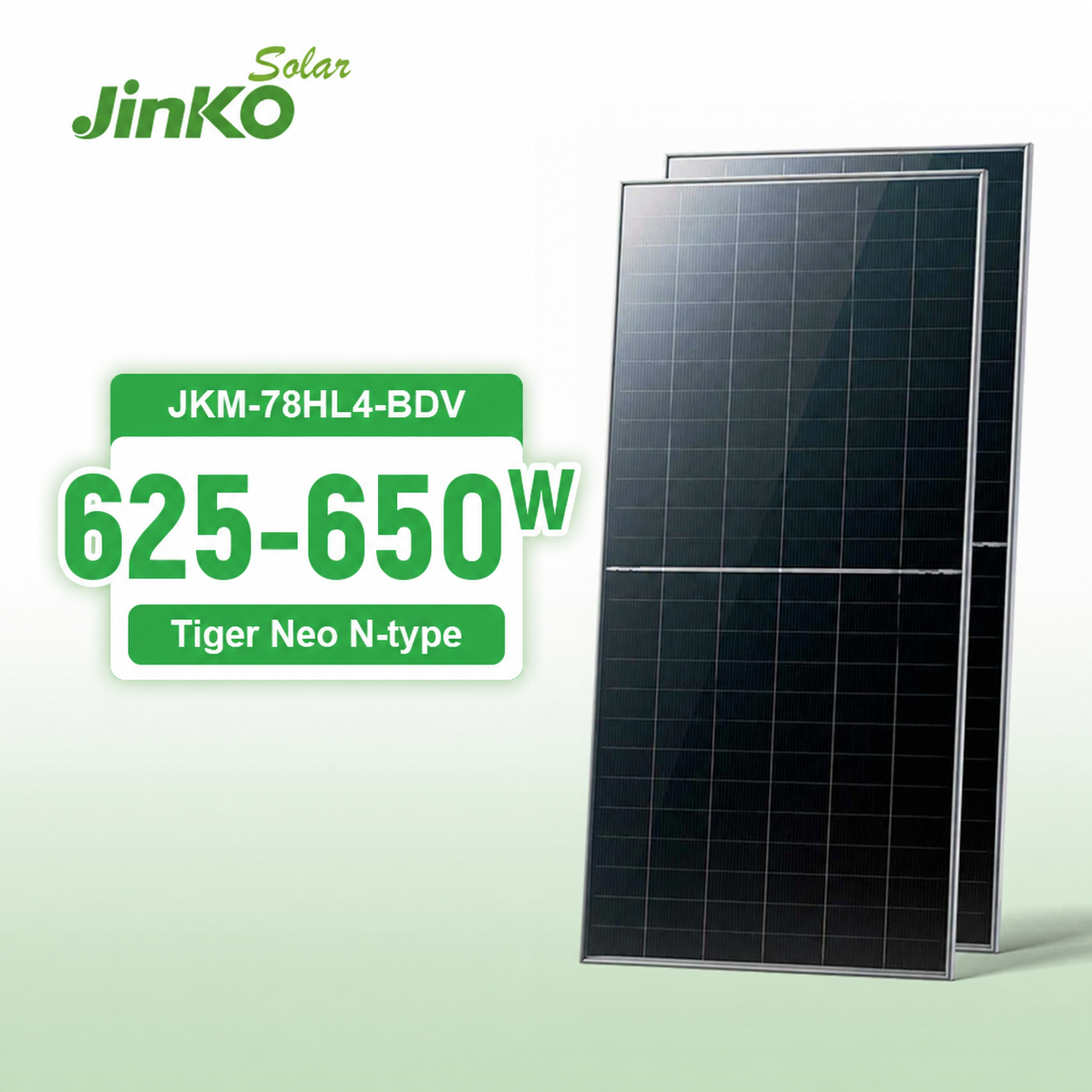
Jinko Monocrystalline Pv Panels 650W 625W 640W High Efficiency Bifacial Dual Glass Solar Module for Home Roof
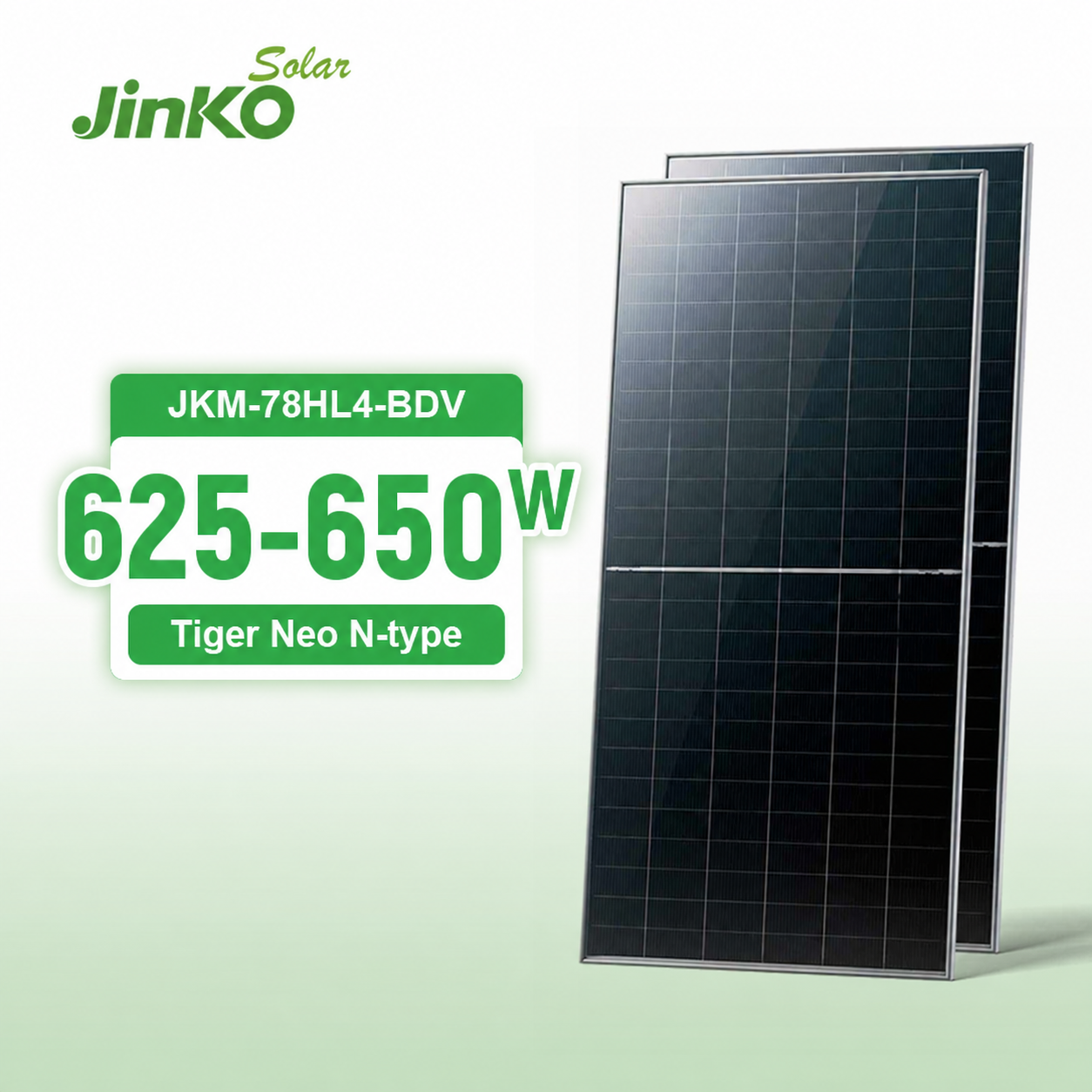
Jinko N Type Pv Module 650W 625W 645W Bifacial Photovoltaic Module Panneau Solaire for Commercial
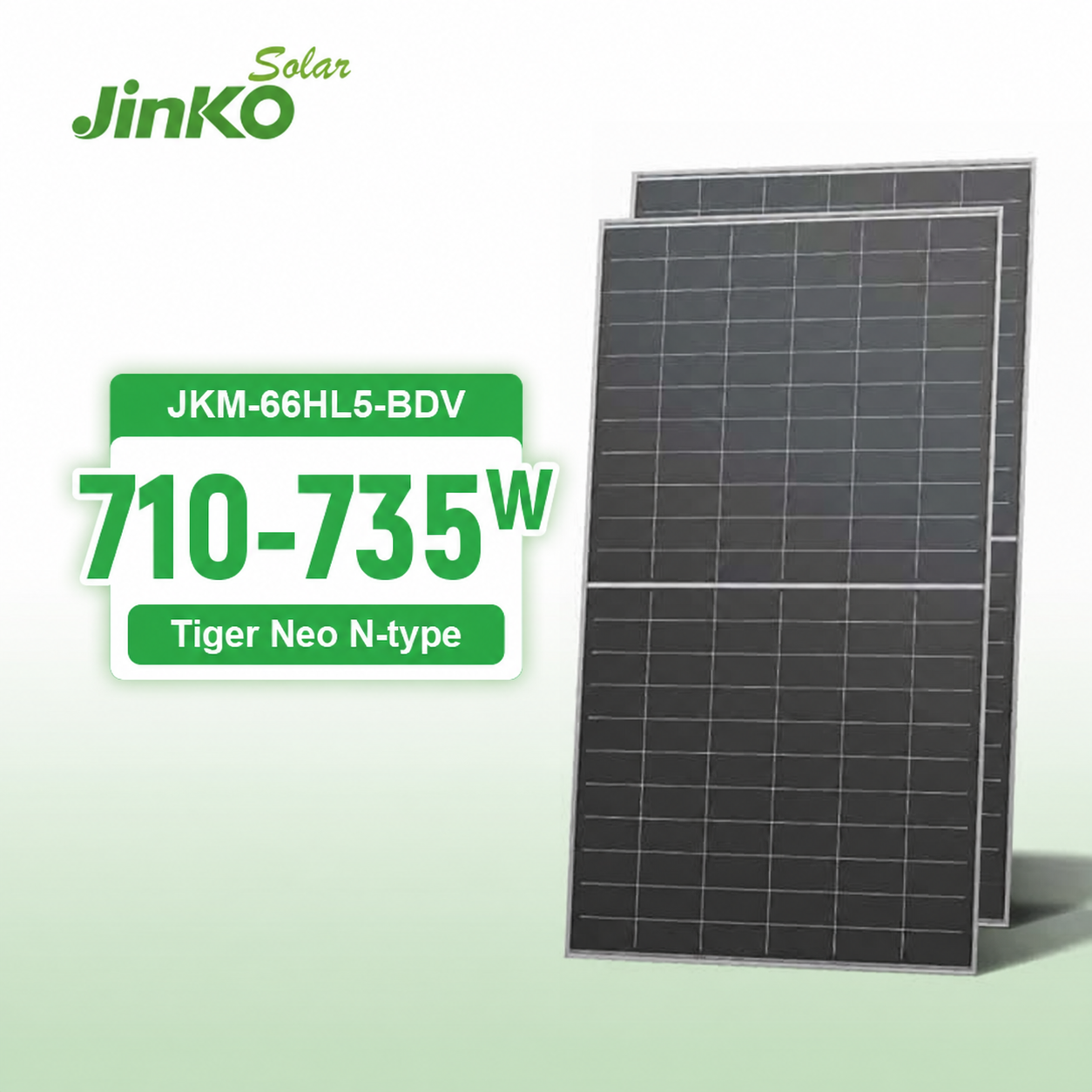
Jinko N Type Solar Panels 700W 710W 730W 725W Wholesale Price TOPCon Bifacial Photovoltaic Module for Commercial

Jinko N Type Bifacial Photovoltaic Panels 600W 585W 595W TOPCon Solar Module for Commercial
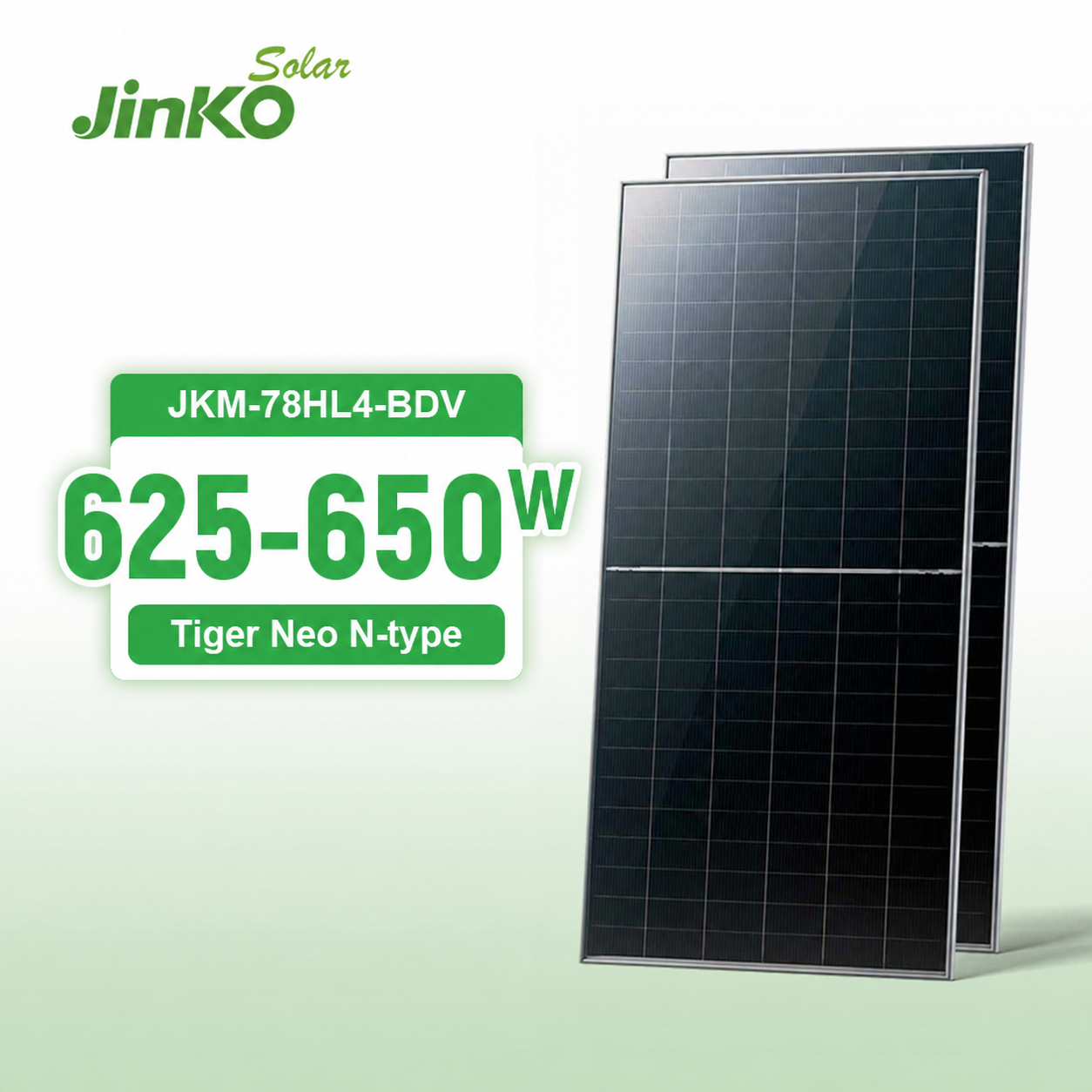
Jinko N Type Solar Panels 625W 640W 635W Monocrystalline Panneau Solaire Bifacial High Efficiency PV Module for Home Roof
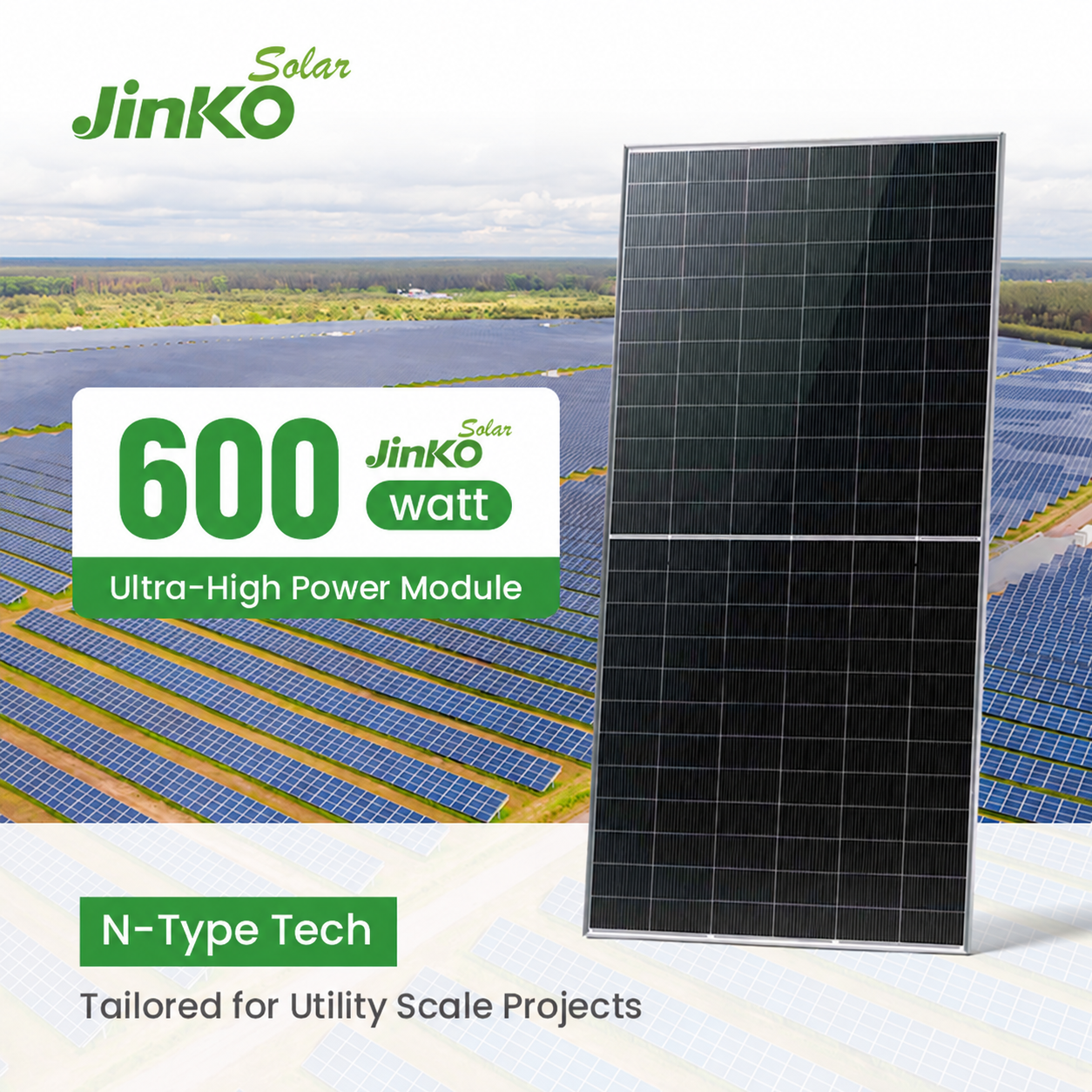
Jinko Solar Panels 580W 590W 600W 600 W N Type Double Glass High Efficiency Solar Panel for Commercial
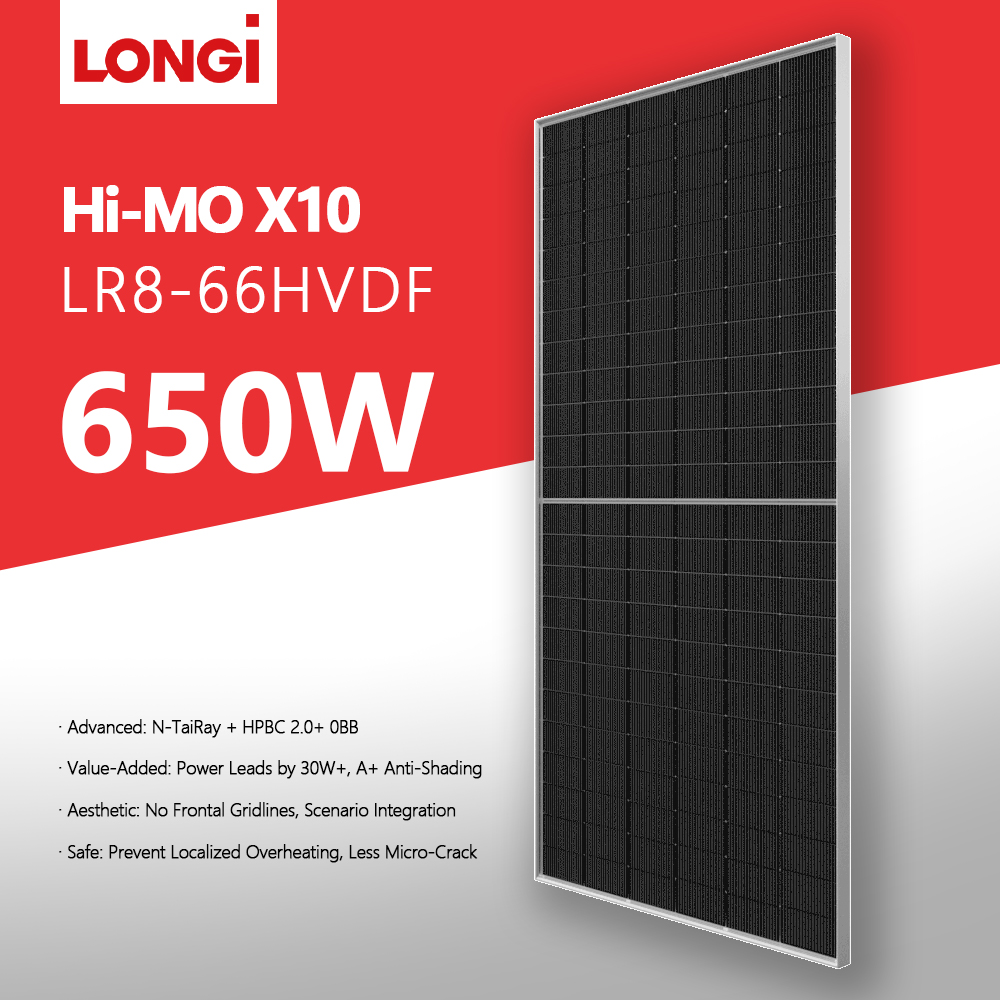
Commercial Grade LONGI Solar Panel 650W N-Type Solar Module Solar Panels with Battery and Inverter for Shopping Mall Rooftops
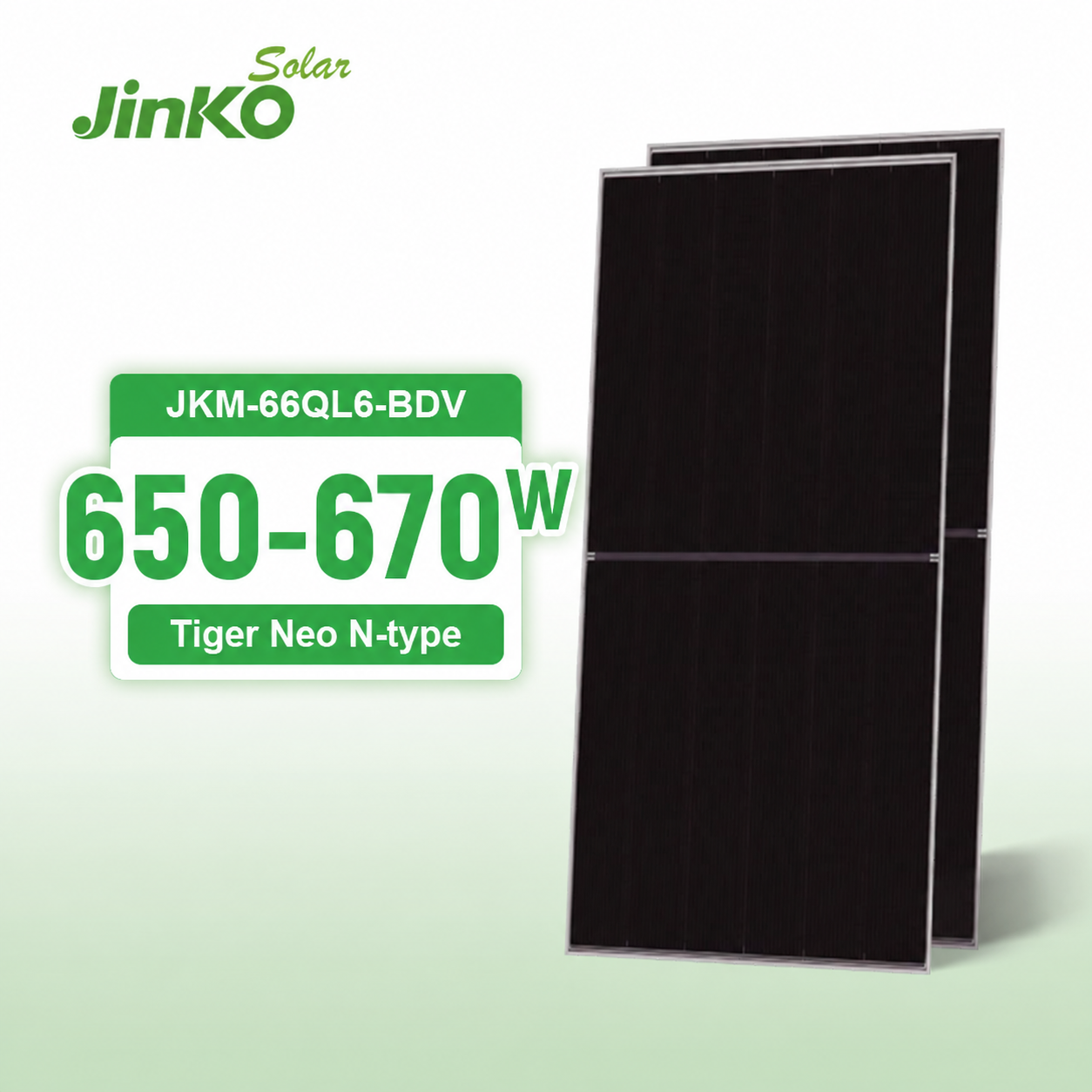
Jinko N Type Solar Panels Bifacial 650W 660W 670W TOPCon Double Glass High Efficiency Solar Module for House
Costa Rica’s Energy Transition: The Imperative for On-Site Stackable Energy Storage
Analyzing the operational shift from simple grid-tied solar net metering to high-voltage stackable LiFePO4 storage under ARESEP regulatory reforms and climatic fluctuations.
Costa Rica represents an extraordinary paradox in modern renewable energy infrastructure. Internationally celebrated for generating upwards of 98% of its electricity from renewable resources—primarily river hydroelectric reservoirs, geothermal vents, and wind turbines managed by the Instituto Costarricense de Electricidad (ICE) and municipal distributors such as CNFL, ESPH, and JASEC—the nation nevertheless presents commercial enterprises and high-tier residential consumers with profound electrical vulnerabilities.
The Hydro-Climatic Vulnerability: During severe El Niño-Southern Oscillation (ENSO) droughts, Costa Rica’s run-of-the-river hydroelectric output declines steeply. To avert blackouts, ICE is forced to combust millions of dollars in imported bunker fuel and diesel at thermal plants like Garabito. The resulting fuel adjustment surcharges are passed directly into grid tariffs, inflating kWh rates precisely when cooling loads in Guanacaste and Puntarenas reach annual peaks.
Furthermore, regional transmission distribution lines extending into coastal tourism hubs and peripheral agricultural sectors frequently experience significant voltage sag, momentary interruptions, and wet-season lightning-induced transients. Under Ley 10086 (Law for the Promotion and Regulation of Distributed Energy Resources from Distributed Generation), enacted to overhaul previous net-metering structures, export compensation tariffs have transitioned toward a self-consumption maximization model. The economics of exporting surplus daytime photovoltaic kilowatt-hours back to the utility grid have narrowed considerably due to interconnection access fees and non-remunerated grid distribution tolls.
For EPC contractors, industrial estate operators, luxury eco-resorts, and critical infrastructure facilities across Costa Rica, the answer to tariff volatility and grid frailty lies in modular stackable Battery Energy Storage Systems (BESS). By capturing daytime solar generation from high-power TOPCon PV modules and dispatching it seamlessly during peak tariff windows (the Tarifa Horaria / T-M-P peak bracket between 17:30 and 20:30), stackable battery storage transforms unpredictable solar generation into a reliable, dispatchable power asset.
| Storage Topology | Cell Chemistry & Voltage | Tropical Climate Resilience (35°C+, 90% RH) | Installation Speed & Cabling Footprint | Suitability for Costa Rica Market (Ley 10086) |
|---|---|---|---|---|
| Modular Stackable LiFePO4 (VOLT HV/LV) | Prismatic LFP (51.2V modules stackable to 600V+ HV) | Superior Integrated BMS, aerosol thermal mitigation, IP65 sealed enclosure | Wireless internal plug-in busbars; 70% faster installation; zero floor clutter | Primary Recommendation Maximizes peak shaving ROI & sub-10ms UPS islanding |
| Wall-Mounted Lithium Units | Prismatic / Pouch LFP (51.2V Low Voltage) | Moderate to High Requires sturdy concrete anchors; vulnerable to coastal wall humidity | External DC heavy cabling required for paralleling; takes substantial wall space | Suitable for standard residential retrofits with spatial constraints up to 20kWh |
| Traditional Deep-Cycle GEL / AGM | Lead-Calcium Sealed Gel Electrolyte (12V blocks) | Poor in Heat Extreme thermal runaway risk above 30°C; severe capacity fading | Massive footprint, heavy inter-battery copper busbars, heavy transport weight | Phase-out status; limited to low-budget remote telecommunications with low cycle duty |
Why Stackable Modular BESS Dominates the Costa Rican Landscape
Overcoming logistical hurdles, seismic concerns, and extreme tropical atmospheric conditions through modular mechanical and electrical design.
Vertical Modular Scalability
Stackable architectures allow installers to start with an entry-level capacity (e.g., 10.24 kWh) and stack modules vertically up to 40.96 kWh per tower without laying a single external interconnecting cable. For commercial microgrids, multiple towers synchronize via master-slave BMS configurations, allowing painless incremental capacity growth as electrical loads expand.
Elimination of Exposed DC Busbars
High-humidity tropical environments induce rapid electrochemical galvanic corrosion on exposed terminals. Stackable battery units employ internal male-female multi-contact high-current power connectors and integrated signal pins. Once clicked into place, the electrical connections are hermetically protected inside the IP65-rated battery enclosure.
Anti-Corrosive Coastal Coatings
Deployments in Pacific beach communities like Jacó, Tamarindo, and Santa Teresa suffer intense salt fog deposition. VOLT stackable enclosures utilize electrostatic powder-coated steel with conformal-coated printed circuit boards (PCBs), achieving C4/C5 marine atmospheric corrosion compliance to ensure decades of uncompromised service.
High-Voltage (HV) Round-Trip Efficiency
By stacking modules in series to attain operating DC voltages between 150V and 600V+, our HV stackable solutions interface natively with Deye three-phase hybrid inverters. This topology slashes current draw, dramatically reduces thermal dissipation in the cabling, and yields a round-trip conversion efficiency (RTE) exceeding 96.5%.
Multi-Tier Autonomous BMS Safety
Every stack incorporates industrial Grade-A LiFePO4 cells with real-time cell-level voltage monitoring, multi-point temperature sensing, and automated balance charging. In the rare event of thermal deviation or short circuit, hardware contactors isolate the affected stack in under 2 milliseconds, maintaining uninterrupted supply across parallel units.
Sub-10ms Seamless Islanding
In the event of an abrupt ICE grid drop during severe thunderstorms in San José or Alajuela, the integrated BMS communicates immediately via CAN 2.0B with our hybrid inverters. The microgrid switches into off-grid UPS mode in under 10 milliseconds, preventing sensitive server crashes, cold-storage disruptions, or industrial machine resets.
Localized Application Scenarios Across Costa Rica’s Microclimates
From cloud forest ecotourism to agro-industrial export processing, discover how modular battery storage solves mission-critical power challenges.
Eco-Lodges & Boutique Resorts
Located across the Osa Peninsula, Nosara, and Papagayo, high-end hospitality operators promise pristine nature without noisy, diesel-spewing generator exhaust. Stackable BESS absorbs peak solar output and delivers silent, vibration-free luxury power 24/7 for air conditioning, commercial refrigeration, and water purification.
Coffee Beneficiados & Agriculture
In the Central Valley and Los Santos regions, agricultural processors face punishing peak demand charges during harvesting months. Installing high-voltage stackable storage allows operators to run wet-mills, optical sorters, and drying fans during afternoon hours while capping peak utility draw below expensive contract thresholds.
Cold Storage in Puerto Limón & Caldera
Pineapple, banana, and seafood exporters operating packing facilities adjacent to Costa Rica's primary seaports face thermal spoilage if grid power drops. Stackable battery modules provide instantaneous UPS backup that keeps chiller compressors operational without thermal fluctuation during recurring local brownouts.
Remote Telecommunications & Science
Weather monitoring stations, cellular repeater towers, and volcanological telemetry posts located across the Cordillera Central demand maintenance-free operation. VOLT stackable LFP systems withstand mountain mist, cold night plunges, and inaccessible terrains where battery replacement logistics are cost-prohibitive.
Navigating Costa Rica’s Legal Framework: Ley 10086 & ARESEP Regulations
Ensuring complete technical conformity with ICE, CNFL, and CFIA standards for commercial and residential distributed generation projects.
Executing a distributed generation solar-plus-storage project in Costa Rica requires rigorous adherence to technical protocols established by the Autoridad Reguladora de los Servicios Públicos (ARESEP), specifically the technical standards governing the interconnection and operation of distributed generation systems (POAS - Procedimiento de Operación del Acceso y Conexión de Sistemas de Generación Distribuida).
CFIA Electrical Endorsement
Under Costa Rican law, all commercial photovoltaic and energy storage projects must be drafted, reviewed, and stamped by an active member of the Colegio Federado de Ingenieros y de Arquitectos (CFIA). Hangzhou VOLT New Energy supplies turnkey engineering documentation packages—including AutoCAD Single Line Diagrams (SLD), short-circuit fault calculations, and string sizing reports—facilitating rapid CFIA electrical permit filing.
UL 9540 & IEC 62619 Compliance
Costa Rican utility inspection teams enforce strict safety guidelines to prevent islanding accidents that endanger distribution linemen. Our stackable battery systems conform fully with IEC 62619, UL 1973, and system-level UL 9540 safety parameters. Furthermore, our bundled hybrid inverters feature certified anti-islanding mechanisms per IEEE 1547.1 and UL 1741-SB standards.
Tax Exemption Incentives (Ley 7447)
Costa Rica’s Ley 7447 (Regulación del Uso Racional de la Energía), updated in conjunction with modern decarbonization decrees, provides critical import tariff exemptions for certified solar modules, hybrid inverters, and lithium energy storage systems. Hangzhou VOLT New Energy assists registered importers with standardized factory certificates, customs descriptions, and HS classification declarations that streamline MINAE/Hacienda tax-exemption verification.
Why Leading Central American Contractors Partner with VOLT New Energy
Combining Tier-1 manufacturing partnerships, rigorous pre-shipment communication checks, and streamlined maritime logistics into Central American ports.
Pre-Commissioned Reliability Before Container Sealing
Based in the high-tech manufacturing hub of Hangzhou, Zhejiang, Hangzhou VOLT New Energy Technology Co., Ltd. is not merely an equipment broker; we are system integration specialists. Importers and solar contractors throughout Central America consistently report that their greatest financial losses stem from receiving battery modules with BMS firmware that fails to communicate with third-party hybrid inverters, causing project delays and commissioning penalties.
At VOLT New Energy, we eliminate this friction entirely. Every single stackable battery rack and inverter combination undergoes real-time physical bench testing in our Hangzhou test facility. We confirm CAN/RS485 baud rates, handshake protocols, cable pin-outs, and DIP switch settings prior to container packing.
-
Pre-Tested Inverter Protocols: Native compatibility guaranteed with Deye, Growatt, Victron, GoodWe, and Schneider architectures.
-
Consolidated Container Shipments: Combine Jinko N-Type solar panels, Deye inverters, and stackable LFP racks in one single container to minimize freight overhead.
-
Complete DG Export Documentation: Full compliance with UN38.3, MSDS, and Class 9 Dangerous Goods maritime packaging for smooth passage to Caldera or Limón.
-
Dedicated Engineering Support: Direct bilingual technical support (English/Spanish documentation) to assist field technicians during on-site commissioning.
Frequently Asked Questions: Sourcing Stackable Battery Storage for Costa Rica
In-depth technical and commercial answers addressing shipping, tariffs, electrical sizing, and environmental resistance.
What are the lead times and primary shipping routes to Costa Rica (Puerto Caldera vs. Puerto Limón)?
How do VOLT stackable systems handle high ambient temperatures and corrosive salt mist in Guanacaste or Puntarenas?
Can stackable batteries be paired with Deye hybrid inverters to bypass ICE peak demand charges (Tarifa Horaria)?
Are VOLT stackable energy storage systems qualified for tax exemptions under Costa Rica’s Ley 10086 and Ley 7447?
What is the maximum expansion capacity for commercial microgrids in Costa Rica?
How does VOLT New Energy handle warranty claims and field replacement parts for Central American buyers?
Power Your Costa Rican Projects with Turnkey Solar & Storage Architecture
Whether sizing a silent microgrid for an eco-resort in the Osa Peninsula, an industrial peak-shaving system for a Central Valley coffee plant, or container-load distribution for the national electrical wholesale market, our engineering team provides matched hardware, protocol guarantees, and comprehensive shipping solutions.