High-Yield Modules & String Inverter Infrastructure
Precision-matched balance-of-system solutions engineered for commercial rooftops, utility ground arrays, and resilient distributed microgrids throughout Santo Domingo and the Greater Antilles.
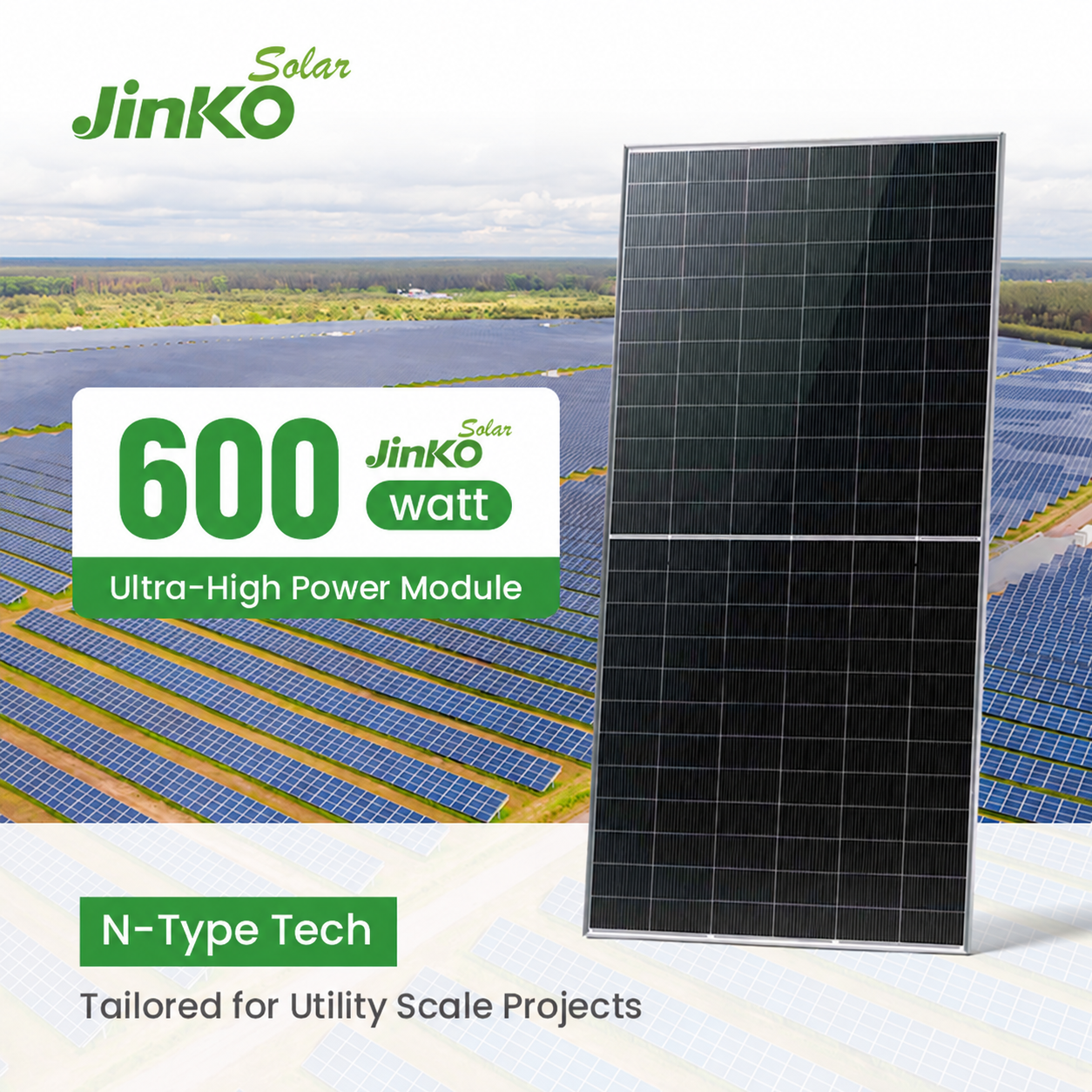
Jinko Solar Panels 580W 590W 600W N Type Double Glass Panel
Ultra-high efficiency dual-glass bifacial architecture engineered to withstand humid Caribbean conditions and eliminate PID degradation on commercial rooftops.
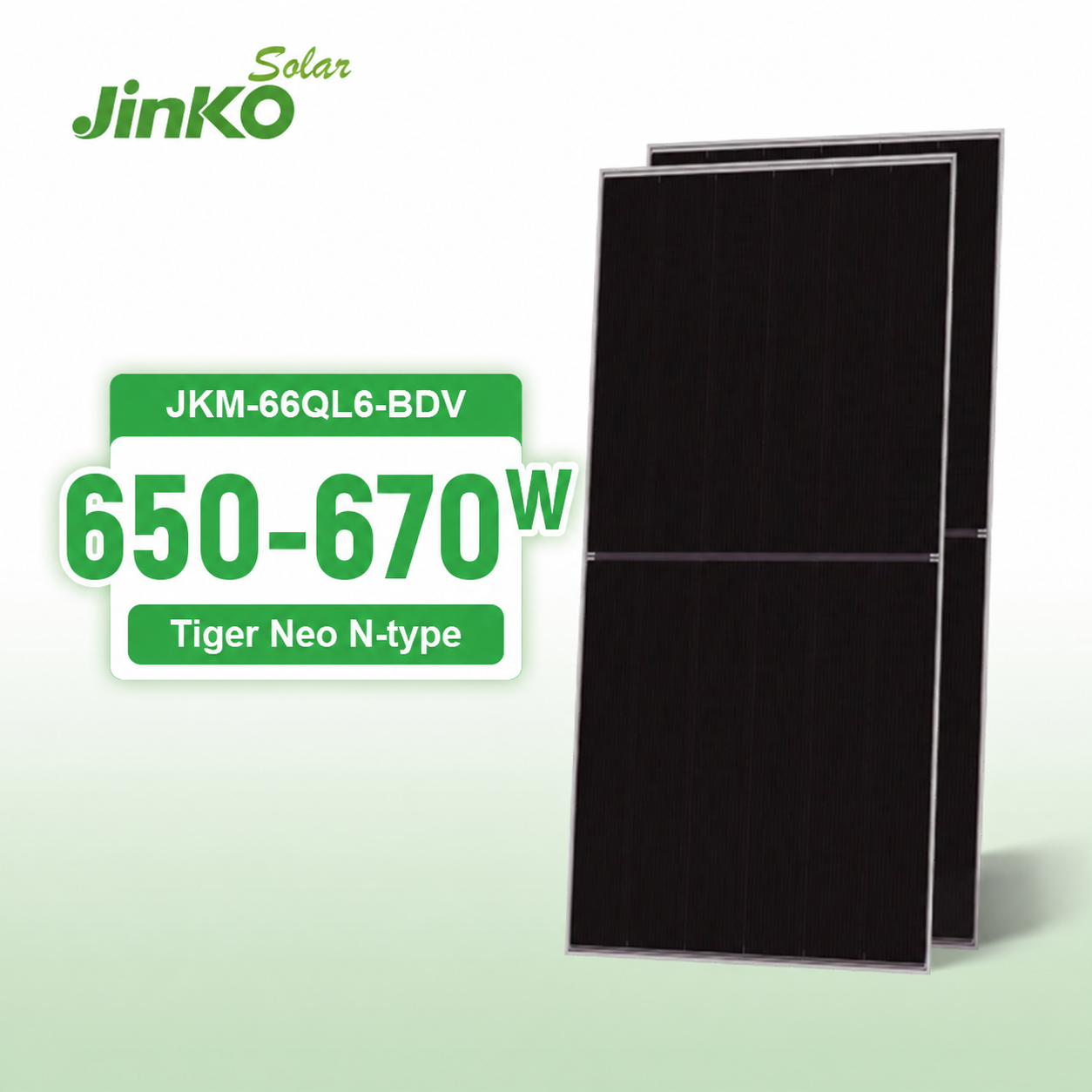
Jinko Wholesale PV Modules 650W–670W Bifacial Double Glass N Type
Optimized for high-yield solar farms and distributed agrivoltaic arrays around Santo Domingo Oeste, capturing elevated albedo reflections.
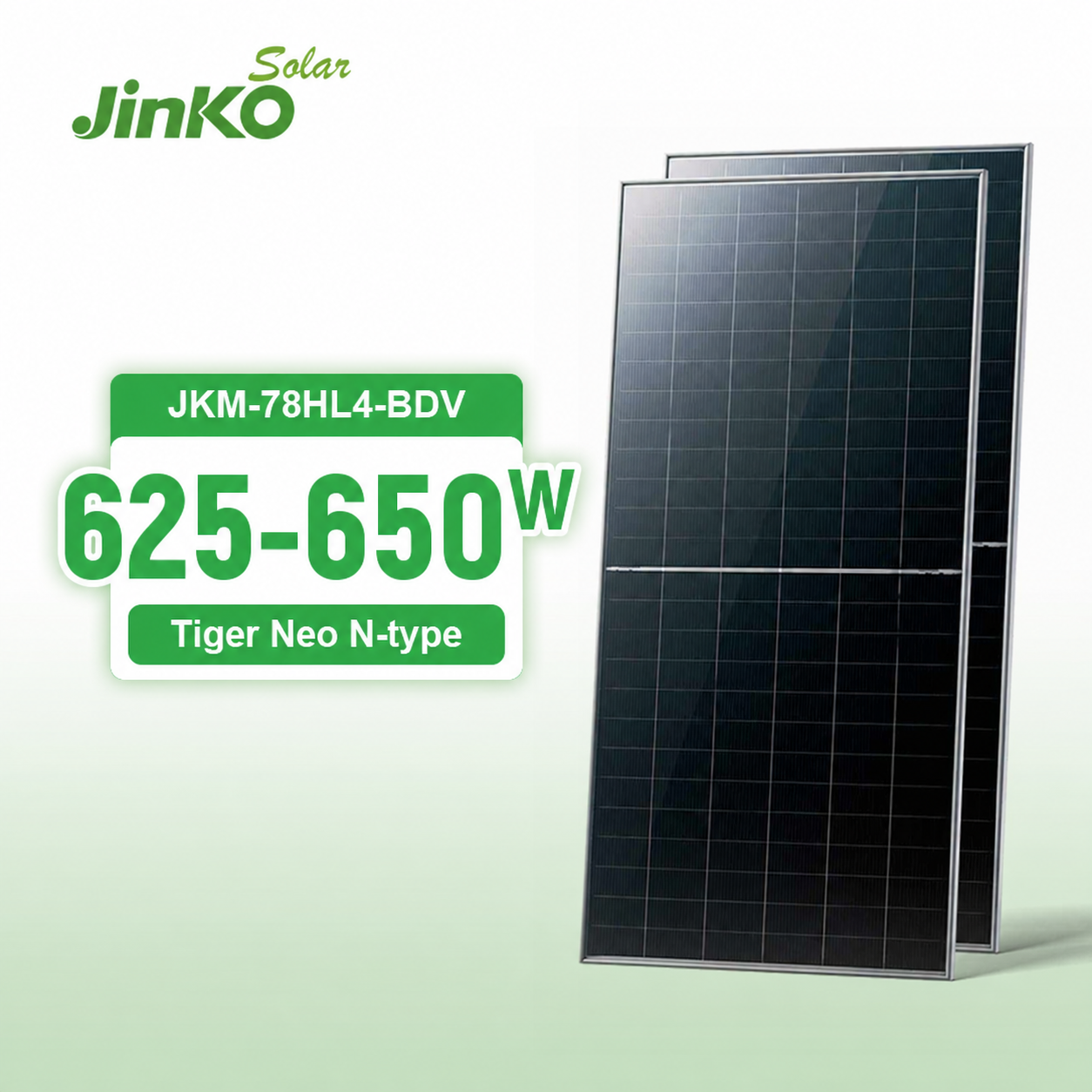
Jinko N Type PV Module 650W 625W 645W Bifacial Module
SMBB technology paired with low temperature coefficients, preserving string inverter generation during extreme Dominican mid-day thermal peaks.
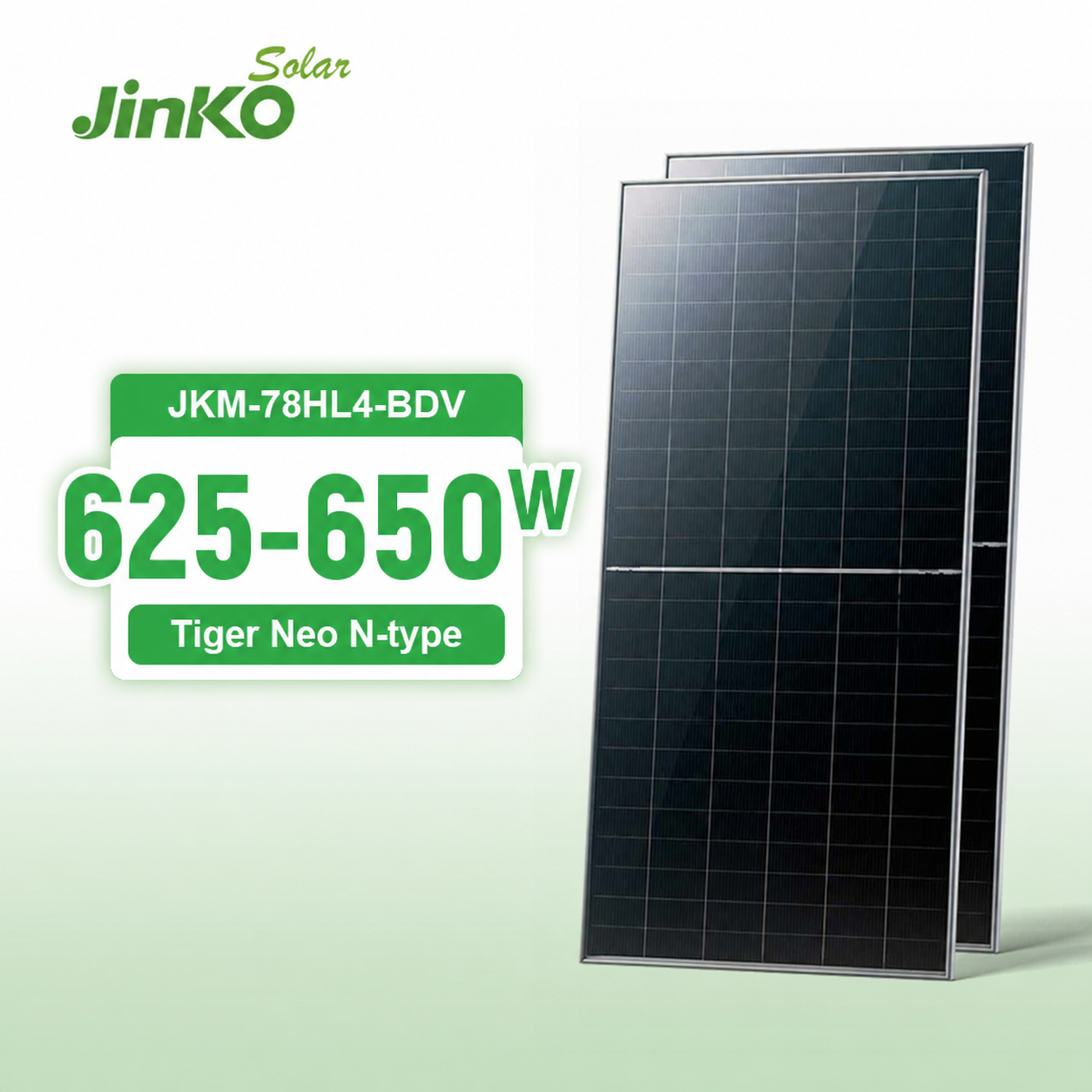
Jinko N Type Bifacial PV Panels 650W 630W Double Glass Module
Heavy-duty structural framing certified for hurricane-zone dynamic mechanical loads up to 5400 Pa, perfect for urban rooftop installations.
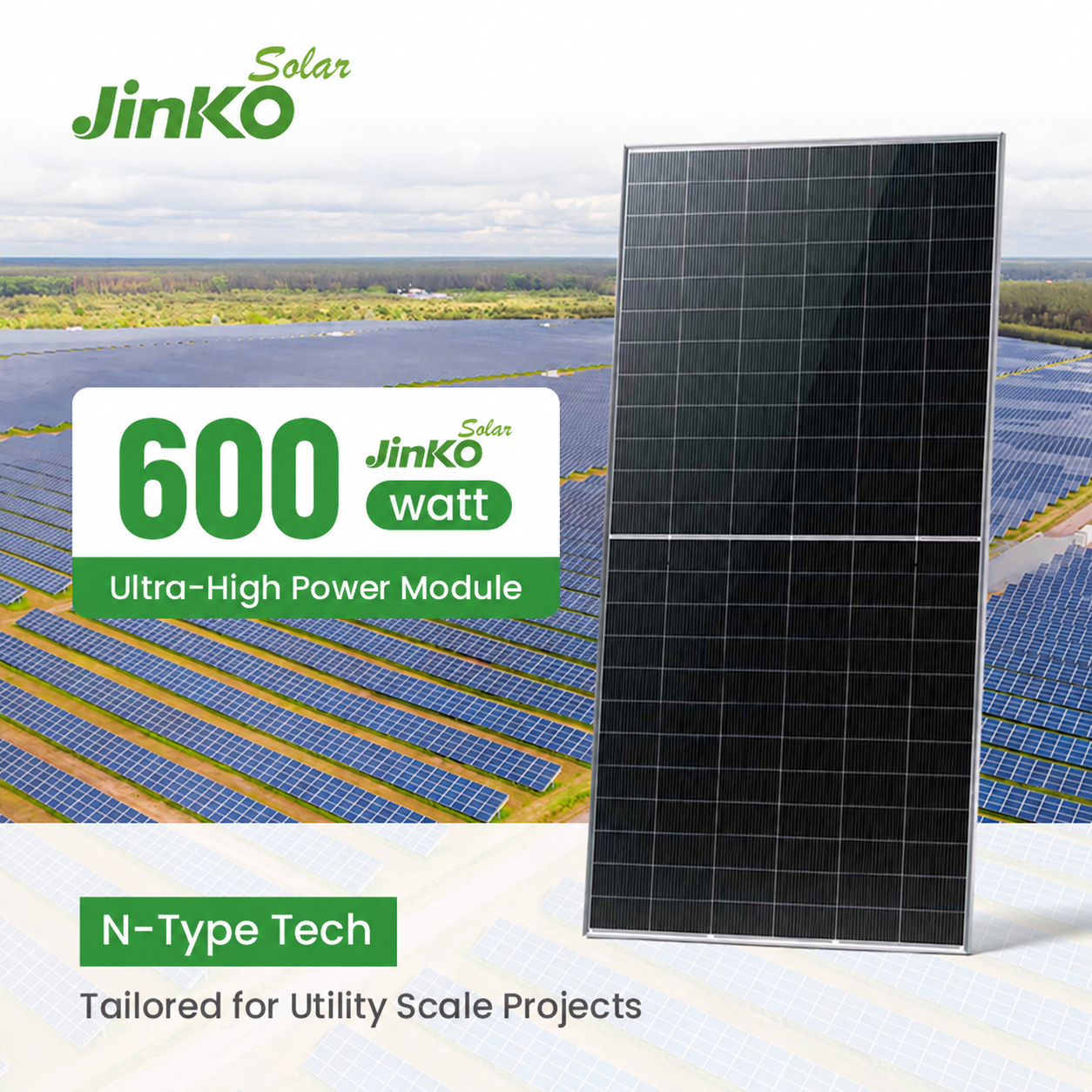
Jinko PV Panels Wholesale 600W 580W Bifacial Dual Glass Monocrystalline
Superior anti-salt mist formulation resistant to coastal atmospheres along the Caribbean coastline, ensuring steady 30-year operational life.
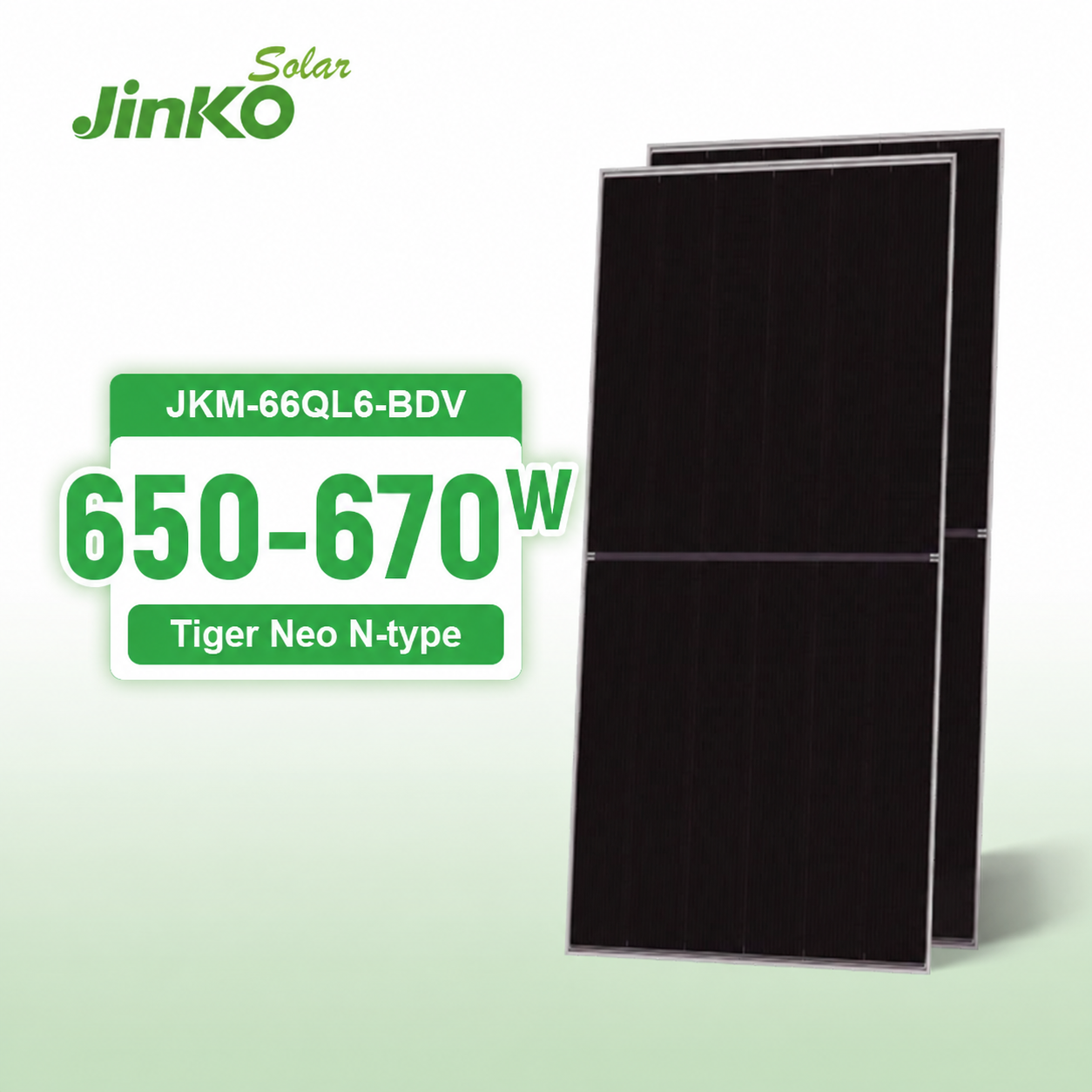
Jinko Monocrystalline 650W 660W 670W Bifacial Dual Glass Module
Maximum aperture energy yield designed to pair with string inverter MPPT trackers operating under partial urban shading and variable cloud vectors.
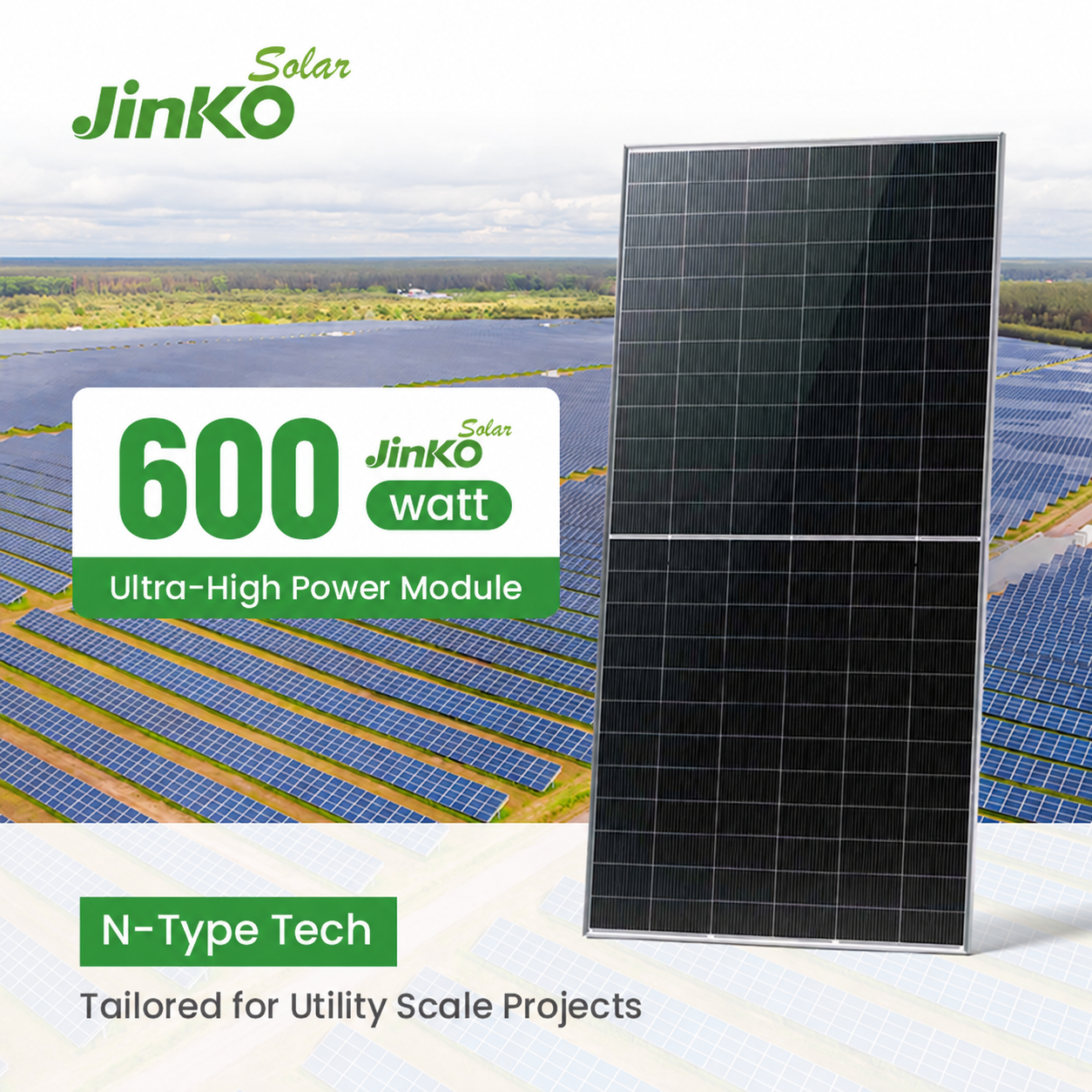
Jinko N Type Solar Modules 600W 580W Bifacial Monocrystalline
Engineered for low LCOE ground arrays, fully compliant with Dominican utility interconnection parameters and high-string voltage architectures.
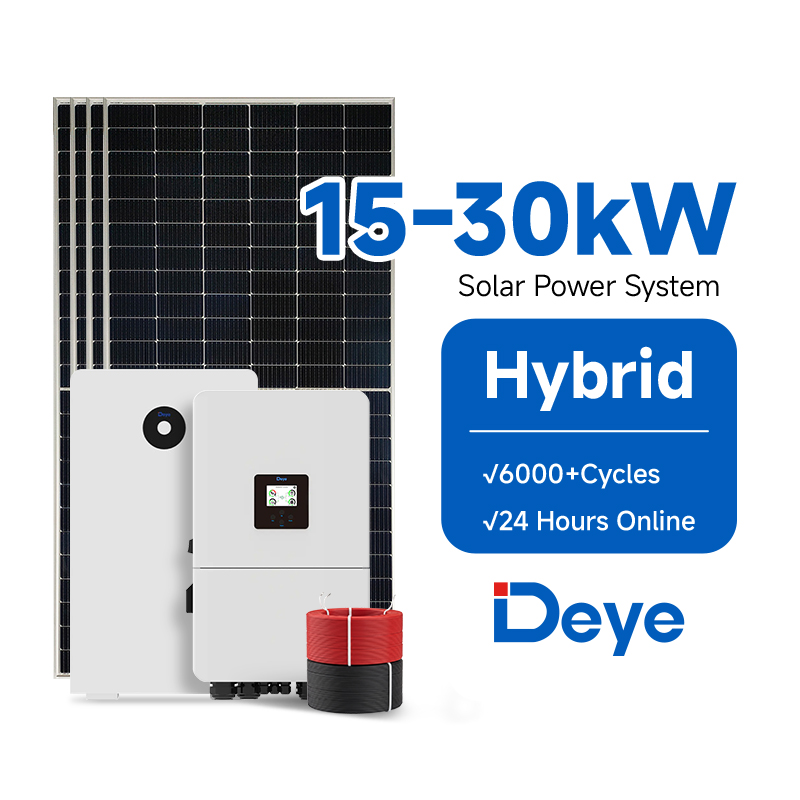
Low DC Voltage Battery Support Deye Hybrid Inverter ESS 5kW–30kW
Multi-functional string conversion with low-voltage LFP storage integration, off-grid backup transition <4ms, and heavy-duty grid frequency tolerance.
Technical Whitepaper: Deploying String Solar Inverters in Santo Domingo’s Tropical Grid Environment
As the primary economic and industrial epicenter of the Dominican Republic, the Greater Santo Domingo metropolitan area (including Distrito Nacional, Santo Domingo Este, Norte, and Oeste) exhibits an extraordinary acceleration in distributed solar photovoltaics. Bolstered by the National Energy Commission (Comisión Nacional de Energía - CNE) policies and the regulatory framework of Ley 57-07 de Incentivo al Desarrollo de Fuentes Renovables de Energía, commercial developers, engineering procurement contractors (EPCs), and industrial facilities are aggressively shifting toward on-site solar generation.
However, engineering a string solar inverter setup in Santo Domingo requires an acute understanding of hyper-localized electrical and meteorological dynamics. Unlike continental temperate zones, Santo Domingo couples extreme maritime salinity with a tropical savanna climate (Köppen Aw), severe ambient thermal saturation exceeding 35°C, high relative humidity (averaging 80% to 90% year-round), and erratic grid characteristics across distribution concession areas managed by Edeeste and Edesur.
1. Thermal Derating Curves & Multi-MPPT Topology
In Santo Domingo, solar insolation regularly achieves values between 5.2 and 6.4 peak sun hours (PSH) per square meter daily. When pairing string inverters with high-power N-type bifacial photovoltaic modules, the DC-to-AC ratio (inverter overloading) must be calibrated between 1.25 and 1.35 without inducing excessive clipping. String inverters supplied by VOLT New Energy integrate multiple Maximum Power Point Trackers (MPPTs) with dual-string tracking inputs, allowing systems installed on complex commercial roofs in industrial sectors like Zona Industrial de Herrera or Haina to harvest energy independently across asymmetrical tilt planes and localized cloud-edge shadowing.
2. Mitigating Maritime Salt-Mist Corrosion & C5 Atmospheric Exposure
Santo Domingo sits directly on the Caribbean Sea, bordered by the Ozama River basin. Air masses carry intense chloride aerosols that penetrate electronic enclosures, corroding aluminum heat sinks, AC busbars, and terminal blocks. For long-term reliability, solar inverters deployed in this perimeter must feature an ingress protection rating of at least IP65 or IP66, accompanied by conformally coated printed circuit boards (PCBs) rated for ISO 12944 C5-M extreme marine corrosive categories. VOLT New Energy verifies that all internal switching components, copper conductors, and DC disconnect switches meet rigorous salt-spray test benchmarks (IEC 60068-2-52 severity level 6) before sea freight dispatch.
3. Grid Synchronization with SENI (Sistema Eléctrico Nacional Interconectado)
The Dominican national grid frequently experiences transient voltage sags, overvoltages, and frequency variations between 58.5 Hz and 61.2 Hz. String inverters sourced for the local market must comply with IEEE 1547 and UL 1741 interconnection codes, while embedding programmable Low-Voltage Ride-Through (LVRT) and Frequency-Watt response profiles. Without accurate ride-through parameters calibrated for Edesur/Edeeste feeder lines, commercial inverters will repeatedly trip offline, exposing sensitive industrial equipment to sudden loss of power and undermining net metering (Medición Neta) profitability.
Target Deployment Scenarios Across Santo Domingo
Optimized photovoltaic string conversion tailored to the unique urban fabric, industrial estates, and logistical corridors of the Dominican capital.
Industrial Free Zones (Zonas Francas)
Facilities across San Isidro, Las Américas, and Los Alcarrizos operate continuous manufacturing lines under steep peak tariffs. Three-phase string inverters ranging from 50kW to 125kW allow modular scaling, seamless diesel genset synchronization, and export limitation compliance mandated by local distribution operators.
Commercial Rooftops in Distrito Nacional
Commercial shopping complexes, corporate headquarters, and cold-storage facilities in Piantini, Naco, and Bella Vista require high power density within confined concrete deck spaces. Integrated rapid shutdown, AFCI (Arc Fault Circuit Interruption), and smart cloud telemetry ensure maximum life safety and structural asset protection.
Distributed Agrivoltaics & Peri-Urban Pumping
Agricultural developments across Santo Domingo Norte and Monte Plata utilize ground-mounted string inverters paired with bifacial modules for water desalination, irrigation pumping, and cold packaging hubs, providing continuous power independent of fragile rural distribution line spurs.
Dominican Solar Energy Landscape: Strategic Market Shifts
The Dominican Republic is positioned as one of the most dynamic renewable energy markets in the Latin American and Caribbean (LAC) region. The national commitment to attain 30% renewable generation by 2030 has prompted the National Energy Commission (CNE) and the Superintendency of Electricity (SIE) to modernize interconnection norms for distributed generation.
1. Accelerating Adoption of Commercial Energy Storage Systems (C&I ESS)
While grid-tied string inverters have dominated previous installations, the volatile capacity charges and occasional brownouts across Santo Domingo have driven a seismic surge in hybrid-ready architectures. Engineering firms increasingly specify hybrid string inverters (such as Deye 10kW to 50kW configurations) integrated with modular low-voltage and high-voltage Lithium Iron Phosphate (LiFePO4) storage banks. This allows commercial enterprises to engage in peak-shaving during expensive evening capacity windows (18:00 to 22:00 AST) while securing uninterrupted operations during grid blackouts.
2. Stringent Anti-Islanding & Grid-Forming Requirements
As distributed penetration increases on metropolitan feeders, Edeeste and Edesur have reinforced inspection criteria regarding anti-islanding protection. Inverters must cut off power injection within milliseconds of a grid failure to protect utility linesmen, yet resume smooth generation without transient voltage surges upon restoration. Sourcing hardware backed by legitimate factory-tested UL 1741 SA/SB and IEEE 1547-2018 certifications has become a mandatory pre-condition for municipal interconnection permit approval in Santo Domingo.
Why Dominican Contractors Partner with VOLT New Energy
Direct supply chains, pre-shipment engineering validation, and export compliance eliminating project delays at the Port of Rio Haina and Port of Caucedo.

Pre-Verified Compatibility
We match inverter communication firmware (CAN / RS485), voltage thresholds, and BMS curves before dispatch, preventing initial startup configuration errors on site.

Rigorous Factory QC
Every inverter and module batch undergoes insulation testing, EL defect scanning, and visual enclosure auditing, backed by verifiable pre-loading video reports.

Consolidated Marine Logistics
Full container load (FCL) or mixed container consolidation shipping to Caucedo or Rio Haina ports, complete with Class 9 DG documentation, UN38.3, and Bill of Lading clearance sets.

Dedicated Engineering Support
From initial string sizing calculations and single-line diagrams (SLD) to remote commissioning assistance, our engineering team assists your installation crew in Spanish and English.
Frequently Asked Questions by Dominican Solar Buyers
Direct technical answers regarding customs tariffs, environmental durability, and grid compliance for Santo Domingo EPCs and wholesalers.