99.0%
Max Conversion Efficiency
>3,000 h
Granada Annual Direct Sun
IP66 / C5
Extreme Climate Protection
100+
Export Regions Verified
Direct Sourced Hardware
Certified High-Efficiency Photovoltaic Modules & Systems
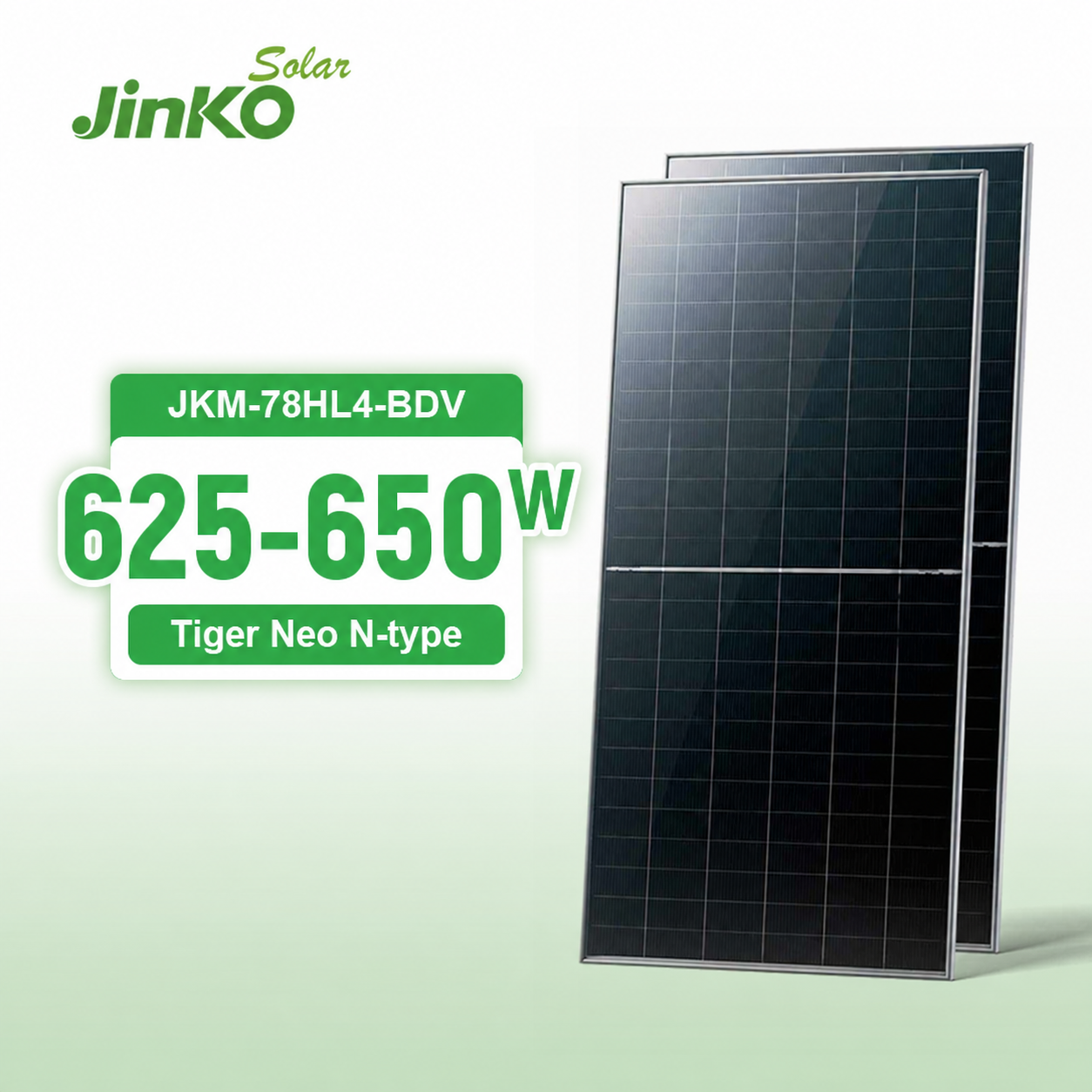
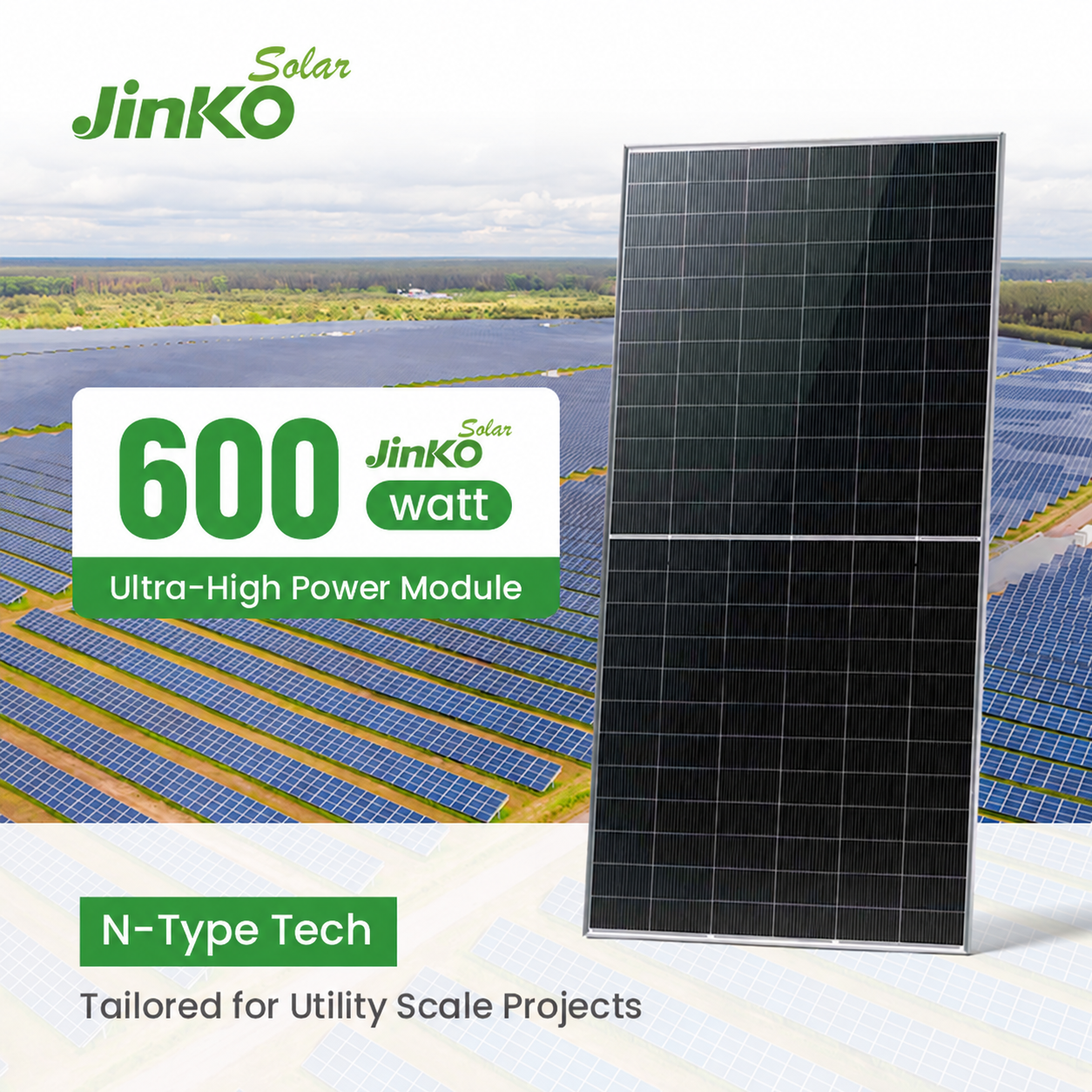
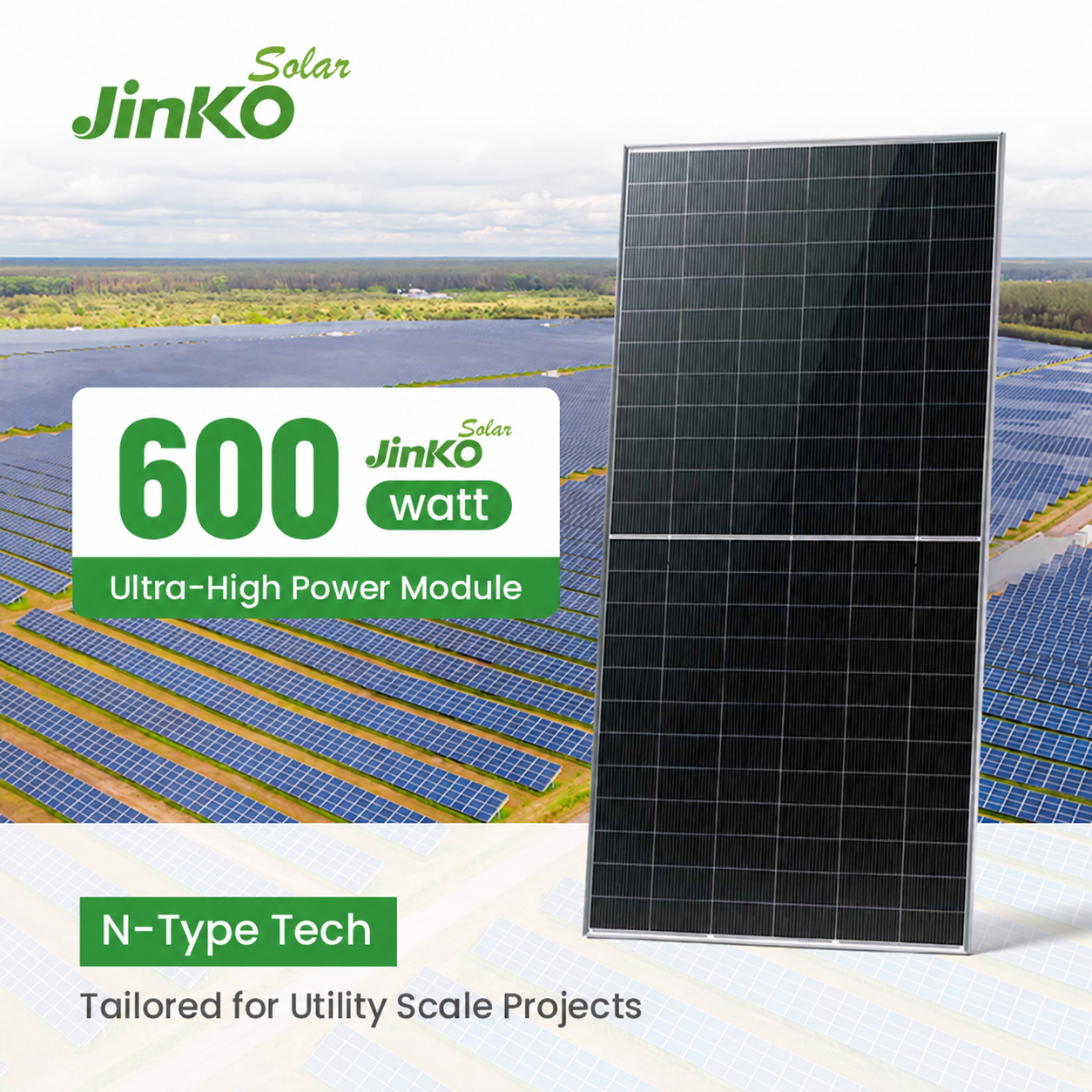
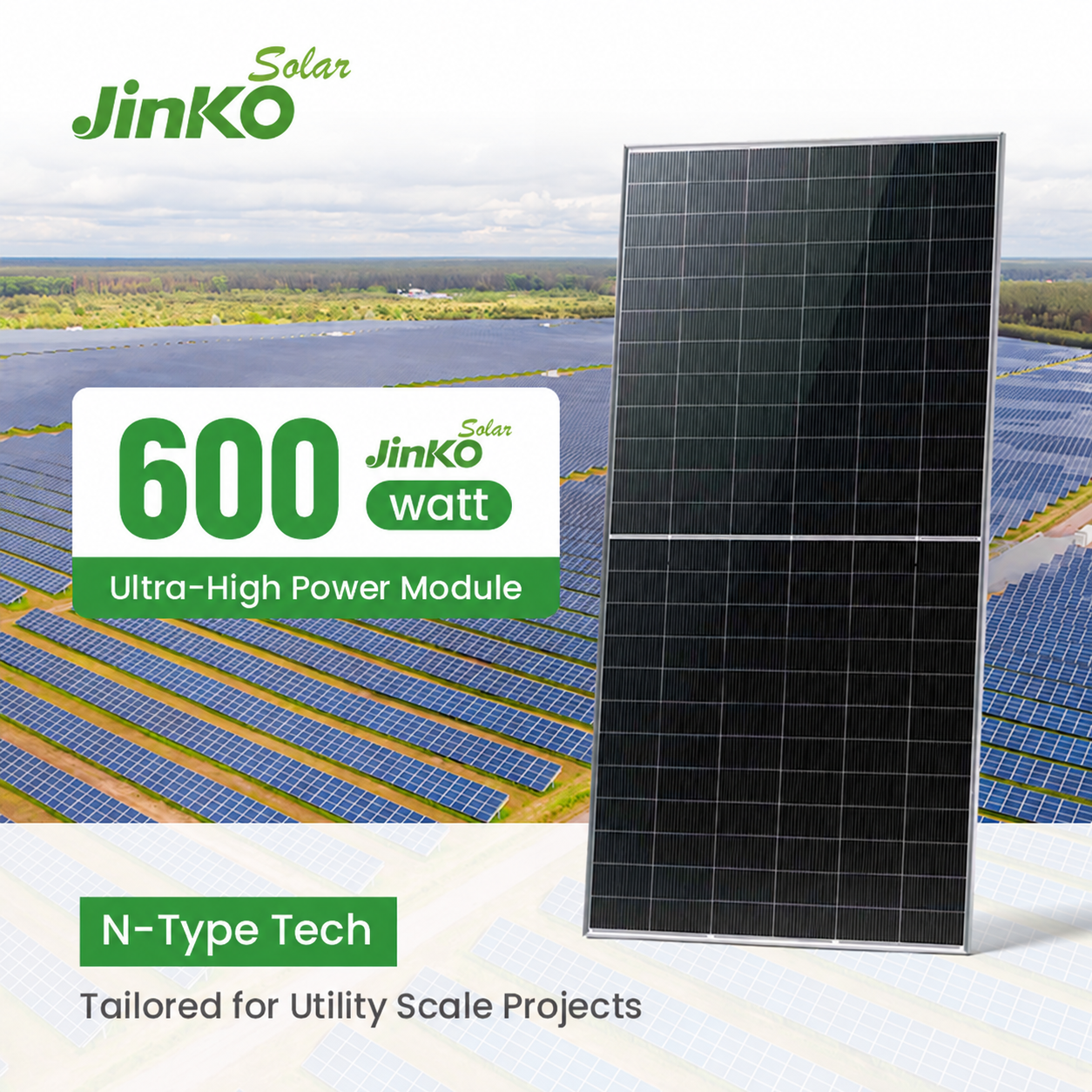
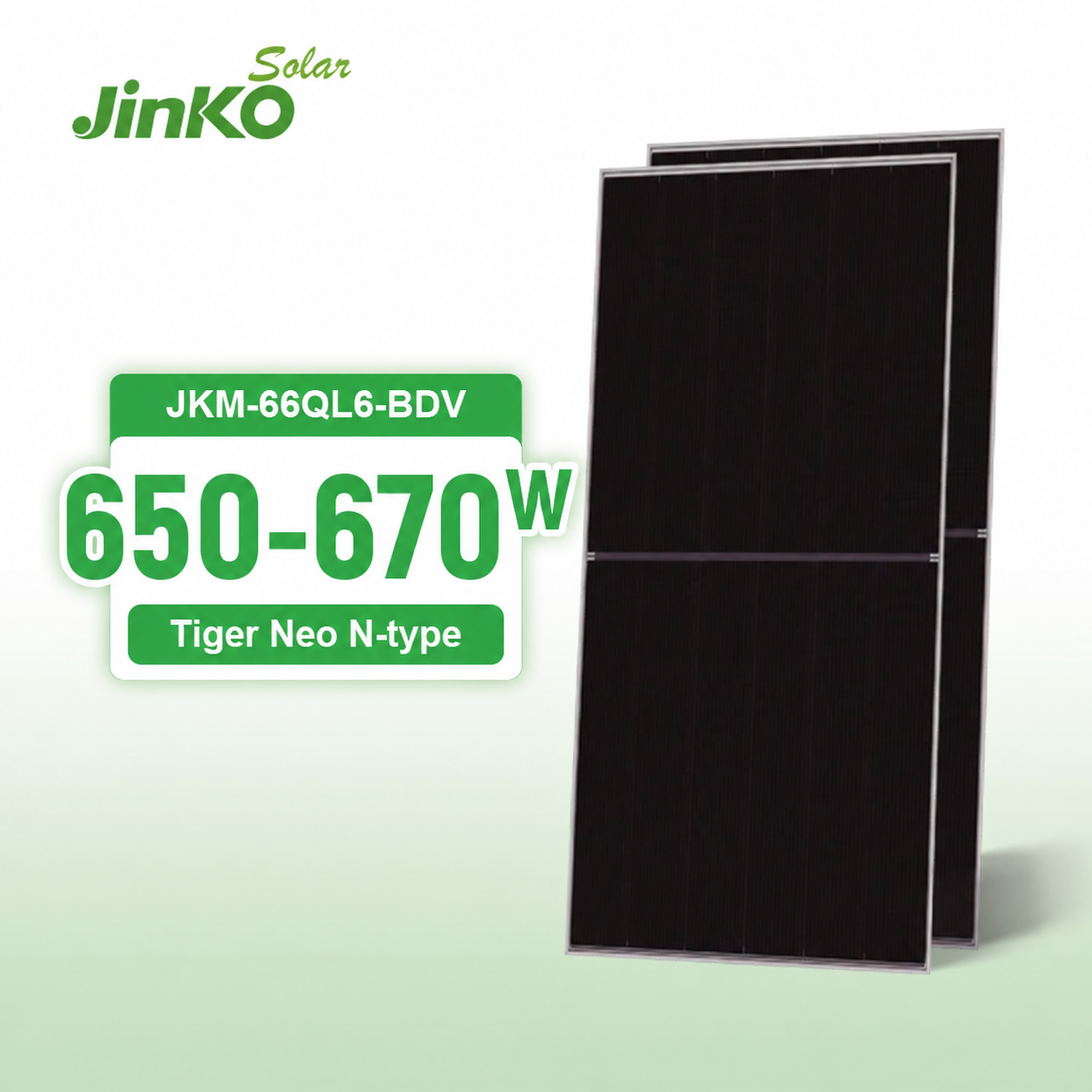
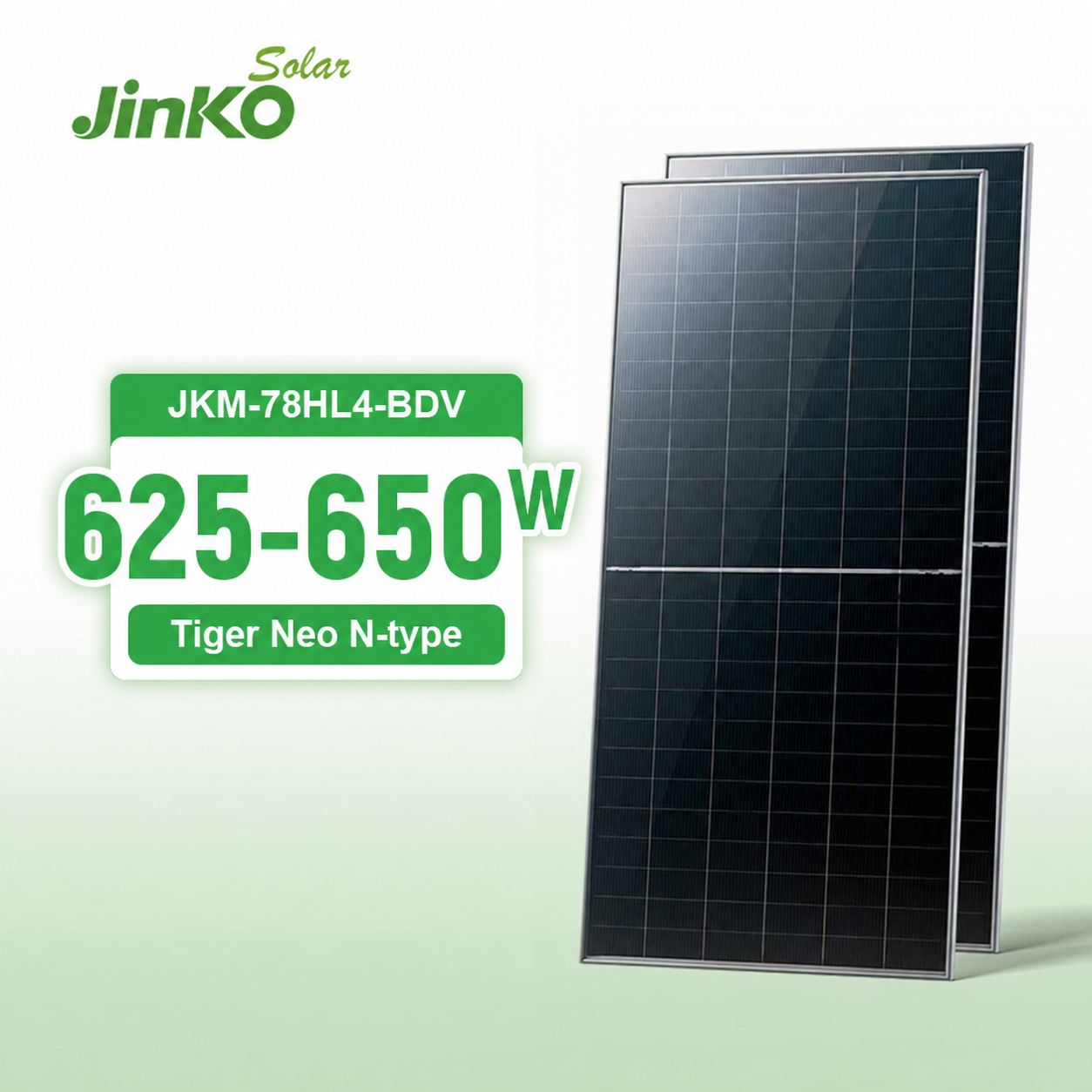
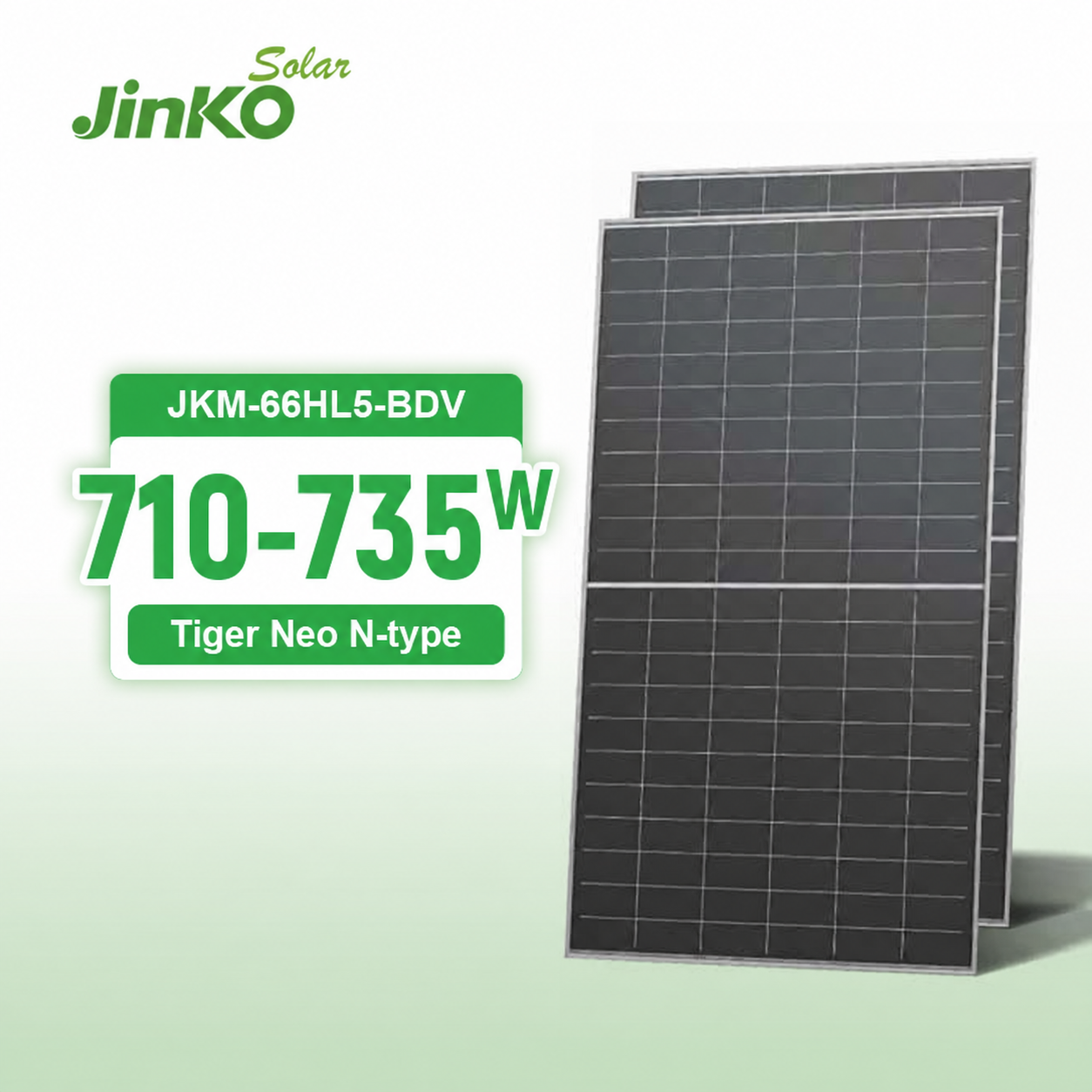
Matched Tier-1 N-Type TOPCon and bifacial architectures optimized for multi-megawatt agricultural solar pumps, industrial rooftops, and hybrid commercial arrays in Granada.
⚙ Granada Microclimate Engineering & Inverter Thermal Derating Analysis
The Province of Granada presents a specific operational profile characterized by high solar irradiance (>1,950 kWh/m² horizontal irradiation), expansive diurnal temperature shifts ranging from -2°C in the foothills of Sierra Nevada to +42°C in the Vega de Granada during July and August, and altitudes regularly exceeding 750 to 1,200 meters above sea level.
Inverters deployed throughout this Andalusian region require stringent power electronics parameters to prevent costly yield losses:
🌡
Advanced Active Thermal Management
Standard inverters enter severe thermal derating above 40°C ambient temperatures, shedding active power precisely during peak solar radiation windows. High-capacity smart forced-air cooling systems maintain 100% full-load output up to 45°C without derating, safeguarding levelized cost of electricity (LCOE) across scorching summer afternoons.
⛰
High-Altitude Air Density Adaptation
Granada’s elevated terrain creates thinner atmospheric conditions, reducing the dielectric breakdown threshold of ambient air and hindering convective cooling. Factory engineering accounts for altitude-adjusted creepage distances and uprated semiconductor clearances to prevent electrical arcing and overvoltage tripping under low-density atmospheres.
🌬
Calima & Particulate Defense (IP66 / C5)
Seasonal Saharan dust storms (known locally as calima) deposit fine abrasive particulate across Granada's solar arrays. Inverters must feature hermetically sealed electronics compartments with IP66 ingress protection and C5-M anti-corrosion rated enclosures to preserve MPPT control precision without dust-induced short circuits.
🚀 Primary Deployment Scenarios Across the Granada Province
🌱
Agricultural Solar Pumping in the Vega & Baza
Extensive olive groves, almond plantations, and vegetable fields in Baza and Guadix demand reliable daytime irrigation. High-voltage string inverters directly couple with variable-frequency drive (VFD) deep-well pumps, dynamically optimizing water extraction during prime solar hours while negating expensive diesel generator overhead.
🏭
C&I Self-Consumption in Industrial Polígonos
Logistics centers and light manufacturing facilities situated in Polígono Industrial Juncaril and Asegra utilize multi-MPPT inverters to manage complex, multi-pitched metal roofs. Smart zero-export limitations and rapid shutdown compliance align with Andalusian distributed generation regulations while counteracting volatile Spanish electrical tariff spikes (PVPC).
🏡
Off-Grid & Eco-Tourism Microgrids in the Alpujarras
Remote settlements, rustic villas, and eco-retreats tucked into the steep ravines of Las Alpujarras rely on hybrid inverter topologies coupled with low/high-voltage lithium batteries (LiFePO4). These systems manage off-grid stability, dual-fuel generator integration, and black-start capabilities during mountainous winter storms.
📈 Macro Market Drivers & Regulatory Trends in Southern Spain
The Andalusian Energy Agency (Agencia Andaluza de la Energía) alongside the national recovery frameworks (Plan de Recuperación, Transformación y Resiliencia) continues to incentivize industrial electrification and localized grid self-reliance. Critical market shifts driving hardware demand include:
- Rapid Expansion of Energy Storage Systems (BESS): With negative and near-zero wholesale pricing events occurring during spring mid-days throughout Spain (OMIE market clearing), solar operators in Granada are retrofitting battery storage systems. Hybrid inverters capable of DC-coupled and AC-coupled bidirectional battery charging represent the fastest-growing sector.
- Stringent Grid Interconnection Codes (UNE 217001 / UNE 217002 & PO 12.2): Endesa Distribución enforces strict low-voltage ride-through (LVRT) and reactive power regulation capabilities across Andalusia. Inverters shipped into Granada must feature factory-compliant European grid code firmware to ensure fast administrative sign-off and legal grid tie-in.
- Bifacial Solar Module Dominance: High-albedo soils across Granada's limestone plains make bifacial dual-glass modules the standard. Sizing inverters with high DC input current tolerances (≥16A to 20A per string) avoids clipping the additional 10% to 25% backside power yield delivered by bifacial PV arrays.
Procurement & Technical Guidance
Frequently Asked Questions by Spanish Solar EPCs & Installers
Clear, engineering-focused answers covering regulatory conformity, environmental suitability, and supply chain logistics for the Granada market.
Do inverters supplied for the Granada market comply with Spanish grid codes (RD 647/2020 and UNE 217001)?
Yes. All solar and hybrid inverters intended for the Spanish market are pre-programmed or certified to meet UNE 217001 (anti-islanding protection), UNE 217002, and PO 12.2 requirements mandated by distribution network operators like Endesa. Certificate test reports and Declarations of Conformity (CE) are supplied with commercial documentation to ensure immediate administrative acceptance by the Delegación Territorial de Minería y Energía in Andalusia.
How does the extreme heat of Granada summers affect inverter sizing ratios (DC/AC)?
In regions like Granada where summer ambient temperatures frequently touch 40°C, an aggressive DC/AC oversizing ratio (such as 1.4 to 1.5) must be carefully matched with inverter heat dissipation capabilities. High-performance inverters with smart forced convection cooling can manage high DC inputs without dropping into early thermal derating. For installations with south-facing fixed tilts or bifacial ground tracking, we recommend engineering a 1.25 to 1.35 oversizing ratio to balance maximum morning/evening yield against midday thermal limits.
Can these inverters support variable-frequency agricultural irrigation pumps without batteries?
Yes. Modern industrial three-phase string and hybrid models feature wide MPPT voltage bands and rapid dynamic MPPT response times, allowing them to interface directly with agricultural solar pumping controllers (VFDs). The inverter compensates for brief cloud transients and delivers stable AC power to submersible bore pumps without strictly requiring a secondary battery bank, providing a cost-effective irrigation setup for rural Granada farms.
What is the lead time and shipping route for containerized equipment to Andalusia?
Standard container shipments (FCL) of solar modules, inverters, and battery storage depart direct from primary manufacturing hubs and transit through the Port of Algeciras or the Port of Valencia. Transit times generally average 26 to 32 days on the water. Customs clearance documentation (EUR.1 certificates, bill of lading, MSDS, UN38.3, and CE dossiers) is processed in advance to facilitate immediate overland freight to warehouses or job sites across Granada.
How is warranty fulfillment and spare parts replenishment handled in Spain?
All equipment carries full original manufacturer warranties (typically 5 to 10 years standard for inverters with optional 15–20 year extensions, and 12–25 years for PV modules). Every delivered unit is registered by serial number prior to export. In the rare event of hardware faults, diagnostic log analysis is conducted remotely, and warranty replacement modules, power boards, or complete swap units are coordinated via authorized European support hubs.
Configure Your Solar & Storage Project for Granada
Send your system sizing requirements, site coordinates, and target capacities to receive an optimized engineering scheme, component matching review, and wholesale quote.