Top 10 Huawei Solar Inverter Manufacturers & Suppliers in Baltimore

A Comprehensive Engineering & Procurement White Paper on High-Efficiency String Inverters, Commercial Microgrid Resiliency, BGE Grid Interconnection, and Industrial Tier-1 Component Integration in Maryland

Direct Warehouse Stock & Turnkey Supply

Engineered Solar Inverters & High-Yield PV Modules

Fully verified for Baltimore and Mid-Atlantic commercial, agricultural, and residential grid-tied and hybrid energy storage deployments.

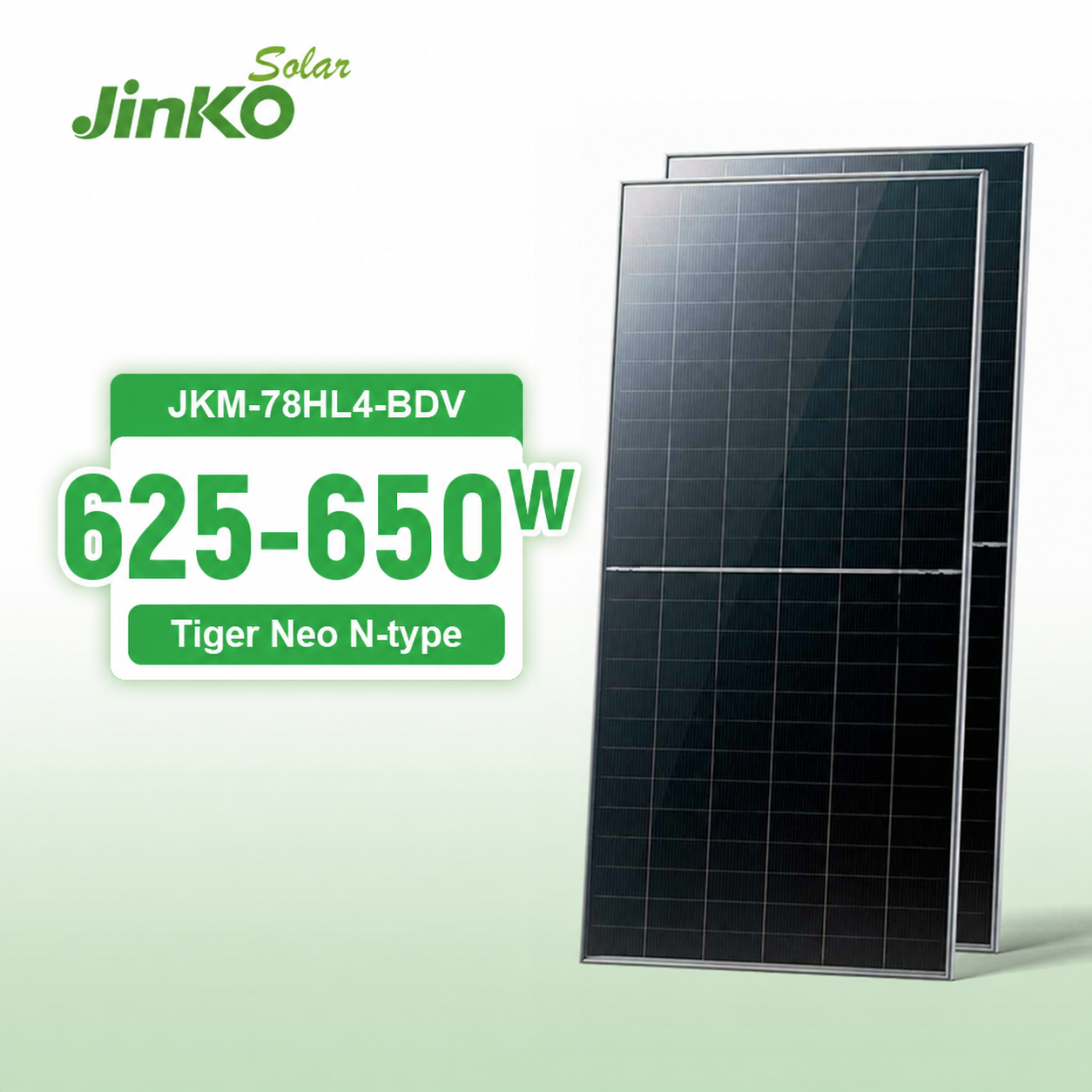
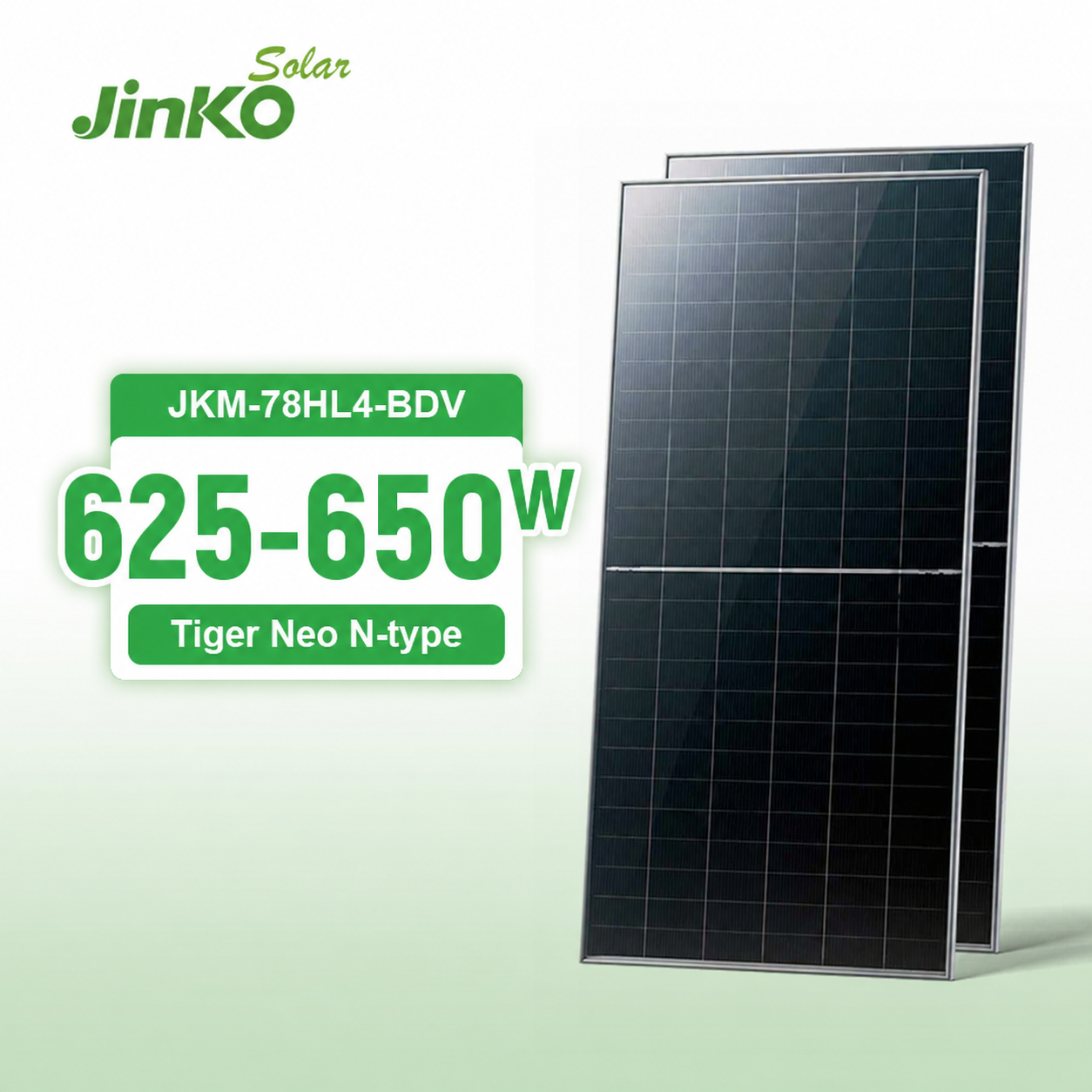
TOPCon In Stock Jinko Bulk 630W 625W 640W TOPCon Bifacial Monocrystalline High Efficiency PV Panel

Jinko Bulk 630W 625W 640W TOPCon Bifacial Monocrystalline Panel

Ultra-high efficiency N-Type bifacial module engineered for commercial rooftops and Baltimore industrial solar carports. Excellent low-light performance.

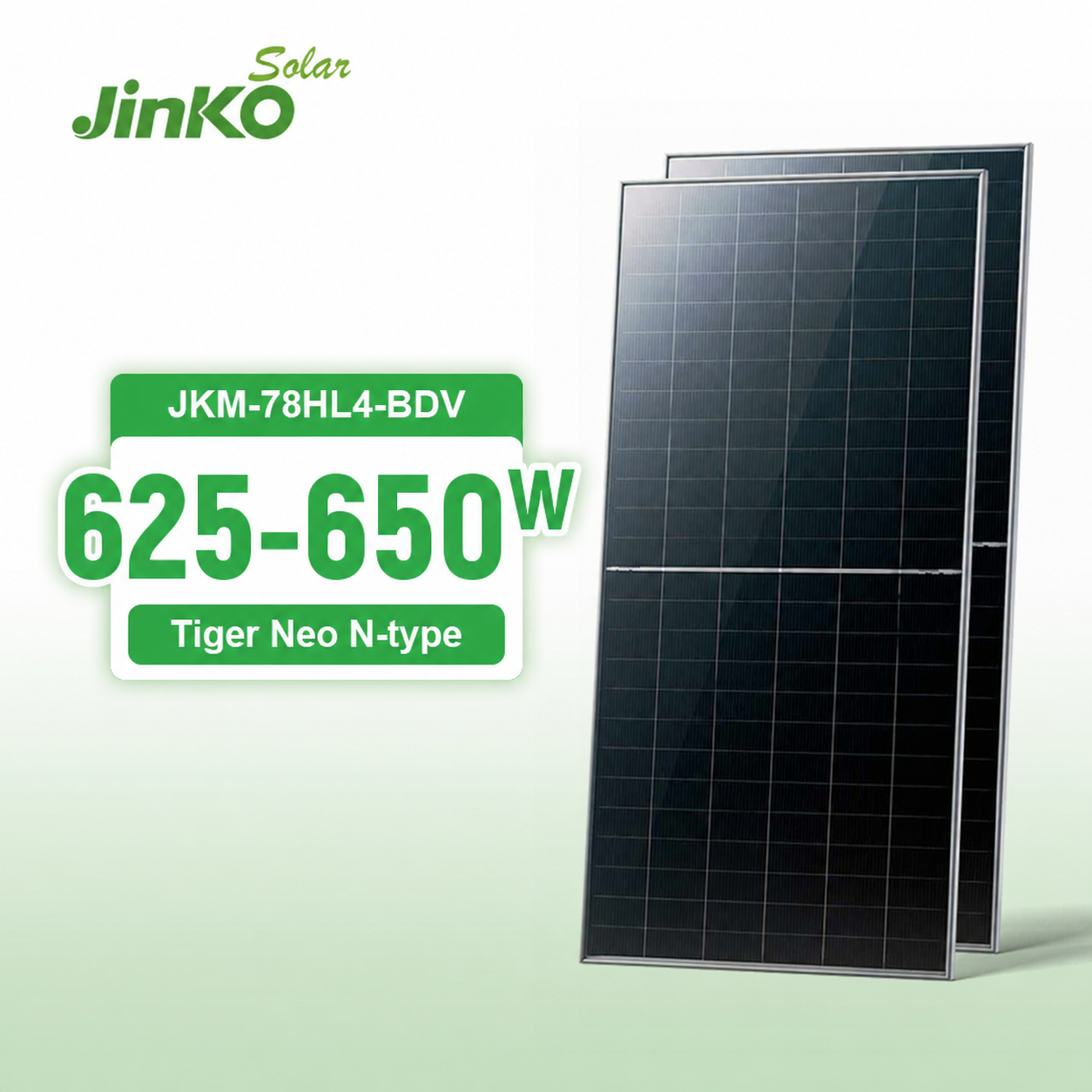
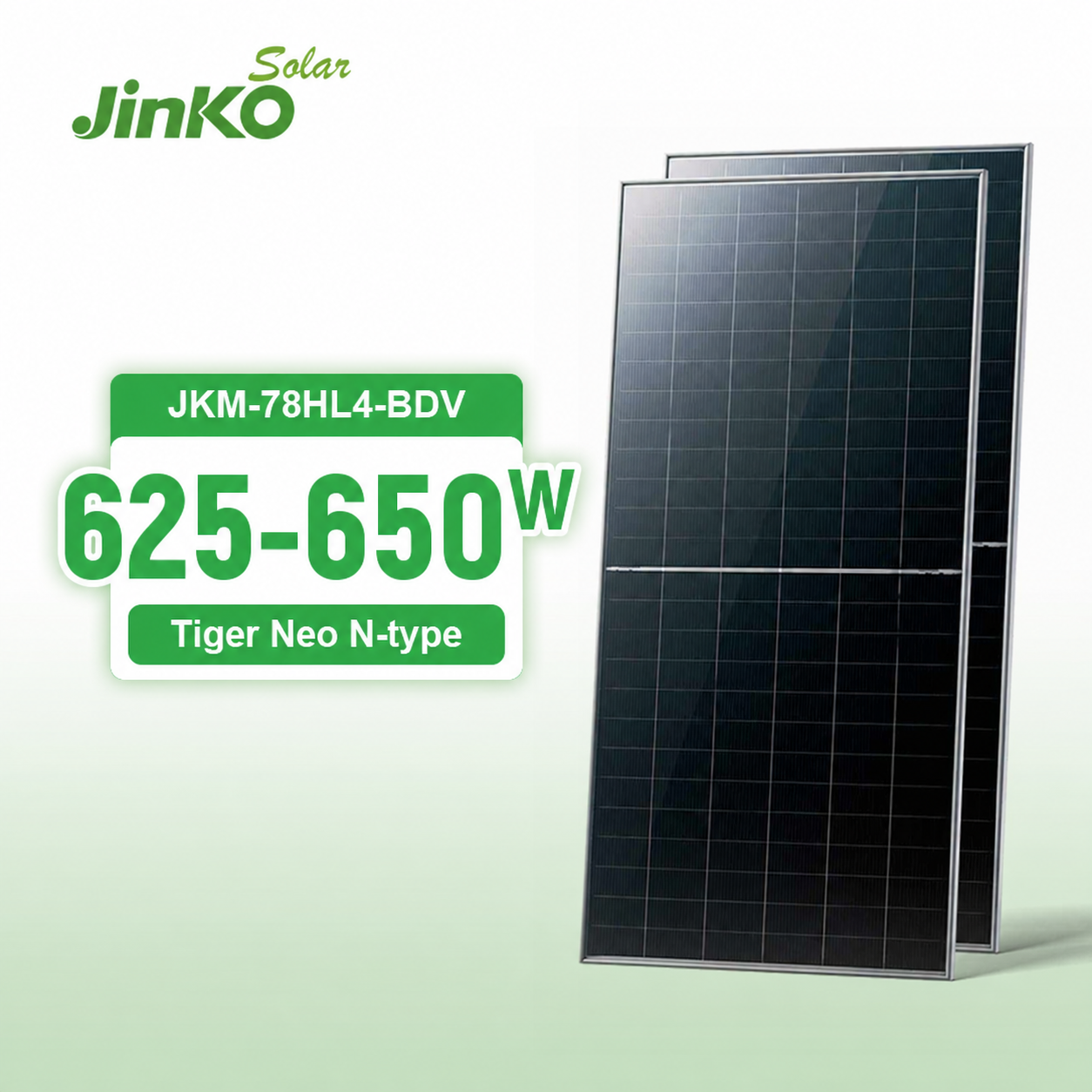
Commercial 650W Jinko N Type Pv Module 650W 625W 645W Bifacial Photovoltaic Module

Jinko N Type Pv Module 650W 625W 645W Bifacial Module

Heavy-duty utility and industrial PV module tailored for low BOS cost, multi-MPPT inverter matching, and high rear-side albedo energy gain.

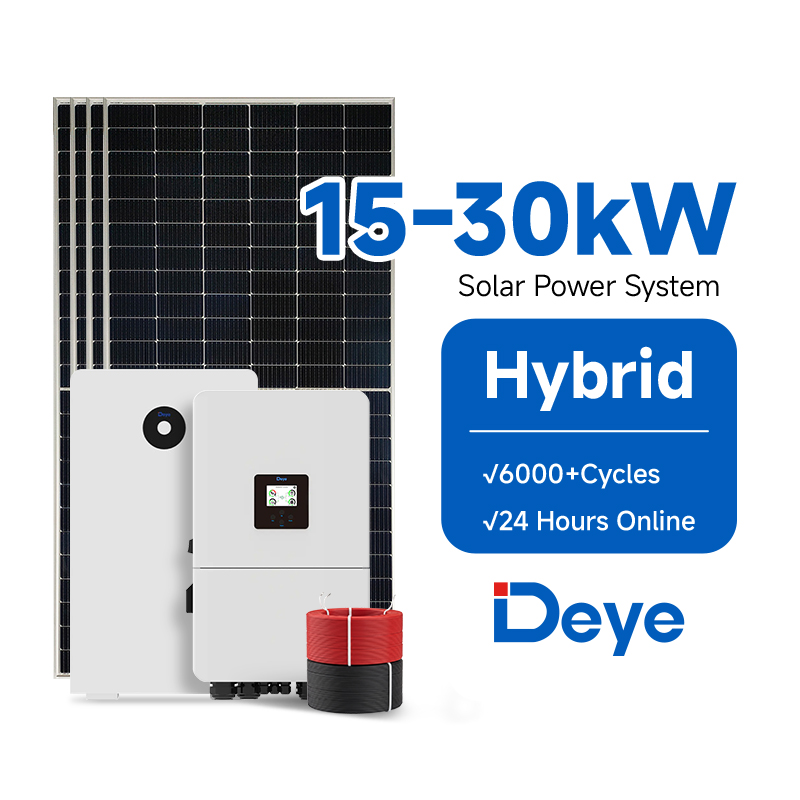
Hybrid ESS Low DC Voltage Battery Support Deye Hybrid Inverter ESS

Low DC Voltage Battery Support Deye Hybrid Inverter ESS 5kW-30kW

Multi-mode hybrid inverter with seamless off-grid switching, generator support, and BMS communication for low-voltage residential/C&I storage.

AgriPV Double-Glass Jinko High Efficiency Bifacial Pv Panels 625W 635W 645W Double Glass

Jinko High Efficiency Bifacial 625W-645W Double Glass Panel

Dual-glass architecture certified for harsh environments, ammonia resistance, and Maryland farm arrays with zero micro-crack degradation.

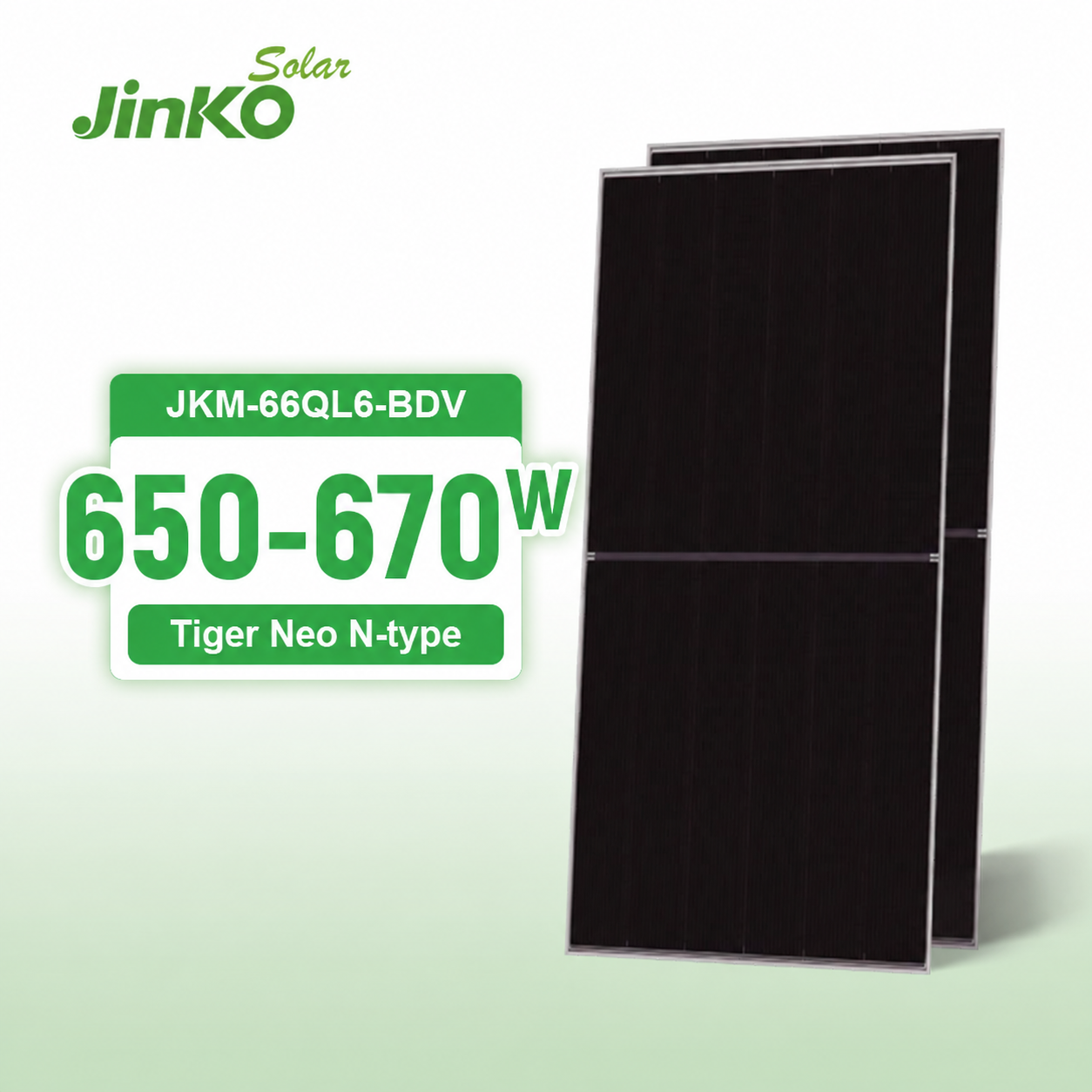
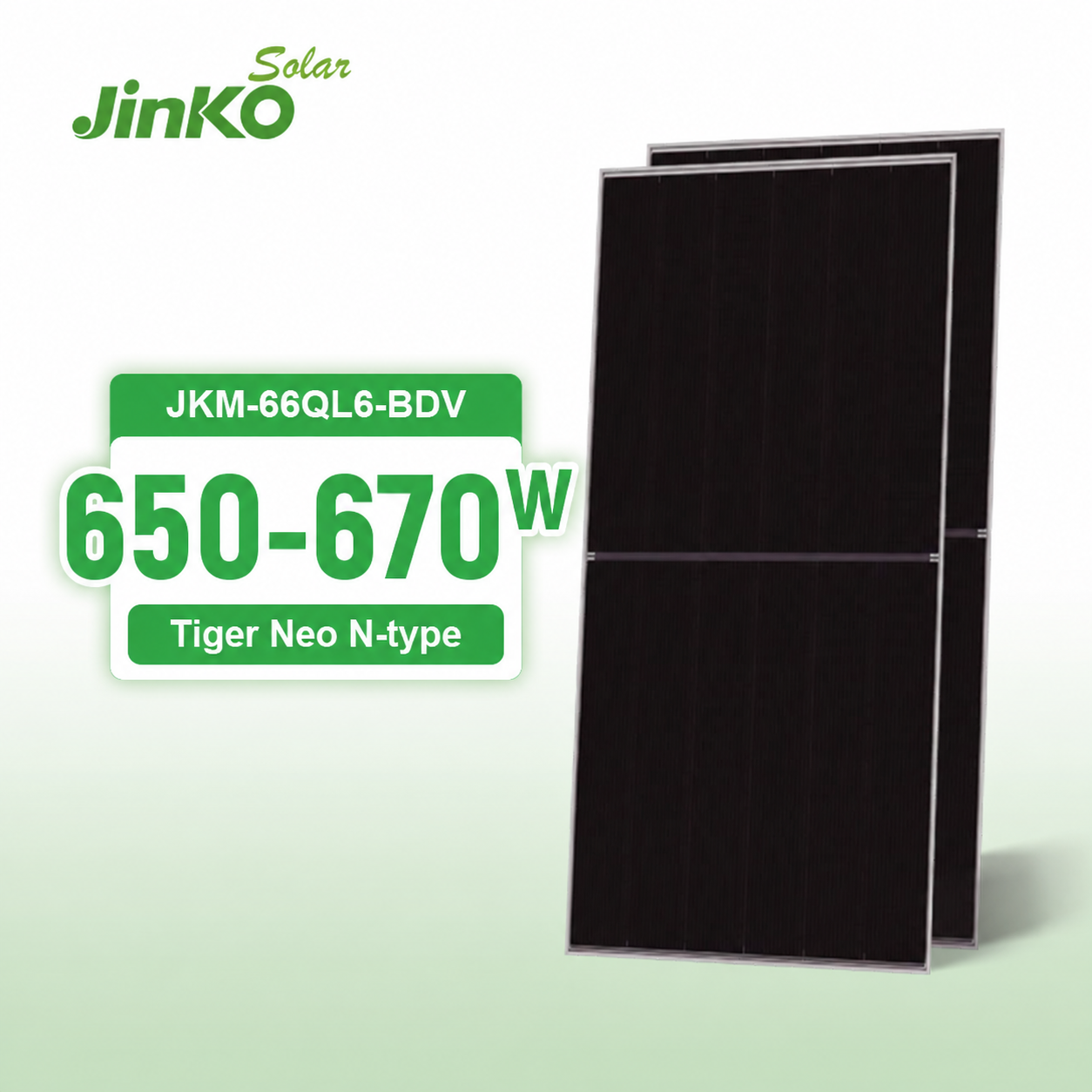
Residential Premium Jinko N Type Solar Panels Bifacial 650W 660W 670W TOPCon Double Glass

Jinko N Type Bifacial 650W-670W TOPCon High Efficiency Module

Optimized for tight residential roof configurations across Baltimore County, maximizing kilowatt-hour yield per square foot under partial shading.

Rooftop Optimized Jinko N Type Bifacial Pv Panels 650W 630W 645W Double Glass

Jinko N Type Bifacial 650W 630W Double Glass Module

Designed for flat commercial rooftops and pitched metal decks, offering superior thermal coefficients during hot Mid-Atlantic summer peaks.

High Albedo Yield Jinko Bifacial Panneau Solaire 650W Dual Glass Monocrystalline

Jinko Bifacial Dual Glass Mono Module 650W-670W for Rooftops

Framed dual-glass construction resilient against heavy snow loads, hurricane-force coastal gusts, and high-salinity ambient moisture.

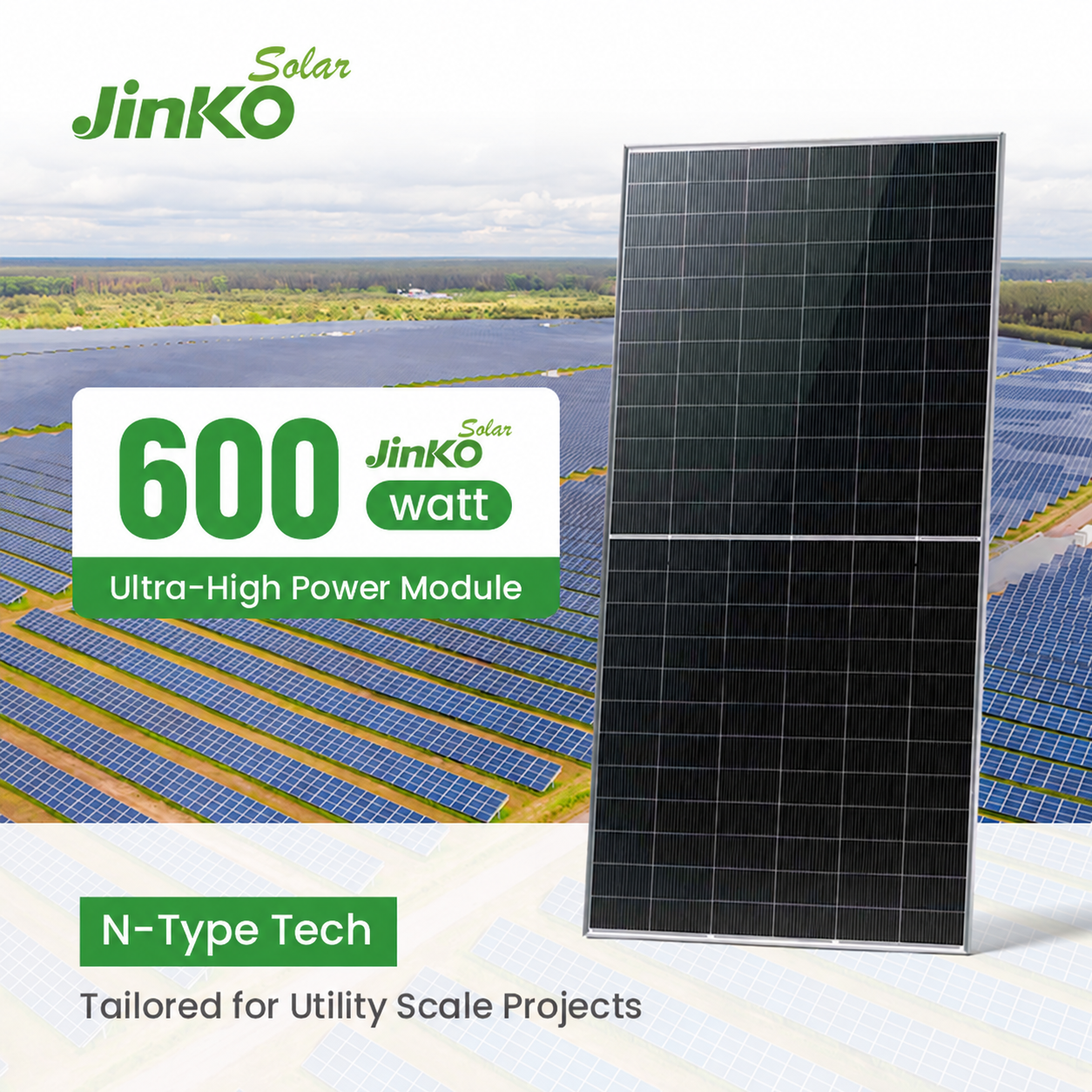
Home Series 600W Jinko Bifacial Solar Panels 600W Monocrystalline Dual Glass

Jinko Bifacial Solar Panels 600W 585W Monocrystalline Dual Glass

Streamlined footprint with exceptional conversion efficiency, ideal for suburban Baltimore homes seeking pairing with hybrid storage inverters.

Engineering Overview: The Commercial & Industrial Solar Inverter Landscape in Baltimore, MD

As the State of Maryland aggressively implements the mandates of the Clean Energy Jobs Act (CEJA)—aiming for 50% renewable energy generation by 2030—the greater Baltimore metropolitan region has emerged as a high-density testbed for resilient distributed energy resources (DERs). Within this dynamic regulatory and physical environment, solar inverters are no longer treated as simple DC-to-AC conversion appliances; they serve as the intelligent grid-interactive core of high-voltage microgrids, commercial rooftop arrays, and port logistics infrastructure.

Baltimore's unique geographic positioning along the Chesapeake Bay estuary exposes electrical infrastructure to aggressive environmental stressors, including maritime salt-fog atmospheric corrosion (C4/C5 corrosivity categories), heavy seasonal temperature swings (-10°C in winter to 40°C in high-humidity summer peaks), and localized electrical grid congestion governed by Baltimore Gas and Electric (BGE) and the PJM Interconnection regional transmission organization. Procuring solar inverters—such as the globally renowned Huawei FusionSolar string architectures or Deye multi-port hybrid topologies—requires deep technical scrutiny of conversion efficiency, thermal derating envelopes, multi-MPPT granularity, and firmware compatibility with strict UL 1741-SB and IEEE 1547-2018 grid interconnection protocols.

50%
Maryland RPS Goal by 2030
98.8%
Peak Inverter Efficiency
<20ms
Microgrid Transfer Speed
100+
Global Export Hubs

Technical Insight for EPC Contractors: Under BGE's Interconnection Standards for Small Generator Facilities, all three-phase solar inverters connected above 50 kW must support Advanced Inverter Functions (AIF), including Volt-VAR control, frequency-watt droop, and anti-islanding protection with certified soft-start parameters.

This industry report examines the Top 10 Huawei Solar Inverter Manufacturers & Supply Channel Partners servicing commercial developers, electrical contractors, and utility asset managers in Baltimore. We evaluate these suppliers based on technical inventory availability, technical support responsiveness, factory-direct communication protocols (CAN, RS485, Modbus TCP), compliance documentation (UL 1741-SB, IEEE 1547-2018, IEC 62109), and direct logistics integration through Baltimore's maritime and terrestrial corridors.

Inverter Topology Benchmarking: String Inverter vs. Central Hybrid Architecture

Selecting the optimal power conversion hardware for commercial rooftops across Sparrows Point, White Marsh, or South Baltimore requires comparing high-performance string inverters (such as Huawei SUN2000 series) with hybrid multi-source architectures (such as Deye low-voltage and high-voltage energy storage topologies):

Evaluation Parameter Huawei FusionSolar String Inverters Deye Multi-Port Hybrid Inverters Legacy Central Inverter Stations
Typical Power Capacity 5 kW to 330 kW per chassis 5 kW to 50 kW (Scalable to 800 kW) 500 kW to 3.125 MW skids
Maximum Efficiency 98.6% – 99.0% Euro/CEC 97.6% – 98.2% 98.5% – 98.7%
MPPT Trackers 4 to 12 independent MPPTs 2 to 4 independent MPPTs 1 to 2 common bus MPPTs
Energy Storage Coupling High-voltage DC coupled (LUNA series) Low-voltage (48V/51.2V) & HV DC coupled AC coupled via dedicated PCS skids
Arc Fault Mitigation (AFCI) AI-powered AFCI (0.5s auto shutoff) Standard UL 1699B Arc Fault Sensing Combiner-level physical detection
Baltimore Grid Interconnection IEEE 1547-2018 / UL 1741-SB Compliant Full BGE Ride-Through Compliance Requires customized substation engineering
Environmental Rating IP66 / NEMA 4X (Coastal Salt-Mist) IP65 Outdoor Enclosure Containerized air-conditioned shelters

Send an Inquiry

Top 10 Huawei Solar Inverter Manufacturers & Supply Channel Partners in Baltimore

Whether navigating complex supply chain bottlenecks, seeking Class 9 DG hazardous shipping documentation for unified battery-and-inverter shipping, or demanding verified factory-direct firmware matching, commercial stakeholders depend on the following ten supply and manufacturing entities operating within or directly servicing Baltimore, Maryland:

1. Hangzhou VOLT New Energy Technology Co., Ltd.

Rank #1 Global Integrator
Core Specialization: Direct Factory Supply, Protocol Matching & Containerized B2B Consolidation

Hangzhou VOLT New Energy Technology is an internationally accredited Tier-1 supply-chain integrator delivering engineered Huawei FusionSolar inverters, Deye multi-port hybrid units, Jinko N-Type TOPCon bifacial modules, and proprietary LFP (LiFePO4) storage systems to B2B buyers across 100+ countries. For Baltimore commercial installers and mid-Atlantic EPCs, VOLT eliminates site commissioning errors by pre-testing every inverter-to-battery CAN/RS485 communication protocol before ocean dispatch.

  • Zero-latency factory direct sourcing with pre-validated BMS firmware matching.
  • UN38.3, CE, TÜV, and complete Class 9 DG export documentation ready for Port of Baltimore customs clearance.
  • Mixed-container consolidation pairing Jinko 630W-670W modules with string/hybrid inverters.

2. BayWa r.e. Solar Systems Mid-Atlantic

Rank #2 Regional Stockist
Core Specialization: Wholesale Distribution & Commercial Balance of Systems

BayWa r.e. operates extensive fulfillment networks catering to Maryland and Mid-Atlantic commercial contractors. They stock a wide array of three-phase string inverters, rapid shutdown boxes, and solar racking gear suited for industrial warehouses throughout Baltimore County.

Their technical desk offers engineering review for Baltimore Gas and Electric (BGE) rule compliance and local code enforcement under the International Building Code (IBC).

3. Krannich Solar USA

Rank #3 Global Specialist
Core Specialization: String Inverters & Smart Microgrid Electronics

Krannich Solar is a dedicated pure-play solar distributor with a strong presence along the I-95 corridor. They specialize in high-efficiency string inverters and power optimizers, ensuring high inventory availability for commercial installers across Baltimore, Annapolis, and Columbia.

Their strengths lie in fast dispatch of replacement parts, pre-wired AC disconnects, and string-level monitoring accessories.

4. CED Greentech Mid-Atlantic

Rank #4 Electrical Distributor
Core Specialization: Turnkey Electrical Gear, Inverters & Switchgear

Operating dedicated branch warehouses in the Mid-Atlantic, CED Greentech bridges the gap between traditional electrical contracting and renewable energy systems. They provide string inverters, utility-grade disconnect switches, transformers, and BGE-compliant bi-directional revenue meters.

Their logistics fleet provides job-site deliveries directly to commercial rooftops and agricultural sites in Maryland.

5. Cooper Electric / Sonepar Renewable Solutions

Rank #5 Industrial Wholesaler
Core Specialization: Heavy C&I Infrastructure & High-Voltage String Inverters

Cooper Electric, a Sonepar company, serves large-scale commercial developers across Baltimore Harbor, Glen Burnie, and Bel Air. They specialize in multi-megawatt equipment sourcing, high-voltage string inverters (1000V and 1500V DC), and commercial microgrid switchgear.

They maintain dedicated renewable energy application engineers who assist contractors in designing medium-voltage step-up interconnections.

6. Wesco Renewables & Anixter Solar

Rank #6 Supply Chain Logistics
Core Specialization: Enterprise Procurement & Utility Inverter Consortia

Wesco is an international powerhouse in electrical supply chain management. For Baltimore municipal, educational, and healthcare solar developments, Wesco provides structured procurement agreements covering high-capacity string inverters, plant controllers, and environmental sensors.

Their Baltimore staging facilities allow EPCs to stage multi-container deliveries according to crane and mounting schedules.

7. Soligent Distribution

Rank #7 C&I Integrator
Core Specialization: Commercial Rooftop & Carport Inverter Solutions

Soligent supplies residential and commercial installers throughout the Mid-Atlantic with high-yield inverters, DC combiners, and monitoring equipment. Their engineering team provides comprehensive bill-of-materials (BOM) design reviews and rebate optimization under Maryland MEA grant programs.

They provide robust installer training programs focused on rapid shutdown code compliance (NEC 690.12).

8. Standard Solar Equipment Network

Rank #8 Asset Developer Channel
Core Specialization: Utility-Scale & Distributed Generation Assets

Headquartered in Maryland, Standard Solar acts both as a premier national asset owner and an institutional equipment procurement channel. They manage massive supply pipelines for high-reliability string inverters used across community solar and ground-mount arrays throughout the state.

Their engineering specifications heavily prioritize high-uptime inverters with remote string-level I-V curve diagnostics.

9. Graybar Electric Solar Solutions

Rank #9 Industrial Commercial
Core Specialization: Federal, Municipal & Port Infrastructure Supply

Graybar maintains dedicated electrical warehousing servicing the Baltimore metropolitan zone. Their solar portfolio emphasizes certified inverters compliant with Buy America provisions, Department of Transportation standards, and municipal government procurement specs.

Their logistics capability supports complex deliveries to maritime terminals at the Port of Baltimore and federal facilities near Fort Meade.

10. Renvu Solar Distribution

Rank #10 Digital Direct Supply
Core Specialization: Direct Digital Engineering Kits & Inverter Sizing

Renvu provides algorithmic system design tools and rapid procurement packages for independent contractors and engineering firms in Maryland. Their online modeling interfaces allow installers to calculate exact string inverter clipping ratios and DC-to-AC loading ratios.

They offer tailored small-commercial kits pairing high-power bifacial panels with intelligent multi-MPPT inverters.
Localized Application Scenarios: Deploying Solar Inverters in Baltimore & Chesapeake Bay

Engineering a solar power plant in Baltimore demands tailored specifications designed around local industrial topography, marine climates, and regulatory grid boundaries. Standard off-the-shelf inverter installations frequently suffer premature component failure or regulatory curtailment if regional factors are ignored:

1. Port of Baltimore Marine Logistics Terminals & Coastal Corrosion (C5-M Rating)

Infrastructure situated along the Patapsco River and Baltimore Harbor faces elevated atmospheric salinity, high relative humidity, and industrial chemical particulate deposits. When deploying inverters on maritime warehousing, cranes, and logistics centers (such as Seagirt Marine Terminal), engineering specifications must mandate IP66 ingress protection, conformal coating on internal PCBA boards, and anti-corrosive aluminum die-cast housings conforming to ISO 12944 C5-M marine exposure testing.

2. Cold Storage & Food Distribution Hubs at Sparrows Point

The vast logistics parks developed on the historic Sparrows Point industrial peninsula host millions of square feet of cold storage and automated fulfillment facilities. These operations experience high daytime power demands, driven by heavy industrial refrigeration compressors. High-efficiency string inverters (100 kW to 250 kW) combined with Jinko 650W TOPCon bifacial modules deliver optimized levelized cost of energy (LCOE) while counteracting peak demand surcharges under BGE commercial time-of-use tariffs.

3. Urban Brownfield & Rooftop Microgrids Across Central Baltimore

In historic Baltimore manufacturing districts, structural load limits on older timber and masonry roofs necessitate distributed string architectures rather than heavy central inverter skids. Distributing lightweight, high-capacity string inverters across structural roof purlins reduces DC conduit runs, eliminates high-loss combiner boxes, and minimizes mechanical roof loading while maintaining complete compliance with NEC 2020 / 2023 Section 690.12 rapid shutdown mandates.

4. Resilient Critical Microgrids for Academic & Healthcare Campuses

World-class institutions such as Johns Hopkins Medicine and the University of Maryland require uninterrupted power resiliency. Multi-port hybrid inverters (e.g., Deye 10kW to 50kW units) paired with dedicated lithium iron phosphate (LFP) energy storage banks provide clean black-start capabilities, transferring critical surgical suites and refrigerated laboratory loads within 10 to 20 milliseconds upon primary grid blackout.

Regulatory Framework: BGE Interconnection, Maryland SRECs & IEEE 1547-2018

Developing a successful grid-tied solar project in Baltimore requires navigating the jurisdictional approval processes of the Maryland Public Service Commission (PSC) and Baltimore Gas and Electric (BGE). Key regulatory mechanisms include:

BGE Interconnection Review Procedures

BGE classifies renewable generation interconnection applications into four distinct levels depending on nameplate AC capacity:

  • Level 1 (Simplified Review): Certified inverter-based systems ≤ 20 kW. Approval is fast-tracked (typically 10-15 business days) provided the inverter carries UL 1741-SB and IEEE 1547-2018 certification.
  • Level 2: Certified systems up to 2 MW connected to radial distribution feeders. Requires detailed engineering screens (15% feeder peak load rule, short-circuit ratio, and voltage flicker analysis).
  • Level 3 & Level 4: Systems exporting power onto networked distribution grids or transmission networks. Demands comprehensive supplemental impact studies, telemetry gateway integration (SCADA), and transfer trip protection.

Maryland Clean Energy Jobs Act & SREC Market

Maryland operates one of the most robust Solar Renewable Energy Credit (SREC) markets in the United States. Inverters must integrate ANSI C12.20 Class 0.5 revenue-grade generation meters and automated production reporting to the PJM Environmental Information Services (EIS) Generation Attribute Tracking System (GATS). High inverter conversion efficiency (98.5%+) directly translates into higher cumulative kilowatt-hours and increased SREC cash flow for asset owners.

Baltimore Solar Equipment Procurement FAQ: Engineering & B2B Importing

Why are Huawei string inverters preferred over central inverters for Baltimore commercial rooftops?
Huawei string inverters (such as the SUN2000 series) incorporate multiple Maximum Power Point Trackers (MPPTs)—typically 4 to 12 per chassis. For complex Baltimore commercial rooftops with varying roof pitches, skylights, parapet walls, and HVAC shading, multi-MPPT architecture isolates string mismatch losses, increasing aggregate energy harvest by 3% to 8% compared to single-bus central inverters. Furthermore, their IP66 enclosure eliminates the need for expensive indoor inverter rooms or air-conditioned skid shelters.
How does Hangzhou VOLT New Energy ensure battery and inverter compatibility prior to shipping to Maryland?
Before packing and export consolidation, engineers at VOLT conduct hardware-in-the-loop (HIL) communication verification. The Battery Management System (BMS) of the LFP lithium pack is connected to the selected hybrid inverter via CAN or RS485 communication protocols. Engineers verify that baud rates, charging current cutoffs, over-voltage limits, and SOC alarms synchronize instantly without firmware patching required by the installer on site.
What documentation is required to clear Class 9 Dangerous Goods (DG) batteries and inverters through the Port of Baltimore?
Lithium iron phosphate (LFP) energy storage systems are classified as Class 9 Dangerous Goods (UN3480 / UN3481). VOLT provides full UN38.3 test summary reports, Material Safety Data Sheets (MSDS), certified dangerous goods packaging certificates, and IMDG-compliant maritime transport declarations. For inverter hardware, full UL 1741-SB, CE, and IEEE documentation are bundled into the export documentation package for seamless US Customs and Border Protection (CBP) clearance.
Can Jinko N-Type TOPCon bifacial modules be directly paired with Deye hybrid inverters?
Yes. Jinko N-Type bifacial modules (ranging from 600W to 670W) feature lower open-circuit voltages (Voc) and higher short-circuit currents (Isc), perfectly matching the wide MPPT voltage window and high input current handling (13A to 20A per string) of Deye's latest multi-port hybrid inverters. This pairing allows developers to achieve a DC/AC loading ratio of 1.30 to 1.50 without experiencing thermal or electrical clipping during morning and evening irradiance peaks.
What are the Rapid Shutdown requirements in Baltimore City and Baltimore County?
Both jurisdictions enforce the National Electrical Code (NEC) Section 690.12. Inverters must be capable of de-energizing the PV array conductors outside the array boundary to 30V or less within 30 seconds of rapid shutdown initiation, and inside the boundary to 80V or less. Huawei and Deye inverters achieve this using PLC (Power Line Communication) module-level shutdown devices (MLPE) or transmitter units synchronized directly with the inverter's internal AFCI control board.

Why International EPCs & Distributors Partner with Hangzhou VOLT New Energy

Based in the manufacturing and innovation corridor of Hangzhou, China, Hangzhou VOLT New Energy Technology Co., Ltd. serves as the premier engineering supply partner for commercial solar distributors and EPC contractors across North America, Europe, Latin America, and Africa. We eliminate the friction of international component procurement through comprehensive quality control and verified component synergy:

Tier-1 Component Consolidation

We source, verify, and pack Jinko Solar panels, Huawei/Deye solar inverters, and our proprietary high-cycle LFP storage systems in synchronized container loads, saving thousands of dollars in separate ocean logistics fees.

Rigorous Pre-Shipment Testing

Every single lithium battery rack and hybrid inverter undergoes protocol handshaking tests, high-voltage insulation tests, and full parameter alignment prior to container sealing. Day-one site operability is guaranteed.

Complete Global Export Compliance

With UN38.3, MSDS, CE, TÜV, IEC 62619, and IEC 61215 certifications, our export shipments clear maritime customs smoothly, accompanied by full traceability and OEM serial-number verification.

Architect Your Next Commercial Solar + Storage Deployment

Submit your load profile, single-line diagram (SLD), or module procurement schedule. Our bilingual engineering specialists will deliver a matched inverter-battery configuration, compliance documentation, and consolidated shipping quote within 24 hours.

Send an Inquiry