Featured Monocrystalline N-Type TOPCon Modules
High-yield, dual-glass bifacial modules engineered to withstand tropical heat, UV index 12+ solar radiation, and maritime salt spray across Venezuelan project sites.
Venezuela Photovoltaic Landscape: Grid Collapse & Solar Industrialization
The Bolivarian Republic of Venezuela possesses one of the highest Global Horizontal Irradiance (GHI) levels in northern South America, averaging between 5.1 and 6.4 kWh/m²/day, with northern corridors such as the Guajira Peninsula and Falcon State exceeding 6.8 kWh/m²/day. However, the nation’s power sector is caught in a profound dichotomy: despite vast resource endowments, the National Electric System (Sistema Eléctrico Nacional, or SEN), managed by the state entity Corpoelec, faces continuous structural strain. Over-reliance on the Guri Dam (Simón Bolívar Hydroelectric Plant) in Bolívar State—which generates roughly 70% of the country’s baseline power—combined with deteriorated long-distance 765 kV transmission lines, frequently leaves industrial and residential zones like Maracaibo, Barquisimeto, and Valencia vulnerable to protracted grid blackouts.
Consequently, the search for monocrystalline solar panel factories and factory direct supply channels in Venezuela is no longer merely an environmental aspiration; it is an urgent industrial survival strategy. Severe diesel fuel rationing for private generation sets (gensets), climbing maintenance costs of internal combustion motors, and the dollarization of industrial operating expenses have forced Venezuelan agricultural operations, telecom towers, oilfield camps, and food processing plants to convert directly to solar photovoltaic generation matched with lithium energy storage systems (BESS).
Procurement Reality Check: Domestic Factories vs. Integrated Tier-1 Corridors
Procurement directors and EPC contractors must distinguish between nominal domestic module assembly and established international Tier-1 direct-factory corridors. While state-sponsored initiatives historically sought to establish domestic module assembly lines (such as the Paraguana photovoltaic ventures and CVG alliances), the hyper-specialization of high-efficiency N-Type monocrystalline silicon ingots, wafers, and cell metallization means that over 98% of high-yield solar modules installed in Venezuela originate from advanced automated Tier-1 factories in China. True supply security depends on seamless containerized logistics directly from manufacturing hubs into Puerto Cabello and La Guaira, bundled with pre-tested inverters and lithium storage batteries.
Top 10 Monocrystalline Solar Panel Factories & Manufacturing Channels Serving Venezuela
A technical evaluation of domestic assembly centers, state energy initiatives, and premier Tier-1 global manufacturing partners providing verified shipments into the Venezuelan market.
Hangzhou VOLT New Energy
Engineering supplier and system integrator specializing in full container shipments of Tier-1 N-Type TOPCon monocrystalline panels (Jinko/own-brand), Deye hybrid inverters, and LFP lithium battery storage. Renowned for end-to-end communication matching and specialized ocean freight documentation for South American customs.
JinkoSolar High-Tech Manufacturing
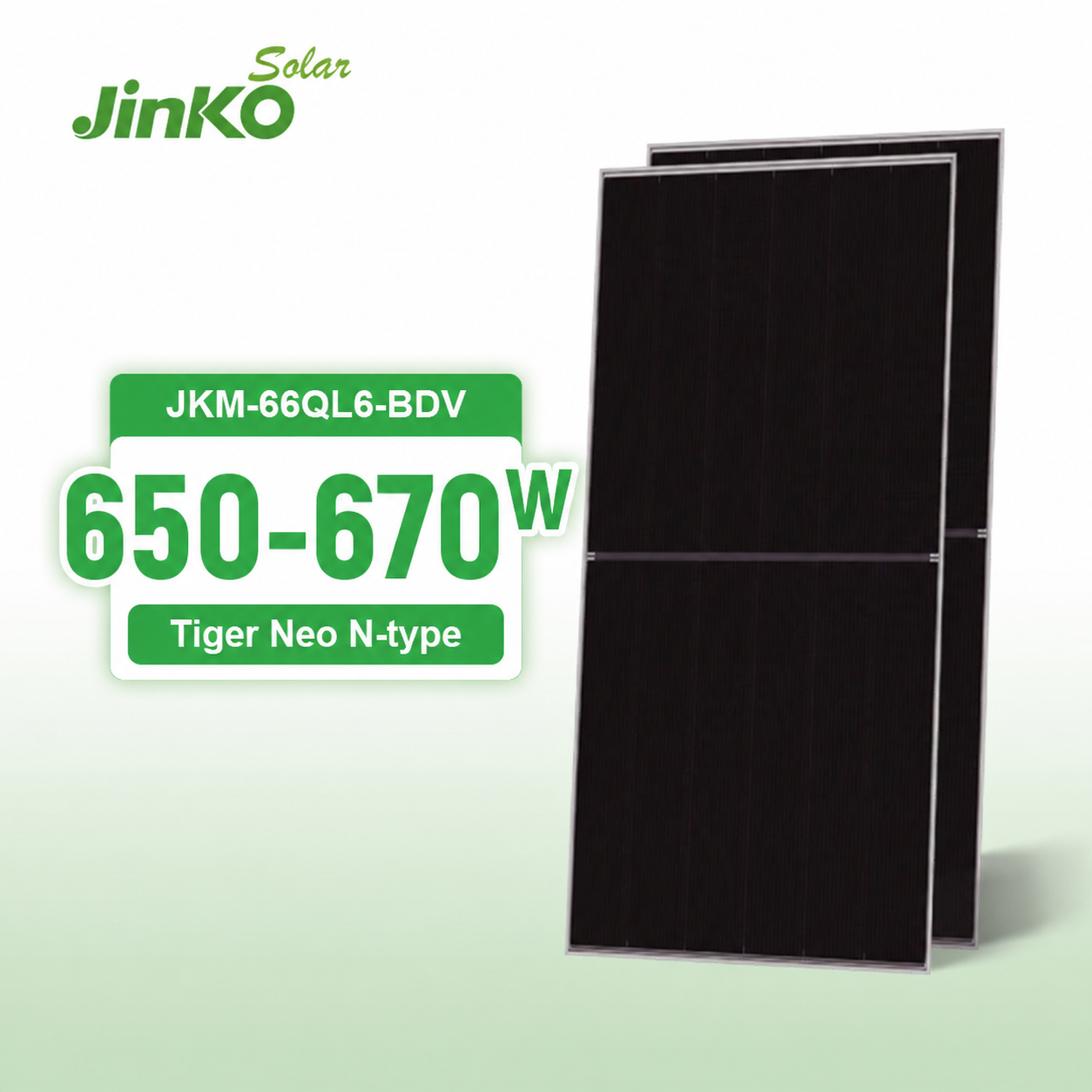
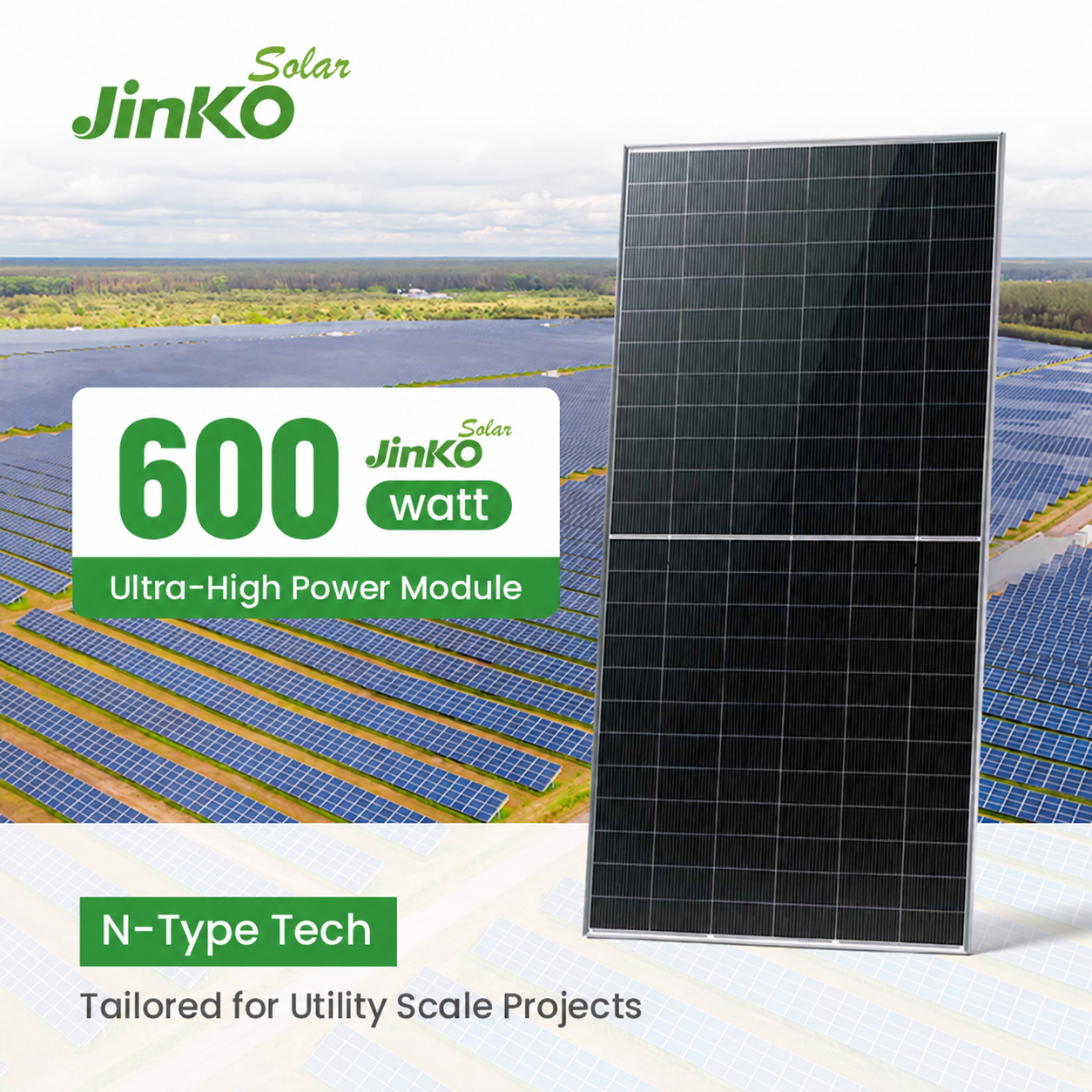
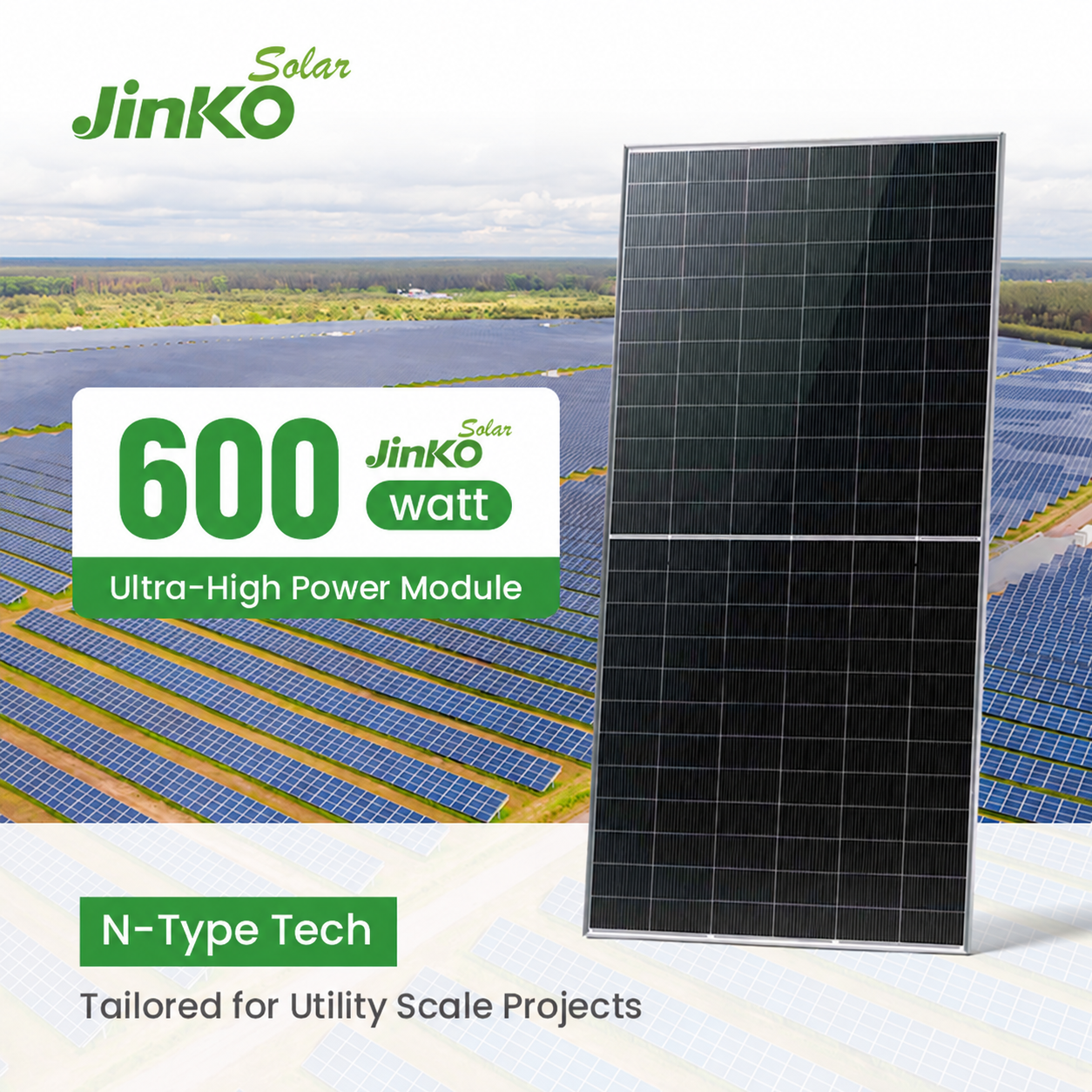
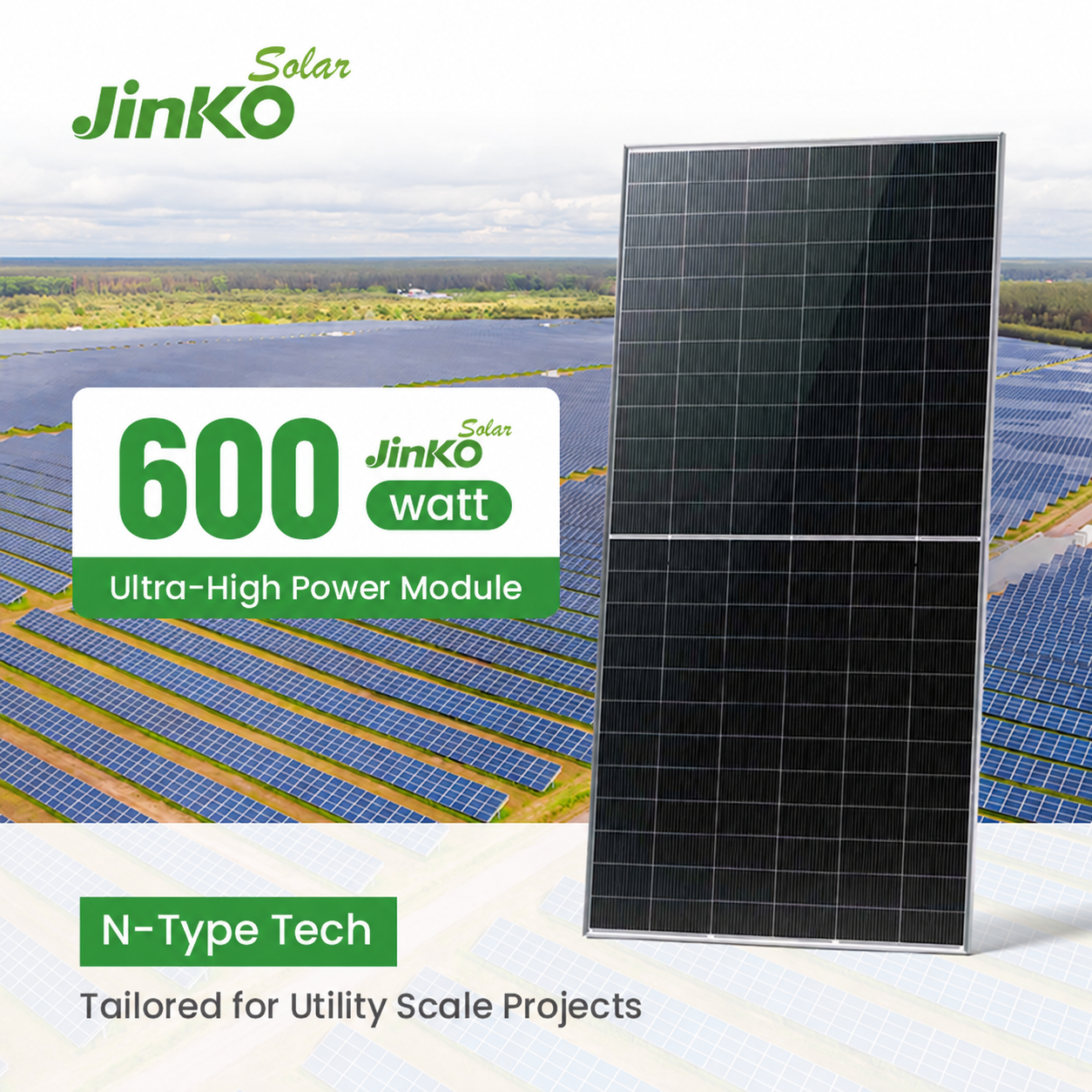
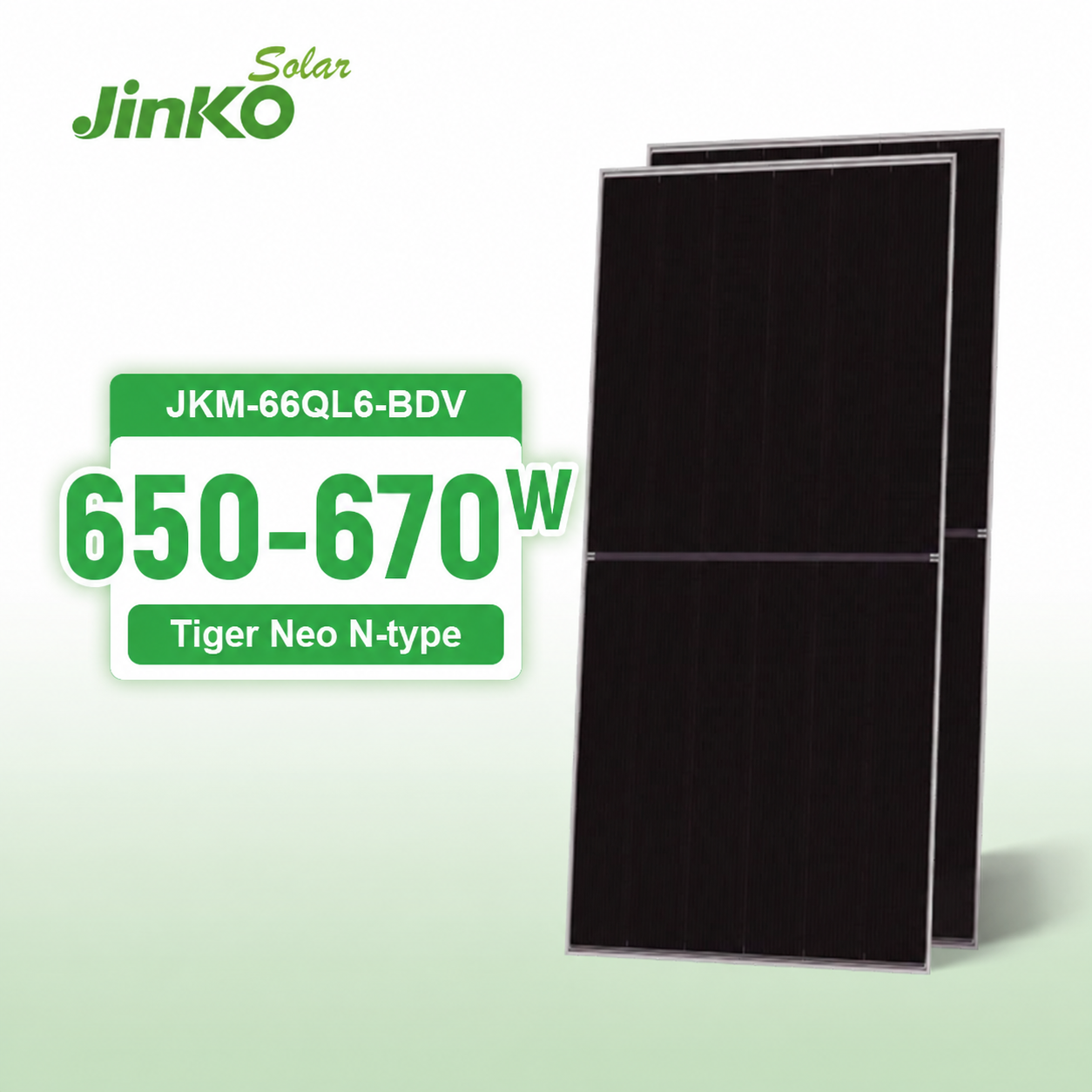
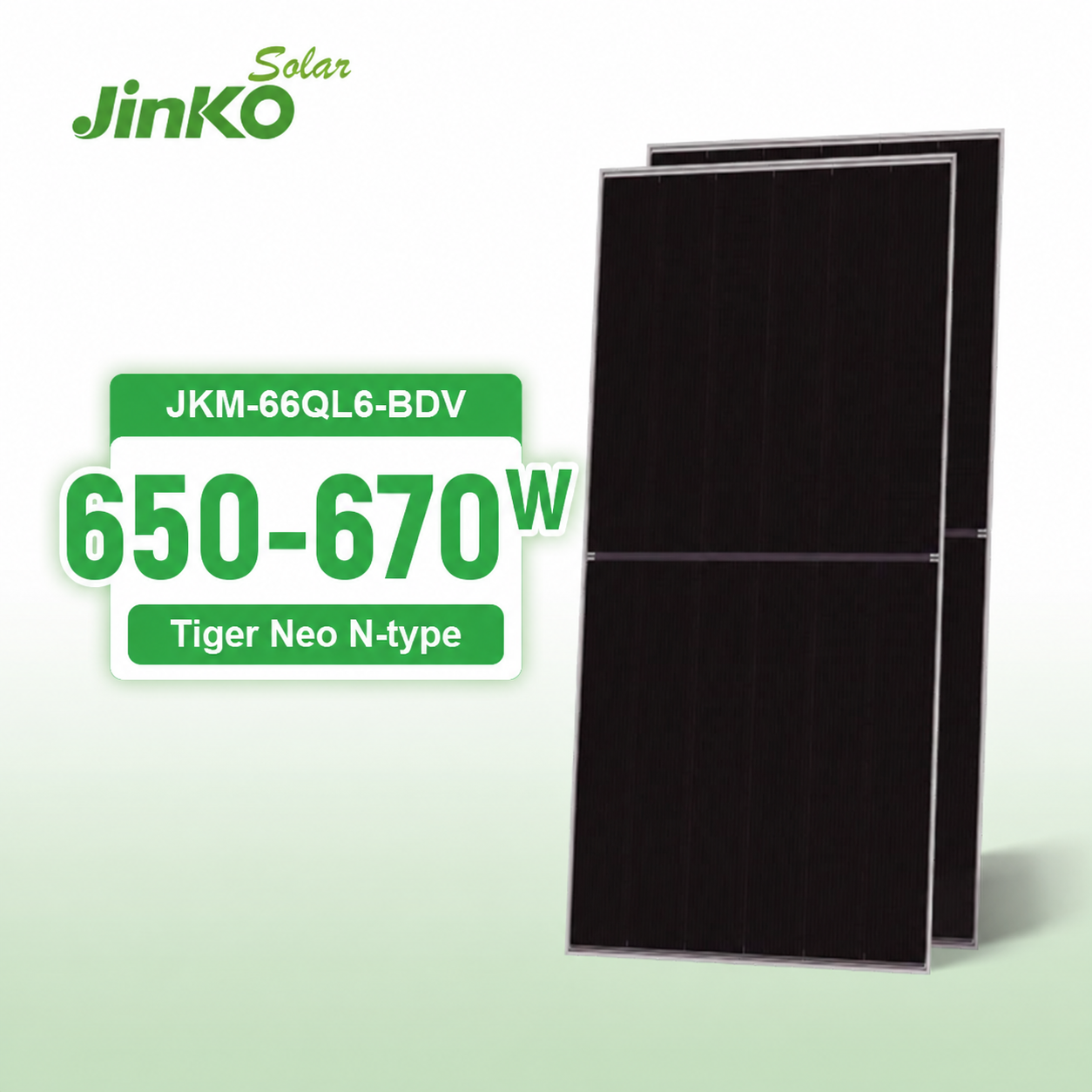
The world’s volume leader in N-Type monocrystalline modules. Jinko's Tiger Neo dual-glass series (580W–670W) serves as the engineering benchmark across Venezuela due to its industry-low temperature coefficient (-0.29%/°C), high bifaciality (>80%), and anti-PID performance in extreme tropical ambient temperatures.
Complejo Tecnológico Simón Rodríguez (CTSR)
Historically conceived as Venezuela's sovereign electronic and solar assembly facility under the Ministry of Science and Technology. Although local lamination capacity has fluctuated due to economic cycles and imported cell component constraints, it represents the foundational state initiative for domestic photovoltaic assembly.
CVG Renewable Energy Technical Division
Formed to develop localized solar integration for mineral processing, smelters, and mining infrastructure in Guayana. CVG maintains engineering partnerships with international cell manufacturers to fabricate customized aluminum framing and balance-of-system racking utilizing local structural metal resources.
Trina Solar Manufacturing Network
Pioneered 210mm large-format monocrystalline wafer modules. Trina’s high-power modules are frequently deployed by international EPC contractors working inside the Venezuelan special economic zones (Zonas Económicas Especiales), targeting utility ground-mount and large factory installations.
Canadian Solar Inc. Manufacturing
Recognized for durable multi-busbar monocrystalline designs. Modules are sourced by EPCs out of global mega-factories directly into Venezuelan transshipment points, commonly selected for agricultural water pumping applications across the states of Guárico, Barinas, and Portuguesa.
Somerpo / Enerveca Industrial Cluster
An electromechanical manufacturing collective that has historically assembled balance-of-system components, solar combiner boxes, and modular PV skids for Corpoelec rural electrification projects, relying on imported high-purity monocrystalline cells for solar integration.
LONGi Green Energy Technology
The world’s largest monocrystalline wafer producer. LONGi's Hi-MO series modules are utilized by major private capital ventures in Venezuela looking for low-risk levelized cost of energy (LCOE) in self-generation schemes for telecommunications and commercial estates.
JA Solar Automated Module Factories
Supplies high-efficiency DeepBlue monocrystalline modules. Well known among Venezuelan commercial importers for robust packing configurations that withstand rough inland transit over deteriorated roadway links between Puerto Cabello, Maracay, and Caracas.
Planta Solar Santa Elena & Cross-Border Supply Corridor
A strategic southern border initiative utilizing imported monocrystalline technology to isolate regional border towns from the unstable Guri transmission loop. Integrates Tier-1 direct OEM component deliveries for mini-grid and micro-hydro-solar hybrid systems.
Why N-Type Monocrystalline TOPCon Is Imperative for Venezuela’s Climate
Operating photovoltaic equipment in Venezuela exposes modules to brutal environmental stressors: ambient dry-bulb temperatures exceeding 42°C in Maracaibo and Coro, intense ultraviolet degradation, lake humidity with high airborne hydrogen sulfide around Lake Maracaibo oil fields, and marine salt spray along the 2,800-kilometer Caribbean coastline. Selecting the correct monocrystalline technology is the decisive factor between a system producing power for 30 years and one suffering premature junction box degradation and delamination within 36 months.
Temperature Coefficient: -0.29%/°C
Traditional P-type PERC panels suffer steep thermal derating (-0.35%/°C to -0.39%/°C). At rooftop operating cell temperatures (NOCT) of 65°C in Maracaibo, N-Type TOPCon panels deliver 4% to 7% higher actual energy output during peak noon hours.
Zero LID & Anti-PID Technology
N-Type silicon uses phosphorus doping instead of boron-oxygen complexes, eradicating Light Induced Degradation (LID). Combined with POE encapsulation and dual glass, Potential Induced Degradation (PID) is completely arrested under tropical humidity.
80-85% Bifacial Yield Gain
Dual-glass bifacial architecture captures reflected albedo radiation from gravel, concrete rooftops, or sandy coastal soil, providing an additional 10% to 25% energy production from the module rear face without expanding land footprint.
Mission-Critical Solar Deployments Across Venezuelan Regions
Real-world integration models answering specific economic, industrial, and geographic vulnerabilities across the country.
Petrochemical & Urban Resilience
Maracaibo suffers from extreme heat and grid outages exceeding 12 hours daily. Installations utilize 600W+ N-Type bifacial panels paired with Deye 12kW–50kW hybrid inverters and LFP battery racks to guarantee 24/7 cold storage, residential air conditioning, and oilfield control rooms without generator fuel costs.
Agro-Industrial Solar Pumping
Vast cattle and grain farms face critical diesel shortages to power deep-well irrigation pumps and grain silos. Monocrystalline solar arrays drive variable-frequency drive (VFD) three-phase water pumps directly from daylight, storing water in elevated reservoirs without reliance on diesel supply lines.
Off-Grid Industrial Extraction
Remote extraction camps in Monagas and Anzoátegui utilize containerized hybrid microgrids: 660W dual-glass modules integrated into ground-mounted ballasted arrays with automated battery storage, radically slashing diesel generator run-time and carbon taxes.
Coastal Logistics & Warehousing
Warehouse rooftops around primary shipping hubs face salt mist corrosion (IEC 61701). Dual-glass N-Type panels with anodized 35mm-40mm aluminum frames provide maximum resistance against saltwater oxidation, ensuring uninterrupted operations for freezers and logistics cranes.
Emerging Trends Driving Venezuela’s Commercial Solar Revolution
The photovoltaic market in Venezuela is transitioning from an emergency stopgap response to an institutionalized capital allocation trend. Three macro-economic realities govern this migration:
1. The End of Subsidized Industrial Diesel: Historically, subsidized fuel rendered solar energy economically unnecessary for large businesses. Today, industrial diesel trades at international market parity (frequently $0.50 to $0.70 per liter on the open commercial market) or is subjected to severe quota restrictions. At these price levels, levelized energy cost from a high-efficiency monocrystalline solar array combined with lithium batteries yields an internal rate of return (IRR) exceeding 32%, with capital payback periods shortened to 2.5 to 4 years.
2. Transaction Dollarization & Asset Protection: Due to continuous historical currency inflation, industrial facility owners calculate asset value and operational capital expenditure exclusively in USD. Investing retained earnings into physical, high-durability infrastructure like Tier-1 monocrystalline panels from companies like VOLT New Energy serves as an enduring hedge against local monetary fluctuations, guaranteeing stable kilowatt-hour production for 30 years.
3. Rise of Turnkey Factory-Bundled Systems (PV + Inverter + Storage): The era of importing loose solar panels from unverified brokers has ended. Local EPC firms now demand complete pre-tested kits. Because inverter-to-battery communication errors (BMS protocol mismatches) can strand expensive equipment at job sites in cities like San Cristóbal or Maturín, B2B buyers favor manufacturers who configure and test the entire equipment stack—solar modules, hybrid inverters, and lithium energy storage—prior to container loading.
Integrated Advantages: Your Direct Factory Partner for Venezuela
Hangzhou VOLT New Energy Technology Co., Ltd. eliminates international procurement risk, delivering matched, tested, and certified equipment from China’s solar core directly to Venezuelan ports.
Turnkey Component Matching
We eliminate "BMS communication fault" risks on site. Every shipment of Jinko monocrystalline panels is matched and validated against Deye hybrid inverters and VOLT LFP battery communication protocols (CAN/RS485) before leaving the factory.
Pre-Shipment Factory QC
All modules undergo rigorous automated EL (electroluminescence) testing to catch micro-cracks, flashing power verification, and insulation testing. Full photographic and video inspection records are provided prior to container sealing.
DG Maritime Compliance
Lithium batteries require Class 9 Dangerous Goods handling. We provide full UN38.3, MSDS, and maritime shipping certification, packing mixed containers (panels, inverters, and batteries) to maximize container space and slash landed freight costs.
B2B Engineering Support
Our dedicated technical engineers provide string sizing calculation, shadow analysis, single-line electrical diagrams, and firmware parameter configuration guides in Spanish and English for your local installation crews.
Frequently Asked Questions by Venezuelan Solar Buyers
Essential guidance covering customs duties, maritime logistics, grid tie regulations, and electrical synchronization.
What customs duties and SENIAT tariff codes apply to monocrystalline panels in Venezuela?
How do dual-glass monocrystalline panels handle the intense micro-climates of Maracaibo and Falcon?
Can we connect these solar panel arrays directly to our existing diesel generators without damage?
What is the transit time and shipping route from China to Venezuelan ports?
Can we buy mixed container loads combining panels, inverters, and batteries?
Power Your Projects With Industrial-Grade Monocrystalline Reliability
Whether you require containerized factory shipments of 670W N-Type TOPCon panels for an agro-industrial project in Barinas, or a customized hybrid solar-plus-storage mini-grid in Maracaibo, our technical engineering division is ready to verify your load profile and assemble your shipment.