22.8%+
Peak Module Efficiency
100+
Countries & Regions Reached
30 Years
Dual-Glass Power Warranty
24 Hours
Engineering Response Guarantee
Tier-1 High Efficiency Modules
Engineered Photovoltaic Equipment for Critical Power Autonomy
Precision-matched monocrystalline and dual-glass bifacial panels built to withstand harsh coastal air, extreme daytime thermal expansion, and erratic grid infrastructure.
Procurement Whitepaper
Top 10 Solar Module Suppliers & Engineering Integrators for Gaza City
Comprehensive technical assessment for international EPC contractors, municipal engineers, and humanitarian relief organizations sourcing Tier-1 photovoltaic arrays.
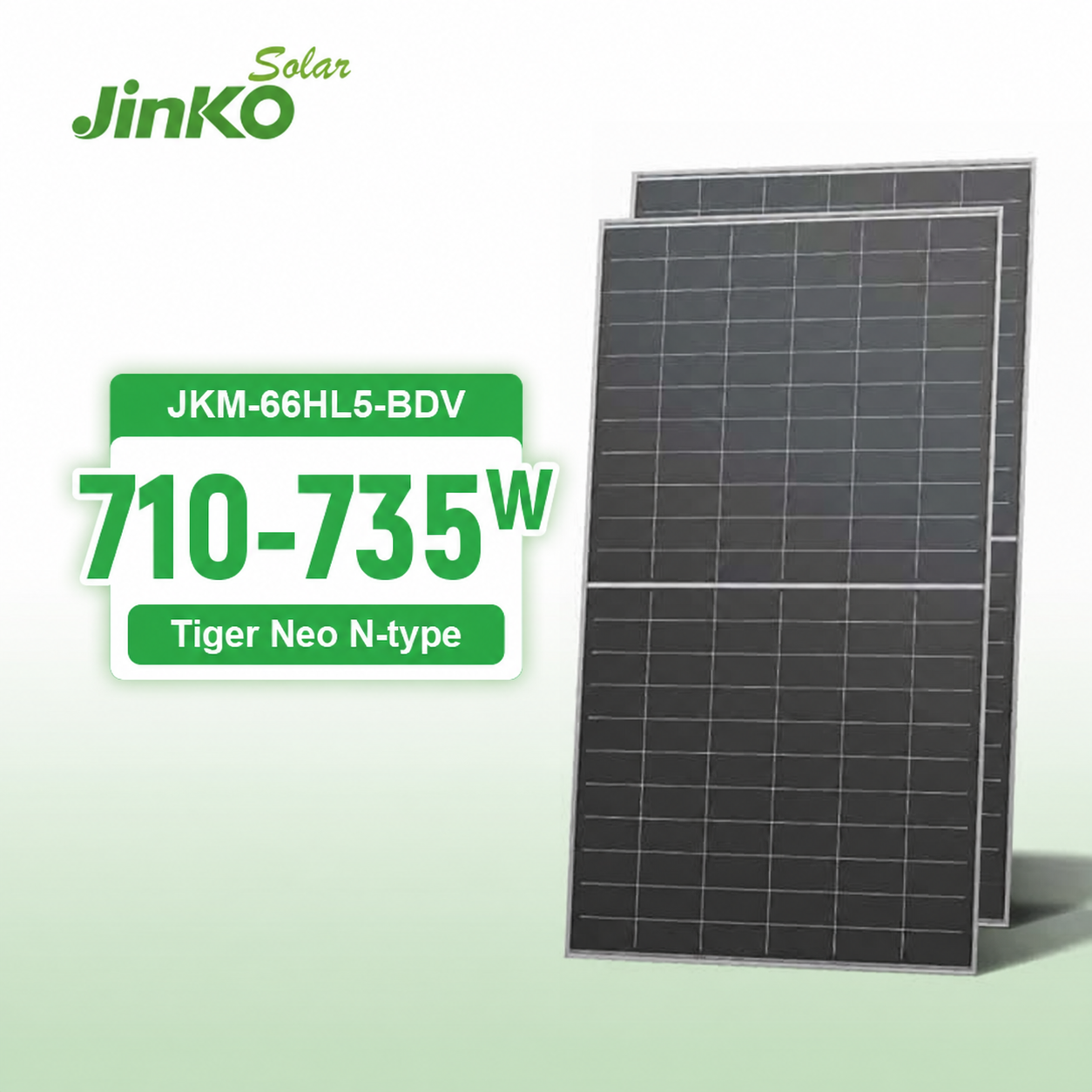
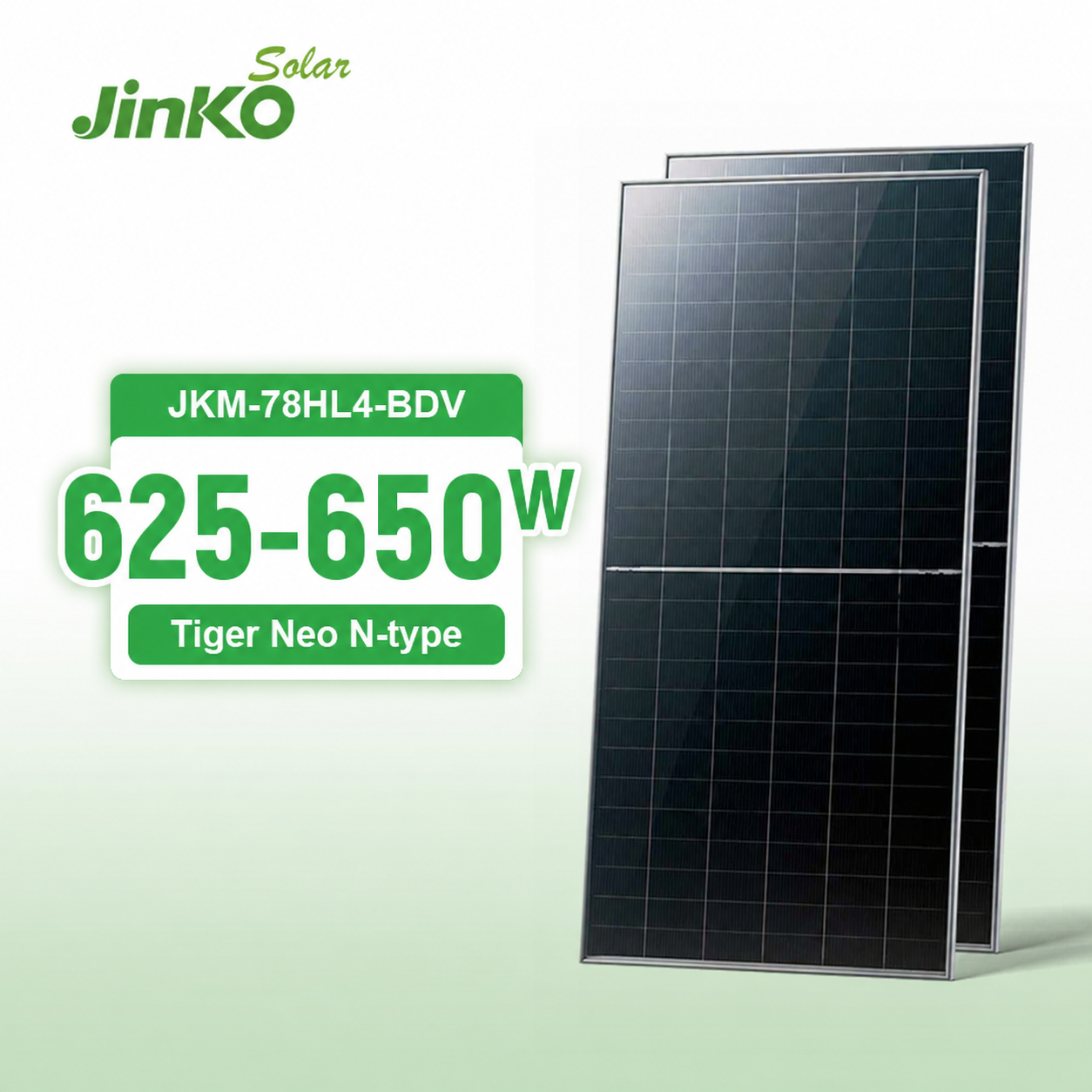
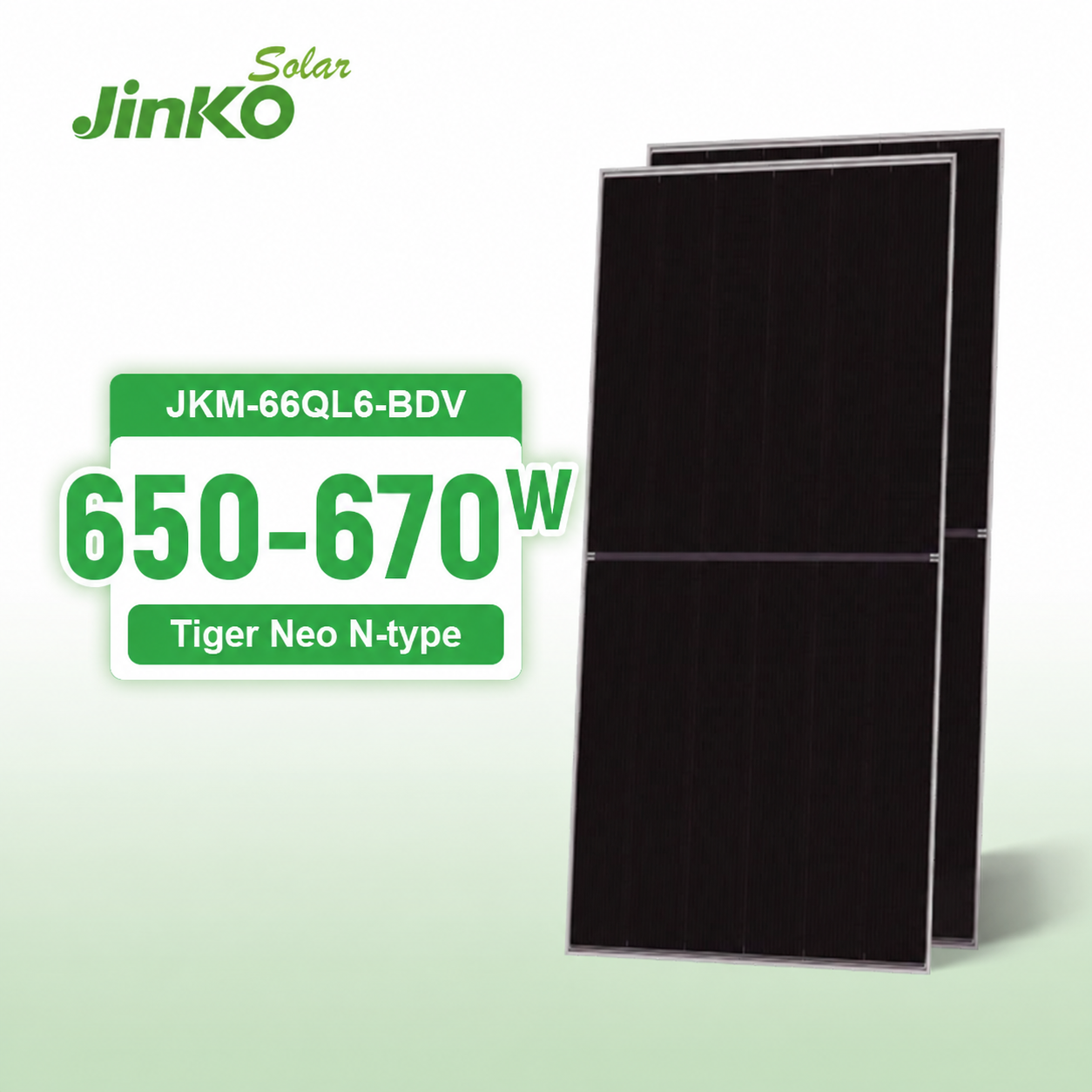
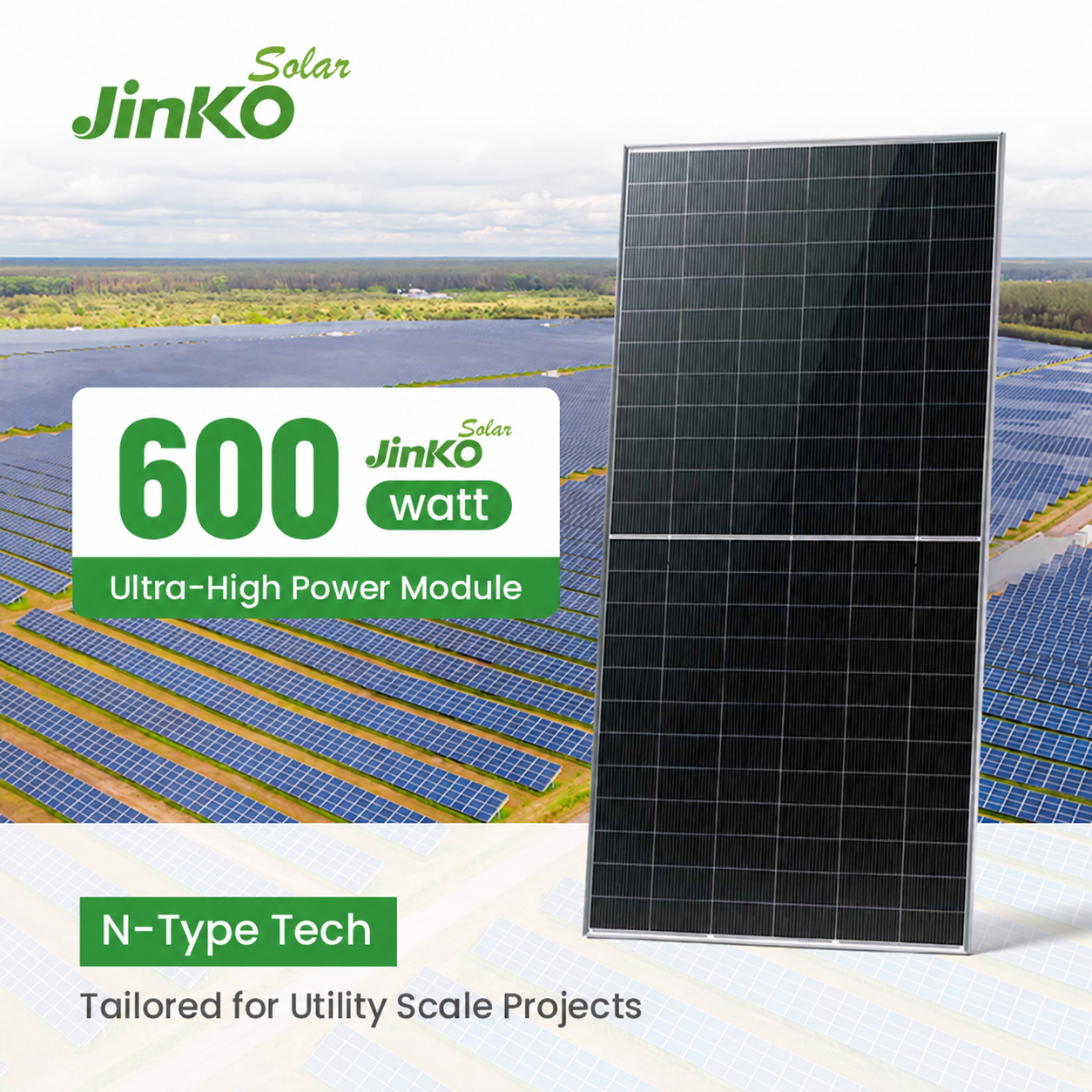
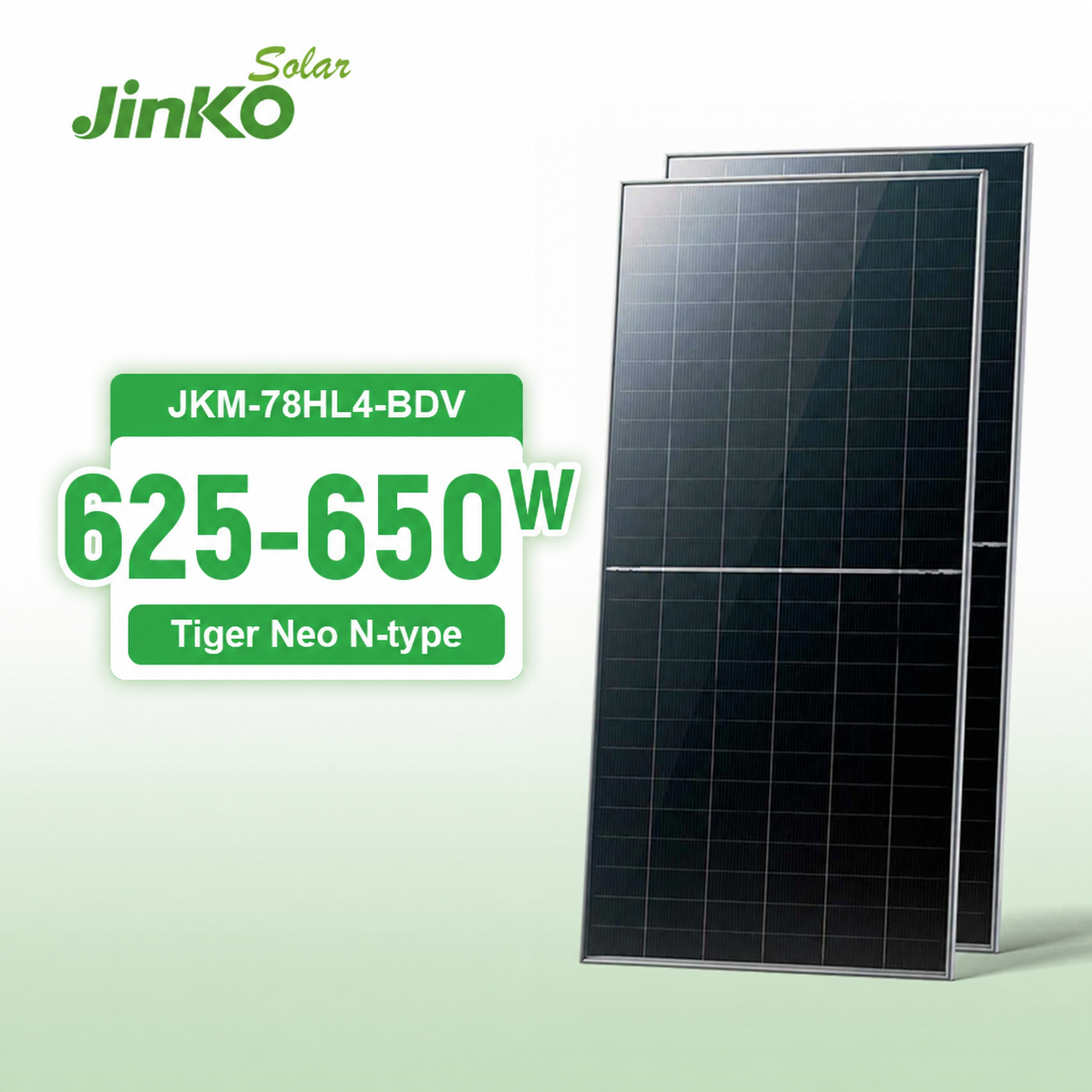
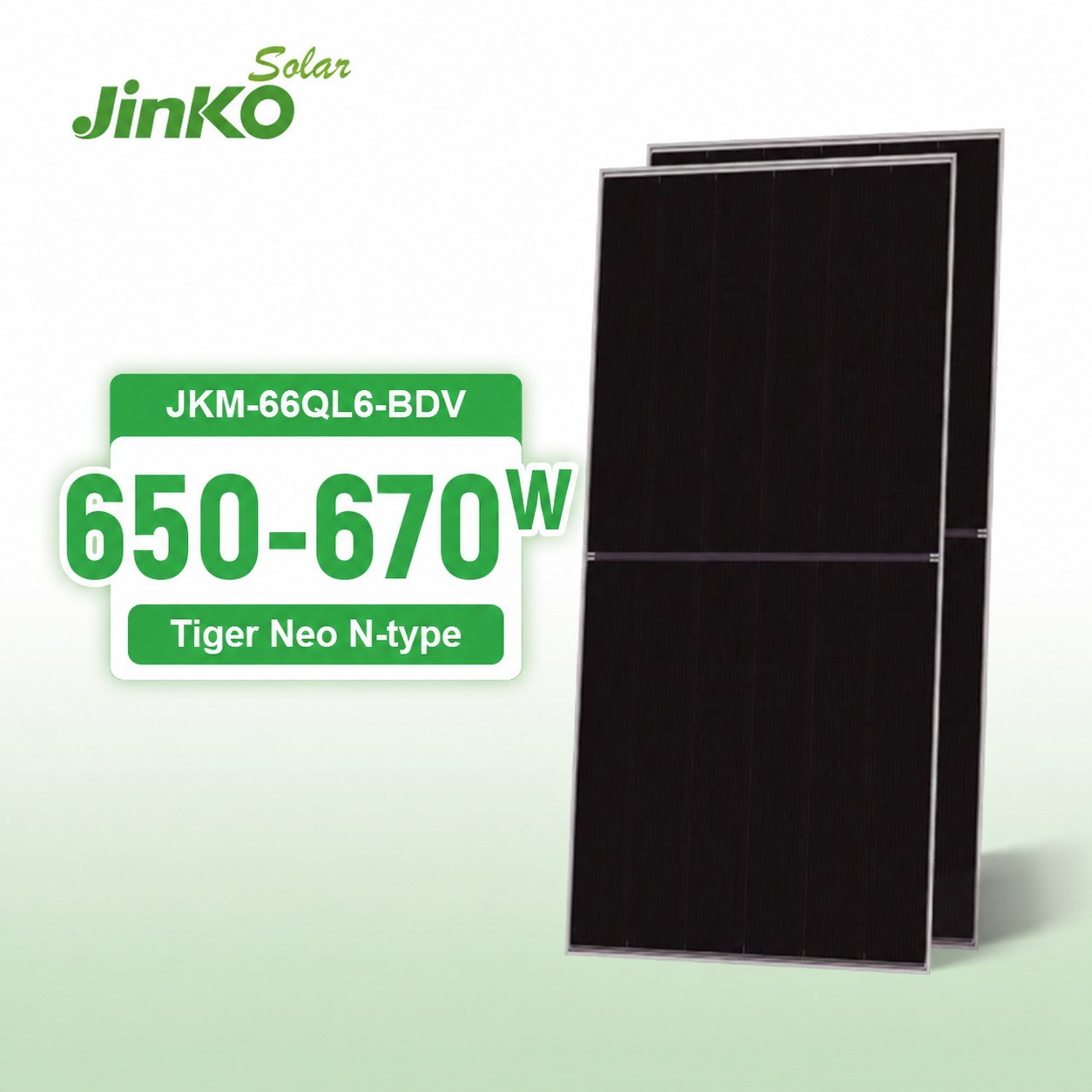
Procuring photovoltaic infrastructure for Gaza City requires an engineering methodology fundamentally distinct from conventional grid-tied markets. Due to continuous volatility in centralized municipal electricity distribution, intermittent fuel availability for heavy diesel generators, and the geographical density of urban clusters, solar energy serves not merely as a supplementary green asset, but as the primary lifeline for municipal water desalinization, field medical stations, humanitarian bakeries, and domestic persistence. As tier-1 modules such as Trina Solar (Vertex series) and Jinko Solar (Tiger Neo TOPCon series) lead international adoption, matching supply chains with verified sea-freight compliance, pre-shipment quality control, and inverter-battery compatibility becomes the operational difference between mission-critical uptime and system failure.
Navigating Gaza City's Photovoltaic Supply Landscape: The Top 10 Sourcing Models
International engineering directors and local distributors must navigate three primary procurement channels: direct Tier-1 OEM manufacturing contracts, regional Tier-1 solar supply integrators, and bonded cross-border procurement agents. Below is the technical taxonomy of the leading supplier classifications supplying Trina, Jinko, and associated energy storage components to the region:
1. Hangzhou VOLT New Energy (Integrated Supply)
Distinguished by its complete system pairing protocol. Beyond supplying palletized Trina and Jinko Tier-1 TOPCon modules, VOLT integrates pre-tested Deye hybrid inverters and proprietary LiFePO4 / Deep-Cycle GEL battery storage banks into consolidated container loads (FCL/LCL). Pre-calibrated CAN/RS485 communication protocols eliminate commissioning failures in disconnected operational environments.
2. Regional Tier-1 Factory Direct Consolidators
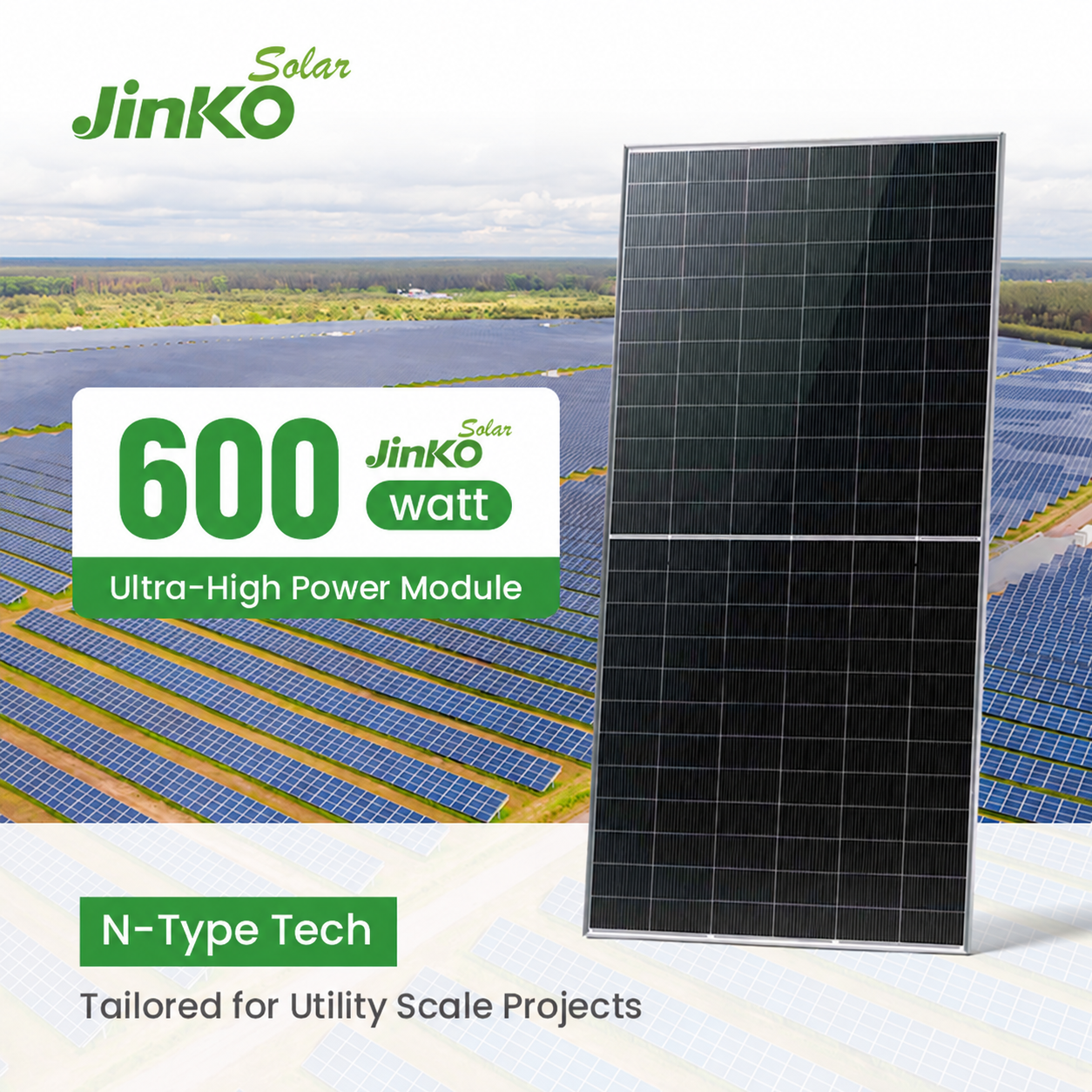
Specialized mega-wholesalers operating out of regional transshipment hubs (such as Dubai JAFZA and Ningbo/Shanghai ports). They secure bulk gigawatt-scale master purchase agreements directly with Trina Solar and Jinko factories, allowing multi-megawatt allocations of 600W+ Vertex and Tiger Neo modules with certified OEM flash-test reporting.
3. UN & Relief Framework Contractors
Specialized procurement partners pre-qualified for UNDP, UNRWA, and ICRC tender frameworks. These suppliers emphasize stringent traceability, ISO 9001 factory audits, Class 9 maritime dangerous goods compliance for accompanying storage units, and international SGS/Bureau Veritas container inspection certificates.
The remaining tiers include specialized cross-border logistics forwarders in Amman and Cairo, Levant-focused electrical EPC stockists, and local stocking distributors in Gaza who maintain critical on-the-ground inventories of replacement dual-glass modules and mounting clamps for rapid post-disturbance grid rebuilding.
Technical Whitepaper Note: The Critical Imperative of System Interoperability
Deploying photovoltaic arrays in isolated microgrids without matching the electrical characteristics of the inverters and chemical storage banks creates massive points of failure. High-efficiency 600W+ panels produce higher Open Circuit Voltage (Voc) and Short Circuit Current (Isc). In Gaza City's extreme ambient temperatures, MPPT tracking windows can drift significantly, necessitating dynamic coordination between panel temperature coefficients and low-voltage / high-voltage hybrid inverter MPPT algorithms.
Hyper-Localized Application Scenarios in Gaza City
Deploying solar energy in the Gaza coastal strip entails distinct environmental and structural stressors. Equipment must perform reliably across three key scenarios:
1. Rooftop Municipal Water Desalination & Pumping
With localized groundwater aquifers facing acute salinity challenges, decentralized Reverse Osmosis (RO) plants depend entirely on continuous solar power. Trina and Jinko dual-glass bifacial modules mounted on reinforced elevated flat roofs power high-head solar pumps, operating via Deye three-phase off-grid inverters without relying on grid stabilization.
2. Autonomous Hospital & Trauma Clinic Microgrids
Hospitals cannot tolerate a single second of blackout across critical surgical theaters, oxygen concentrators, and pediatric incubators. N-Type TOPCon panels paired with fast-switching (less than 4ms) hybrid inverters and LiFePO4 battery banks ensure continuous power, shifting away from expensive diesel generator run-times.
3. Commercial Cold Storage & Community Bakeries
Preserving perishable humanitarian food supplies and sustaining automated industrial bakeries require massive daytime real-time solar yield. High-power 650W to 730W panels maximize limited roof space, producing peak kilowatt-hours during intense mid-day sun to run heavy refrigeration compressors directly.
Local Market Evolution & Emerging Technology Trends (2025–2030)
The photovoltaic landscape across the Gaza Strip is undergoing rapid technological transitions driven by extreme operational necessity:
1. Complete Obsolescence of P-Type PERC in Favor of N-Type TOPCon: Legacy P-type modules suffer from higher Light-Induced Degradation (LID) and suboptimal temperature coefficients (-0.35%/°C). In an environment where daytime roof surface temperatures easily exceed 65°C, N-Type TOPCon modules—boasting a temperature coefficient of -0.30%/°C—deliver up to 4.5% higher daily energy harvest, ensuring vital energy yields under blistering heat.
2. Mandatory Shift to Dual-Glass (Bifacial) Architecture: Gaza City's proximity to the Mediterranean Sea subjects photovoltaic installations to constant airborne salt mist, coastal humidity, and periodic sand-bearing desert winds. Traditional backsheet modules rapidly degrade through micro-cracking, water-vapor ingress, and sand abrasion. Dual-glass modules (2.0mm front + 2.0mm rear heat-strengthened glass) offer absolute mechanical impermeability, zero Potential Induced Degradation (PID), and superior structural integrity against high dynamic wind loads.
3. Solar-Plus-Storage Convergence: The era of standalone solar without storage in Gaza is entirely over. Every prospective procurement contract now demands integrated storage sizing. Buyers require balanced kits comprising 12V Deep Cycle GEL batteries (for budget-sensitive low-temperature off-grid backups) or 51.2V smart LiFePO4 rack modules integrated directly with hybrid inverters that manage solar input, battery charge cycles, and emergency generator triggers automatically.
Technical Specification Matrix: Module Selection for Coastal Arid Zones
| Engineering Metric | Standard Mono PERC (540W) | Trina Vertex Bifacial (600W+) | Jinko Tiger Neo TOPCon (620W+) |
|---|---|---|---|
| Cell Architecture | P-Type Mono Passivated | 210mm Large Silicon Wafer | N-Type TOPCon 182mm Multi-Busbar |
| Temperature Coefficient (Pmax) | -0.35% / °C (High Loss) | -0.34% / °C (Stable) | -0.30% / °C (Superior Heat Yield) |
| Bifaciality Factor | None (White Backsheet) | 80% ± 5% (High Albedo Gain) | 80% ± 5% (High Albedo Gain) |
| First-Year Power Degradation | < 2.0% | < 1.0% | < 1.0% |
| Annual Degradation (Yr 2-30) | 0.55% / Year | 0.40% / Year | 0.40% / Year |
| Corrosion & Salt Resistance | Moderate (Prone to delamination) | High (Dual 2.0mm Encapsulated) | High (Dual 2.0mm Encapsulated) |
| Mechanical Static Load | 5400Pa Front / 2400Pa Rear | 5400Pa Front / 2400Pa Rear | 5400Pa Front / 2400Pa Rear |
Factory Direct & Systems Integrator
Why Global B2B Buyers & Relief Agencies Partner with VOLT New Energy
Importers lose precious margins and project milestones on component incompatibility, clearance delays, and non-responsive engineering. Our integrated supply chain protocol eliminates all three risks.

Verified System Compatibility
We match battery protocols (CAN/RS485), charging curves, and inverter voltage windows before departure. Zero "BMS Communication Error" upon field installation in remote regions.

Strict Pre-Shipment QC
Every batch undergoes EL crack detection, capacity testing, insulation tests, and strict flash-data verification. Transparent photo and HD video inspection reports are provided prior to container loading.

Export-Ready Logistics & Consolidation
UN38.3, MSDS, and Class 9 Dangerous Goods maritime packaging. We expertly consolidate mixed container loads combining solar modules, Deye inverters, and battery banks to minimize shipping overhead.

Dedicated Engineering Support
From initial load profile analysis and PVsyst string modeling to full single-line wiring diagrams (SLDs) and remote commissioning guidance, our engineers work alongside your local installation crews.
Procurement Guidance
Frequently Asked Questions by Gaza City Solar Importers
Practical technical and logistical answers addressing customs clearance, temperature drift, container consolidation, and warranty administration.
How do Trina and Jinko N-Type modules handle Gaza City's extreme coastal salinity and dust?
Both Trina Vertex and Jinko Tiger Neo dual-glass series feature IEC 61701 (Salt Mist Corrosion) and IEC 62716 (Ammonia Corrosion) Level 6 certifications. The dual 2.0mm tempered glass sandwich design completely shields the PV cells from microscopic salt crystallization and sand abrasion, which typically cause delamination and electrical leakage in conventional backsheet modules along the Gaza coastline.
Can I consolidate Tier-1 solar panels, Deye inverters, and lithium batteries in a single container?
Yes. Hangzhou VOLT New Energy specializes in consolidated container shipments (FCL/LCL). Because lithium iron phosphate (LiFePO4) batteries are classified as Class 9 Dangerous Goods (UN3480), we supply the necessary UN-certified outer packaging, MSDS reports, and maritime transport safety certificates, allowing panels, inverters, cabling, and batteries to be lawfully cleared and shipped together.
Why is N-Type TOPCon preferred over standard P-type PERC panels in this territory?
N-Type TOPCon modules exhibit a lower temperature coefficient (-0.30%/°C vs -0.35%/°C of PERC), meaning power output degrades significantly less during extreme summer temperatures. Furthermore, TOPCon possesses a bifaciality rate of around 80% (compared to ~70% for PERC), capturing substantially more diffuse reflected light from sandy or light concrete surfaces common in regional installations.
How should an off-grid system be sized for a municipal water pumping or clinic site?
Sizing requires evaluating peak surge currents (inductive loads from electric water pumps) alongside total daily kWh demand. We configure an array with a 1.25x to 1.35x solar DC-to-AC oversizing ratio, paired with Deye hybrid inverters capable of supporting 2x surge loads and parallel operation. LiFePO4 battery capacity is sized for a minimum of 16–24 hours of autonomous critical operation.
How are manufacturer warranties honored in cross-border and post-conflict zones?
All tier-1 modules and equipment sourced through VOLT come with official factory serial numbers, traceable warranties, and individual flash-test certificates recorded in our master export database. In the event of a warranty claim, our technical engineering division acts directly as the buyer's representative with Trina, Jinko, or Deye, coordinating technical reports and fast-tracking replacement unit dispatches.