High-Efficiency Photovoltaic Modules & Systems for Nicaragua
Direct supply-chain access to Tier-1 N-Type TOPCon bifacial modules and commercial storage packages engineered to pair seamlessly with our standard 100Ah LiFePO4 battery banks.
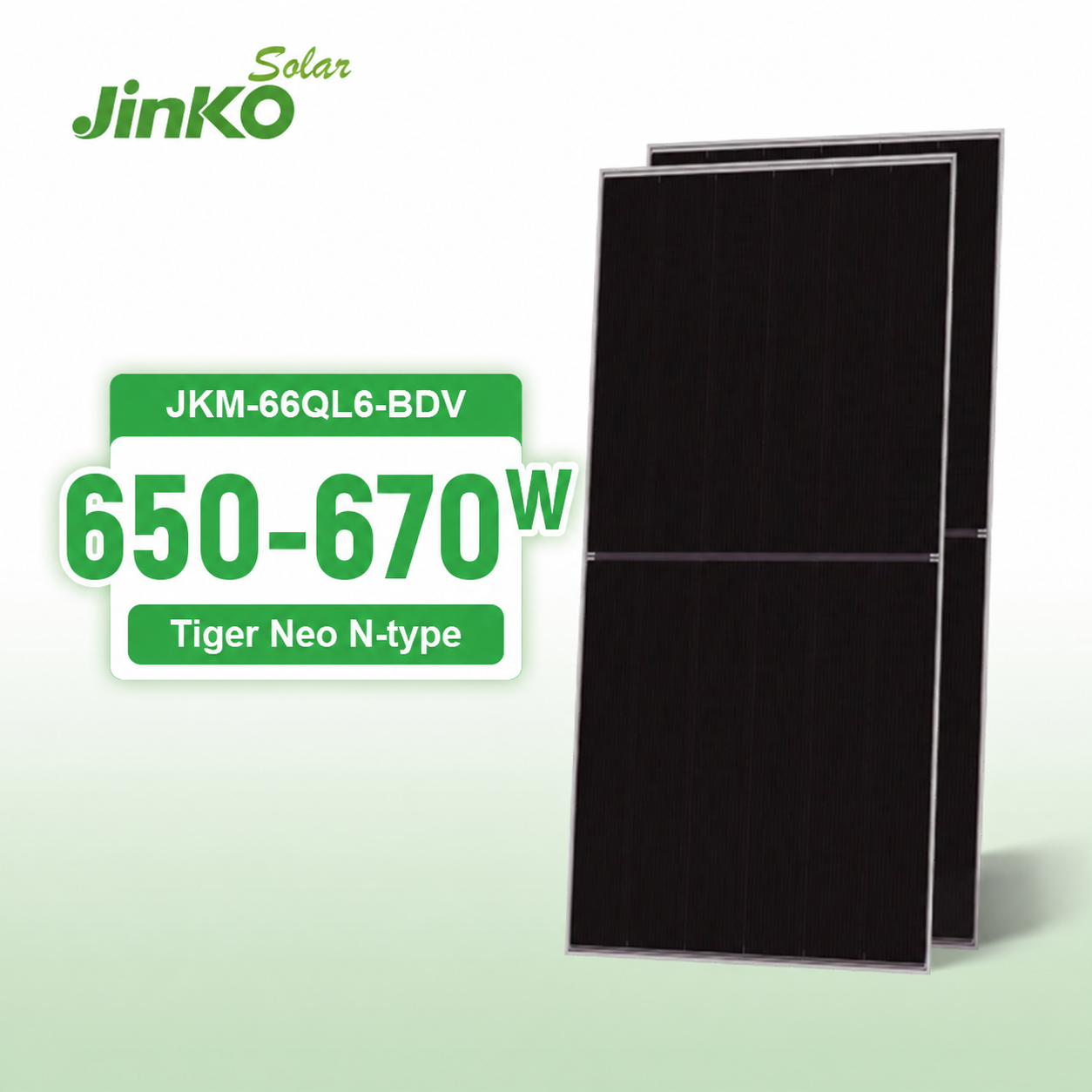
Jinko Wholesale Pv Modules 650W-670W Bifacial N-Type for Farm
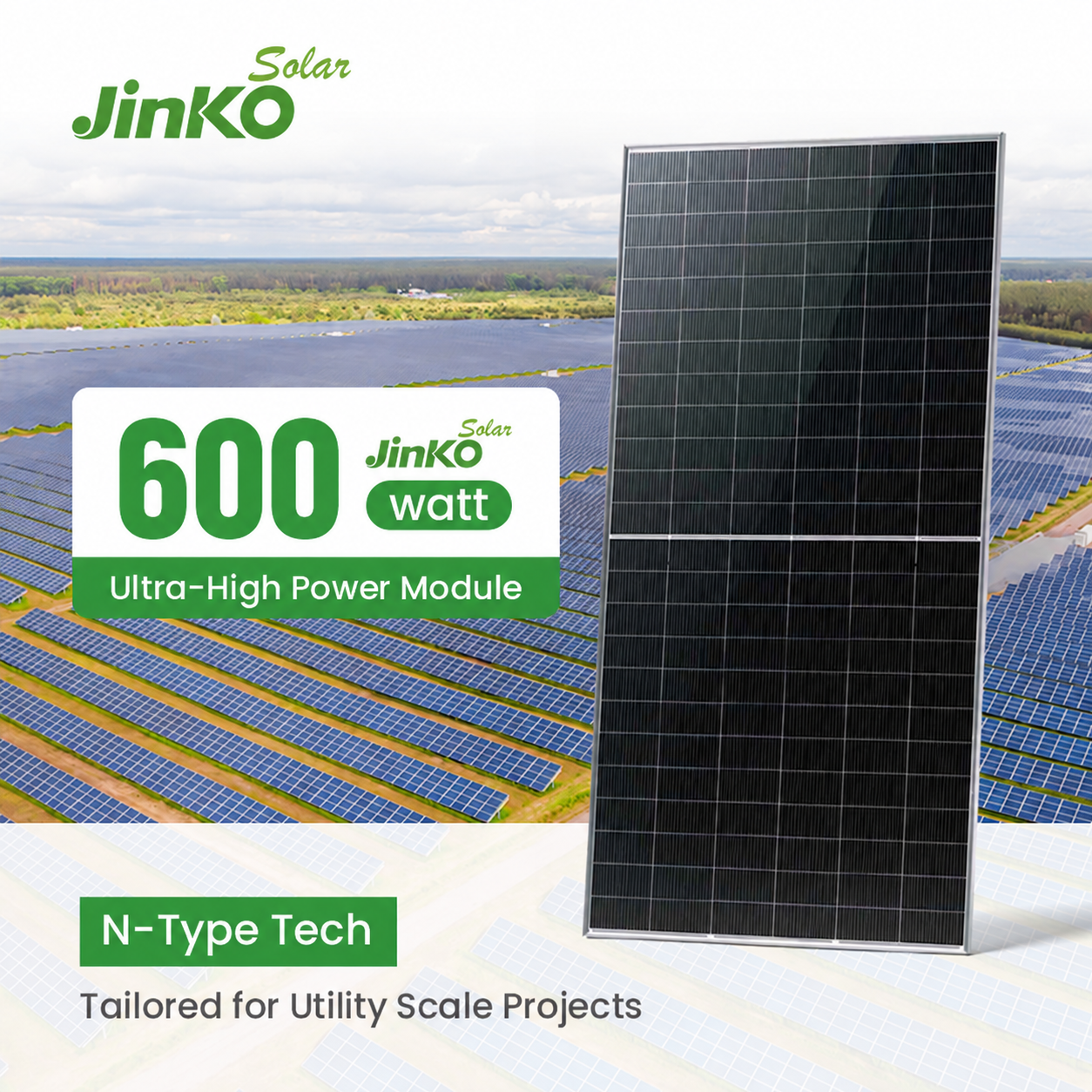
Jinko N-Type Bifacial Photovoltaic Panels 585W-600W for Commercial
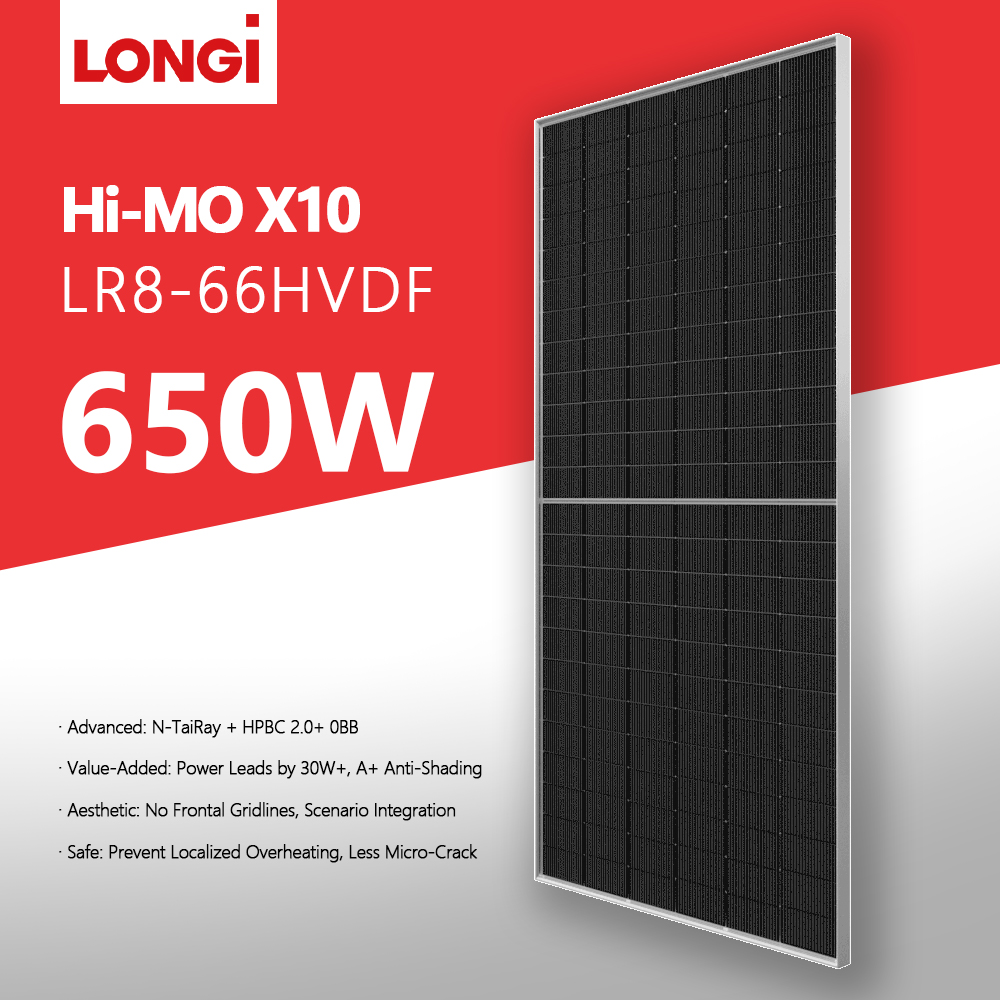
Commercial LONGI 650W N-Type PV with Battery & Inverter Package
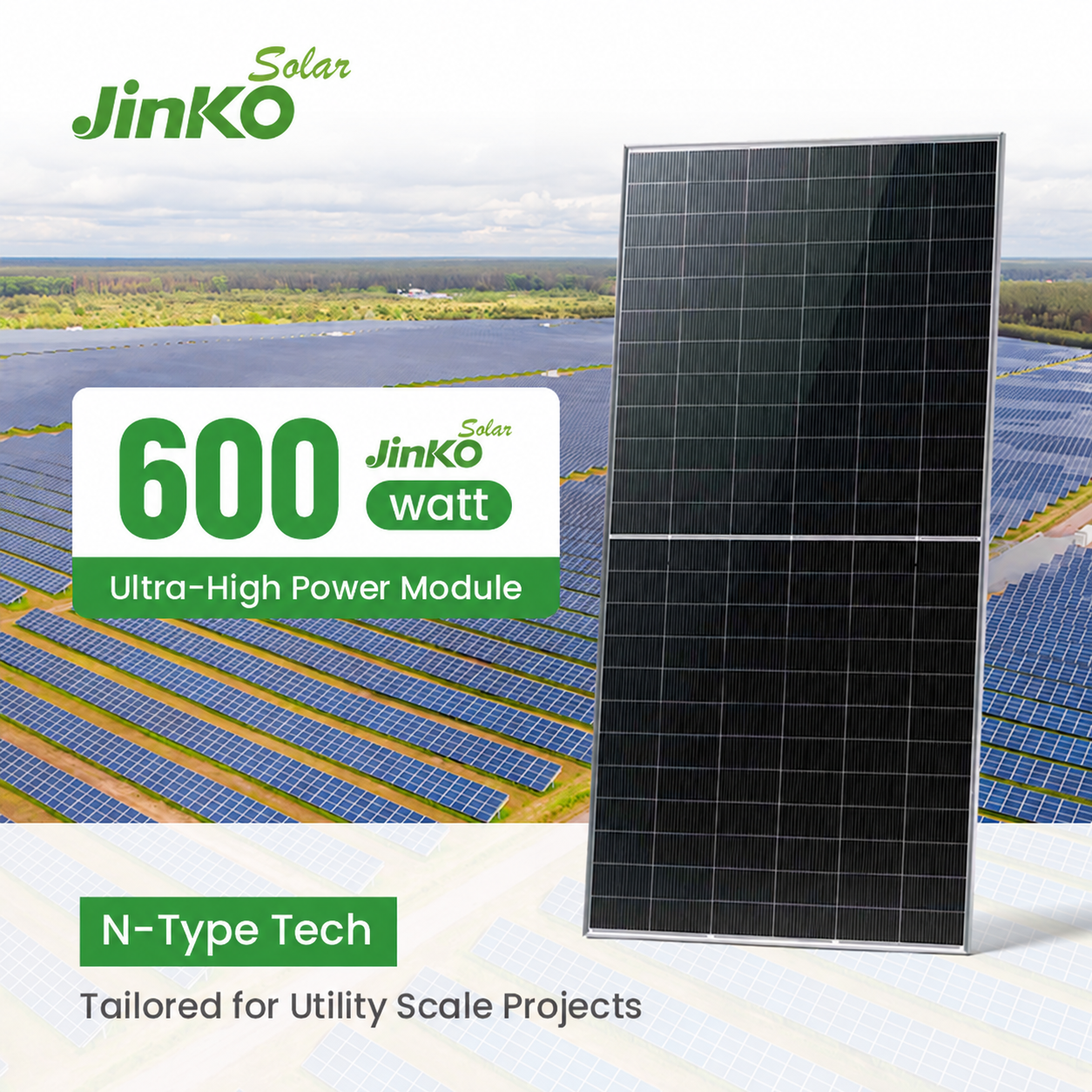
Jinko Bifacial 585W-600W Dual Glass Monocrystalline Solar Module
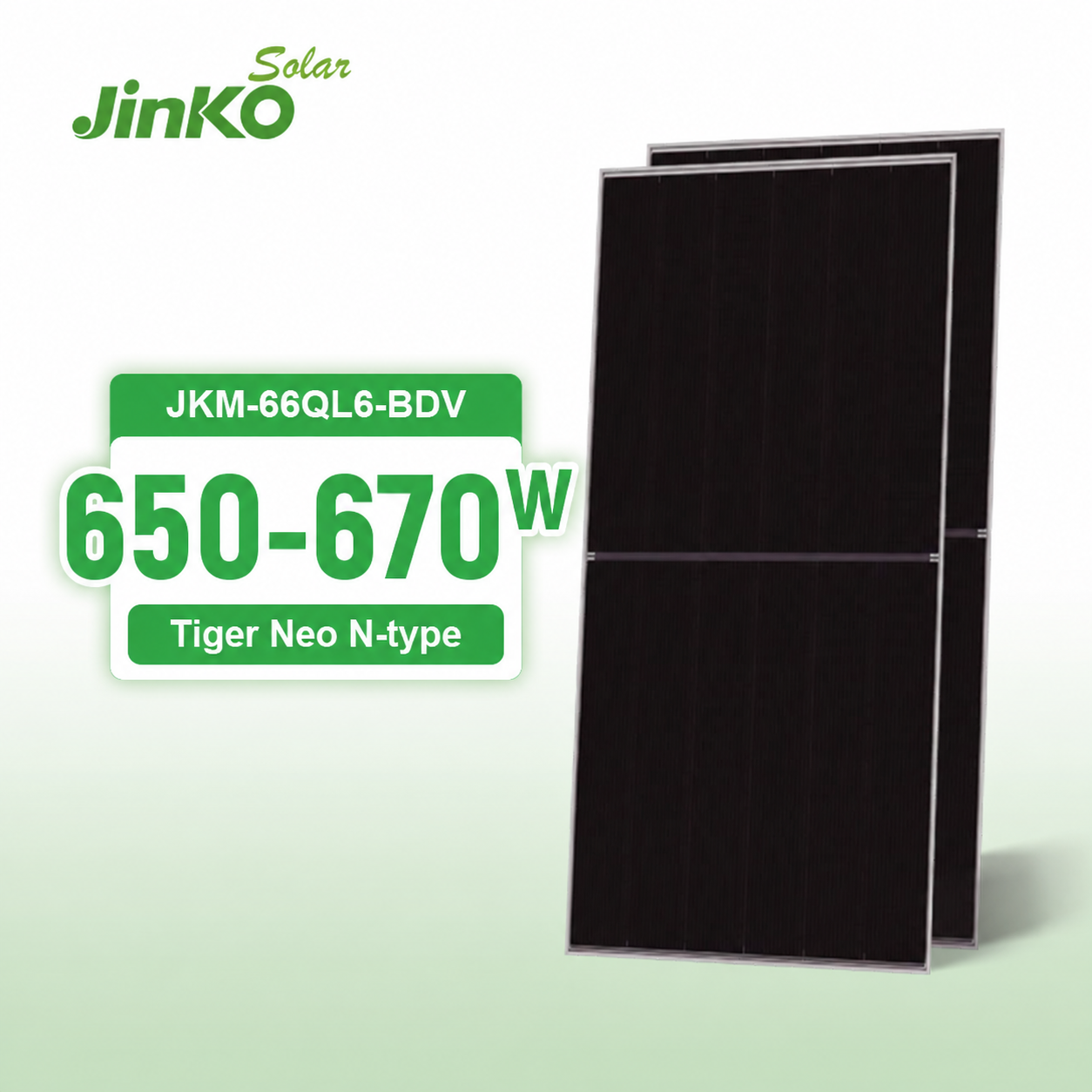
Jinko Bifacial 650W-670W Dual Glass High-Capacity Solar Module
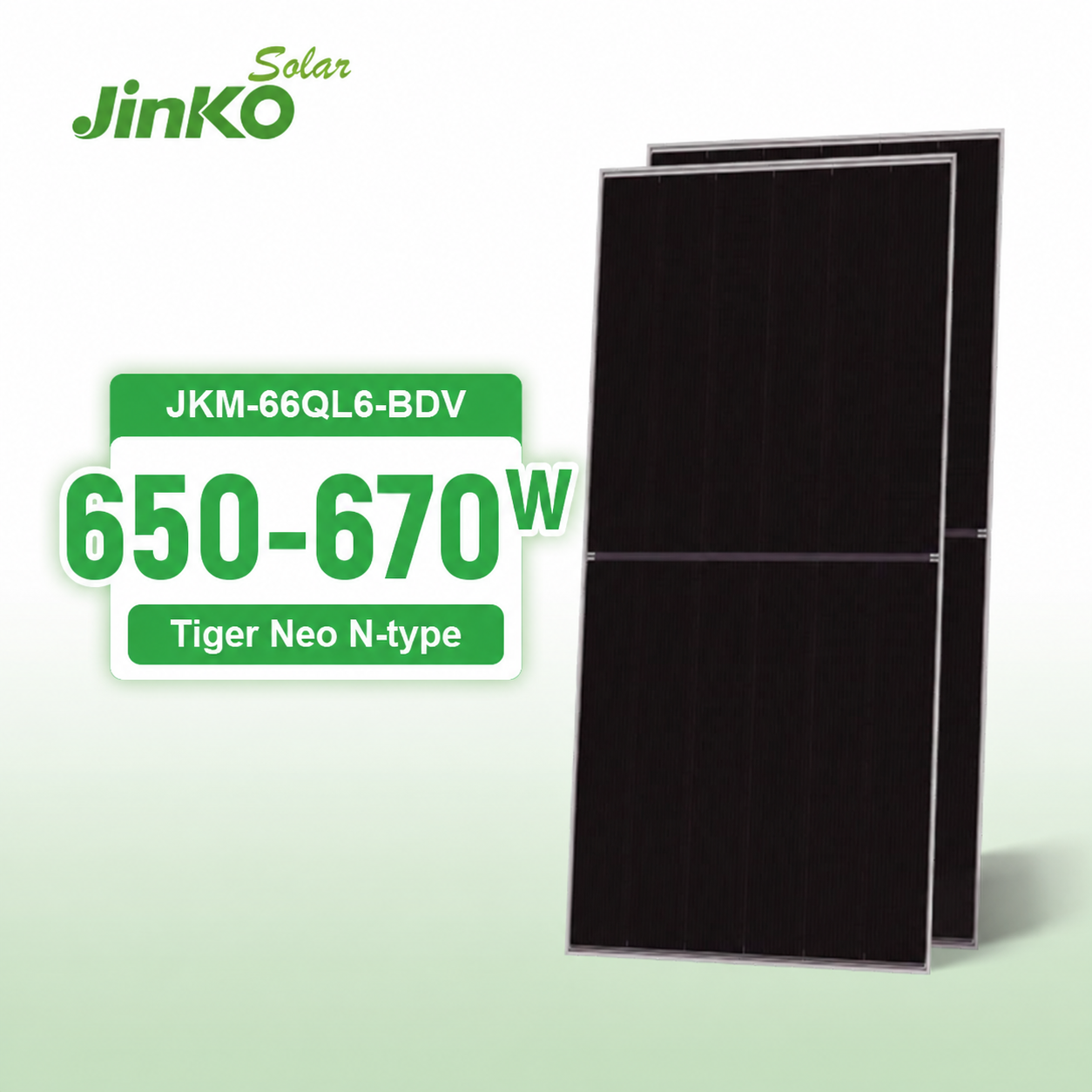
Jinko N-Type TOPCon 650W-670W High Efficiency Domestic Solar Panel
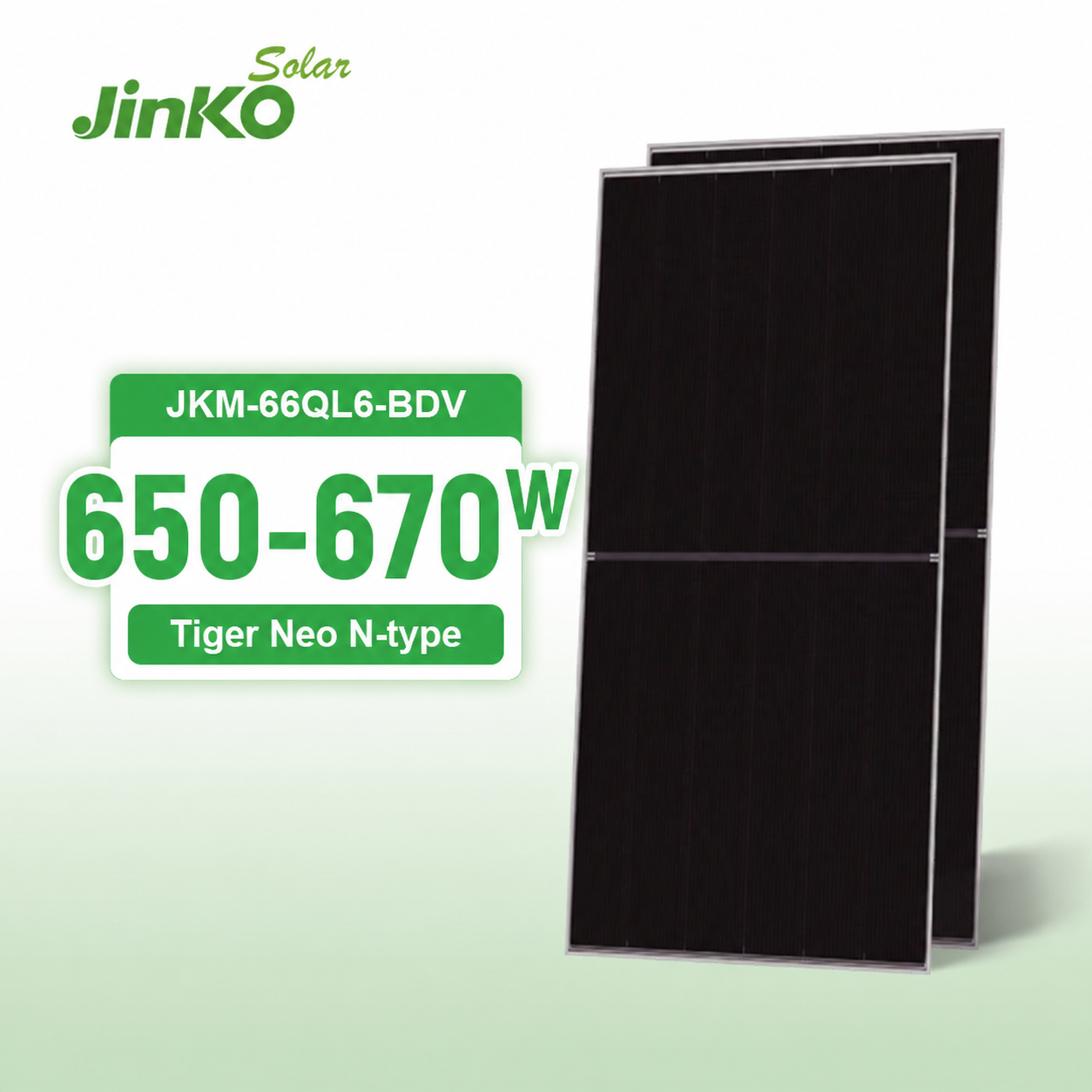
Jinko N-Type Bifacial Double Glass 650W-670W Commercial PV Panel
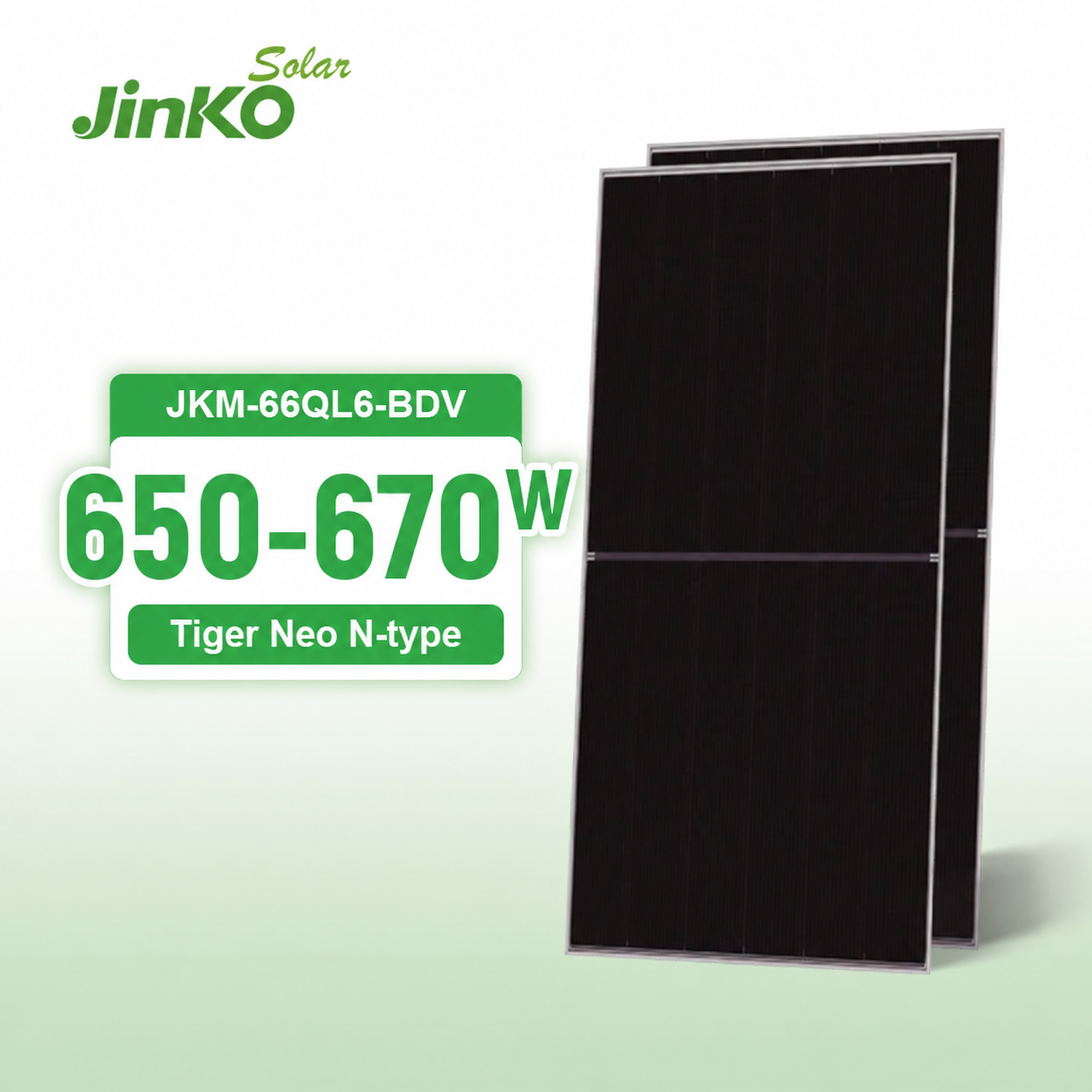
Jinko TOPCon Bifacial Paneles Solares 650W-670W for Large Scale Farms
Industrial-Grade 100Ah LiFePO4 Battery Architecture & Tropicalization
Overcoming the limitations of legacy lead-acid and unmanaged storage solutions in Central America's challenging climate conditions.
In the context of Central America's equatorial solar irradiance and high ambient thermal profiles, specifying energy storage requires strict adherence to electrochemical thermal stability. Hangzhou VOLT New Energy exports high-grade Lithium Iron Phosphate (LiFePO4 / LFP) battery modules—predominantly in 48V 100Ah (5.12 kWh) and 51.2V 100Ah rack-mounted or wall-mounted configurations—built with tier-one prismatic cells certified under IEC 62619 and UN38.3 standards.
Unlike conventional deep-cycle GEL or AGM batteries that suffer rapid sulfation and catastrophic capacity collapse when subjected to the ambient 32°C to 38°C temperatures common in Chinandega, León, or Managua, LiFePO4 chemistry features an inherently stable olivine crystal structure (LiFePO4). This robust covalent bonding prevents oxygen release even under abusive internal temperatures, entirely mitigating the thermal runaway risks historically associated with NMC chemistries.
| Engineering Parameter | Standard VOLT 51.2V 100Ah LiFePO4 | Traditional Deep-Cycle GEL (12V 200Ah Bank) | Engineering Advantage in Nicaragua |
|---|---|---|---|
| Usable Energy @ 80% DoD | 4.096 kWh usable per 5.12 kWh module | 2.400 kWh usable (50% max recommended DoD) | Requires 45% less physical footprint & mounting structural weight |
| Cycle Life (25°C - 35°C ambient) | 6,000+ Cycles to 80% SOH | 800 – 1,200 Cycles to 60% SOH | 10+ years operational lifespan vs. frequent 2-year replacements |
| Thermal Degradation Threshold | Operational: -20°C to 60°C; BMS Cutoff: 65°C | Life cuts in half for every 8°C rise above 25°C | Eliminates need for high-load air-conditioned battery vaults |
| Communication Protocols | CAN Bus 2.0B & RS485 Dual Isolated | Analog Voltage Sensing only (No BMS Handshake) | Zero-drift State of Charge (SoC) reporting with Deye inverters |
| Weight & Volumetric Density | Approx. 44 kg (compact 3U/wall enclosure) | Approx. 130 kg equivalent lead weight | Drastically reduced import ocean freight & rural transit labor |
BMS Closed-Loop Protocol Integration with Deye Hybrid Inverters
A critical engineering failure mode observed across installations in Nicaragua is the "voltage-based charge cutoff" syndrome, where off-grid inverters miscalculate battery State-of-Charge (SoC) during erratic weather shifts in the rainy season (Invierno). Hangzhou VOLT New Energy overcomes this by hard-coding manufacturer-matched firmware inside our Smart BMS. Every 100Ah LiFePO4 module ships with verified CAN Bus and RS485 communication protocols pre-calibrated to handshake with Deye 5kW, 8kW, 10kW, and 12kW low-voltage hybrid inverters.
This closed-loop integration enables real-time reporting of individual cell voltages, pack temperature sensors, internal resistance, and dynamic Charge Current Limits (CCL) and Discharge Current Limits (DCL). When the inverter receives precise data directly from the battery's active management microprocessor, charge curves transition seamlessly between Bulk, Absorption, and Float phases without cell overstress, maximizing round-trip efficiency (RTE > 95%).
Tier-1 Prismatic Cells
Utilizing high-purity aluminum-cased prismatic LiFePO4 cells rated for over 6,000 cycles, providing superior thermal dissipation over cylindrical cells in hot ambient climates.
Dual-Bus Protocol Matching
Hardware-isolated CAN and RS485 communication ports configured specifically for Deye, Growatt, and Victron firmware stacks, eliminating communication dropouts on-site.
Integrated Fire Suppression
Equipped with internal thermal monitoring probes, multi-level short circuit fuses, and optional aerosol fire suppression modules inside the battery casing for enterprise safety.
High-Impact LiFePO4 Applications Across Nicaragua's Economic Hubs
Customized power configurations resolving real-world energy deficits across agro-industrial processing, commerce, and remote geographic microgrids.
Coffee Beneficios & Agricultural Processing
Coffee pulping, drying, and sorting facilities require consistent 3-phase and split-phase power during peak harvest months. Pairing 650W bifacial solar panels with parallel 48V 100Ah LiFePO4 banks provides stable off-grid energy, dramatically cutting costly diesel generator fuel runs in remote mountain terrain.
Grid Peak Shaving & Industrial Backup
Commercial shopping centers, light manufacturing plants, and call centers in Managua's industrial corridors face high peak electricity tariffs and grid fluctuations from ENATREL lines. Standardized 51.2V 100Ah modular rack batteries provide millisecond UPS transfers and zero-export self-consumption.
Coastal Resorts & High-Humidity Microgrids
Coastal boutique resorts on the Pacific coast demand quiet, clean, 24/7 power without generator noise. Our IP65 and dual-glass bifacial panels combined with tropicalized LiFePO4 battery cabinets provide resistance against marine salt air corrosion, supplying uninterrupted daytime and night air-conditioning loads.
Telecom Towers & Caribbean Microgrids
Telecommunications relays and off-grid community microgrids in the Caribbean Autonomous Regions suffer from poor road connectivity. Replacing bulky lead-acid batteries with lightweight, high-energy-density 100Ah lithium packs eliminates maintenance trips and resists deep cyclical discharge.
Nicaragua's Energy Transition & Renewable Import Policies
Strategic regulatory alignment, fiscal incentives, and technical requirements for clean energy equipment importers.
Nicaragua has emerged as a significant renewable energy pioneer in Central America, generating between 70% and 80% of its national electrical consumption through renewable assets, primarily geothermal, hydro, wind, and biomass. However, the national grid managed by ENATREL (Empresa Nacional de Transmisión Eléctrica) continues to face stability challenges during transmission line maintenance and extreme meteorological events, such as Atlantic tropical depressions and hurricanes.
To accelerate private solar and distributed energy generation, the Government of Nicaragua created a favorable regulatory framework underpinned by Law No. 532 (Ley para el Incentivo a la Generación de Energía Eléctrica con Fuentes Renovables). Key benefits relevant to local solar contractors and commercial enterprises include:
- Import Duty Exemptions (DAI): Total exoneration from Import Tariff Rights (Derechos Arancelarios a la Importación) on qualifying solar panels, deep-cycle lithium batteries, and grid-tied or hybrid inverters registered with the Ministry of Energy and Mines (MEM).
- Value Added Tax (IVA) Relief: Exemption from Value Added Tax (Impuesto al Valor Agregado - IVA) for machinery, equipment, and structural components destined for renewable self-generation systems.
- Accelerated Depreciation Schedules: Accelerated asset depreciation allowances on machinery and battery storage installations for commercial enterprises investing in decentralized power redundancy.
For Nicaraguan engineering, procurement, and construction (EPC) companies, importing directly from experienced Chinese manufacturers like Hangzhou VOLT New Energy guarantees that all export proforma invoices, bills of lading, and manufacturer technical certificates align with Direccion General de Servicios Aduaneros (DGA) protocols, preventing customs holds at Puerto Corinto or Augusto C. Sandino International Airport cargo terminals.
Frequently Asked Questions by Nicaraguan Importers & EPCs
Essential guidance addressing customs clearance, ocean logistics, electrical compatibility, and warranty enforcement.
How are 100Ah LiFePO4 batteries shipped into Nicaragua?
Lithium iron phosphate batteries are classified under international maritime regulations as Class 9 Dangerous Goods (UN3480). We provide all compulsory certifications—including UN38.3 vibration/shock test reports, MSDS (Material Safety Data Sheets), and DG packaging certification. Cargo typically ships via ocean freight to Puerto Corinto with consolidated container options (mixing panels, inverters, and batteries).
How does the BMS communicate with local inverters?
Every VOLT 100Ah battery module incorporates dual isolated CAN Bus and RS485 communication protocols. Before container dispatch from our factory in China, our engineers flash matching firmware and verify physical cable pin-outs for Deye, Growatt, Victron, and Schneider inverters, ensuring zero-error automatic parameter recognition upon local commissioning.
Can I replace my 200Ah GEL battery bank with 100Ah LiFePO4?
Yes. Because deep-cycle GEL batteries should only be discharged to 50% Depth of Discharge (DoD) to sustain life, a 12V 200Ah GEL battery only offers 1.2 kWh usable energy. A 51.2V 100Ah LiFePO4 battery safely operates at 80% to 90% DoD, providing over 4.09 kWh usable power. One 100Ah lithium pack can replace multiple bulky lead-acid blocks while slashing weight by two-thirds.
How do LiFePO4 cells perform in Nicaragua's tropical heat?
Our prismatic cells are rated for continuous operational discharge up to 55°C and feature active temperature probes on positive/negative terminals and central cell clusters. The internal BMS enforces automated current derating rather than sudden hard shutdowns, preventing heat-induced cell degradation during the dry season (Verano).
What is the typical shipping transit time from China to Puerto Corinto?
Direct ocean freight services from major Chinese shipping hubs (Ningbo/Shanghai) to Puerto Corinto, Nicaragua, typically take 28 to 38 days depending on feeder transit at regional transshipment ports like Manzanillo (Mexico) or Balboa (Panama). We supply real-time container tracking and customs-ready commercial invoices.
How is after-sales support and warranty handled internationally?
All VOLT products carry standard manufacturer warranties (5 to 10 years for LiFePO4 batteries; 12 to 30 years for Jinko/Longi PV panels). Each unit is tracked by unique serialized QR codes. In the rare event of component failure, we conduct remote diagnostic log analysis via RS485/WiFi interfaces and ship replacement BMS cards or cells via express courier.
Why International EPCs & Distributors Partner with VOLT New Energy
A proven supply chain bridge eliminating technical mismatches, customs roadblocks, and unverified components.
Pre-Shipment Protocol Audits
Every single lithium battery and hybrid inverter package undergoes end-to-end communication matching, cable pinout testing, and load-bank verification prior to container stuffing.
Mixed-Container Consolidation
Save substantial freight capital by consolidating Tier-1 Jinko/Longi solar panels, Deye inverters, and VOLT 100Ah LiFePO4 batteries into one optimized, customs-cleared container load.
Full Regulatory Paperwork
We issue full UN38.3 test records, MSDS documentation, IEC 62619 safety declarations, and commercial consular paperwork needed for rapid duty-free clearance through Nicaragua's DGA.
24/7 Technical Response
Our bilingual solar engineering division assists with system sizing, balance-of-system (BOS) single-line diagrams, and remote commissioning troubleshooting across Latin American time zones.
Power Your Next Nicaraguan Project with Proven Solar Storage
Whether you require a sample 51.2V 100Ah battery module for bench-testing or multi-megawatt containerized shipments for commercial and agricultural microgrids, our engineering team is ready to assist.
Get a Quote