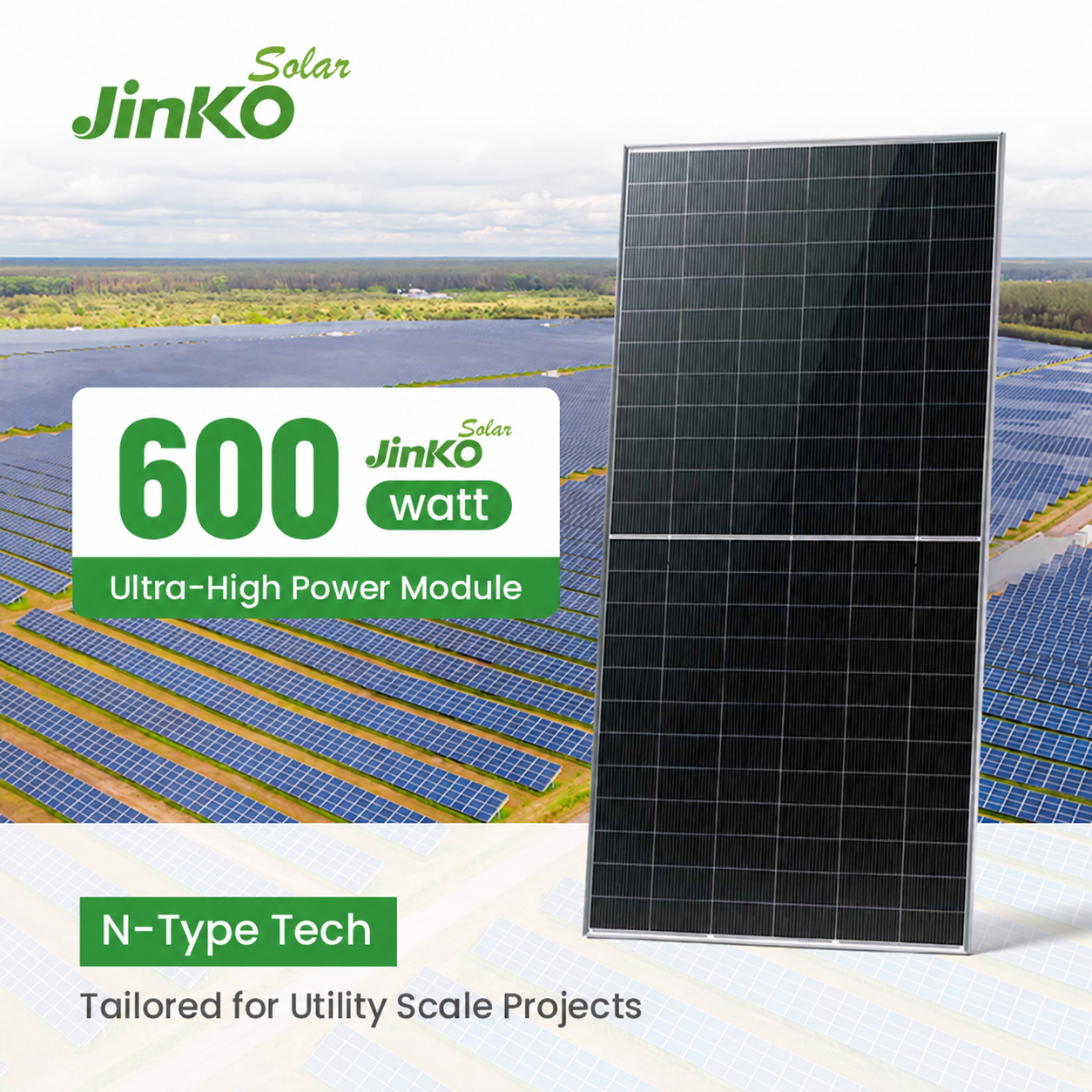
BIPV Dual Glass
N-Type TOPCon
Dual Glass 2.0mm
IP68 Junction
Engineered to withstand the intense direct normal irradiance (DNI), persistent desert sand abrasion, and high ambient temperatures characteristic of the Hashemite Kingdom of Jordan.
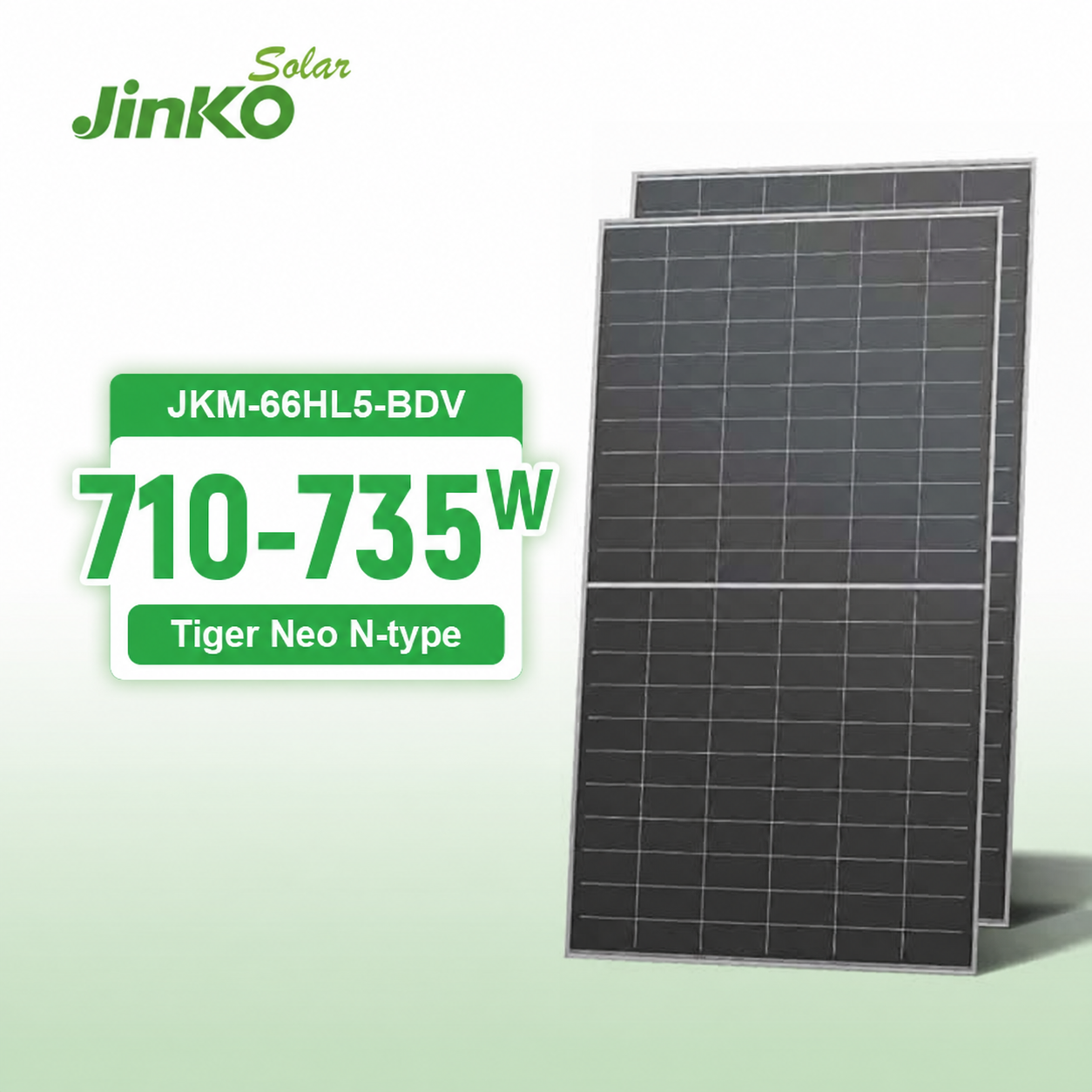
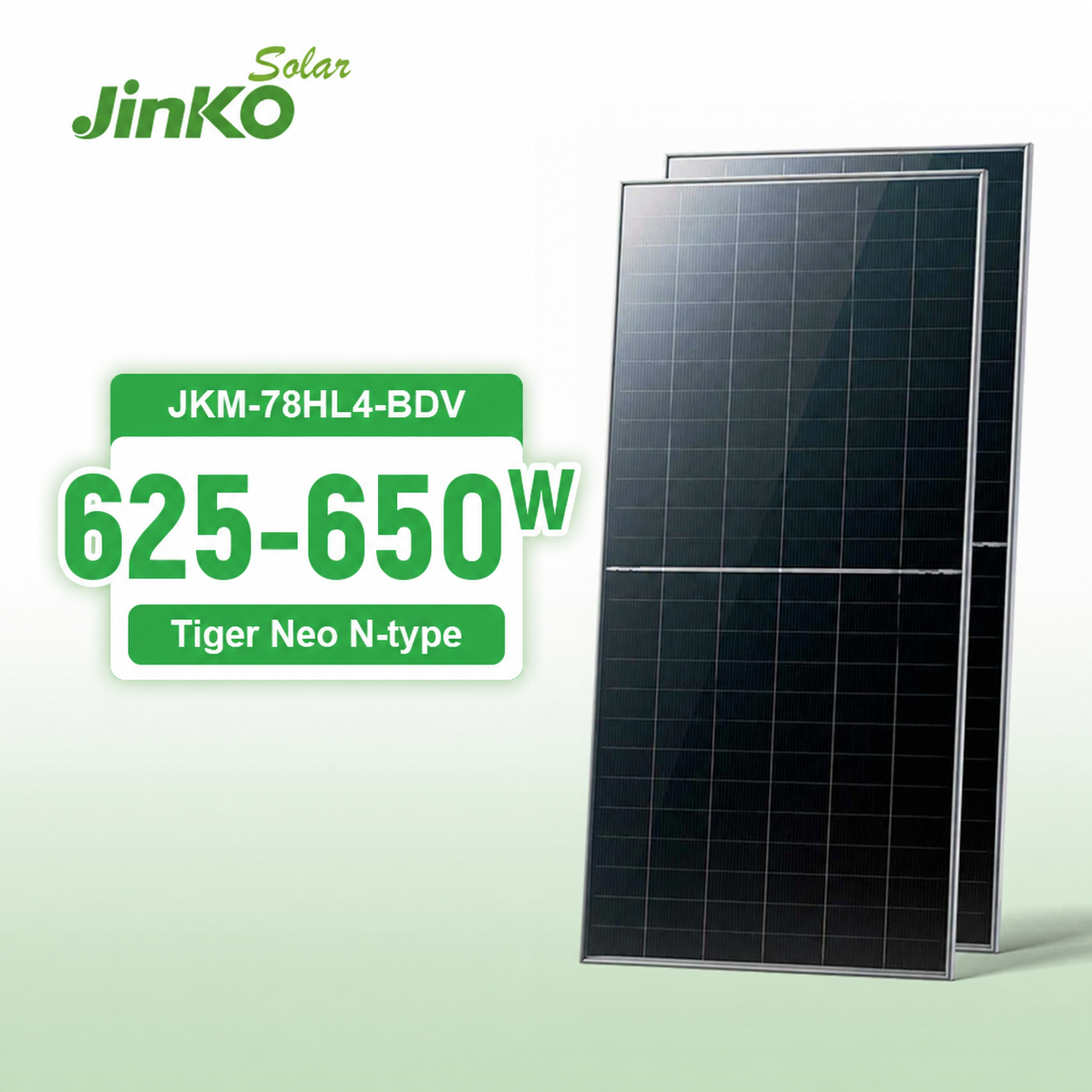
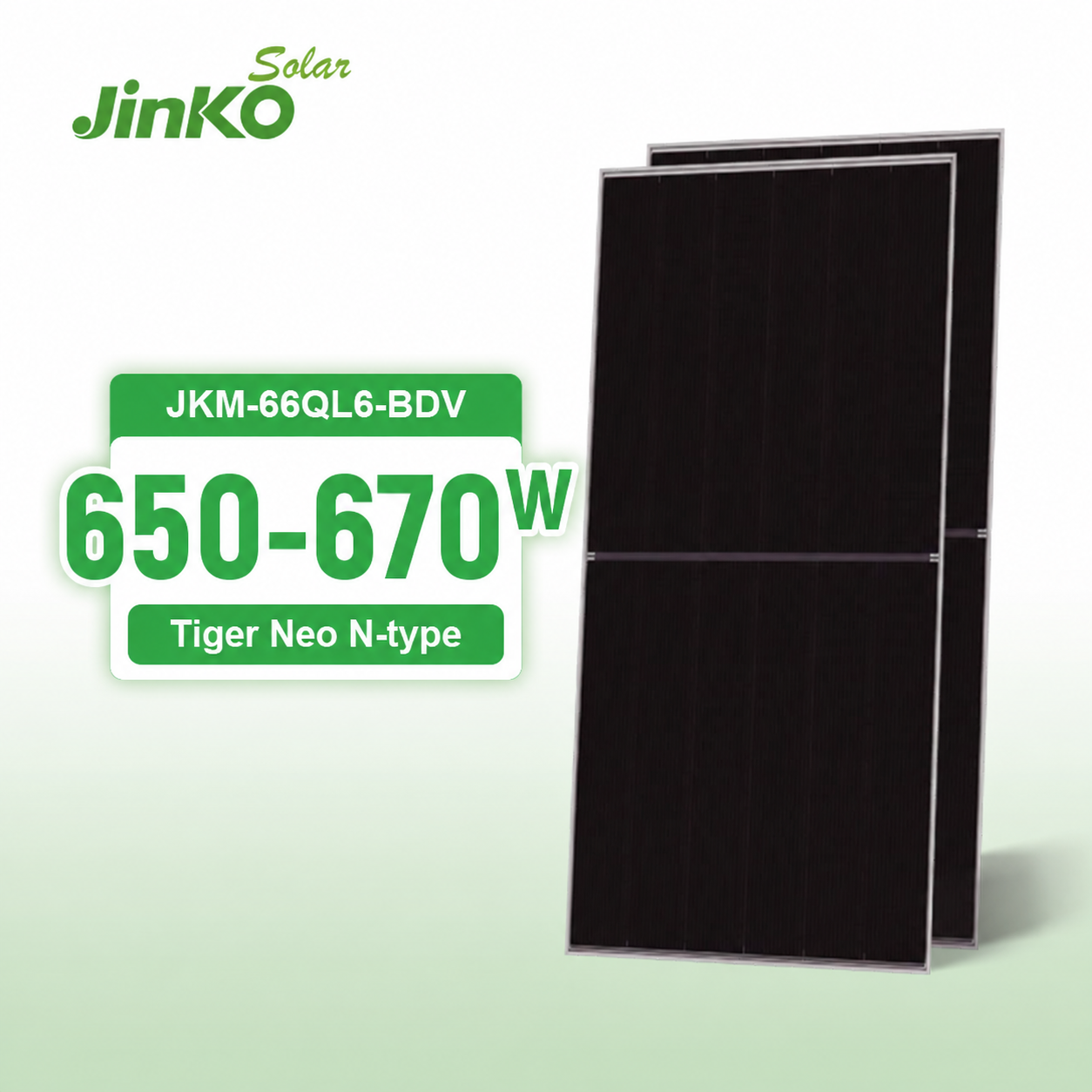
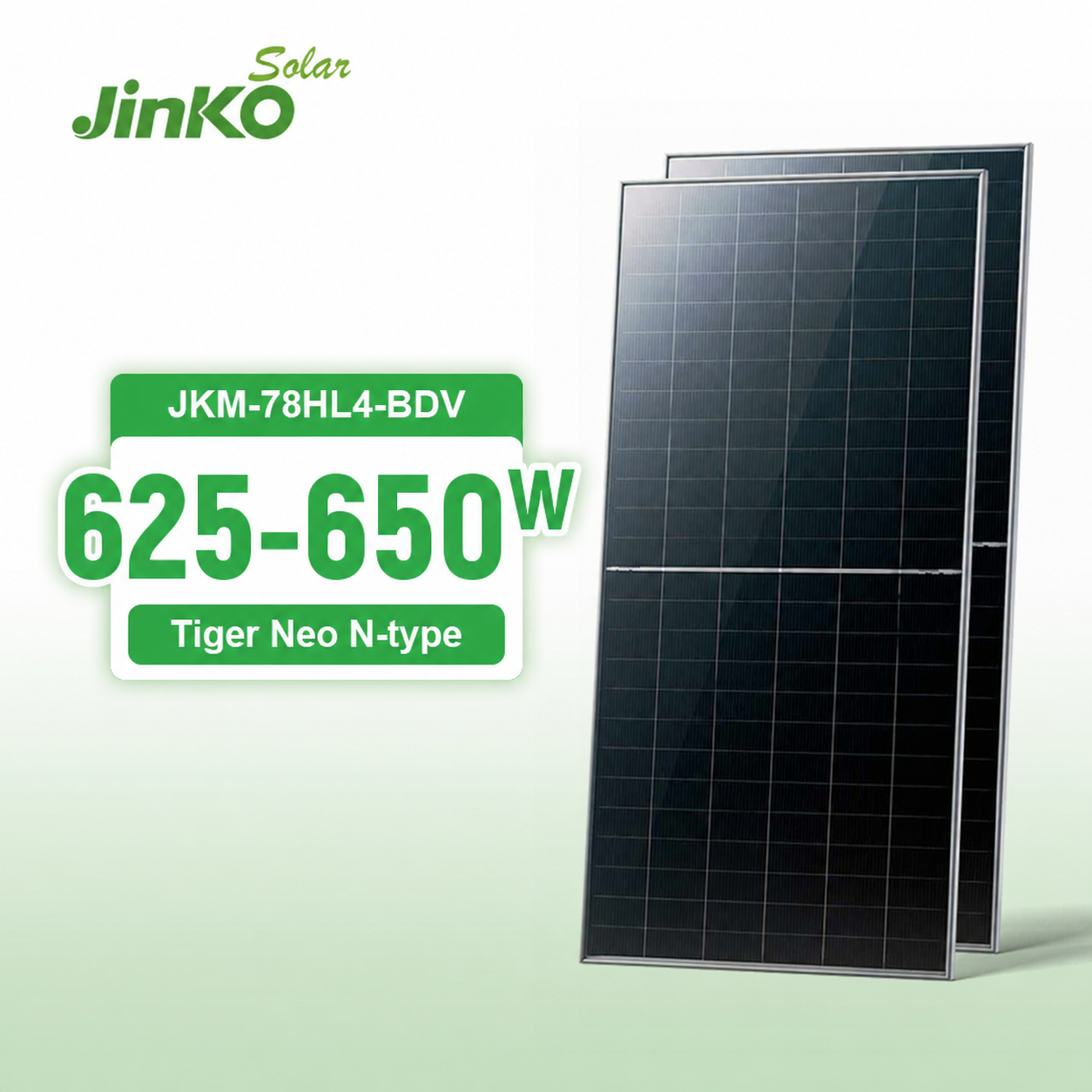
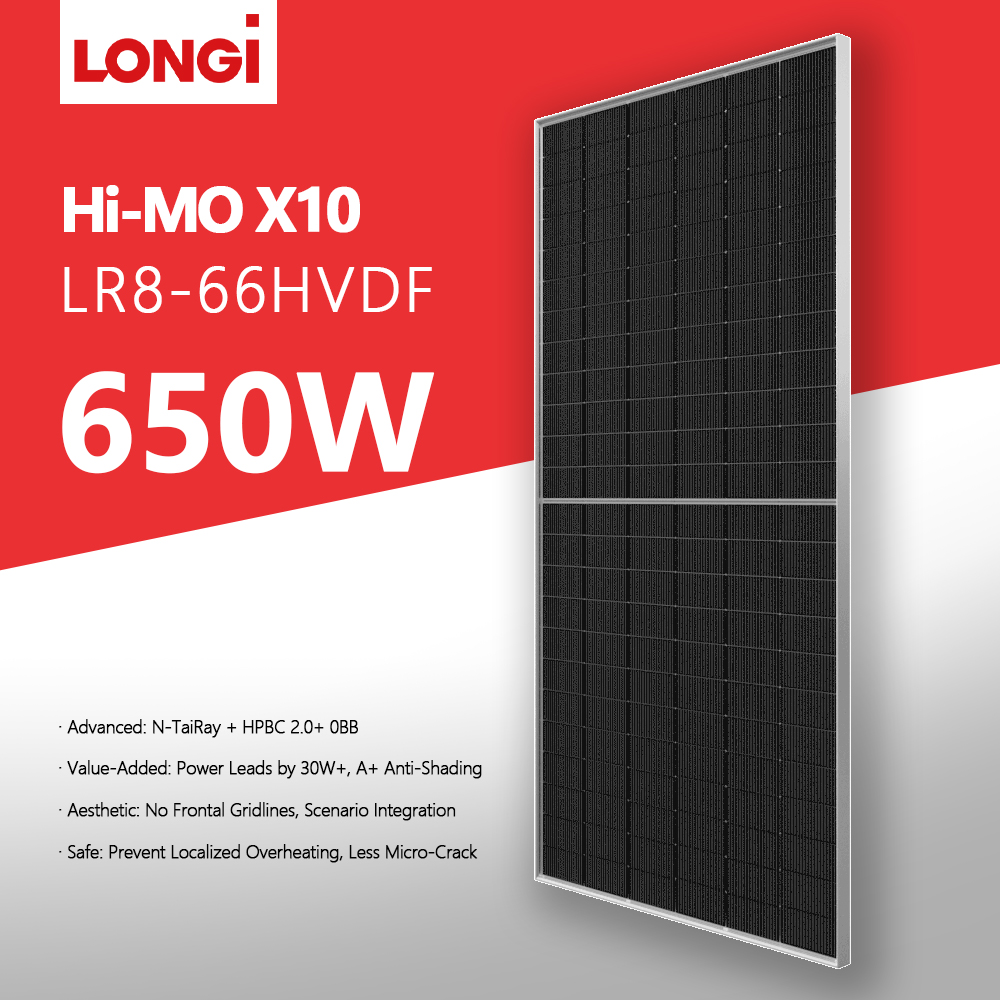
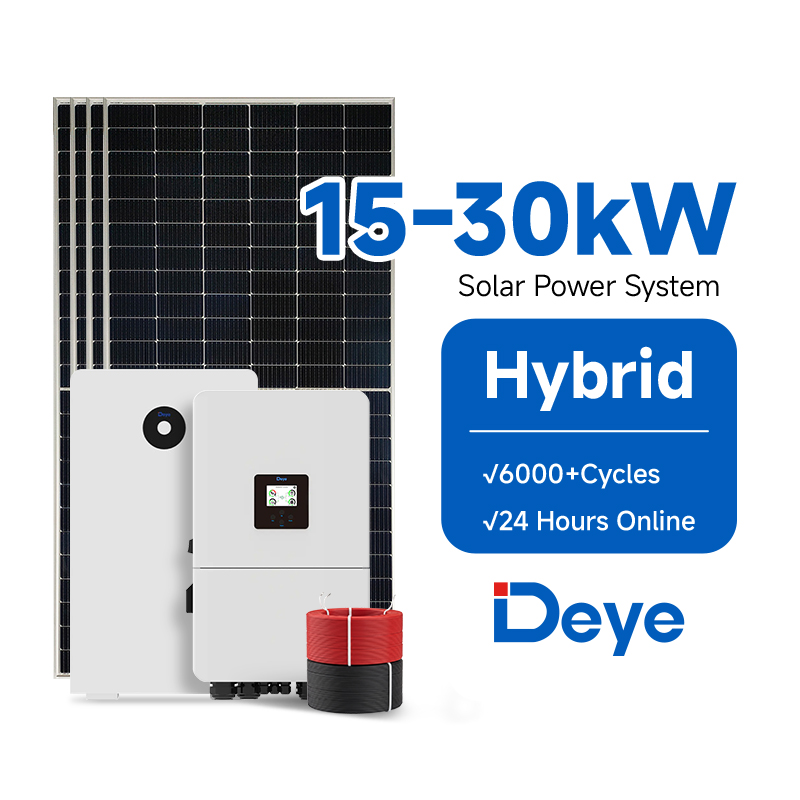
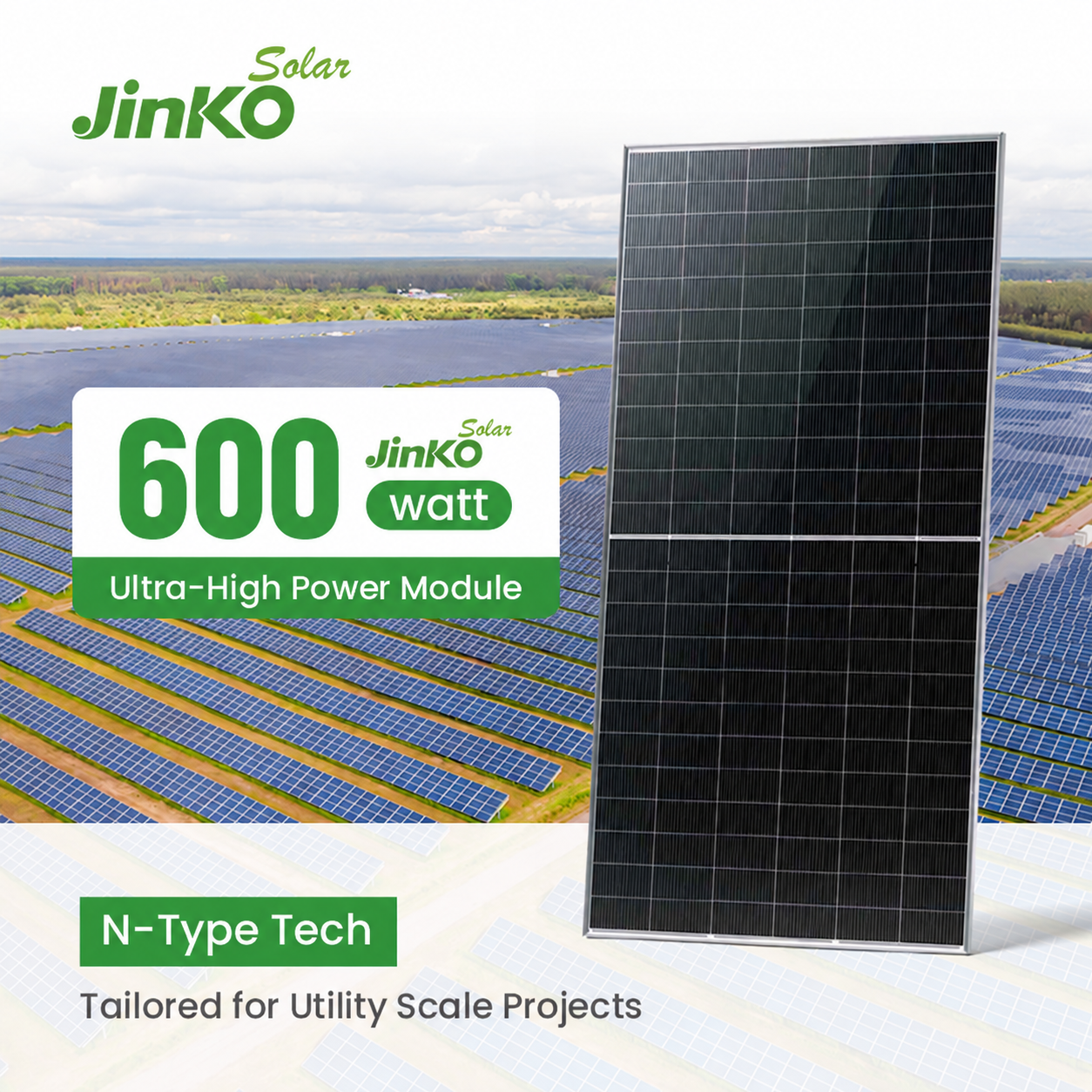
The Hashemite Kingdom of Jordan represents one of the most promising geographical landscapes for solar energy capture in the MENA (Middle East and North Africa) region. With a solar belt location registering over 310 sunny days annually and horizontal solar radiation spanning between 5.5 to 7.0 kWh/m² per day, the transition from conventional building envelopes to decentralized clean power plants is accelerating at institutional, commercial, and private residential scales.
However, deploying Building Integrated Photovoltaics (BIPV) in Jordan involves overcoming harsh ambient realities that standard photovoltaic modules cannot endure. From the dry sandstorms (Khamsin) drifting from the eastern desert tracts to significant diurnal thermal swings reaching differentials of up to 30°C in mountainous Amman, BIPV specifications require rigorous metallurgical, polymer, and optoelectronic customization.
| Engineering Dimension | Standard PV Module Baseline | China Factory BIPV Export Standard (Jordan Spec) | Field Advantage Across Jordanian Topology |
|---|---|---|---|
| Module Glass Substrate | Single 3.2mm tempered backsheet structure | Dual 2.0mm / 2.5mm heat-strengthened, anti-soiling coated float glass | Zero rear microcracking under 35 m/s gusting winds; resists airborne sand scouring in Aqaba & Zarqa. |
| Pmax Temp. Coefficient | -0.38% / °C to -0.42% / °C (p-type PERC) | -0.29% to -0.30% / °C (TOPCon N-Type architecture) | Preserves 8% to 11% higher energy yield during 45°C+ summer midday peaks in the Jordan Valley (Ghor). |
| Structural Loading & Integrity | 2400 Pa Wind / 5400 Pa Snow | Integrated structural glazing with clamping tolerances exceeding 5400 Pa Dynamic | Replaces conventional facade panels and glazing directly, complying with Jordan National Building Codes (JNBC). |
| Fire Safety Classification | Class C spread of flame (UL 790) | Class A non-combustible dual-glass encapsulated assembly | Guarantees compliance with strict civil defense fire codes for commercial malls, medical hubs, and hotels. |
As a leading Chinese manufacturing group and global system integrator, VOLT New Energy bridges the gap between precision high-volume Tier-1 module fabrication and regional on-the-ground engineering demands. We configure our glass-glass laminates, PV facade curtain wall elements, and shaded parking structures to integrate natively with Jordan’s distribution networks managed by NEPCO, JEPCO, IDECO, and EDCO.
From architectural stone-and-glass integration in Greater Amman to logistics cold-chain protection in Aqaba, here is how our engineered systems execute in the field.
Amman's urban landscape blends traditional limestone with contemporary glass high-rises. Our semi-transparent and opaque double-glass BIPV panels integrate directly into structural curtain wall mullions across commercial offices in Abdali and Shmeisani. They deliver sound dampening (Rw > 36 dB), low U-values reducing HVAC chill loads, and on-site electricity offsetting tiered JEPCO commercial tariffs.
High vehicular UV exposure in desert environments makes solar carports an operational imperative. Combining bifacial N-type modules (up to 80% bifaciality factor) with high-reflectivity pale ground slabs yields up to 25% supplementary energy harvesting from albedo reflection. Ideal for hospitality sites in the Dead Sea basin, university campuses in Irbid, and Aqaba Special Economic Zone (ASEZA) logistics parks.
The Jordan Rift Valley features intensive vegetable and date farming alongside elevated temperatures that stress traditional systems. Our factory supplies custom light-transmitting BIPV overhead roof designs for greenhouses and packing stations. Combined with low-voltage Deye hybrid inverters and LFP battery banks, these setups ensure unbroken refrigeration for agricultural yields during grid interruptions.
Under the revised Jordanian General Electricity Law and the National Energy Strategy 2020-2030, Jordan is actively scaling renewable generation to exceed 31% of the national electricity matrix. However, rapid uptake has brought grid constraints. Regional distributors (JEPCO in central Jordan, EDCO in the south, and IDECO in the north) have increasingly capped utility-scale ground grid connections due to transformer capacity limits.
This grid dynamic has caused a major shift toward self-consumption frameworks, wheeling regulations, and BIPV microgrid ecosystems. Rather than consuming arable land or relying on overloaded 33kV distribution feeders, businesses and property developers are turning to their own building footprints. Architectural BIPV enables commercial entities to maximize localized power generation without requiring separate substations.
Furthermore, Jordan's adoption of the Green Building Code incentivizes projects achieving high thermal envelope performance. Because our dual-glass BIPV solutions feature lower solar heat gain coefficients (SHGC) while actively producing kilowatt-hours, they earn significant points toward local environmental certifications, speeding up municipal approvals in Amman.
VOLT New Energy delivers factory-direct pricing on genuine Tier-1 grade products, verified hardware matching, and complete compliance documentation for seamless clearance through Aqaba Container Terminal.
We eliminate "BMS Communication Faults" on site. Before packing, every hybrid inverter (e.g., Deye 5kW-50kW) is tested in our Hangzhou labs alongside matching LFP lithium battery packs across both RS485 and CANbus protocols, verifying baud rates, DIP switches, and safety cutoffs.
Our Jordan-bound product runs undergo strict electroluminescence (EL) defect scanning before and after lamination, sand-dust chamber abrasion testing per IEC 60068-2-68, and salt-mist corrosion checks for marine coastal performance in Aqaba.
Shipping lithium energy storage units requires meticulous handling. We manage full Class 9 DG maritime export documentation—including valid UN38.3 packaging certifications, MSDS dossiers, and container weight balances—ensuring clear passage into Aqaba without demurrage delays.
Reduce administrative overhead and transport costs. We consolidate tier-1 N-type BIPV modules, matched hybrid inverters, wall-mounted or rack LFP batteries, DC isolators, PV cables, and tailored racking systems into single, consolidated container shipments.
A look inside our modern automated lamination lines, pre-shipment quality verification stages, and international deployments.
Robotic pick-and-place lines ensuring micro-gap spacing and uniform thermal expansion tolerances.
Double-pass optical luminescence inspection eliminates microcracks before final dual-glass lamination.
Reinforced upright plywood packaging engineered to prevent edge chipping during transit to Aqaba port.
Key information regarding Jordan Standards and Metrology Organization (JSMO) compliance, grid compatibility, and ocean logistics.
Yes. All our solar modules and Deye hybrid inverters hold complete international type-test reports complying with IEC 61215 (Design Qualification and Type Approval), IEC 61730 (Photovoltaic Module Safety Qualification), and IEC 62116 / EN 50549 for anti-islanding and grid interconnectivity. These certificates meet the documentation requirements of Jordan's Energy and Minerals Regulatory Commission (EMRC) and distribution utility engineers.
Our BIPV panels utilize dual 2.0mm or 2.5mm high-transmission tempered float glass treated with a specialized hydrophobic, anti-static nano-coating. This reduces dry dust accumulation and makes self-cleaning via seasonal rain showers more effective. Furthermore, our products pass the rigorous IEC 60068-2-68 sand abrasion test, ensuring long-term surface clarity even during severe desert sandstorm seasons.
Standard production and lamination time runs between 15 to 22 business days depending on volume and custom sizing. Maritime shipping from Ningbo or Shanghai port directly to the Aqaba Container Terminal (ACT) typically requires 18 to 28 days transit time. We provide real-time vessel tracking, direct bill of lading (BL) sets, and all necessary certificates of origin to simplify customs processing.
Yes. Consolidating full systems is one of our primary services. We manage certified Class 9 dangerous goods (DG) container loading, allowing LFP lithium batteries to ship alongside solar panels and inverters under compliant international maritime regulations. This unified shipment saves Jordanian buyers substantial customs clearance and local transportation costs.
Our Tier-1 N-Type TOPCon bifacial modules feature a 12-to-15 year product warranty and a 30-year linear performance output guarantee backed directly by original manufacturer serial records. In addition, our Hangzhou technical team provides remote commissioning assistance, schematic wiring checks, and parameter optimization via live engineering channels to support local contractors on site.
Under the Jordanian Renewable Energy & Energy Efficiency Law (REEEL), clean energy hardware—including photovoltaic modules, inverters, and dedicated solar batteries—is broadly exempt from custom tariffs and standard general sales tax, provided the importer submits the required approval from the Ministry of Energy and Mineral Resources (MEMR). We provide all technical datasheets and factory invoices needed for your clearance broker.