Procurement Solutions
Utility-Grade & C&I Engineered Photovoltaic Systems
Seamlessly integrated Tier-1 N-Type TOPCon bifacial modules, Deye low-voltage/high-voltage hybrid inverters, and Class-A LiFePO4 battery storage banks matched for Israeli grid topology.
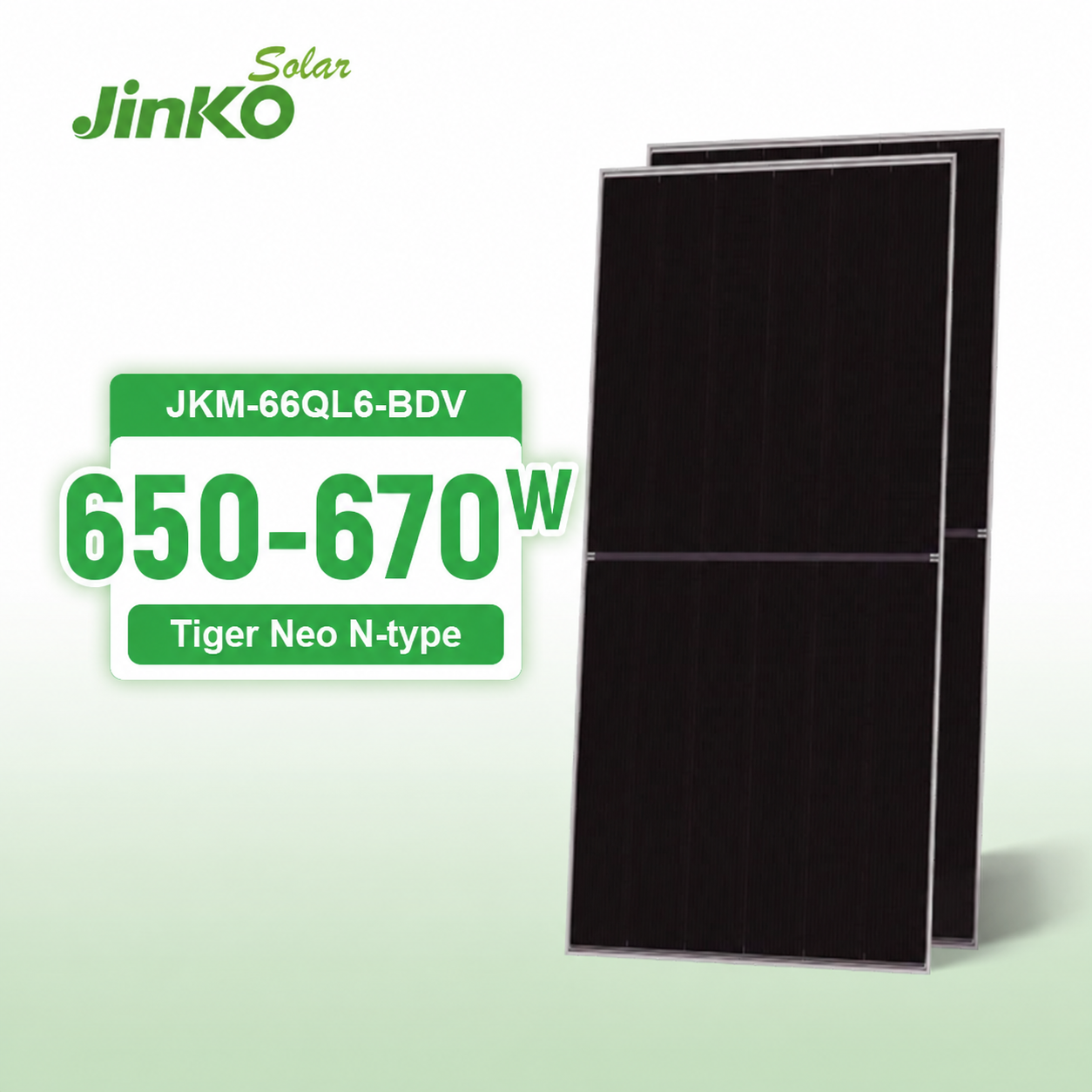
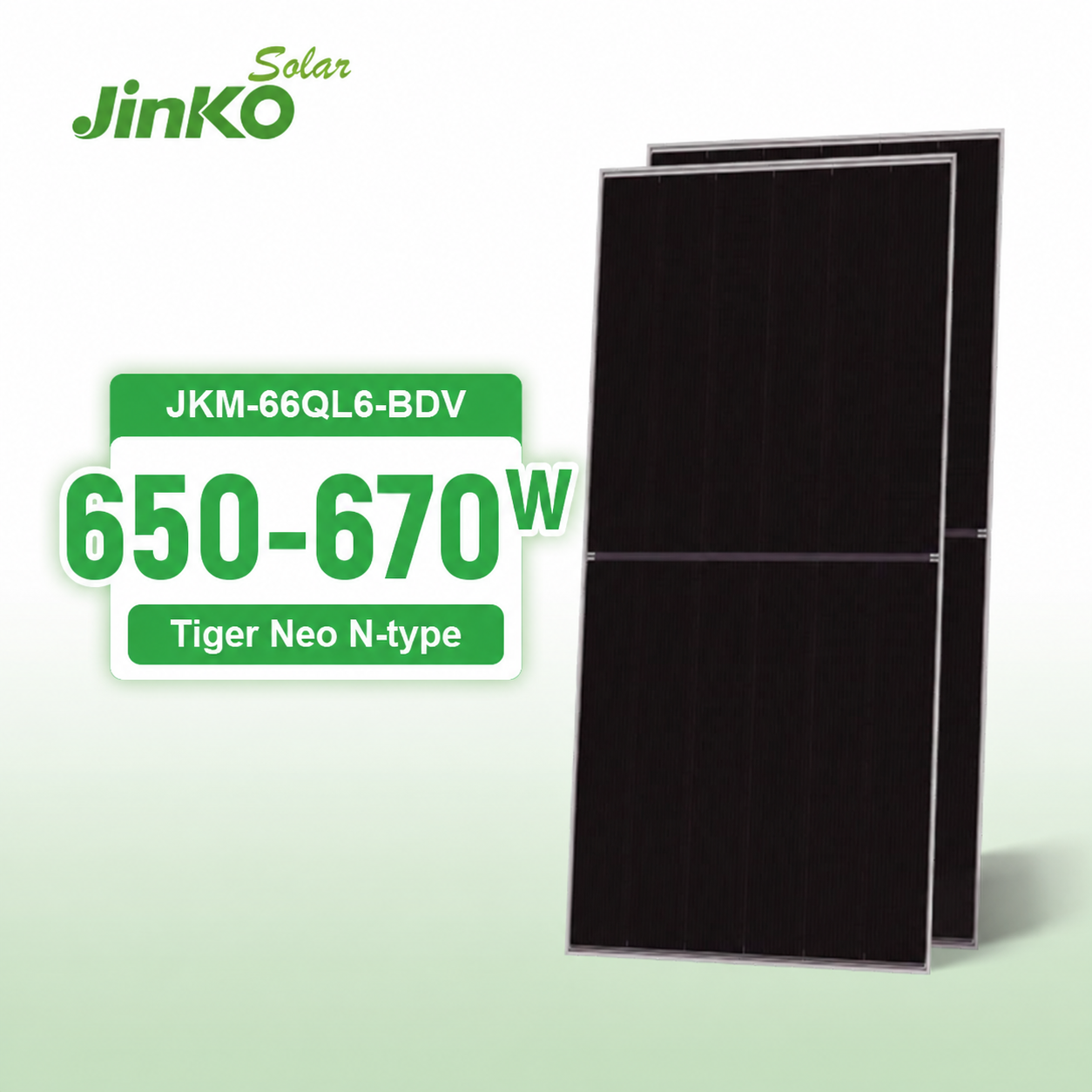
Jinko N Type 650W 660W 670W Wholesale TOPCon Bifacial Photovoltaic Module for Commercial
Engineering Specs & RFQ →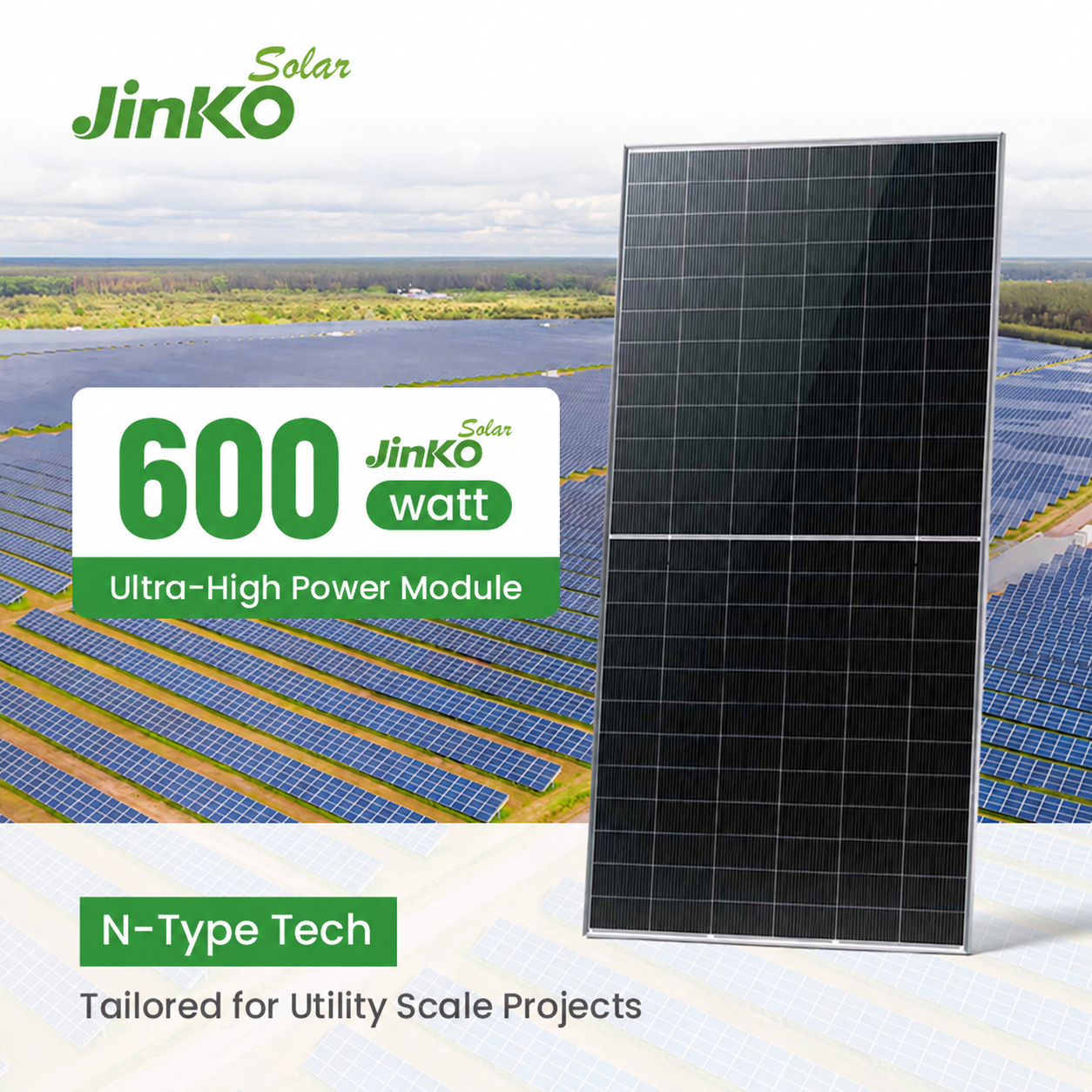
Jinko Pv Panels Wholesale 600w 580W 590W Bifacial Dual Glass Monocrystalline Solar Module
Engineering Specs & RFQ →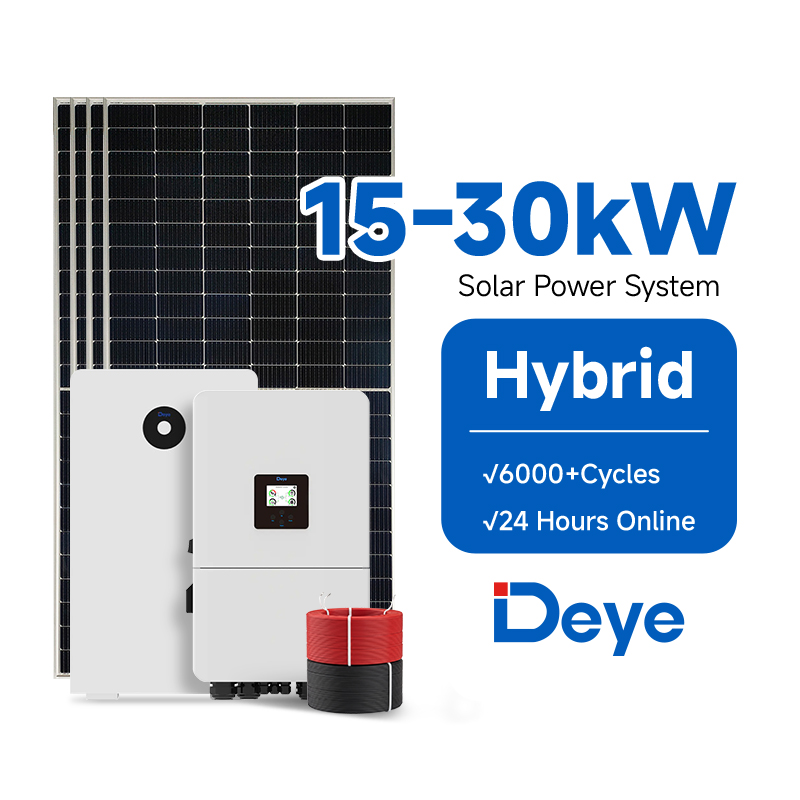
Low DC Voltage Battery Support Deye Hybrid Inverter ESS 5kw 10kw 15kw 20kw 30kw Mounting System
Engineering Specs & RFQ →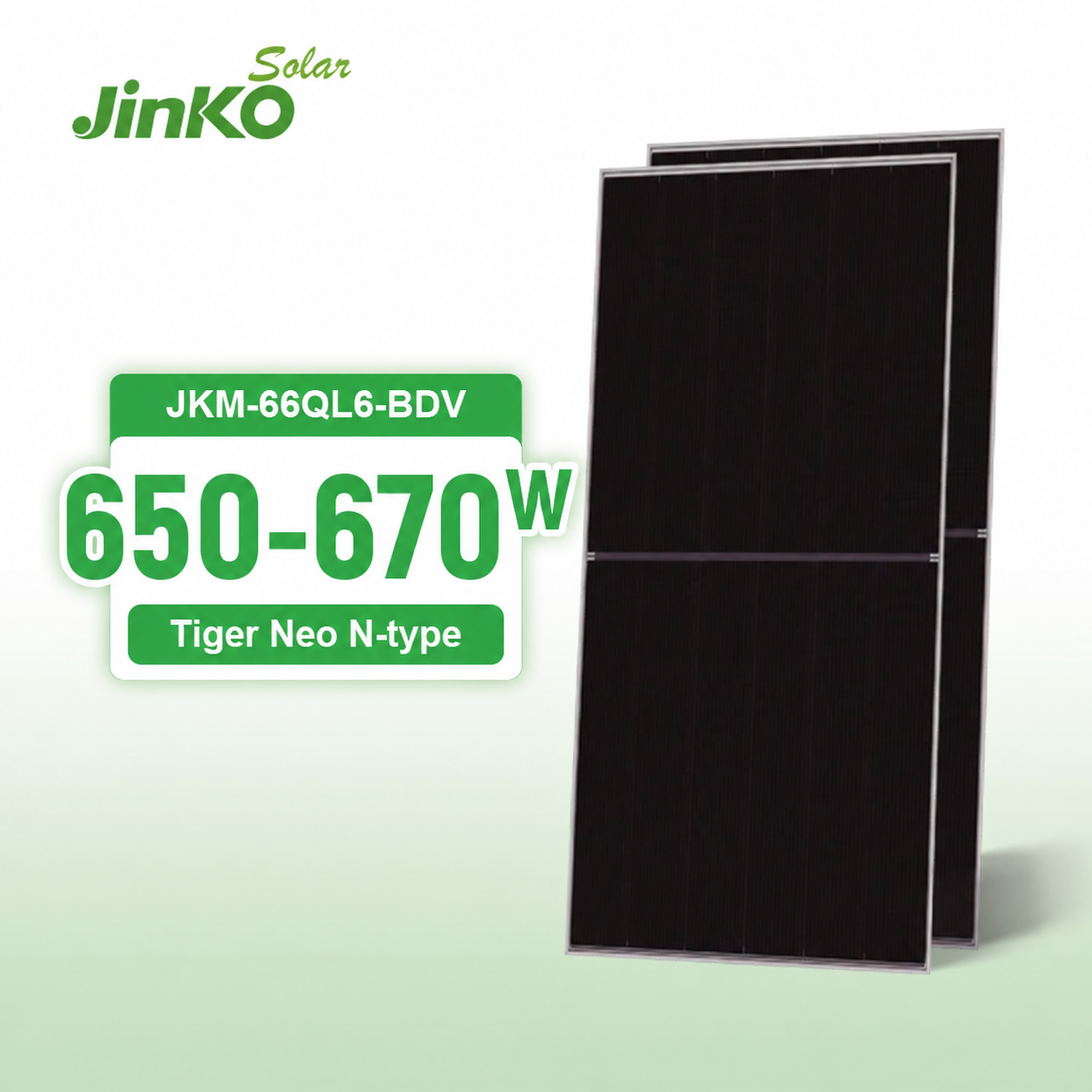
Jinko TOPCon Bifacial Paneles Solares 650 w 650W 660W 670W Monocrystalline High Efficiency PV Panel for Solar Farm
Engineering Specs & RFQ →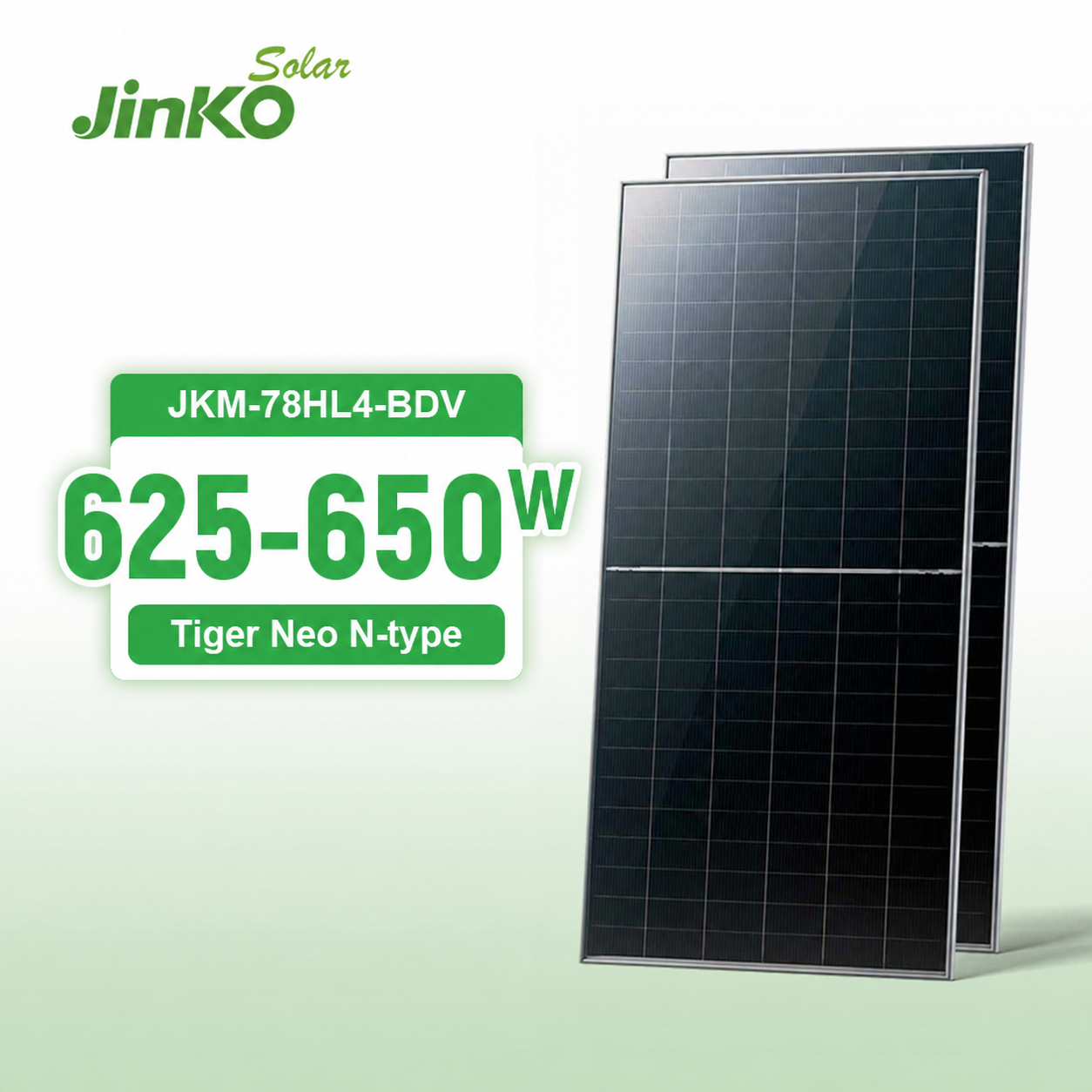
Jinko N Type Solar Panels 625W 640W 635W Monocrystalline Panneau Solaire Bifacial High Efficiency PV Module for Home Roof
Engineering Specs & RFQ →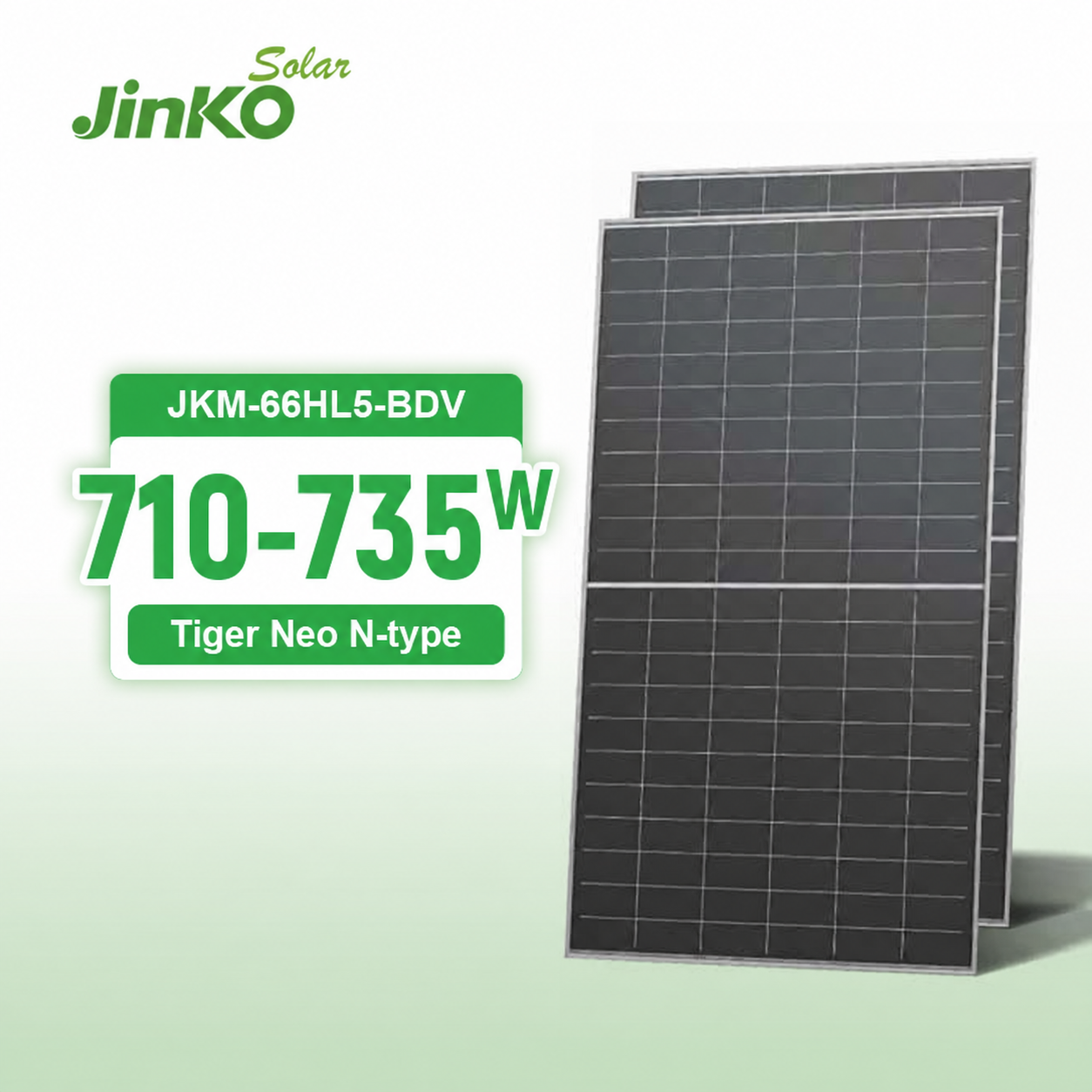
Jinko Wholesale Price 700 W 720W 730W 725W Bifacial TOPCon Double Glass High Efficiency Solar Module for House
Engineering Specs & RFQ →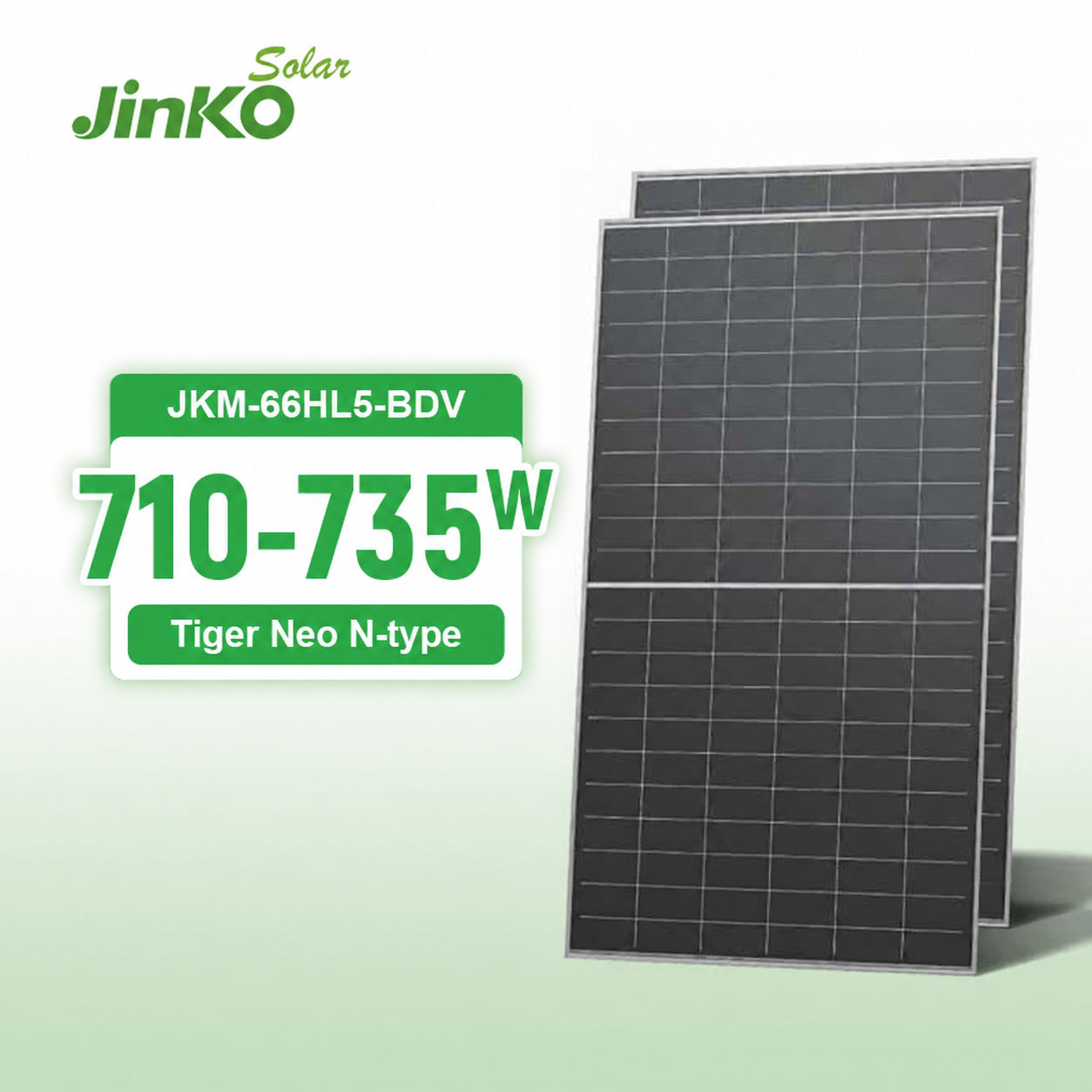
Jinko N Type Bifacial Pv Solar Panels 720W 710W 715W Dual Glass Industrial Photovoltaic Panneau Solaire
Engineering Specs & RFQ →
Executive Technical Assessment
China-Israel Renewable Bridge: Sourcing High-Yield Hybrid Infrastructure
Israel’s ambitious national energy transition mandates reaching 30% electricity generation from renewable sources by 2030, an equivalent of over 12,000 MW DC of installed solar photovoltaic capacity. However, the geographic reality of the Israeli energy ecosystem presents distinct engineering bottlenecks: extreme irradiance accompanied by high ambient temperatures exceeding 45°C in the Negev and Arava deserts, severe grid saturation along the southern transmission corridors supervised by Noga (The Israel Independent System Operator), and rigid power security demands driven by regional operational contingencies. Consequently, pure grid-tied PV systems without energy storage are no longer financially or technically sustainable for developers. Modern Israeli installations require hybrid power systems combining multi-MPPT power conversion systems (PCS), intelligent energy management software, and high-density Lithium Iron Phosphate (LiFePO4) storage.
As the premier manufacturing superpower in modern renewable technology, China’s hybrid power system manufacturers provide the necessary technological density and economies of scale required to meet Israeli levelized cost of electricity (LCOE) targets. However, procurement officers, EPC contractors, and system integrators face significant operational risks when navigating international supply chains: incompatible CAN/RS485 communication protocols between independent battery management systems (BMS) and hybrid inverters, insufficient thermal derating tolerances under Middle Eastern heat, and regulatory non-compliance with the Standards Institution of Israel (SII / מכון התקנים).
Hangzhou VOLT New Energy Technology Co., Ltd. (VOLT New Energy) operates as a specialized Chinese system integrator and export powerhouse. By bridging Tier-1 production excellence—such as Jinko Solar N-Type TOPCon bifacial modules and Deye low-voltage/high-voltage hybrid inverters—with proprietary pre-commissioned energy storage stacks, VOLT New Energy delivers certified, factory-harmonized hybrid power systems directly engineered for the environmental and electrical realities of the State of Israel.
System Topology
Comparative Engineering Matrix: Hybrid Topologies for Israeli Grids
Evaluating electrical architectures for distributed C&I facilities, agricultural cooperatives (Kibbutzim), and desert microgrids.
| Architecture Type | Typical Configuration | Battery DC Coupling | Islanding Switch Time | Israel Operational Suitability |
|---|---|---|---|---|
| C&I Peak-Shaving Hybrid | Deye 30kW–50kW High-Voltage + 60kWh–100kWh LFP Stack | HV Bus (160V–800V DC) | < 10 ms (IEC 62109 compliant) | Prime: Ideal for Time-of-Use (TOU) tariff arbitrage under Israel Electric Corporation (IEC) tariffs. |
| Agricultural Agrivoltaic Microgrid | Deye 12kW–15kW Low-Voltage Parallel + 48V LFP Bank + Diesel Gen | 48V/51.2V Low Voltage | < 4 ms (Seamless UPS) | Essential: Kibbutzim and Moshavim with high inductive loads (water pumps, cold refrigeration). |
| Negev Desert Off-Grid / Weak-Grid | Jinko 700W+ Bifacial TOPCon + Deye Inverter + Antofo LFP Bank | Dual-bus flexible coupling | Continuous V/f Grid Forming | Critical: Remote telecom, research outposts, and agricultural perimeters without transmission access. |
| Residential Solar + BESS Retrofit | 5kW–10kW Single/Three-Phase Hybrid + Wall-Mounted LFP | 48V Modular Expansion | < 4 ms UPS mode | High Demand: Suburban residential rooftop programs targeting total domestic self-consumption. |
Localization Engineering
Tailored Application Profiles Across Israeli Geographies
Analyzing thermal dissipation, albedo reflection, and dynamic grid parameters across regional deployment zones.
High-Albedo Sand & Thermal Derating Defense
The Southern desert regions receive upwards of 2,300 kWh/m² annual global horizontal irradiance. However, surface cell temperatures frequently surpass 68°C, triggering massive power losses in traditional P-type PERC panels. VOLT New Energy supplies Jinko N-Type TOPCon bifacial modules with an industry-leading temperature coefficient of -0.30%/°C (versus -0.35%/°C of legacy modules).
Coupled with light-colored desert sand and limestone albedo (bifaciality factor up to 80% ±5%), these arrays generate an incremental 18% to 26% energy yield from the rear side. System electronics utilize IP65/IP66 enclosure ratings with intelligent fan-assisted heat exchangers designed to prevent PCS thermal throttling during midday peak generation.
C&I Peak Shaving & Marine Salt-Mist Resistance
In densely populated commercial zones from Ashdod to Haifa, industrial operators encounter steep Time-of-Use (TOU) electrical tariff structures dictated by the Public Utilities Authority (PUA). During summer peak periods (17:00 to 22:00), grid electricity prices spike significantly.
Our Deye hybrid power configurations charge the LFP battery bank during low-cost mid-day solar hours and discharge dynamically during peak billing windows, reducing corporate peak load penalties. Furthermore, panels and battery cabinetry deploy IEC 61701 Severity 6 Salt Mist Corrosion Certification and dual-glass hermetic sealing to resist corrosive Mediterranean coastal air.
Agrivoltaic Resilience & Microgrid Blackout Protection
Agricultural cooperatives throughout the Jezreel and Jordan Valleys demand uninterruptible continuous power for automated irrigation networks, milk-processing dairies, and Controlled Atmosphere (CA) fruit storage.
Our integrated Deye hybrid systems incorporate dedicated generator input ports that operate with automated dry-contact startup signals. If the main IEC distribution feeder experiences an outage or voltage drop, the hybrid system forms an independent local microgrid in under 4 milliseconds, balancing rooftop PV arrays, high-power irrigation surge currents, and battery reserves without stopping sensitive automated machinery.
Regulatory Alignment
Navigating Israeli Grid Codes & Energy Directives
Critical standards compliance mandatory for successful grid-interconnection approvals with Noga and the Israel Electric Corporation.
SII Certification Mandates
Importation into Israel demands rigorous compliance with the Standards Institution of Israel (SII). Systems must strictly adhere to SI 62109-1 / SI 62109-2 for inverter functional safety and SI 62619 for secondary lithium cell safety.
- Original factory test certificates
- Direct CB scheme compliance
- Pre-cleared customs documentation
Noga Grid Stability Integration
As renewable penetration approaches local transformer caps, Noga mandates active power curtailment, reactive power regulation (cos phi adjustment), and dynamic low-voltage ride-through (LVRT) to preserve transmission frequency.
- Dynamic zero-export limiters
- Frequency-sensitive power derating
- Harmonic distortion THD < 3%
Mandatory Co-Located BESS
Under recent Public Utilities Authority regulations, newly commissioned medium-scale PV installations in saturated zones must include at least 4 hours of storage capacity to decouple solar production from daytime grid injection.
- C-rate optimization (0.5C / 0.2C)
- Pre-engineered 4-hour discharge sizing
- Scalable rack and container layouts
Dual-Glass Fire Class A
With dry summer conditions across the Mediterranean scrubland, municipal planners enforce strict fire safety codes. VOLT New Energy supplies dual-glass bifacial modules featuring Class A fire resistance and double 2.0mm tempered glass.
- High mechanical wind load (2400 Pa)
- Snow/Hail impact resistance (5400 Pa)
- Framed structural durability
Enterprise Capabilities
Why Israeli EPCs & Developers Partner with VOLT New Energy
Eliminating engineering mismatches, long lead times, and customs friction through end-to-end Chinese integration.
Pre-Shipment Protocol Verification
The single most frequent failure in hybrid installations is communication loss between the inverter and battery BMS via CAN/RS485. At our Hangzhou facility, our engineering team executes 100% hardware-in-the-loop bench testing. Every battery pack and Deye inverter is matched, firmware-aligned, and tested under load prior to container packing, ensuring zero field commissioning downtime.
Consolidated Maritime Logistics
Procuring panels from one manufacturer, inverters from another, and batteries from a third results in multiplied freight overhead, customs clearance delays at Port of Ashdod or Haifa, and dangerous goods complications. VOLT New Energy consolidates complete solar-plus-storage kits—including Class 9 DG-certified LFP packs, cables, and combiners—into single, optimized container manifests.
Tier-1 Direct Channel Sourcing
We supply authentic Tier-1 Jinko N-Type TOPCon panels and factory-direct Deye hybrid inverters accompanied by full manufacturer warranty backing. Every order includes verified serial-number registers, factory flash reports demonstrating positive power sorting (+0/+3%), and electroluminescence (EL) defect inspection records to protect the long-term ROI of Israeli asset owners.
Procurement Knowledge Base
Frequently Asked Questions: Sourcing Hybrid Equipment in Israel
Detailed technical guidance answering real-world engineering, customs, and installation challenges.
Q1 What documentation is required to clear Chinese lithium batteries through Israeli customs?
Lithium Iron Phosphate (LiFePO4) energy storage batteries are classified as Class 9 Dangerous Goods (UN 3480). To pass inspection through Israeli Customs and the Ministry of Energy, importers must present a valid UN 38.3 Test Report, comprehensive Material Safety Data Sheet (MSDS) in English, certified DG Dangerous Goods sea freight packaging declarations, and standard IEC 62619 safety certification. VOLT New Energy provides complete, pre-validated documentation dossiers with every shipment, ensuring frictionless customs release at Ashdod and Haifa ports.
Q2 How do Deye hybrid inverters perform during high-temperature Israeli desert summers?
Deye hybrid inverters (from 5kW low-voltage residential models up to 50kW high-voltage commercial units) are engineered with intelligent forced-air active cooling and internal heat sinks. While many conventional inverters begin aggressive thermal derating at 40°C, Deye units sustain rated output up to 45°C ambient temperatures with gradual, linear derating up to 60°C. For extreme desert installations in the Dead Sea basin or Arava, we recommend shaded exterior mounting or climate-controlled battery room placement to maintain peak round-trip efficiency (RTE).
Q3 Why are Jinko N-Type TOPCon bifacial modules superior to traditional PERC for Israeli solar farms?
Jinko TOPCon (Tunnel Oxide Passivated Contact) modules demonstrate significant physical advantages over older P-Type PERC cells in the Mediterranean and Middle Eastern climate: they exhibit near-zero Light Induced Degradation (LID < 1% first year), an exceptional bifaciality rate of up to 80% (producing substantial supplementary energy from desert ground albedo), and a far superior temperature coefficient of -0.30%/°C. Over a 25-to-30-year lifecycle in high-irradiance zones like the Negev, TOPCon modules deliver a 4.5% to 7.8% higher total energy yield per watt installed.
Q4 Can your hybrid systems communicate with legacy diesel generators installed in Kibbutzim?
Yes. Deye hybrid inverters feature a dedicated generator input terminal with programmable auxiliary load contacts. When the battery storage bank reaches a pre-set low Depth of Discharge (DoD) threshold during extended grid failure or prolonged winter overcast, the hybrid system automatically triggers the generator via an isolated dry contact. The inverter synchronizes AC waveforms dynamically, accepts generator power to service essential loads while charging the battery bank at a controlled C-rate, and shuts the diesel unit down automatically once batteries are replenished.
Q5 Should Israeli developers select Low-Voltage (48V) or High-Voltage (HV) battery systems?
For small residential projects and light agricultural applications up to 12kW–15kW, 48V/51.2V low-voltage architectures offer optimal cost efficiency, modularity, and simplified maintenance without requiring high-voltage DC protection gear. For commercial and industrial (C&I) projects exceeding 20kW up to multi-hundred kilowatt microgrids, High-Voltage (HV) battery stacks (200V–800V DC) are highly recommended. High-voltage architectures lower electrical current by a factor of four to ten, drastically cutting I²R cable thermal losses, minimizing copper cable gauges, and increasing round-trip conversion efficiency above 95.5%.
Q6 How are international manufacturer warranties executed inside Israel?
Warranty enforcement across international borders is a core concern for Israeli developers. VOLT New Energy supplies genuine, Tier-1 serialized equipment carrying direct OEM factory warranties (typically 12 to 15 years on module materials, 30 years linear module power, 5 to 10 years on Deye inverters, and 5 to 10 years on LiFePO4 battery modules). Every export batch is logged by serial number in our ERP and registered with the manufacturer. In the event of a field failure, our engineering team coordinates root-cause analytics and dispatches replacement components or complete units directly through our express logistics lines.
Engineering Your Israeli Solar + Storage Project
Consult with our hybrid power systems engineering team in Hangzhou. Receive complete single-line diagrams (SLD), communication protocol mapping, thermal derating projections, and direct container pricing for your upcoming installations.
Contact Us