Tier-1 TOPCon Module
High-efficiency string inverters and matched N-Type TOPCon bifacial modules verified for high-irradiance, high-heat environments across Adana, Mersin, and Hatay.
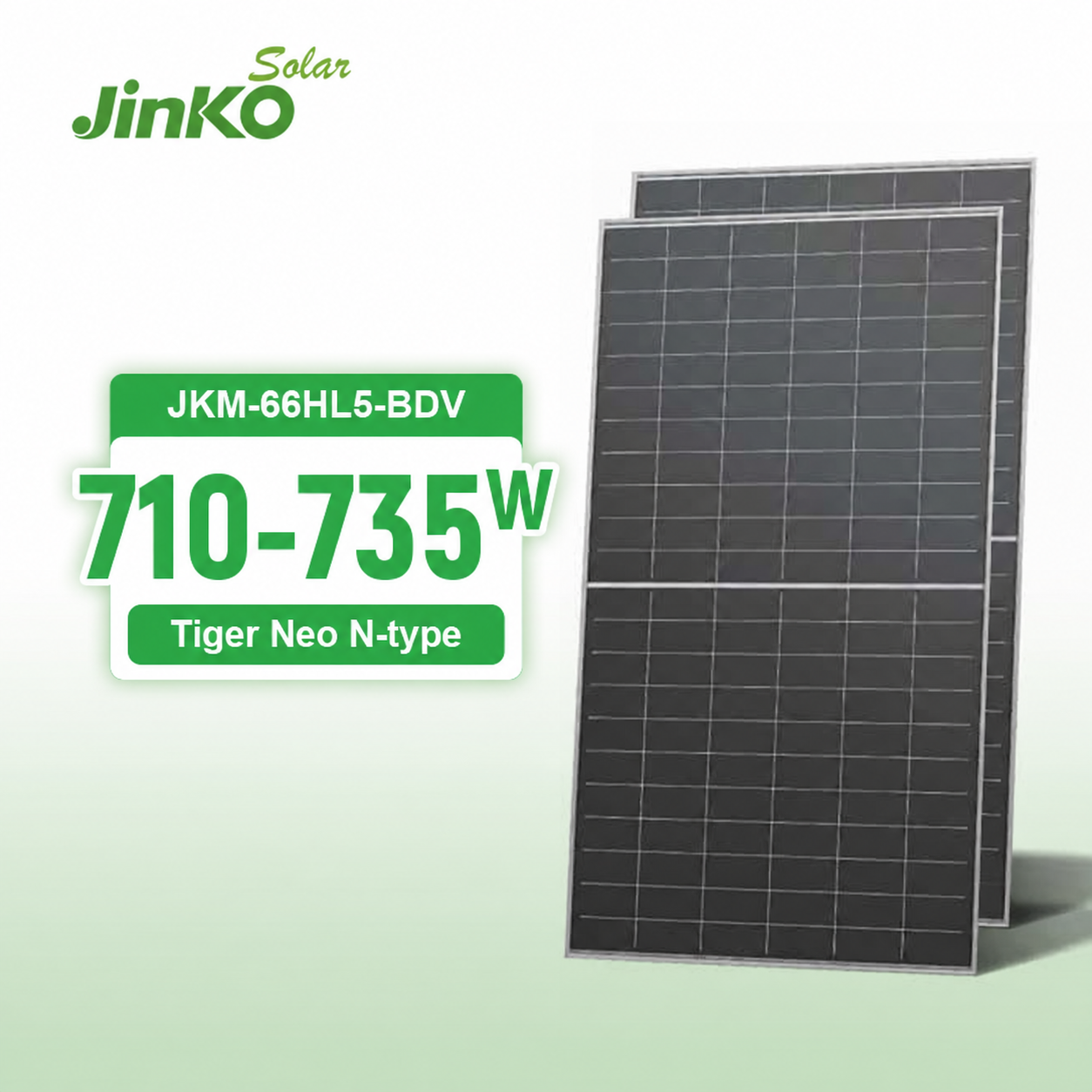
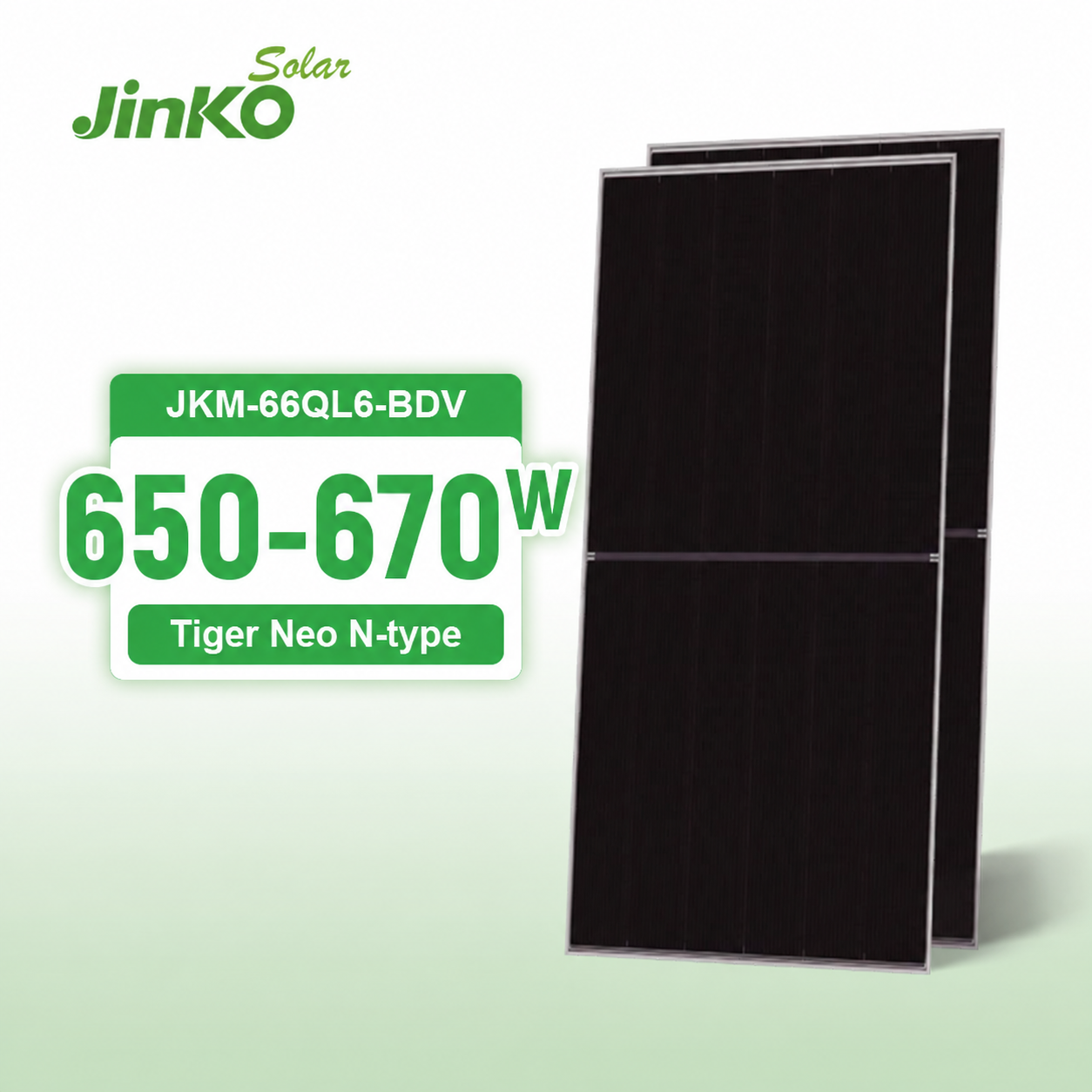
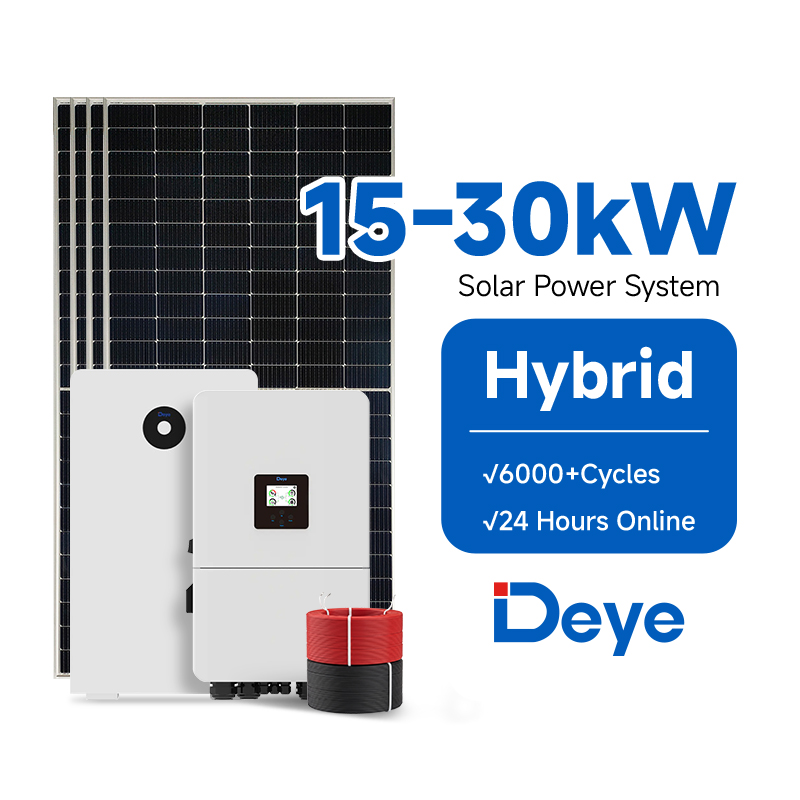
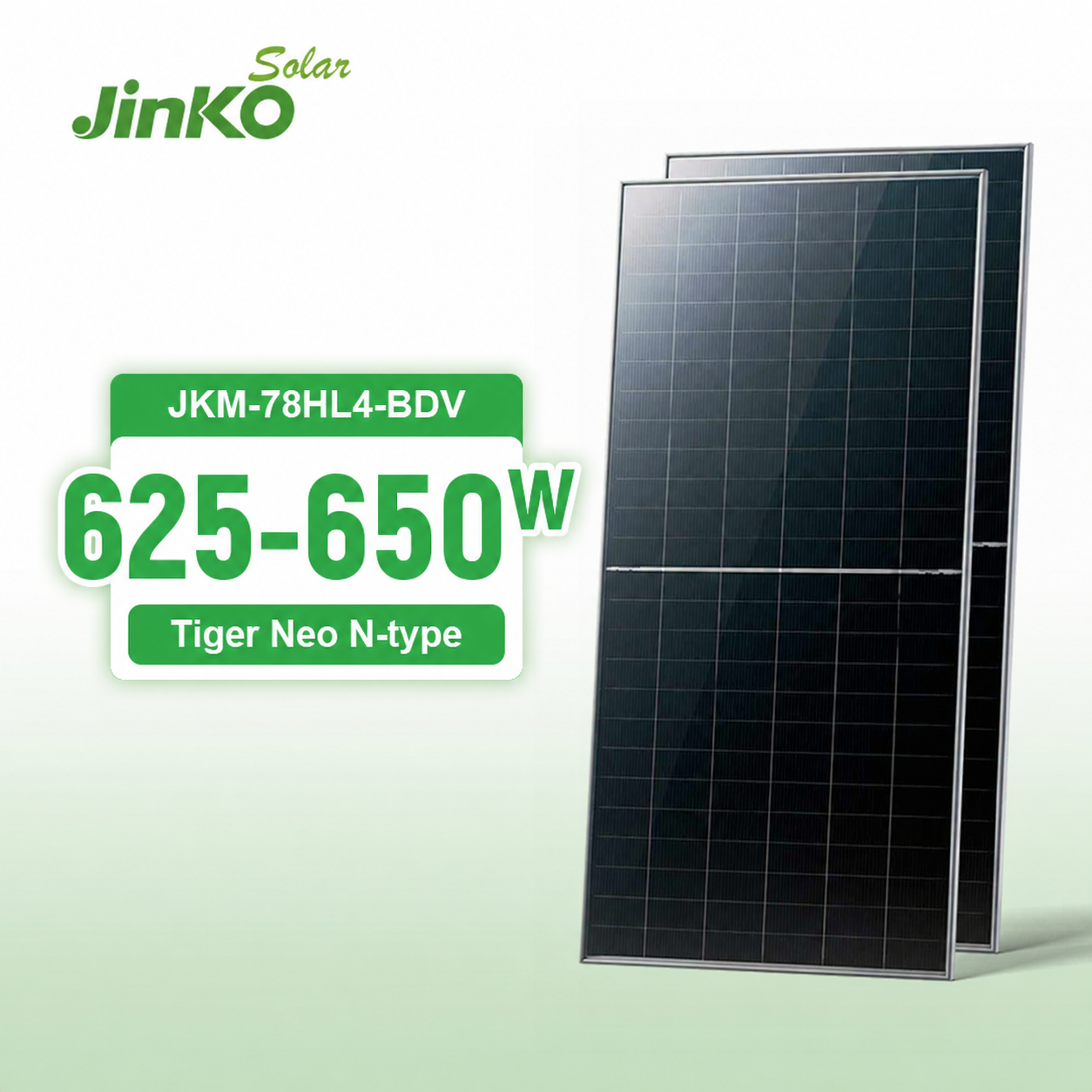
The Mediterranean hub of Adana represents one of the highest solar yield zones in the Republic of Turkey, registering Global Horizontal Irradiance (GHI) figures consistently between 1,650 and 1,750 kWh/m² per annum. However, for professional EPCs, project developers, and industrial energy managers operating in the Adana Hacı Sabancı Organized Industrial Zone (AOSB) or throughout the agricultural expanses of Ceyhan, Yüreğir, and Karataş, solar harvest in Southern Anatolia is not without steep technical compromises. The primary operational adversary in this region is not lack of photon flux, but extreme thermal stress combined with intense summer relative humidity.
During the prolonged peak season from June to September, ambient dry-bulb temperatures across the Çukurova plain frequently exceed 42°C to 45°C. When mounted on metal-deck industrial trapezoidal roofs—ubiquitous across Adana’s textile, plastics, and agricultural processing facilities—inverter casing temperatures and PV module cell temperatures ($T_{cell}$) routinely escalate above 75°C. Under these severe operating boundaries, conventional European and standard Asian string inverters suffer from premature thermal derating, automatically curtailing active power injection precisely during the midday hours of maximum tariff offset and maximum solar generation potential.
Engineering Imperative: Inverters deployed in Adana must feature an internal thermal architecture capable of delivering 100% rated capacity up to an ambient temperature of at least 45°C, coupled with a wide Maximum Power Point Tracking (MPPT) voltage window ($V_{mppt}$) capable of tracking strings whose open-circuit ($V_{oc}$) and maximum-power ($V_{mp}$) voltages drop severely under negative thermal coefficients ($\gamma \approx -0.30\%/^\circ\text{C}$).
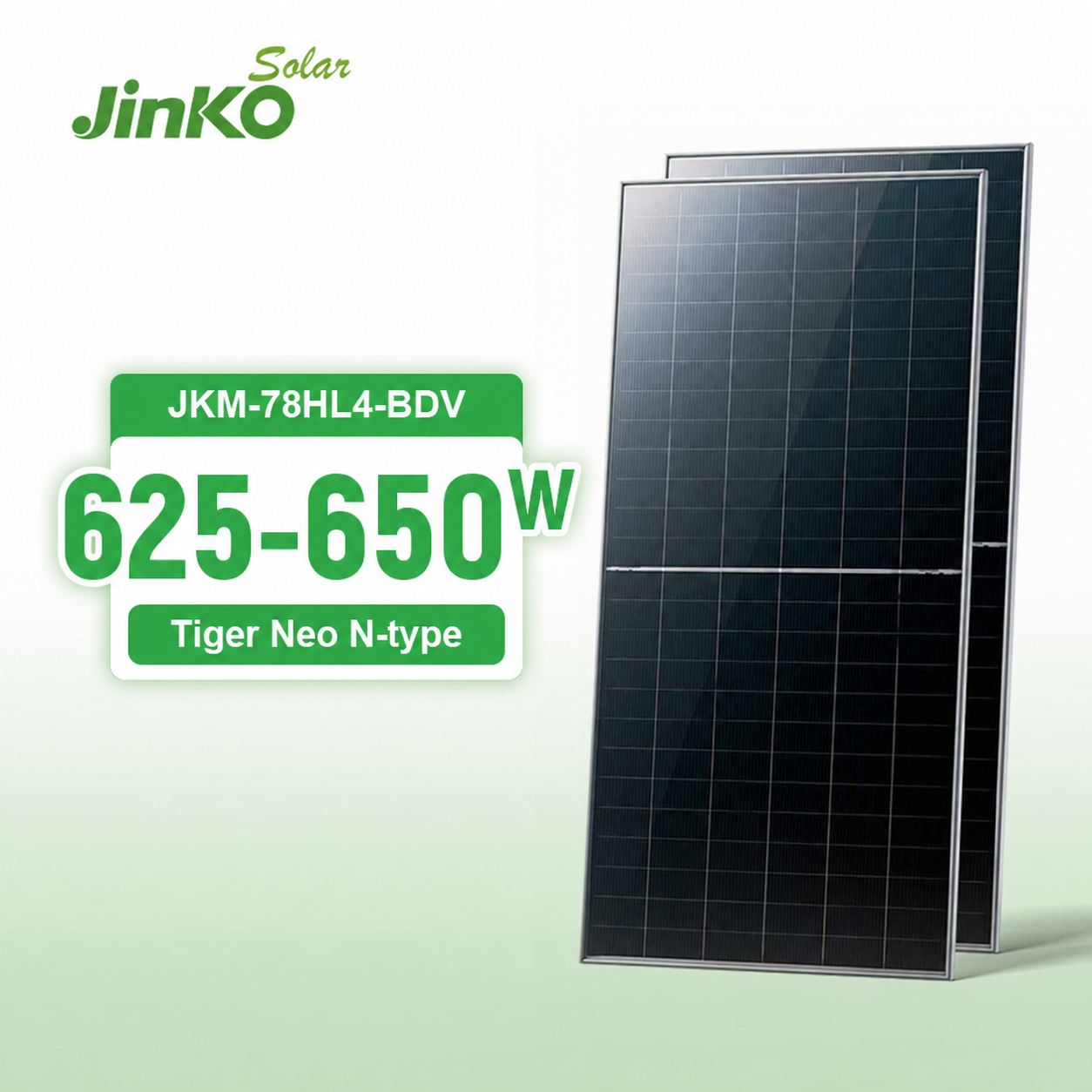
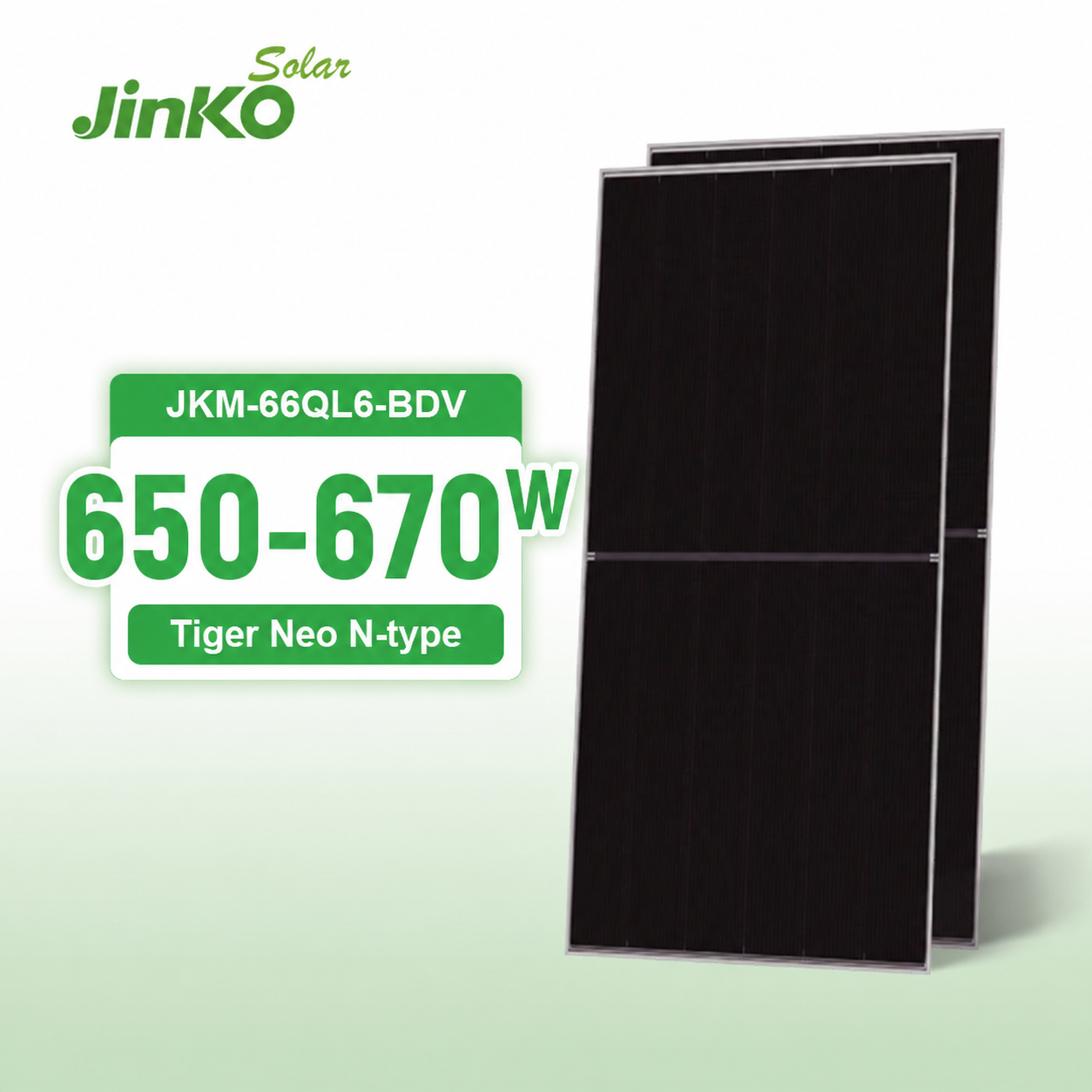
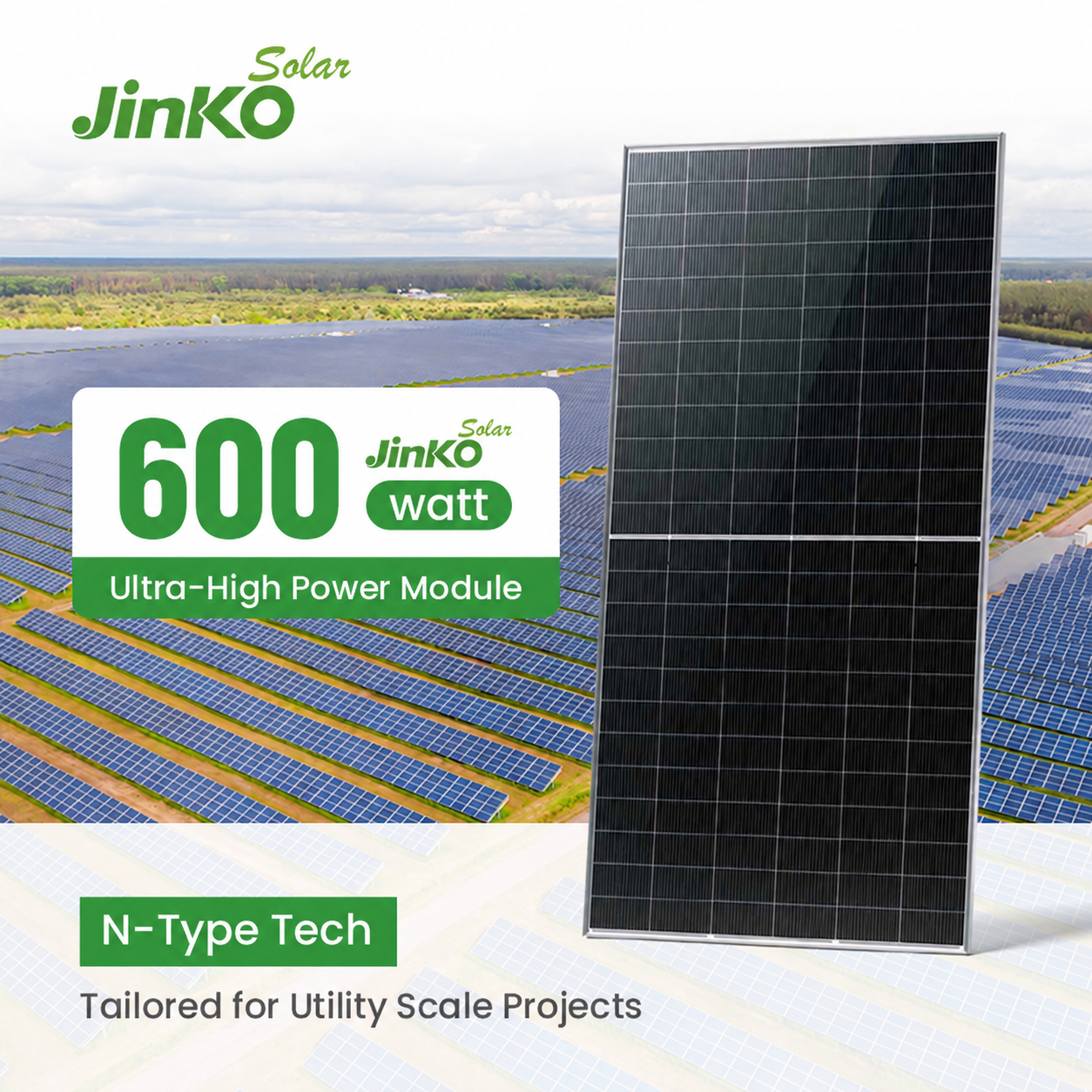
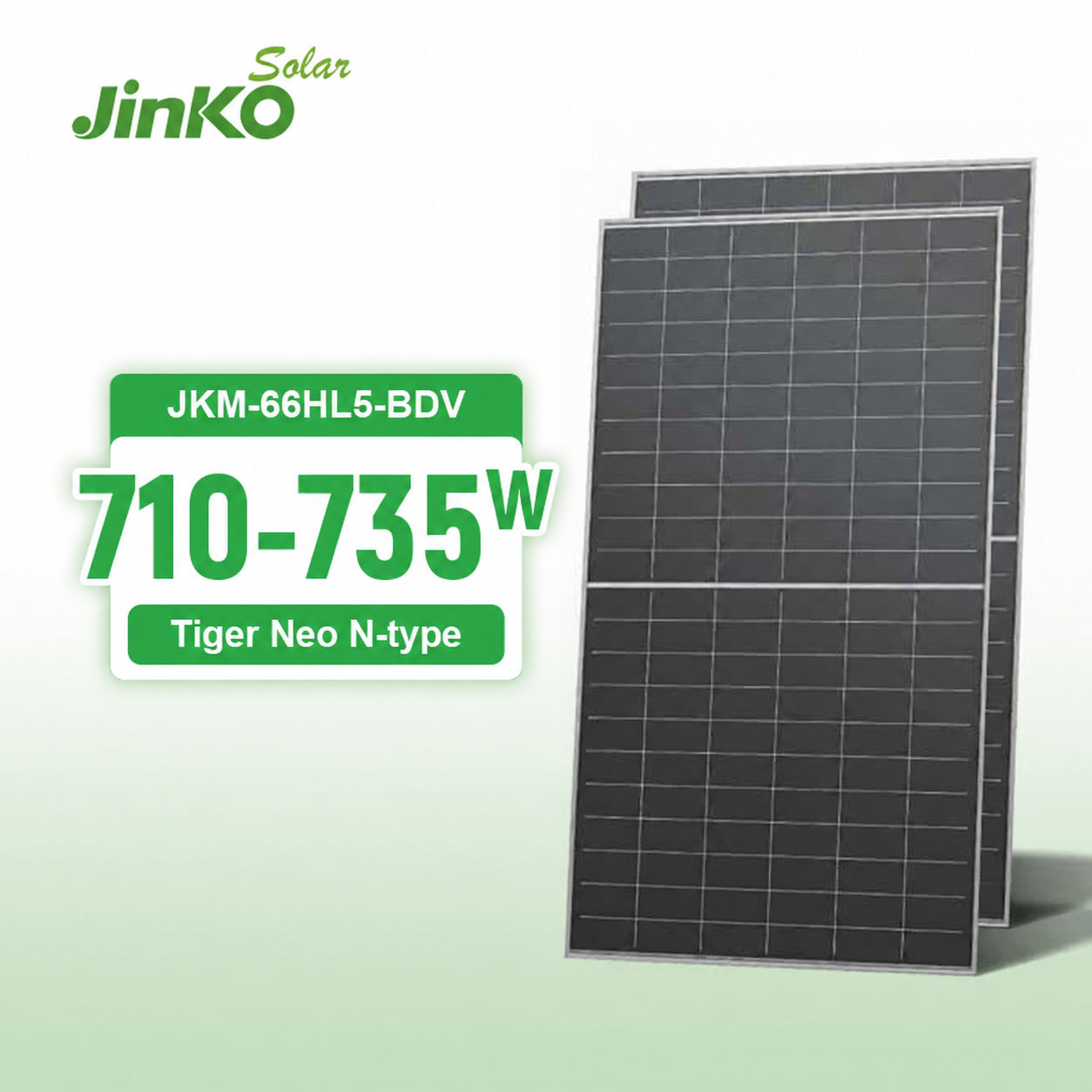
As a seasoned tier-1 solar equipment supplier and engineering exporter based in Hangzhou, China, VOLT New Energy bridges this exact gap. Sourcing directly from premier Chinese inverter heavyweights like Ningbo Deye Inverter Technology and integrating high-yield N-Type TOPCon bifacial modules from Jinko Solar, we configure complete, pre-tested balance-of-system solutions engineered to withstand the rigorous microclimate and distribution grid constraints enforced by Toroslar EDAŞ (the regional distribution system operator) and TEİAŞ (the Turkish Electricity Transmission Corporation).
Achieving bankable Levelized Cost of Electricity (LCOE) in southern Turkey mandates strict scrutiny of inverter electrical topologies. Chinese on-grid string inverters have achieved unmatched market dominance in the Turkish utility and C&I sectors because of rapid iterative advancements in Silicon Carbide (SiC) power semiconductors, intelligent cooling layouts, and multi-MPPT granularity.
During Adana summers, a typical 54-cell or 72-cell module operating at 70°C experiences a voltage contraction of up to 15%. Our string inverter portfolio features ultra-low starting voltages (180V–200V) and full-load MPPT spans stretching up to 850V–1000V, preventing string dropout during midday thermal peaks.
Modern TOPCon double-glass bifacial panels produce operating currents ($I_{mp}$) of 13.5A to 15A, with bifacial rear-side albedo boost pushing peak current beyond 17A. Our inverters feature up to 20A per string input capacity, eliminating clipping losses and hotspot degradation on DC inputs.
Unlike purely passive convection units that derate at 40°C, our industrial units incorporate redundant, high-efficiency IP68 variable-speed cooling fans. Airflow is channeled across isolated external heatsinks, safeguarding sensitive internal electronics from atmospheric salinity and agricultural dust.
To quantify the information gain for Turkish procurement managers, the comparative matrix below highlights critical design metrics required to secure Toroslar EDAŞ project sign-offs while maximizing energy yield across the southern Anatolian transmission corridor.
| Technical Specification | Standard Legacy On-Grid Inverter | VOLT New Energy / China Tier-1 Standard | Adana Field Impact & Benefit |
|---|---|---|---|
| Thermal Derating Knee | 40°C to 45°C ambient | 50°C full nominal output; 55°C soft derate | Prevents 6–11% midday clipping during peak July-August sunshine. |
| Max MPPT Current Input | 12.5A to 13.0A per string | 16.0A to 20.0A per string | Fully harnesses Jinko N-Type bifacial rear-side reflection without current choking. |
| DC/AC Sizing Ratio | Up to 125% - 130% | Up to 150% - 160% overloading | Maximizes morning and late afternoon generation profiles under high industrial baseloads. |
| Grid Code Compliance | Generic EU EN 50549-1 | TEİAŞ / Toroslar EDAŞ certified (FRT, LVRT, $Q(U)$, $P(U)$) | Frictionless municipal inspection (Kabul) with localized Turkish utility parameter setting. |
| Enclosure Protection | IP65 (die-cast aluminum) | IP66 / NEMA 4X with C5-M anti-corrosion coating | Resists high coastal humidity and airborne agricultural particulates across Çukurova. |
Adana’s economic composition generates distinct demands across manufacturing, high-density agriculture, and municipal infrastructure. Sourcing on-grid inverters from China through VOLT New Energy ensures each specific engineering use-case is addressed with tailored electrical architectures.
The AOSB is one of Turkey's premier manufacturing nodes, dominated by yarn spinning, synthetic textile weaving, chemical synthesis, and heavy metal stamping. Electricity expenditures constitute up to 35% of total operating overhead for these enterprises. Under Turkish Regulation Article 5.1.h (Madde 5.1.h) for unlicensed electricity production, factory owners can install PV systems corresponding to their contracted transformer connection capacity.
For these plants, we supply high-capacity 50 kW, 100 kW, and 125 kW three-phase string inverters characterized by 6 to 12 independent MPPTs. Factory roof geometries in the AOSB frequently present multi-pitch layouts, rooftop skylights, and massive exhaust ventilation shafts that cast dynamic shadows throughout the day. Multi-MPPT designs isolate shaded string segments, ensuring that string-level mismatch losses remain below 1.2%, compared to over 8% in central or dual-MPPT configurations.
The alluvial soils of the Çukurova delta produce vast yields of cotton, corn, citrus fruits, and soybeans. Historically reliant on costly diesel generator sets or erratic medium-voltage agricultural lines, farmers in Adana are aggressively transitioning to grid-tied solar irrigation. During the summer irrigation season, three-phase submersible pumps ranging from 30 kW to 150 kW operate continuously to extract groundwater.
By pairing high-power string inverters with zero-export smart meters (or integrating Deye hybrid architectures), these agricultural operators feed power directly to variable-frequency pump drives while back-feeding surplus energy to the Toroslar EDAŞ grid during non-pumping hours. The ruggedized IP66 enclosures of our inverters prevent the ingress of pesticide vapors, fertilizer dust, and fine cotton gin particulates, ensuring twenty-plus years of uncompromised inverter operation.
In municipal districts such as Seyhan and Karataş, the storage and export of perishable citrus crops require refrigerated warehouse spaces with continuous cooling demands. Cooling loads mirror diurnal solar irradiation: when the sun is at its highest, refrigeration compressors experience maximum thermal load. On-grid inverters provide a 1:1 displacement of grid tariffs, slashing peak-hour utility penalties while maintaining voltage stability across fluctuating regional feeders.
Purchasing solar hardware for installation in Adana involves navigating stringent regulatory oversight. The Energy Market Regulatory Authority of Turkey (EPDK) enforces specific grid interaction protocols that every on-grid inverter imported into Turkey must strictly satisfy. Inverters that lack accredited lab test reports for Low-Voltage Ride-Through (LVRT), Fault Ride-Through (FRT), and Anti-Islanding Protection (IEC 62116 / IEC 61727) face immediate rejection during the provisional acceptance phase (Geçici Kabul) conducted by TEDAŞ / Toroslar EDAŞ engineers.
All inverters and tier-1 modules supplied by VOLT New Energy arrive with accredited third-party certification documentation (TÜV Rheinland, TÜV SÜD, and CE declaration of conformity under EN 50549-1/2), fully synchronized with the Turkish Grid Code. Our engineering division pre-loads Turkish grid profiles into inverter firmware prior to containerization in China, allowing rapid commissioning via onboard LCD or localized smartphone Bluetooth interfaces on site.
Geographic Freight Advantage: Adana enjoys unparalleled international logistics advantages. Situated only 70 kilometers from the Mersin International Port (MIP), imports from our consolidated warehouse facilities in Ningbo and Shanghai reach Adana within 26 to 32 days via direct maritime routes through the Suez Canal. Containerized loads containing both high-efficiency Jinko N-Type modules and Deye string/hybrid inverters clear customs swiftly at Mersin Port under ATR/EUR.1 documentation frameworks, eliminating the exorbitant inland haulage fees associated with Marmara ports.
Clear, engineering-driven answers to address project approval, thermal clipping, and component compatibility before dispatching cargo to Mersin Port.
Navigating cross-border solar procurement requires an overseas partner that functions as an extension of your own engineering and procurement team. Hangzhou VOLT New Energy Technology Co., Ltd. is a specialized system integrator and international tier-1 solar distributor based in Hangzhou, Zhejiang Province—the global epicenter of renewable energy manufacturing.
Every inverter and battery system undergoes rigorous burn-in tests, insulation verification, and firmware validation before loading, preventing costly on-site RMA issues in Turkey.
Save up to 25% on logistics overhead by combining Jinko bifacial modules, Deye inverters, cables, and circuit breakers into consolidated single-container shipments to Mersin.
We furnish authenticated IEC, CE, and TÜV test reports, factory flash test data, and string calculation sheets required for Toroslar EDAŞ project approval.
Our bilingual technical team supports your engineering staff with string configuration reviews, MPPT voltage optimization, and remote SCADA commissioning assistance.
Whether you are engineering a 2 MW industrial rooftop project in the Adana Organized Industrial Zone (AOSB), designing an agricultural pumping plant in Ceyhan, or stocking regional distribution warehouses in southern Turkey, consult with VOLT New Energy today for direct factory pricing, comprehensive technical dossiers, and fast containerized transit to Mersin Port.