Direct Factory Supply to Cuba & Caribbean

Top China Photovoltaic Module Factory & Supplier serving the Havana market

High-efficiency N-Type TOPCon & Dual-Glass Monocrystalline modules engineered to resist Caribbean salt mist, withstand Category 4/5 hurricane wind-loads, and stabilize regional microgrids.

Export Verified Solutions

Engineered PV Modules for Commercial & Utility Deployment in Havana

Tested under rigorous marine IEC 61701 salt-spray and high-temperature conditions to provide continuous, high-yield generation across Cuba's residential rooftops, industrial facilities, and agricultural estates.
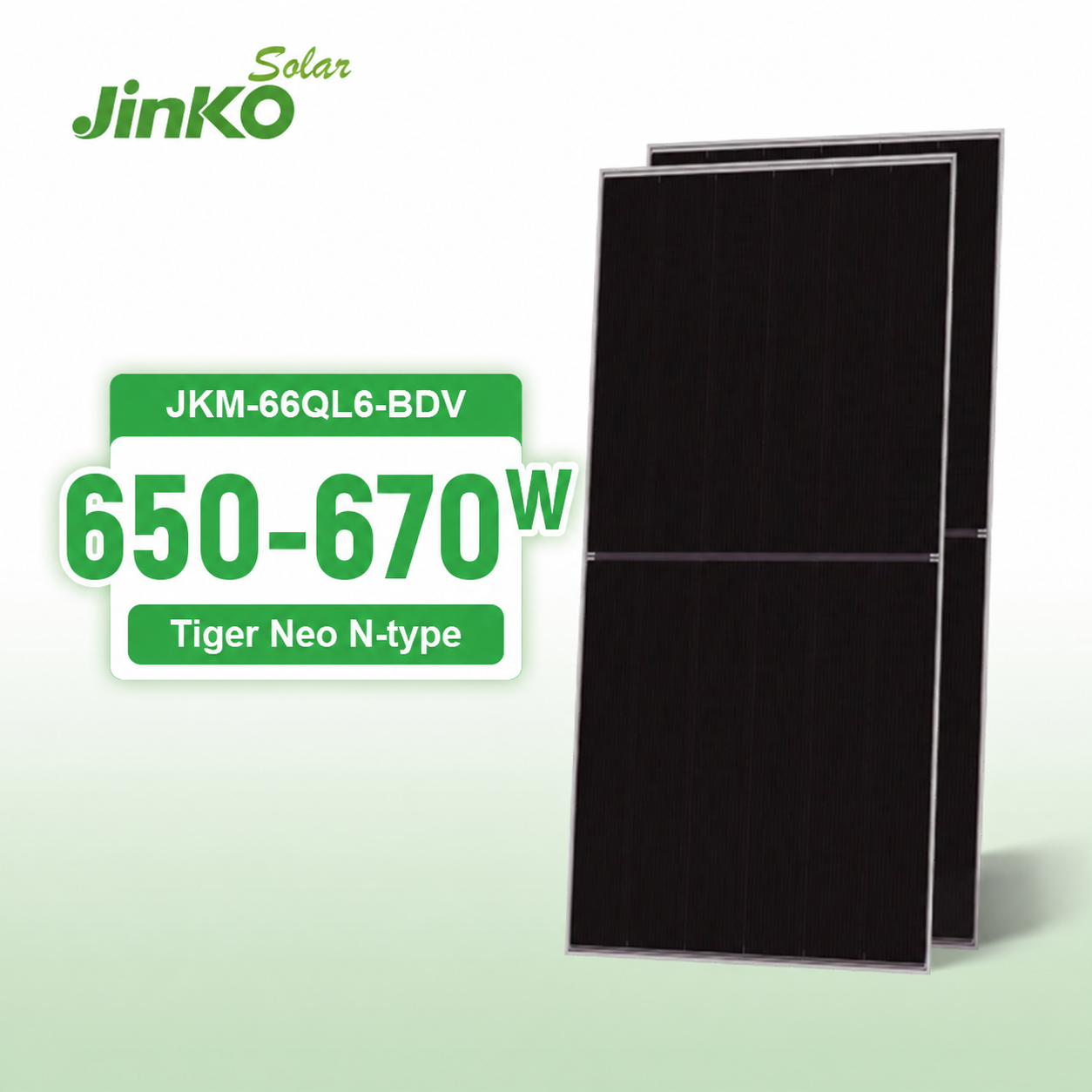
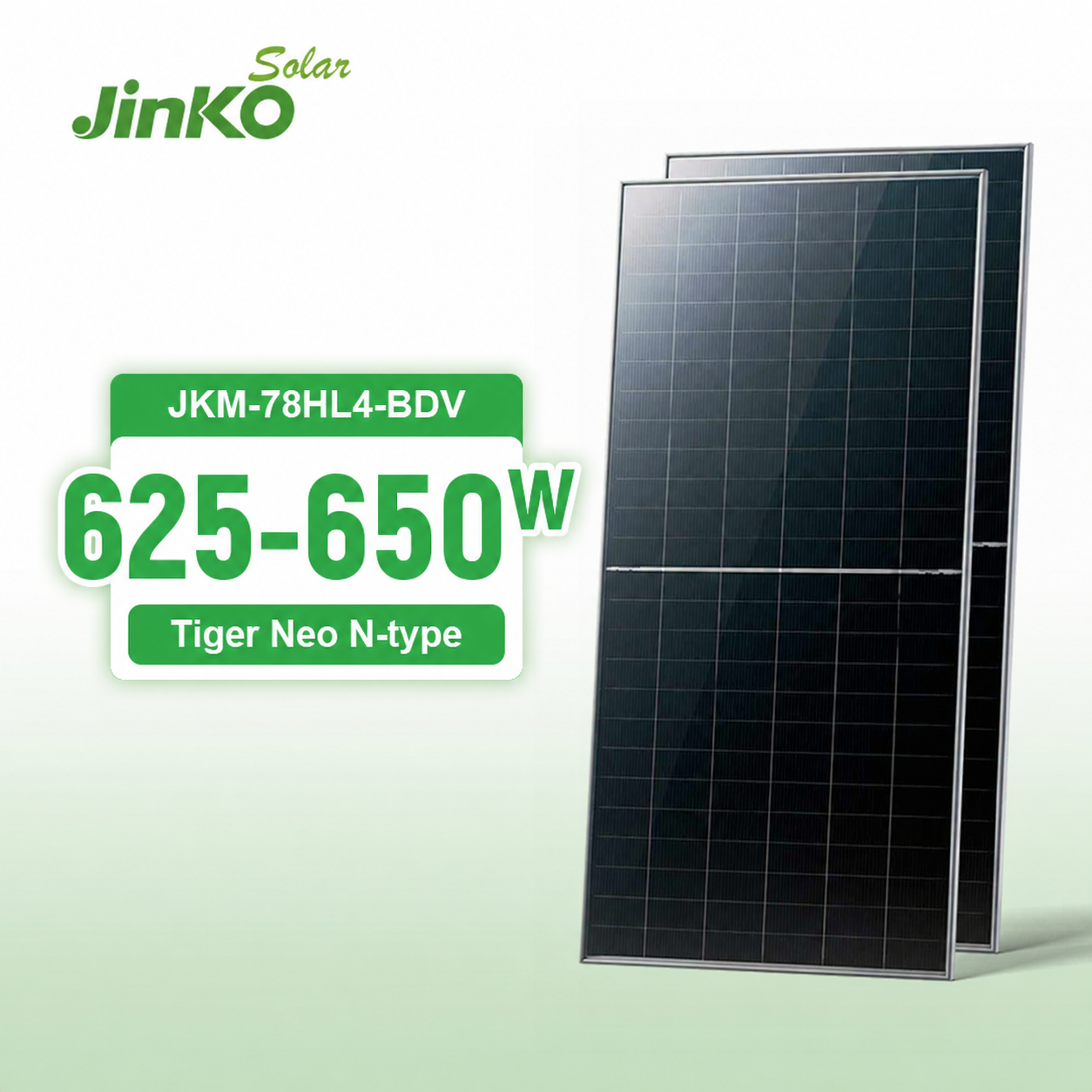
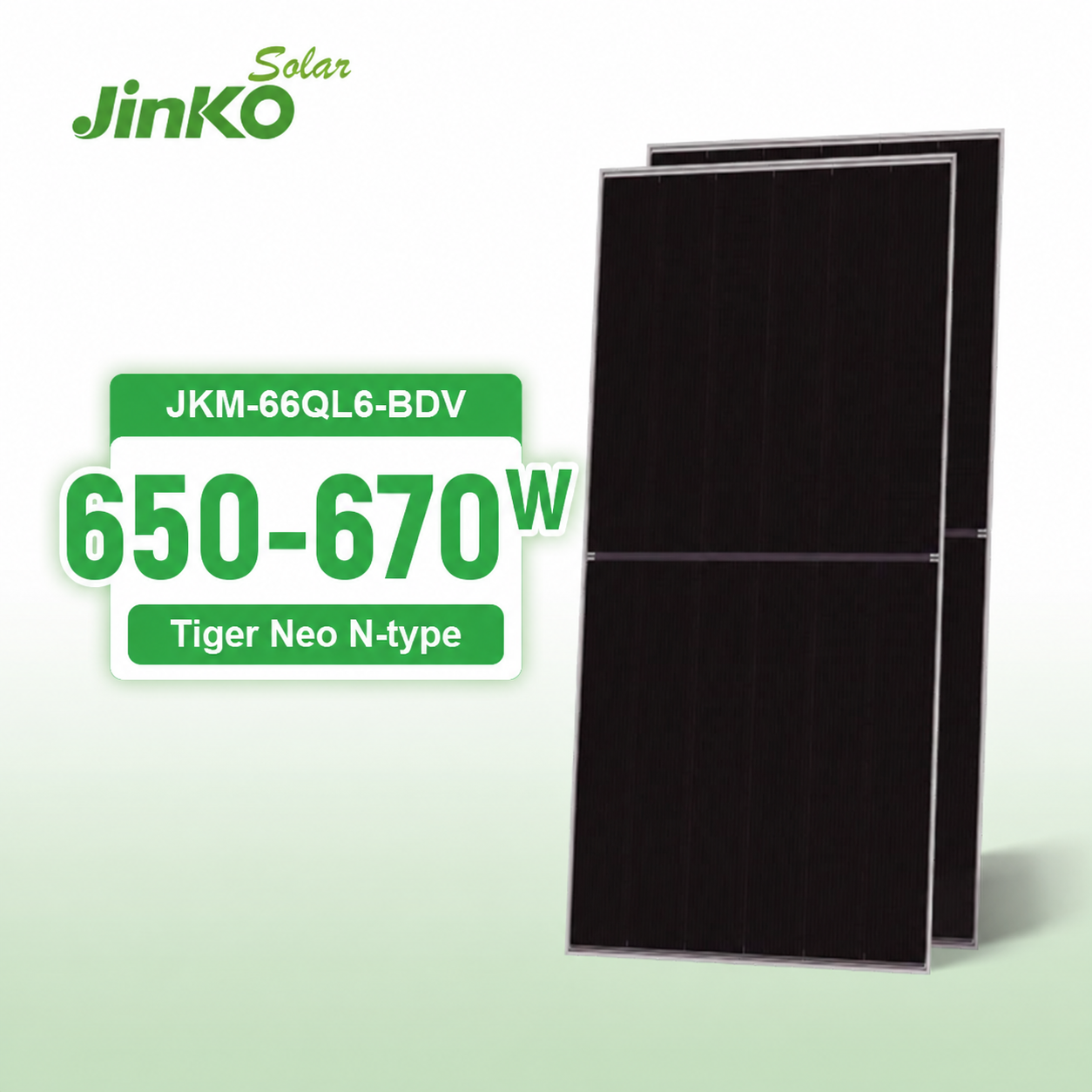
TOPCon 670W Jinko N Type 650W 660W 670W TOPCon Bifacial Photovoltaic Module

Jinko N Type 650W 660W 670W Wholesale TOPCon Bifacial Photovoltaic Module for Commercial

TOPCon N-Type 22.5%+ Eff. SMBB Tech
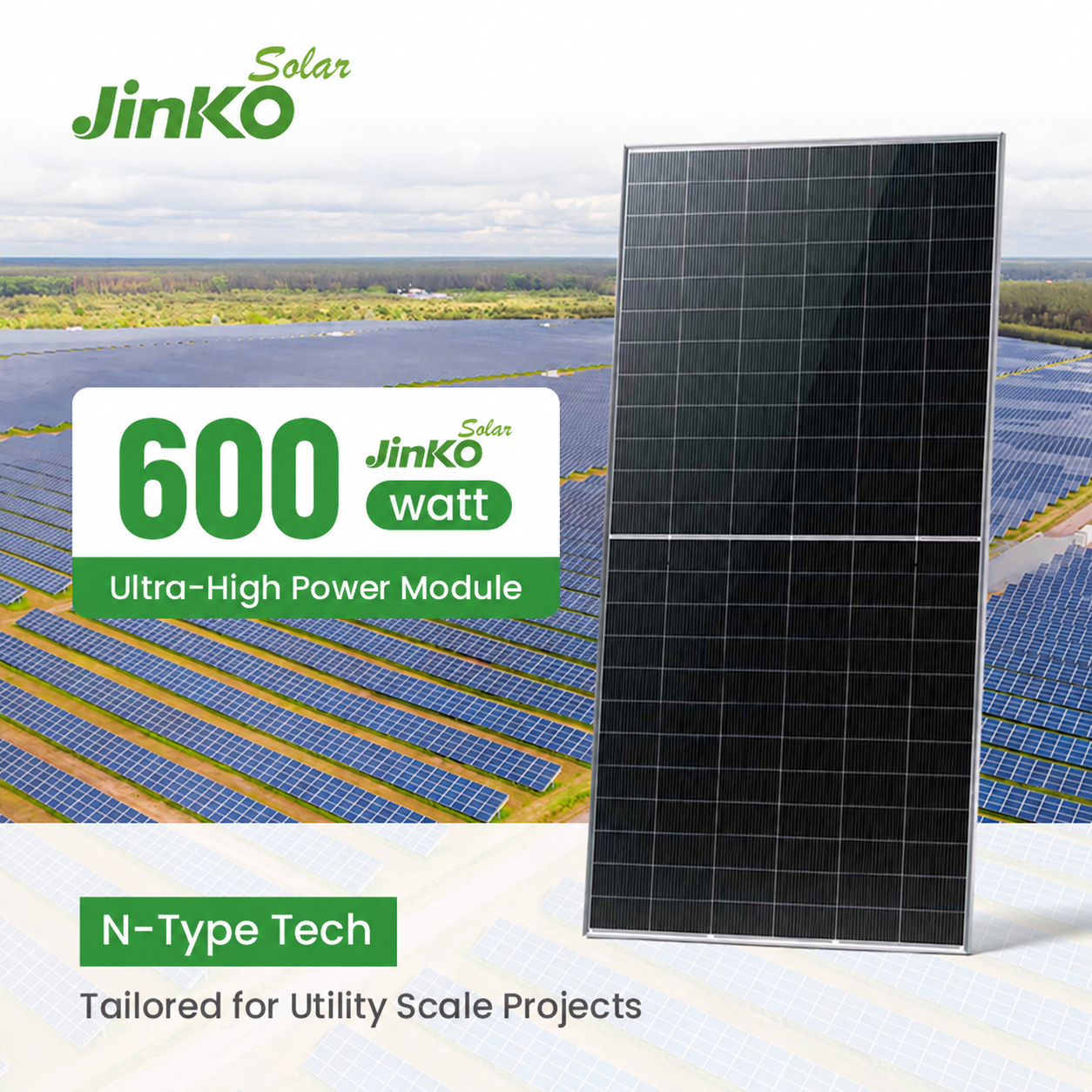
Dual Glass 600W Jinko Pv Panels Wholesale 600w 580W 590W Bifacial Dual Glass Monocrystalline Solar Module

Jinko Pv Panels Wholesale 600w 580W 590W Bifacial Dual Glass Monocrystalline Solar Module

Bifacial Dual-Glass Anti-PID 30-Yr Warranty
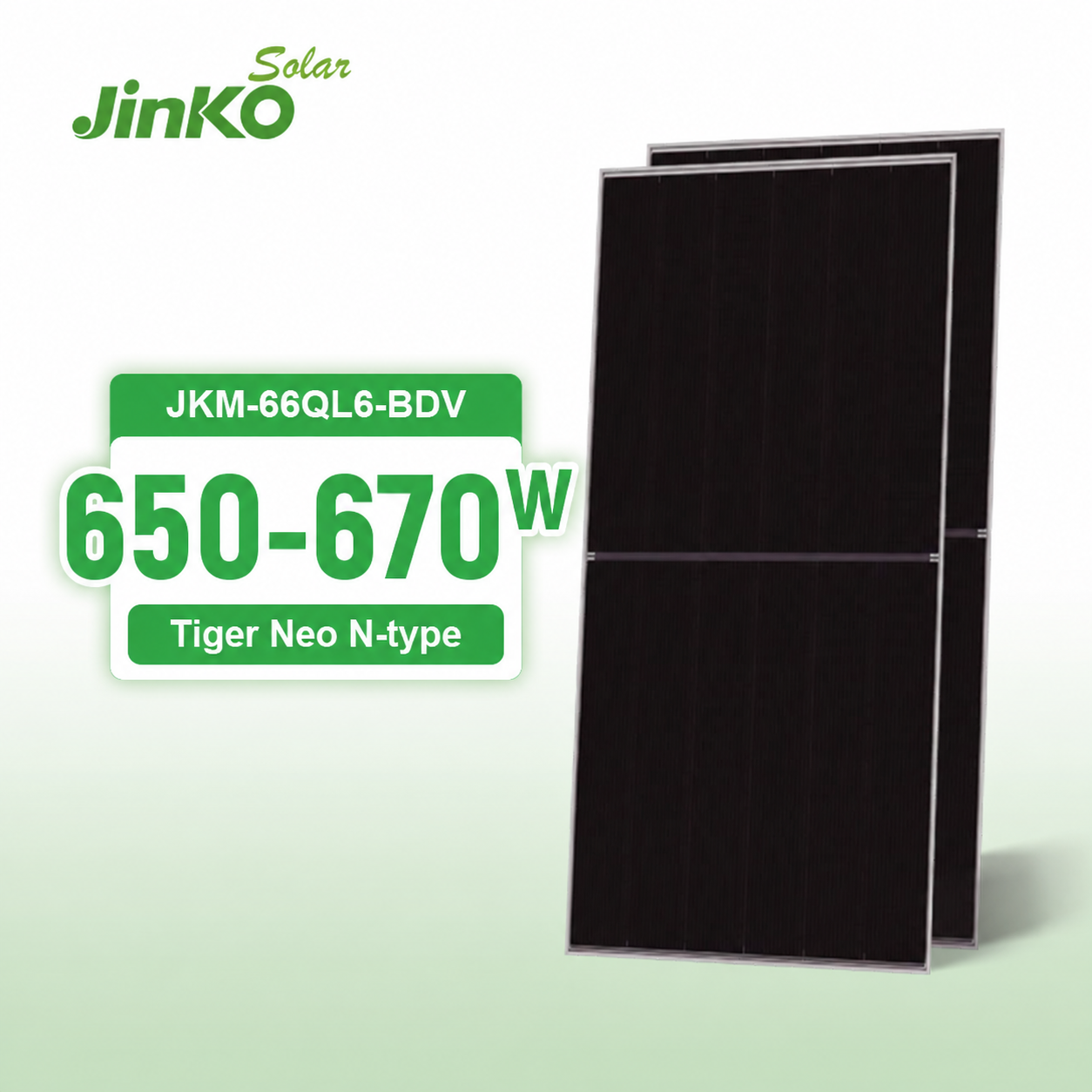
Commercial 670W Jinko N Type Bifacial Pv Modules 650W 660W 670W Double Glass Solar Panel

Jinko N Type Bifacial Pv Modules 650W 660W 670W Double Glass Solar Photovoltaic Panel for Commercial

Double Glass 2.0mm 5400Pa Load High Albedo
Agri-Solar 670W Jinko Wholesale Pv Modules 650W 660W 670W Bifacial Double Glass Solar Panel for Farm

Jinko Wholesale Pv Modules 650W 660W 670W Bifacial Double Glass N Type Solar Panel for Farm

Ammonia Resistant Bifacial Gain 25% IP68 Rated
Rooftop Series Jinko Bifacial Panneau Solaire 650W 660W 670W Dual Glass Monocrystalline Solar Module

Jinko Bifacial Panneau Solaire 650 w 650W 660W 670W Dual Glass Monocrystalline Solar Module for Rooftop

Low Temp Coeff Marine Salt Mist Half-Cut Cells
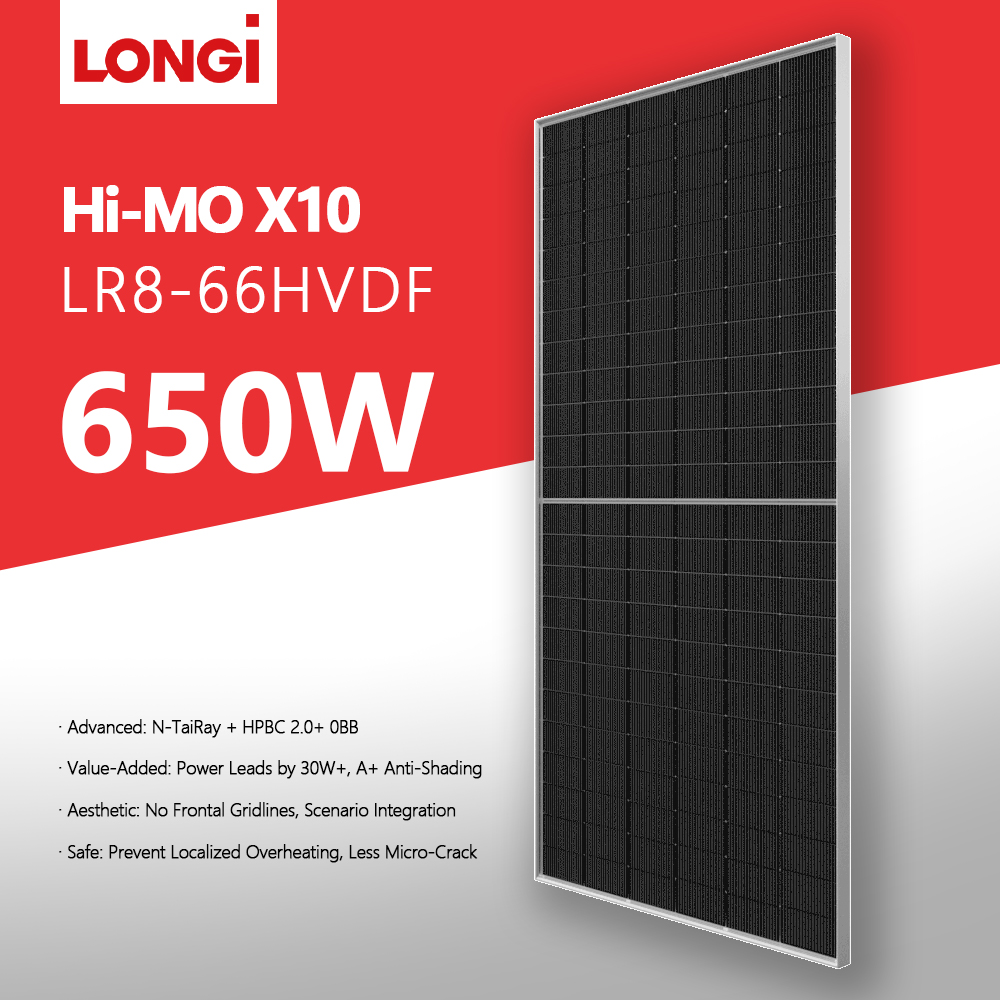
LONGi Hi-MO 650W Commercial Grade LONGI Solar Panel 650W N-Type Solar Module

Commercial Grade LONGI Solar Panel 650W N-Type Solar Module Solar Panels with Battery and Inverter for Shopping Mall Rooftops

LONGi HPBC/TOPCon Full Kit Matched Commercial Ready
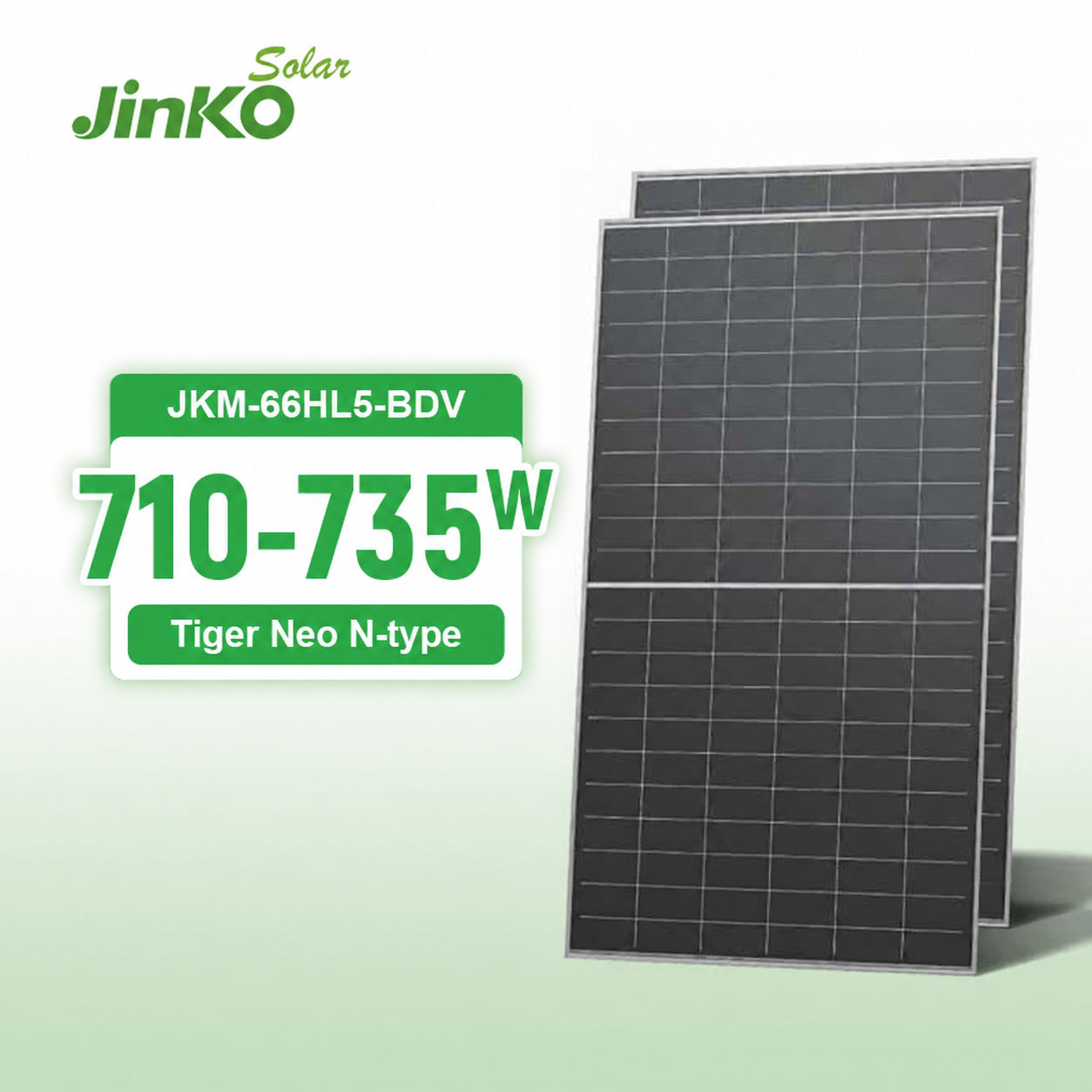
Ultra-High 720W Jinko N Type Bifacial Pv Solar Panels 720W 710W 715W Dual Glass Industrial Photovoltaic

Jinko N Type Bifacial Pv Solar Panels 720W 710W 715W Dual Glass Industrial Photovoltaic Panneau Solaire

720W Peak Output Utility Grade 210mm Large Wafer
Rooftop 640W Jinko Bifacial Pv Panels 630W 640W 635W Dual Glass Monocrystalline Solar Module

Jinko Bifacial Pv Panels 630W 640W 635W Dual Glass Panneau Solaire Monocrystalline Solar Module for Rooftop

Optimized Footprint High Microcrack Resist Dual Glass Frame
100+
Global Export Markets
22.8%
Max Module Efficiency
5400 Pa
Hurricane Wind Load Test
24 Hours
Technical BOM Response

Navigating Havana's Energy Paradigm: The Urgency for Decentralized Photovoltaics

The municipal power matrix of Havana and the surrounding provinces of Mayabeque and Artemisa operates under intense structural stress. Historically dependent on centralized thermoelectric plants such as CTE Máximo Gómez in Mariel and CTE Antonio Guiteras in Matanzas, the National Electric System (SEN, Sistema Electroenergético Nacional) faces chronic fuel oil supply vulnerabilities and aging grid infrastructure. This dynamic results in recurrent grid disconnections, scheduled rotational blackouts (apagones), and severe voltage fluctuations that endanger industrial automation, commercial refrigeration, and residential life.

In response, the Cuban government has enacted strategic energy transitions aimed at generating over 24% of domestic electricity from renewable resources. For commercial enterprises, state entities, foreign ventures in the Mariel Special Development Zone (ZEDM), and private entrepreneurs (Mipymes) across the capital, grid-tied and hybrid photovoltaic architectures have transitioned from an environmental commitment to an existential operational safeguard. However, solar implementation in the Greater Antilles demands an uncompromising technological specification: solar modules must survive tropical marine atmospheres saturated with sea-salt aerosols, resist cyclic high-velocity Caribbean hurricanes, and maintain high conversion efficiencies under continuous high-ambient operating temperatures exceeding 35°C.

As a seasoned China solar factory network and specialized systems integrator, Hangzhou VOLT New Energy Technology Co., Ltd. bridges this crucial gap. We provide the Havana market with direct-factory wholesale access to Tier-1 photovoltaic modules—including high-capacity Jinko Solar and LONGi Solar N-type TOPCon bifacial lines—accompanied by pre-tested Deye hybrid inverters and matched LiFePO4 battery storage systems designed for plug-and-play synchronization.

Tropical Marine PV Engineering: Countering Corrosion, PID, and Extreme Wind Shears

Deploying photovoltaic modules along the coastal perimeters of Havana—from the Malecón promenade to the port facilities of Mariel and Bahía de La Habana—imposes aggressive physical demands on solar hardware. Standard conventional P-type PERC panels encased in basic backsheet laminates routinely suffer premature degradation in these conditions due to moisture ingress, salt crusting, and potential-induced degradation (PID).

IEC 61701 Salt Spray Severity 6

Our dual-glass modules are fully certified for extreme coastal exposure. Replacing porous composite backsheets with dual 2.0mm/2.0mm tempered glass impenetrable barrier layers stops saline moisture from contacting internal silver metallization grids, preventing galvanic oxidation.

5400Pa Mechanical Load Rating

Havana lies squarely in the Atlantic hurricane corridor. Our heavy-duty anodized aluminum frames (35mm to 40mm profiles) and reinforced cross-rib design withstand positive mechanical pressures of 5400 Pa (snow/wind equivalent) and negative dynamic suction loads of 2400 Pa.

Optimized Temperature Coefficient

Tropical sun leads to solar cell operating temperatures reaching 65°C, creating thermal output losses. Our N-type TOPCon technology maintains an ultra-low thermal coefficient of -0.29%/°C (compared to -0.38%/°C for legacy PERC), generating up to 4.5% more annual kilowatt-hours under tropical heat.

Furthermore, bifacial dual-glass architecture capitalizes on high-albedo surfaces commonly constructed across Havana's commercial flat roofs (such as white polyurethane waterproofing membranes and concrete rooftops). The rear side captures reflected diffuse sunlight, yielding a 10% to 25% bifacial energy gain. This dramatically lowers the system's Levelized Cost of Electricity (LCOE) to under $0.045 per kWh—offering an undeniable economic delta when evaluated against the exorbitant costs and sporadic availability of imported diesel fuel for backup generator sets.

Localized Solar Applications Across the Havana Metropolitan Region

Photovoltaic installations in Havana serve diverse operational needs. Matching the right module technology to specific Caribbean operational profiles ensures maximum return on investment and energy reliability.

Hospitality & Boutique Hotels

Historic hotels and private accommodations in Old Havana (Habana Vieja), Vedado, and Miramar utilize our 600W-650W dual-glass rooftop panels coupled with Deye hybrid inverters to eliminate blackout interruptions for international guests without noisy, polluting generators.

Mariel Logistics & Free Zone (ZEDM)

High-efficiency 670W and 720W bifacial modules installed on heavy industrial warehouses and cold storage distribution centers inside ZEDM maximize daytime energy harvest, offsetting costly peak tariff brackets and powering high-capacity refrigeration.

Peri-Urban Agricultural Pumping

Organopónicos and agricultural cooperatives in Boyeros, Cotorro, and Artemisa deploy off-grid solar water pumping arrays utilizing ammonia-resistant 650W N-type panels. Systems bypass weak rural grids to guarantee constant irrigation for essential food crops.

Private Enterprise & Light Industry

Bakeries, food packaging hubs, and production workshops run uninterrupted self-consumption microgrids. Pairing our 600W+ panels with VOLT LFP 51.2V lithium banks ensures machinery remains online despite unscheduled municipal circuit cutoffs.

Factory-Direct Supply Integrity: Hangzhou VOLT New Energy Advantage

Sourcing photovoltaic equipment for the Cuban market requires dealing with complex international shipping corridors, maritime certifications, and precise electrical component interoperability. Hangzhou VOLT New Energy Technology Co., Ltd. (headquartered in Zhejiang, China) serves as a specialized export hub and system integrator, delivering complete, tested solar infrastructure to EPC contractors and wholesale distributors worldwide.

Solar Engineering and Quality Testing Workshop

Pre-Shipment Hardware Matching

We perform full CAN/RS485 communication protocol verification between our LFP storage banks, Deye inverters, and PV string voltages before cargo departs Chinese ports, guaranteeing instant commissioning on-site in Havana.

Solar Module Pre-shipment Quality Control

Triple Electroluminescence QC

Every module undergoes dual-stage EL defect scanning and IV flash testing within a 0~+3% positive power tolerance window, ensuring zero hidden microcracks, cold solder joints, or cell mismatches reach the project site.

Consolidated Export Logistics and Shipping

Port of Mariel Consolidation

We provide full-container-load (FCL) consolidation, combining high-wattage panels, hybrid inverters, racking systems, and Class 9 DG dangerous goods (LFP batteries) accompanied by UN38.3 and MSDS documentation directly to Havana/Mariel.

Bilingual Engineering and Sizing Support

Remote Technical Engineering

Our dedicated engineering group provides Caribbean buyers with load-profile calculation, PVsyst production modeling, comprehensive single-line diagrams (SLD), and remote installer support for challenging off-grid configurations.

Through strategic partnerships with top tier manufacturers such as Jinko Solar and LONGi, combined with our proprietary VOLT LFP battery production capabilities, we deliver direct manufacturer pricing while eliminating intermediaries. This guarantees authentic tier-1 components backed by 12-year structural and 30-year linear power production warranties.

Havana Solar Procurement & Technical Execution FAQ

Essential engineering and logistical guidance addressing common challenges faced by EPC developers, importers, and facility directors in Havana.

Why are bifacial dual-glass modules superior to single-glass panels for Havana's coastal belt?
Standard single-glass modules rely on polymeric backsheets that are naturally permeable to water vapor and microscopic salt particles over multi-year cycles. In tropical, sea-spray-dense zones like Havana, moisture permeability accelerates EVA delamination, corrosion of internal copper busbars, and rapid Potential-Induced Degradation (PID). Bifacial dual-glass modules seal the solar silicon cells between two sheets of heat-strengthened glass with zero vapor transmission (WVTR ≈ 0 g/m²/day). Additionally, dual-glass provides extreme mechanical stiffness against high wind gusts during Caribbean cyclonic events and captures up to 25% extra energy via rear-side ground reflection.
What mounting structures and tilt angles are recommended for hurricane-proof arrays in Cuba?
For Havana's latitude (approx. 23.1° N), optimal annual energy yield suggests a fixed tilt between 15° and 20°. However, due to hurricane wind loads (Category 3 to 5), aerodynamic low-profile ballasted or rigidly anchored substructures made of structural anodized aluminum (AL6005-T5) or hot-dip galvanized steel (HDG minimum 80μm coating thickness) with 316 stainless-steel hardware are essential. Our panels feature 35-40mm heavy-duty extruded frames compatible with top-down dual-bolt clamping and bottom-mount fixation certified to 5400 Pa front load and 2400 Pa uplift.
How do these modules perform when integrated with Deye hybrid inverters and LFP batteries?
Our 600W to 670W N-Type TOPCon panels operate at optimal string voltages (Vmp around 42V to 45V; Voc around 50V to 54V) that match the Maximum Power Point Tracking (MPPT) voltage windows of Deye single-phase (low-voltage 48V) and three-phase (high-voltage) hybrid inverters. This electrical pairing prevents MPPT clipping during high-insolation midday peaks. When coupled with VOLT LFP battery banks, the system manages seamless microsecond transfer switching during Havana grid outages, preventing equipment reboots.
What is the standard logistics procedure for shipping solar containers to the Port of Mariel?
Shipments depart directly from Ningbo or Shanghai ports with transit to the Port of Mariel (TC Mariel). We coordinate full container bookings (20GP, 40HQ), prepare complete export customs dossiers, and issue authenticated commercial invoices, packing lists with traceable serial numbers, Bills of Lading (B/L), Certificates of Origin, and international test reports (IEC, CE, UN38.3 for lithium storage). We also support consolidated mixed-cargo containers allowing buyers to import solar panels, inverters, racking, and storage batteries in a single customs entry.
How does N-Type TOPCon technology handle Caribbean high-ambient heat compared to older PERC?
All crystalline silicon solar cells generate less electricity as their surface temperature rises above standard test conditions (25°C). In Havana, midday panel temperatures routinely exceed 60°C to 65°C. Traditional P-type PERC panels suffer a power loss of approximately -0.38% to -0.40% for every degree above 25°C. Our N-Type TOPCon modules feature an ultra-low temperature coefficient of -0.29%/°C, significantly reducing heat-induced power drop and delivering higher real-world energy production throughout the Caribbean afternoon.
Can VOLT New Energy configure off-grid and microgrid systems for zero-feed-in constraints?
Yes. Many commercial facilities in Havana require zero-export functionality to comply with local utility guidelines or avoid tripping aging regional distribution transformers. Our systems utilize CT sensors and smart power meters paired with Deye hybrid inverters to dynamically throttle solar output to match instantaneous site load requirements, storing any excess generation directly in LiFePO4 battery banks rather than pushing power back to the SEN grid.

Accelerate Your Havana Solar Infrastructure Project

Consult with Hangzhou VOLT New Energy's bilingual PV engineers for tailored Bill of Materials (BOM) design, CIF Mariel container pricing, and verified factory datasheets.