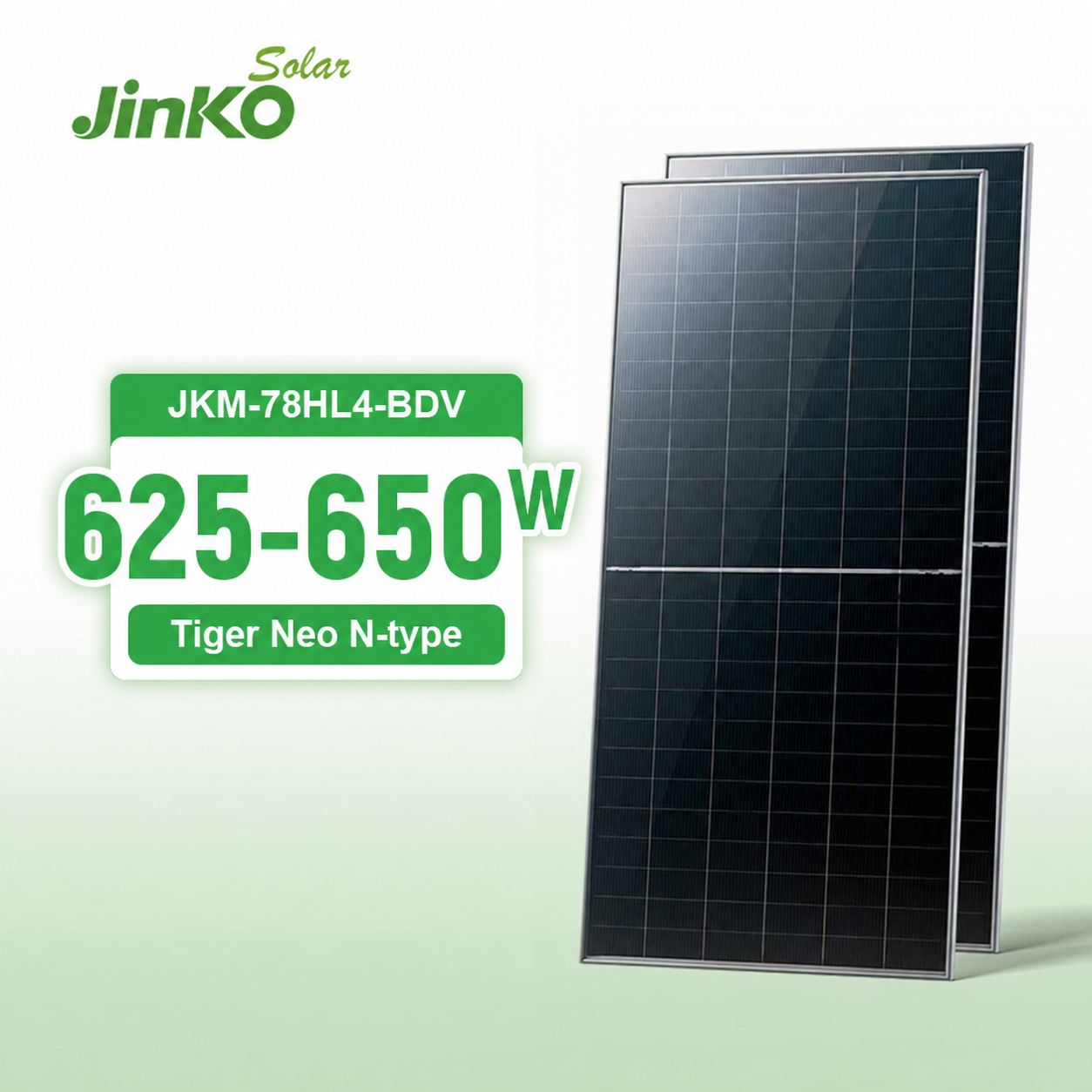
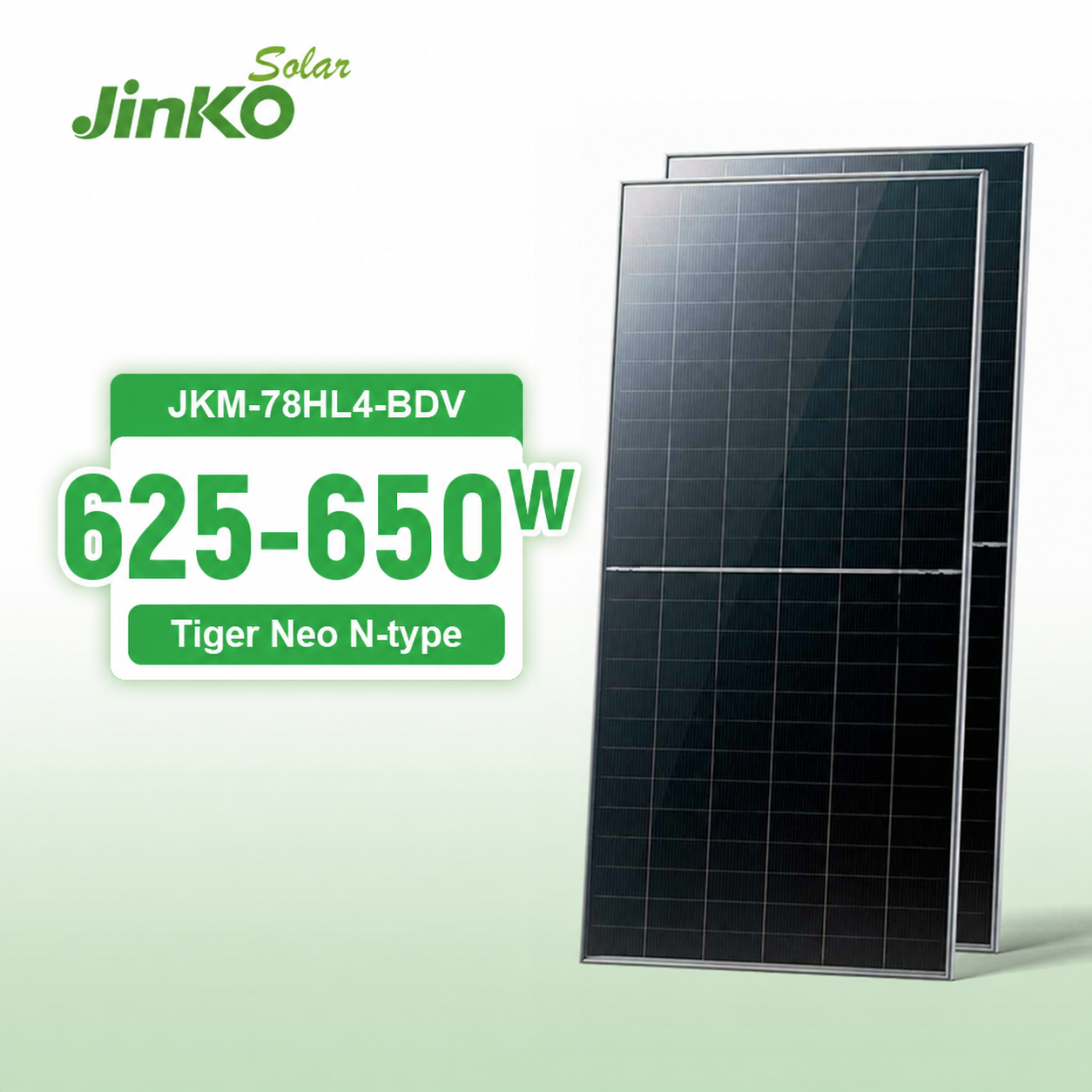
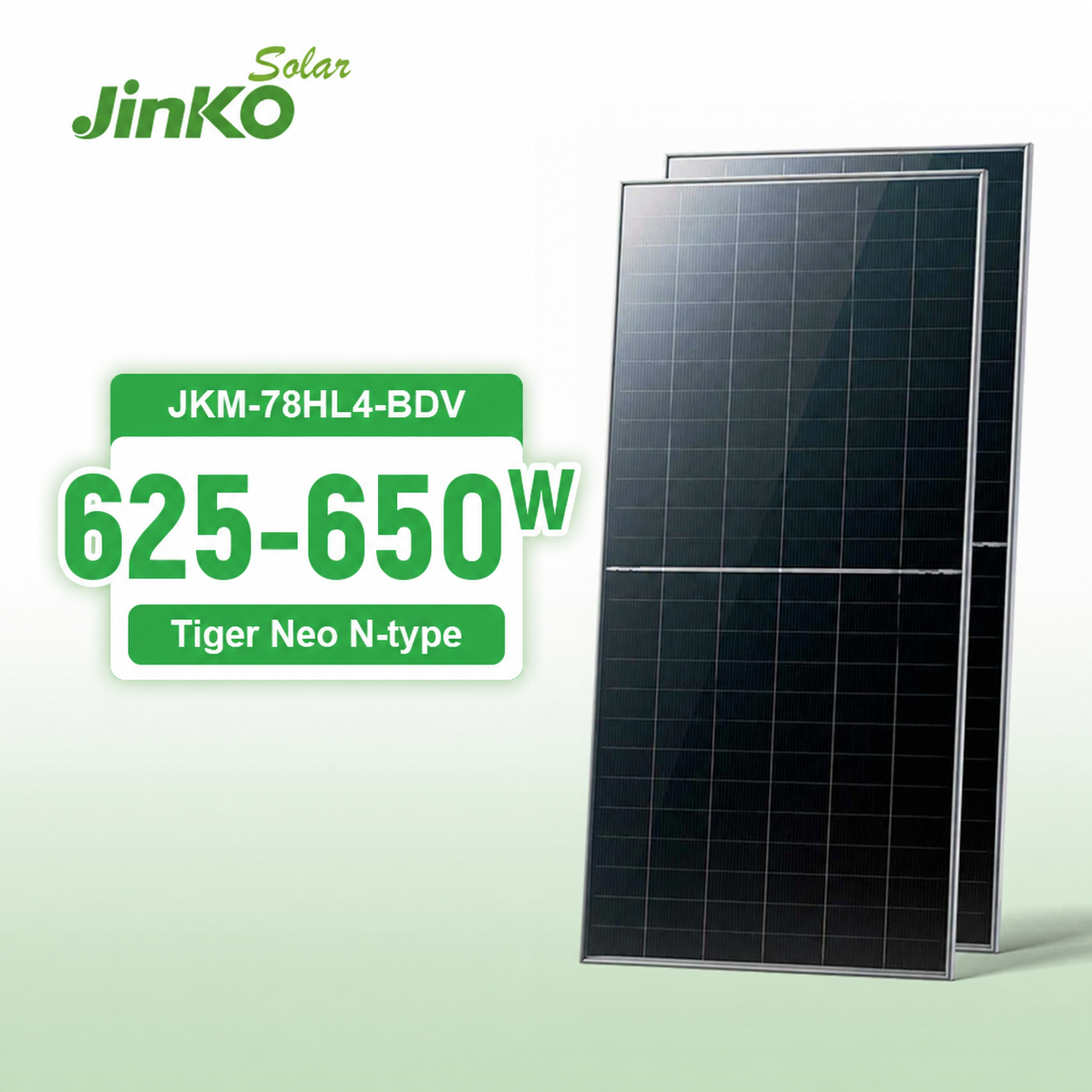
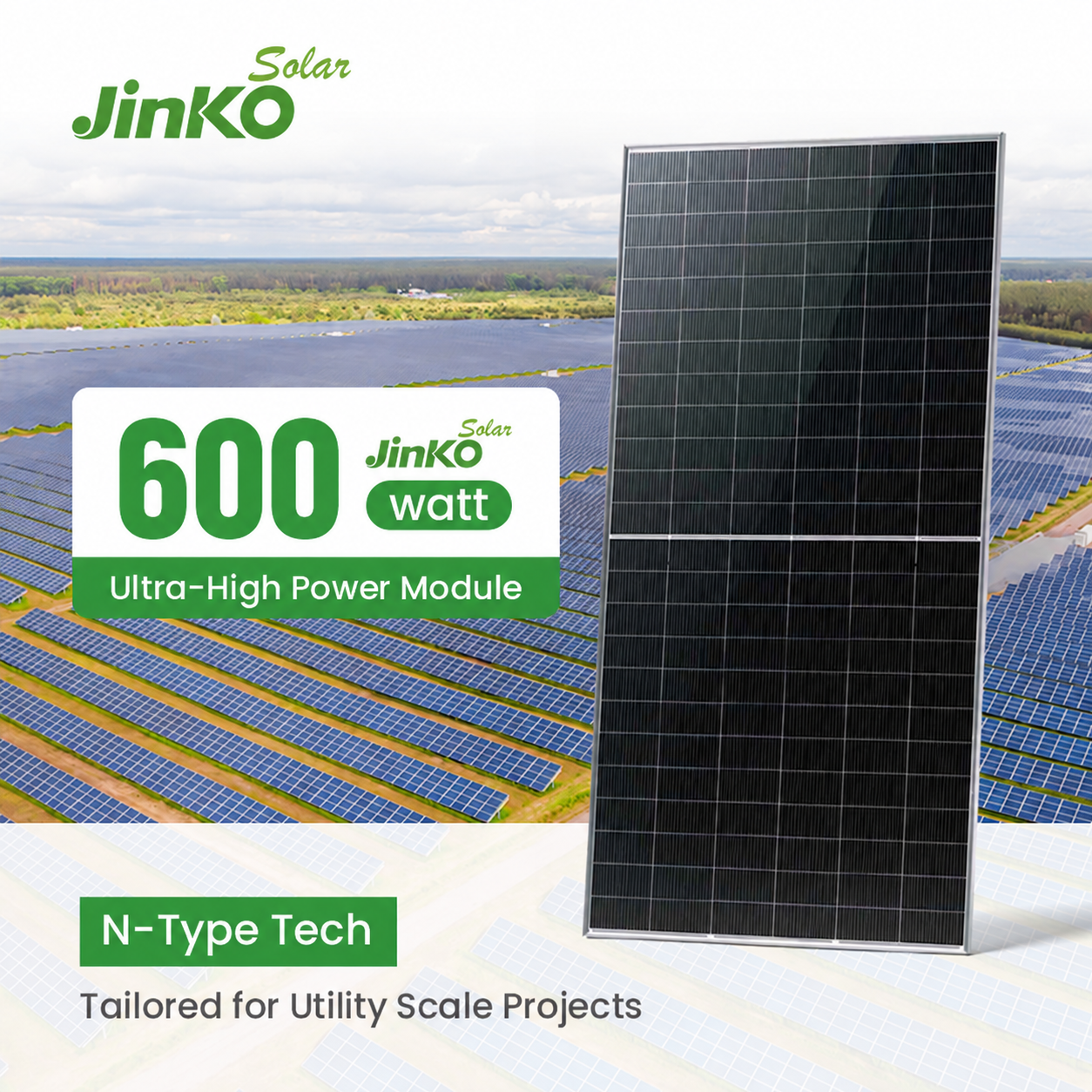
Jinko N-Type Bifacial PV 630W/625W/635W Dual Glass Module
- TOPCon Cell Technology
- 22.72% Module Efficiency
- Double Glass 30-Year Warranty
Pre-tested for high-humidity coastal resistance, pasture microclimates, and compatibility with low- and high-voltage LiFePO4 battery systems across Uruguay.
Uruguay stands out as a world leader in clean power, consistently deriving over 90% to 98% of its annual electricity from renewable sources, spearheaded by utility-scale wind generation and hydroelectric dams on the Río Negro and Uruguay River. However, the country faces two acute operational realities: extreme rainfall variability causing hydro deficits (as experienced during historic droughts) and a high retail electricity tariff structure managed by the state utility, UTE (Administración Nacional de Usinas y Trasmisiones Eléctricas).
Under UTE's differentiated industrial and commercial tariff schemes—specifically the Tarifa Doble Horario and Tarifa Triple Horario Residencial / Comercial—the cost of energy during peak demand windows (Punta: 18:00 to 22:00 or 17:00 to 21:00 depending on daylight saving regulations) is up to three to four times higher than off-peak hours (Valle). This stark disparity creates an economically compelling case for distributed BESS (Battery Energy Storage Systems): solar self-consumption, grid peak-shaving, and energy arbitrage.
For Uruguayan EPC contractors, electrical distributors, and industrial plant managers, sourcing individual equipment piecemeal from multiple overseas traders frequently introduces devastating commissioning bottlenecks. Communication mismatches between the Lithium Iron Phosphate (LiFePO4) Battery Management System (BMS) and the multi-mode hybrid inverter often lead to unresolved "Error 56" or CAN bus dropouts on site. Hangzhou VOLT New Energy Technology Co., Ltd. resolves these systemic hurdles through pre-commissioned, laboratory-verified matching between our VOLT LiFePO4 battery architectures and industry-leading Deye hybrid/off-grid inverters and Jinko N-Type modules, ensuring plug-and-play installation for the Uruguayan grid.
From the agricultural heartland of Tacuarembó to coastal installations in Maldonado, our equipment is built for Uruguay's unique geographic and electrical landscape.
Uruguay's dairy and cattle corridors (San José, Florida, Colonia, Soriano) demand continuous power for automated milking sheds, deep-well pumping, and milk refrigeration tanks. A grid interruption can cause irreversible spoilage. Our 48V/51.2V rack-mounted LiFePO4 batteries seamlessly partner with Deye 8kW-12kW three-phase low-voltage hybrid inverters, accepting auxiliary diesel generator inputs to achieve zero downtime with maximum fuel displacement.
Luxury residential and boutique hospitality estates across Punta del Este, La Barra, and José Ignacio face seasonal surge tariffs and coastal ocean spray. Our Jinko dual-glass bifacial modules feature anti-salt spray and PID-free construction (IEC 61701), combined with sleek indoor-rated wall-mount LiFePO4 packs. Homeowners store excess daytime solar harvest and automatically discharge during UTE's expensive evening peak window.
Cold storage facilities and packaging warehouses around Camino Maldonado and the Port of Montevideo operate continuous compressors. By integrating 50kWh to 200kWh modular high-voltage or low-voltage parallel LiFePO4 banks, commercial buyers prevent steep penalties on reactive power and contracted maximum demand (Potencia Contratada) while maintaining critical chill-line backup.
A frequent procurement question from Uruguayan engineers is whether to invest in modern Lithium Iron Phosphate (LiFePO4) or maintain traditional Deep-Cycle Colloidal GEL battery arrays. Uruguay’s climate is temperate and humid, with maritime breezes and mean temperatures ranging from 6°C in winter to 30°C in summer. The optimal technical selection depends heavily on the duty cycle and operational application:
| System Parameter | VOLT LiFePO4 (LFP) Module Series | Industrial Deep-Cycle GEL (Colloidal) | Uruguayan Field Implication |
|---|---|---|---|
| Usable Depth of Discharge (DoD) | 80% – 90% without rapid degradation | 50% maximum for multi-year lifespan | LFP delivers nearly 2x energy capacity per rated nominal kWh footprint. |
| Cycle Life Expectancy | 6,000+ cycles (@ 25°C, 0.5C, 80% DoD) | 1,200 – 1,800 cycles (@ 50% DoD) | LFP provides 12-15 years of daily UTE tariff peak shaving versus 3-4 years for GEL. |
| Weight & Volumetric Footprint | ~100 Wh/kg (Compact, modular rack/wall) | ~30-35 Wh/kg (Heavy lead plates) | Crucial for remote agricultural estancias with difficult road freight access. |
| Round-Trip Efficiency (RTE) | 95% – 98% | 80% – 85% | Higher solar power retained for evening discharge; lower wasted kWh heat. |
| Partial State of Charge (PSoC) | Immune to memory effect or sulfation | Suffers plate sulfation if left uncharged | During consecutive overcast winter days in Uruguay, LFP survives prolonged PSoC. |
| Capital Expenditure (Upfront) | Moderate initial CAPEX | Lower initial purchase barrier | GEL remains preferred for purely standby telecom towers or emergency backup. |
1. Strict BMS-to-Inverter Closed-Loop Demands: The historical practice of open-loop battery charging (relying solely on voltage thresholds) is being aggressively abandoned by Uruguayan installers. To preserve battery warranties and maximize thermal safety, local EPCs mandate direct CAN bus or RS485 communication between the BMS and inverters such as Deye, Growatt, and Solis. VOLT New Energy pre-configures DIP switch parameters, custom RJ45 pinout wiring, and baud rates prior to port dispatch, guaranteeing zero communication lag.
2. Consolidation of Containerized Solar Kits: Due to maritime freight dynamics between Ningbo/Shanghai and the Port of Montevideo, ordering partial loads from disparate vendors leads to exorbitant customs clearing fees, divergent delivery timelines, and fragmented blame in case of technical failure. Uruguayan importers increasingly request 20ft/40ft consolidated containers pairing Tier-1 Jinko N-Type modules, Deye hybrid inverters, VOLT battery packs, and matching DC surge protection.
3. Rise of Agrivoltaics and Pasture Dual-Use: With cattle raising occupying over 70% of Uruguay's landmass, farm operators are adopting elevated bifacial N-Type solar racking that allows grazing beneath the panels while capturing high ground albedo reflection from lush grass cover, boosting yields by an incremental 12% to 22%.
We eliminate technical discrepancies, logistical delays, and customs roadblocks before equipment leaves Chinese soil.
Every single battery bank is live-tested against the customer's specified inverter model (Deye, Solis, Luxpower) in our Hangzhou testing facility. We confirm CAN/RS485 protocol handshakes, charge/discharge curves, and emergency shutoff procedures prior to packing.
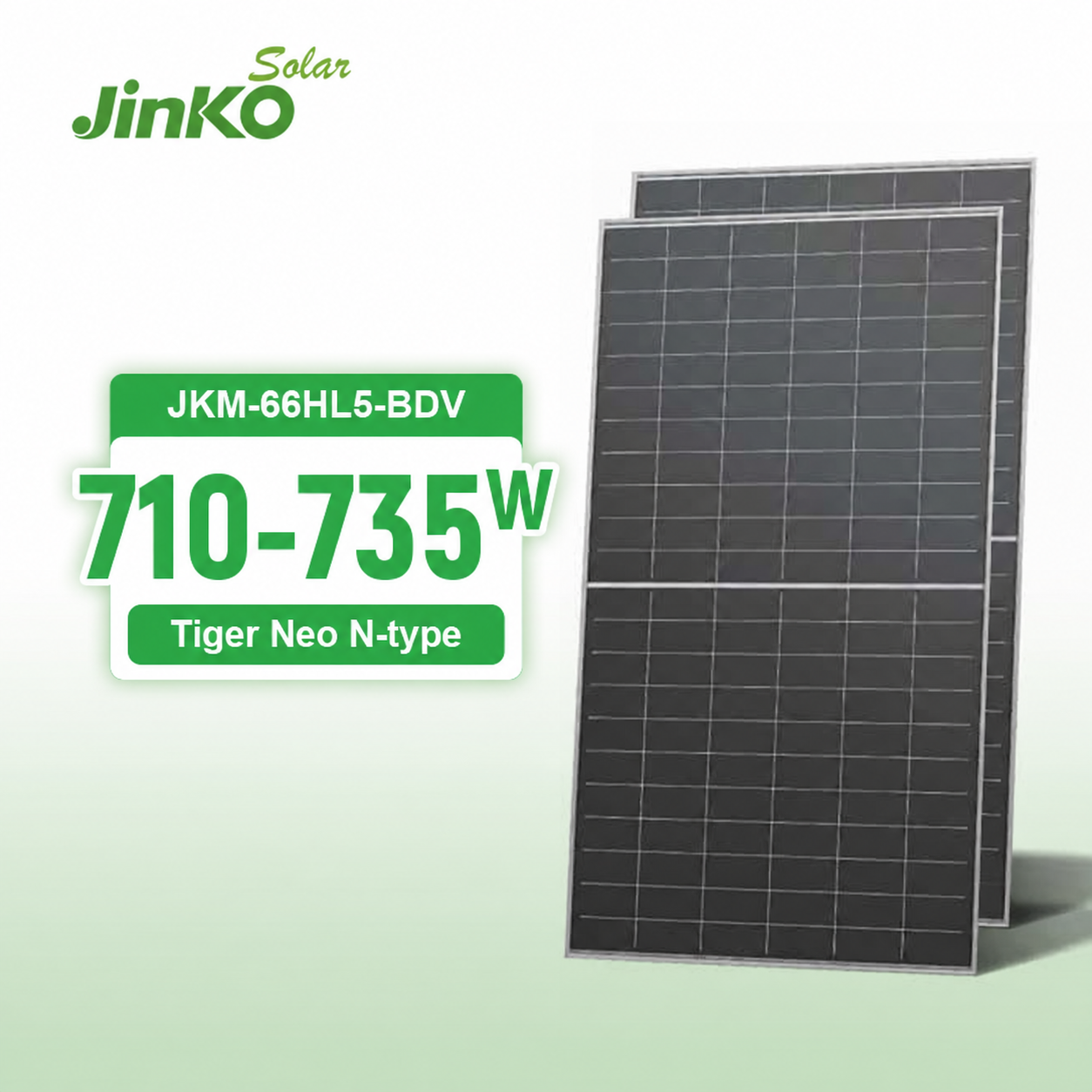
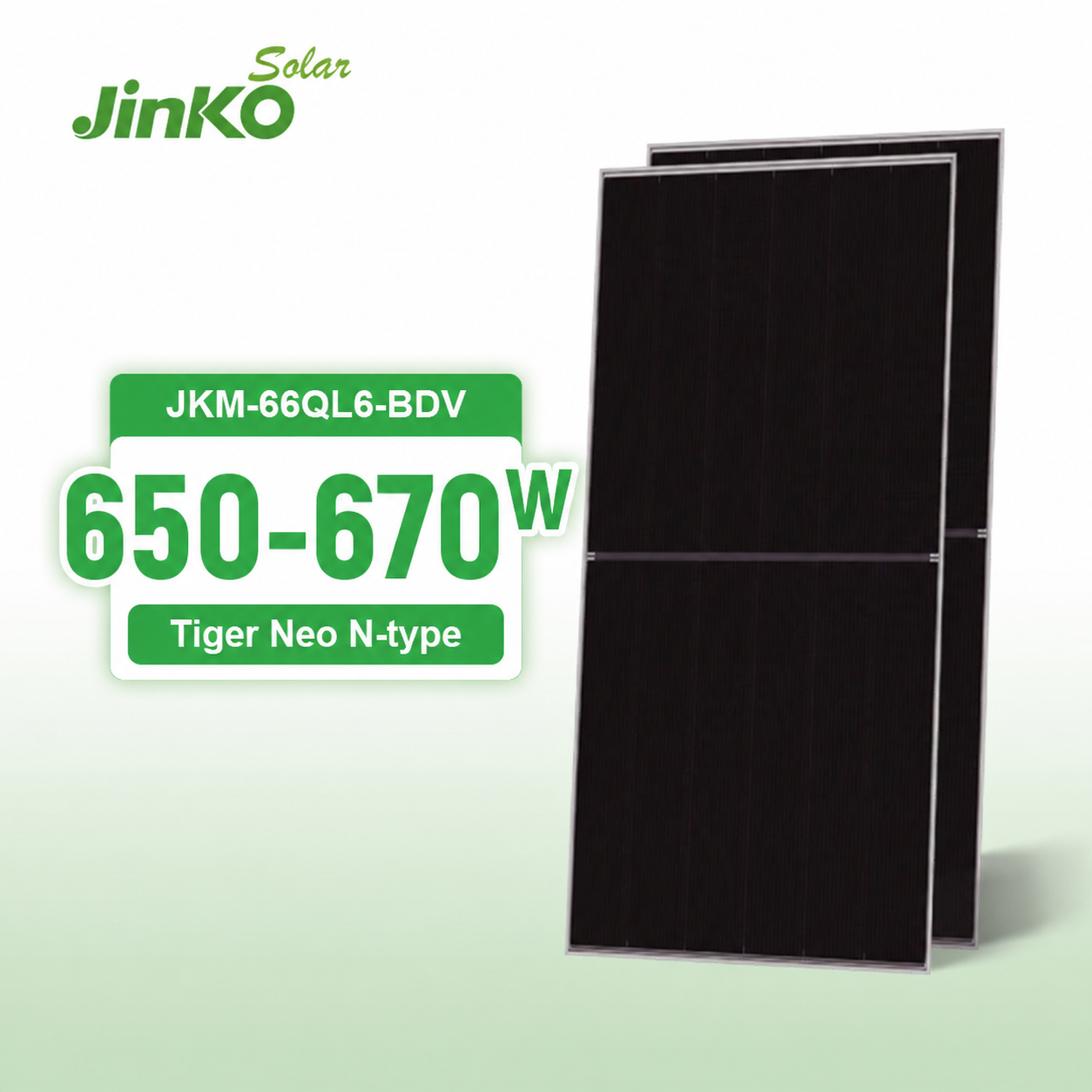
We exclusively integrate automotive-grade A-cells (EVE, CATL, or Gotion) in our VOLT battery assemblies, and stock authentic Jinko Solar N-Type bifacial modules with original flash reports and traceable serial numbers.
Lithium shipments require impeccable documentation. We provide complete UN38.3 test summaries, MSDS documentation, and certified dangerous goods seaworthy packaging to clear international maritime inspections and Uruguayan customs (DNA) smoothly.
Our bilingual electrical engineering team supplies comprehensive Single-Line Diagrams (SLDs), cable sizing recommendations, and bilingual configuration manuals to assist Uruguayan installers in filing grid-interconnection submissions to UTE.
Avoid coordinating five distinct suppliers. We bundle PV modules, hybrid inverters, lithium batteries, customized DC combiner boxes, MC4 connectors, and solar cables into a single balanced container, drastically reducing ocean freight costs per watt.
All supplied hardware is backed by direct factory warranties with transparent serial tracking. We maintain spare BMS boards, communication modules, and power components in fast-dispatch stock for rapid RMA fulfillment.
Clear, direct answers regarding regulations, logistics to Montevideo, tariffs, and technical commissioning.