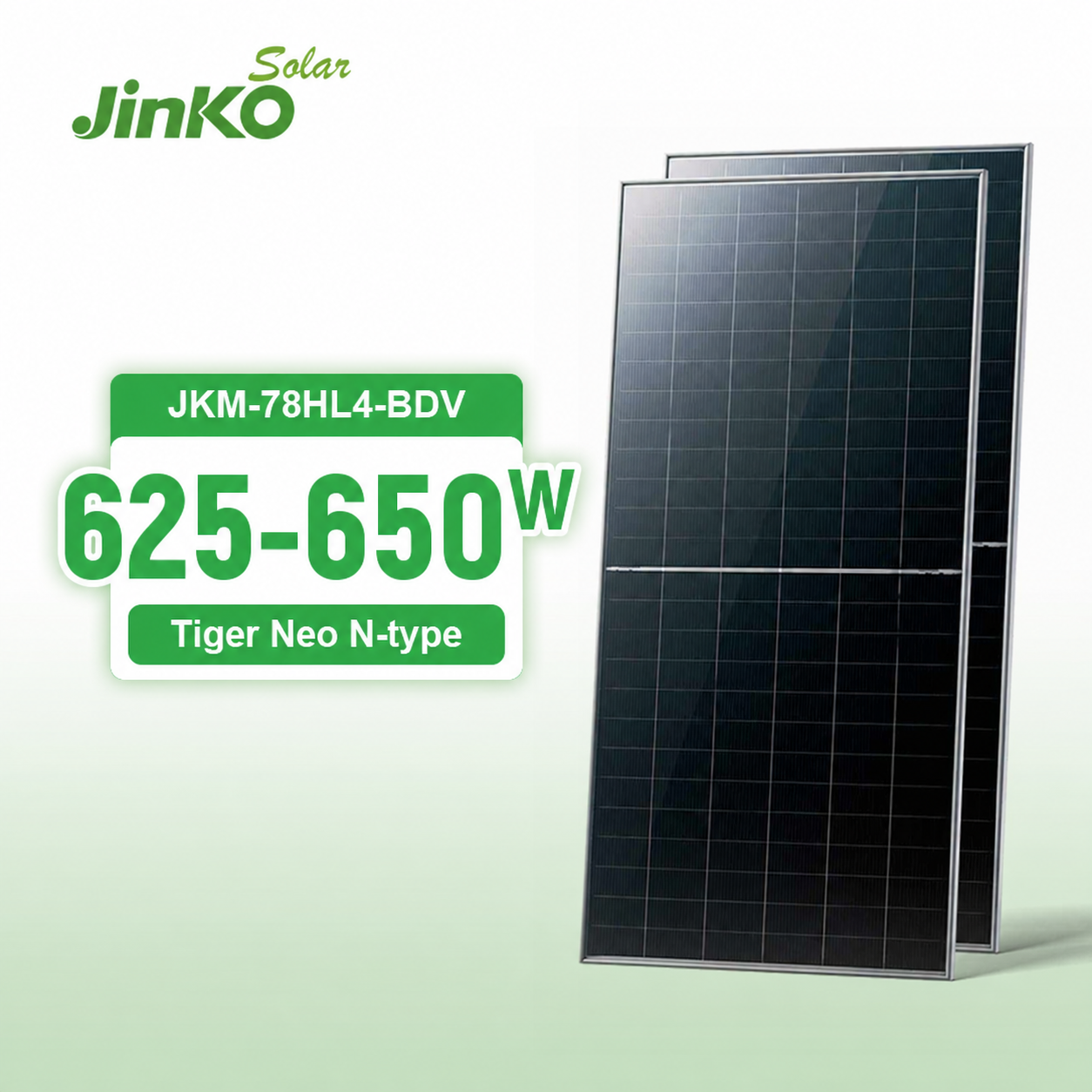
Factory-Direct High-Efficiency Equipment
Integrated High-Yield PV Modules for Inverter Coupling
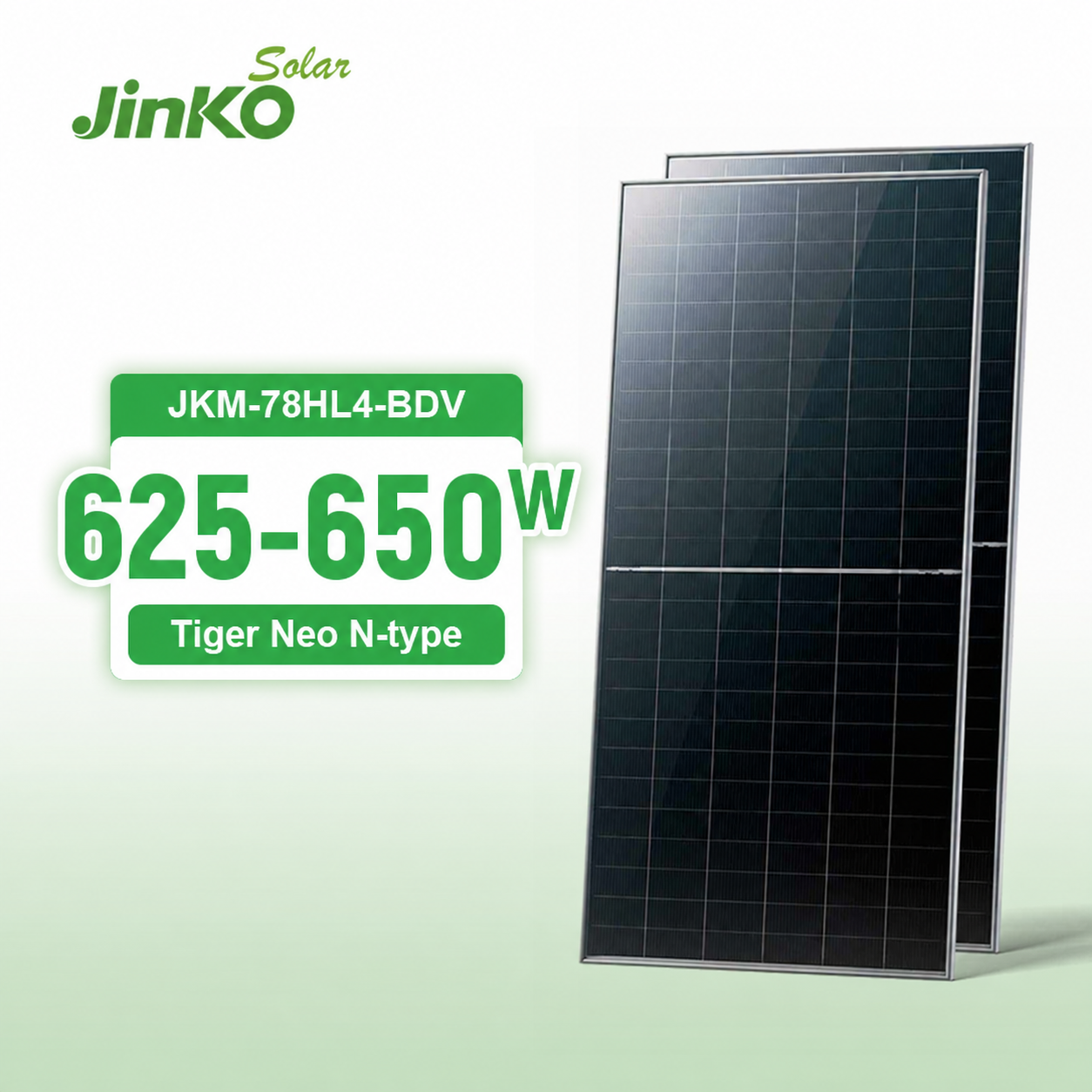
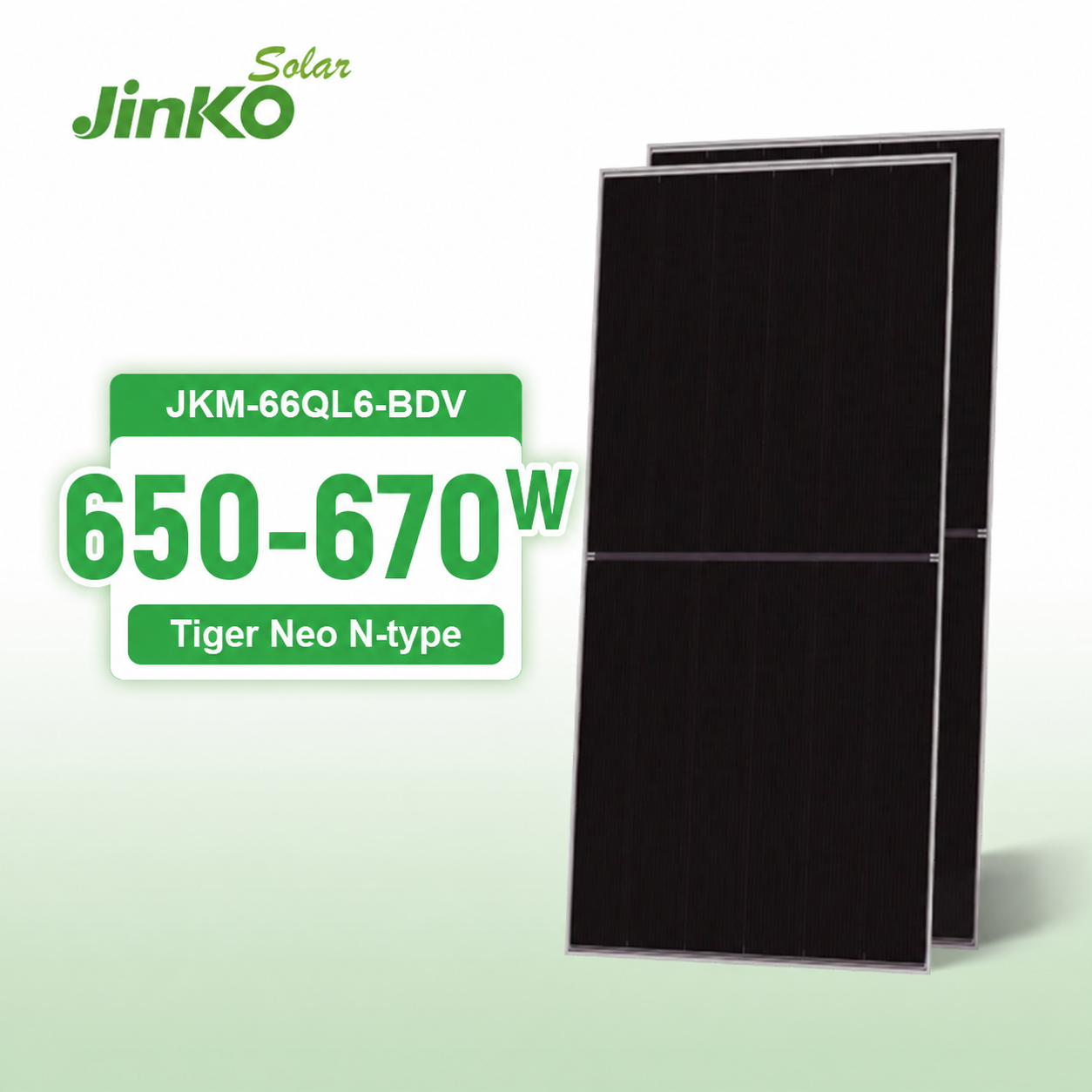
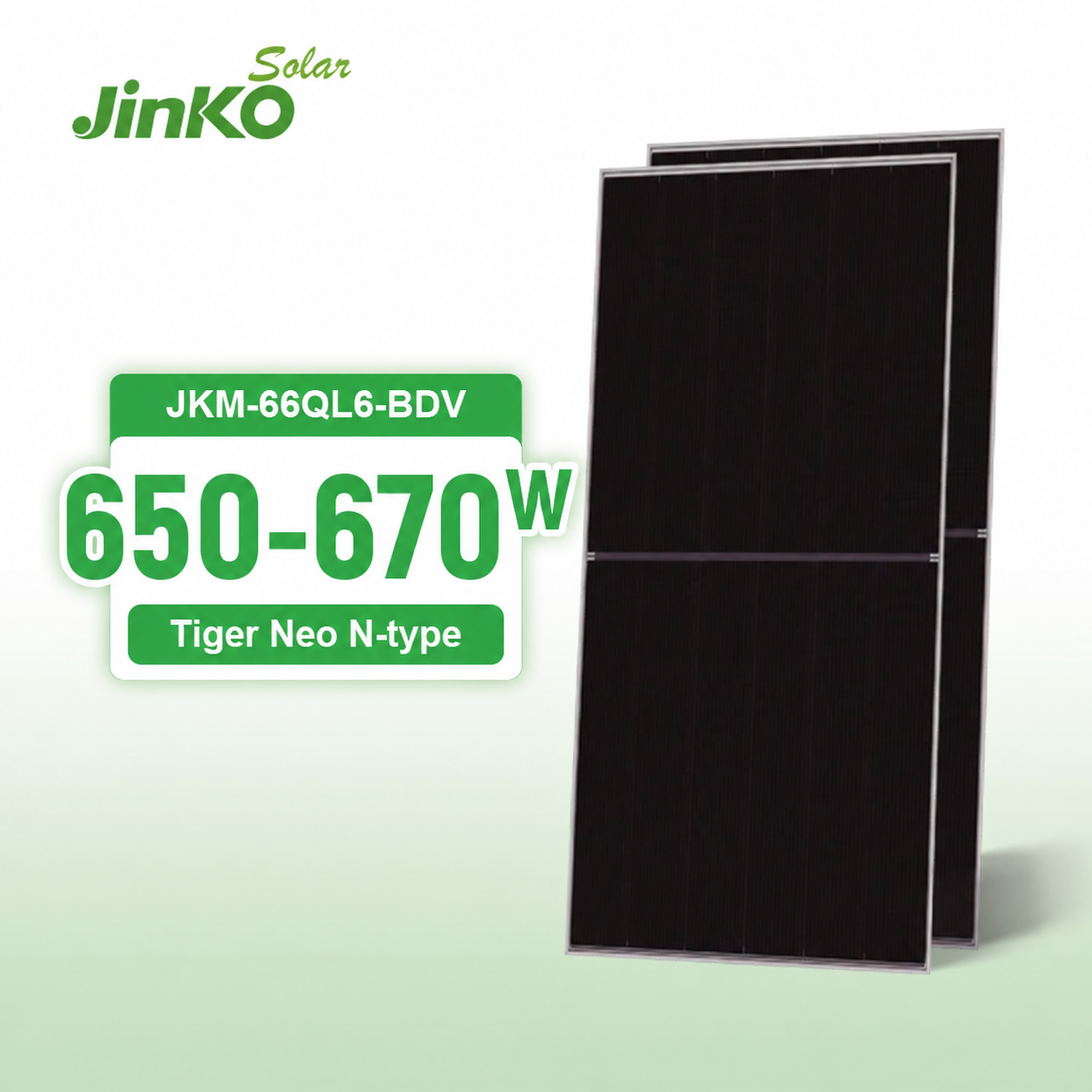
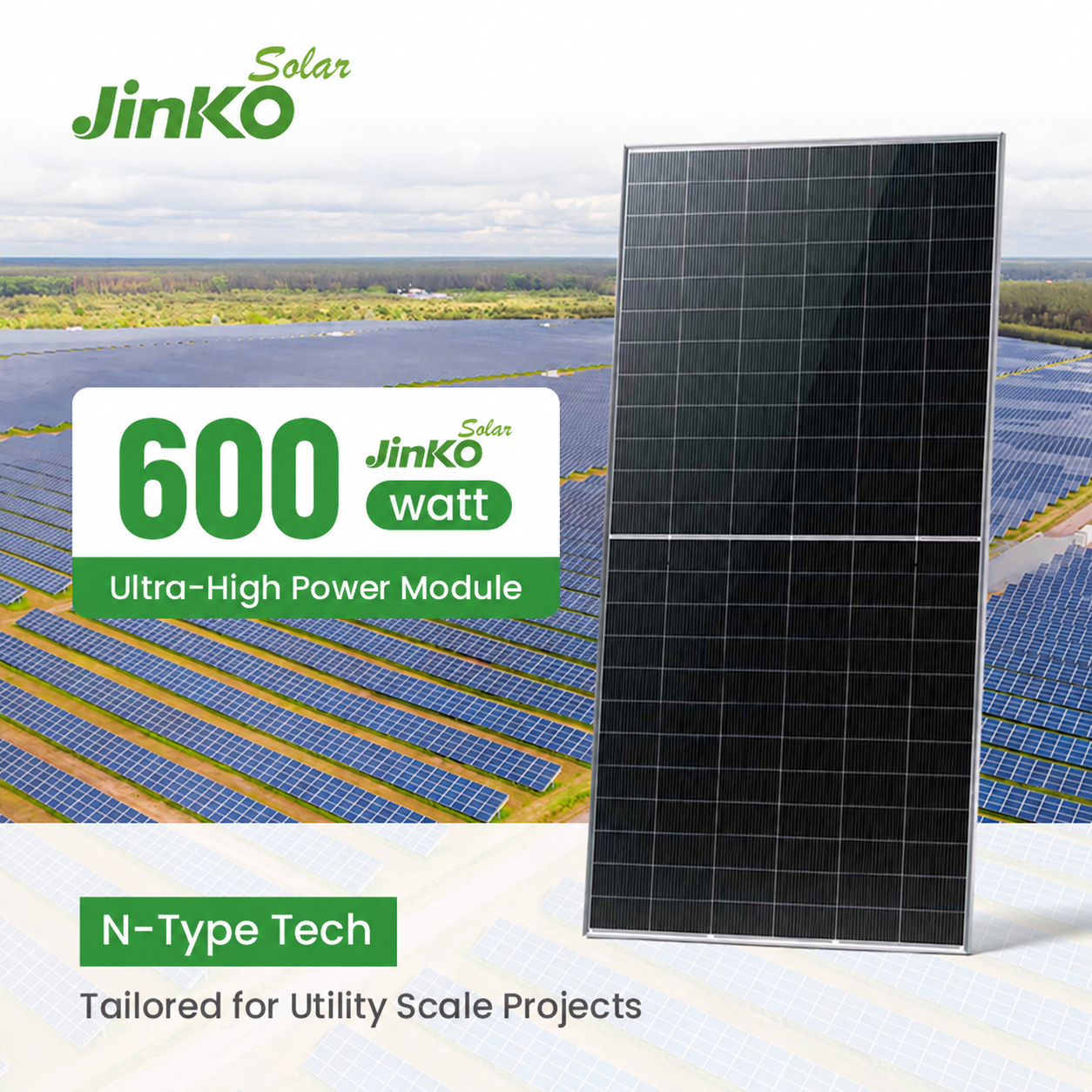
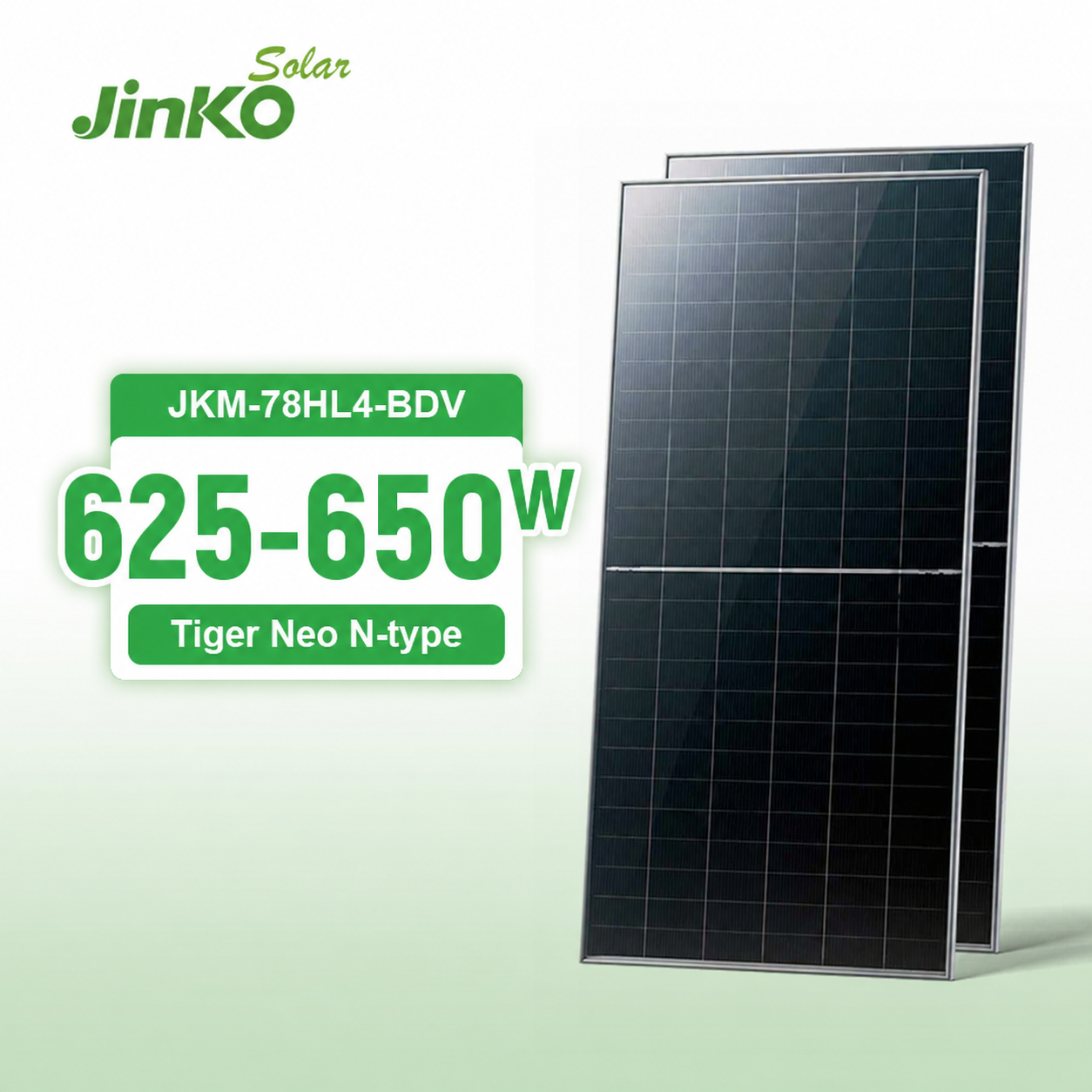
Precision-engineered N-Type TOPCon and dual-glass photovoltaic modules selected for high-temperature coefficients, high bifaciality, and seamless compatibility with single- and three-phase hybrid inverters in southwestern Colombia.
Engineering Solar Inverter Reliability for Cali & Valle del Cauca
Cali, the industrial and economic epicenter of southwestern Colombia, occupies a unique position in Latin America's renewable energy transformation. Positioned in the Cauca River Valley between the Cordillera Occidental and Cordillera Central, Santiago de Cali enjoys elevated global horizontal irradiance (GHI) averaging between 4.8 to 5.4 kWh/m²/day. However, the region presents distinctive electrical, ambient, and regulatory parameters that require highly specialized solar inverter architectures rather than off-the-shelf, generalized power electronics.
As a leading China solar inverter supplier and system integrator, Hangzhou VOLT New Energy Technology Co., Ltd. bridges Chinese tier-1 manufacturing excellence with the exact localized engineering standards demanded by EPC contractors, commercial facility directors, and electrical distributors across Cali, Palmira, Yumbo, and Jamundí. By integrating genuine Deye hybrid and off-grid inverters with matched Jinko TOPCon dual-glass PV arrays and custom-engineered LFP (LiFePO4) energy storage modules, we resolve the acute technical challenges common to the southwestern Colombian grid.
5.2 kWh
Peak Avg. Daily Sun Hours
< 14 Days
Maritime Freight to Buenaventura
100%
Pre-Shipment BMS/Inverter Match
RETIE
Grid Certification Compliance
Grid Instability, Hydro Vulnerability, and Commercial Reality in Cali
The Colombian National Interconnected System (SIN) relies extensively on hydroelectric generation, leaving the regional power pool vulnerable to severe climate phenomena, notably El Niño-induced dry cycles. For businesses in Cali’s industrial corridors—such as Yumbo and Acopi—unplanned voltage fluctuations, brownouts, and escalating spot tariffs from local network operators (EMCALI and Celsia) pose serious operational and financial risks. When water reserves drop, utility rates spike, placing an immense burden on energy-intensive operations including plastic injection moulding, packaging plants, food and beverage processing, and cold-storage facilities.
Deploying string inverters alone no longer satisfies the operational demands of Valle del Cauca. Modern commercial solar designs require intelligent hybrid inverters that manage zero-injection limits (pursuant to CREG Resolution 174 of 2021), integrate with diesel generators through smart auxiliary ports, and provide microsecond transfer times to prevent mission-critical production halts during feeder dropouts.
Tailored Solar Inverter Deployments Across Valle del Cauca
A successful solar installation in Cali depends heavily on matching the inverter topology to the specific operational constraints of the site. Below are the core deployment applications our engineering team designs for Colombian clients:
Agro-Industrial Processing & Sugar Mills
Valle del Cauca produces the vast majority of Colombia's sugarcane and bioethanol. Our three-phase Deye hybrid inverters (ranging from 20kW to 50kW in low/high voltage variants) support unbalanced phases, direct integration with bi-fuel generation, and heavy inductive motor loads common in sugar processing, rum distilleries, and grain milling.
Cold Storage & Food Logistics in Yumbo / Acopi
Refrigerated logistics hubs in industrial Yumbo cannot tolerate temperature variances caused by utility tripping. By combining fast-switching Deye hybrid units with high-cycle VOLT LFP battery cabinets, cold-storage warehouses maintain uninterrupted chilling cycles during mid-day peak utility rate spikes, slashing operational expenditures.
Residential & Condominiums in Jamundí & Pance
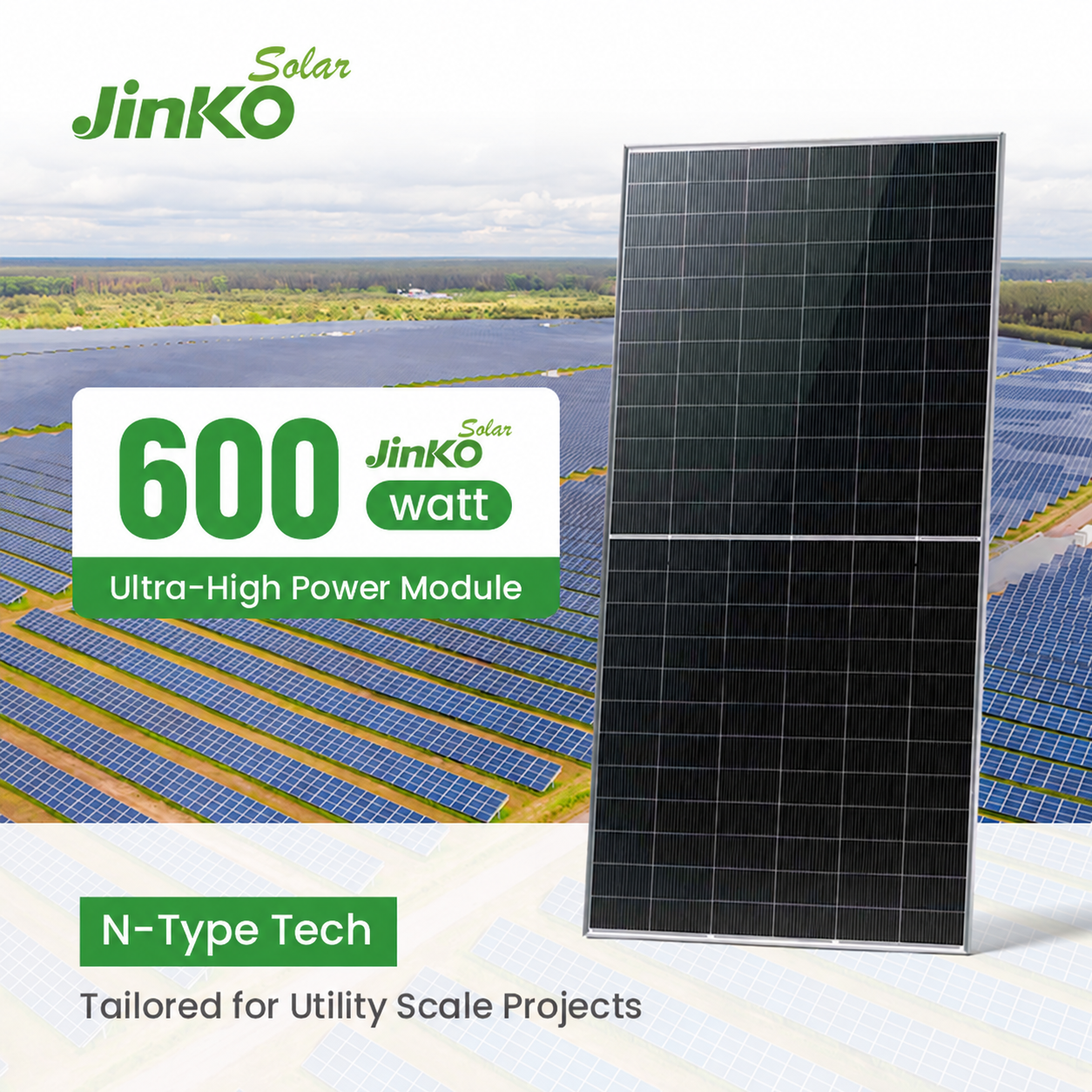
Residential growth in southern Cali (Ciudad Jardín, Pance) and Jamundí has created surging demand for high-end residential self-consumption. Low-voltage 5kW to 12kW split-phase hybrid inverters paired with Jinko 600W+ bifacial panels allow homeowners to eliminate tier-3 residential tariffs while safeguarding home automation and HVAC systems.
Inverter Topology Selection & Technical Integration Matrix
Achieving low Levelized Cost of Electricity (LCOE) across Cali requires harmonic compatibility between the photovoltaic array's electrical output and the inverter’s internal Maximum Power Point Tracking (MPPT) parameters. N-Type TOPCon modules produce higher open-circuit voltages (Voc) at lower operating temperatures and sustain higher bifacial gains from the reflective clay and concrete soil surfaces typical in the valley.
Hangzhou VOLT New Energy engineers every system export so that array string voltages never exceed maximum input levels (Vmax) even during Cali’s coolest morning ambient thresholds (approx. 18°C), while remaining squarely within optimal MPPT voltage windows under midday roof temperatures reaching 65°C.
| System Scale | Recommended Inverter Architecture | Matched PV Configuration | Storage Compatibility | Primary Cali Use-Case |
|---|---|---|---|---|
| Residential (3kW - 8kW) | Deye Single/Split Phase Hybrid (120V/240V, IP65) | Jinko 600W - 650W Monocrystalline Dual Glass (1-2 MPPT Strings) | VOLT 51.2V 100Ah / 200Ah Wall-Mount LFP (CAN Protocol) | Ciudad Jardín, Jamundí, Pance residential backup & self-consumption |
| Commercial (10kW - 30kW) | Deye Three-Phase Low-Voltage Hybrid (208V/220V, 3P4W) | Jinko N-Type 630W - 650W TOPCon Bifacial Arrays | VOLT Server Rack LFP Modules (Up to 32 units parallel) | Commercial bakeries, retail strips, and light manufacturing in Cali center |
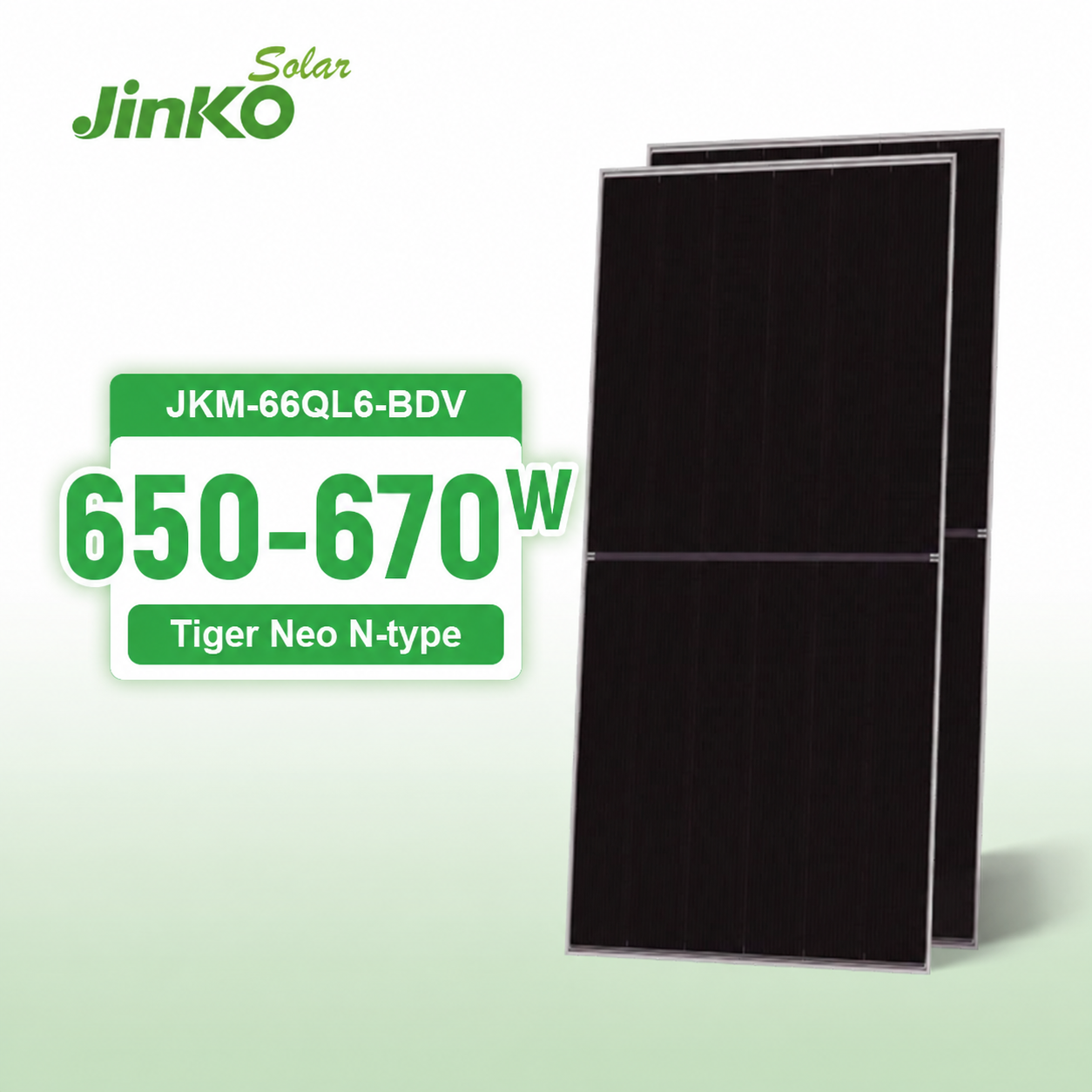
| Industrial (50kW - 100kW+) | Deye Three-Phase High-Voltage Hybrid (440V / 480V Grid-Tied) | Jinko 650W - 670W Utility Bifacial Double Glass Modules | VOLT High-Voltage Battery Stacks (160V - 800V DC) | Yumbo industrial packaging, plastics, metalworking, cold rooms |
| Rural / Isolated (5kW - 15kW) | Pure Off-Grid Pure Sine Inverter with Generator Autostart | Jinko 580W - 625W Monocrystalline PV Arrays | Deep-Cycle GEL (Budget) or 48V LFP Lithium Packs | Agricultural fincas, coffee farms in Dagua, Farallones eco-resorts |
A frequent error among inexperienced importers is overlooking protocol synchronization between third-party lithium battery management systems (BMS) and the inverter firmware. Hangzhou VOLT New Energy conducts physical communication mapping prior to crating at our facility. We pre-program CAN bus and RS485 communication protocols, set hardware DIP switches, and verify baud rates (500kbps / 9600bps), eliminating the dreaded "BMS Fault" error codes upon commissioning in Cali.
Navigating Colombia's Regulatory Landscape: RETIE, CREG, and Law 1715
Sourcing solar inverters from China for the Colombian market requires strict regulatory compliance. The Colombian Ministry of Mines and Energy enforces strict technical parameters to protect electrical infrastructure and personnel safety:
RETIE Certification (Reglamento Técnico de Instalaciones Eléctricas)
All inverters interconnected with the grid in Santiago de Cali must hold valid RETIE certification or recognized equivalence certificates issued by accredited certification bodies (such as CIDET, SGS, or Bureau Veritas). Inverters lacking explicit compliance documentation will be rejected by EMCALI and Celsia during grid-tie technical review, stranding capital on-site. VOLT New Energy works closely with testing laboratories to provide verified test reports (IEC 62109-1/-2, IEC 61000 series, and IEEE 1547 anti-islanding parameters) required for immediate RETIE recognition.
CREG Resolution 174 of 2021 & CREG 030
Under CREG 174, distributed generation (Autogeneración a Pequeña Escala - AGPE) up to 1 MW benefits from streamlined interconnection procedures and bidirectional net metering. Inverters supplied by VOLT New Energy feature precision smart meter integration (Chint, Eastron) via RS485, enabling instantaneous zero-injection curtailment or dynamic feed-in control, ensuring that systems comply with regional network constraints while formal export approvals are finalized.
Tax Incentives Under Law 1715 of 2014 & Law 2099 of 2021
Colombian EPCs and commercial buyers can realize significant fiscal benefits when importing solar equipment certified by the UPME (Unidad de Planeación Minero Energética):
- 0% Value Added Tax (Exclusión de IVA): Inverters, solar panels, and battery storage are exempt from standard 19% Colombian VAT when properly classified under clean energy tariff lines.
- Exemption from Import Duties (Aranceles): Zero import tariffs on qualifying Chinese solar hardware.
- Accelerated Depreciation & Income Tax Deduction: Up to 50% deduction of total capital expenditure from corporate income tax over a multi-year period.
Valle del Cauca Solar Procurement FAQ
Direct answers to the most common technical, financial, and logistical questions asked by Cali engineers, system integrators, and import procurement managers:
What is the logistical advantage of shipping solar inverters directly to Cali?
Cali boasts an unmatched geographical advantage over other major Colombian cities like Bogotá or Medellín due to its direct proximity to the Port of Buenaventura—Colombia's primary Pacific deepwater port. Ocean freight transit from Ningbo or Shanghai port directly to Buenaventura typically takes 22 to 28 days. Once cleared through DIAN customs at Buenaventura, inland transport to Cali via the Loboguerrero corridor takes under 3 hours, drastically reducing domestic overland freight fees, road transit insurance, and overall delivery lead times.
How do Deye hybrid inverters handle EMCALI/Celsia grid voltage swings?
Electrical feeders in suburban Cali and surrounding agro-industrial parks frequently experience severe under-voltage (down to 180V on 220V lines) and over-voltage surges. Deye inverters feature programmable AC voltage and frequency disconnect limits. Their high-speed DSP (Digital Signal Processor) continuously stabilizes power factors and offers low-voltage ride-through (LVRT) capabilities, ensuring sensitive equipment does not trip during transient brownouts.
Can we consolidate Jinko solar panels, inverters, and LFP batteries into one container?
Yes. Hangzhou VOLT New Energy specializes in consolidated mixed-container loading (FCL). Sourcing solar panels from one supplier, inverters from another, and lithium batteries from a third results in multiplied port handling fees, separate customs broker expenses, and higher shipping rates. We package matched Jinko bifacial modules, Deye inverters, and UN38.3/Class 9 DG-certified lithium batteries in one unified container, providing complete packing lists, commercial invoices, and bill of ladings under a single HS code framework.
Are Chinese solar inverters compatible with three-phase 208V / 220V systems common in Cali?
Yes. Unlike the standard European 380V/400V grid, southwestern Colombia relies heavily on 120V/208V and 127V/220V three-phase commercial networks. Supplying a standard European three-phase inverter requires cumbersome external step-up transformers that degrade system efficiency by 3-5% and add thousands of dollars in cost. We export low-voltage three-phase hybrid inverters specifically engineered for direct 208V/220V connection without any auxiliary transformers.
How does high ambient heat and humidity in the Cauca Valley affect inverter lifespan?
The valley floor experiences high average daily temperatures (28°C - 34°C) coupled with high humidity. Inverters with poor heat dissipation throttle their power output (thermal derating) during peak afternoon irradiance. Our exported inverters feature die-cast aluminum heat sinks, intelligent fan cooling with IP65-rated enclosures, and conformally coated internal printed circuit boards (PCBs) to resist condensation and ambient dust, preserving peak output curves without thermal throttling.
What warranty protections apply to buyers in Colombia?
All inverters and solar modules carry full original factory manufacturer warranties (5 to 10 years standard on inverters, 12 to 25 years on Jinko panels, and 10 years on LFP batteries). Hangzhou VOLT New Energy maintains traceable serial-number tracking for every unit dispatched. In the rare event of a component failure, we coordinate directly with the manufacturer's global warranty division and expedite replacement control boards, power modules, or replacement units to minimize project downtime.
Why South American Solar Developers Partner with Hangzhou VOLT
Headquartered in the high-tech logistics hub of Hangzhou, Zhejiang, VOLT New Energy Technology Co., Ltd. has established itself as an authoritative global trading partner and system integrator for international solar energy hardware. Our specialized export desk for Latin America eliminates the operational friction typically encountered when procuring energy equipment overseas.
Verified Hardware Protocol Compatibility
We eliminate "BMS Communication Error" nightmares on-site. Every battery pack and inverter combination undergoes live CAN/RS485 handshake testing in our workshop prior to container consolidation, guaranteeing plug-and-play installation in Cali.
Full Regulatory Documentation Sets
We provide full English/Spanish technical datasheets, factory compliance declarations, IEC test reports, UN38.3 lithium transport dossiers, and MSDS documentation required for seamless DIAN customs clearance and UPME tax exemptions.
Turnkey Consolidation & Dangerous Goods (DG) Freight
Lithium energy storage batteries are regulated as Class 9 dangerous cargo. We handle specialized sea containers, explosion-proof pallet packing, and hazardous goods declarations for direct routing to the Port of Buenaventura.
Powering Your Solar Projects Across Cali and Valle del Cauca
Connect with our senior engineering and export division today. Share your single-line diagram (SLD), site load profile, or procurement bill of quantities (BOQ) to receive a factory-direct proforma invoice with verified compatibility within 24 hours.