High-Efficiency N-Type Photovoltaic Modules for Micro Inverter Coupling
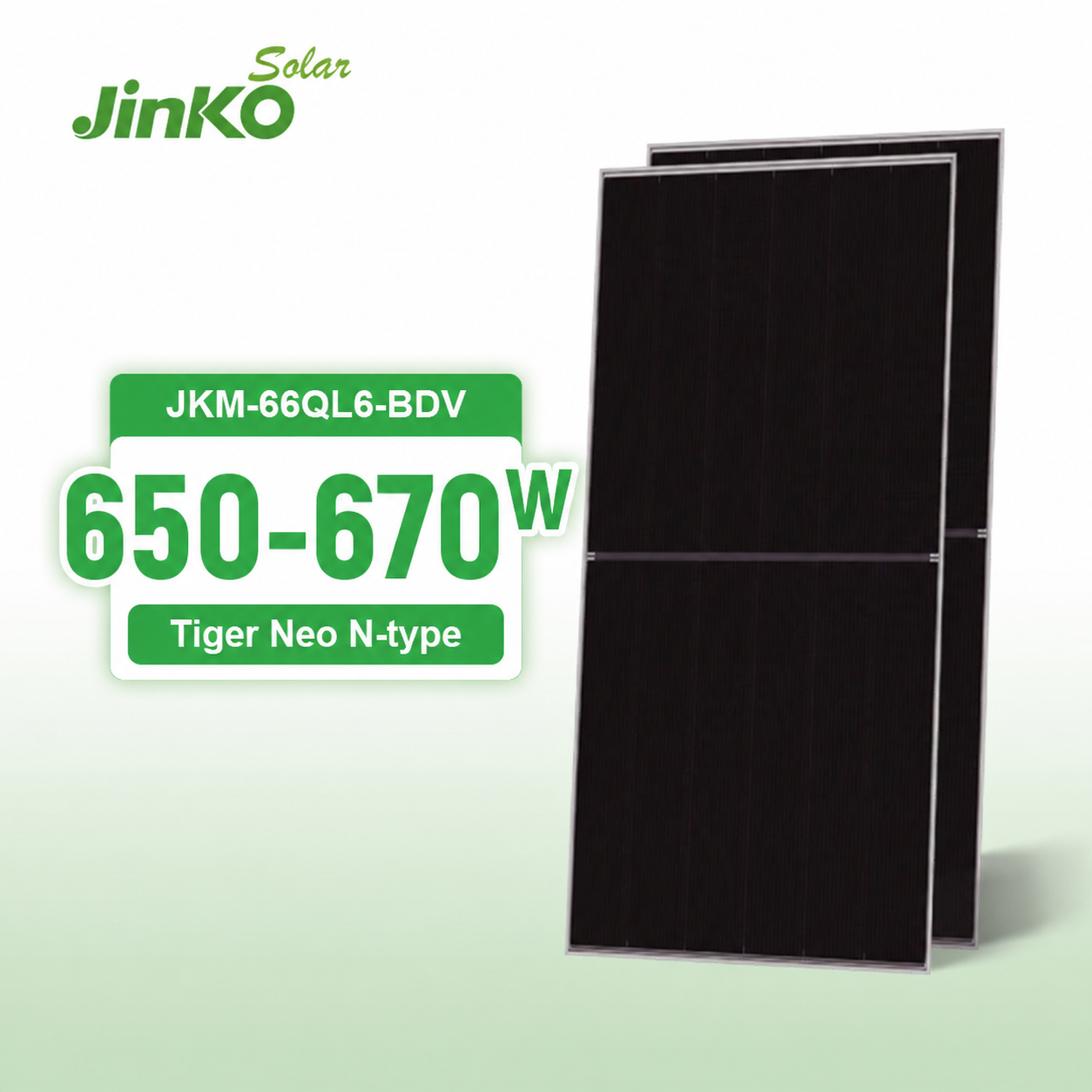
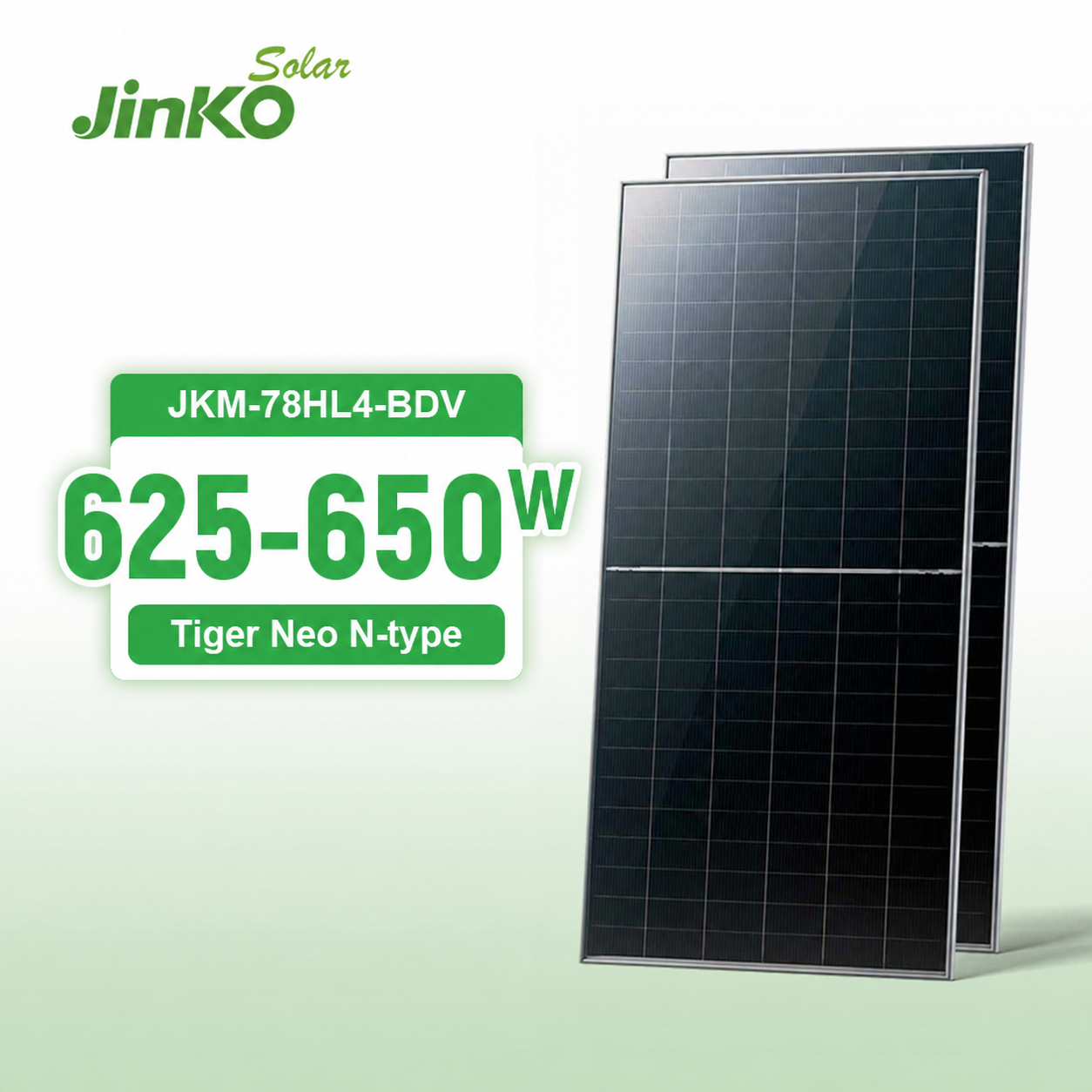
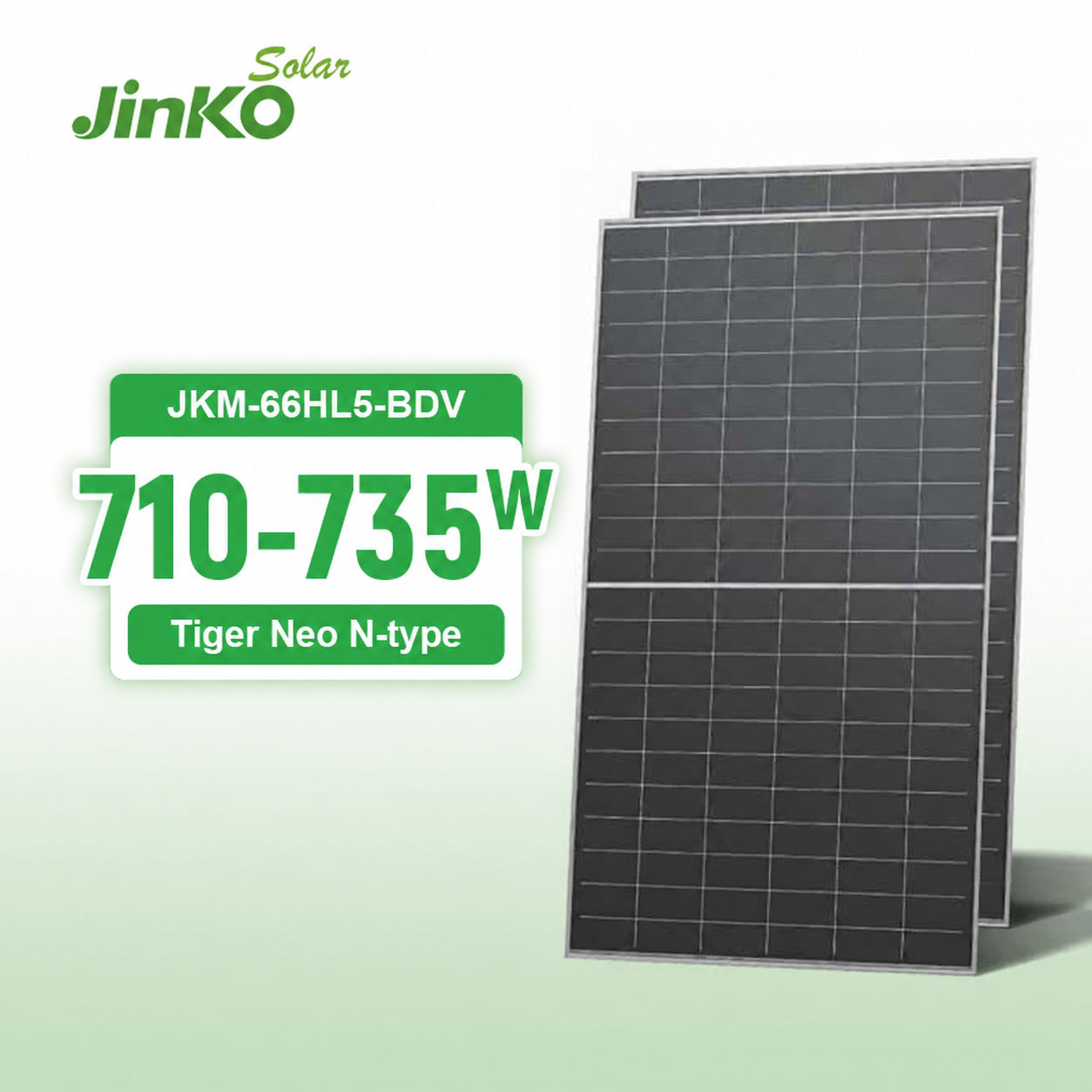
Engineered for high bifaciality and dual-glass hermetic durability under Caribbean salt-fog conditions. Directly compatible with module-level MPPT micro inverters.
Solar Inverter Architecture for the Trinidad & Tobago Grid (T&TEC)
Deploying distributed photovoltaic generation across the Republic of Trinidad and Tobago requires precision electrical adaptation. Unlike conventional continental grids operating at 50 Hz or standardized three-phase distributions, the Trinidad and Tobago Electricity Commission (T&TEC) operates a dual-voltage infrastructure characterized by 115V / 230V single-phase split-phase supplies for residential structures, and 230V / 400V or 115V / 200V / 480V delta-wye configurations for commercial facilities in Port of Spain, Chaguanas, and Point Lisas.
China's advanced micro inverter technology—engineered and exported by Hangzhou VOLT New Energy Technology Co., Ltd.—delivers the exact localized response demanded by this Caribbean island topology. Traditional high-voltage string inverters run DC strings up to 600V–1000V across residential roofs. In high-ambient, high-humidity climates like Port of Spain, prolonged thermal cycling combined with marine airborne salt accelerates junction-box degradation, increasing arc-fault and thermal runaway risks. Solar micro inverters completely eradicate this hazard by converting DC power to AC directly at the back of each photovoltaic module, keeping maximum rooftop DC potentials below 60V, which complies effortlessly with international rapid shutdown protocols (NEC 690.12) and T&TEC safety clearances.
Gulf of Paria Atmospheric Stress & Thermal Mitigation
Port of Spain’s coastal proximity exposes electrical infrastructure to continuous saline air currents coming off the Gulf of Paria. Standard string inverters mounted on exterior building elevations suffer premature cooling-fan failures, heatsink oxidation, and salt-crust short circuits.
Our exported micro inverters utilize die-cast aluminum enclosures with vacuum epoxy potting, meeting IP67 hermetic ingress standards and certified to IEC 60068-2-52 Level 6 salt mist corrosion standards. By eliminating active cooling fans and implementing wide MPPT tracking windows down to ultra-low voltages, these micro inverters maintain maximum harvest even when severe tropical cloud banks pass over the Northern Range.

Micro Inverters vs. Traditional Central/String Systems in Port of Spain
A quantifiable engineering comparison for Caribbean commercial contractors, EPCs, and rooftop installers.
| Evaluation Parameter | China MLPE Micro Inverters (VOLT New Energy) | Conventional String / Central Inverters | Operational Impact in Trinidad & Tobago |
|---|---|---|---|
| Maximum Rooftop DC Voltage | < 60V DC (Touch-safe, inherent safety) | 600V – 1,000V DC (High voltage hazardous) | Eliminates electrical fire risk caused by tropical storm wire chafing. |
| MPPT Resolution | Independent Module-Level (1 or 2 panels per MPPT) | 1 or 2 MPPTs per 10–20 panels in series | Prevents complete array collapse when dust, bird drops, or tree shading occur. |
| Thermal Derating Threshold | Passive heat dissipation; stable to 65°C internal | Forced fan cooling; derates heavily above 40°C ambient | Preserves daily energy yield during peak Port of Spain afternoon heatwaves. |
| Corrosion Resistance | Fully potted IP67 die-cast aluminum chassis | IP65 sheet metal; vented fan chambers prone to rust | Guarantees 15–25 year life within 1 km of the Port of Spain coastline. |
| Monitoring & O&M Visibility | Sub-module cloud telematics via Zigbee / PLC / WiFi | Whole-string aggregated data only | Enables remote troubleshooting from Port of Spain offices without roof access. |
| System Modularity & Expansion | Plug-and-play scalable from 1 panel to 500 panels | Constrained by strict string sizing and mismatch loss | Allows homeowners in Maraval or St. James to expand systems gradually. |
High-Impact Solar Micro Inverter Applications Across Port of Spain
Tailored topologies for residential luxury estates, historic port warehouses, and mission-critical commercial hubs.
Complex Residential Roofs (Maraval & Westmoorings)
Architectural villas across St. Ann's, Maraval, and Westmoorings feature multi-angle hip-and-valley roofs with intermittent shading from neighboring palm canopies. While string inverters lose up to 40% efficiency due to "Christmas tree light" series blockage, micro inverters harvest maximum kilowatt-hours independently from every roof face.
Commercial Warehousing & Maritime Logistics (Point Lisas & Port Docks)
Extensive corrugated metal roofs along Wrightson Road and the Point Lisas Industrial Port experience intense vibration, thermal expansion, and sulfuric marine particulate. Micro inverters mounted beneath panels prevent galvanic roof oxidation while delivering steady 3-phase AC directly to facility distribution sub-panels.
Island Microgrid & Hybrid Storage Coupling (Tobago & Eco-Lodges)
Integrating AC-coupled micro inverter arrays with Deye hybrid inverters and VOLT LFP battery cabinets creates robust self-healing microgrids. During grid brownouts common during hurricane season, the system shifts seamlessly into islanding mode, providing continuous critical power without generator fuel dependence.
Trinidad & Tobago Renewable Energy Transition & Policy Impetus
The domestic energy matrix of Trinidad and Tobago has historically relied on subsidized natural gas through the National Gas Company (NGC). However, the implementation of the National Development Strategy 2016–2030 (Vision 2030), paired with updated feed-in tariff (FIT) recommendations from the Regulated Industries Commission (RIC), has sparked an unprecedented surge in decentralized private solar adoption.
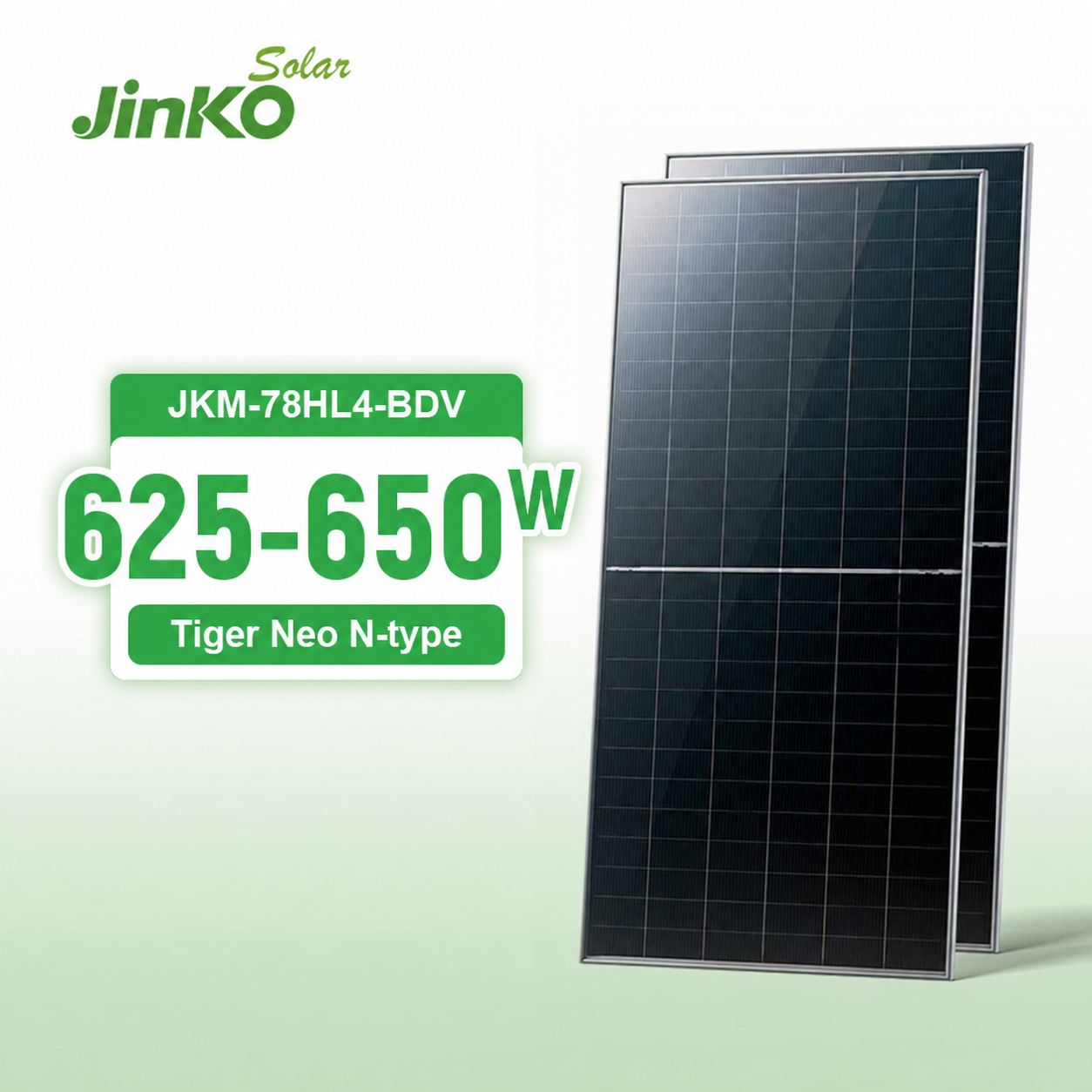
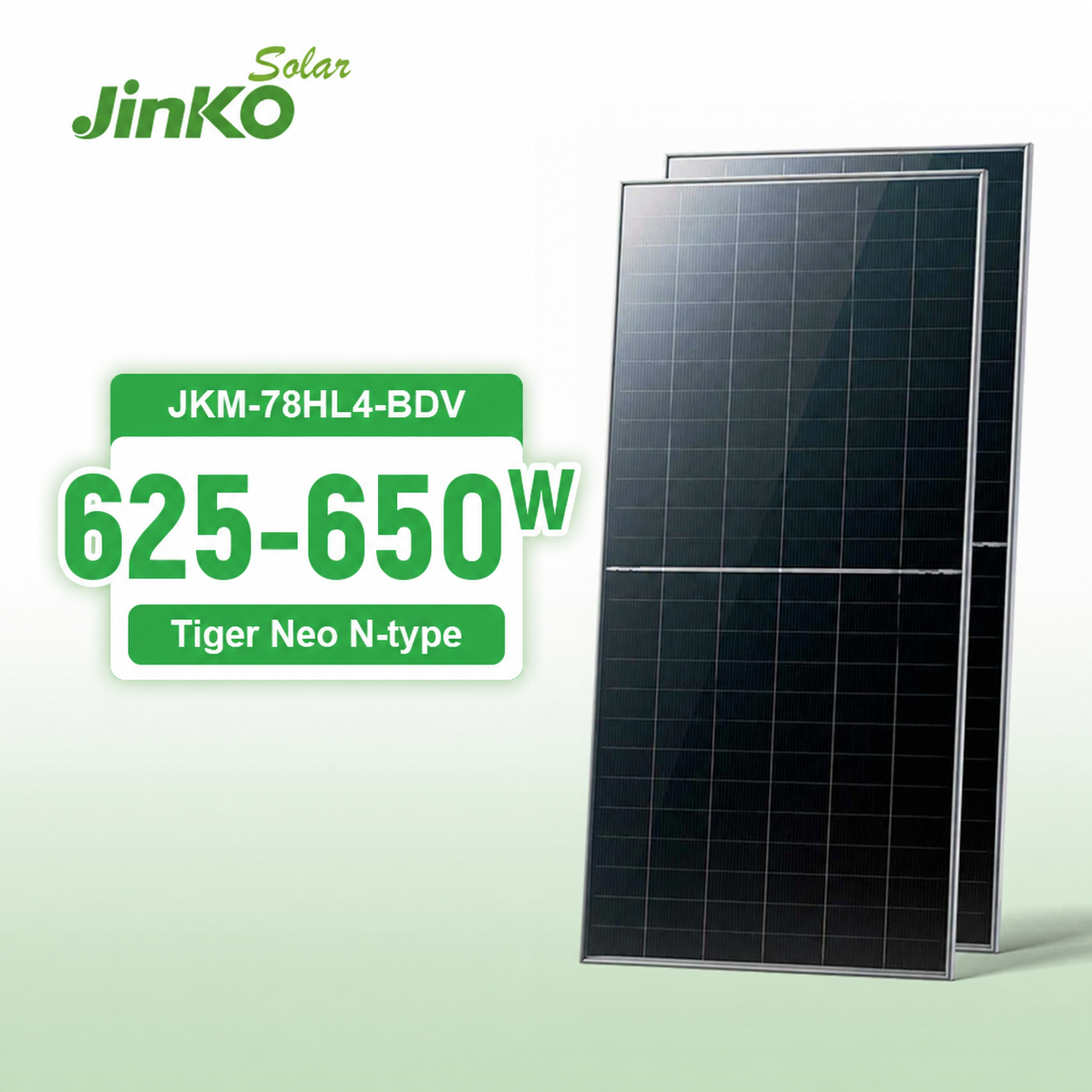
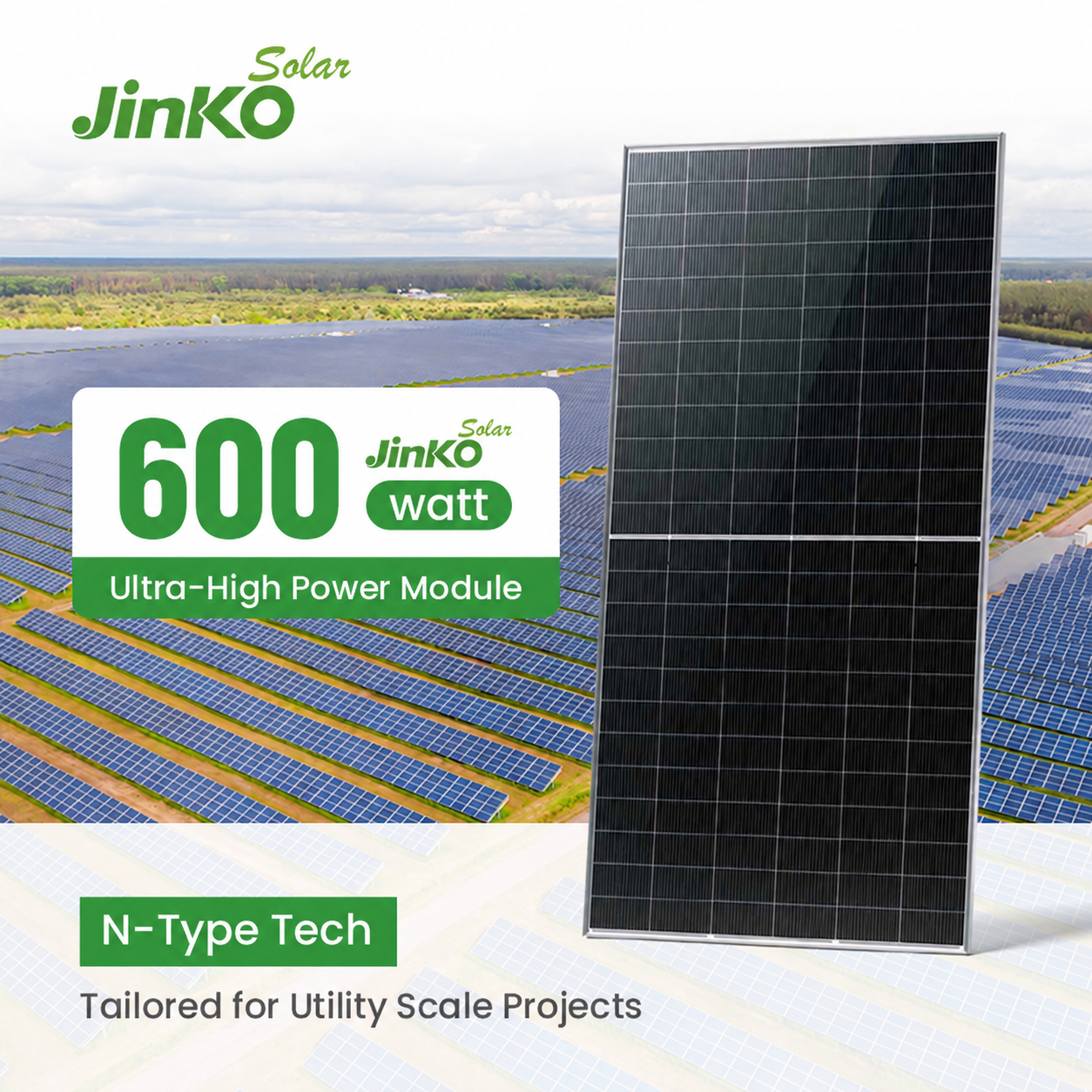
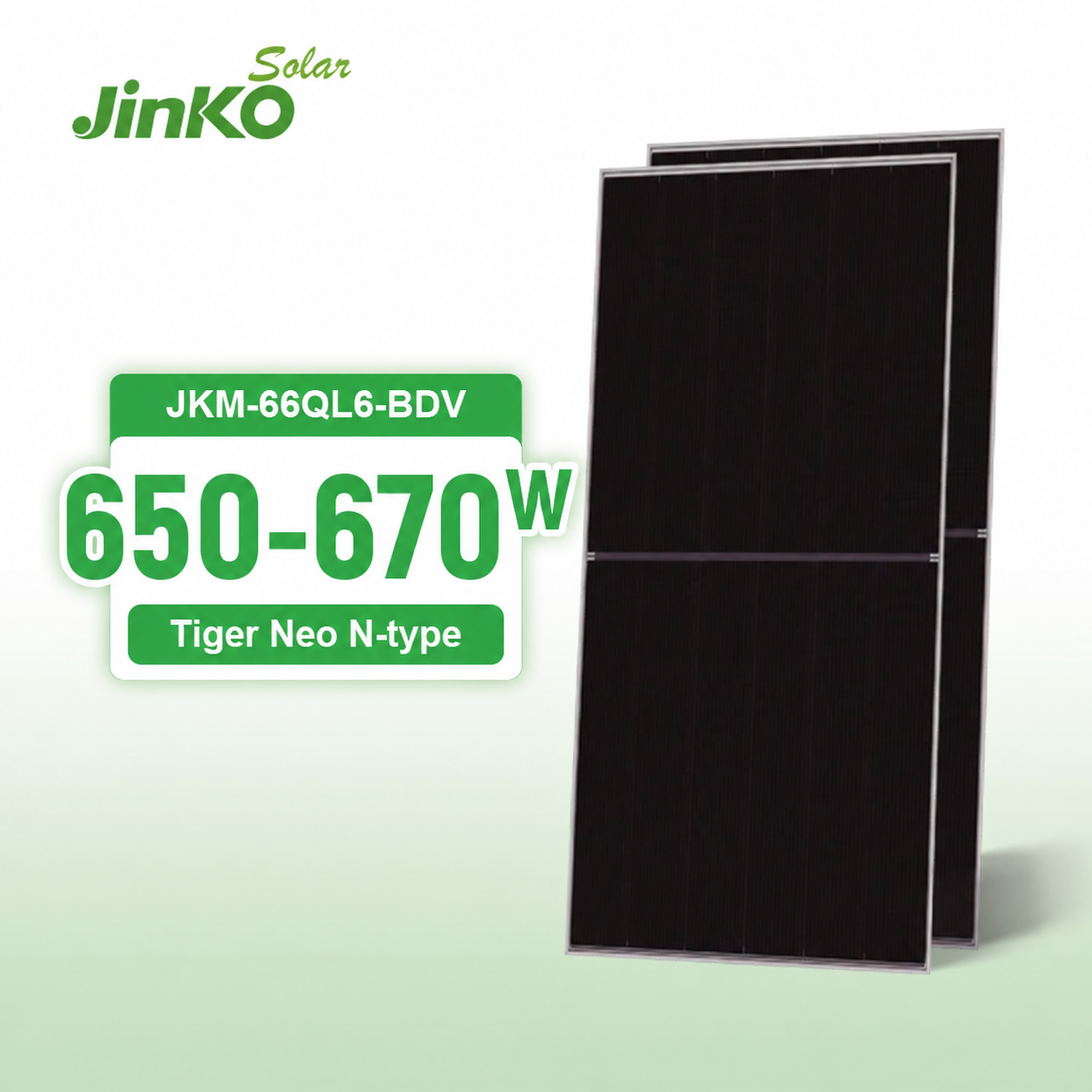
Commercial conglomerates in Port of Spain are proactively mitigating anticipated fuel subsidy rationalizations. By pairing high-wattage Jinko TOPCon N-Type bifacial solar panels (delivering up to 720W with 22.8% conversion efficiency) with high-capacity micro inverters, businesses achieve sub-4-year payback periods even under current commercial rate schedules.
Furthermore, the landmark 112.2 MWdc Project Lara utility-scale deployment has elevated domestic installer expertise, creating a sophisticated B2B market that values certified performance, module-level reliability, and long-term asset security over low-spec commodity hardware.
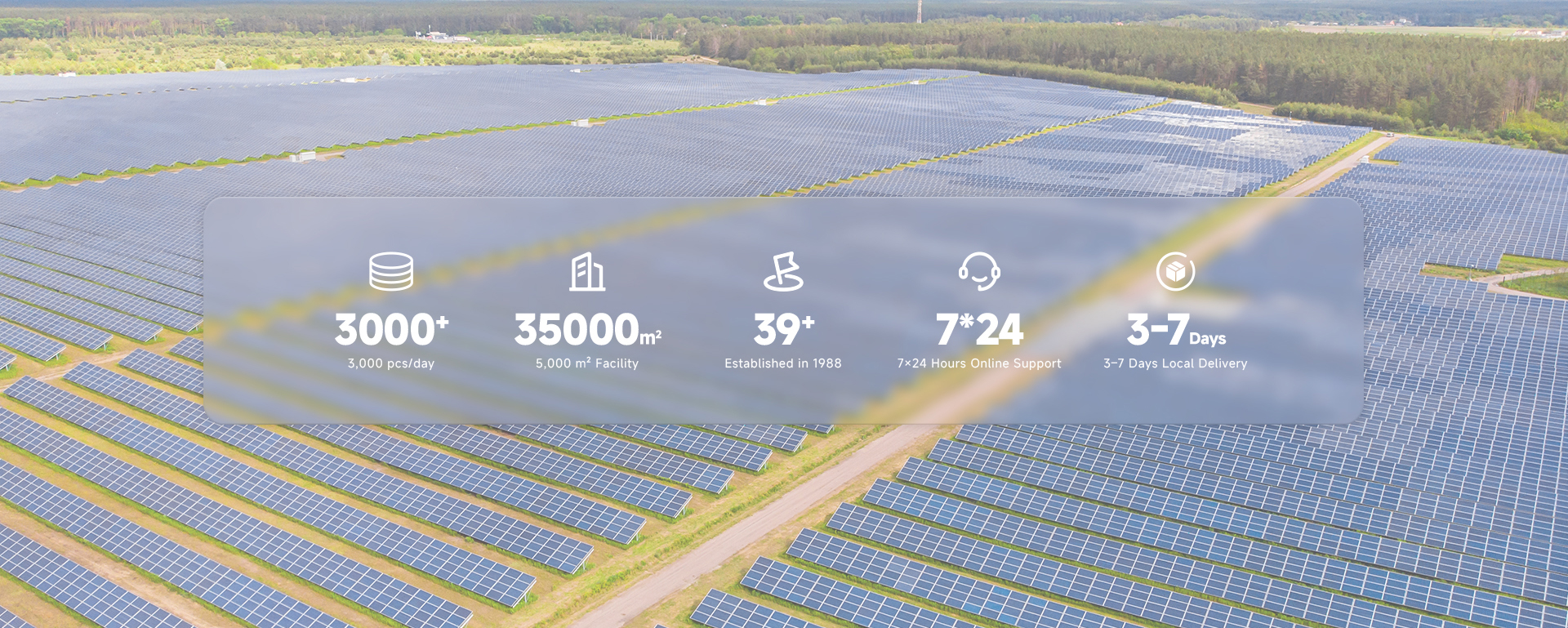
Why Caribbean Solar Importers Rely on Hangzhou VOLT New Energy
End-to-end supply chain integration, pre-shipment protocol verification, and Class 9 maritime dangerous goods logistics expertise.
Zero "BMS Communication Error" Guarantee
Every hybrid storage system combining micro inverters, Deye hybrid units, and VOLT LiFePO4 battery banks undergoes automated pre-shipment hardware tests. CAN/RS485 baud rates, pin-outs, and DIP switches are matched and tested in our Hangzhou test laboratory before container loading.
Direct Container Shipping to Port of Spain Port
We manage consolidated mixed-container loads (PV panels, micro inverters, lithium batteries, aluminum mounting rails, and DC balance-of-system components) with complete UN38.3, MSDS, and Class 9 Dangerous Goods documentation for seamless clearance through Trinidad Customs & Excise.
Full Regulatory Certification Package
All supplied systems carry manufacturer-issued UL 1741, IEEE 1547, CE, TÜV Rheinland, and IEC 62109 compliance certificates. We provide exact serial numbers and factory QA logs required by local structural engineers and T&TEC grid interconnection inspectors.


Frequently Asked Questions by Solar Importers in Port of Spain
Practical engineering, financial, and logistical insights for EPCs, electrical distributors, and solar project developers.
How do micro inverters interface with T&TEC's 115V/230V split-phase residential supplies? +
What anti-corrosion protection is applied for sites near the Gulf of Paria? +
Can micro inverters be coupled with battery storage systems during grid outages? +
What is the transit time and shipping route from China to Port of Spain? +
How do you handle warranty claims and spare parts for Trinidad and Tobago projects? +
Ready to Engineer Your Next Solar Installation in Port of Spain?
Consult directly with our system integration engineers in Hangzhou. Get tailored string calculations, rapid shutdown schematics, full container logistics plans, and factory-direct wholesale pricing.
Get a Quote