Certified High-Efficiency PV Modules & ESS Storage Solutions
Engineered for harsh environmental resilience, high solar irradiance, and extended cycling. Fully compatible with low-voltage 48V/51.2V wall-mount LiFePO4 battery banks and Deye hybrid architectures.
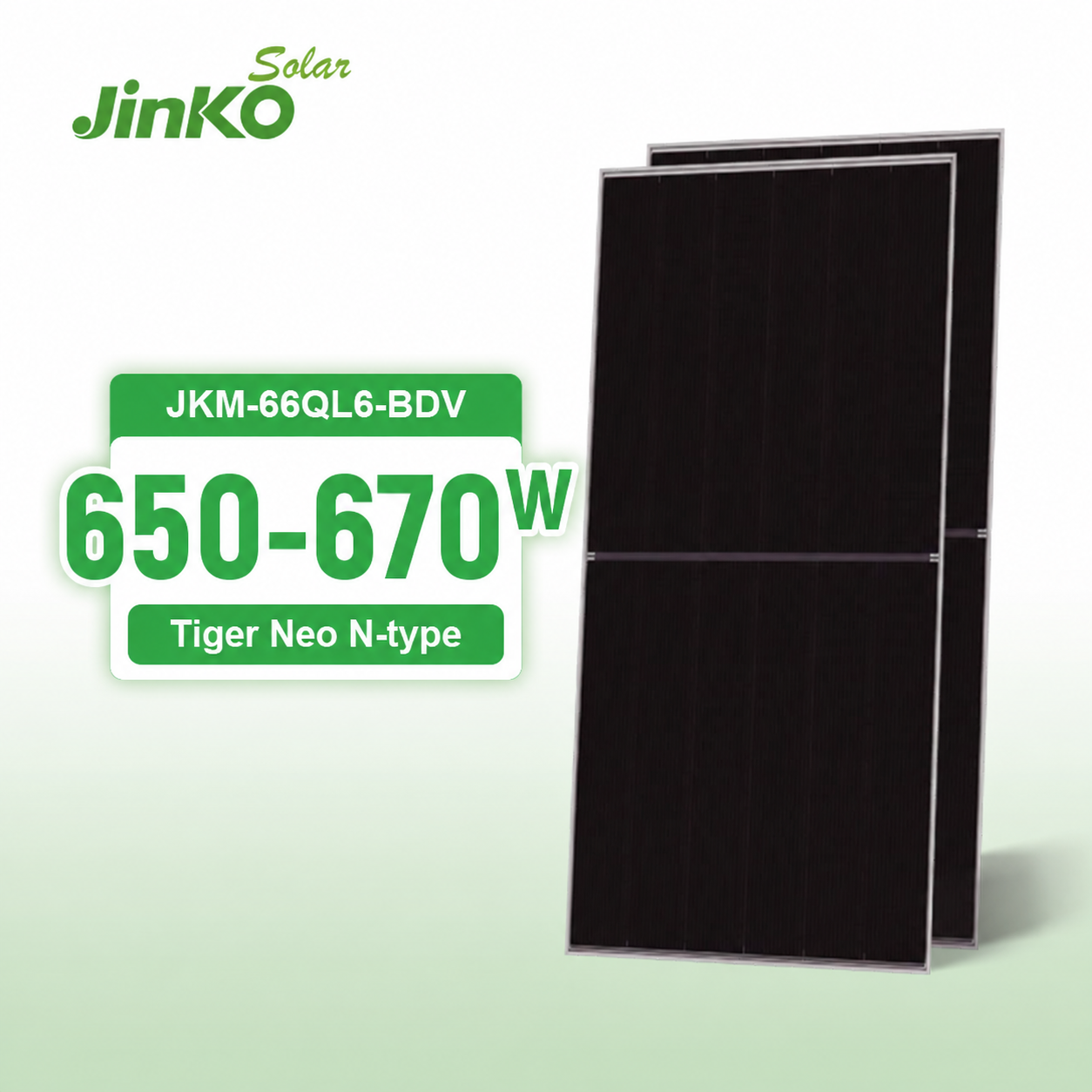
Jinko N Type Solar Panels Bifacial 650W 660W 670W TOPCon Double Glass High Efficiency Solar Module for House
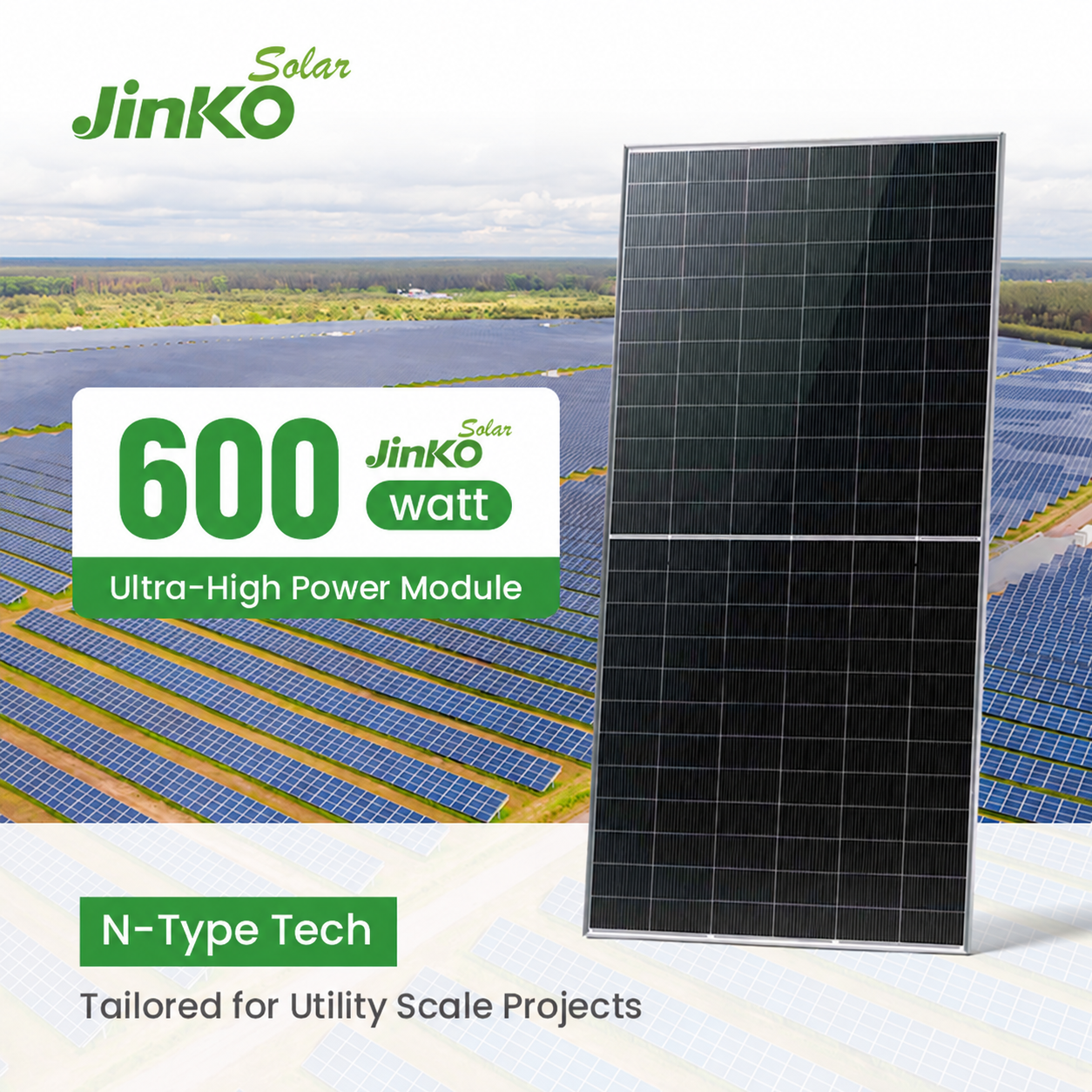
Jinko Solar Panels 580W 590W 600W 600 W N Type Double Glass High Efficiency Solar Panel for Commercial
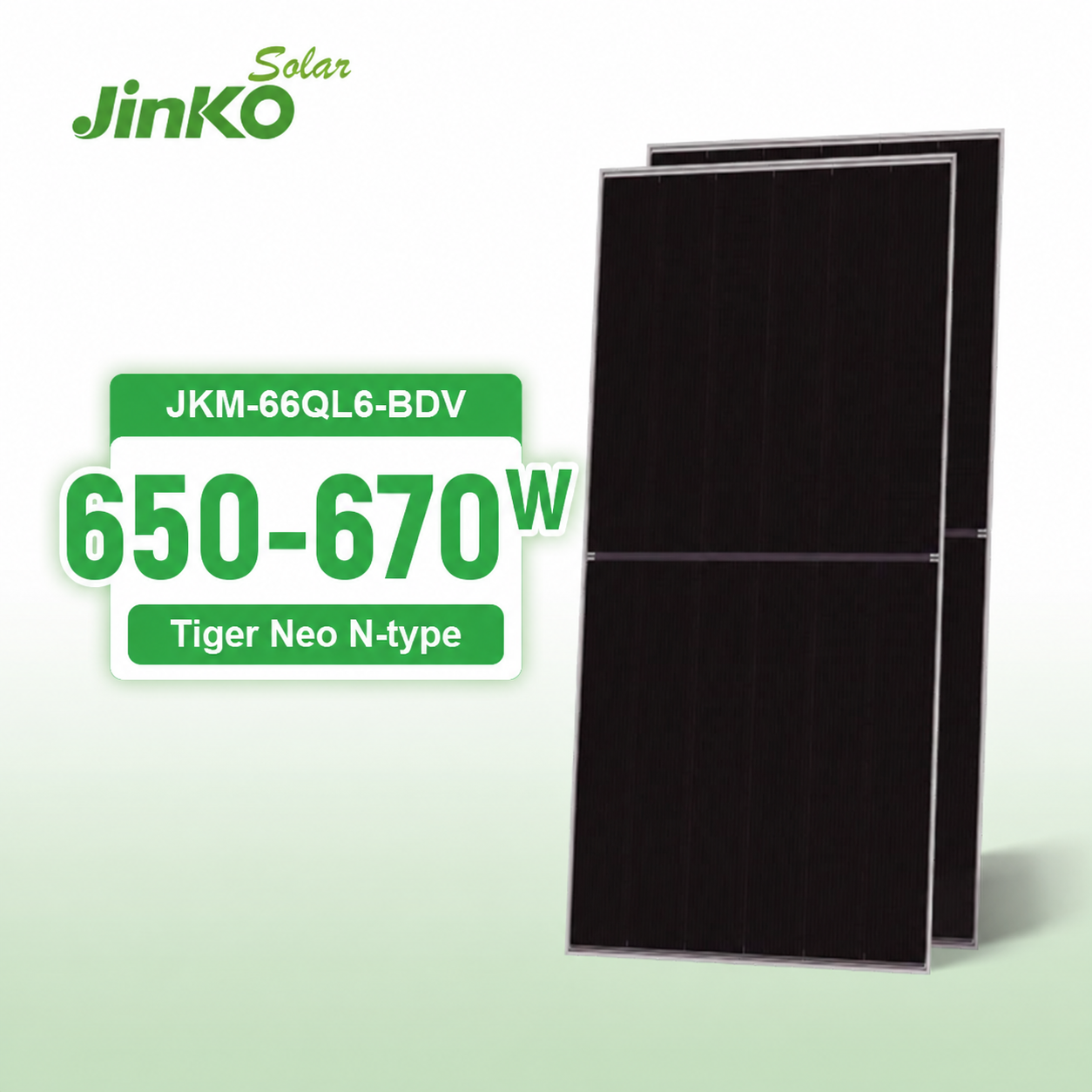
Jinko N Type 650W 660W 670W Wholesale TOPCon Bifacial Photovoltaic Module for Commercial
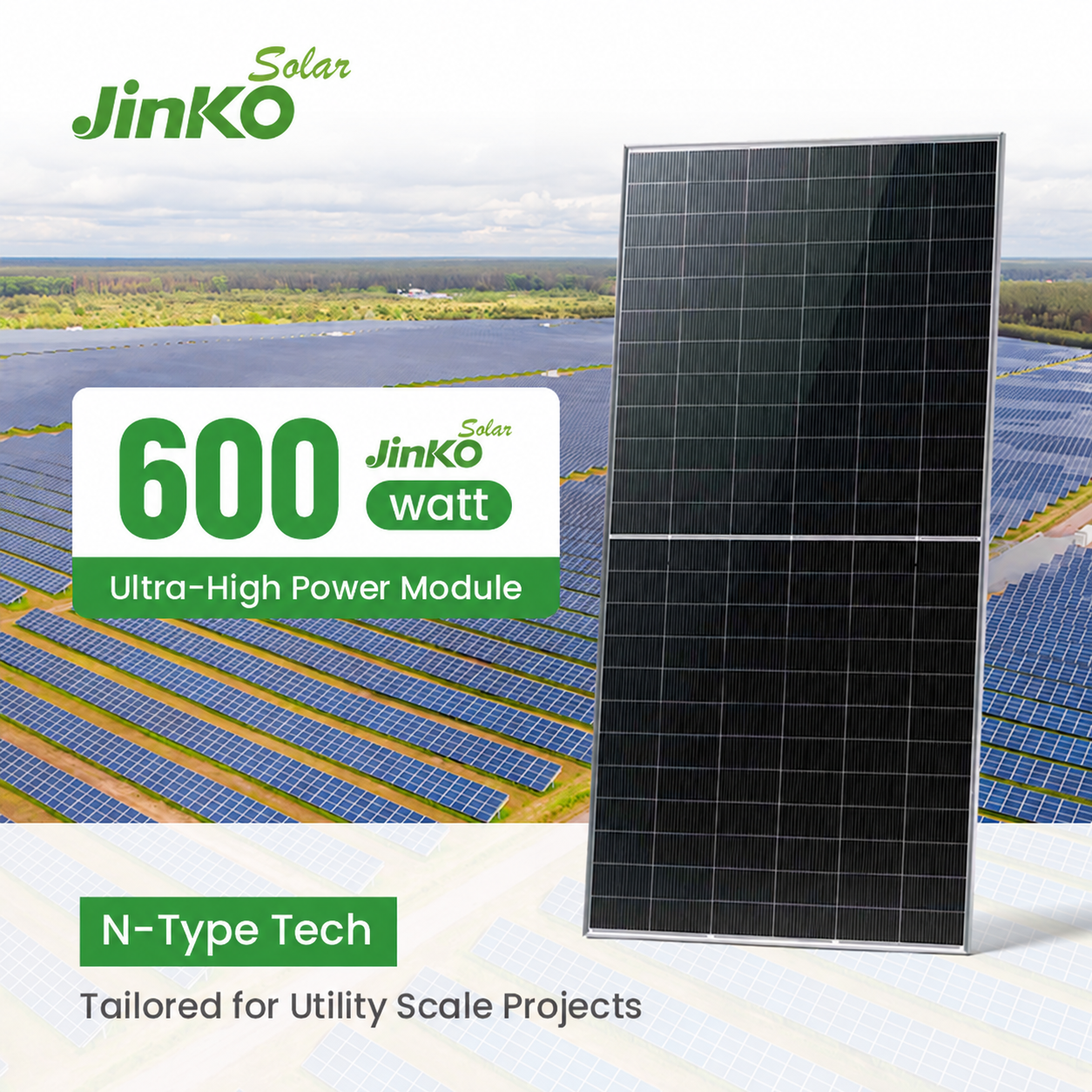
Jinko Bifacial Solar Panels 600W 585W 590W Monocrystalline Dual Glass Solar Module for Home
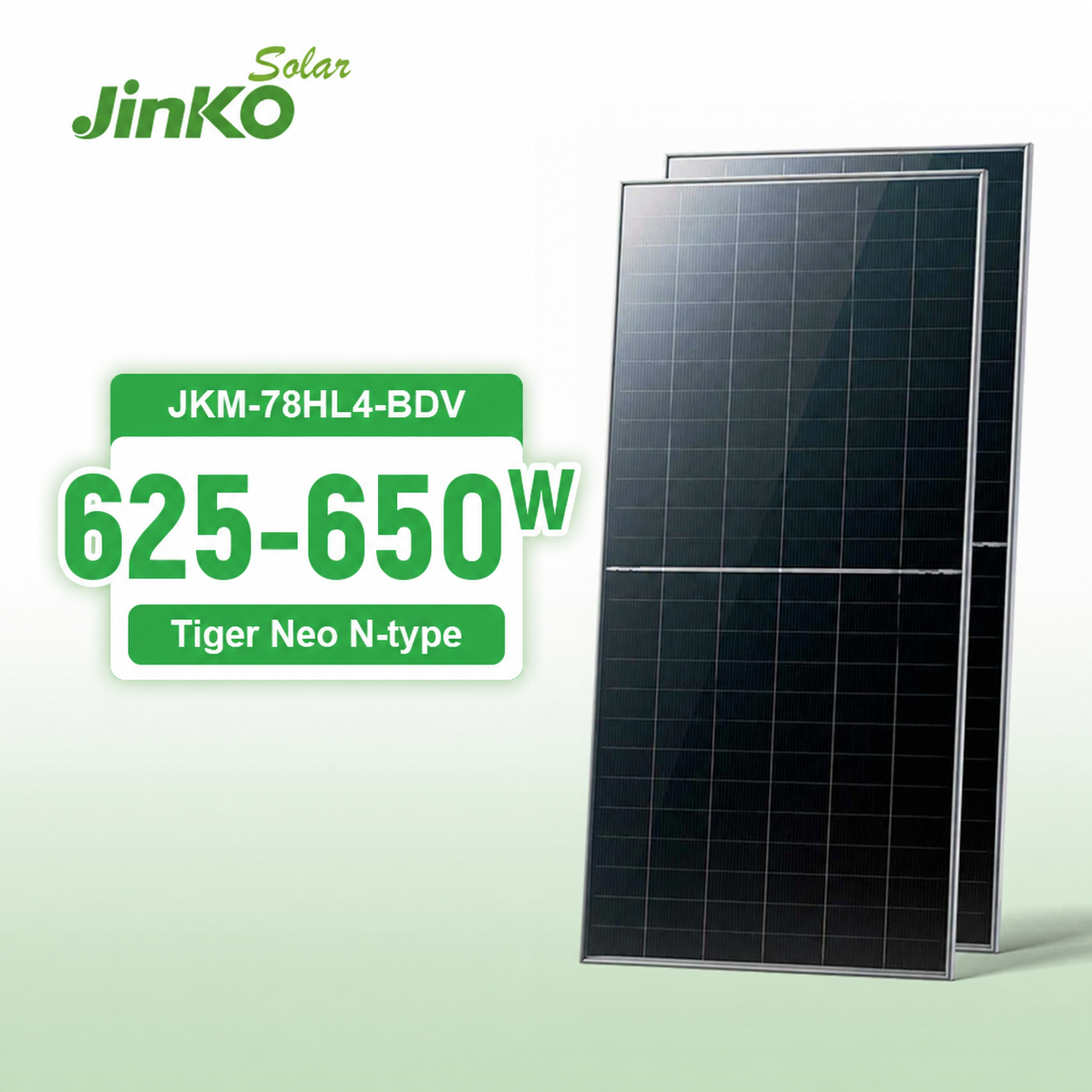
Jinko Monocrystalline Pv Panels 650W 625W 640W High Efficiency Bifacial Dual Glass Solar Module for Home Roof
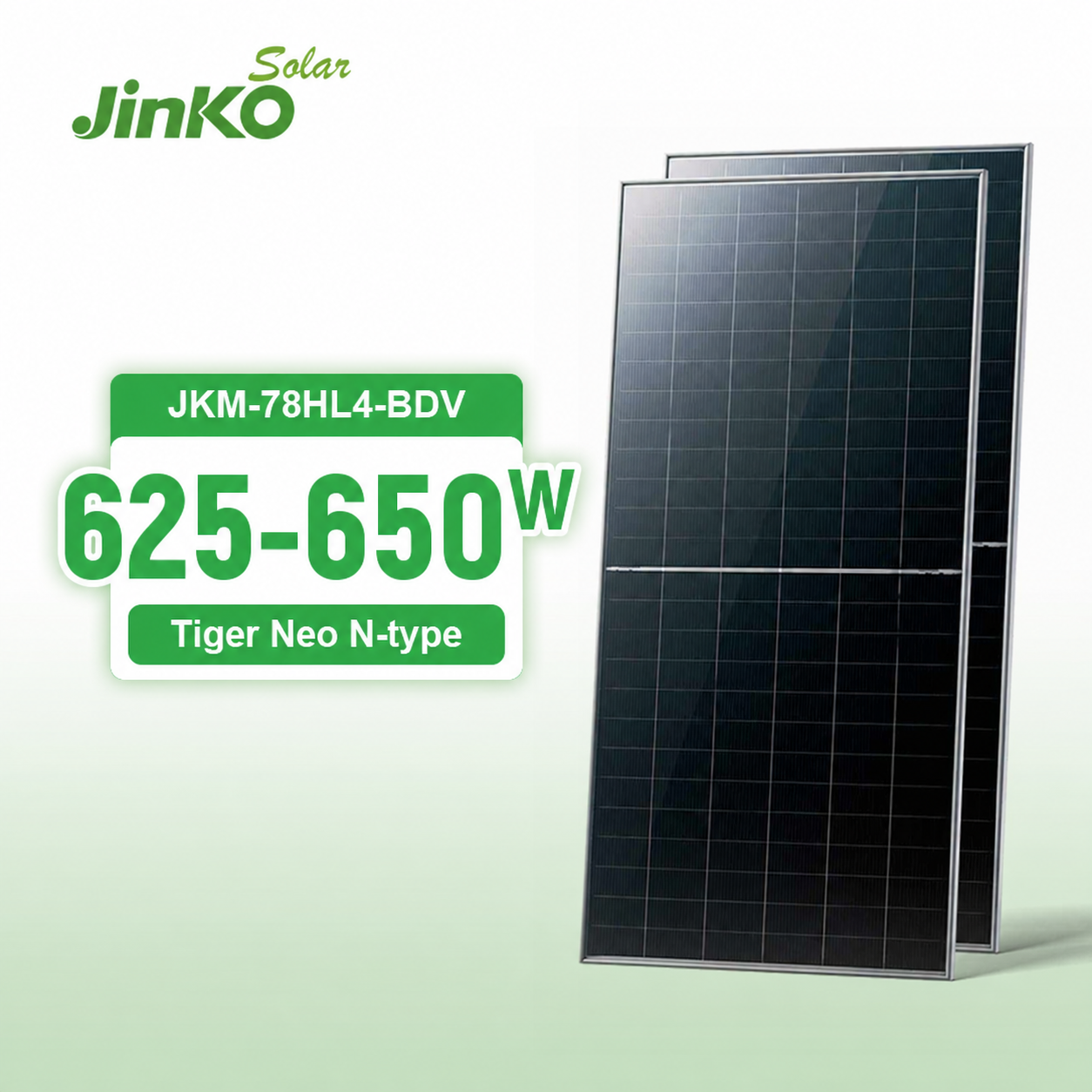
Jinko N Type Pv Module 650W 625W 645W Bifacial Photovoltaic Module Panneau Solaire for Commercial
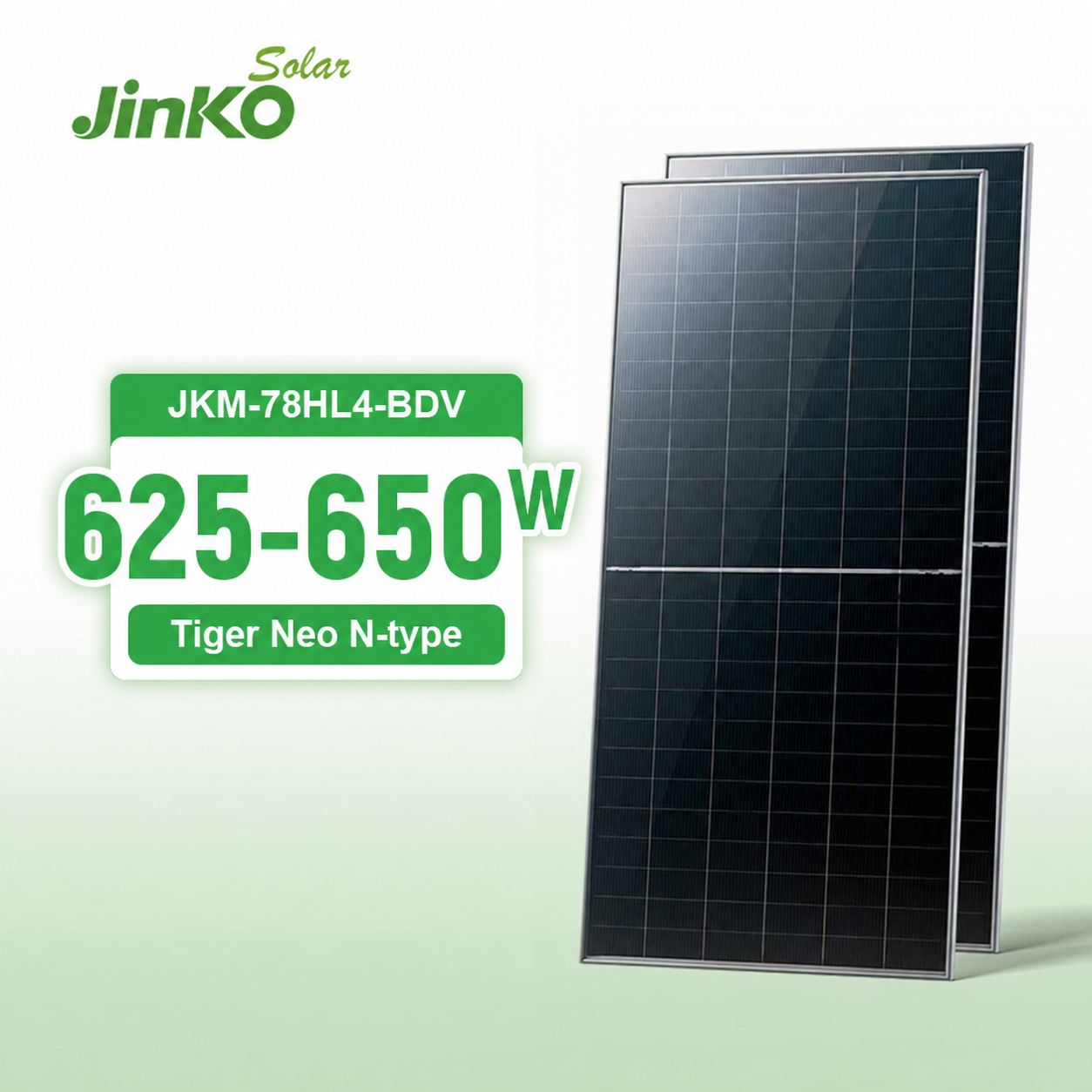
Jinko N Type Bifacial Pv Modules 630W 625W 635W Double Glass High Efficiency Solar Panel Stock
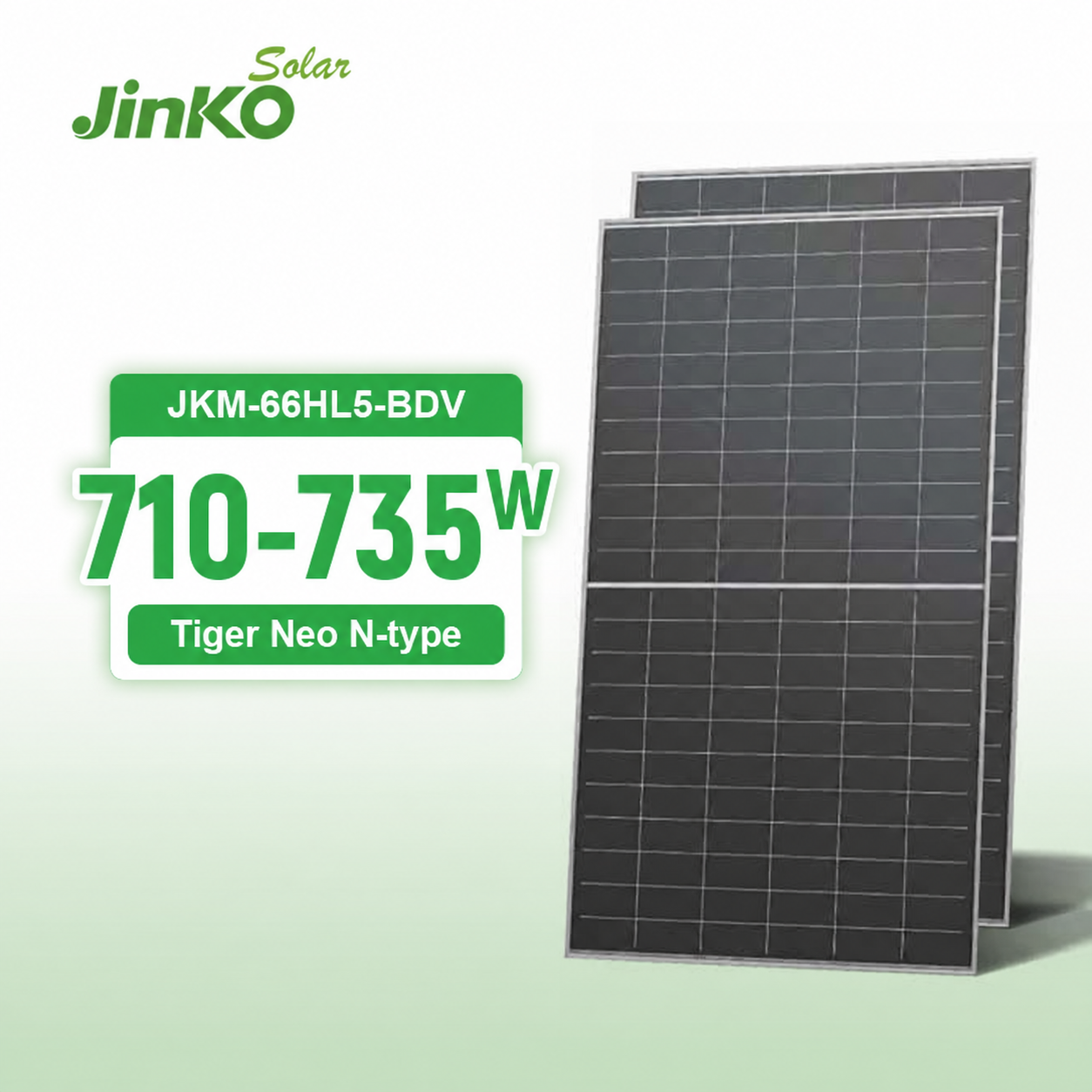
Jinko Wholesale Price 700 W 720W 730W 725W Bifacial TOPCon Double Glass High Efficiency Solar Module for House
High-Altitude Energy Storage Architecture in La Paz & The Altiplano
Deploying energy storage systems at 3,600 to 4,100 meters above sea level introduces severe physical constraints: reduced atmospheric density, diminished convective thermal dissipation, accelerated dielectric breakdown, and drastic diurnal temperature swings.
Dielectric Clearance & Altitude Derating
At La Paz's elevation (barometric pressure ~64 kPa), the dielectric strength of ambient air is reduced by up to 30%. Standard low-voltage residential switchgear and lithium battery contactors can experience premature micro-arcing if creepage and clearance distances do not adhere to IEC 60664-1 Table A.2 altitude multiplication factors (minimum 1.48x clearance multiplier).
Diurnal Thermal Management & Self-Heating
Altiplano nights frequently plunge to sub-zero temperatures (-5°C to 0°C), while daytime solar absorption creates rapid heat spikes. Charging LiFePO4 cells below 0°C induces irreversible lithium plating, causing rapid dendritic growth and cell degradation. Our wall-mounted units incorporate internal PTC thermal foil blankets governed by the BMS to safely warm cells before accepting solar charging currents.
Extreme UV & Pressure Differential Enclosures
Due to thin atmosphere, La Paz registers an extreme UV Index exceeding 12–14 year-round. Our wall-mounted chassis use automotive-grade powder-coated SGCC steel and electrophoretic anti-corrosion treatments. In addition, internal battery modules integrate bidirectional ePTFE pressure relief vents to equilibrate internal chamber pressure against sharp barometric drops during transport across Andean passes.
Technical Comparison: Wall-Mounted LiFePO4 vs. Legacy Altiplano Storage
Detailed electrical, lifecycle, and operational engineering metrics evaluated under Bolivian high-altitude environmental stress.
| Engineering Parameters | VOLT Wall-Mount LiFePO4 (51.2V 100Ah/200Ah) | Deep-Cycle Colloidal GEL Battery | Flooded Lead-Acid (FLA) Industrial |
|---|---|---|---|
| Nominal Usable Energy (90% DoD) | 4.61 kWh / 9.22 kWh per unit | 2.4 kWh (50% DoD limit) | 2.4 kWh (50% DoD limit) |
| Cycle Life @ 25°C (80% EOL) | > 6,000 Cycles (15+ Year Lifespan) | 1,200 - 1,500 Cycles | 800 - 1,200 Cycles |
| Altitude Convection Derating Factor | BMS active thermal control (0% derate < 4,200m) | High thermal runaway risk in closed boxes | Electrolyte boil-off at lower pressure |
| Communication Protocol Interface | Dual CAN 2.0B / RS485 (Deye, Growatt, Victron native) | Analog Voltage Only (No telemetry data) | Analog Voltage Only (Requires hydrometer) |
| Footprint & Installation Method | Compact Vertical Wall-Mount (< 0.08 m² floor footprint) | Bulky floor racking (> 0.45 m²) | Heavy floor containment trays |
| Round-Trip Efficiency (RTE) | > 95.5% efficiency | 82% - 85% efficiency | 75% - 80% efficiency |

Localized Application Scenarios Across La Paz & Bolivia
1. Residential Self-Consumption in Zona Sur: Neighborhoods such as Calacoto, Achumani, Obrajes, and La Florida experience surging electricity tariffs during peak evening hours. Coupling rooftop bifacial Jinko panels with a 51.2V 200Ah wall-mount battery provides complete energy autonomy, allowing homeowners to store daytime generation and bypass grid instability without consuming valuable living space.
2. Telecom & Transmission Hubs in El Alto & Cordillera Real: High-altitude communications repeaters situated along the Altiplano corridor demand uninterrupted DC power. Diesel generators in these elevations suffer severe 25–35% engine derating due to oxygen deprivation. Our low-maintenance lithium wall-mount systems guarantee seamless 24/7 autonomous backup power without refueling headaches.
3. Agro-Industrial & Mining Microgrids: From Yungas coffee processing to high-plateau mineral extraction, off-grid microgrids require hybrid inverters (such as Deye 8kW / 12kW low-voltage series) working in closed-loop synergy with modular, parallel-connected wall-mount batteries to absorb massive inductive motor starting surges.
Zero-Error BMS-to-Inverter Handshake Protocols
A primary failure point in South American solar deployments is the dreaded "BMS Communication Lost" fault. Hangzhou VOLT New Energy eliminates this operational risk through standardized pre-shipment protocol mapping.
Every wall-mounted unit leaves our assembly lines flash-programmed with native CAN and RS485 profiles designed to handshake instantly with Deye low-voltage single and three-phase hybrid inverters, as well as Victron Energy, Growatt, Voltronic, and GoodWe. The internal Smart BMS monitors individual cell voltages, state of charge (SoC), state of health (SoH), temperature matrix, and automatically governs inverter charging current limits (CCL) and discharge current limits (DCL).
Our engineering laboratory verifies battery communication via test rigs before wooden-crate packaging, ensuring your local installers in La Paz can commission the storage array in minutes simply by setting DIP switches.

Bolivia Solar Energy Storage Trends & Import Dynamics
Strategic market shifts driving the rapid transition from legacy lead-acid and diesel generation to modern lithium-based solar storage infrastructure.
The LFP Substitution Wave Over GEL/AGM
Historically, Bolivian solar importers relied on 12V colloidal GEL batteries due to low initial capital costs. However, with severe Altiplano temperature swings and shallow 50% depth-of-discharge constraints, GEL banks fail within 2 to 3 years. Procurement managers across La Paz are shifting en masse to wall-mounted LiFePO4 systems, which offer a 70% lower Levelized Cost of Storage (LCOS) across a 10-year lifecycle.
Transit via Arica/Iquique to La Paz Customs
Bolivia's landlocked geography requires specialized multimodal freight expertise. Lithium batteries are classified as UN3480 Class 9 Dangerous Goods. Hangzhou VOLT New Energy coordinates sea-freight booking to Chilean ports (Puerto de Arica or Iquique) paired with bonded overland trucking to the La Paz Interior Customs (Aduana Nacional de Bolivia) under complete DGM, UN38.3, and maritime MSDS compliance.
Consolidated Container Procurement Advantage
Importers in La Paz face high single-item logistics overhead. By partnering directly with VOLT New Energy, EPC contractors and local solar distributors can consolidate complete turnkey container shipments: pairing high-wattage Jinko TOPCon solar modules, Deye hybrid inverters, and wall-mounted LiFePO4 batteries with matching DC breakers, cables, and racking in one single bill of lading.
Factory Strengths Behind Your Energy Storage Supply Chain
Hangzhou VOLT New Energy Technology Co., Ltd. operates on one foundational tenet: delivering field-ready renewable energy equipment tested for zero-defect integration.
Tier-1 Automotive Grade A Prismatic Cells
We strictly utilize fresh Grade-A lithium iron phosphate prismatic cells with guaranteed internal resistance (< 0.5mΩ) and factory capacity matching, preventing premature cell drift over thousands of cycles.
Pre-Configured Inverter Firmware Handshake
Eliminate on-site CAN/RS485 communication headaches. Every battery pack is pre-flashed and bench-tested with matching inverter communication cables before packaging and container loading.
Complete Export Dangerous Goods Pack
Certified UN 4G packaging, drop-tested wooden crates, UN38.3 test reports, marine MSDS, and Class 9 DG dangerous goods labeling for smooth customs clearance through Chilean transit and Bolivian border checkpoints.
B2B Engineering Sizing & Direct Support
From string voltage calculations under intense Andean cold-soak open-circuit voltage (Voc) spikes to battery bank expansion schematics, our engineering staff provides end-to-end support for your project tenders.
Frequently Asked Questions for Sourcing in La Paz
Clear, direct answers regarding customs, logistics, technical derating, and warranty policies for Bolivian importers and contractors.
How does La Paz's 3,600m–4,100m altitude affect wall-mounted lithium battery performance? +
How are batteries and solar panels shipped from Ningbo/Shanghai to La Paz, Bolivia? +
Can your wall-mounted batteries communicate seamlessly with Deye hybrid inverters? +
What precautions are taken for sub-zero temperatures during Altiplano winter nights? +
Can we combine Jinko solar panels, Deye inverters, and wall-mount batteries in one container? +
How many wall-mounted battery units can be connected in parallel for commercial projects? +
What is the standard warranty and after-sales process for Bolivian buyers? +
Accelerate Your Solar + Storage Projects in La Paz
Whether you are sourcing a single commercial prototype or planning multi-container distributions across Bolivia, our technical engineers will generate a customized bill of materials, protocol compatibility sheet, and DDP/CIF shipping quote within 24 hours.