TOPCon Dual-Glass
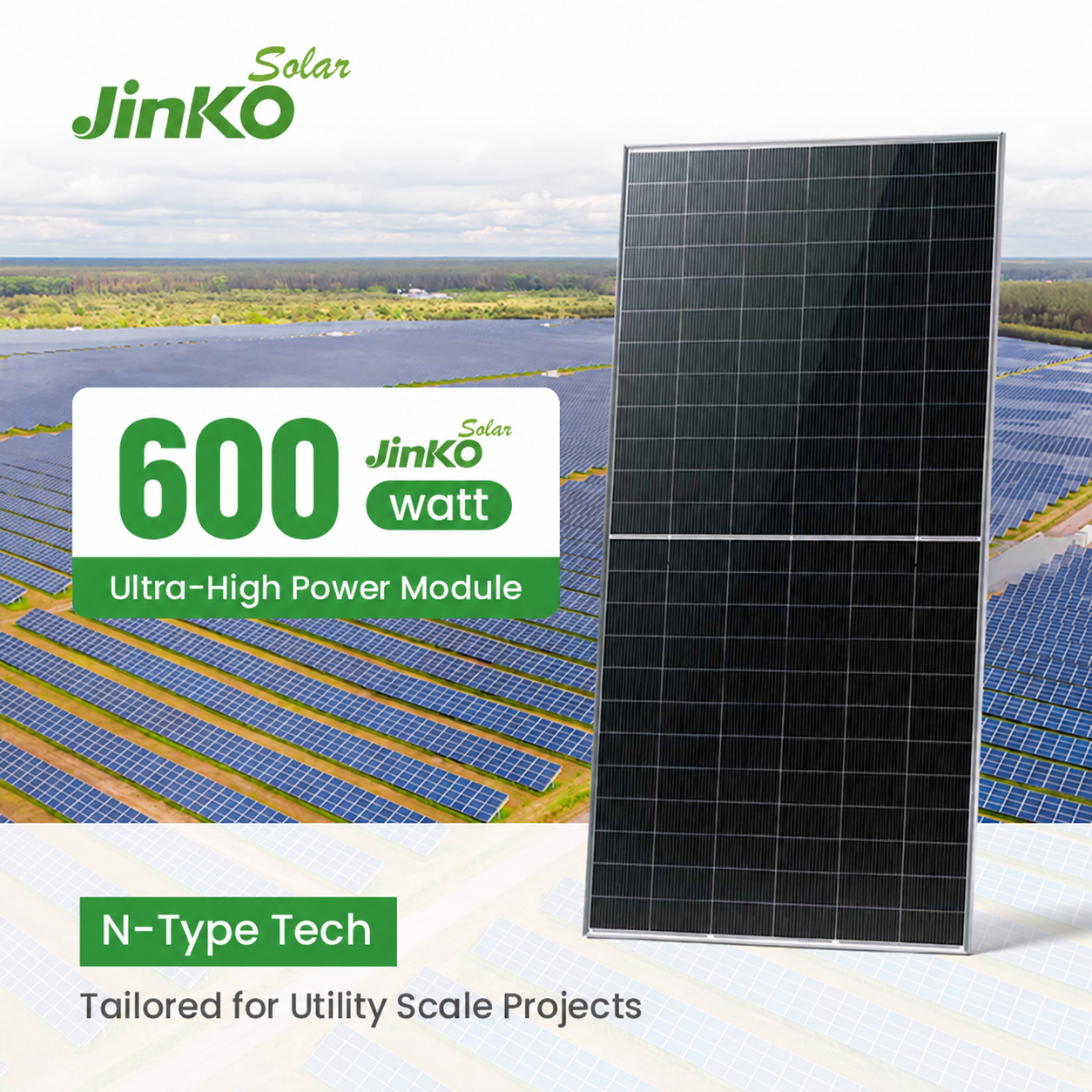
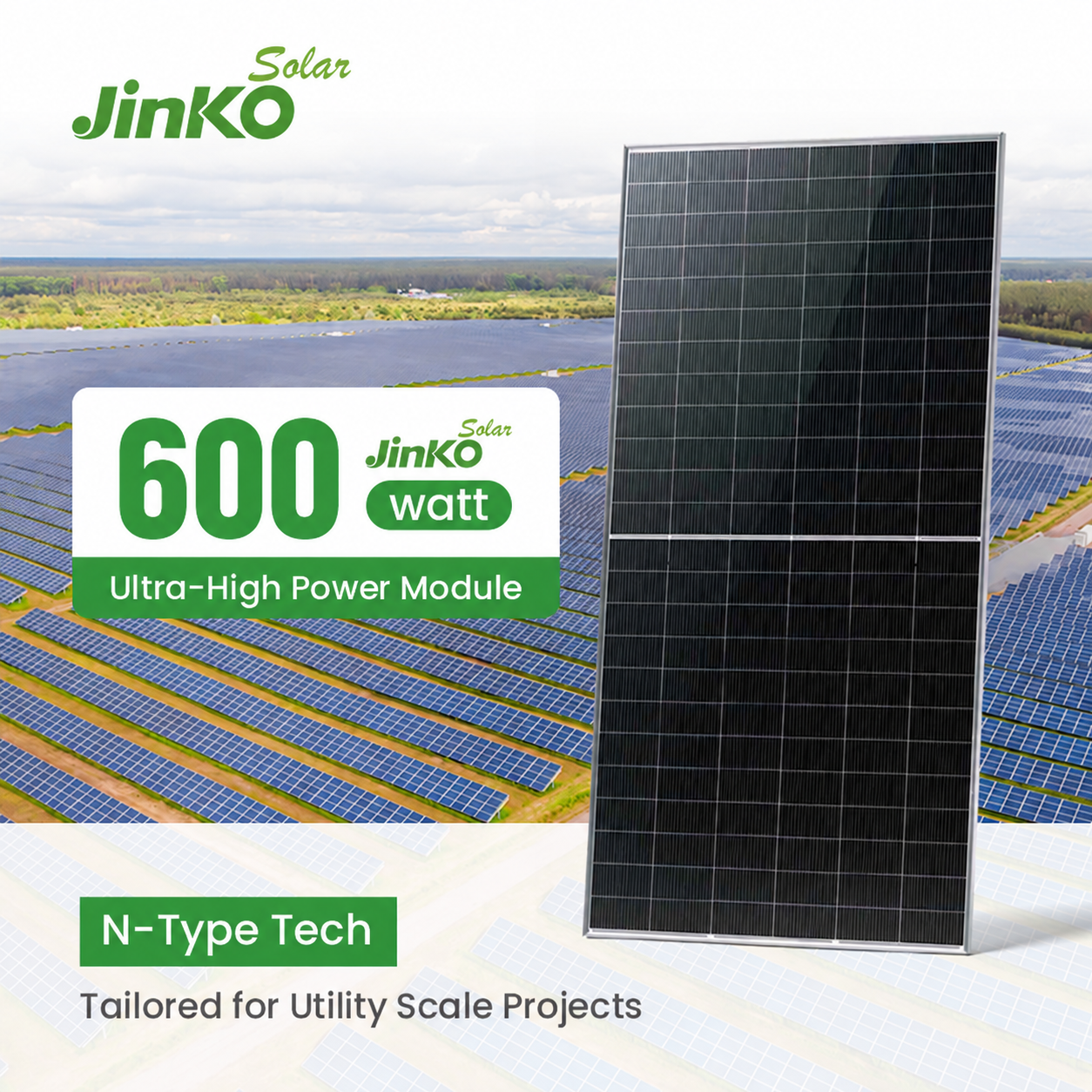
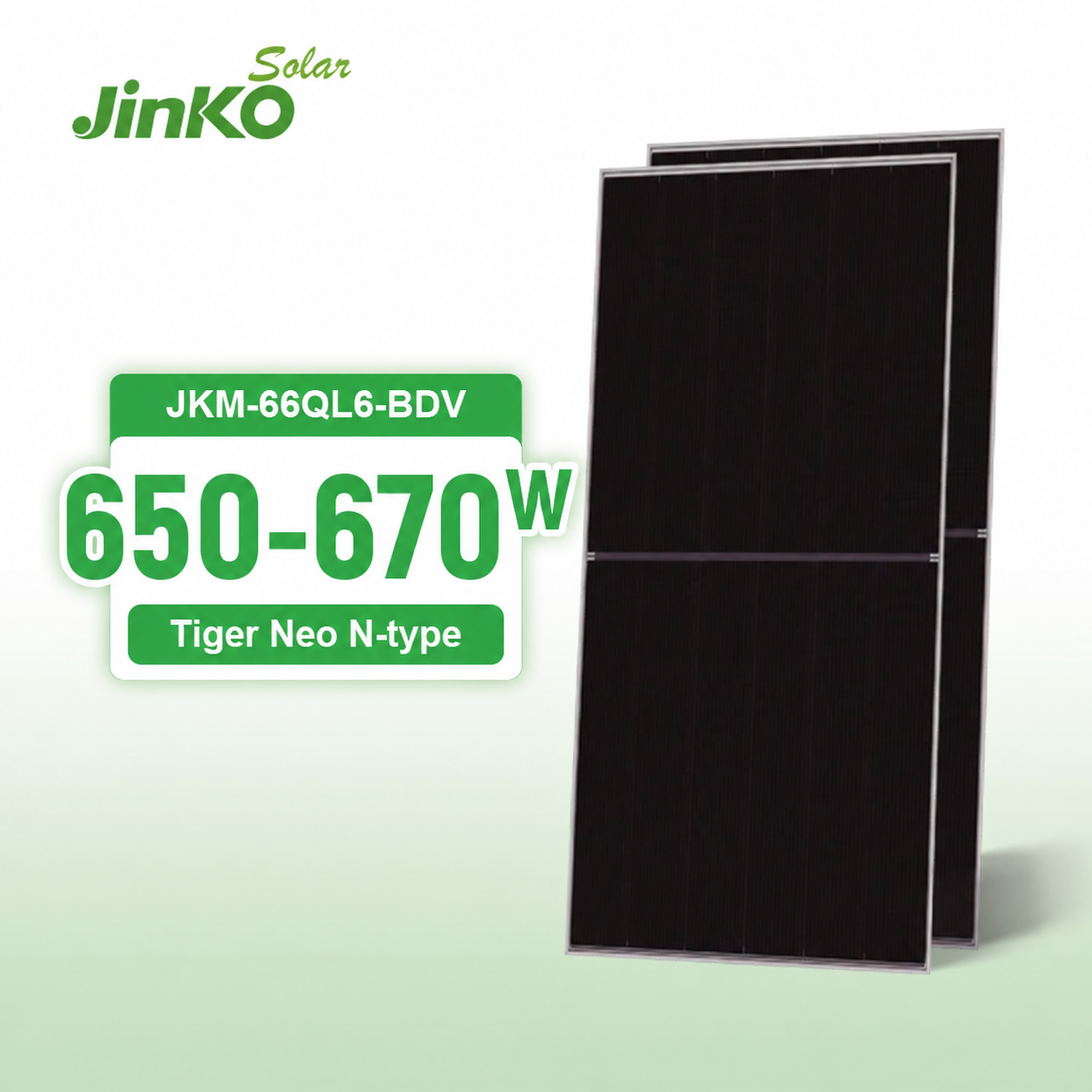
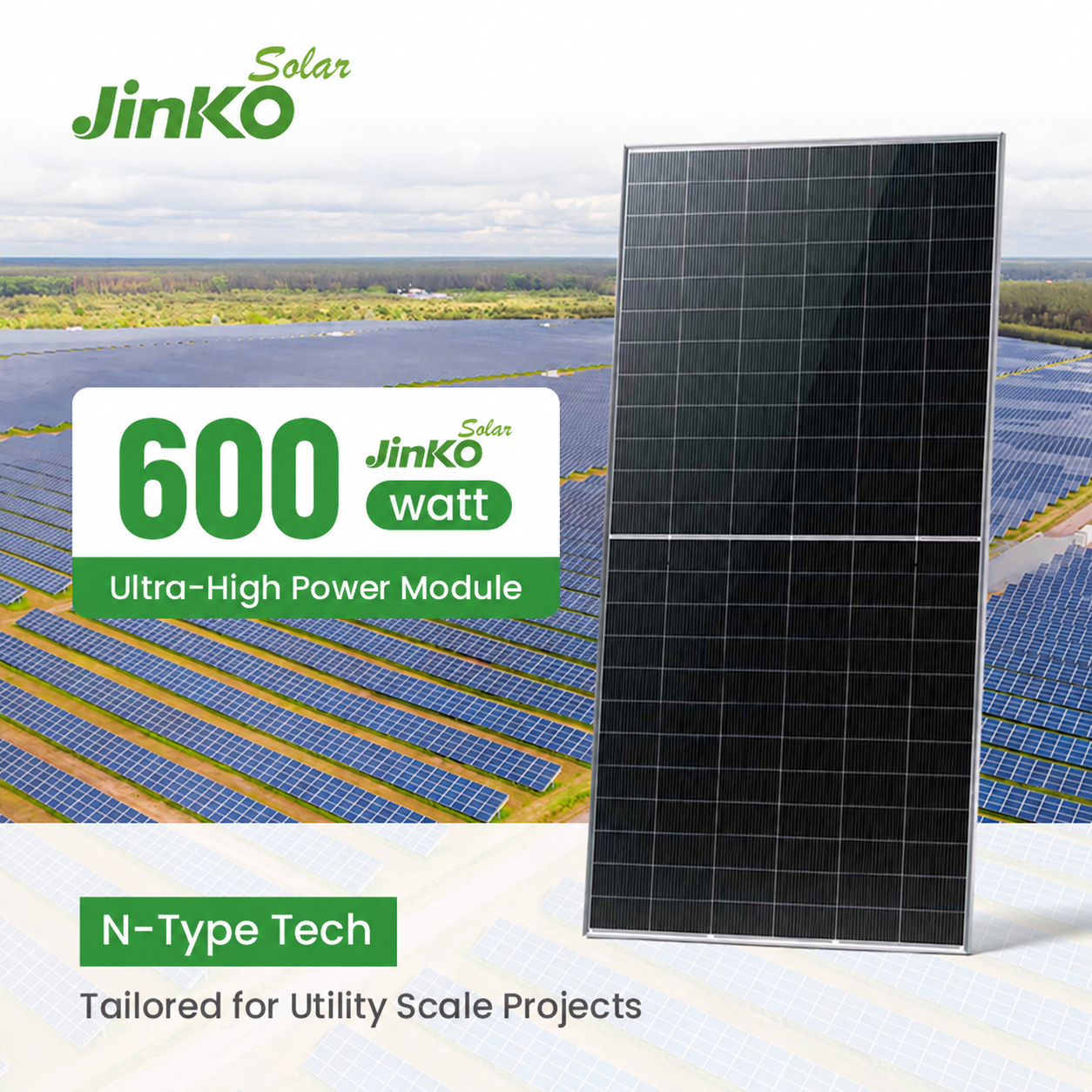
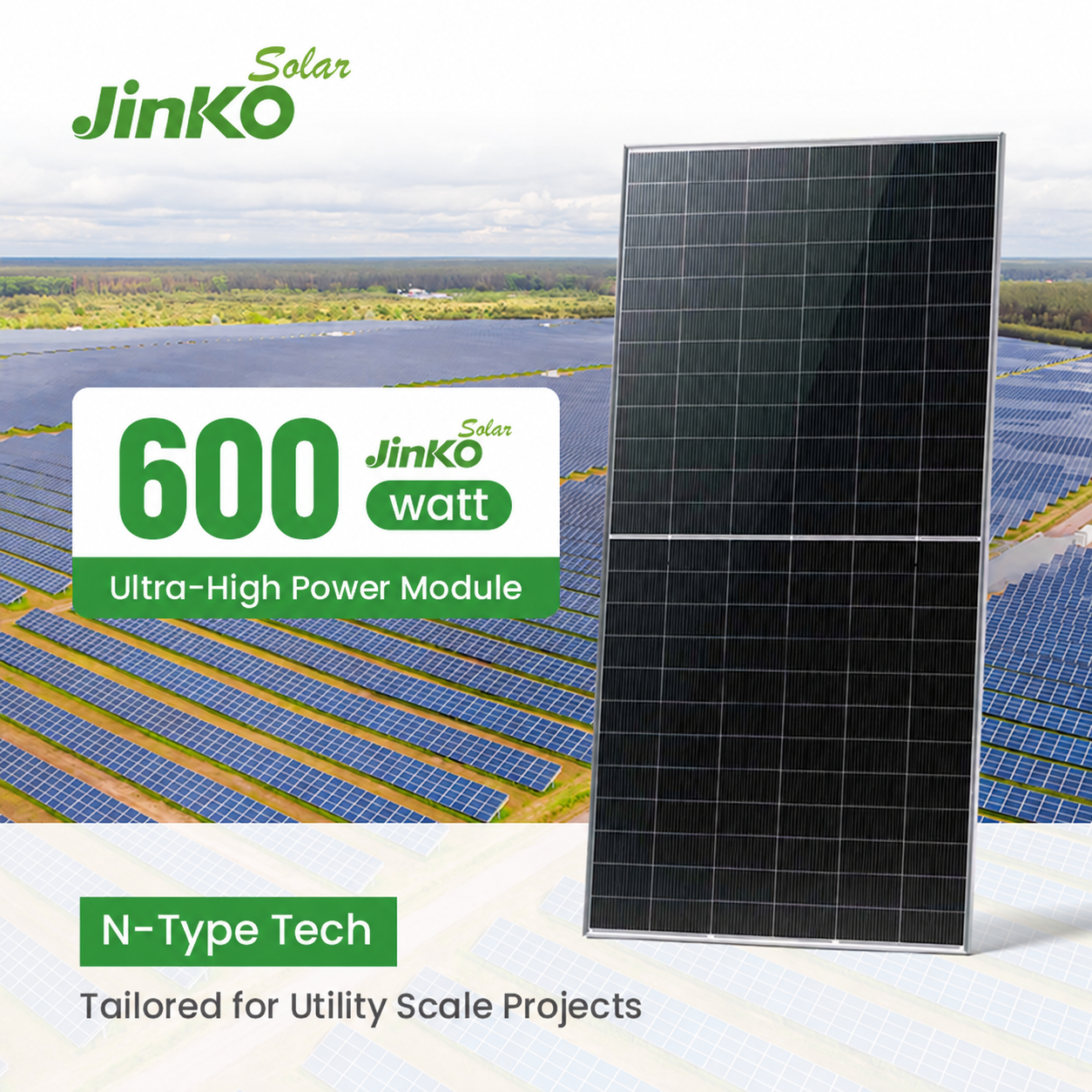
Jinko N Type Bifacial 600W 580W 590W Dual Glass Photovoltaic Solar Panel for Industrial
600W Output
Bifaciality 80%
-0.30%/°C Pmax
Pre-inspected dual-glass and high-yield photovoltaic systems engineered with anti-abrasive encapsulation and low thermal degradation coefficients for peak Middle East irradiance.
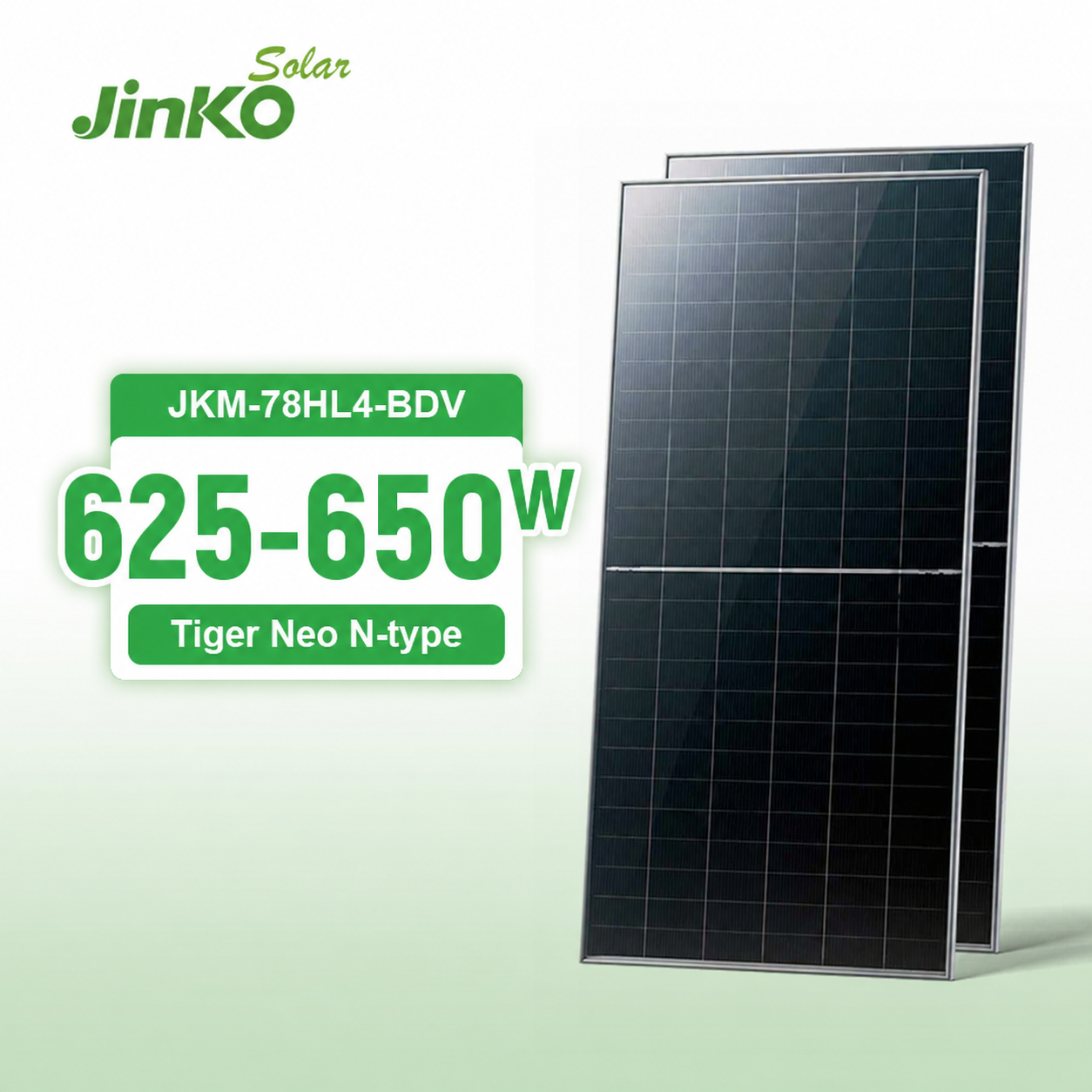
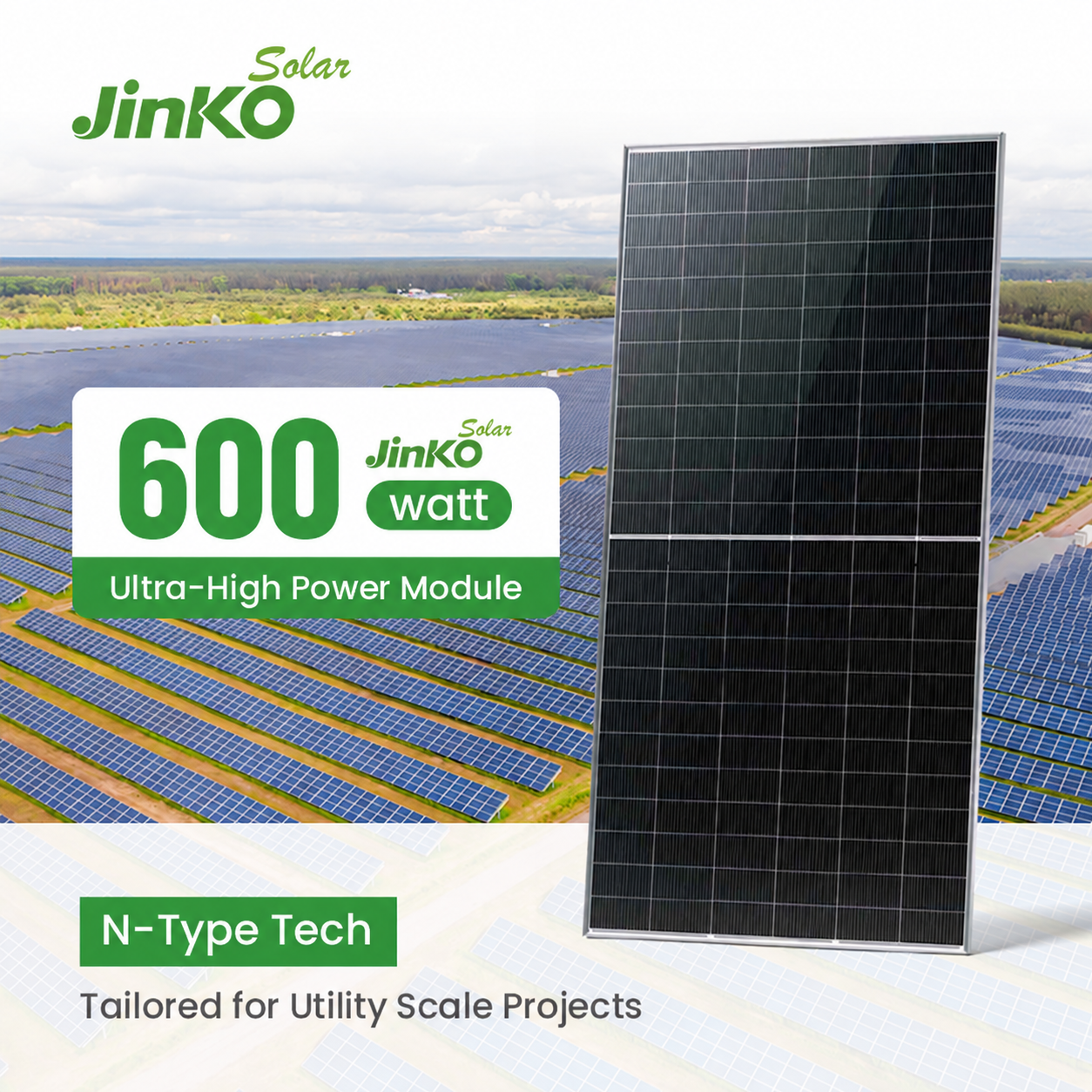
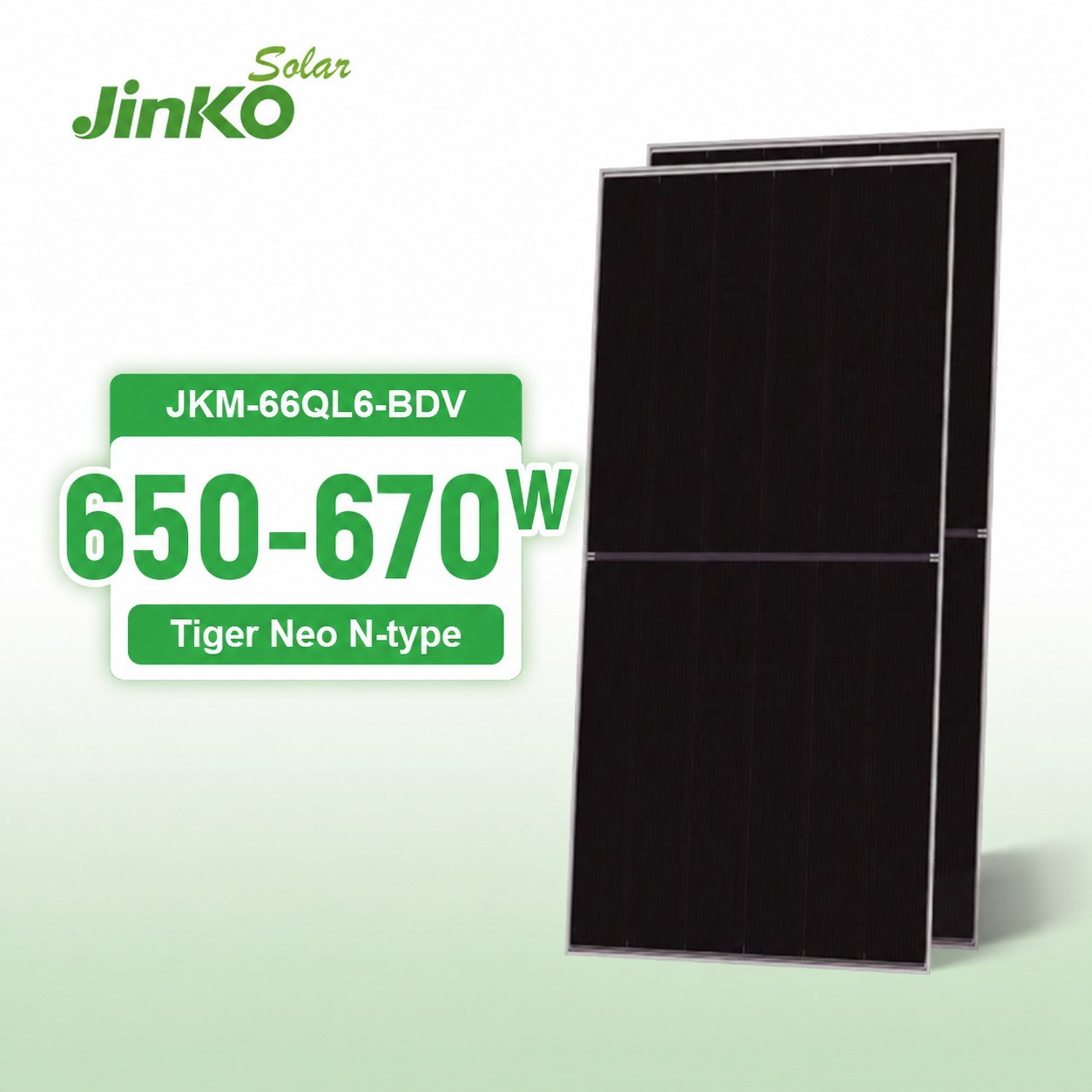
Ambient Thermal Tolerance
Peak Module Conversion
Global Export Hubs
B2B Field Engineering Support
Basra sits at the epicenter of one of the world's highest solar irradiation zones, receiving over 2,200 kWh/m² per annum of Global Horizontal Irradiance (GHI). However, deploying utility arrays, tactical mobile installations, and foldable solar units across the Zubair, Rumaila, and West Qurna basins presents an engineering paradox: extreme heat, airborne particulates, and intense dust deposition drastically penalize substandard equipment.
Conventional P-type PERC panels suffer power degradation at -0.38%/°C. When ambient heat in Basra exceeds 50°C, panel surface temps soar past 75°C, destroying over 19% of rated capacity. Our N-Type TOPCon cells feature an industry-leading thermal coefficient of -0.30%/°C, protecting operational yields during peak summer dispatch.
The light, silica-rich soils of the Southern Mesopotamian plains provide natural surface albedo reflection values between 20% and 32%. Bifacial dual-glass architecture harnesses reflected rear-side light, adding 15% to 25% incremental kWh yield per installed watt without expanding the physical balance-of-system (BOS) footprint.
Summer "Shamal" sandstorms carry dense mineral grit that scours solar surfaces, etching micro-scratches that trap dust and permanently degrade glass transmittance. Our factory utilizes 2.0mm tempered dual-glass with anti-reflective ceramic coating resistant to blowing desert grit tested under DIN EN 60068-2-68 sand abrasion protocols.
| Module Architecture | Cell Chemistry | Temp. Coeff. (Pmax) | Degradation Year 1 | Annual Degradation (Yr 2-30) | Sand Abrasion Resistance |
|---|---|---|---|---|---|
| VOLT / Jinko N-Type TOPCon | N-Type Monocrystalline | -0.30% / °C | < 1.0% | 0.40% | Class A Dual-Glass (IEC 60068-2-68) |
| Standard Monofacial PERC | P-Type Monocrystalline | -0.38% / °C | < 2.0% | 0.55% | Polymer Backsheet (Susceptible to Sanding) |
| Standard Polycrystalline | Poly Multi-Si | -0.42% / °C | < 3.0% | 0.70% | Single Glass / Prone to Micro-Cracking |
| Commercial ETFE Foldable Pack | N-Type Shingled Cells | -0.32% / °C | < 1.5% | 0.50% | UV-Stabilized Anti-Scratch Polymer |
From strategic upstream oil operations to remote infrastructure along the Shatt Al-Arab waterway, reliable modular solar generation replaces erratic diesel logistics.

Concession areas across Rumaila, Zubair, and West Qurna require continuous off-grid electricity for remote RTU telemetry, cathodic protection, and valve actuators. Deployable solar banks eliminate constant diesel replenishment risks in remote concession perimeters.
Upstream Energy Sector
Tactical military camps, border monitoring towers near Safwan, and geological survey teams rely on ruggedized foldable solar modules paired with LiFePO4 batteries to set up zero-emission command outposts within 30 minutes of convoy arrival.
Rapid-Deploy Defense & Security
Farmers along the Shatt Al-Arab face severe freshwater salinity and unstable municipal grid feeders. High-wattage N-Type solar panels drive three-phase deep-well submersible pumps and brackish water reverse-osmosis (BWRO) water filtration without expensive generator fuel burn.
Agri-Water InfrastructureAnalyzing grid instability, fuel-oil displacement mandates, and the surging demand for modular, deployable energy generation.
Basra suffers from an acute deficit in dispatchable municipal electricity. While summer demand frequently tops 4,500 MW due to heavy residential and industrial chilling requirements, grid delivery often slumps below 2,500 MW, triggering blackouts lasting 12 to 18 hours daily. Private diesel generator operators (the "Ampeer" market) charge exorbitant tariffs—often exceeding $0.35 to $0.45 per kWh when considering fuel procurement, oil filtration maintenance, and downtime losses.
In contrast, modular solar energy integrated with hybrid inverters and lithium storage yields a Levelized Cost of Electricity (LCOE) between $0.048 and $0.065 per kWh over a 25-year lifecycle. This economic imperative is driving commercial distribution centers in Khor Al Zubair and private residential compounds across Al-Bradhiah and Al-Jaza'ir to invest in pre-matched photovoltaic and battery storage microgrids.
International Oil Companies (IOCs) operating in Iraq under Technical Service Contracts (TSCs)—including BP, PetroChina, Eni, and TotalEnergies—face stringent Scope 1 and Scope 2 emission reduction mandates. Flared-gas mitigation and solarization of auxiliary loads at degassing stations have shifted procurement toward high-efficiency dual-glass TOPCon solar panels.
Engineering procurement managers are standardizing solar kits for remote wellhead sensors, mobile operations trailers, perimeter lighting arrays, and cathodic protection skids, creating a robust, year-round demand for containerized PV consignments cleared directly through Umm Qasr Port.
We eliminate system mismatches, field communication errors, and shipping damages before products leave China.
Every hybrid inverter and LiFePO4 battery combination undergoes full CAN / RS485 closed-loop communication handshake testing prior to container stuffing.
Modules pass electroluminescence (EL) inspection before and after lamination to guarantee microcrack-free cells capable of enduring desert shipping shock.
Full-container (FCL) consignments with DG Class 9 dangerous goods compliance, UN38.3, MSDS, and legalized commercial invoices ready for Iraqi customs clearance.
Our engineers provide complete system schematics, string voltage sizing calculations for Basra's temperature extremes, and protection breaker ratings.
Straightforward answers addressing customs logistics, extreme climate durability, and technical specifications for Southern Iraq buyers.
Standard solar panels are rated at Standard Test Conditions (STC: 25°C cell temp). In Basra summer conditions, cell temperatures routinely exceed 70°C to 75°C. For older P-type panels with a -0.38%/°C temperature coefficient, this creates an operational power deficit of 19% or higher. We supply N-Type TOPCon panels with a significantly superior coefficient of -0.30%/°C, resulting in roughly 4% to 5% higher direct output in summer. Furthermore, we design array rack mounting with minimum 25cm rear airflow clearance to promote natural convective heat dissipation.
Yes. VOLT New Energy routinely consolidates mixed project loads in 20GP and 40HQ containers. Because lithium iron phosphate (LiFePO4) batteries are designated as UN3480 Class 9 Dangerous Goods, we supply the required UN38.3 test reports, certified MSDS, and maritime DG packaging certificates so your shipment clears maritime carriers (such as Maersk, MSC, or CMA CGM) and discharges smoothly at Umm Qasr South/North Port terminals without customs detention.
Foldable panels utilize lightweight ETFE or fiberglass polymer backing with integrated kickstands and carry handles, prioritizing mobility, rapid deployment, and stowing during severe sandstorms. They are ideal for tactical missions, emergency maintenance vehicles, and small communication stations. Rigid dual-glass TOPCon panels are heavier (approx. 32-34 kg) and designed for permanent or semi-permanent installations on ground ballasts or steel carports, delivering 30-year operational lifespans and superior resistance to wind-borne sand abrasion.
Sand accumulation (soiling) can reduce power output by 1% to 2% daily in Southern Iraq if left uncleaned. Our panels utilize high-transmittance, hydrophobic anti-soiling coated dual-glass that minimizes dust adhesion. When paired with an installation tilt angle of at least 20° to 25°, early morning dew and periodic robotic or manual dry brush cleanings easily remove deposits without scouring the glass surface.
Every commercial consignment is provided with a legalized Commercial Invoice, Certificate of Origin (Chamber of Commerce stamped), Packing List, Bill of Lading, and third-party Certificate of Conformity (COC/VOC) through accredited testing agencies (such as SGS, Bureau Veritas, or TÜV) as required by Iraqi import authorities. Full factory flash test data (IV curve reports per module serial number) is included with each container.
Whether you require full container loads of Tier-1 N-Type TOPCon panels or customized deployable portable kits for remote oilfield sites, our engineering team will provide comprehensive sizing, string layouts, and delivered pricing directly to Umm Qasr Port.