Featured Photovoltaic & Storage Configurations for West Bank EPCs
Tested for seamless interoperability with pure GEL deep cycle banks, off-grid charge controllers, and hybrid storage arrays across commercial, residential, and agricultural operations.
Why Deep Cycle GEL Batteries Dominate Ramallah's Energy Infrastructure
The energy economy across the Ramallah and Al-Bireh governorate operates under conditions drastically distinct from typical European or North American grid-tied environments. With substantial electricity imported across high-voltage delivery lines, municipal transmission networks frequently contend with quota limitations, peak-hour rationing, and unexpected voltage dropouts. For engineering, procurement, and construction (EPC) contractors, government facilities, commercial complexes, and telecommunications towers, an energy storage system (ESS) cannot simply be an auxiliary luxury—it is an indispensable operational foundation.
While Lithium Iron Phosphate (LiFePO4) systems continue their adoption, deep cycle colloidal GEL batteries remain the premier, resilient choice throughout Ramallah, Beitunia, and the outlying rural terrain. Ramallah sits approximately 880 meters above sea level, presenting a Mediterranean climate marked by dry, high-temperature summers and damp, cool winters. Colloidal GEL batteries employ a pyrogenic (fumed) silica electrolyte suspension. This thixotropic structure immobilizes the sulfuric acid, eradicating acid stratification and plate corrosion even when cabinets endure sustained mid-day temperatures surpassing 38°C (100°F).
| Performance Dimension | Colloidal GEL Deep Cycle (VOLT) | Standard Flooded / AGM | Low-Voltage LiFePO4 |
|---|---|---|---|
| Thermal Stability Window | -20°C to 55°C (Ideal for West Bank heat spikes) | 0°C to 35°C (High thermal runaway hazard) | 0°C to 45°C (Requires active BMS thermal cut-off) |
| Partial State of Charge (PSoC) | Exceptional (Resists sulfation without equalizing) | Poor (Rapid degradation and plate hardening) | Good (Requires frequent BMS calibration) |
| Import Compliance & Handling | Non-Dangerous Goods (Standard clearance logistics) | Hazardous liquid acid restrictions apply | Strict Class 9 Dangerous Goods documentation |
| BMS Electronic Failure Risk | Zero (Pure electrochemical self-regulation) | Zero | Moderate (Sensitive to severe grid voltage surges) |
A further critical variable shaping procurement strategy in Ramallah is logistical vulnerability. Shipping high-voltage or low-voltage lithium batteries across sensitive ports of entry entails intricate Class 9 Dangerous Goods compliance, extended customs validation, and specialized container handling fees. By contrast, sealed Valve-Regulated Lead-Acid (VRLA) Colloidal GEL batteries ship as non-hazardous dry/gel cargo. This ensures uninterrupted border transit, zero specialized storage fees at dry terminals, and immediate availability for time-sensitive infrastructure retrofits.
Engineered Application Scenarios Across the West Bank
Tailored configurations delivering resilient power output across unstable utility lines and remote off-grid locations.
Commercial & Financial Backup
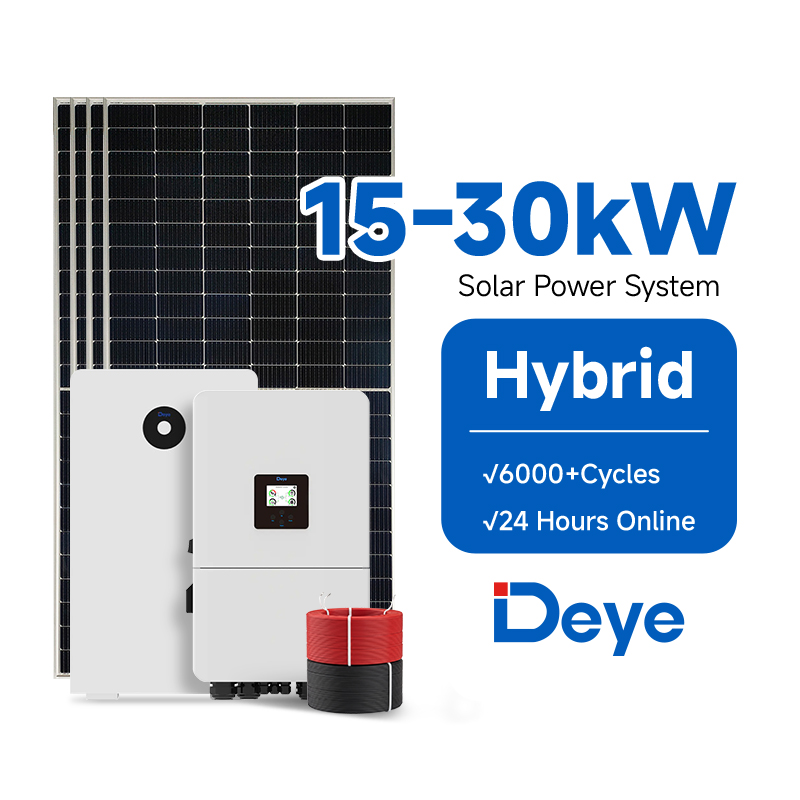
Ramallah serves as the administrative and banking nucleus of the Palestinian territory. Our 12V 150Ah, 200Ah, and 250Ah colloidal GEL banks—configured into 48V strings alongside Deye low-voltage hybrid inverters—deliver sub-10ms transfer speeds. This guarantees zero downtime for core servers, financial point-of-sale systems, and medical diagnostics during utility blackouts.
Agricultural Irrigation & Olive Farming
Throughout the valleys and terraced hills surrounding Ramallah, agricultural cooperatives rely on off-grid solar-powered borehole water pumping. Unlike flooded batteries that require frequent distilled water replenishment, our sealed, maintenance-free GEL technology withstands unconditioned pump-house temperatures while maintaining high cyclic throughput.
Telecommunications & Remote Towers
Cellular repeater antennas on remote hilltop sites frequently face unstable power distribution. VOLT deep-cycle GEL storage modules excel under Partial State of Charge (PSoC) conditions, allowing base transceiver stations to run flawlessly across intermittent grid-charging cycles without premature capacity decay.
Emerging Trends Shaping Storage Adoption in Ramallah (2025–2030)
The photovoltaic landscape across the West Bank is accelerating from basic emergency backup units toward optimized, hybridized microgrids. System designers are confronting higher load densities alongside shifting municipal interconnection regulations:
Hybridization of Battery Banks
Installers are increasingly configuring paired systems: combining the instantaneous surge handling of high-power inverters with large capacity colloidal GEL banks that absorb daytime PV over-generation reliably without BMS communication lockouts.
Higher TOPCon PV Pairing
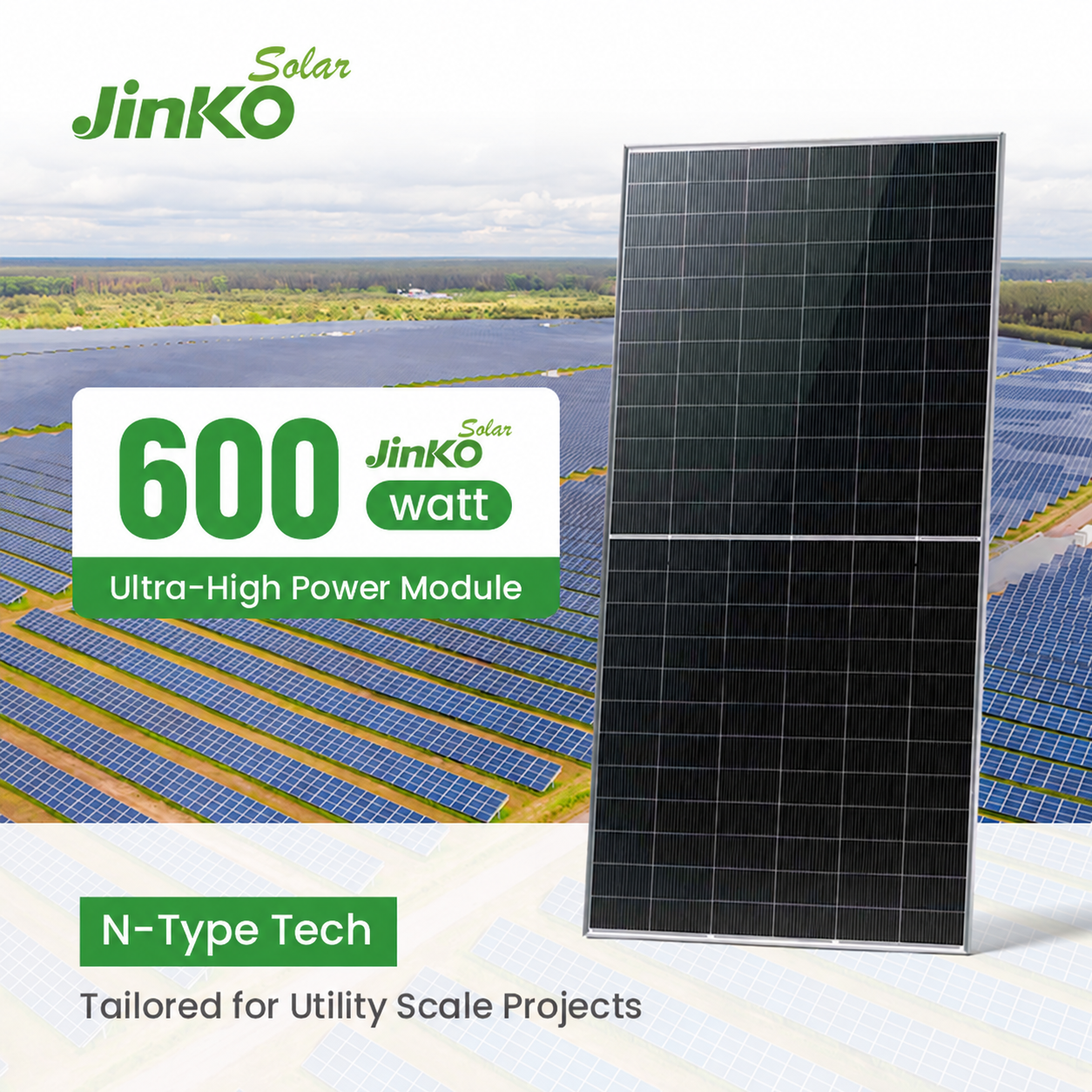
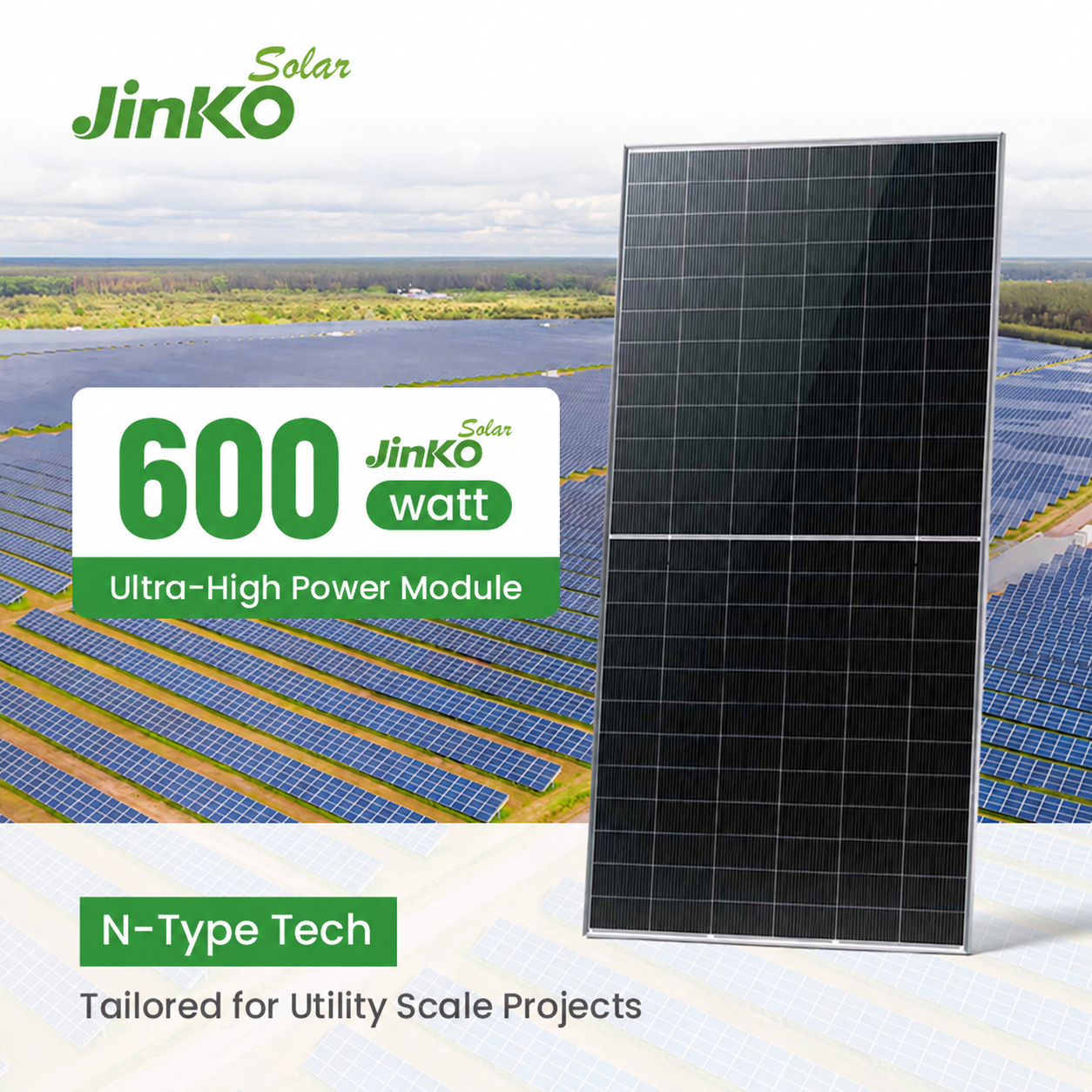
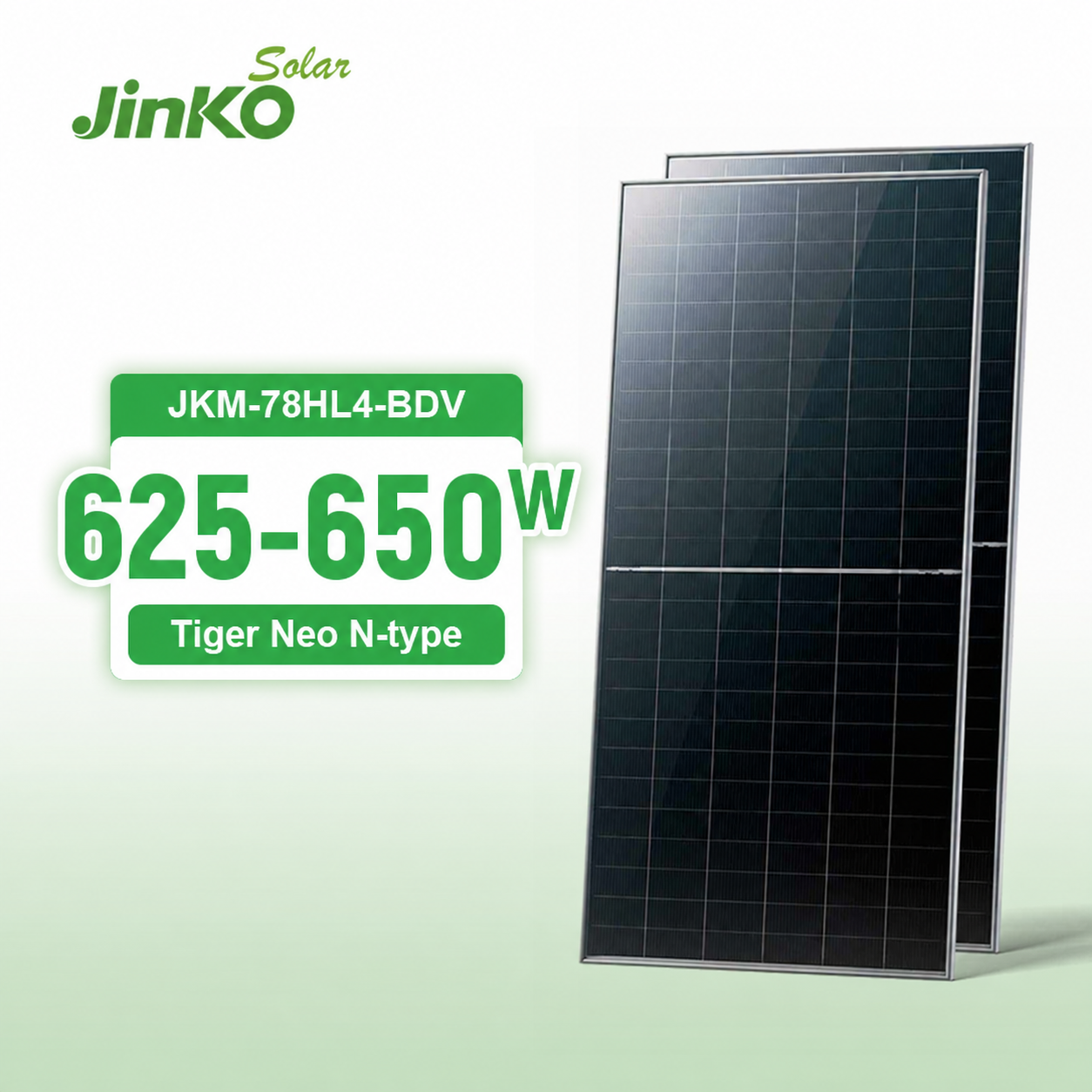
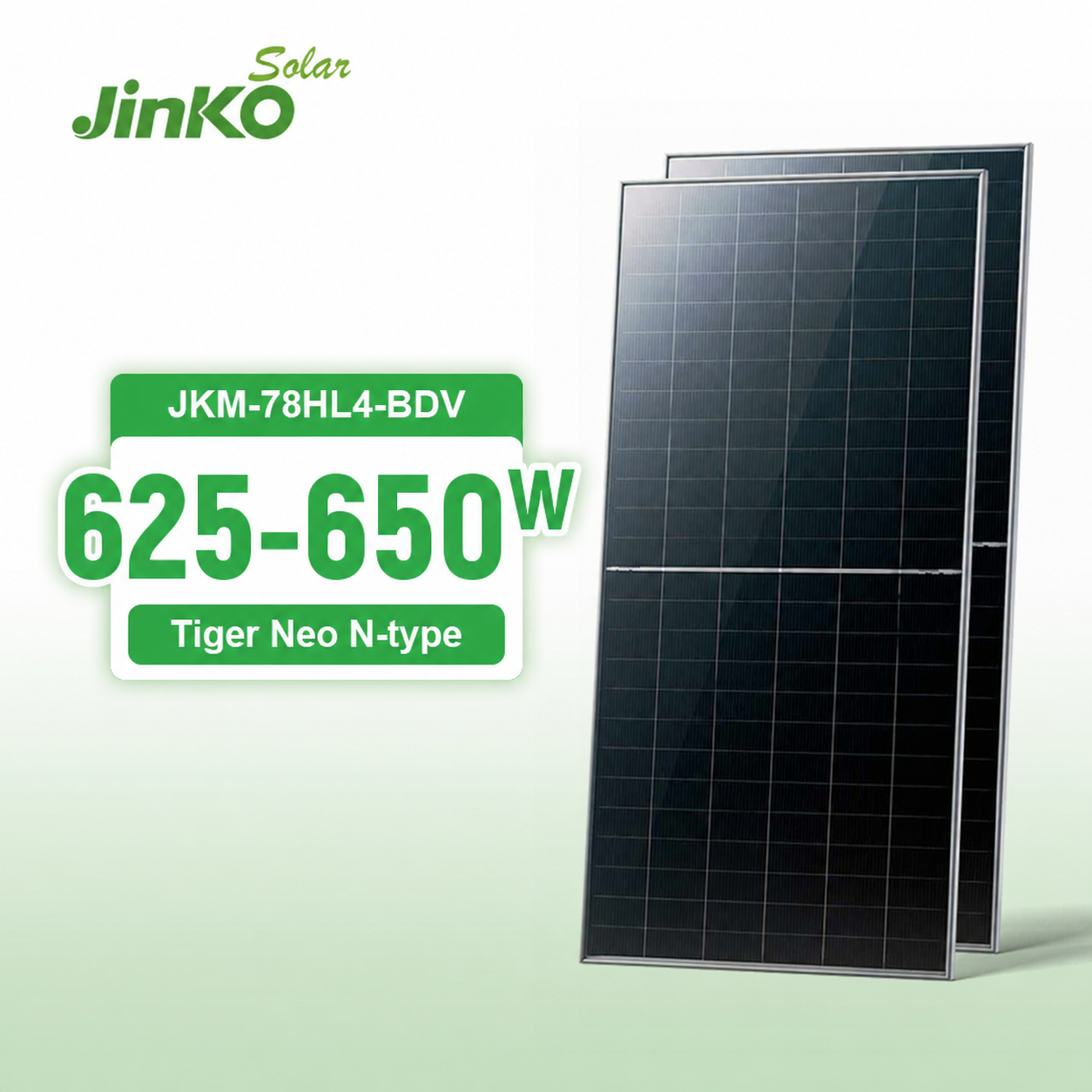
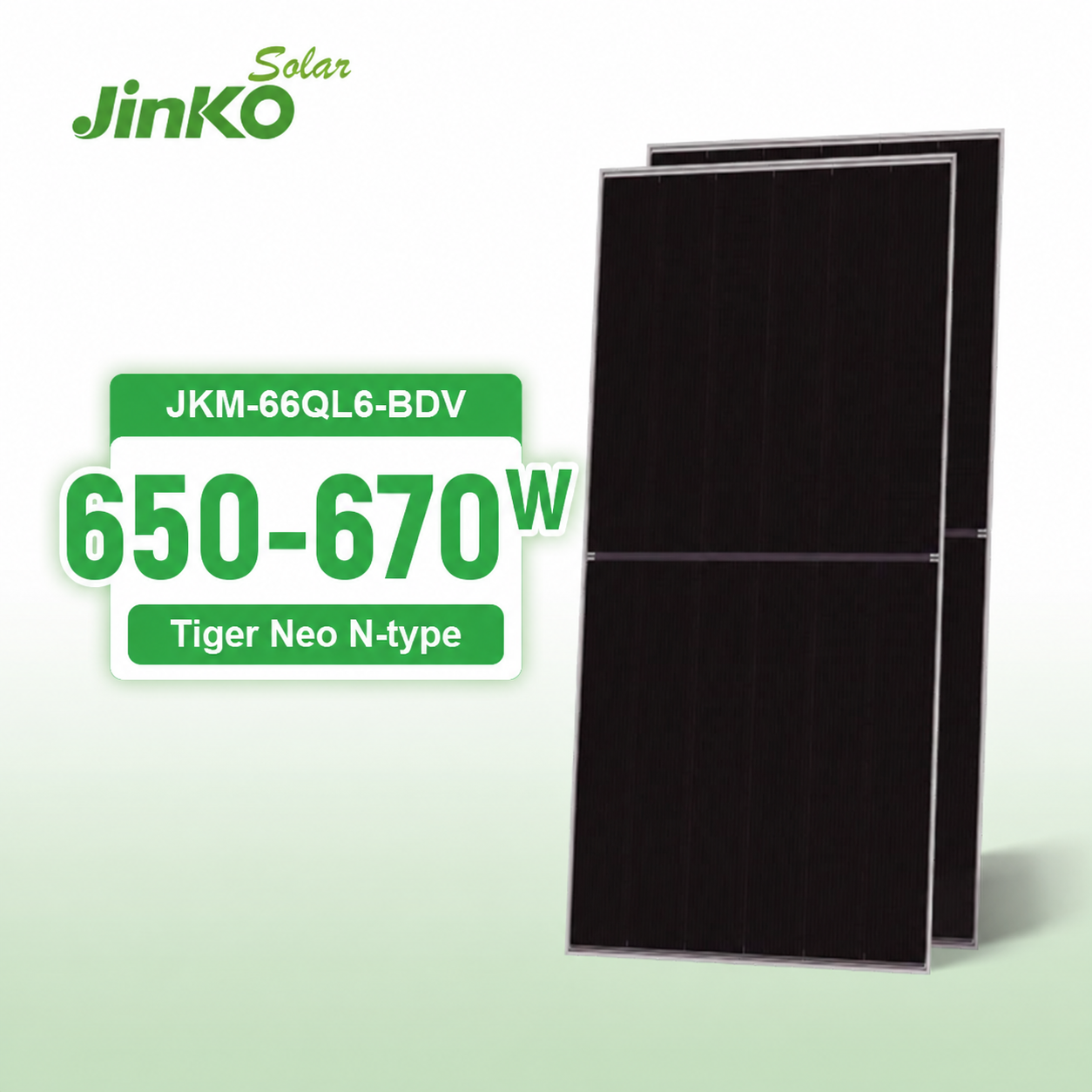
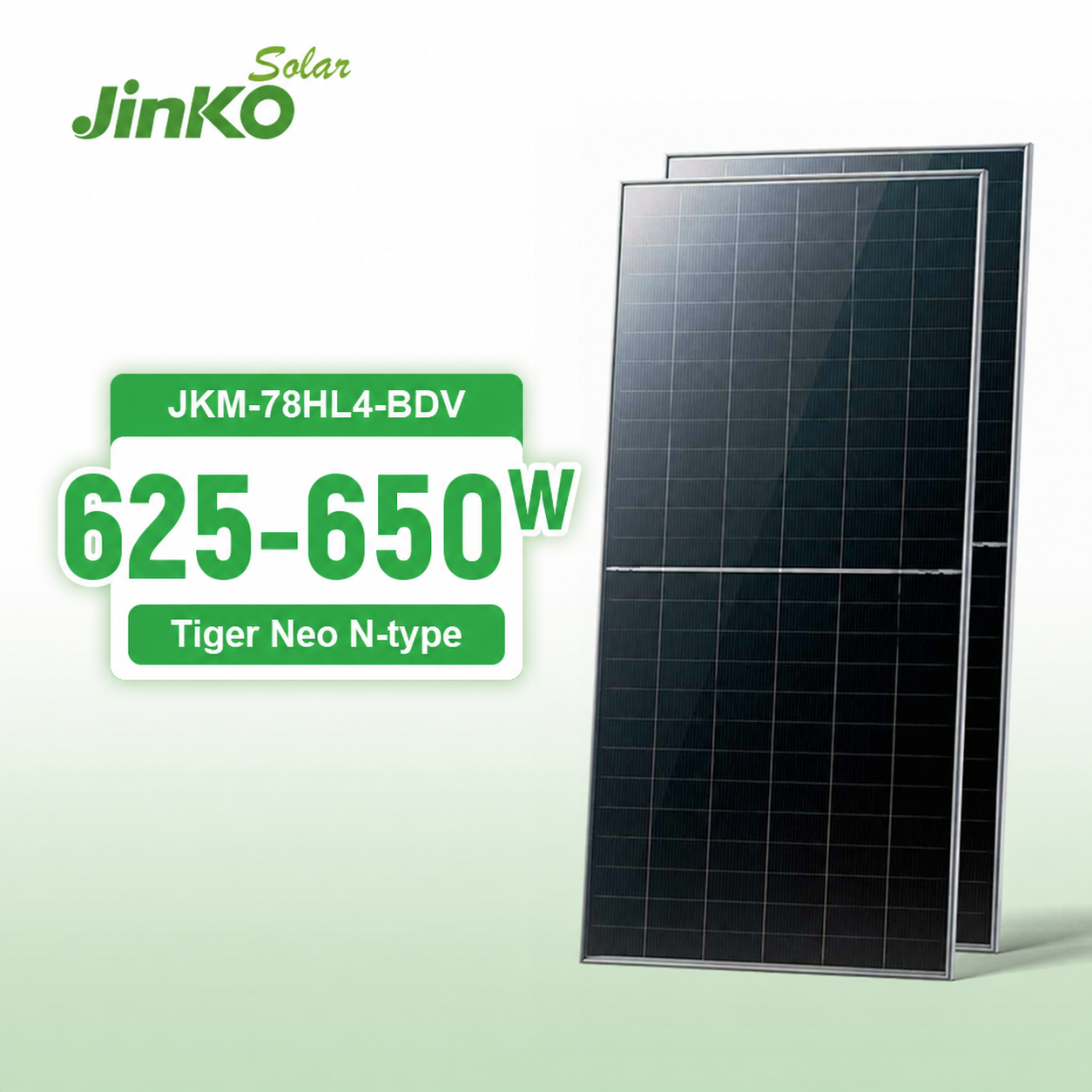
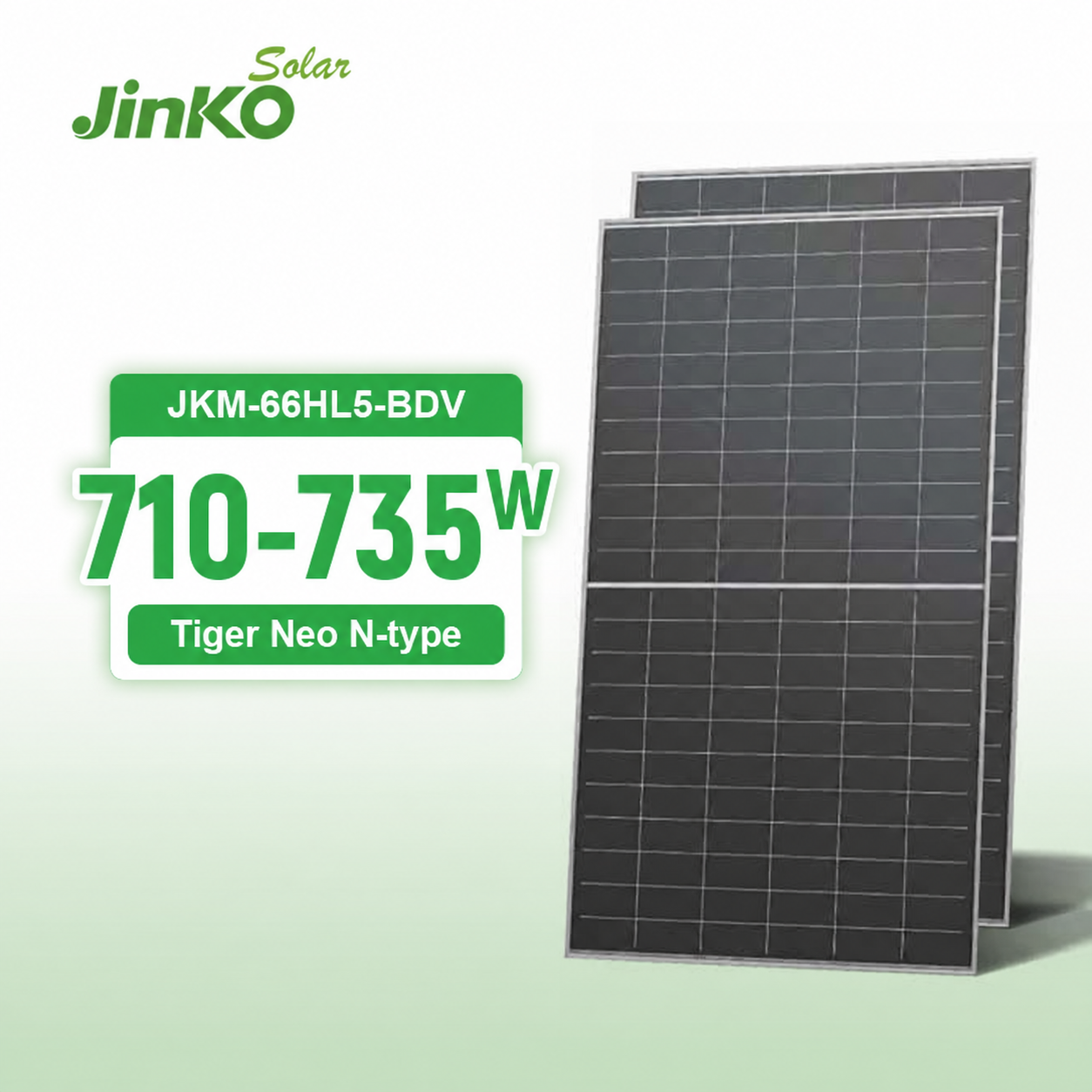
With rooftop square footage scarce in dense central Ramallah neighborhoods, adoption of 600W+ bifacial N-type panels has risen by over 45%, necessitating storage chemistry capable of accepting higher continuous bulk charge amperages.
Stringent Anti-Sulfation Standards
Municipal tenders require minimum 10-year design life ratings. High-tin lead alloy plates and micro-porous silica separators are now mandated across West Bank governmental procurement guidelines to avoid early cell replacement.
Why Tier-1 Importers Partner with Hangzhou VOLT New Energy
Headquartered in Hangzhou's high-tech manufacturing corridor, VOLT New Energy eliminates procurement vulnerabilities for international distributors and contractors.
Pre-Shipment Hardware Matching
Whether ordering GEL banks or LFP storage paired with Deye inverters, every batch undergoes communication pin-out validation, charge parameter flashing, and full factory-line impedance testing prior to container departure.
Consolidated Mixed Container Loading
We consolidate Jinko solar panels, custom racking, hybrid inverters, and heavy GEL batteries inside single container shipments, optimizing freight space and saving Palestinian importers up to 32% on port logistics.
Rigorous International Certifications
Our products conform to CE, IEC 61215, IEC 62619, and ISO 9001 quality management benchmarks, backed by complete MSDS dossiers and manufacturer-direct warranties for straightforward clearing.
Full Lifecycle Engineering Support
Our engineering desk provides complete single-line diagrams (SLD), array sizing calculations, and remote charging configuration assistance directly to your installation field technicians.
Questions West Bank Importers Ask Before Ordering
While standard AGM batteries are cheaper initially, their liquid electrolyte absorbed in glass mats is prone to dry-out and plate sulfation in Ramallah’s warm summer months. True colloidal GEL uses silica gel to lock the electrolyte, yielding twice the cycle life at high ambient temperatures (up to 1,800 cycles at 50% DoD).
Yes. Deye hybrid and off-grid inverters include dedicated "Lead-Acid" and "GEL" charging profiles. We calibrate the absorption, float, and low-voltage disconnect settings to match our battery specifications perfectly, ensuring the inverter does not overcharge or boil the colloidal electrolyte.
We regularly ship through established transit routes into local dry ports and regional hubs. Because sealed GEL batteries are classified as non-spillable and non-hazardous, customs clearance proceeds smoothly without the stringent Class 9 Dangerous Goods delays typical of lithium shipments.
Absolutely. Mixed-container consolidation is one of VOLT's core advantages. We safely stow heavy GEL or LFP battery banks on reinforced lower pallets and position Jinko N-type modules securely above, maximizing container weight-volume limits and cutting total landed unit freight costs.
For long-term reliability in Ramallah's backup systems, we recommend sizing the bank for a 50% to 60% Depth of Discharge. This design balance gives commercial or residential users 5 to 7 years of daily cycling service without experiencing capacity drops.
Each shipment is logged by production batch and serial tracking. In the rare event of a factory failure, our engineering department assesses remote diagnostic logs, providing immediate replacement units or credit vouchers on upcoming container shipments with zero bureaucratic friction.