Top Trusted Lithium Iron Phosphate Battery Manufacturer & Factories in the Dallas Market
High-Reliability LiFePO4 Energy Storage Systems, Tier-1 Solar PV Integration, and Utility-Grade Microgrid Storage Tailored for ERCOT Grid Resilience and North Texas Enterprise Demands.
Industrial PV & Storage Catalog
High-Efficiency N-Type Bifacial PV Modules for Storage Pairing
Engineered for high thermal tolerance in Dallas summer heatwaves, double-glass mechanical resilience against North Texas hailstorms, and seamless compatibility with commercial and utility battery storage architectures.
Commercial Solar
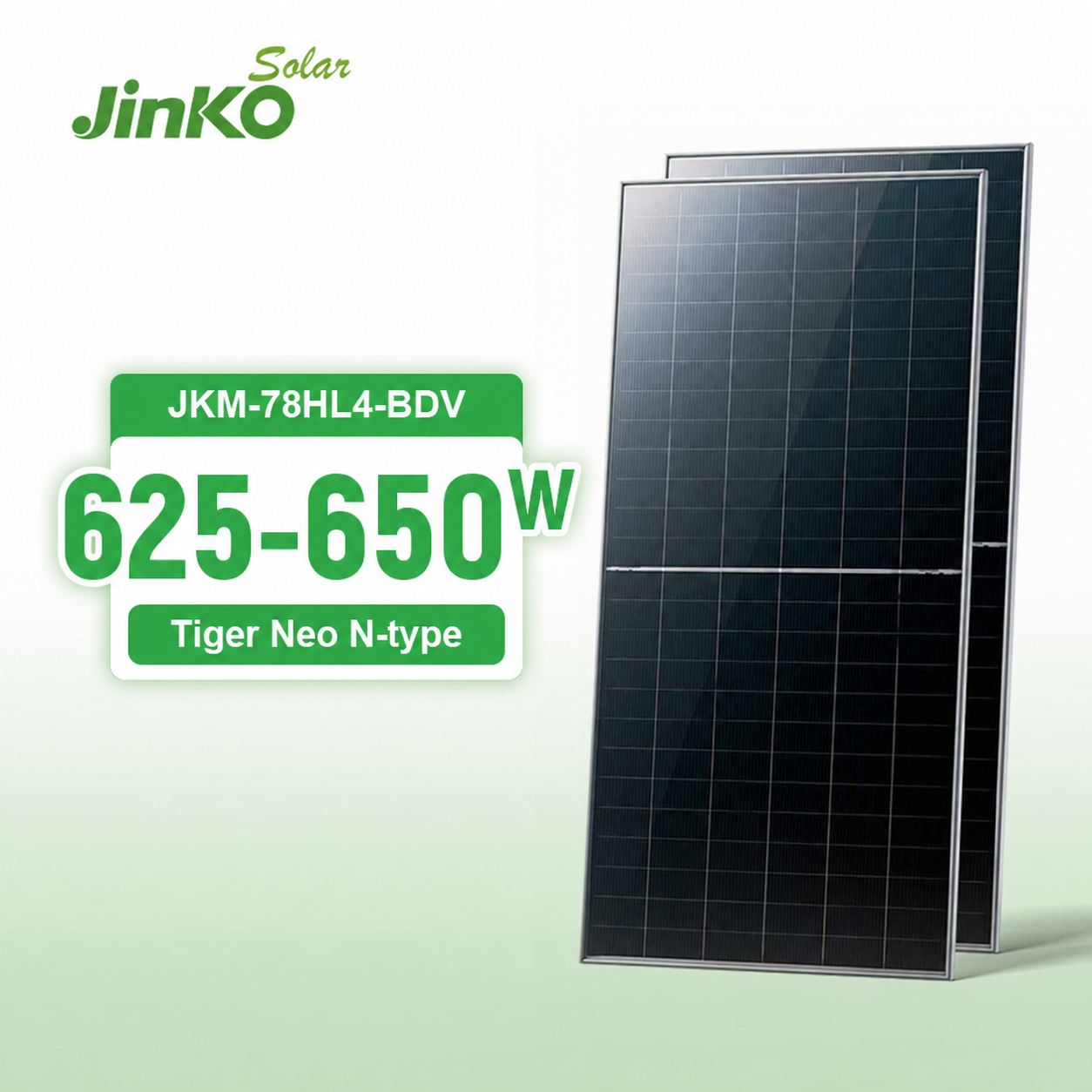
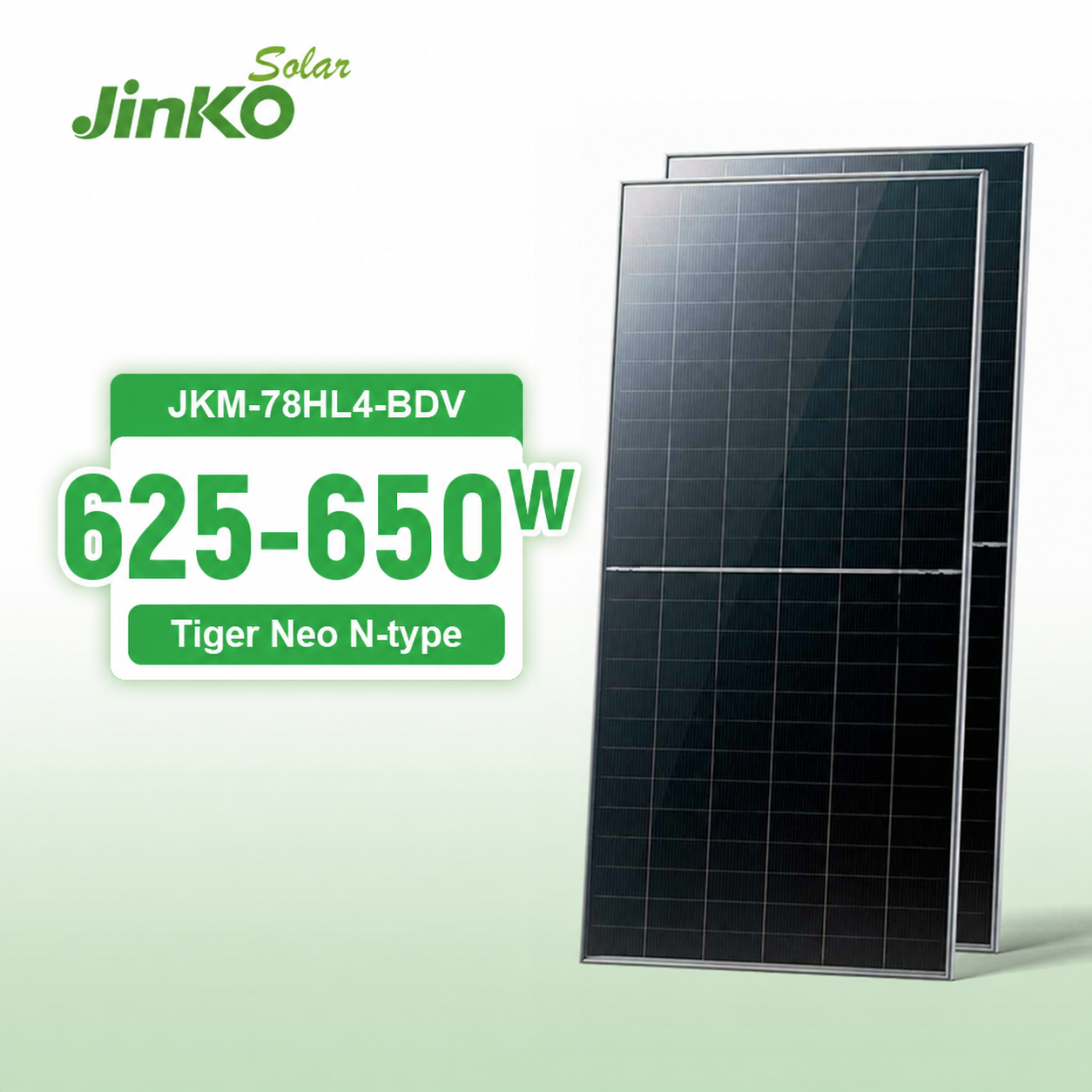
Jinko N Type Bifacial Pv Modules 630W 625W 635W Double Glass High Efficiency Solar Panel Stock
Featuring dual-glass encapsulation and N-type TOPCon cells offering ultra-low temperature coefficients (-0.29%/°C), perfect for DFW summer rooftop peaks.
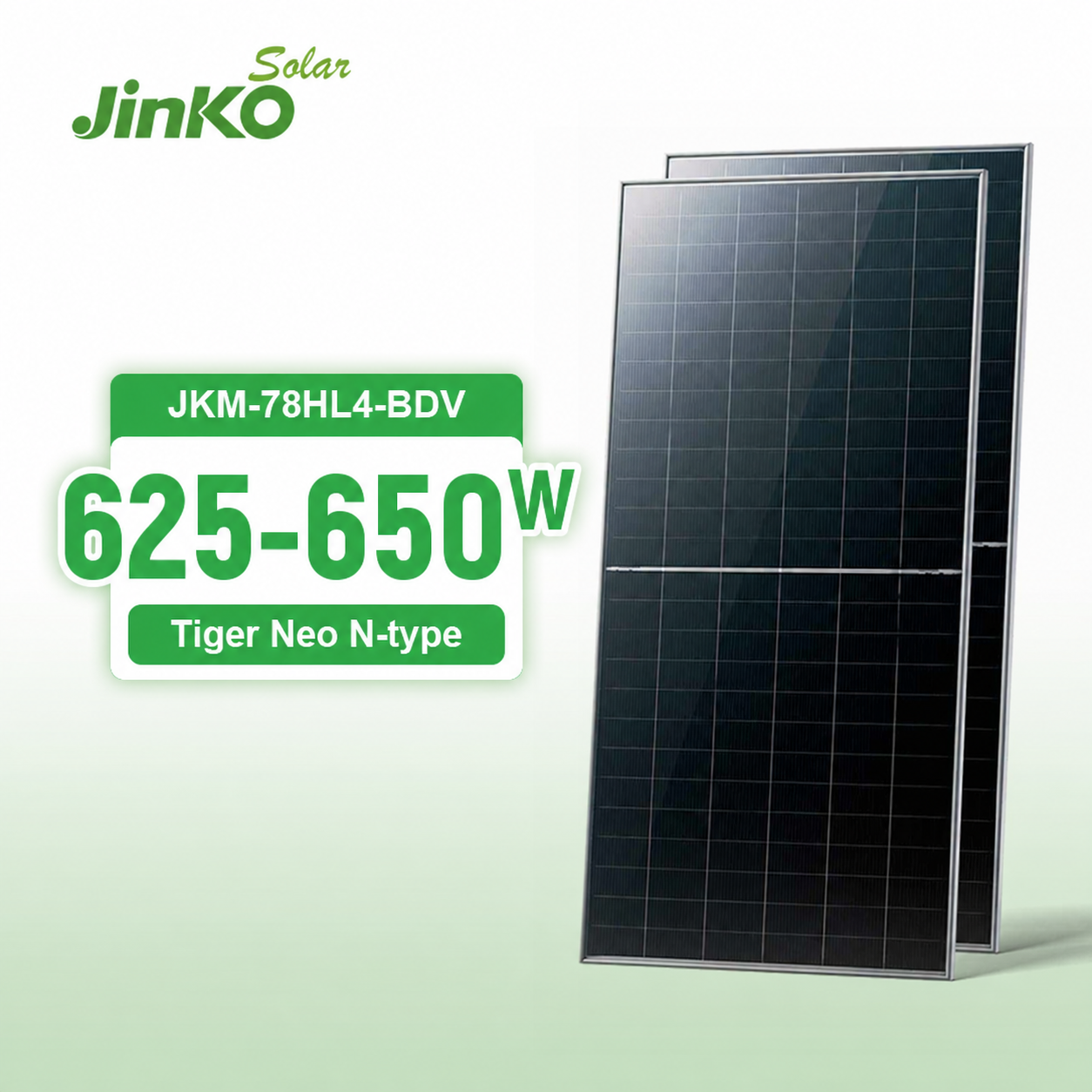
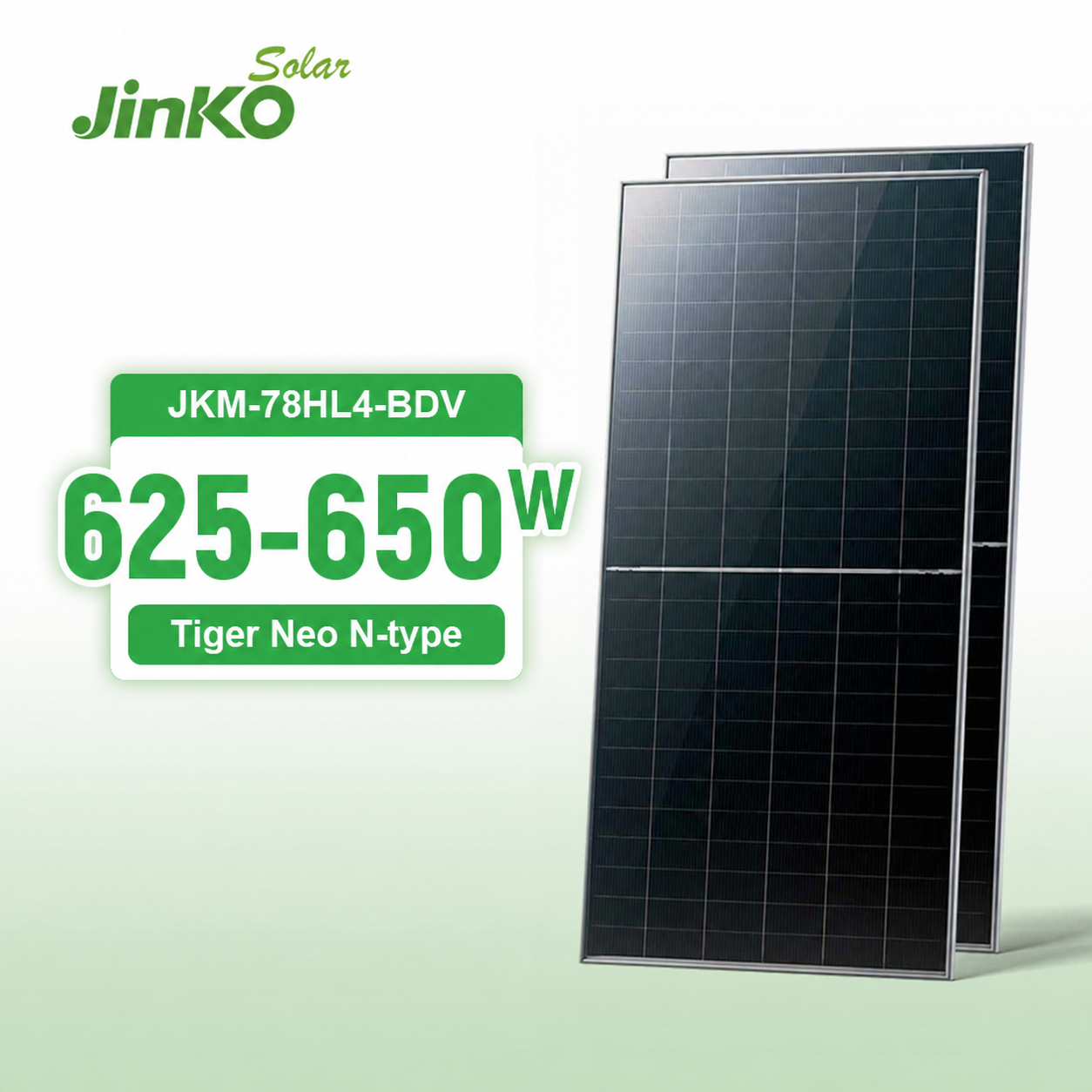
Jinko N Type Bifacial Solar Modules 650W 630W 640W Dual Glass Photovoltaic Panel for Industrial
High-density multi-busbar technology yielding up to 22.8% conversion efficiency with enhanced rear-side bifacial yield on commercial flat-roof coatings.
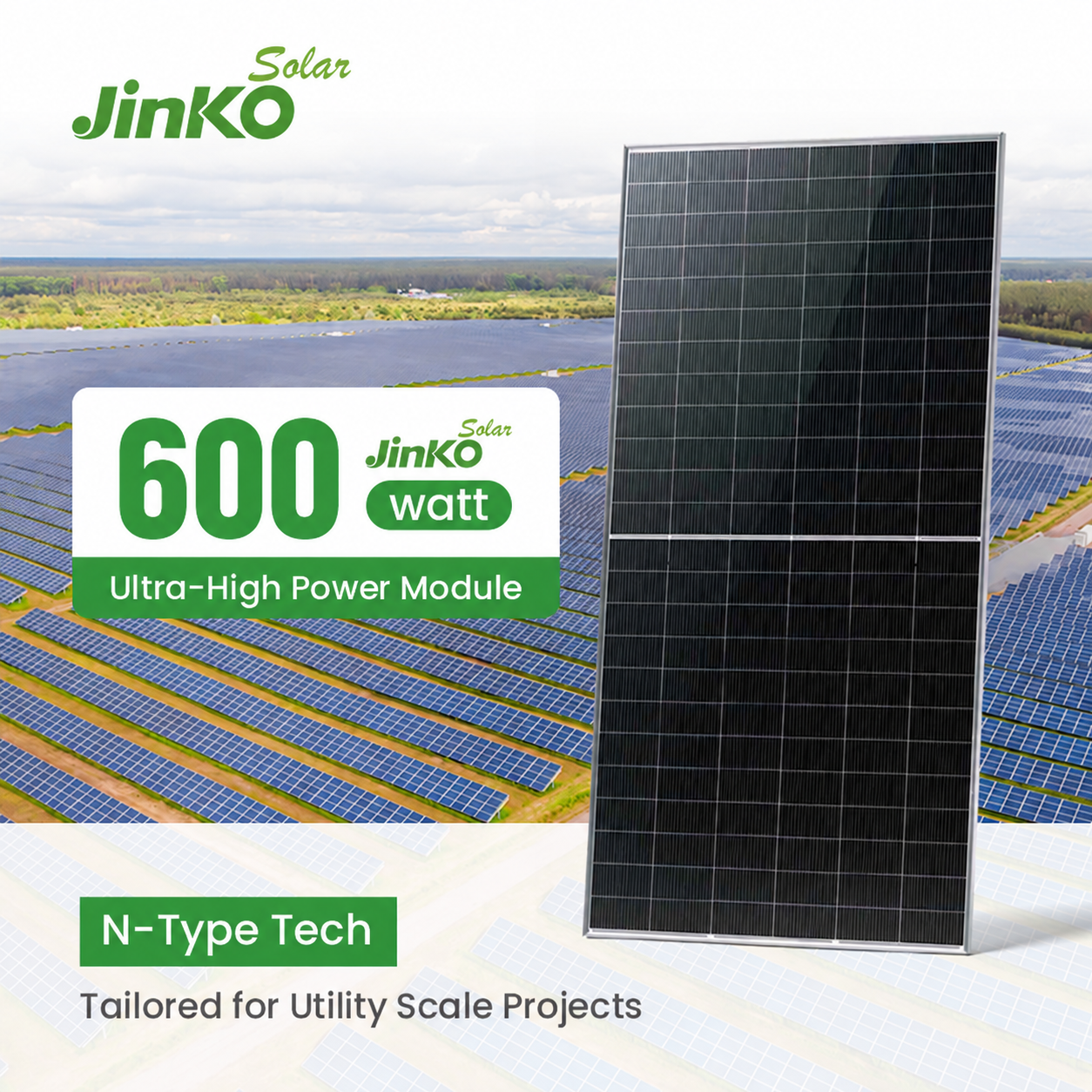
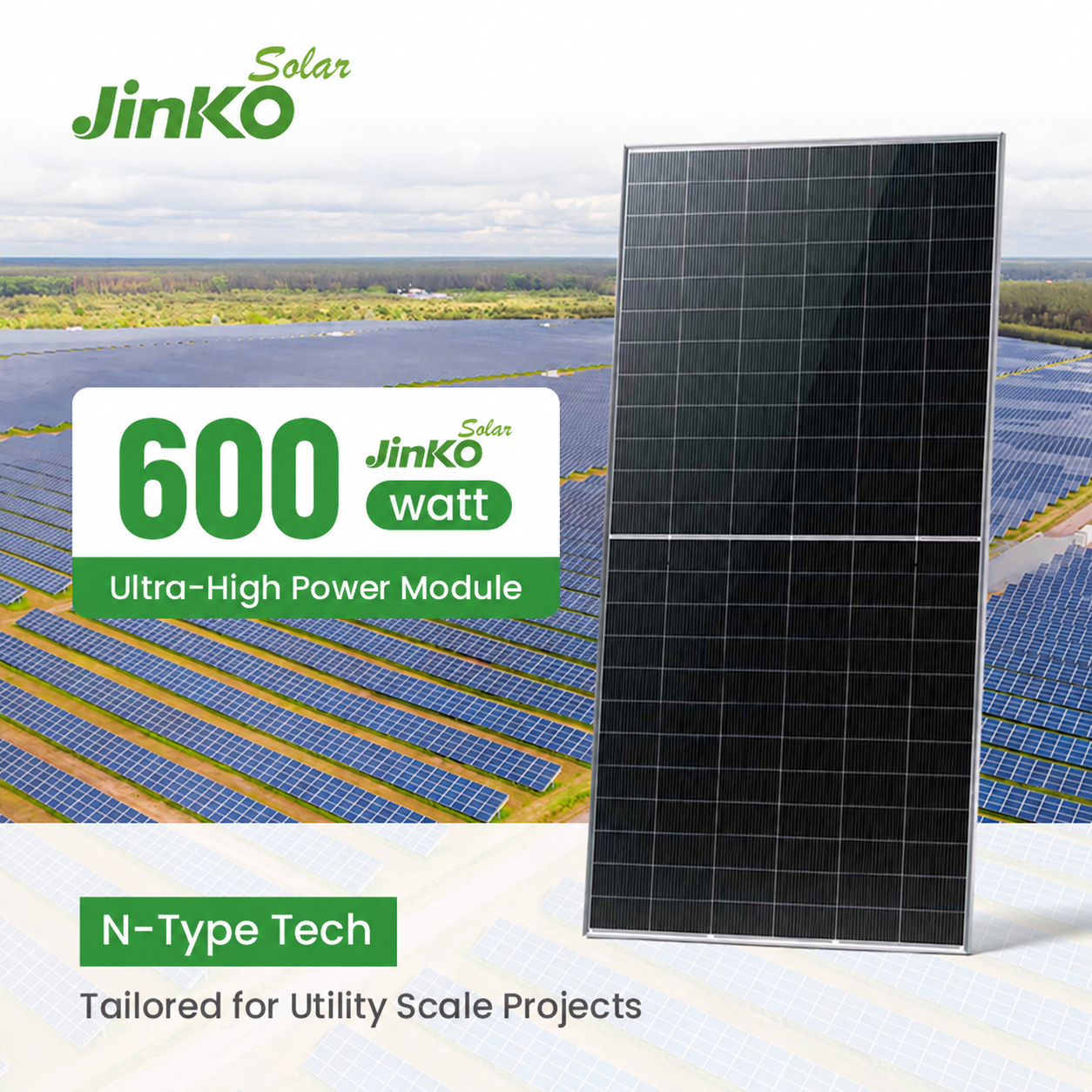
Jinko N Type Bifacial Solar Panels 585W 590W 575WTOPCon Monocrystalline High Efficiency PV Module for Home
Optimized form factor for high-capacity residential energy storage systems. Mitigates LID/LeTID degradation for decades of uninterrupted cycle generation.
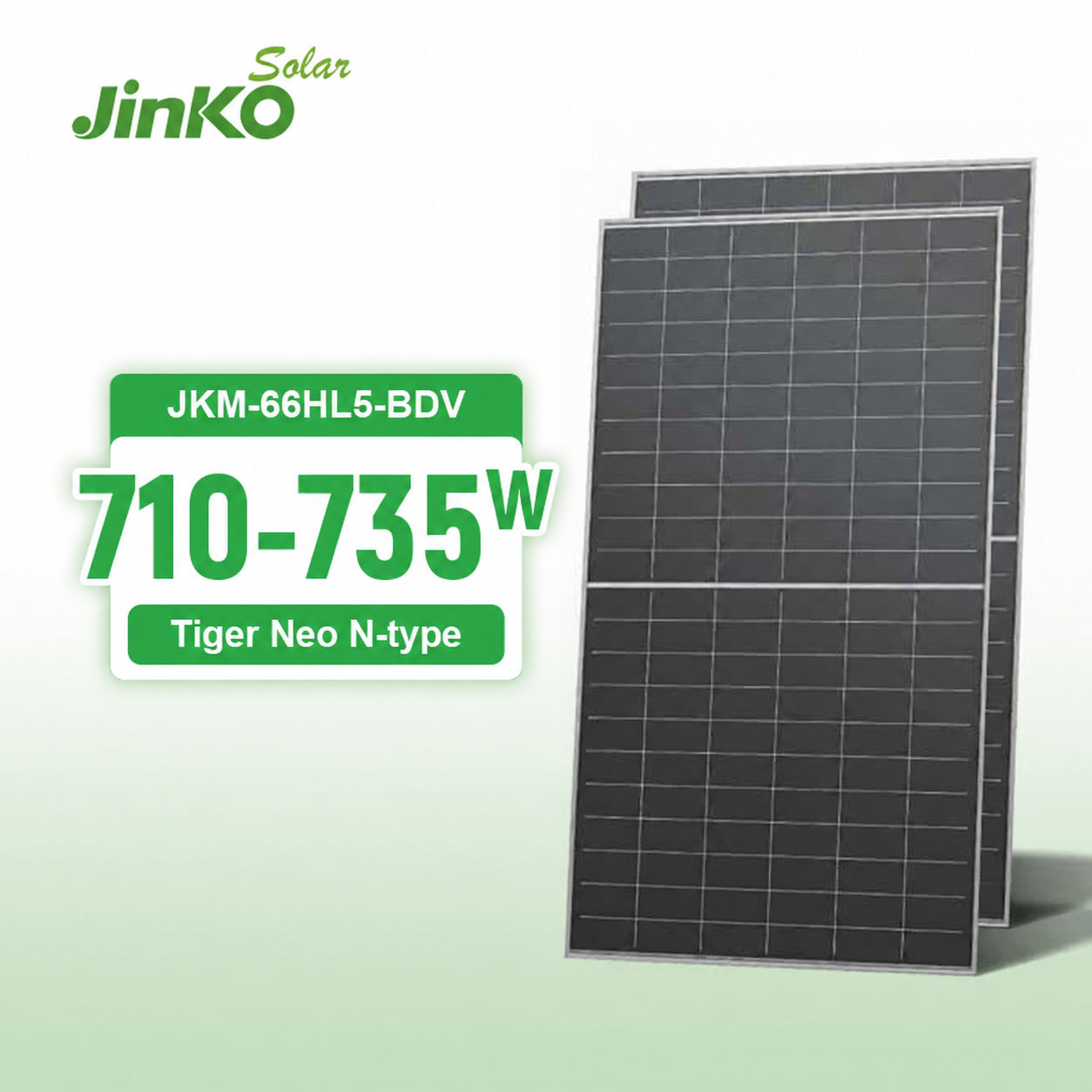
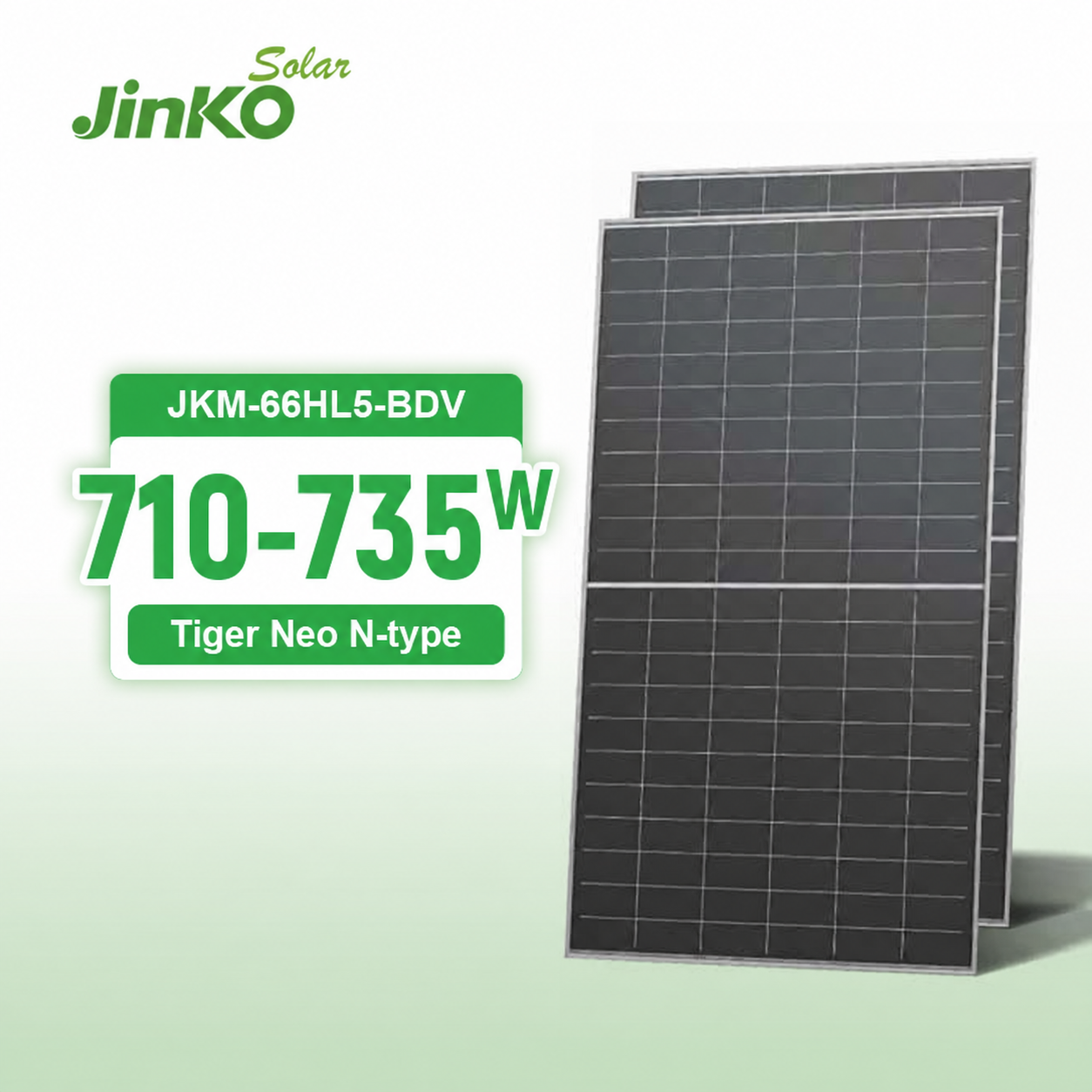
Jinko High Efficiency Bifacial Pv Panels 625W 635W 645W Double Glass Solaire Panneau N Type Solar Panel for Farm
Ammonia, dust, and anti-PID certified construction intended for rural outskirts of the Dallas Metroplex, agricultural pumping stations, and off-grid barn banks.
Versatile high-output panel built for mixed cargo consolidation with our LFP battery banks, Deye hybrid inverters, and UL-certified balance-of-system hardware.
The Dallas-Fort Worth Energy Transition: Why Lithium Iron Phosphate (LiFePO4) Dominates the Texas Grid
The energy ecosystem across the Dallas-Fort Worth (DFW) Metroplex has undergone an unprecedented paradigm shift. Driven by volatile nodal pricing within the Electric Reliability Council of Texas (ERCOT) wholesale market, catastrophic meteorological anomalies such as Winter Storm Uri, and unrelenting summer peak cooling demands, the demand for industrial-grade energy resilience has reached historic highs. For commercial facility engineers, microgrid designers, and renewable energy distributors across Dallas, Irving, Plano, Garland, and Fort Worth, selecting the optimal battery electrochemistry is no longer simply a budgetary decision—it is a mission-critical risk mitigation strategy.
Within this rigorous operational environment, Lithium Iron Phosphate (LiFePO4 or LFP) has permanently outpaced legacy chemistries—including Nickel Manganese Cobalt (NMC), traditional lead-acid, and absorption glass mat (AGM) systems. The unique crystal lattice stability of iron-phosphate olivine structure ensures intrinsic thermal defense against catastrophic failures, while providing the cycle longevity required to arbitrage ERCOT’s volatile four-coincident-peak (4CP) charges.
6,000+
Deep Cycles @ 80% DoD for 15+ Year Lifespan
270°C
Thermal Runaway Decomposition Threshold
< 15ms
UPS-Grade Microgrid Transfer Switching
100%
Compliance with UL 9540A & NFPA 855 Fire Codes
Electrochemical & Thermodynamic Superiority of LFP in North Texas Climates
Operating stationary energy storage systems in the Dallas climate entails handling extreme ambient swings. Dallas experiences summer sustained temperatures surpassing 105°F (40.5°C) alongside severe winter sub-freezing cold snaps. In battery electrochemistry, thermal management directly dictates cycle degradation, round-trip efficiency (RTE), and safety profiles.
Traditional ternary lithium cells (NMC/NCA) undergo exothermic decomposition at approximately 150°C to 210°C, releasing elemental oxygen during cathode collapse which can fuel catastrophic self-sustaining thermal runaway. In stark contrast, our prismatic Lithium Iron Phosphate (LFP) cells feature robust covalent P-O bonding within the phospho-olivine framework. Thermal decomposition does not initiate until temperatures exceed 270°C to 300°C, with zero molecular oxygen release under mechanical puncture, overcharge, or elevated North Texas ambient environments.
Furthermore, our LFP manufacturing processes integrate automated internal heating film arrays alongside active liquid-cooling plates. When freezing fronts sweep down through the Great Plains into North Texas, our proprietary Battery Management Systems (BMS) intelligently pre-heat cells using incoming PV or AC power, precluding lithium plating during sub-zero charging cycles and ensuring seamless continuous operation down to -20°C.
Localized Architectures
Critical Application Scenarios Across the Dallas-Fort Worth Metroplex
From the corporate corridors of Plano to the distribution warehouses of Southern Dallas County, our LFP battery solutions solve distinctive infrastructural energy hurdles.
DFW Hyperscale Data Centers & Telecom Hubs
Situated in Richardson’s Telecom Corridor and Irving, mission-critical digital infrastructure demands zero-downtime battery backup. Our 51.2V rack-mounted and high-voltage containerized LFP architectures interface seamlessly with enterprise UPS networks, executing seamless power handshakes during grid frequency sags without toxic outgassing or hazardous fire containment footprints.
C&I 4CP Demand Charge Shaving (Dallas Logistics)
Industrial warehousing across AllianceTexas and South Dallas operates under punishing ERCOT 4CP transmission tariffs. By deploying high-C-rate LFP battery banks paired with Deye multi-phase hybrid inverters, commercial properties automatically shave predictable summer peak demand spikes between 3:00 PM and 7:00 PM, generating hundreds of thousands of dollars in annual avoided utility expenses.
ERCOT Nodal Arbitrage & Microgrid VPPs
The deregulated Oncor delivery territory offers massive revenue potential via real-time wholesale price arbitrage. When wholesale spot prices climb toward the $5,000/MWh ERCOT market cap during extreme heat events, our intelligent BMS architectures dispatch stored kilowatt-hours instantly, enabling industrial aggregators to transform localized battery assets into highly profitable Virtual Power Plants (VPP).
Cold Chain Logistics & Food Processing Protection
Refrigerated logistics hubs handling perishables near DFW International Airport cannot endure even temporary outages. Our lithium iron phosphate systems guarantee seamless microgrid islanding within 15 milliseconds, driving commercial ammonia and Freon chillers continuously until auxiliary generation synchronizes or utility feeds stabilize.
High-End Residential Storage (Frisco & Southlake)
Discerning North Texas homeowners are transitioning away from noisy, maintenance-heavy diesel generators. Low-voltage 48V/51.2V wall-mounted LFP units integrate aesthetically into residential garages, providing quiet, clean, uninterruptible power for whole-home HVAC units, smart appliances, and EV chargers during localized storm-driven substation brownouts.
Turnkey Factory-Integrated Containerized BESS for Texas Municipalities & Co-ops
Our utility-scale 20ft and 40ft ISO container solutions supply up to 5MWh of decentralized energy storage. Equipped with modular internal fire-suppression systems (NOVEC 1230), automated HVAC thermal balancing, and fully certified IEEE 1547 / UL 9540A interconnected inverters, these container systems provide electric cooperatives around Kaufman, Denton, and Rockwall counties with reliable grid black-start capabilities and fast-responding frequency regulation (ECRS).
Comparative Technology Matrix: Electrochemical Performance in Texas Grid Conditions
When assessing total cost of ownership (TCO) across a 15-year lifecycle in North Texas, standard specifications illustrate why LFP has become the mandated standard for institutional engineering firms:
Evaluation Parameter
Lithium Iron Phosphate (LFP)
Nickel Manganese Cobalt (NMC)
Deep-Cycle GEL Lead-Acid
Cycle Life (80% Depth of Discharge)
6,000 – 8,000 Cycles
1,500 – 2,500 Cycles
800 – 1,200 Cycles (50% DoD)
Thermal Decomposition Temperature
270°C – 300°C (Non-Flammable)
150°C – 210°C (Volatile)
Not Applicable (Thermal expansion risk)
Round-Trip Efficiency (RTE)
94% – 97%
90% – 93%
75% – 82%
NFPA 855 Fire Code Spacing Penalties
Minimal (Passed UL 9540A Unit Test)
Stringent 3ft Separation Required
Mandatory Explosion Venting / Acid Containment
Dallas Summer High Heat Derating
Negligible Degradation (< 0.5% / yr)
High Accelerated Capacity Loss
Extreme Capacity Half-Life Halving at >35°C
15-Year Levelized Cost of Storage (LCOS)
$0.06 – $0.09 / kWh
$0.17 – $0.24 / kWh
$0.28 – $0.38 / kWh
Dallas Regulatory Compliance, Permitting, and Oncor Interconnection Frameworks
Integrating commercial energy storage within the municipal jurisdictions of the City of Dallas, Fort Worth, or Plano requires strict adherence to contemporary safety standardizations. The Dallas Fire-Rescue Department (DFR), adhering to updated International Fire Code (IFC 2021) and NFPA 855 regulations, mandates rigorous technical submittals for commercial battery installations exceeding 20kWh.
Our battery manufacturing facilities engineer all modules and enclosures to exceed these regulatory milestones. Key compliance credentials include:
UL 1973 Certification: Validates safety and electrical performance of stationary battery packs subjected to severe mechanical, electrical, and environmental abuse.
UL 9540 & UL 9540A Test Validation: Guarantees that our energy storage enclosures prevent cell-to-cell thermal propagation. Complete 9540A test reports are provided directly to Dallas engineering submittal offices to streamline building permit issuance.
Oncor Interconnection Compliance: Pre-certified inverter-BMS protocol profiles simplify Rule 21 and IEEE 1547-2018 anti-islanding and smart-inverter functional reviews across Oncor and Texas-New Mexico Power service territories.
Why Partner With Us
Engineering Rigor & Global OEM Capabilities: The VOLT New Energy Advantage
Drawing on decades of elite manufacturing experience, Hangzhou VOLT New Energy Technology Co., Ltd. delivers institutional-tier hardware, strict protocol handshakes, and turn-key export logistics directly to North Texas partners.
Validated Inverter Protocol Matching
Every LFP module undergoes automated CAN and RS485 communication testing with leading inverter protocols—including Deye, Sol-Ark, Schneider, and SMA—ensuring zero "BMS Comm Faults" during Texas commissioning.
Automotive-Grade Prismatic Cells
We source exclusively Tier-1 Grade-A prismatic LFP cells featuring laser-welded aluminum busbars, ensuring high mechanical vibration resistance, microcrack immunity, and consistent internal cell impedance.
Class 9 DG Logistics Expertise
Complete export documentation packages including UN38.3 test summaries, safety data sheets (MSDS), and sea-freight dangerous goods approvals allow seamless container delivery straight to DFW Intermodal logistics terminals.
Dedicated Engineering Backing
From string sizing and one-line electrical diagrams to remote telemetry parameter configuration, our engineering team collaborates directly with Dallas EPCs and electricians to resolve technical nuances in real time.
Procurement & Engineering Guidance
Frequently Asked Questions by Dallas Engineers & Installers
Essential considerations for sourcing, installing, and interconnecting LFP systems across the North Texas market.
What permits and fire codes are required for installing an LFP BESS in Dallas County?
Commercial and residential energy storage installations across the City of Dallas, Plano, and Fort Worth fall under the jurisdiction of the local Fire Marshal (such as Dallas Fire-Rescue) and must comply with NFPA 855 and International Fire Code (IFC 2021). You will need an electrical permit, a structural permit for heavy battery racks or pads, and complete manufacturer UL 9540/UL 9540A listing documentation demonstrating that thermal runaway propagation cannot breach module boundaries. Our factory supplies comprehensive submittal documentation packets tailored to expedite local municipal sign-offs.
How do VOLT New Energy LFP batteries communicate with hybrid inverters like Deye or Sol-Ark?
Our batteries feature proprietary smart BMS cards pre-flashed with universal communication firmware. Utilizing native CANbus (500kbps) and RS485 communication protocols, our units handshake directly with Deye, Sol-Ark, Schneider, Victron, and Growatt inverters. Before export, our technicians bench-test the exact firmware pairing, verify cable pin-out configurations, and calibrate DIP switch addressing so that parameters such as State of Charge (SoC), Max Charge Current Limit (CCL), and voltage curves map automatically on power-up.
Can these battery storage systems be utilized for ERCOT 4CP demand charge avoidance?
Yes, this is one of the highest ROI applications for C&I clients within the Oncor utility territory. The four coincident peak (4CP) charges in Texas calculate a facility's transmission cost based on its electricity draw during the single highest 15-minute grid demand peak across June, July, August, and September. Our high-discharge LFP systems, managed via an automated energy management system (EMS), predict these peak hours and switch your facility to localized battery power, effectively eliminating high-demand charges on your utility bill for the entire subsequent calendar year.
What is the typical shipping lead time and customs process for delivery to the Dallas area?
Full container loads (FCL) of our LFP batteries ship under UN3480 Class 9 Dangerous Goods sea freight from Ningbo or Shanghai directly through the Port of Houston or West Coast intermodal ports, routing directly into the Dallas Intermodal Terminal (DIT). Transit timelines generally range between 28 and 35 calendar days. We supply all required commercial invoices, packing lists, Bill of Lading, UN38.3 test summaries, and certified dangerous goods documentation to ensure seamless clearance with U.S. Customs and Border Protection.
How do your LFP batteries handle extreme sub-freezing Texas winter freezes like Winter Storm Uri?
Charging standard lithium cells below 0°C (32°F) can cause permanent dendrite formation and internal short circuits. To prevent this, our systems engineered for the Texas market feature integrated internal thermodynamic thermal management. When internal sensors detect temperatures below freezing, incoming renewable power is diverted to internal PTC heating elements embedded between the prismatic cells. Once the core temperature rises safely above 5°C, the BMS opens the charging relays, allowing uninterrupted charging even amidst severe North Texas ice storms.
Can we consolidate solar panels, hybrid inverters, and battery racks into a single mixed shipment?
Yes, this is one of our flagship capabilities for regional EPCs and wholesale distributors. We consolidate Tier-1 Jinko N-Type bifacial solar panels, Deye hybrid inverters, and custom-engineered LFP battery racks into one optimized container. Our warehouse team palletizes and braces all items to adhere strictly to international freight standards, maximizing volumetric efficiency and saving thousands of dollars in fragmented inland freight handling.
Scale Your Dallas Energy Storage Deployments Today
Whether you require a multi-megawatt commercial peak-shaving installation, a microgrid backup for a critical telecom facility, or containerized wholesale shipments of Tier-1 solar and LFP storage, our engineering team is ready to assist with sizing, compatibility verification, and direct factory quotation.