Utility-Grade Bifacial N-Type PV Panels for Aqaba Infrastructure
Tested for severe salt mist corrosion (IEC 61701 Class 6), extreme desert temperature coefficients, and high bifaciality albedo yields on granite and coastal sandy terrain.
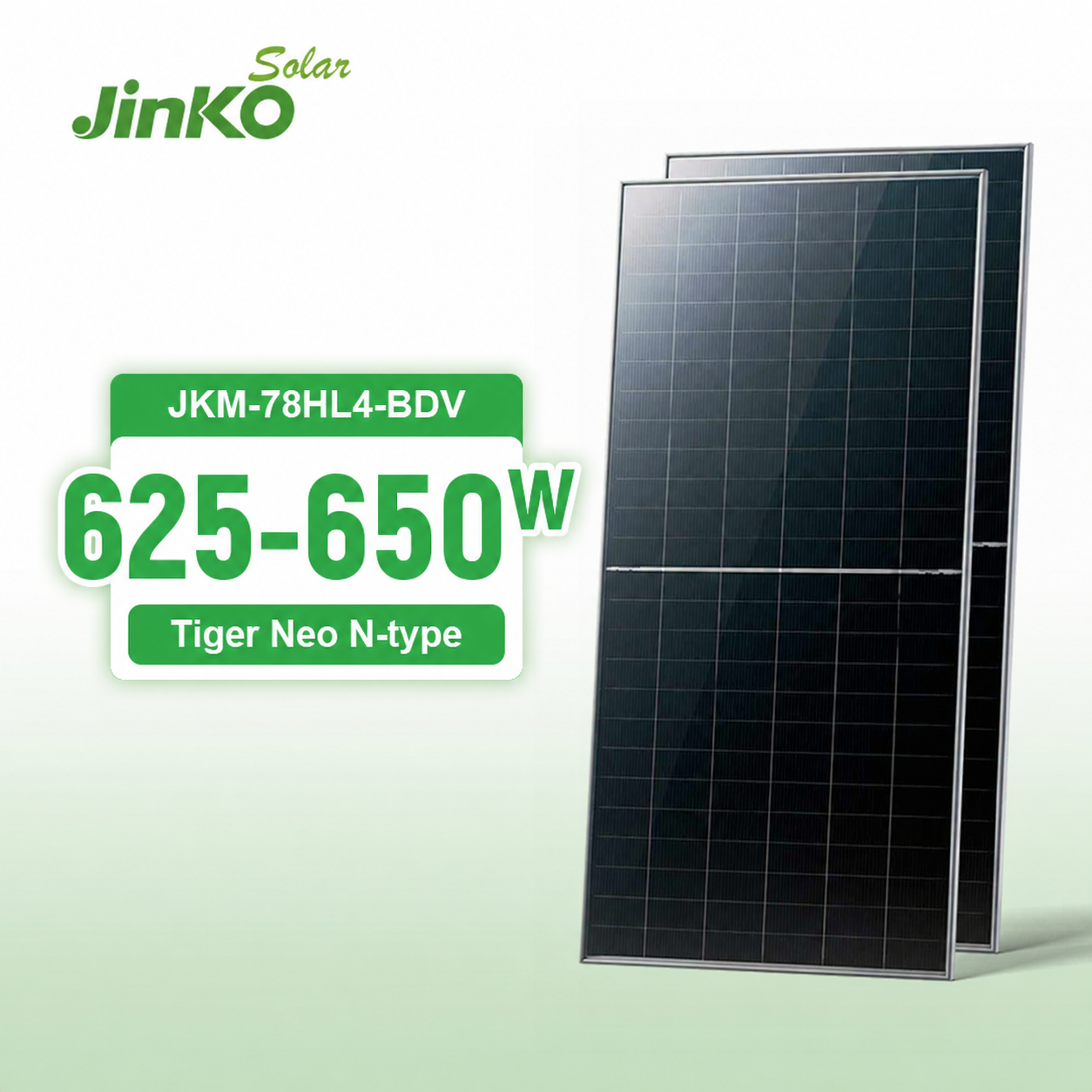
Jinko Bifacial Pv Panels 630W 640W 635W Dual Glass
- Power: 630W - 640W
- 2.0mm Dual Glazed Glass
- Salt Mist / Sand Abrasion Proof
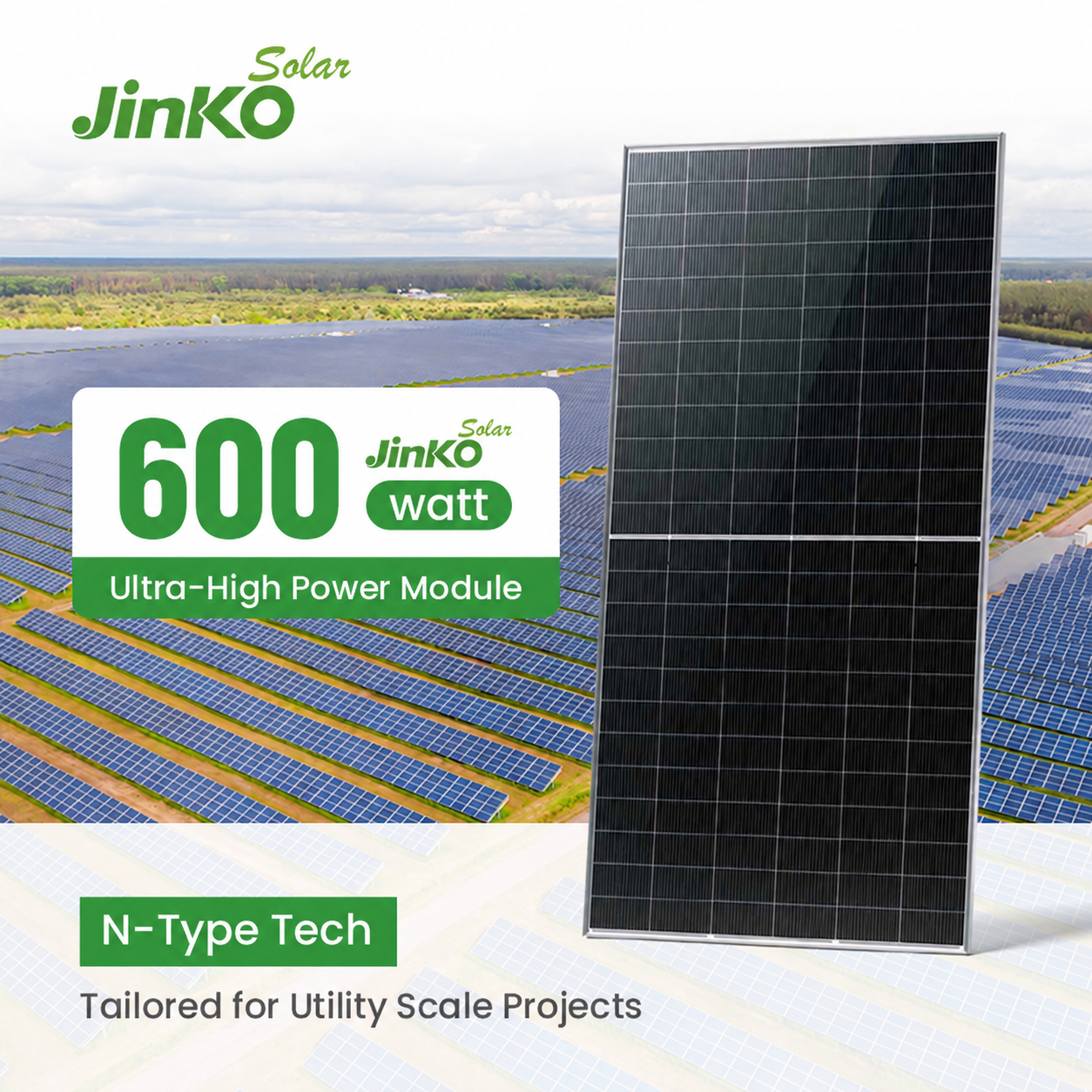
Jinko High Efficiency Bifacial 600W 585W 575W N-Type
- Power: 575W - 600W N-Type
- Temp Coeff: -0.29%/°C
- Port Container Hub Fast Dispatch
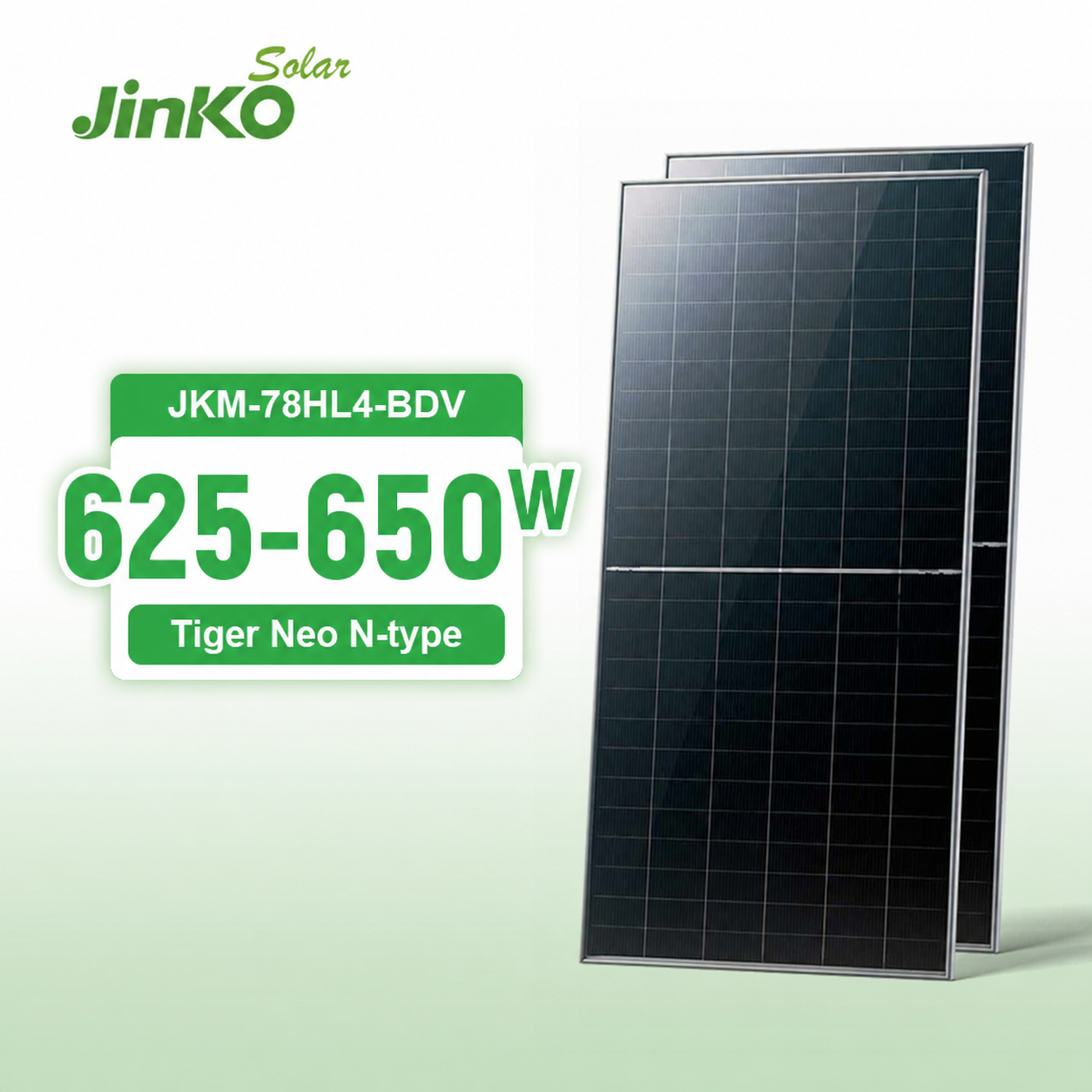
Jinko N Type Bifacial Pv Panels 650W 630W 645W Module
- Max Rating: 650W Peak
- PID & LeTID Resistance
- Optimized for Jordanian Net-Metering
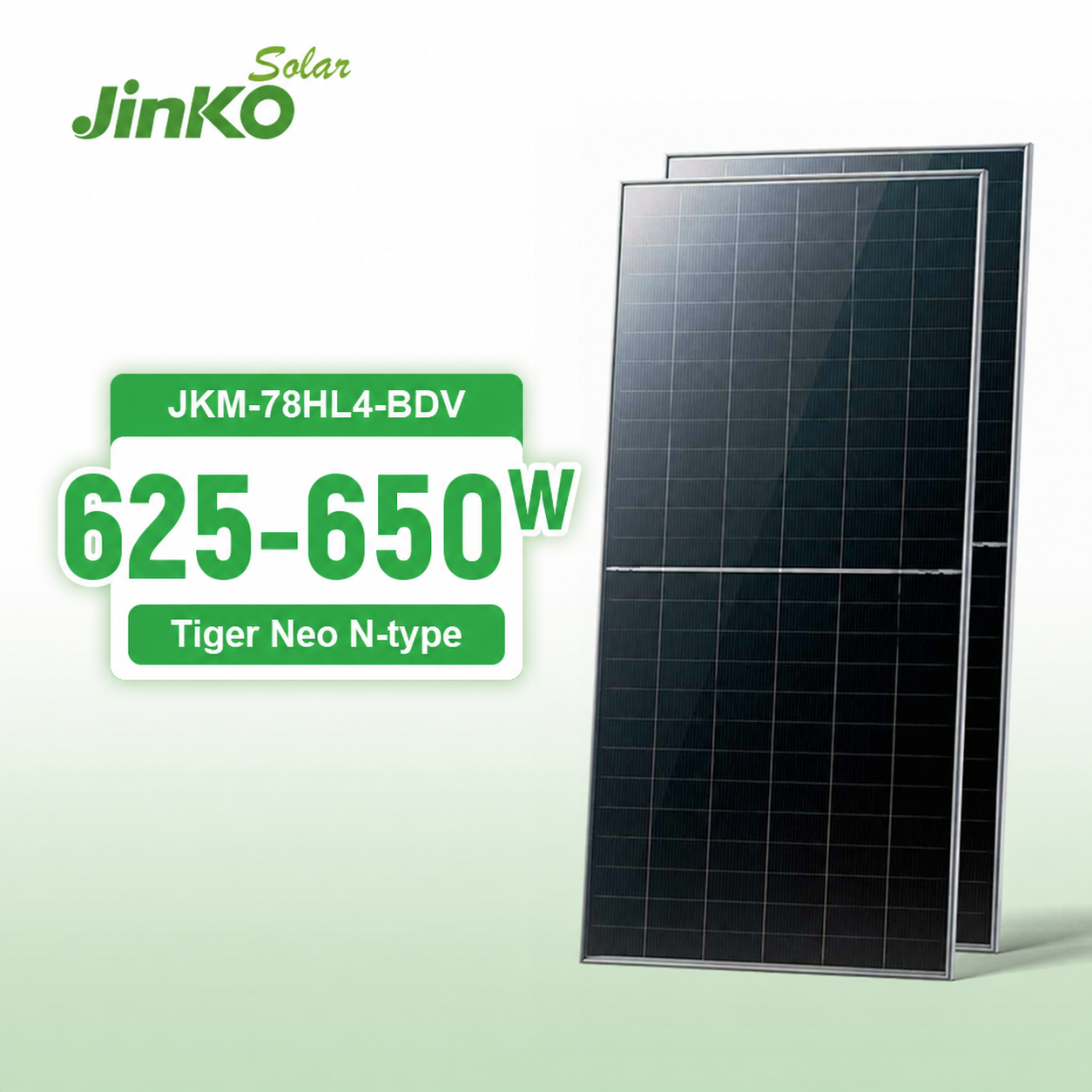
Jinko Bifacial Pv Panels 625W 635W 645W Double Glass
- Power: 625W - 645W
- Rear-Side Yield Gain: Up to 25%
- Desert Farm Water Pumping Spec

Jinko N Type Bifacial Solar Panels 585W 590W TOPCon
- Efficiency: >22.8%
- Low Irradiance Performance
- Architectural Villa Rooftops
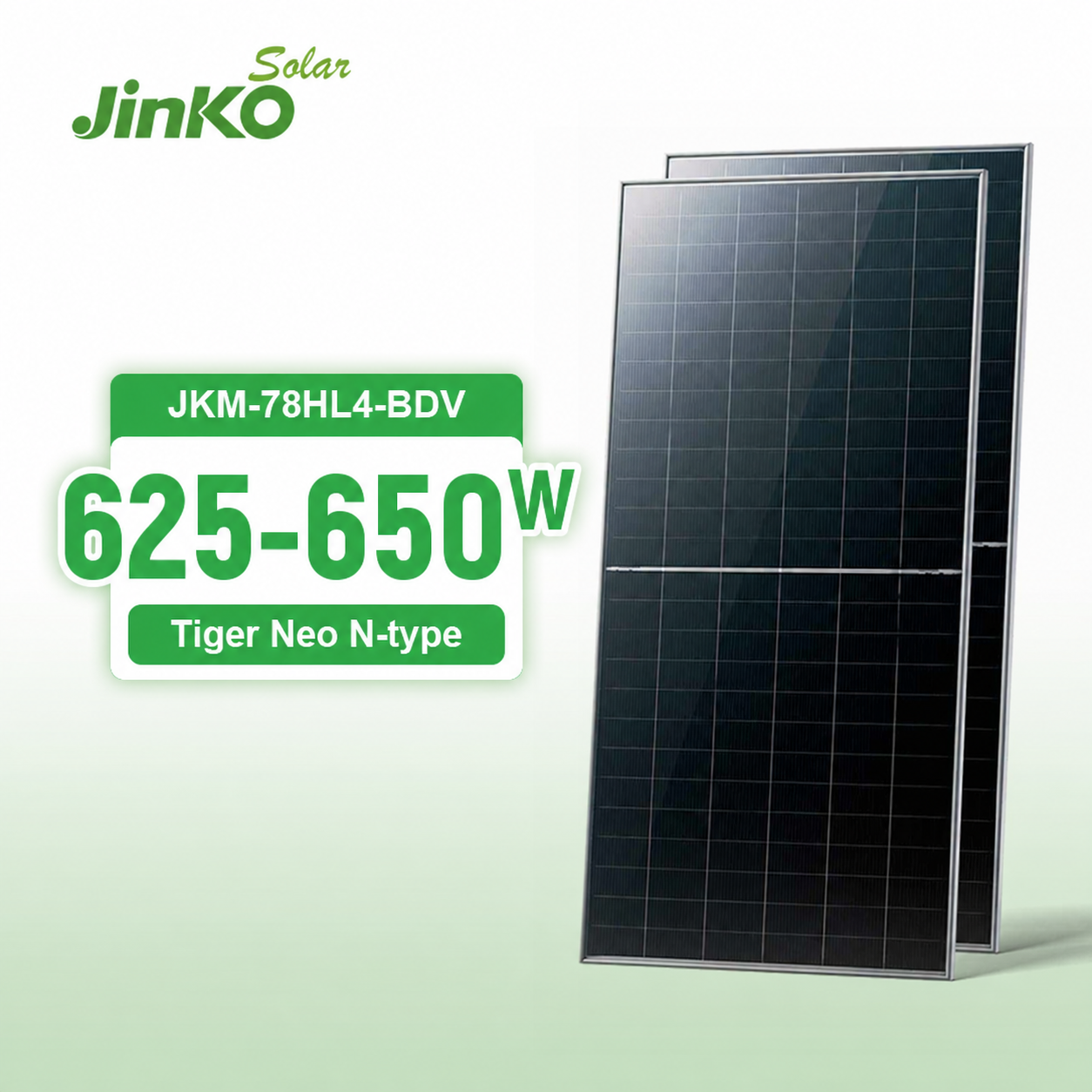
Jinko N Type Bifacial Solar Modules 650W Dual Glass
- Output: 630W - 650W
- Heavy Snow / 5400Pa Wind Load
- High Mechanical Durability
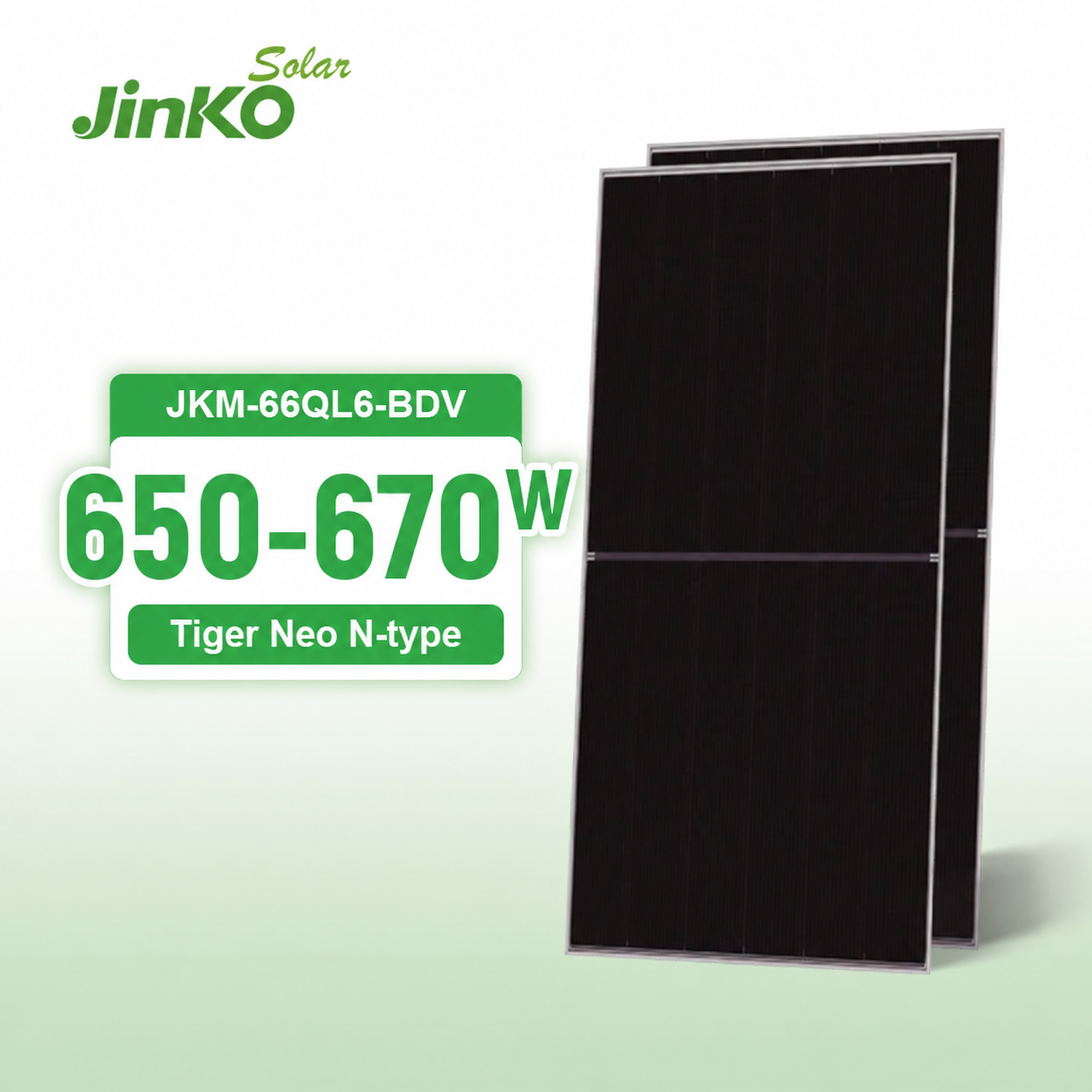
Jinko TOPCon Bifacial 650W 660W 670W Utility Panel
- Ultra High Wattage: 670W
- 1500V DC System Voltage
- Lowest LCOE for C&I PPA
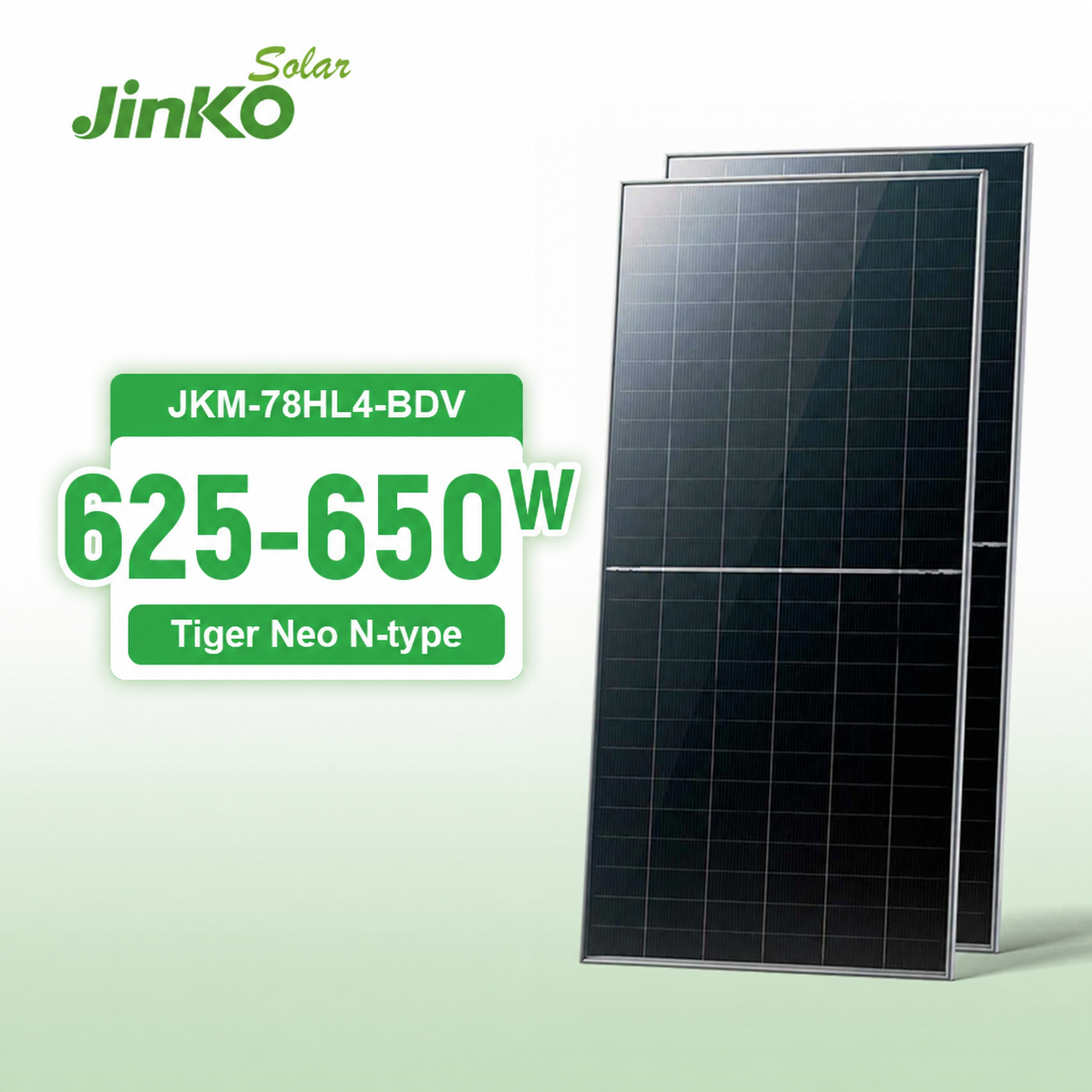
Jinko Monocrystalline 650W 625W Bifacial Dual Glass
- Dual Glass Zero Water Vapor Ingress
- Anti-Soiling Hydrophobic Coating
- Port Logistics Terminal Ready
Climatic Adaptation: Deploying Solar Generation Systems in the Gulf of Aqaba
The southern tip of Jordan presents one of the most lucrative yet operationally brutal environments for photovoltaic power plants, containerized solar generators, and commercial battery storage. Situated on the Gulf of Aqaba and bordered by the arid landscapes of Wadi Rum, projects located in the Aqaba Special Economic Zone Authority (ASEZA) benefit from Global Horizontal Irradiation (GHI) exceeding 2,300 kWh/m² per annum. However, standard off-the-shelf solar components manufactured for temperate European or East Asian climates suffer catastrophic degradation if deployed without local atmospheric hardening.
1. Thermal Derating and the TOPCon Technological Moat
Conventional P-type monocrystalline solar modules carry a temperature coefficient of Maximum Power (Pmax) ranging between -0.35%/°C to -0.39%/°C. When operating in Aqaba at a nominal cell operating temperature (NOCT) of 68°C to 72°C (47°C above the Standard Test Condition of 25°C), standard modules drop 16.5% to 18.3% of their rated output purely through thermal loss. In contrast, the Jinko N-Type TOPCon dual-glass architecture supplied by VOLT New Energy features an ultra-low temperature coefficient of -0.29%/°C. Over a 25-year operational lifecycle, this thermodynamic delta preserves upwards of 118,000 kWh per installed megawatt-peak annually, directly translating to a radically reduced Levelized Cost of Electricity (LCOE).
2. Combating Salt Mist and Airborne Desert Sand Abrasion
The micro-climate of Aqaba is characterized by two conflicting environmental forces: fine silica sandstorms carried by the seasonal Khamsin winds and maritime saline humidity along the coastline. Standard polymer backsheet modules develop micro-abrasions under desert wind shear, causing moisture permeation, Potential Induced Degradation (PID), and eventual ground faults. Our export modules utilize dual-glazed 2.0mm heat-strengthened front and rear glass with POE (Polyolefin Elastomer) encapsulation instead of conventional EVA. POE prevents water vapor ingress and chemical reaction with salt air, ensuring absolute compliance with IEC 61701 Severity Level 6 (Salt Mist Corrosion) and IEC 60068-2-68 (Sand and Dust Resistance) standards.
3. Battery Thermal Management: Safeguarding LiFePO4 Chemistry
Lithium Iron Phosphate (LFP / LiFePO4) is the undisputed chemistry of choice for Aqaba's stationary energy storage and solar microgrids due to its intrinsic thermal and chemical stability. Nevertheless, high ambient temperatures accelerate solid-electrolyte interphase (SEI) growth if cell temperatures continuously exceed 35°C. Hangzhou VOLT New Energy engineers every battery bank destined for Jordan with multi-point active BMS temperature sensing, internal cell heat dissipation balancing, and integration protocols for hybrid HVAC/liquid cooling systems. This preserves a cycle life exceeding 6,000 cycles at 90% Depth of Discharge (DoD).
| System Dimension | Standard Commercial PV / Inverter Kit | VOLT Aqaba-Engineered Generation System | Engineering Benefit in Aqaba Ecosystem |
|---|---|---|---|
| Cell Technology | P-Type PERC Mono (Mono-facial / Glass-Backsheet) | N-Type TOPCon Bifacial Dual Glass (Jinko 585W–670W) | Zero PID, 80% bifaciality albedo gain from white desert sand |
| Temp Coefficient (Pmax) | -0.36% / °C to -0.39% / °C | -0.29% / °C | Recovers up to 4.2% power loss under 45°C+ summer peaks |
| Corrosion Resistance | IEC 61701 Class 1 (Basic testing) | IEC 61701 Class 6 Salt Mist + Anodized 35mm Frame | Withstands corrosive coastal aerosols within 200m of Red Sea |
| Inverter Architecture | Standard Grid-Tie without Microgrid Grid-Forming | Deye Low/High Voltage Hybrid (CAN/RS485 Handshake) | Seamless black-start, generator hybrid pairing, zero-export limiter |
| Storage Compatibility | Generic Lead-Acid or Unmatched Third-Party BMS | Factory pre-configured 51.2V / HV LFP Storage Racks | Guaranteed protocol handshake; eliminates site BMS comm failures |
Localized Application Scenarios Across Aqaba & South Jordan
From port electrification and industrial processing to hyper-remote desert eco-resorts, our systems are engineered for the specific load profiles of the ASEZA district.
Aqaba Port Logistics, Reefer Containers & Cold Storage
The Port of Aqaba and Aqaba Container Terminal (ACT) serve as the vital maritime trade conduit for Jordan, Iraq, and Syria. Cold storage facilities and refrigerated container parks require massive daytime inductive power to maintain sub-zero temperatures under 45°C ambient heat. VOLT New Energy pairs 650W TOPCon dual-glass arrays with Deye multi-string hybrid inverters, slashing mid-day grid demand tariffs and supplying un-interruptible power through integrated LiFePO4 battery banks during coastal grid brownouts.
High-Recovery Seawater Desalination (SWRO) Units
Potable water scarcity makes Sea Water Reverse Osmosis (SWRO) fundamental to Aqaba's municipal and commercial growth. High-pressure RO pumps operate at constant high loads where power interruptions cause membrane fouling. Our systems incorporate DC-coupled solar generation with rapid-discharge LFP energy storage buffers, smoothing out transient solar dips caused by dust clouds and eliminating harmonic distortions that harm variable frequency drives (VFDs).
AIIE Industrial Estates & Chemical Processing
Within the Aqaba International Industrial Estate (AIIE), heavy manufacturing facilities face aggressive peak-demand billing under the National Electric Power Company (NEPCO) / EDCO tariff structures. By installing our 640W/650W N-type high-efficiency bifacial modules on industrial flat roofs coupled with centralized high-voltage hybrid storage, manufacturing plants achieve dramatic peak shaving, grid-stability compensation, and self-consumption optimization.
Off-Grid Desert Glamping & Eco-Lodges (Wadi Rum Border)
Luxury eco-resorts across the southern desert corridor demand 100% silent, zero-emission 24/7 power for guest air conditioning, water heaters, and communications without the noise and logistical cost of diesel fuel deliveries. Our complete off-grid solar generator sets, featuring auto-generator start synchronization and modular LiFePO4 battery banks, deliver pure sine wave stability that replaces noisy diesel gensets permanently.
Aqaba Market Drivers, EDCO Interconnection & Economic Incentives
Jordan's Energy Strategy 2020–2030 targets over 31% of the kingdom's electricity from renewables, positioning Aqaba as the epicenter for the green hydrogen economy, port decarbonization, and regional microgrids. Understanding local administrative and regulatory nuances is paramount for procurement directors and EPCs:
1. ASEZA Free Zone Customs & Tax Exemption Advantages
Aqaba operates under a unique fiscal structure managed by the Aqaba Special Economic Zone Authority. Registered commercial and industrial entities benefit from 0% customs duties, exemptions from standard sales tax on renewable energy equipment imports, and streamlined cargo clearance at Aqaba Port. Hangzhou VOLT New Energy prepares fully compliant bilingual commercial invoices, packing lists, and Certificates of Origin (Form CO / Apostille validation) to ensure rapid customs clearing without port demurrage charges.
2. EDCO Grid Capacity & Zero-Export Limiter Regulation
The Electricity Distribution Company (EDCO), which oversees the southern distribution grid, frequently imposes stringent grid-connection quotas or mandates zero-export functionality due to substation transformer capacity limits in certain Aqaba industrial zones. Our systems utilize Deye Hybrid Smart Inverters equipped with dual CT sensors and fast-acting zero-export limiters, allowing commercial installations to maximize rooftop self-consumption without violating EDCO feed-in regulations.
3. Diesel-to-Solar Hybrid Replacement Economics
Fuel logistics in southern Jordan carry substantial transportation surcharges. Diesel generation costs in remote Aqaba districts range between $0.32 to $0.44 per kWh. A standardized VOLT solar generator kit with N-type TOPCon panels and LFP battery storage achieves a levelized cost of electricity below $0.065 per kWh over its operational life, yielding a complete capital expenditure payback in less than 28 months.
System Integration, Compatibility Testing & Sea-Freight Rigor
Headquartered in Hangzhou, Zhejiang—the high-tech manufacturing corridor of China's solar industry—Hangzhou VOLT New Energy Technology Co., Ltd. operates not merely as an exporter, but as a technical systems integrator dedicated to eradicating the three greatest risks faced by solar importers: incompatible communication protocols, transit degradation, and unverified components.
100% Pre-Shipment Handshake
Before container sealing, every battery bank and hybrid inverter undergoes physical CAN/RS485 communication testing on our factory test bench. We pre-program battery DIP switches and verify inverter firmware versions to eliminate startup communication errors on site.
Class 9 DG Maritime Packing
Lithium battery export requires strict regulatory compliance. We provide complete UN38.3 test reports, certified MSDS dossiers, and seaworthy Class 9 UN-rated dangerous goods crating, ensuring smooth shipping straight into Aqaba Container Terminal.
Complete BoS Consolidation
Avoid the hidden costs of multi-supplier sourcing. We consolidate Tier-1 Jinko N-Type panels, Deye inverters, VOLT LFP battery cabinets, anodized aluminum mounting rails, and DC isolators into single full container loads (FCL) with tailored schematics.
Frequently Asked Questions by Solar Importers in Aqaba
Clear, technical, and regulatory answers addressing the primary concerns of Jordanian distributors, EPC contractors, and facility managers.
Q1: How does salt mist from the Gulf of Aqaba affect solar module lifespans, and what warranties are provided?
Maritime salt aerosols react with standard module frames and EVA polymers, causing frame pitting, delamination, and electrical leakage. Our recommended Jinko modules for Aqaba feature dual 2.0mm tempered glass and high-grade anodized aluminum frames certified to IEC 61701 Severity 6. They carry a 12-year product workmanship warranty and a 30-year linear power warranty guaranteeing at least 87.4% output at year 30, supported by our direct manufacturer warranty coordination.
Q2: Can your hybrid inverters communicate seamlessly with both off-grid diesel generators and EDCO grid lines?
Yes. The Deye hybrid platforms we export feature independent generator input ports with dry contact auto-start capability. When grid power drops or batteries reach programmable depth-of-discharge thresholds, the system can automatically signal and crank the diesel genset, synchronize phases, and run the generator at peak fuel efficiency to simultaneously charge batteries and serve critical loads.
Q3: What is the transit lead time and documentation required for shipping to Aqaba Container Terminal (ACT)?
Direct ocean freight from Ningbo or Shanghai port to Aqaba Container Terminal typically takes 18 to 26 days. We prepare the complete import documentation suite: Bill of Lading, Commercial Invoice and Packing List legalized according to Jordanian Customs requirements, Certificate of Origin, UN38.3 Dangerous Goods test certificate, and manufacturer CE/IEC conformity reports for customs and Jordan Standards and Metrology Organization (JSMO) verification.
Q4: How do N-Type TOPCon panels deal with heavy desert sand soiling in South Jordan?
Our dual-glass TOPCon modules feature anti-reflective hydrophobic and anti-static surface treatments that minimize dust particle adhesion. Because bifacial modules absorb ambient diffuse light and albedo reflections on their rear glass (generating up to 25% additional power even if the front surface is partially dusty), your energy loss between regular cleaning cycles is significantly lower than with standard mono-facial modules.
Q5: Can VOLT New Energy provide customized engineering drawings and balance-of-system sizing for our tenders?
Yes. Our in-house engineering team provides complete electrical schematics, string calculation reports, single-line diagrams (SLD), and battery cable pin-out schedules based on your specific daily kilowatt-hour load profile and backup duration requirements. This pre-engineering service is included for all container-scale B2B orders.
Power Your Aqaba Project with Tier-1 Engineered Solar Systems
Whether you require a consolidated 40ft container of N-type TOPCon panels, pre-tested hybrid storage racks for an industrial plant, or complete microgrid hardware for a desert resort, our engineering team is ready to assist.
Contact Us