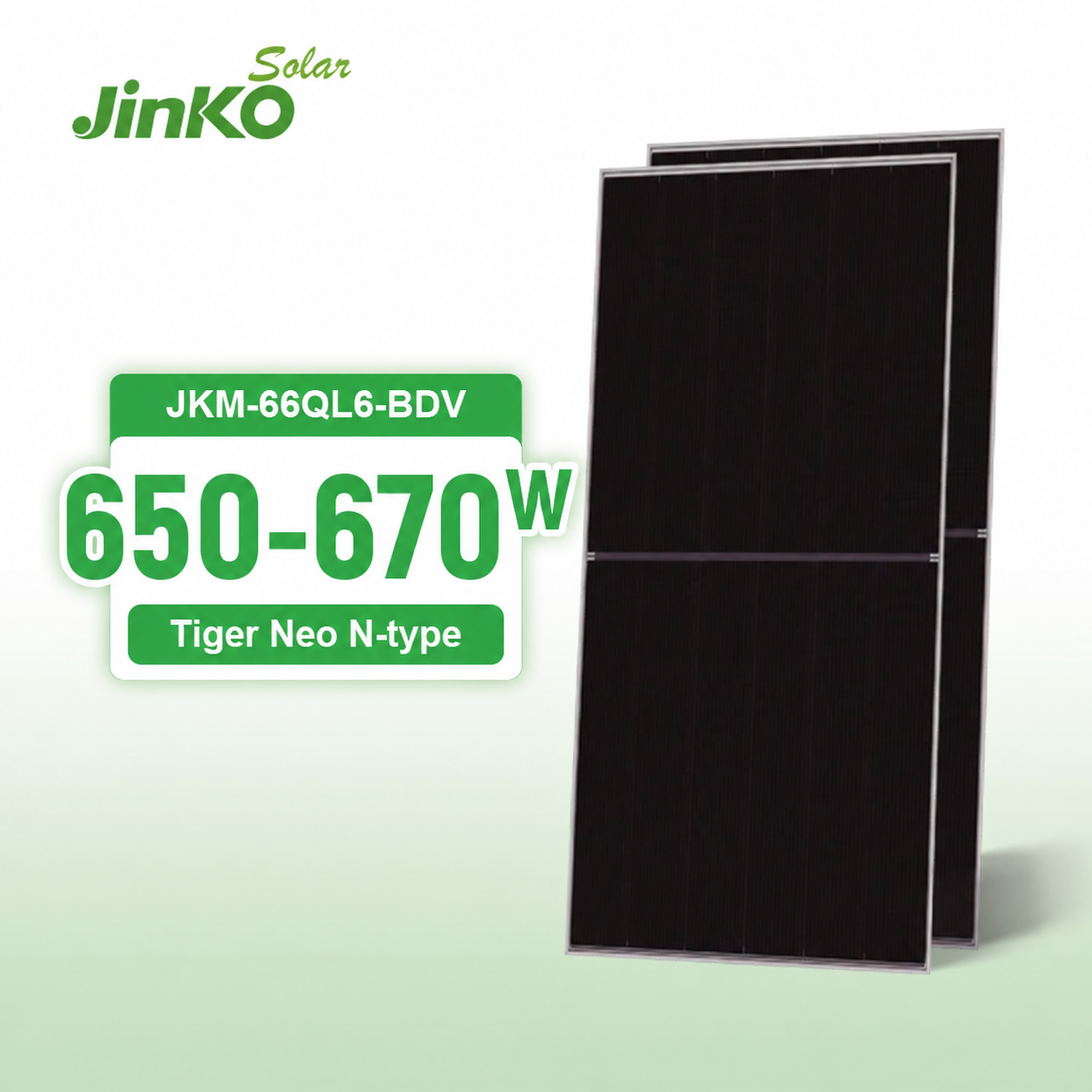
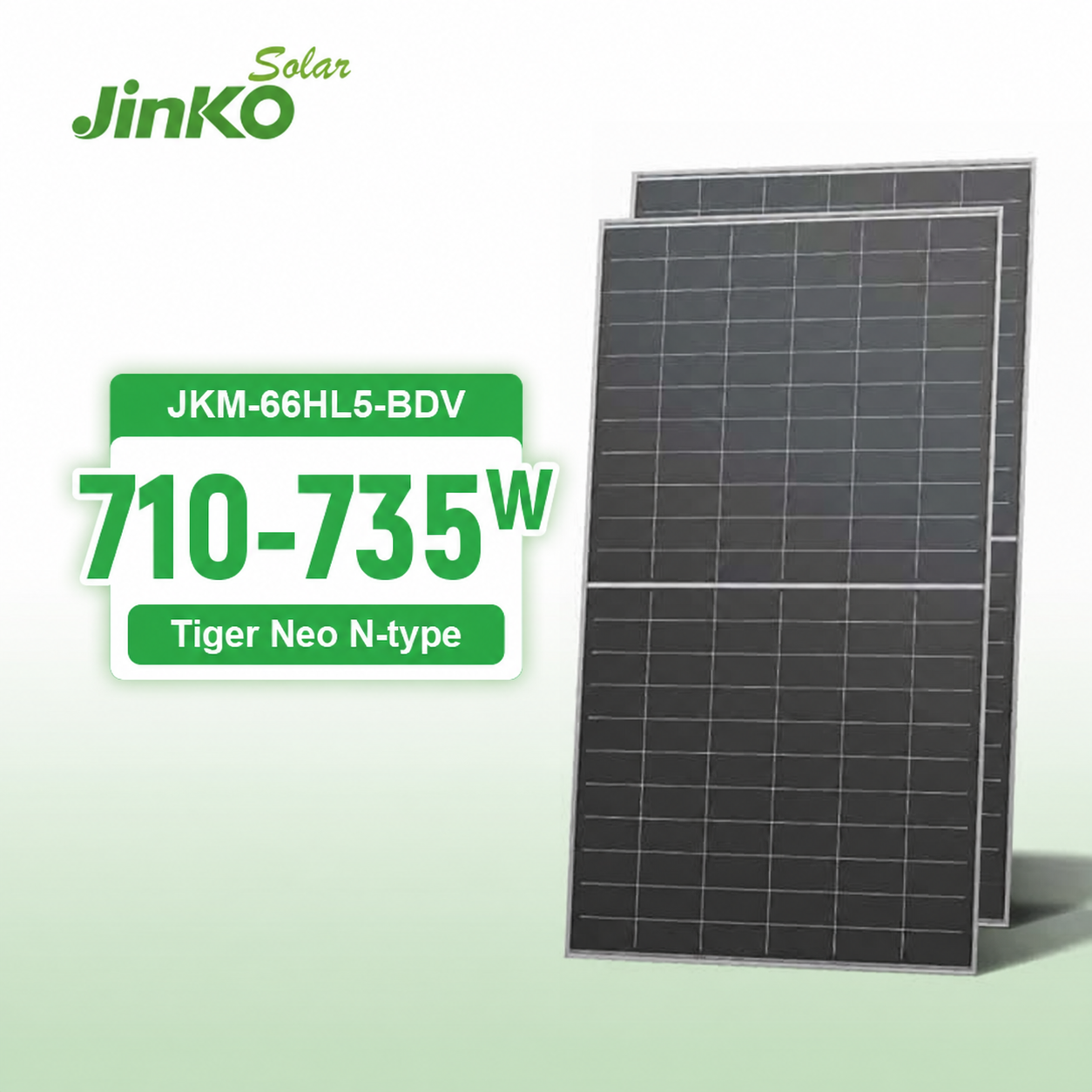
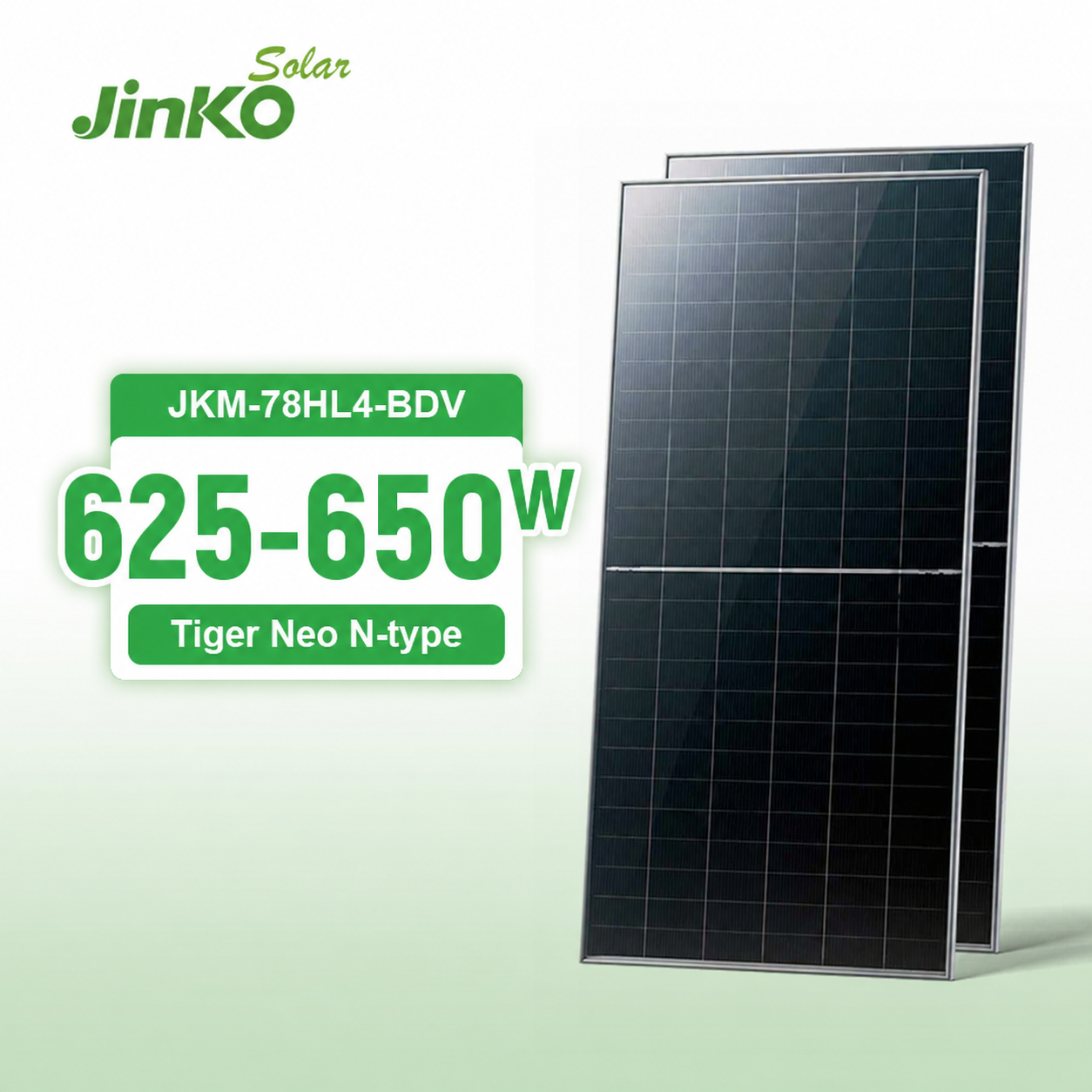
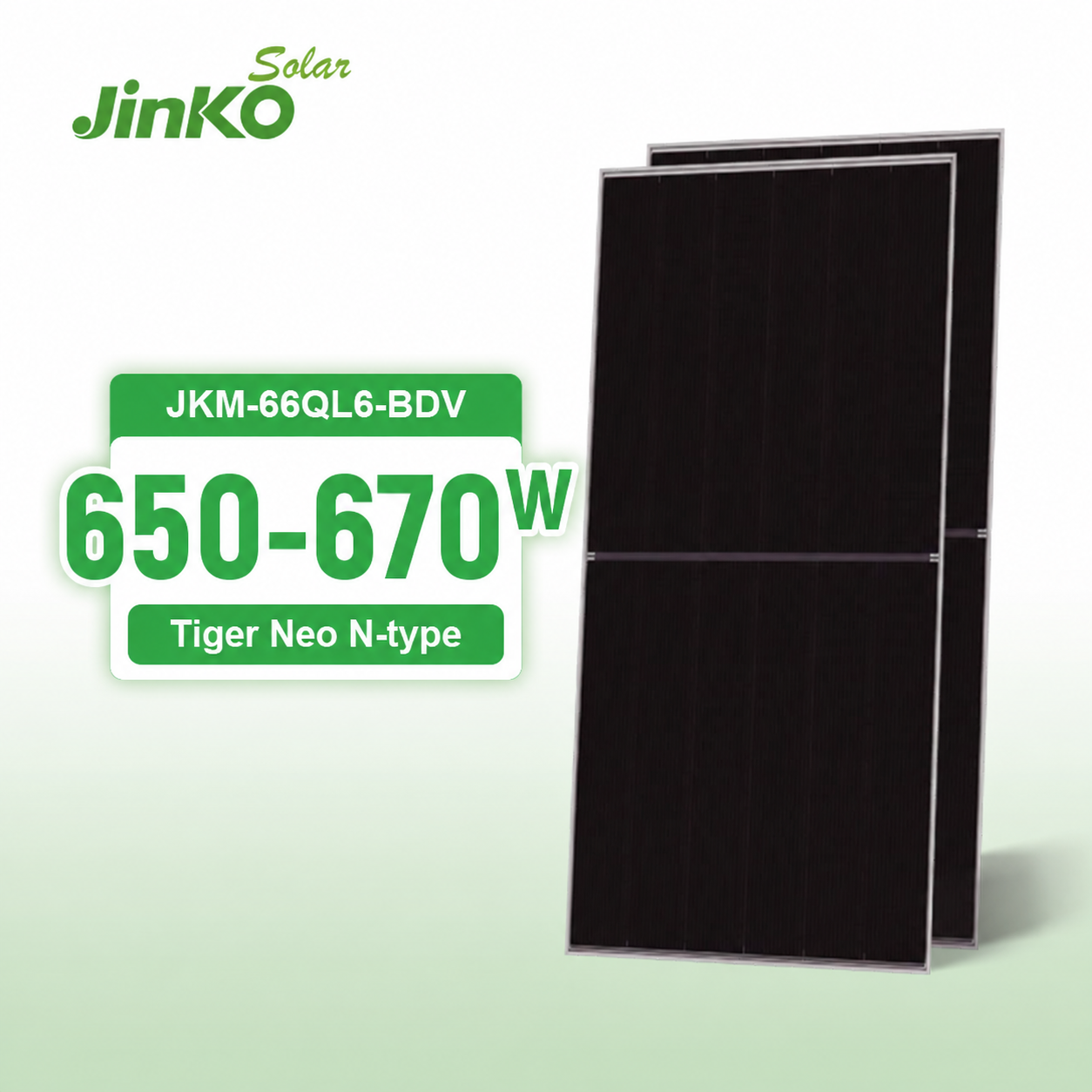
N-Type Bifacial PV Panels 650W 630W Double Glass Module
Ultra-high efficiency dual-glass architecture tailored for seaside residential villas and commercial rooftops facing the Salalah monsoon moisture.
Tier-1 Photovoltaic Engineering, High-Efficiency N-Type TOPCon & Bifacial Double-Glass Modules Built for the Harsh Coastal-Desert Dynamic of Dhofar Governorate, Oman.
Explore our premium factory-grade N-Type TOPCon bifacial and dual-glass photovoltaic modules designed for severe thermal tolerances, elevated humidity resistance, and extended LCOE returns in Salalah and Oman.
Ultra-high efficiency dual-glass architecture tailored for seaside residential villas and commercial rooftops facing the Salalah monsoon moisture.
Optimized for utility-scale solar farms across Southern Oman desert expanses with high albedo tracking support and up to 85% bifaciality factor.
Engineered for commercial cold storage, industrial warehouses in Raysut Free Zone, and medium-scale distributed PV grid injection systems.
Compact footprint, high areal power density, and zero LID performance suited for urban Dhofar residential retrofits and private estate microgrids.
Heavy-duty generation units built on 210mm wafer architecture, substantially reducing balance of system (BOS) cabling and structural costs.
Factory container-ready volume supply designed for EPC contractors handling swift turnkey deadlines in the GCC and southern Arabian Peninsula.
Superior anti-sand abrasion glass coating with Class A fire resistance, built to survive Dhofar desert dust storms and intense thermal cycling.
High-temperature coefficient performance engineered specifically to retain output during intense summer heatwaves prior to the Khareef mist.
A rigorous engineering analysis of why standard photovoltaic modules experience early failure in the Dhofar coastal ecosystem, and how Trina N-Type TOPCon bifacial modules ensure sustained multi-decade yield.
The geographic position of Salalah, situated along the Arabian Sea on the southern coast of the Sultanate of Oman, presents one of the world's most demanding microclimates for solar engineering. Unlike the arid interior of the Rub' al Khali desert, Salalah experiences the annual Khareef (southwest summer monsoon), which brings persistent cloud cover, high relative humidity exceeding 85%, dense sea mist, and micro-droplet saline atmospheric suspension. Following this season, the Dhofar plain transforms into an arid, high-temperature environment with severe ultraviolet (UV) irradiation, elevated ambient heat, and fine silica sand abrasion blown from inland desert terrains.
When selecting a trusted solar panel factory and supplier in Salalah, engineering procurement construction (EPC) firms cannot afford to treat photovoltaic modules as generic commodities. Standard P-Type PERC panels deployed in this territory often suffer from aggressive Potential Induced Degradation (PID), accelerated yellowing of ethylene-vinyl acetate (EVA) encapsulants due to sustained heat and moisture ingress, and micro-crack delamination resulting from extreme day-to-night thermal expansion cycles.
Our Tier-1 factory partnerships supply Trina and top-brand N-Type TOPCon solar modules engineered with crystalline tunnel-oxide passivated contacts. This architectural leap provides distinct physical safeguards for the Dhofar environment:
Through our comprehensive supply chain integration, we align Trina high-efficiency solar panels with full turnkey energy storage systems, including Deye hybrid inverters, high-voltage rack batteries, and smart balance-of-system (BOS) switchgear. Every component delivered to our Dhofar project partners is vetted for communication protocol matching, voltage compliance, and long-term operating durability.
Delivers higher bifacial energy yields (up to 30% back-side gain on reflective gravel) significantly lowering levelized cost of energy across 30 operational years.
Anodized aluminum alloy frames coated with up to 25μm anti-saline oxidation barriers, specifically rated to resist rust and chemical erosion near Dhofar shorelines.
Superior spectral response ensures continuous output during cloudy Khareef monsoon months, outperforming older PERC panels in diffused lighting conditions.
Factory-direct packaging engineered for ocean-freight integrity, eliminating micro-crack damage during transshipment through the Port of Salalah.
From industrial free-zone manufacturing plants to luxury eco-tourism coastal resorts, our photovoltaic systems are calibrated for Dhofar's unique economic sectors.
High-capacity 650W+ dual-glass N-Type TOPCon installations on manufacturing facilities, pharmaceutical plants, and petrochemical distribution hubs. Engineered to cut peak day-time industrial cooling tariffs under the Oman Sahim initiative, while resisting chemical fumes and severe ocean air rust.
Off-grid photovoltaic solutions deployed in the fertile desert agricultural zones of the Najd plateau north of the Dhofar Mountains. Paired with Deye off-grid inverters and LFP battery banks to power deep borehole water pumps for frankincense groves, fodder cultivation, and remote farmsteads.
Aesthetic, high-yield rooftop PV systems built for beachfront luxury hotels, municipal buildings, and residential compounds across Hawana Salalah and Taqah. Configured with smart energy storage to supply clean silent uninterrupted night-time power during peak tourist seasons.
How Oman's aggressive decarbonization targets, green hydrogen mega-hubs, and decentralized grid initiatives are transforming solar procurement in Dhofar.
Under the ambitious framework of Oman Vision 2040 and the national target of generating at least 30% of electricity from renewable resources by 2030 (aiming for Net Zero emissions by 2050), Salalah is rapidly emerging as a pivotal green energy epicenter. The Authority for Public Services Regulation (APSR) continues to expand its distributed solar frameworks, making clean power integration both economically mandatory and commercially advantageous for Dhofar's business community.
Four major macroeconomic and technological trends are shaping the future of solar procurement in Salalah:
1. Green Hydrogen & Ammonia Megaprojects: The Dhofar Governorate possesses world-class complementary wind and solar resources. Massive clean energy generation corridors planned near Salalah will rely heavily on ultra-large 700W+ bifacial modules to supply baseload green electrons to planned electrolyzers near the Port of Salalah.
2. Transition from P-Type to High-Density N-Type: Oman's commercial engineering standards now systematically favor N-Type TOPCon and Heterojunction (HJT) technologies. EPC contractors in Salalah are abandoning older PERC modules because N-Type yields up to 4.5% more annual kilowatt-hours per square meter under high temperatures, directly increasing investor ROI.
3. Grid Parity & Mandatory Solar Carports: As diesel generation subsidies in outlying Dhofar regions phase out and municipal grid electricity tariffs are structured with cost-reflective tariffs (CRT) for commercial entities, self-consumption solar roofs and solar-shaded car parks are becoming standard investments for shopping centers, universities, and hospitals.
4. Turnkey Photovoltaic + Lithium Battery Co-Location: In line with global energy trends, standalone solar in Dhofar is giving way to hybrid architectures. Pairing Trina panels with high-capacity Lithium Iron Phosphate (LiFePO4) storage banks guarantees critical power continuity during coastal storms and off-peak tariff arbitrage during expensive evening hours.
Hangzhou VOLT New Energy Technology Co., Ltd. eliminates supply chain friction, delivering verified Tier-1 Trina and matched solar infrastructure straight to your project gate.
Every photovoltaic order is cross-calibrated against your chosen inverters (Deye, Sungrow, or Huawei) and LFP battery systems to ensure seamless startup without communication mismatch or MPPT voltage clipping.
Full electroluminescence (EL) crack scanning, power flash test reporting, and visual frame inspection conducted prior to container packing. You receive complete factory inspection video documentation before port dispatch.
Specialized Class 9 dangerous goods ocean freight handling and regular container sailings directly to the Port of Salalah. Complete customs document clearing sets including Certificate of Origin, IEC reports, and MSDS.
Our bilingual solar engineering team supports Dhofar EPCs and installers with detailed array sizing, string voltage calculators, shade simulations, and structural wind-load recommendations free of charge.
Critical answers concerning import customs clearance, local grid approvals in Oman, warranty enforceability, and severe weather panel performance.
Unlike standard modules with polymeric backsheets that allow micro-moisture transmission over time, Trina double-glass solar panels utilize 2.0mm heat-strengthened glass on both sides sealed with POE encapsulant. This guarantees zero water vapor permeability, preventing cell corrosion, potential-induced degradation (PID), and internal yellowing despite months of 90%+ relative humidity.
We arrange direct ocean freight from Ningbo/Shanghai ports straight to the Port of Salalah. Average ocean transit time ranges between 18 and 24 days depending on the shipping line. We provide full container load (FCL) service with professional anti-vibration crating to eliminate transit micro-cracks, accompanied by clean commercial invoices, packing lists, and certified Certificate of Origin for fast Omani Bayan customs clearance.
Yes. All Trina solar panels and paired inverter systems provided by our company carry valid IEC 61215 (design qualification and type approval), IEC 61730 (photovoltaic module safety), and IEC 61701 (salt mist corrosion testing) test certificates issued by international accredited laboratories (TÜV Rheinland / TÜV SÜD), enabling compliant permitting under Nama Group and APSR distributed generation guidelines.
Yes, this is one of our key competitive advantages. As a factory supplier and turnkey system integrator, we consolidate Trina PV modules, Deye hybrid inverters, and LFP energy storage battery cabinets into one single consolidated container. We handle all Class 9 Dangerous Goods (DG) documentation and UN38.3 test reports for lithium batteries, drastically reducing freight and handling overhead for Salalah buyers.
Trina solar modules are backed by a 12-year manufacturer product workmanship warranty and a 30-year linear performance warranty. Each module bears an individual laser-engraved barcode tracked in our factory export ledger. In the rare event of a field defect, our technical team processes the claim directly with factory warranty divisions, dispatching replacement units without project disruption.
N-Type TOPCon panels feature a superior temperature coefficient of -0.30%/°C (compared to -0.35% for PERC), resulting in noticeably higher power generation when Salalah ambient temperatures soar above 40°C in spring and autumn. Furthermore, their higher bifaciality factor (up to 80-85%) allows them to generate up to 25% extra electricity from the rear side when installed on white roofs or desert sands.