700W+
Ultra-High Power TOPCon & 210mm Cells
22.8%
Maximum Module Conversion Efficiency
-0.29%/°C
Ultra-Low Temperature Pmax Coefficient
100%
Pre-Export EL Testing & Flash Verification
High-Efficiency Portfolio
Precision Solar Modules & ESS Storage Supporting Qom Projects
Selected high-efficiency N-Type, dual-glass bifacial photovoltaic modules and integrated smart inverters optimized for high ambient thermal conditions and severe desert albedo environments.
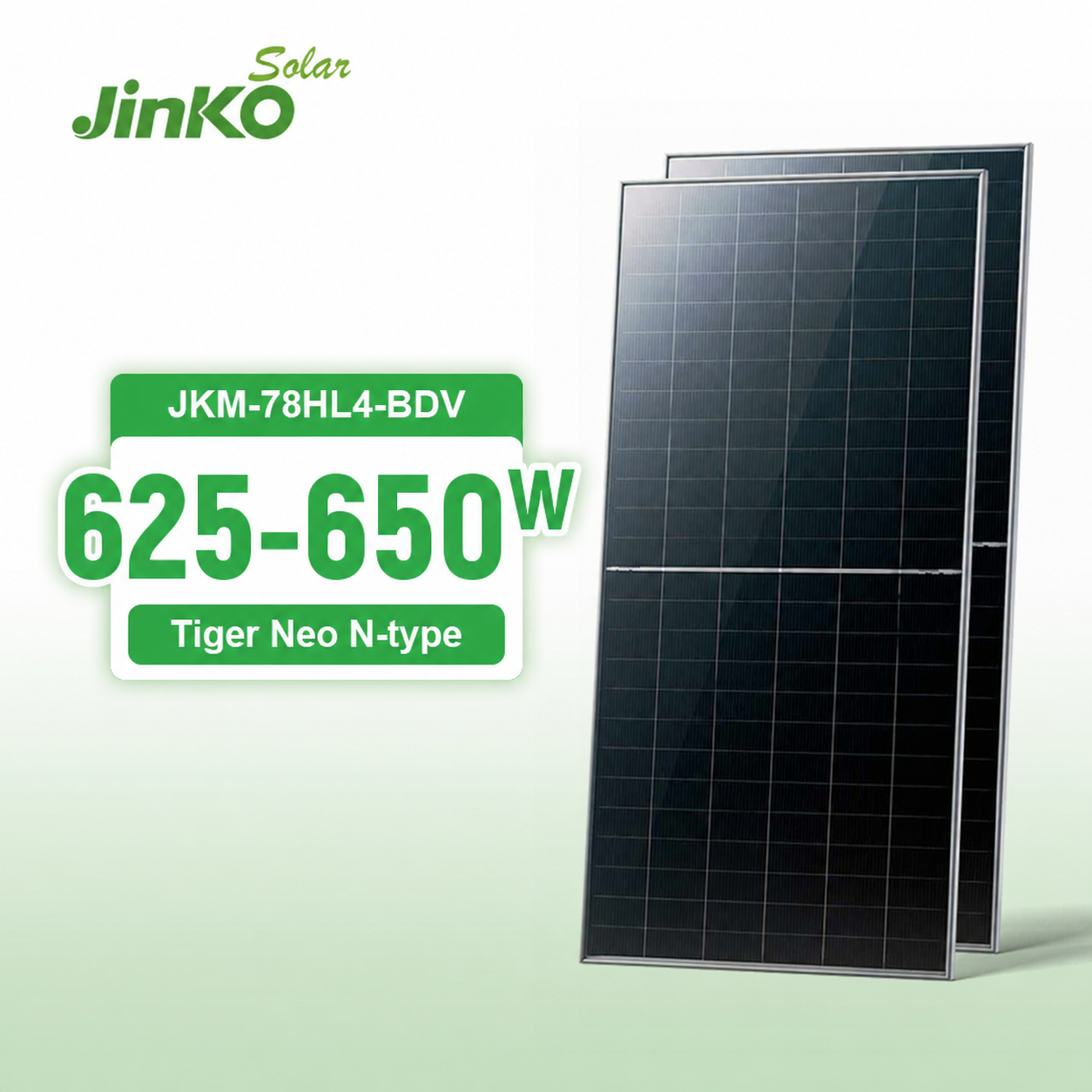
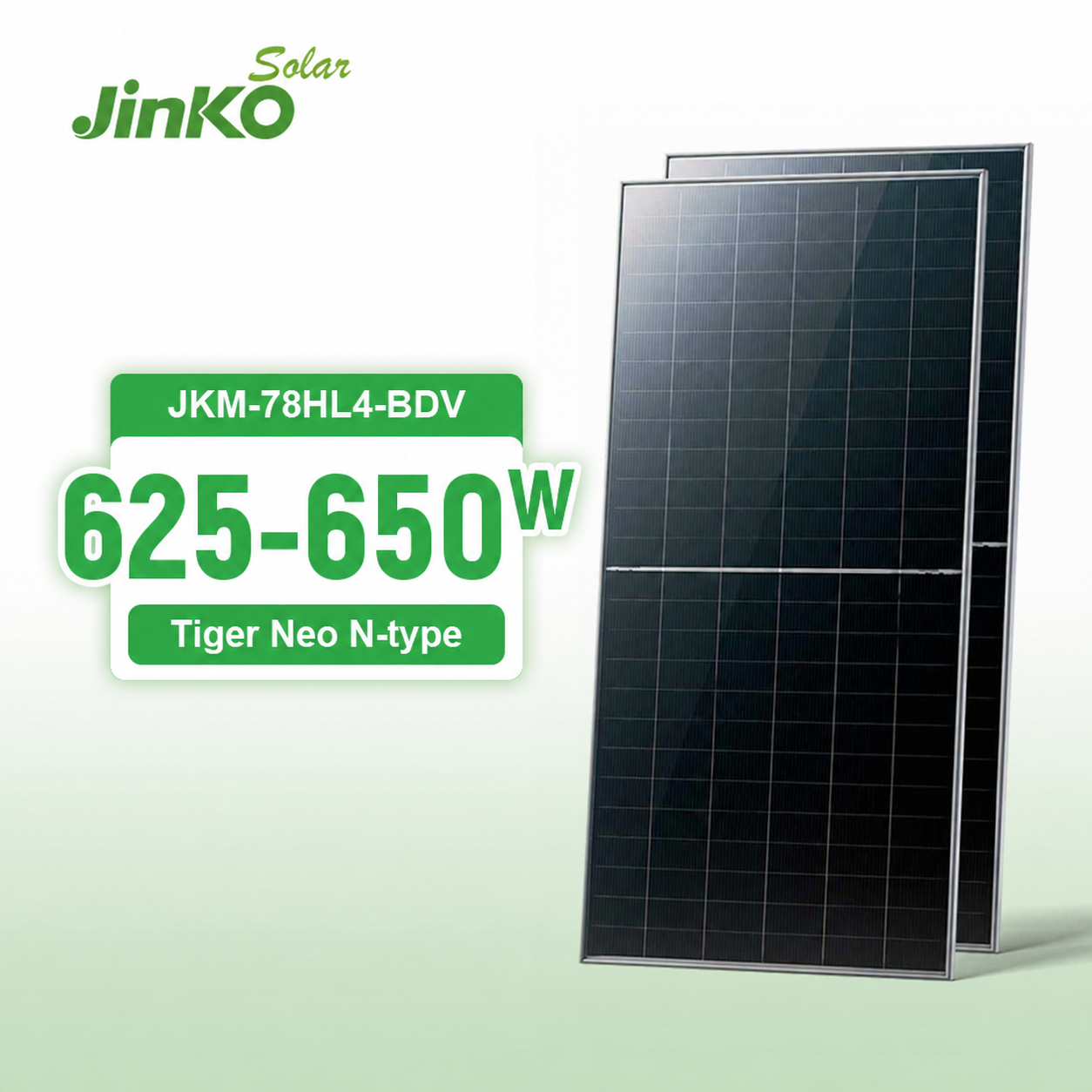
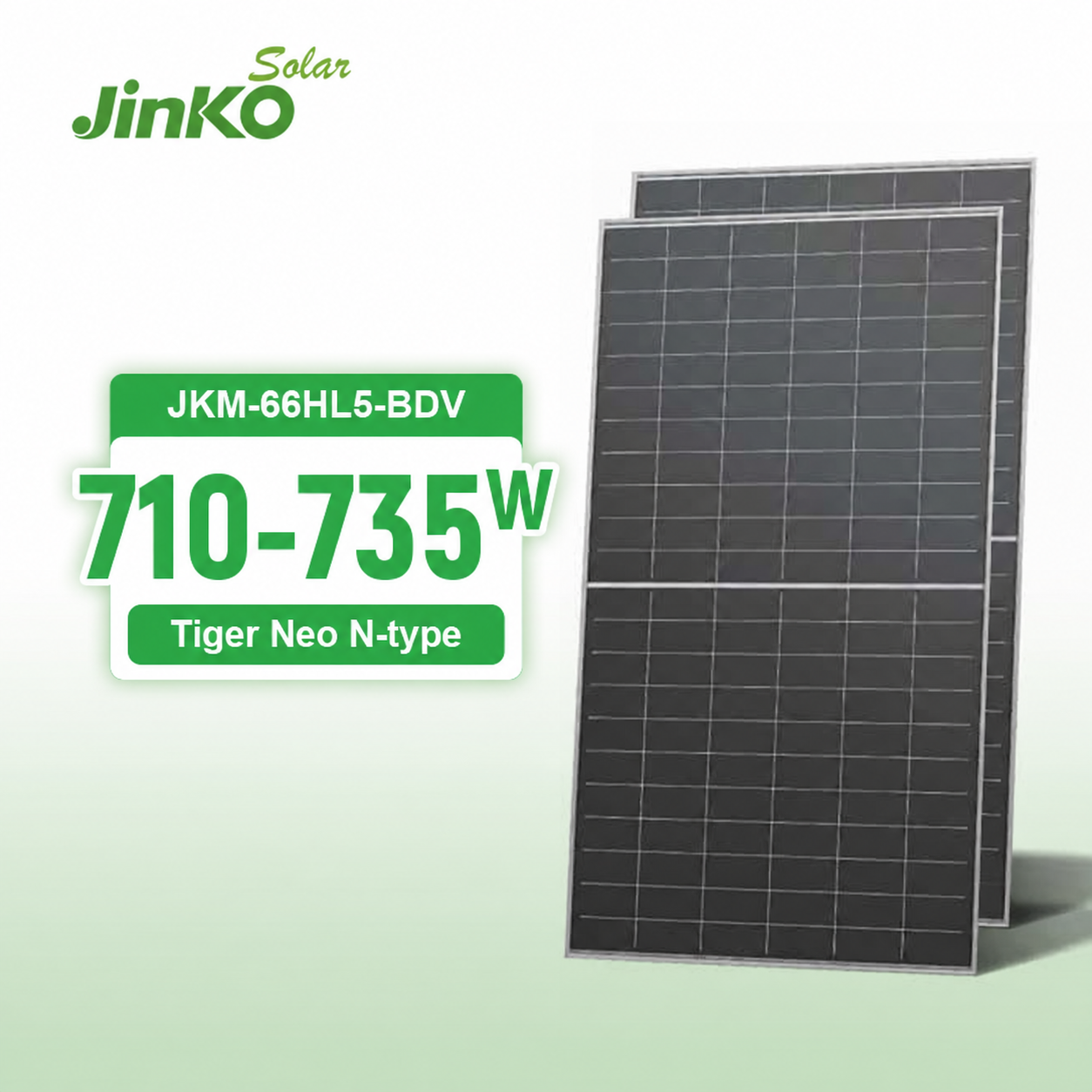
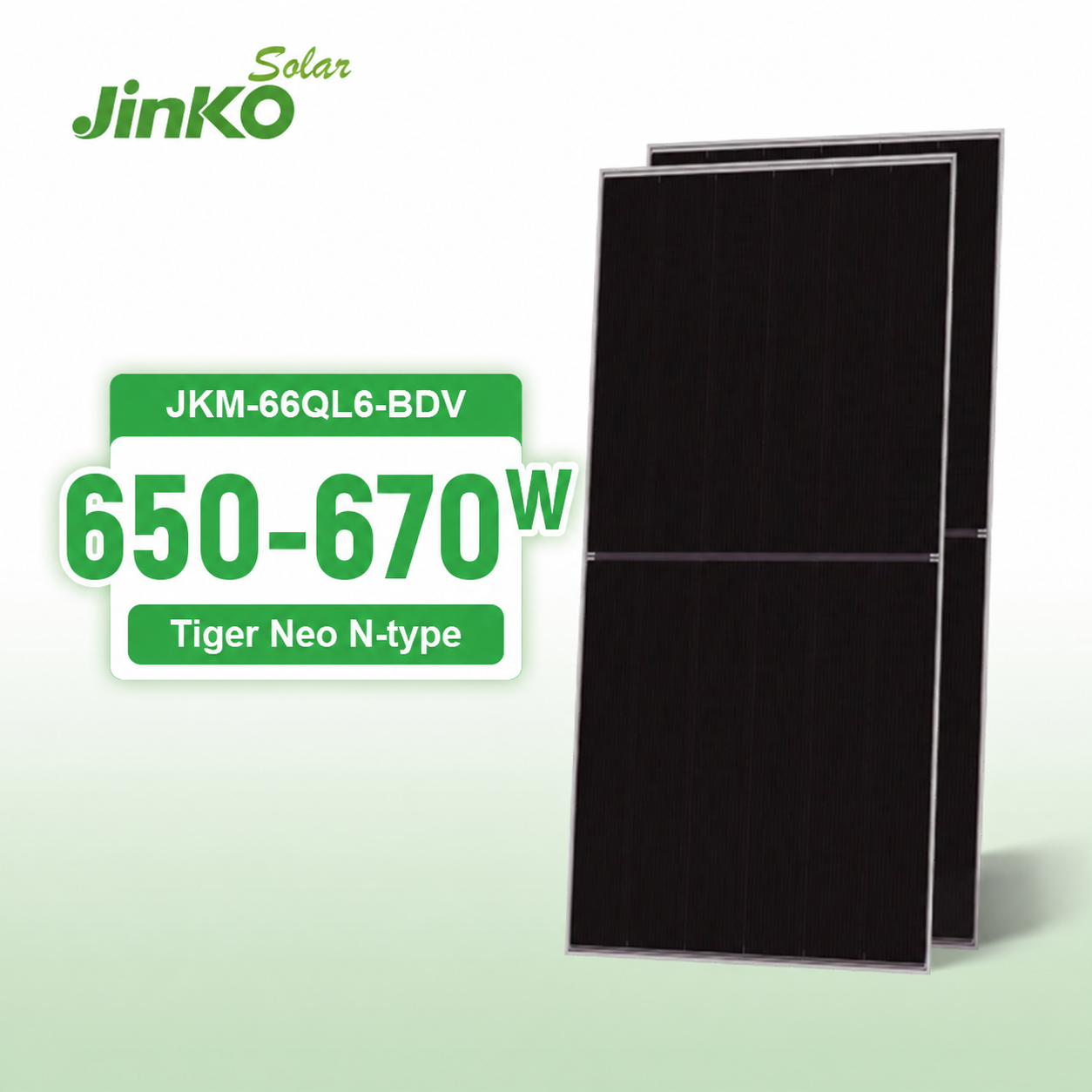
Engineering Deep Dive
Solar Dynamics in Central Iran: The Qom Photovoltaic Ecosystem
Analyzing thermal coefficients, sandstorm abrasion factors, and high-desert albedo opportunities for Tier-1 Trina and equivalent N-Type solar panels in Qom Province.
Mitigating Hyper-Thermal Derating
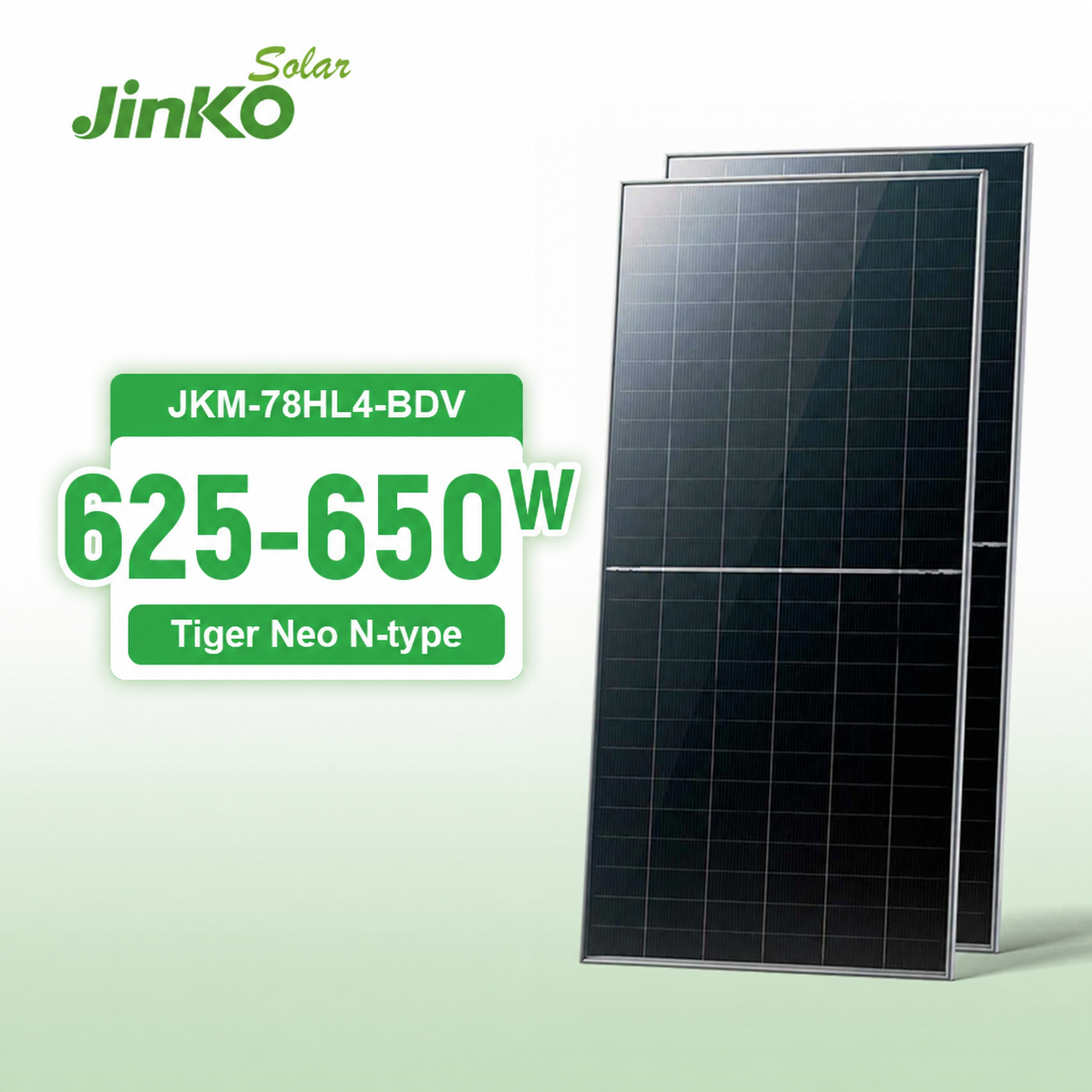
Summer operating module temperatures in Qom regularly exceed 68°C on ground-mounted racks. Standard p-type PERC panels suffer power degradation coefficients near -0.36%/°C. By deploying Tier-1 N-Type TOPCon and Vertex 210mm platforms with temperature coefficients of -0.29%/°C to -0.30%/°C, system developers prevent up to 8.5% of peak-hour midday yield collapse, maximizing return on investment during regional peak electricity tariff windows.
Albedo Harnessing in Saline Soils
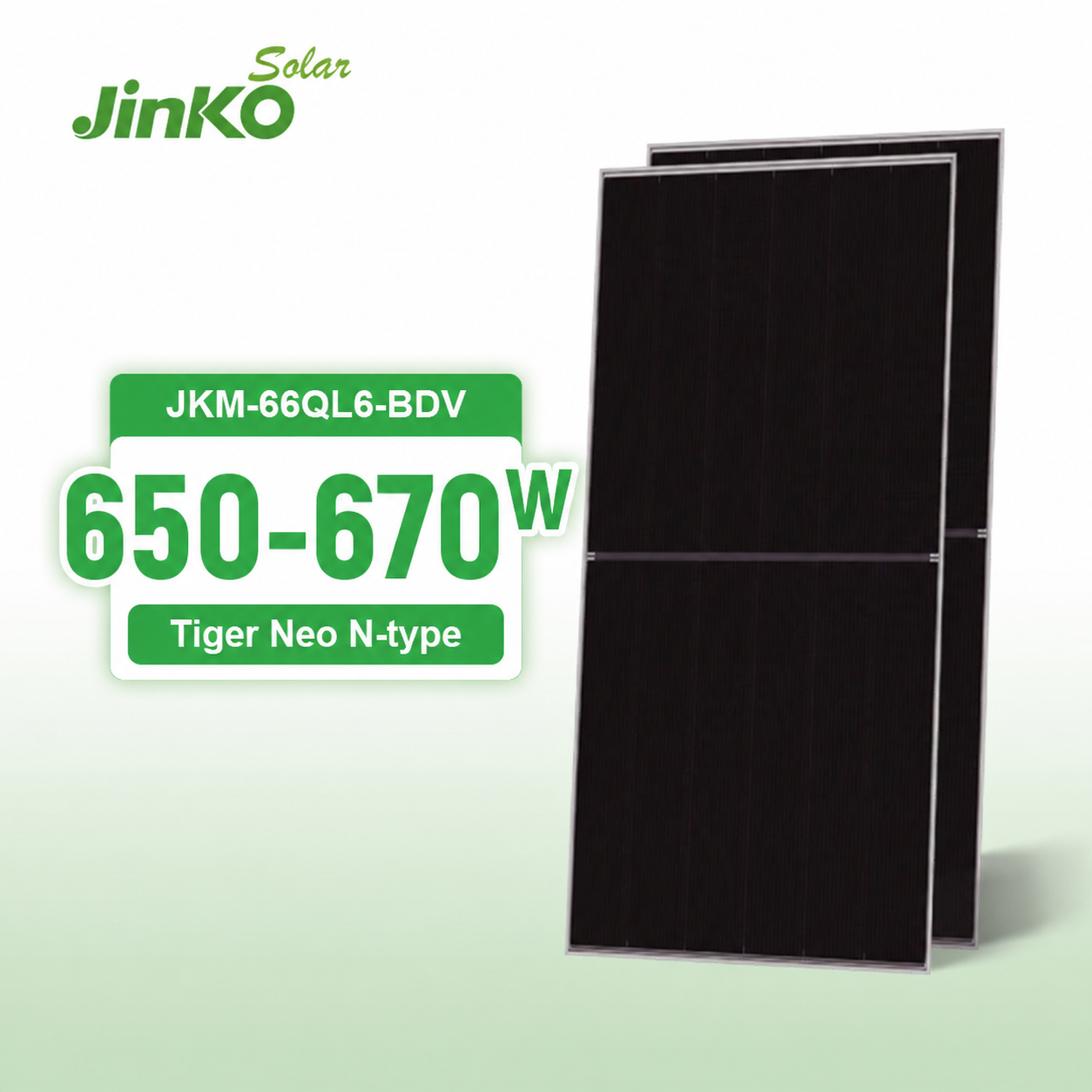
The geographic proximity of Qom to Namak Salt Lake (Daryacheh-ye Namak) presents a distinctive geological advantage. The bright, high-albedo salt flats and desert sands reflect between 25% and 40% of ambient solar radiation. Dual-glass bifacial modules capture back-side reflected light, yielding a verified 12% to 22% additional kWh generation without increasing structural balance-of-system (BOS) land footprints.
Abrasion & Particulate Resistance
Particulate deposition and abrasive sandstorms from the Dasht-e Kavir desert degrade anti-reflective module coatings over time. Dual-glass 2.0mm+2.0mm heat-strengthened glass architectures replace organic polymer backsheets. This prevents backside yellowing, micro-cracking from airborne sand impingement, and PID (Potential Induced Degradation) in environments with high electrical potential and dry static electricity.
| Evaluation Parameter | Standard P-Type PERC Module | Trina/Jinko N-Type TOPCon Dual-Glass | Engineering Benefit in Qom Climes |
|---|---|---|---|
| Temperature Coefficient (Pmax) | -0.35% / °C to -0.38% / °C | -0.29% / °C to -0.30% / °C | Delivers up to 6–9% higher actual energy output in 45°C+ summer peaks. |
| Bifaciality Factor | 70% ± 5% | 80% to 85% ± 5% | Maximizes rear-side generation off hyper-reflective calcareous desert ground. |
| First Year Power Degradation | < 2.0% (LID / LeTID risk) | < 1.0% (Zero Boron-Oxygen LID) | Protects operational revenue during early financial amortisation cycles. |
| Annual Linear Degradation | ~0.55% / Year | 0.40% / Year (30-Year Performance) | Guarantees 87.4% retained capacity at Year 30 vs. 84.8% standard. |
| Glass Surface Protection | Single Glass + Plastic Backsheet | Dual Glass (2.0mm + 2.0mm Tempered) | Immune to sand abrasion, UV delamination, and humidity-ingress corrosion. |
Localized Deployments
High-Impact Application Scenarios Across Qom Province
From heavy manufacturing zones along the Qom-Tehran expressway to hyper-arid desert agricultural irrigation, tailored photovoltaic engineering addresses specific local power needs.
Industrial Estates: Salafi-chegan & Shokouhieh
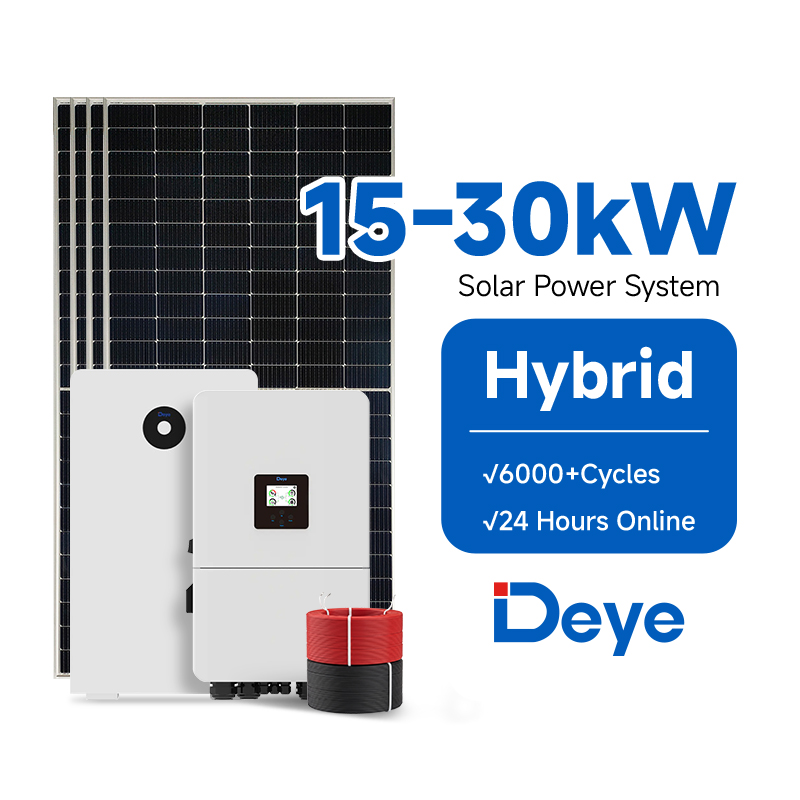
Industrial complexes in Qom face scheduled summer load-shedding and costly grid peaking tariffs. Commercial and industrial (C&I) rooftop installations utilizing 650W to 700W high-density bifacial modules paired with Deye hybrid inverters provide uninterrupted operations. Self-consumption models shield plastics, chemicals, and mechanical manufacturers from electrical blackouts while lowering levelized cost of energy (LCOE).
Pistachio Cultivation & Deep-Well Solar Pumping
Agricultural estates across the Qom plain depend on deep-well groundwater extraction. Diesel fuel supply uncertainties and rising pump operating costs make off-grid photovoltaic water pumping essential. High-voltage DC string configurations direct-drive multi-stage submersible pumps, providing sustained water output throughout high-irradiance daytime cycles without battery wear.
Semi-Arid Utility-Scale Solar Parks
Iran's SATBA initiatives incentivize MW-scale solar development in central desert basins. Ground-mounted single-axis trackers matched with Trina 210mm Vertex modules produce levelized energy yields exceeding 2,100 kWh/kWp annually in Qom. Dual-glass construction resists wind-borne dust infiltration, reducing mechanical load stresses during seasonal desert wind patterns.
Market Trajectory
Regional Photovoltaic Transformation: The Outlook for Qom
Strategic grid decarbonization, industrial self-generation mandates, and bilateral Sino-Iranian technical cooperation are reshaping Qom's renewable energy landscape.
SATBA 10,000 MW Renewable Expansion
The Renewable Energy and Energy Efficiency Organization of Iran (SATBA) continues to accelerate its national capacity target. Qom serves as a vital electrical nexus, bridging high solar radiation corridors with northern consumption basins around Tehran. Preferential energy purchase agreements and cross-border trade mechanisms make Tier-1 Chinese high-efficiency panels the primary technology imported by regional EPC contractors.
Article 16 Industrial Mandates
Under regulatory guidelines, industrial facilities with power connections over 1 MW must source a progressively increasing share of their electricity from renewables or pay punitive fossil surcharge fees. Installing 650W+ TOPCon systems allows heavy consumers in Qom's Special Economic Zones to fulfill compliance thresholds, reduce power expenses, and secure operational stability.
Coupling Solar Generation with Energy Storage
Frequent seasonal peak restrictions have driven demand beyond simple on-grid grid-tied inverters toward low- and high-voltage energy storage systems (ESS). Hybrid inverter deployments paired with LiFePO4 battery banks are now a standard specification for industrial expansions, cold-chain warehouses, and municipal facilities across the central desert region.
Supply Chain Integrity
Direct Sourcing & Engineering Rigor for Middle East Exporters
Eliminating compatibility risks, logistics delays, and technical mismatches. Hangzhou VOLT New Energy delivers factory-direct Tier-1 solar equipment and turnkey energy systems worldwide.

Verified Protocol Matching
Every hybrid inverter and lithium battery bank undergoes comprehensive BMS-to-inverter communication checks (CAN & RS485 protocols, DIP switches, firmware versions) before shipping to guarantee seamless field integration.

Pre-Shipment Flash & EL QC
We provide full electroluminescence (EL) test reports, flash-test data tables, and batch serial number validation for every container of Tier-1 solar panels, ensuring zero micro-cracks or cell mismatch before ocean transit.

Customs & Mixed Logistics
Specialized export logistics handling Class 9 DG lithium transport (UN38.3, MSDS) alongside mixed-container consolidation of PV modules, inverters, cables, and racking to optimize container freight costs.

B2B Engineering Support
Complete project string sizing, tilt-angle optimization for desert latitudes, electrical single-line diagrams (SLD), and remote engineering assistance delivered directly to EPCs and installers across 100+ countries.
Buyer Knowledge Base
Frequently Asked Questions: Procuring Trina & Solar Equipment for Qom
Key considerations on customs procedures, thermal degradation, warranty execution, and logistics routing when sourcing Tier-1 solar hardware directly from China.
How do Trina Vertex and N-Type TOPCon panels withstand Qom's extreme summer temperatures?
Trina and Jinko N-Type TOPCon platforms utilize high-purity n-doped silicon wafers with zero Boron-Oxygen Light Induced Degradation (LID). Their low temperature coefficient of Pmax (-0.29% to -0.30%/°C) delivers 2% to 4% more daytime kilowatt-hours than conventional p-type PERC panels (-0.36%/°C) when ambient desert air temperatures hit 45°C and surface cell temperatures reach 65–70°C.
What shipping routes and documentation are handled for cargo dispatched to Iran?
Cargo is typically routed from Ningbo or Shanghai port via direct ocean freight to Bandar Abbas, with onward multimodal inland transit to Qom customs clearance depots (such as Salafchegan Special Economic Zone). We issue complete Commercial Invoices, Packing Lists, Certificates of Origin (CO), clean Bills of Lading, and manufacturer flash test reports for smooth customs release.
Why is dual-glass (bifacial) strongly recommended over backsheet modules for Qom?
Dual-glass construction encapsulates solar cells between two sheets of heat-strengthened 2.0mm glass. In dry desert regions like Qom, this provides complete impermeability to moisture, zero susceptibility to sand abrasion, and immunity to backside scratching during dust storms. Furthermore, rear-side bifacial gain of up to 20% can be captured from the reflective sand and salt plains surrounding the region.
Can I mix solar panels, hybrid inverters, and lithium storage batteries in one container?
Yes. We provide consolidated container loading services. We arrange mixed 40ft HQ shipments containing Tier-1 solar modules, Deye hybrid inverters, and our certified LiFePO4 battery modules. Our logistics team secures DG (Dangerous Goods) clearance for lithium batteries (UN38.3/MSDS compliance) alongside non-hazardous PV hardware in single consolidated bills of lading.
How are Tier-1 factory warranties verified and serviced internationally?
All modules feature genuine factory barcodes, serial numbers, and original manufacturer performance warranties (12–15 years product workmanship, 30 years linear performance guarantee). We archive pre-shipment electroluminescence (EL) test results by serial number. In the rare event of on-site degradation or failure, our Hangzhou headquarters directly liaises with the manufacturer's technical claims department on your behalf.