Curated Solar & Storage Catalog for Austin Installers
Explore our Tier-1 solar modules, low-voltage wall-mountable lithium battery platforms, and high-performance inverters. Engineered for seamless field pairing, turnkey permitting, and dependable dispatch during peak summer heatwaves and winter freezes.
Austin Energy Ecosystem & ERCOT Grid Realities
Why property owners, engineering firms, and electrical contractors across Travis, Williamson, and Hays counties are rapidly adopting modular wall-mounted energy storage systems.
The renewable energy transition in Central Texas is unfolding at an unprecedented velocity, driven by a confluence of explosive demographic growth, tech sector industrial loads, and notable structural stresses across the Electric Reliability Council of Texas (ERCOT) independent grid. As Austin continues to attract hyperscale data centers, semiconductor fabrication plants, and dense master-planned suburban communities, peak demand records are routinely shattered during both protracted 105°F+ summer heat waves and severe sub-freezing winter weather fronts.
In municipal territories governed by Austin Energy, alongside neighboring cooperative zones such as Pedernales Electric Cooperative (PEC) and Bluebonnet Electric, grid-tied solar arrays alone no longer satisfy the resilience thresholds demanded by commercial businesses and homeowners. Austin Energy's pioneering Value of Solar (VoS) tariff credits rooftop generation under a dedicated meter scheme, yet during grid-down emergencies caused by transmission congestion or extreme storm damage, traditional grid-following string inverters immediately shut down to safeguard utility line workers. Wall-mounted lithium iron phosphate (LiFePO4) battery systems—functioning as intelligent microgrid anchors—transform intermittent photovoltaic assets into dispatched, uninterrupted power sources capable of black-start autonomy.
Mitigating ERCOT 4CP Charges
For commercial facilities throughout Austin and Round Rock, Four Coincident Peak (4CP) transmission cost allocation charges impose crippling fees during summer weekday afternoons. Our wall-mounted energy storage platforms allow EPCs to implement automated peak-shaving algorithms, discharging stored solar capacity between 3:00 PM and 7:00 PM to slash wholesale demand billing.
Climate Resilience & Freeze Defense
Memories of Winter Storm Uri and subsequent winter ice storms remain sharp across Central Texas. When utility lines collapse under freezing rain, our wall-mounted batteries—equipped with integrated smart PTC cell-heating films—maintain continuous LiFePO4 chemistry operation even when garage or exterior installation ambient temperatures plummet below 20°F (-7°C).
Virtual Power Plant (VPP) Aggregation
Central Texas utilities are expanding distributed battery demand-response trials. With native CAN and RS485 communication protocols, our wall-mounted units seamlessly connect to aggregated dispatch networks, allowing Austin distributors and residential end-users to earn lucrative ancillary service credits while bolstering community power security.
Why Wall-Mounted LiFePO4 Architecture Outperforms in Austin
A rigorous examination of cell chemistry safety, space utilization, thermal dissipation, and closed-loop inverter integration.
When selecting residential and light commercial battery architecture for the Austin market, safety and heat tolerance are non-negotiable engineering criteria. Conventional nickel-manganese-cobalt (NMC) chemistries present elevated thermal runaway risks under prolonged high-temperature conditions. In contrast, Lithium Iron Phosphate (LiFePO4 / LFP) exhibits an intrinsic thermal runaway breakdown temperature exceeding 270°C (518°F), substantially higher than NMC’s volatile 150°C threshold. Our wall-mounted battery units leverage prismatic automotive-grade grade-A LiFePO4 cells wrapped in structural aluminum casings, ensuring chemical stability, non-combustibility, and zero toxic off-gassing.
Thermal Management in Unconditioned Texas Garages
Residential battery storage in Austin is predominantly mounted on drywall or cinder block within attached garages or exterior shaded alcoves. During July and August, unconditioned garage temperatures in Travis County frequently reach 115°F (46°C). Conventional battery packs suffer severe capacity degradation and throttling under these conditions. Our wall-mounted units incorporate extruded aircraft-grade aluminum heat-sink chassis combined with passive convection venting. This architecture maintains uniform internal cell temperatures across the entire pack without mechanical fans that draw parasitic loads or collect dust.
Closed-Loop Synchronization with Deye Hybrid Inverters
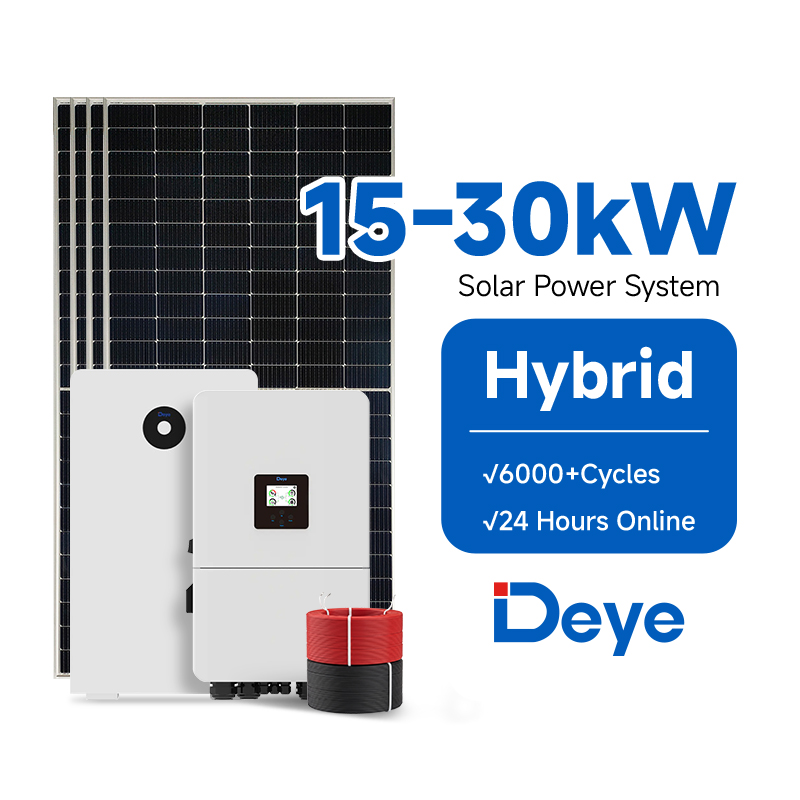
A frequent pain point encountered by solar installers across Texas is the communication failure between third-party lithium batteries and hybrid inverters—triggering the infamous "BMS Communication Fault" (F58 / E01 codes). Hangzhou VOLT New Energy resolves this completely through factory-flashed firmware profiles. Our 51.2V wall-mounted modules communicate natively with Deye low-voltage hybrid inverters (5kW to 30kW) via high-speed CANbus and RS485 interfaces. Crucial operational metrics—including State of Charge (SoC), State of Health (SoH), cell voltage parity, instantaneous charging current limits, and multi-stage temperature feedback—are sampled at millisecond intervals, maximizing round-trip efficiency (RTE >95%) and extending cell operational life beyond 6,000 cycles.
| Performance Parameter | VOLT Wall-Mounted LFP Storage (51.2V) | Legacy Lead-Acid / GEL Batteries | Standard High-Voltage NMC Stacks |
|---|---|---|---|
| Battery Chemistry & Safety | Automotive Grade-A LiFePO4 (No Thermal Runaway risk) | Lead-Calcium / Gelified Electrolyte (Acid risk) | Nickel Manganese Cobalt (Higher thermal risk) |
| Usable Depth of Discharge (DoD) | 90% to 95% continuous DoD | 50% maximum (severe plate sulfation if exceeded) | 80% to 90% DoD |
| Cycle Life Expectancy | 6,000+ cycles @ 0.5C rate, 25°C (15+ Years) | 800 – 1,500 cycles | 2,500 – 3,500 cycles |
| Texas Summer Thermal Tolerance | Operational up to 55°C (131°F) without thermal trip | Severe capacity decay over 30°C (86°F) | Requires aggressive active fan cooling |
| Mounting Footprint & Aesthetics | Ultra-slim wall footprint (<180mm depth), zero floor space | Bulky battery racks, heavy floor space penalty | Tower vertical floor stacks; wall anchors mandatory |
| Inverter Communication Integration | Closed-loop native CAN/RS485 matching Deye & multi-brands | Open-loop voltage estimation only (imprecise) | Proprietary closed ecosystems only |
Austin-Specific Energy Storage Configurations
Tailored engineering deployments verified for commercial facilities, residential subdivisions, and suburban Hill Country estates.
Suburban Residential Microgrids (Mueller, Circle C, Steiner Ranch)
In high-density Austin residential developments where garage floor area commands a premium, dual 5.12kWh wall-mounted batteries paired with 8kW to 10kW Deye hybrid inverters supply complete whole-home critical backup. When utility power fluctuates, automatic transfer switches restore sub-panel loads within 15 milliseconds, seamlessly powering variable-speed inverter air conditioning, refrigerators, home automation servers, and medical gear.
Tech-Corridor Commercial & Light Industrial Demand Shaving
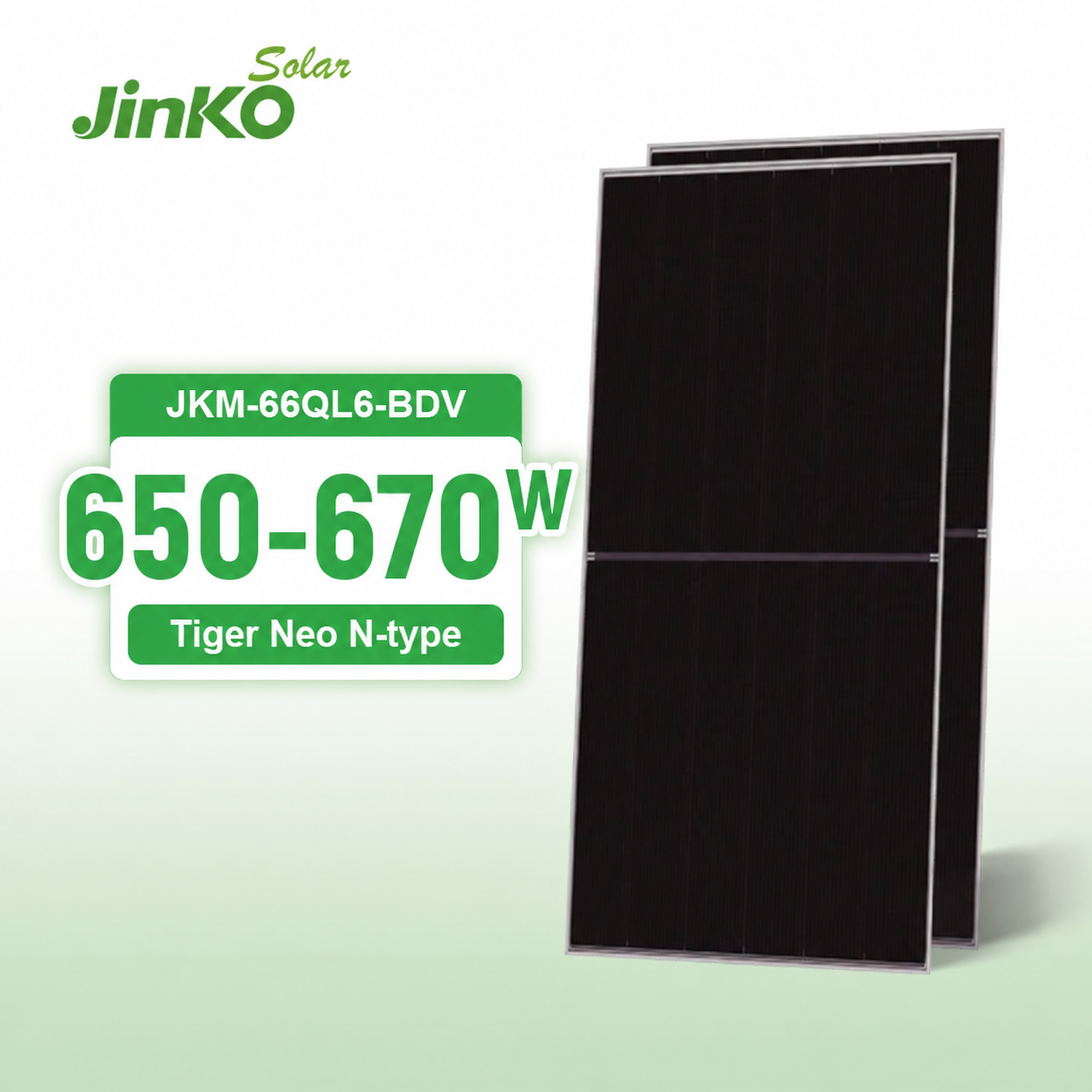
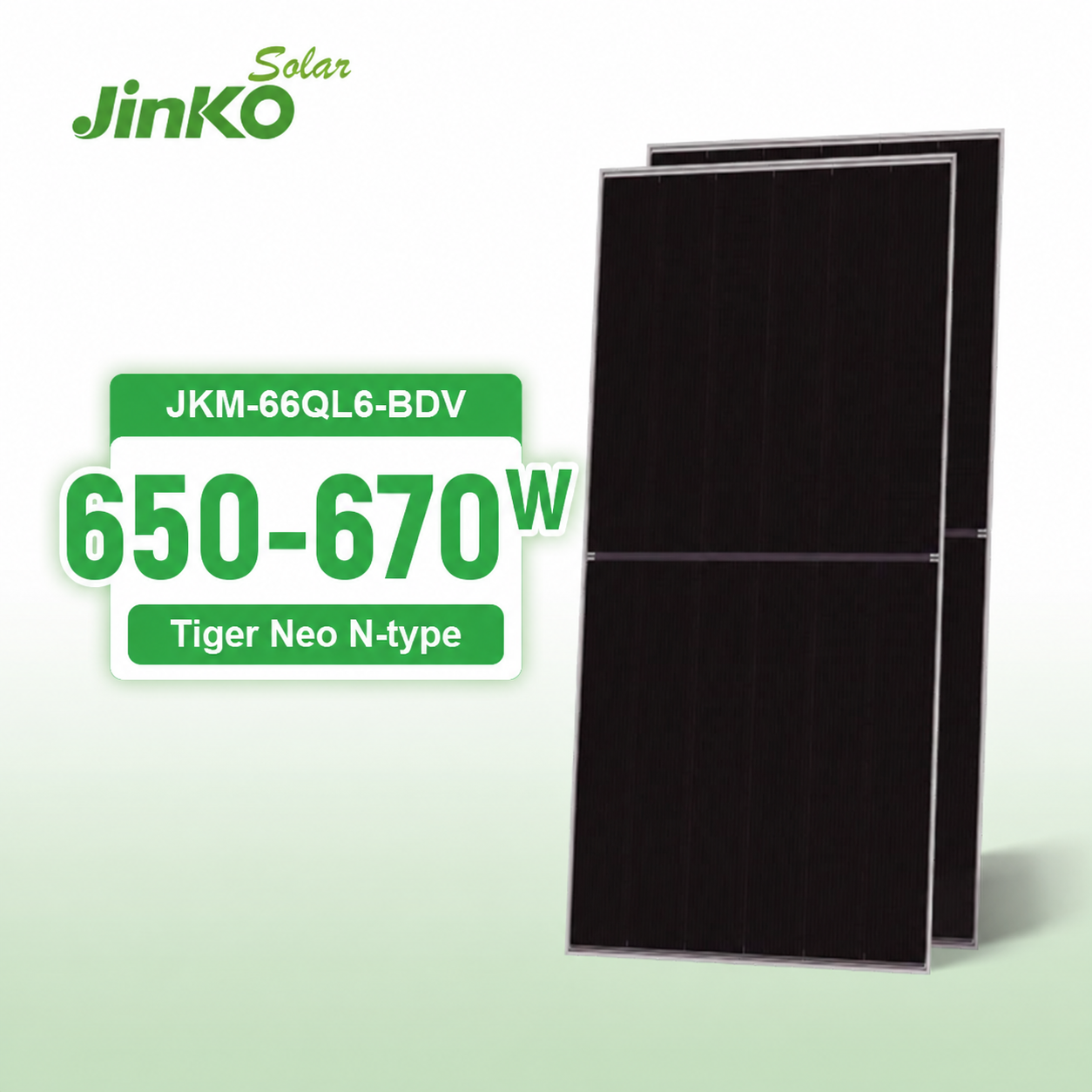
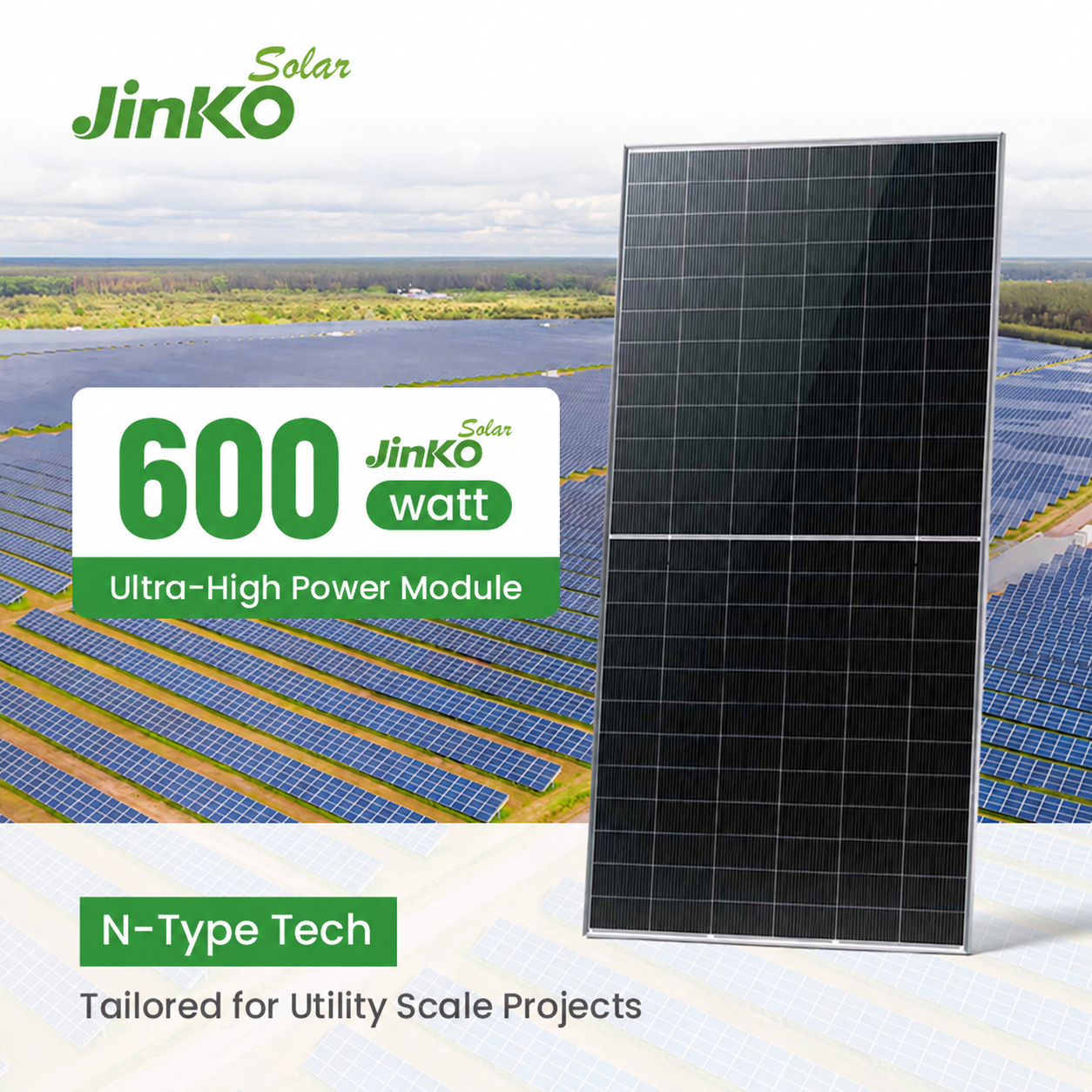
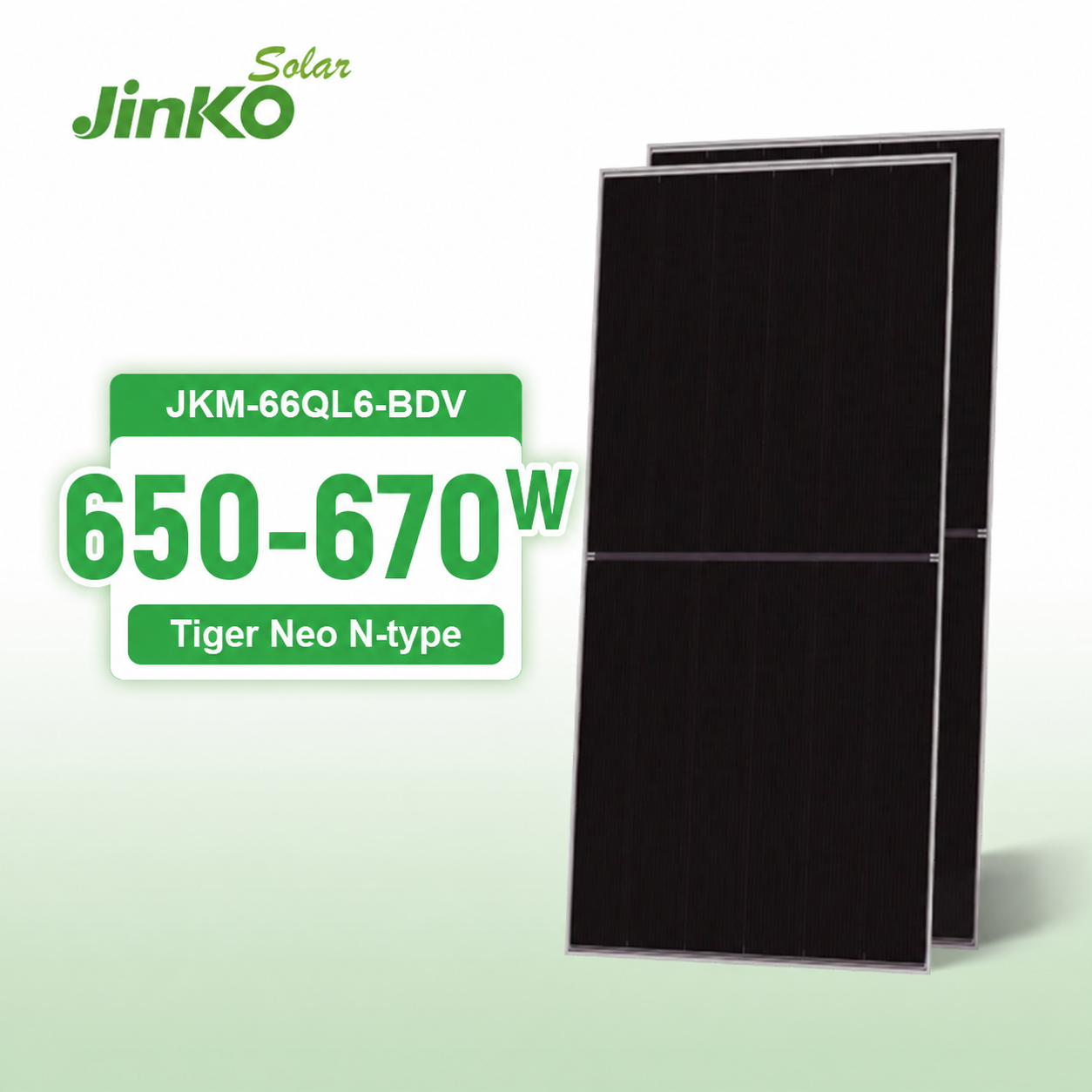
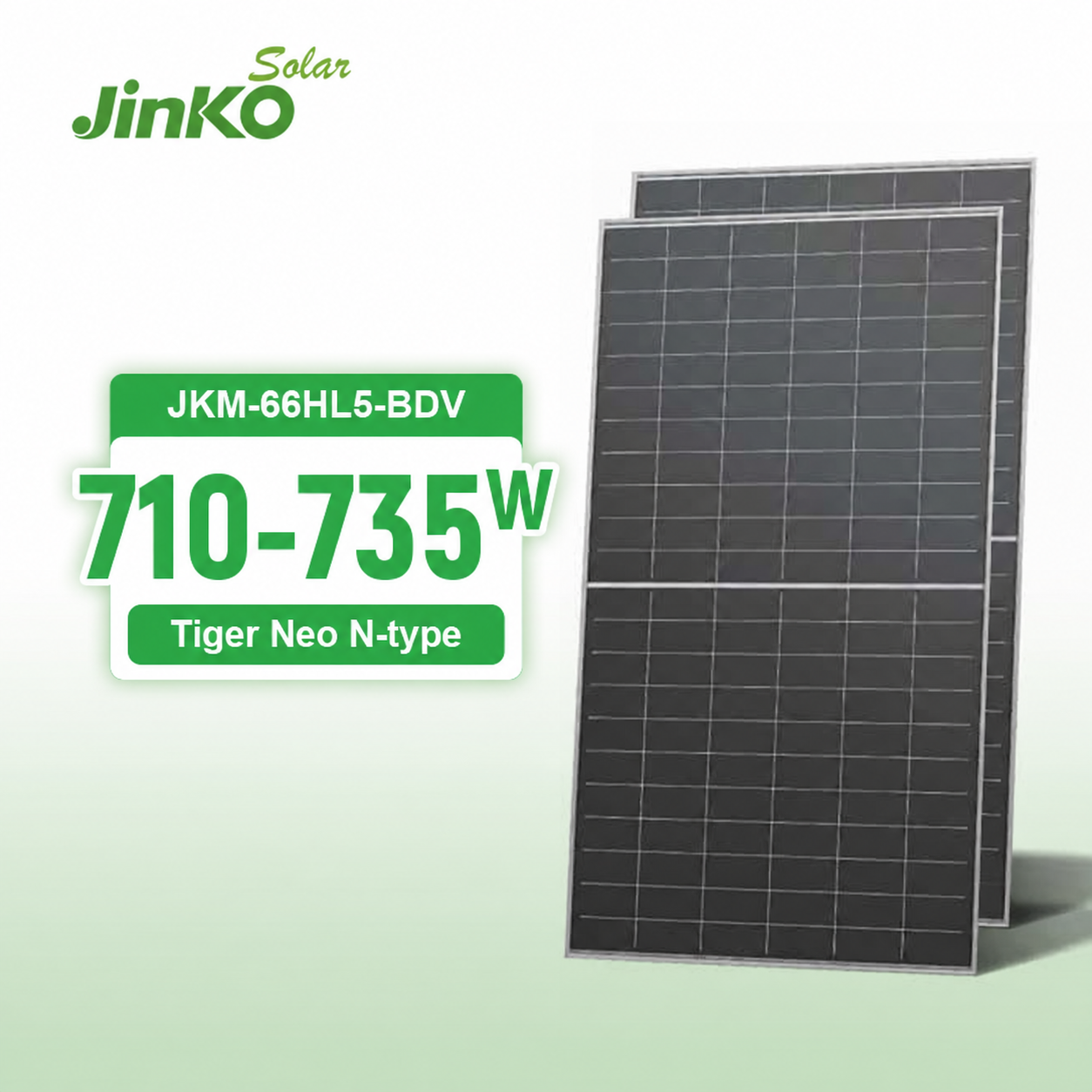
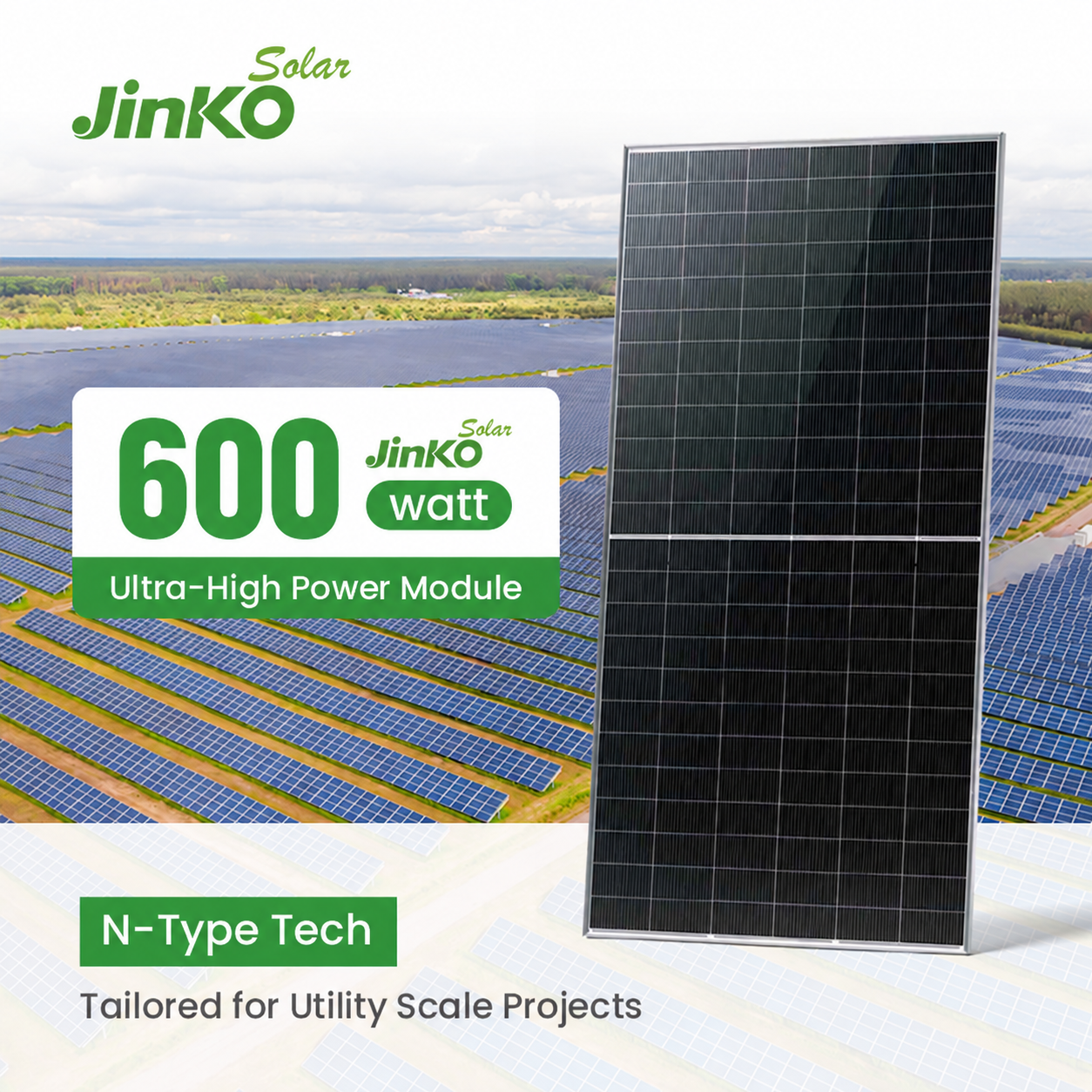
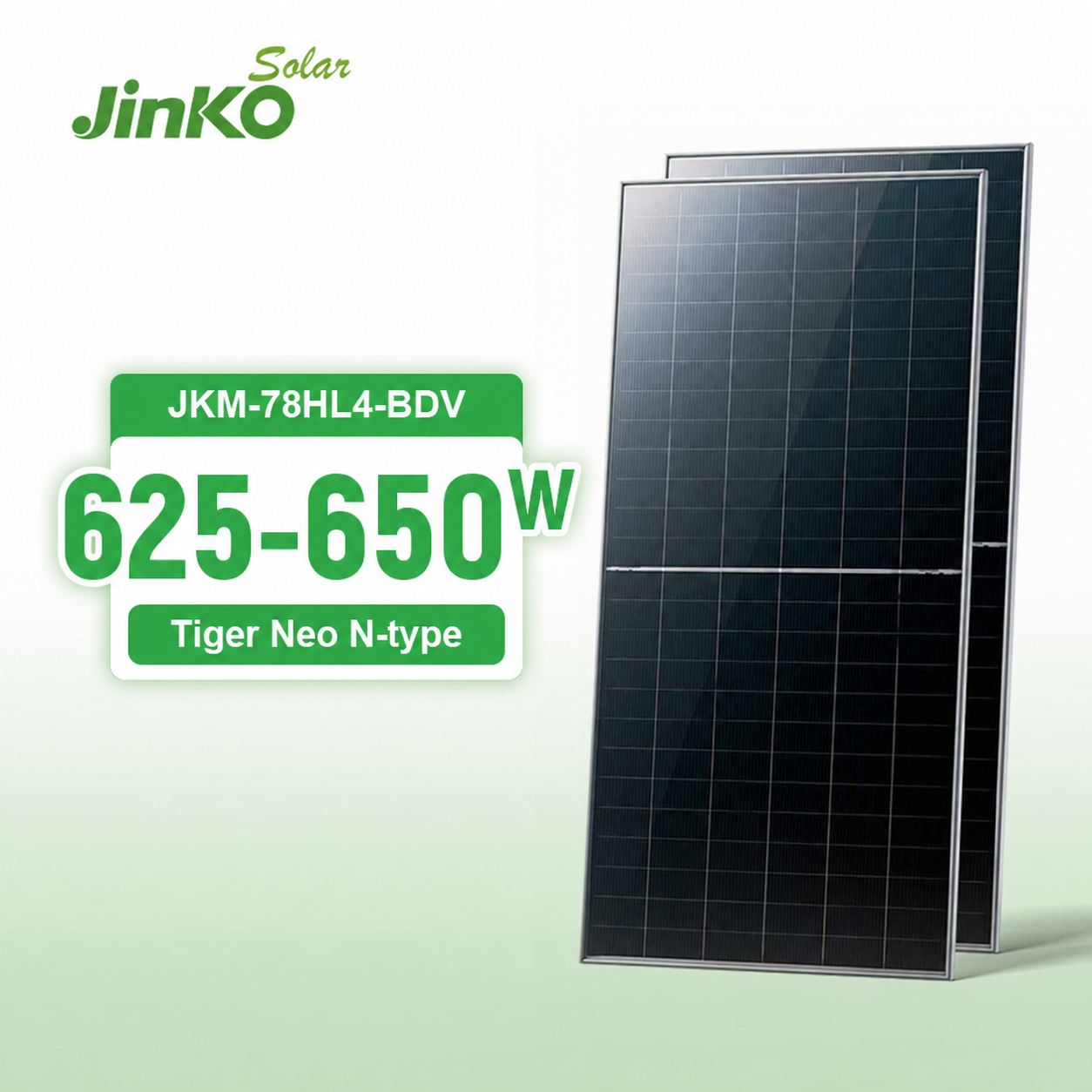
Along the SH-130 and US-183 industrial corridors in North and East Austin, small-to-medium businesses deploy multi-cluster wall-mounted battery arrays parallel-linked up to 80kWh. Bundled with Jinko TOPCon 650W bifacial modules installed on rooftop ballasted mounts, these systems suppress commercial demand spikes during mid-day machinery startup and afternoon heat peaks, lowering utility bills year-round.
Off-Grid Hill Country Ranches & Agricultural Operations
Throughout Dripping Springs, Wimberley, and Blanco County, properties located beyond economical utility distribution line extension depend on our 15kW and 20kW Deye off-grid systems coupled with wall-mounted LiFePO4 packs and 700W+ Jinko dual-glass modules. The robust BMS coordinates directly with backup diesel/propane generators, auto-starting auxiliary engines only during prolonged stormy winter intervals.
Critical Municipal Infrastructure & Telecom Repeater Sites
Emergency repeater stations, water pumping nodes, and municipal sensor networks across Central Texas require fail-safe DC and AC continuity. Our wall-mounted battery units, carrying UN38.3 vibration resistance ratings and dual RS485 remote monitoring gateways, allow engineers at centralized operations centers to monitor individual cell state and temperatures remotely.
Austin Energy Permitting & US Electrical Standards
Ensuring your solar + storage project passes plan review, Austin City Hall inspection, and utility interconnection approval on the first submission.
Navigating the electrical inspection process within the City of Austin Development Services Department requires strict adherence to contemporary standards, notably NFPA 855 (Standard for the Installation of Stationary Energy Storage Systems), the National Electrical Code (NEC 2020 / NEC 2023), and UL 9540 / UL 9540A testing protocols. Installers importing non-compliant energy storage systems risk project stop-work orders, permit rejections, and voided property insurance policies.
Austin Plan Review Essentials:
- NEC Article 706 (Energy Storage Systems): Mandates accessible emergency disconnect switches adjacent to the utility meter and rapid shutdown initiation mechanisms for paired photovoltaic arrays.
- UL 9540 & UL 9540A Cell-to-System Validation: Austin Fire Department (AFD) and municipal building inspectors mandate that wall-mounted residential batteries exhibit third-party certified thermal runaway fire spread containment. Our manufacturing partners supply standardized UL 1973 cell certificates and UL 9540A burn test documentation with every export manifest.
- Austin Energy Interconnection Guidelines: Requires utility-interactive hybrid inverters (such as the Deye series) to feature IEEE 1547-2018 compliance, including anti-islanding protection and reactive power control for voltage regulation.
- Rapid Permitting Documentation Package: Hangzhou VOLT New Energy equips EPC partners with comprehensive single-line diagrams (SLD), manufacturer data sheets, protocol pinout mappings, and structural wall-anchor shear calculations to streamline city permitting.
Why Solar EPCs & Distributors Partner with VOLT New Energy
Hangzhou VOLT New Energy Technology Co., Ltd. eliminates international supply chain friction through rigorous pre-shipment testing, turnkey container logistics, and verified brand compatibility.
Pre-Shipment BMS Bench Testing
Every single wall-mounted battery and hybrid inverter combo undergoes active CAN/RS485 closed-loop communication simulation in our Hangzhou lab before container loading, preventing on-site commissioning delays in Texas.
Export-Ready DG Logistics
We manage Class 9 Dangerous Goods sea freight with verified UN38.3 test reports, full MSDS dossiers, and DG packaging directly into Port Houston or inland intermodal ramps in Dallas and San Antonio.
Turnkey Mixed-Load Consolidation
Maximize shipping economics by combining matched Deye hybrid inverters, Jinko N-Type bifacial solar panels, and wall-mounted LFP battery modules in one optimized 20GP or 40HQ container.
Dedicated Engineering Desk
Direct communication with bilingual solar electrical engineers who assist your Austin estimators with array string sizing, battery discharge curve simulation, and wiring schematics within a 24-hour turnaround.
Austin Solar Installer & Importer FAQ
Direct technical and logistical answers addressing the practical challenges of importing, permitting, and deploying wall-mounted batteries in Central Texas.