22.8%+
N-Type Cell Efficiency
-0.29%/°C
Thermal Coefficient
85%
Bifaciality Factor
100+
Export Countries Served
N-Type Infrastructure
High-Efficiency TOPCon PV Module Series for Guatemala Deployment
Engineered to mitigate extreme midday thermal derating across Escuintla, Puerto Quetzal, and the Zacapa Valley, our high-density Tunnel Oxide Passivated Contact (TOPCon) architectures maximize real-world energy harvest.
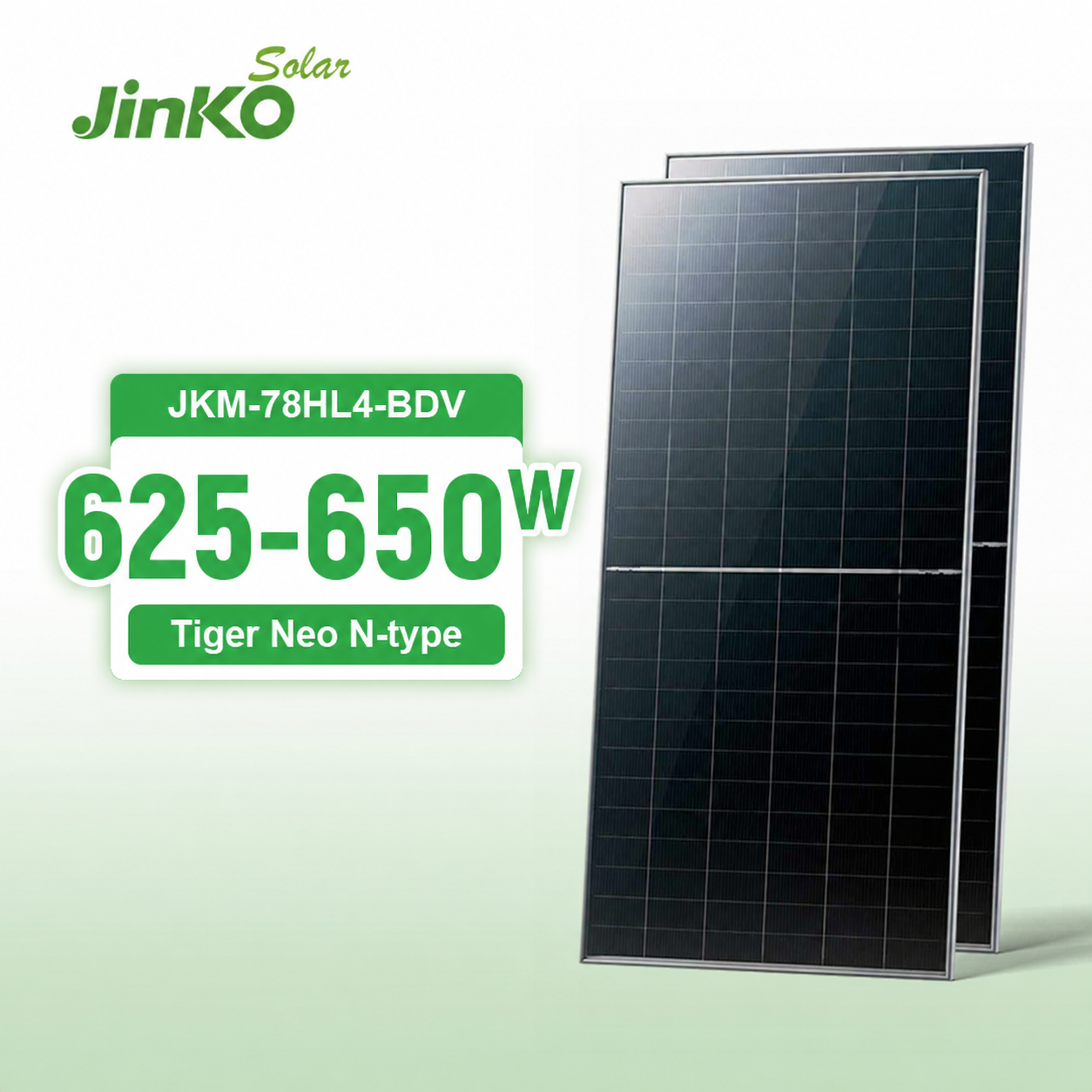
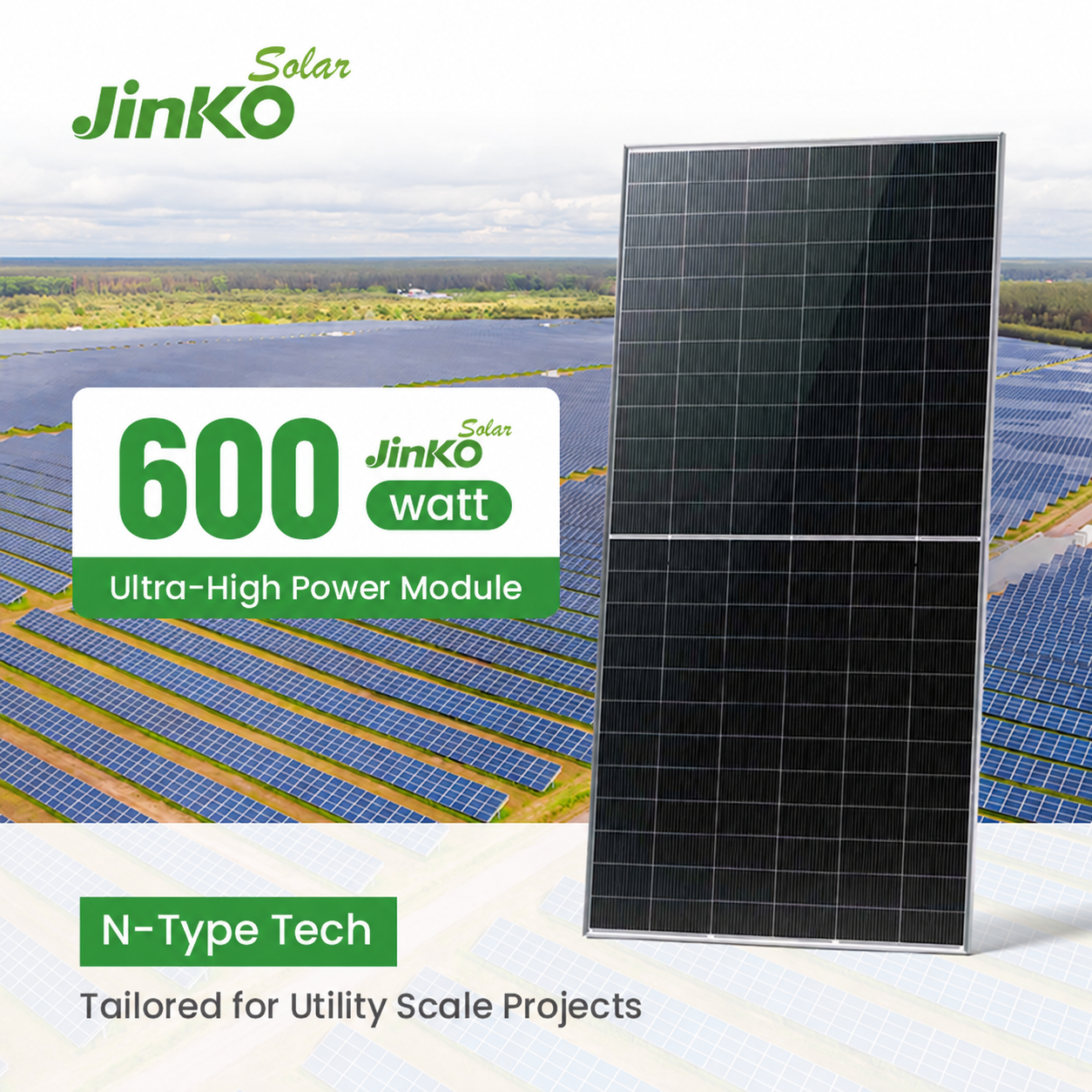
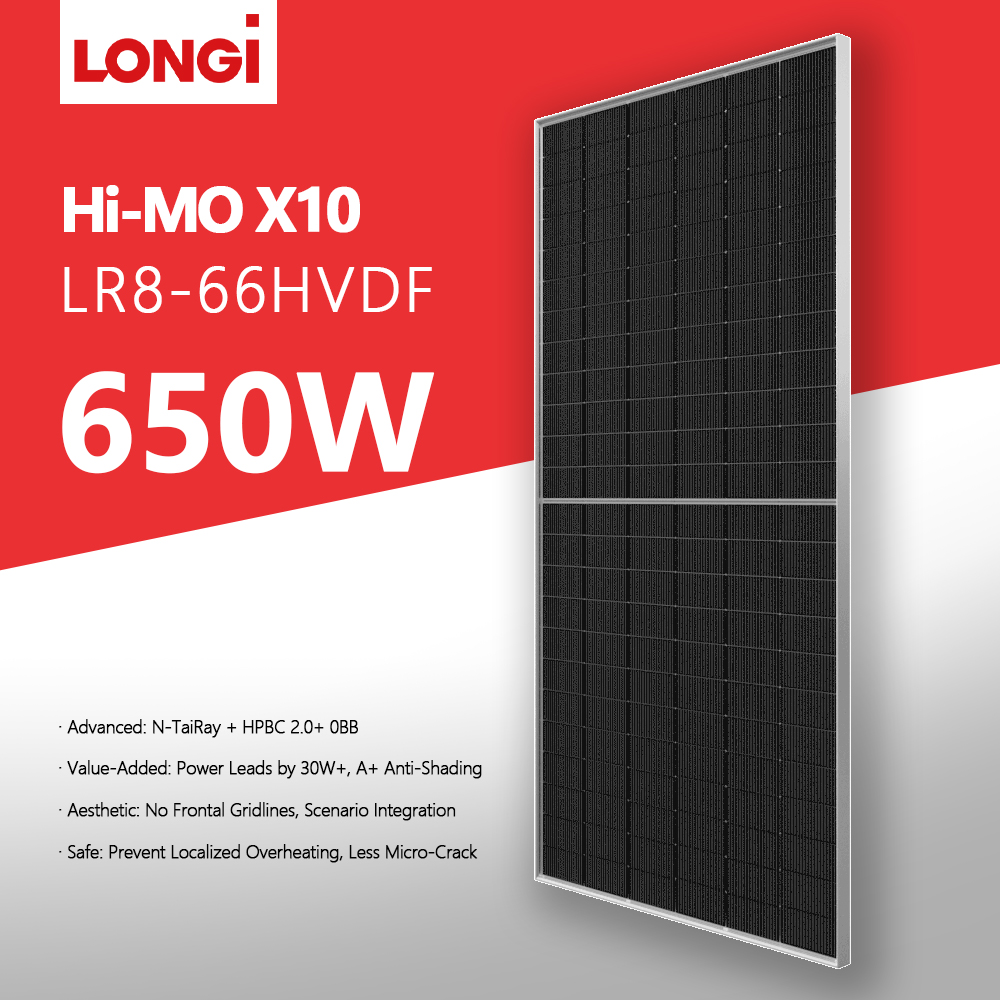
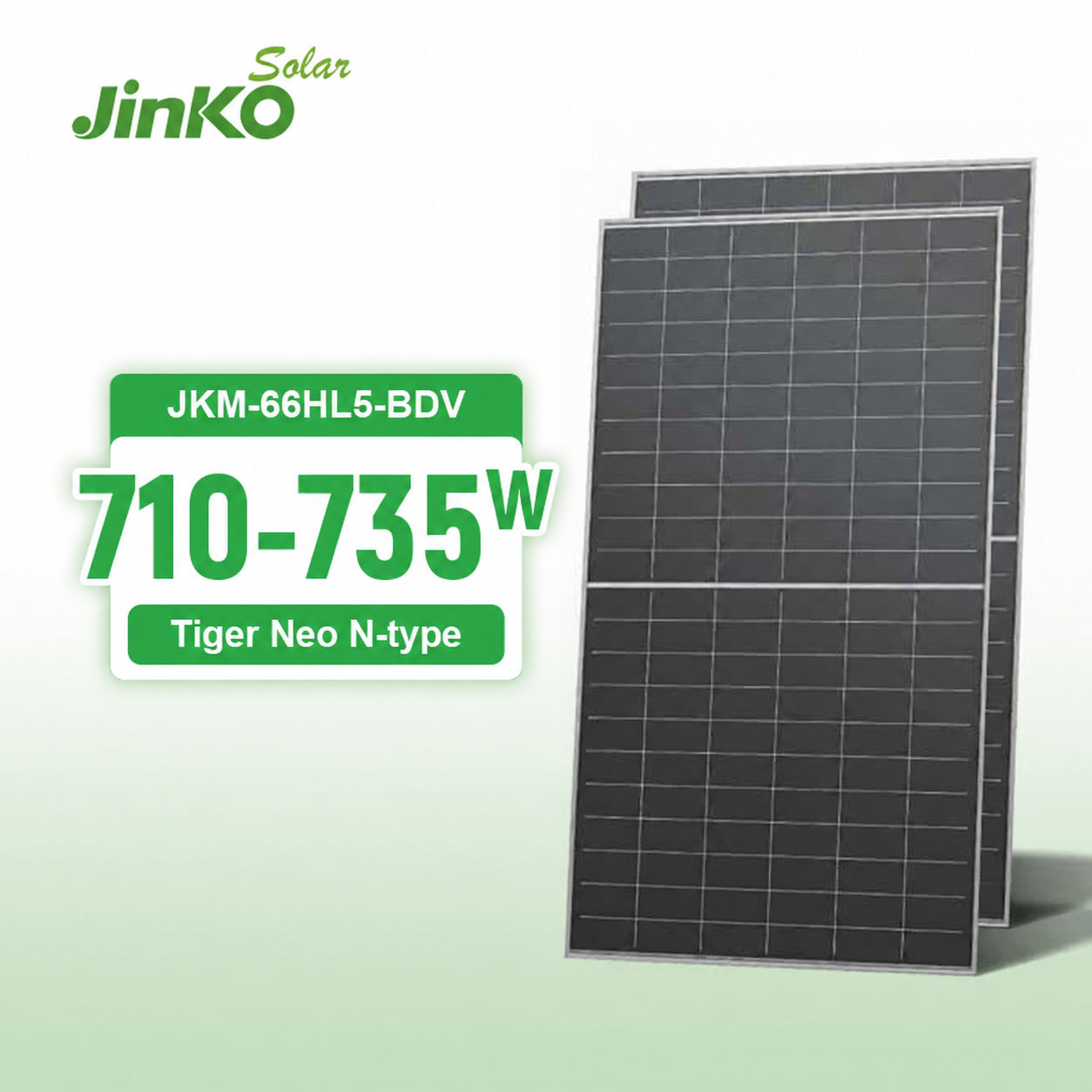
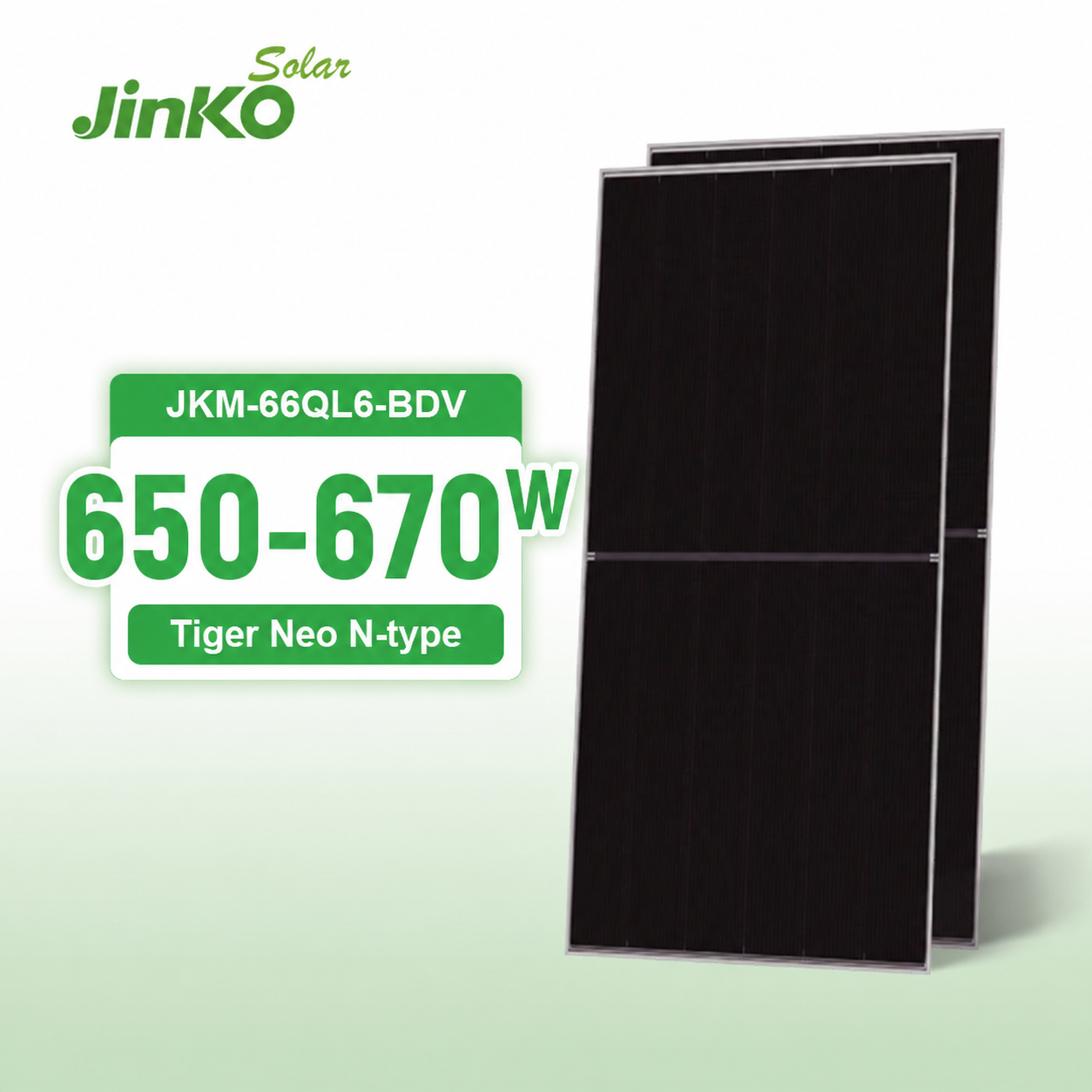
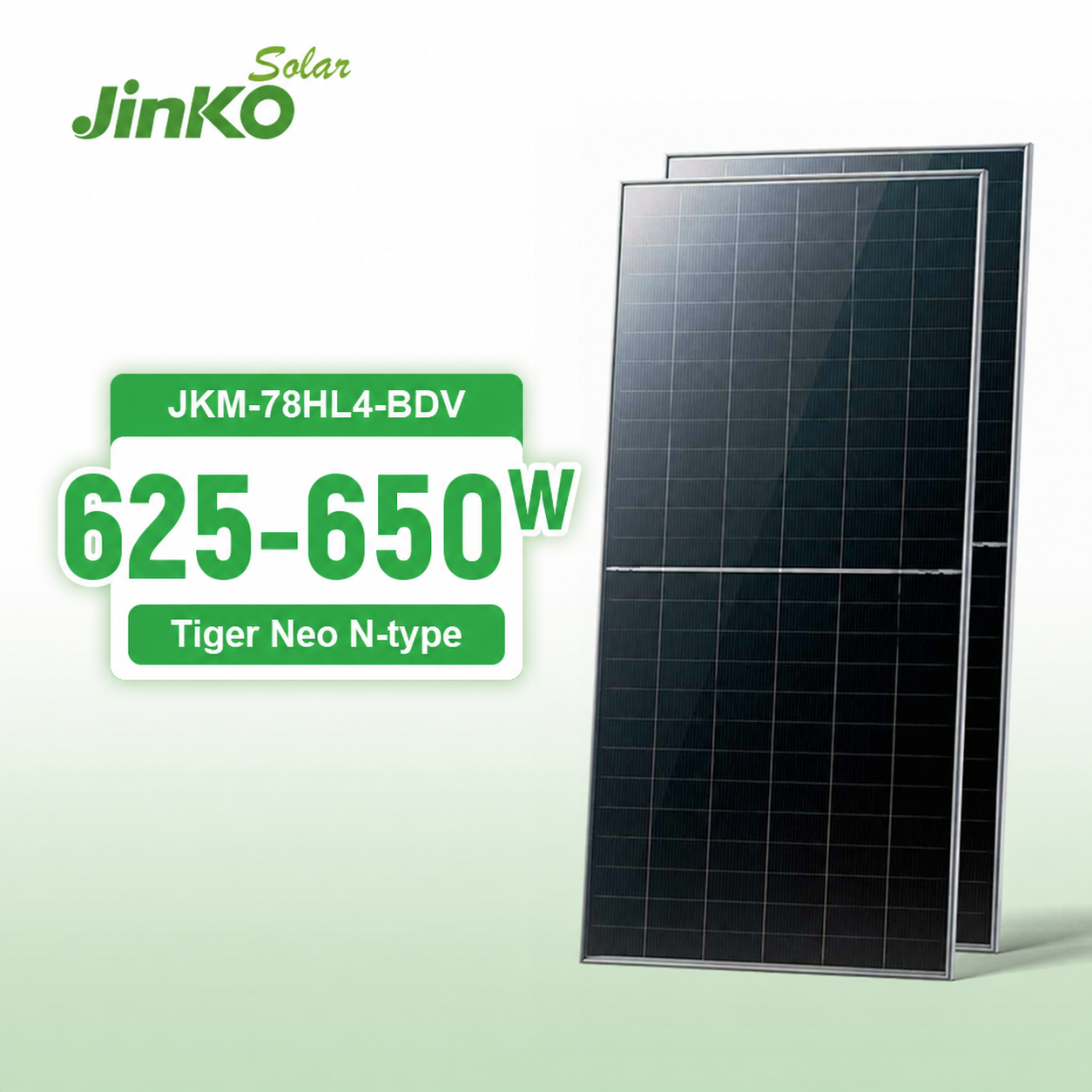
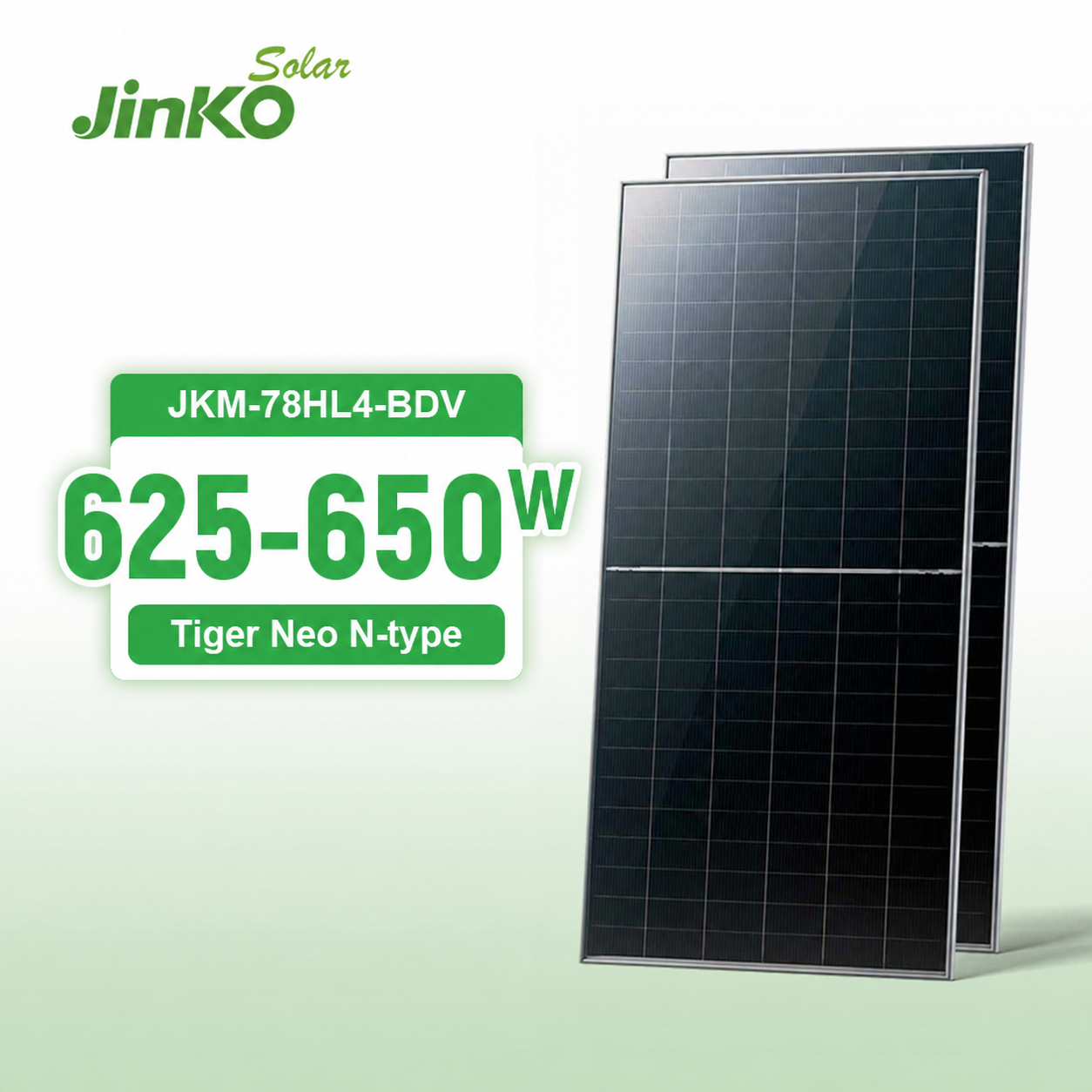
Engineering Whitepaper: Why Guatemala EPCs Are Transitioning to TOPCon Architecture
Guatemala presents one of the highest solar irradiance profiles in Central America, averaging 4.5 to 6.2 kWh/m²/day across key developmental corridors. However, this vast generating potential comes paired with distinct operational bottlenecks: high ambient operating temperatures along the Pacific coastal belt (exceeding 38°C), high relative atmospheric humidity, elevated volcanic dust concentrations in the central highlands, and pronounced wet-dry tropical seasonality. For solar farm developers, industrial facility operators, and commercial EPC contractors, relying on legacy P-type PERC panels has introduced substantial lifetime yield penalties.
Our direct manufacturing channel specializes in high-output N-Type TOPCon (Tunnel Oxide Passivated Contact) cell technologies. Unlike legacy boron-oxygen doped silicon wafers, TOPCon silicon features an ultra-thin tunnel silicon oxide layer paired with phosphorus-doped polycrystalline silicon. This physical configuration completely eliminates Light-Induced Degradation (LID) and LeTID (Light and elevated Temperature-Induced Degradation), delivering unmatched levelized cost of electricity (LCOE) across Guatemala's commercial microgrids and utility-scale installations.
Technical Distinction: The temperature coefficient of our TOPCon modules sits at an ultra-low -0.29%/°C to -0.30%/°C, in contrast to -0.35%/°C to -0.38%/°C observed in conventional PERC. In environments like Escuintla or Retalhuleu where panel operating surface temperatures routinely breach 65°C during peak noon irradiance, TOPCon delivers an immediate 4.2% to 6.5% net generation increase based purely on thermal endurance.
| Operational Metric | Conventional P-Type PERC | Factory N-Type TOPCon Dual-Glass | Guatemalan Field Advantage |
|---|---|---|---|
| Temperature Coefficient (Pmax) | -0.35% / °C to -0.39% / °C | -0.29% / °C to -0.30% / °C | Higher sustained kWh during hot mid-day peak demand hours |
| First-Year Power Degradation | ≤ 2.0% (Boron-Oxygen LID) | ≤ 1.0% (Zero Boron-Oxygen LID) | Immediate year-one balance of sheet capital preservation |
| Annual Linear Degradation | 0.55% / year (Years 2–25) | 0.40% / year (Years 2–30) | Longer 30-year revenue yield life for PPA off-takers |
| Bifaciality Factor | 70% ± 5% | 85% ± 5% | Up to 25% extra rear-side gain on volcanic sandy/gravel soils |
| PID Resistance Rating | Standard EVA Encapsulation | POE/EVA Co-extrusion + Dual Glass | Complete hermetic sealing against humid maritime humidity |
Deployment Ecosystem
Optimized Deployment Profiles Across Guatemala’s Macro-Regions
From the industrial manufacturing hubs around Mixco and Villa Nueva to the agro-industrial coastal tracts, TOPCon technology bridges the gap between intense environmental factors and relentless grid-tied stability.
C&I Peak Shaving (Guatemala City & Quetzaltenango)
Industrial textile mills, cold storage hubs, and food processing plants along the CA-9 corridor face high capacity charges under EEGSA and DEOCSA/DEORSA power tariffs. Deploying 650W+ TOPCon modules on limited factory roof real estate optimizes power density per square meter, feeding directly into high-voltage hybrid inverters to eliminate peak energy surcharges.
Agro-Industrial & Irrigation Pumping (Pacific Lowlands)
Sugarcane refineries, palm oil processors, and banana plantations in Escuintla and Suchitepéquez depend on deep-well irrigation pumping through harsh dry seasons. The rugged dual-glass 600W–640W modules endure heavy trade winds, resist organic ammonia exposure, and drive centralized variable-frequency motor pumps without fossil-fuel generator dependency.
Islanded Microgrids & Remote Cooperatives (Petén & Alta Verapaz)
Remote eco-tourism enclaves and agricultural cooperatives situated outside the centralized transmission corridor require rock-solid autonomy. Our TOPCon panels integrate seamlessly with Deye low-voltage/high-voltage hybrid inverters and LFP battery stacks, maintaining superior light capture during cloudy mornings and the wet seasonal transition.
Macroeconomic & Regulatory Trends Reshaping Guatemalan Solar Procurement
Guatemala is executing an ambitious expansion under the Plan de Expansión del Sistema de Generación (PEG-4) driven by the Comisión Nacional de Energía Eléctrica (CNEE). This legal and regulatory environment prioritizes private renewable generation to break national reliance on seasonal hydroelectric swings and volatile fossil imports. Key procurement vectors include:
1. Large-Scale Shift Towards Distributed Generation Autoconsumption: Industrial entities under the Grandes Usuarios classification (loads > 100 kW) are leveraging net-metering structures to install captive on-site PV arrays. Because industrial land near metropolitan hubs carries elevated acquisition costs, contractors demand panels producing >220 W/m²—a threshold achievable only through TOPCon and advanced heterojunction cell technologies.
2. Hybridization with Battery Energy Storage Systems (BESS): With transmission constraints along southern interconnectors, project financiers mandate DC-coupled or AC-coupled energy storage. VOLT New Energy's direct factory integration provides turn-key solutions linking Jinko TOPCon modules with Deye hybrid inverters and matched LiFePO4 batteries, ensuring factory-tested BMS protocol communications before containers depart Ningbo or Shanghai.
3. Resilience Against Ash Deposition and Thermal Stress: Active volcanism (Pacaya, Fuego) demands panels with hydrophobic, anti-static glass coatings. Our dual-glass bifacial TOPCon panels exhibit high mechanical load ratings (5400 Pa front / 2400 Pa rear) with specialized low-friction anti-soiling textures that shed particulate build-up during light rains, preserving high transmissive efficiency without micro-cracking.
Engineered Excellence
Why International EPCs & Guatemalan Importers Trust Our Supply Chain
Eliminate mid-transit logistics failures, BMS-inverter mismatch errors, and fragmented warranties with our fully managed, factory-verified photovoltaic integration.

Pre-Shipment Protocol Verification
Every hybrid storage bundle undergoes end-to-end CAN/RS485 handshake validation between Deye inverters and LiFePO4 battery banks prior to containerization.

Triple-Stage EL Crack Inspection
100% factory electroluminescence (EL) testing before and after module lamination prevents invisible micro-cracks and hotspots from ever arriving at your project site.

Pacific Shipping to Puerto Quetzal
Direct ocean routes from Ningbo and Shanghai with comprehensive customs paperwork (DUCA ready), UN38.3 hazardous transit certifications, and maritime insurance coverage.

EPC Engineering & Sizing Support
Our experienced solar engineering desk provides string-level balance-of-system calculations, MPPT matching, and single-line electrical schematics tailored to CNEE compliance.
Procurement FAQ
Frequently Asked Questions by Guatemalan Importers & Installers
Real-world insights on customs clearance, ocean shipping lead times, technical warranties, and electrical grid compatibility.
What is the typical shipping transit time to Puerto Quetzal or Santo Tomás de Castilla? ✚
Full container load (FCL) shipments dispatching from our logistics facilities near Ningbo and Shanghai typically record ocean transit times of 24 to 32 days directly to Puerto Quetzal (Pacific terminal) and 30 to 38 days to Santo Tomás de Castilla / Puerto Barrios (Atlantic terminal via transshipment). We provide full packing lists, commercial invoices, bill of lading, and manufacturer certificates of origin to expedite clearance through SAT (Superintendencia de Administración Tributaria).
How do TOPCon panels tolerate the volcanic dust and ash conditions found in Guatemala? ✚
Volcanic particulate consists of sharp silicate minerals that can abrade standard panel glass during wiping cycles. Our TOPCon dual-glass panels utilize 2.0mm tempered front glass with an advanced anti-reflective nanotech coating designed for high surface hardness (Mohs scale 7+). This minimizes micro-scratches and prevents particulate sintering. Furthermore, the dual-glass structure maintains structural integrity under the weight of ash falls without deflecting into internal cells.
Can we consolidate solar panels, inverters, and LFP batteries into a single container? ✚
Yes. VOLT New Energy is fully certified to pack Class 9 Dangerous Goods (LiFePO4 energy storage) alongside non-hazardous cargo such as Jinko TOPCon PV modules, Deye solar inverters, and racking accessories. We handle complete dangerous goods declarations (UN38.3, MSDS) so your shipment arrives seamlessly under a consolidated Bill of Lading, significantly decreasing per-unit port handling charges in Guatemala.
How are equipment warranties honored for projects installed in Central America? ✚
All Tier-1 modules (such as Jinko and LONGI) carry full international 12-year product warranties and 30-year linear performance warranties directly back-to-back with the original manufacturer. VOLT New Energy tracks each delivered serial number. In the improbable event of an on-site failure or factory defect, our engineering team manages the claim documentation directly with the factory to authorize replacement equipment without long administrative disputes.
Are these TOPCon modules compatible with local single-phase and three-phase grids (120V/240V, 208V, 480V)? ✚
Yes. PV modules produce pure direct current (DC) and are designed to feed into string or central inverters matching any regional alternating current (AC) standard. In Guatemala, where commercial facilities often utilize 120/208V three-phase or 480V delta configurations, our high-voltage output modules allow EPCs to configure long strings (up to 1500V DC system ratings) that pair smoothly with UL 1741 and IEEE 1547 compliant inverters.
Procure Factory-Direct TOPCon PV Modules for Your Next Guatemalan Project
Whether you are bidding on an upcoming CNEE solar tender, designing a commercial rooftop in Mixco, or retrofitting an agricultural farm in Escuintla, connect directly with our international technical sales desk for full container pricing, custom string modeling, and complete logistics support.
Get a Quote