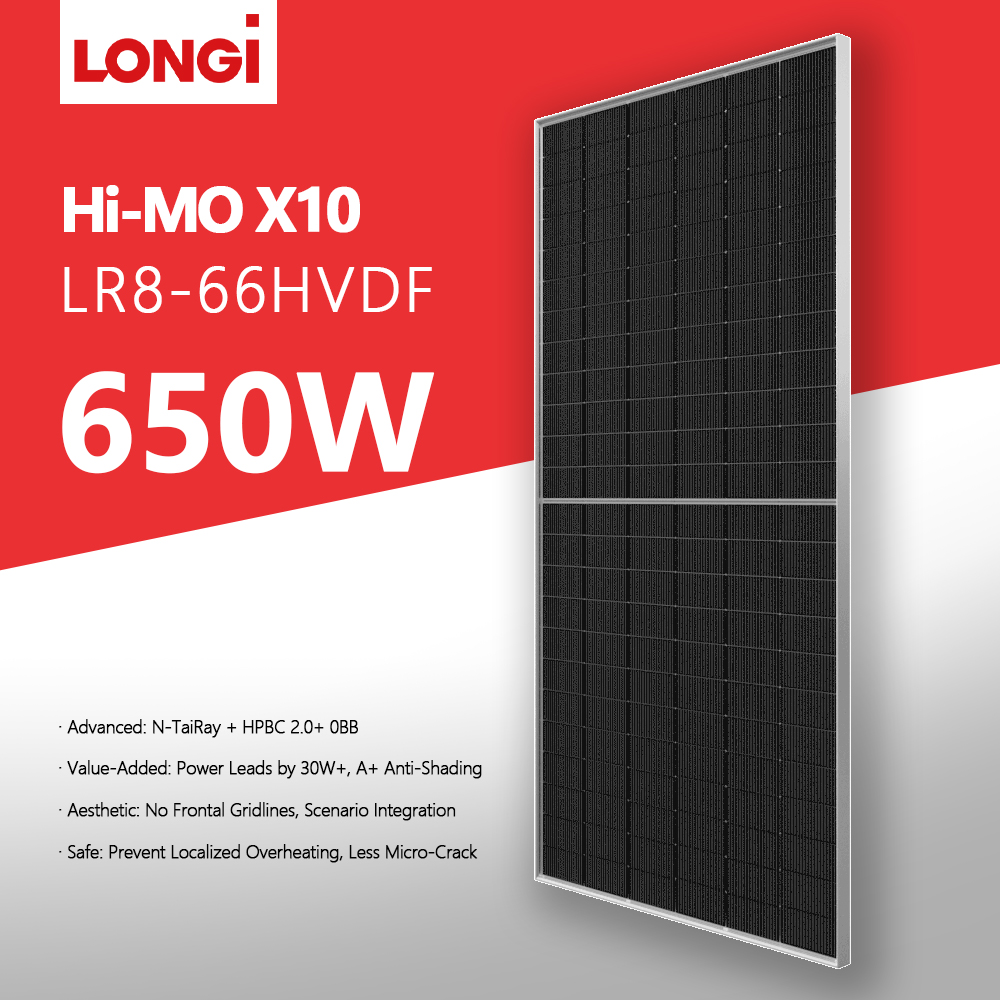
Commercial Grade LONGI Solar Panel 650W N-Type Solar Module
Engineered with high bifaciality for shopping mall rooftops, micro-grids, and hybrid storage plants requiring high efficiency.
Send an Inquiry
Direct supply solutions balancing premium N-Type bifacial solar panels, high-end inverters, and heavy-duty tubular gel and energy storage systems for commercial, off-grid, and residential deployment across Liberta.
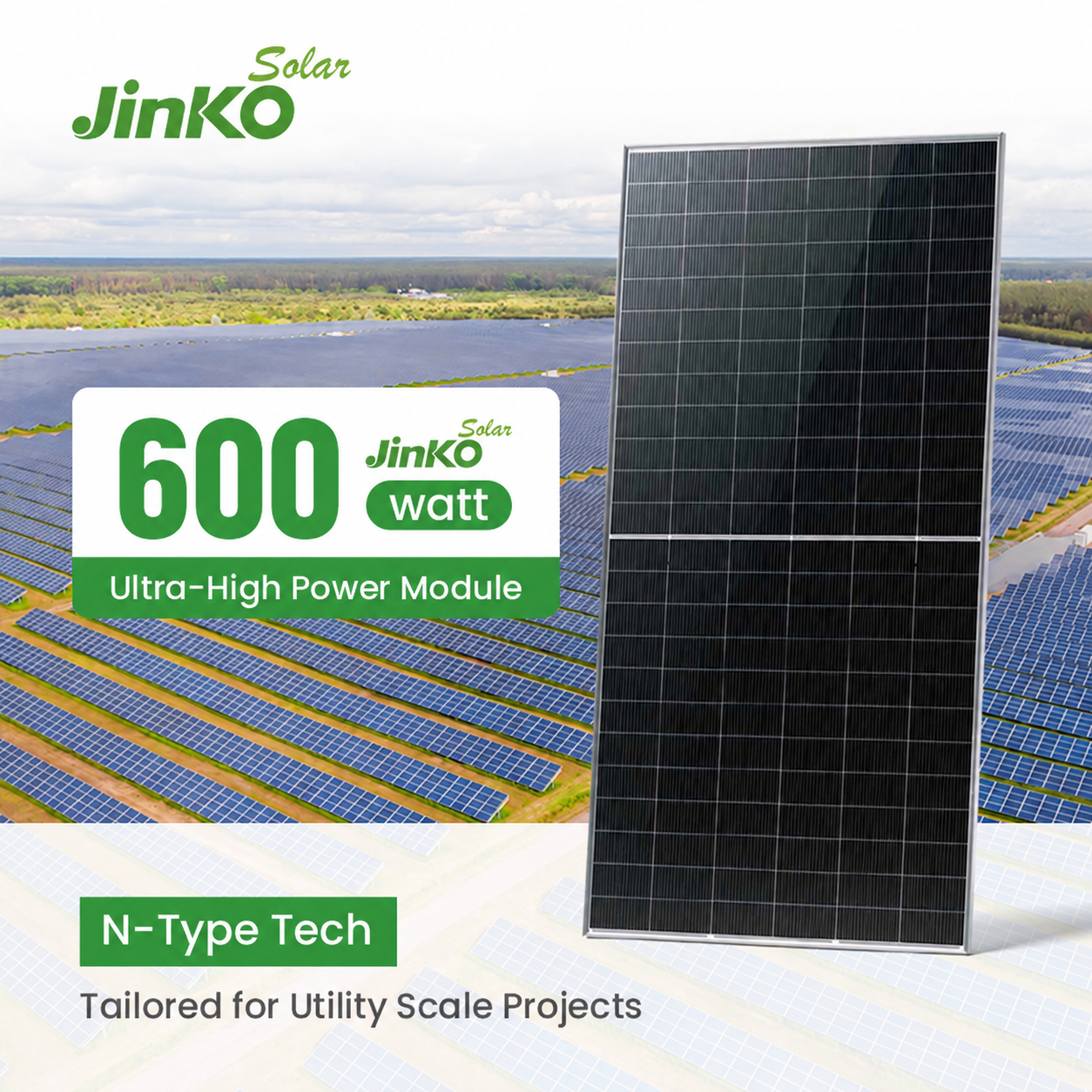
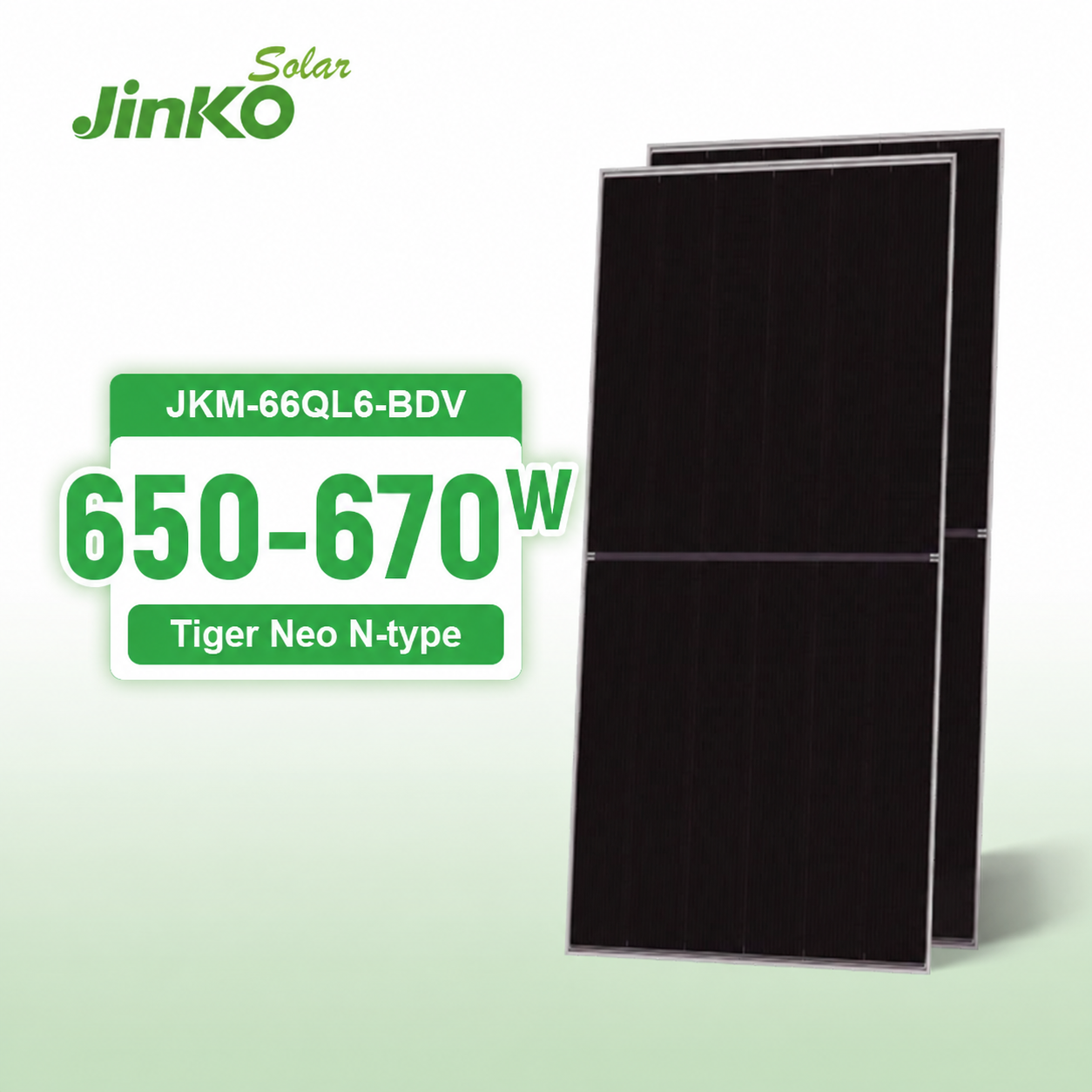
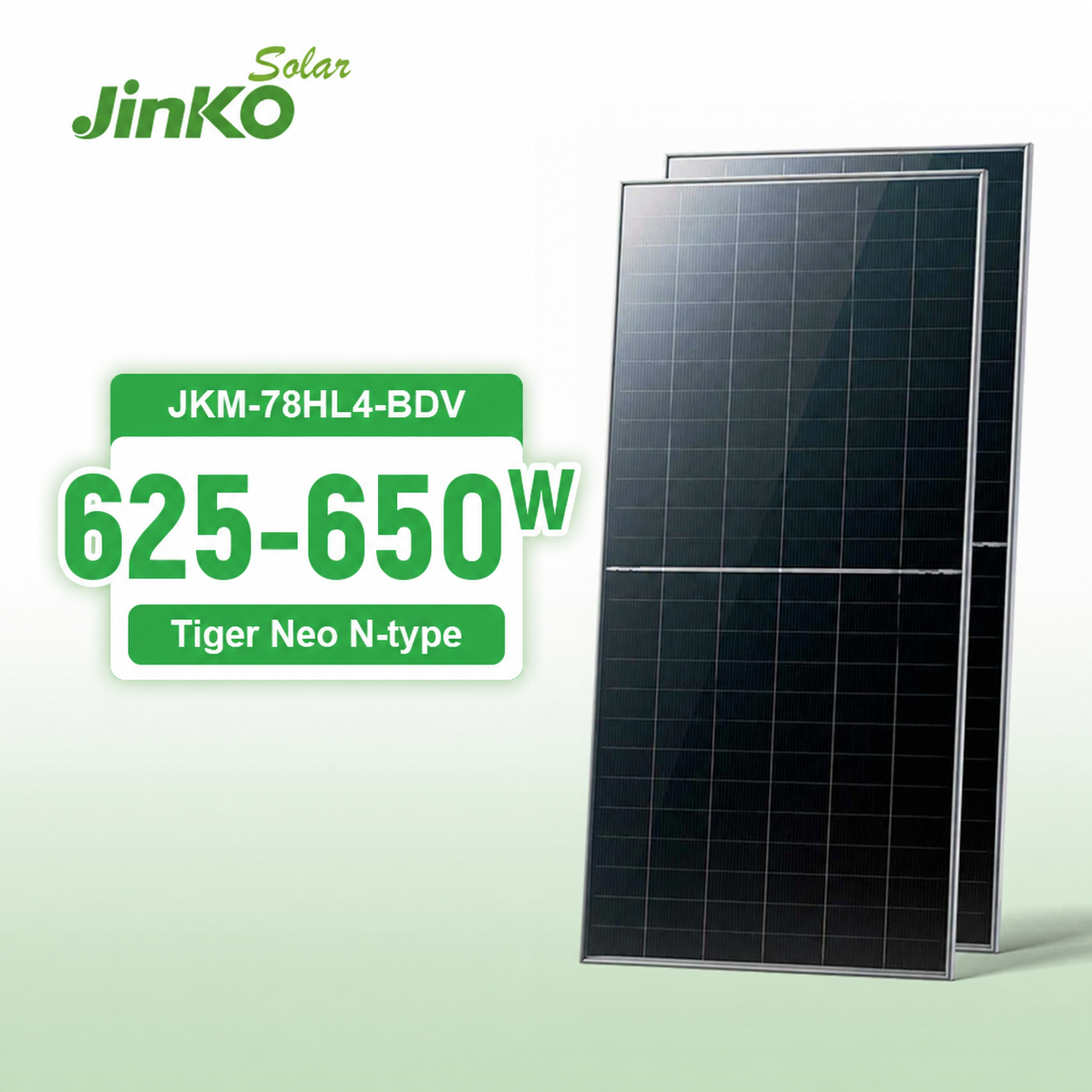
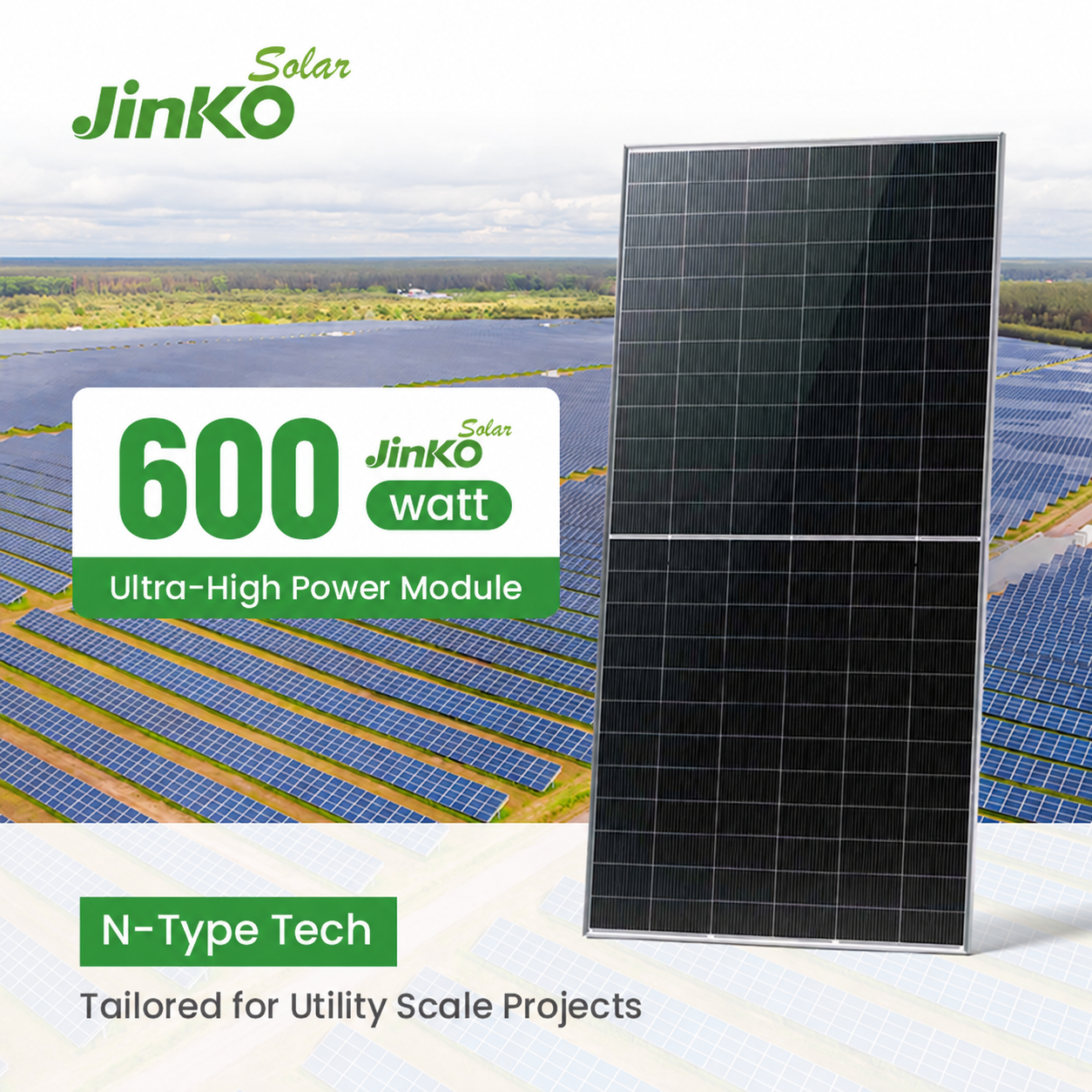
A rigorous engineering evaluation of electrochemical behavior, thermal runaway mitigation, and electrolyte stabilization under tropical island conditions.
In standard flat-plate VRLA batteries, mechanical active mass shed occurs rapidly under cyclic stress, particularly when ambient temperatures hover above 30°C. Tubular Gel (OPzV) batteries solve this failure mode through structural mechanical containment. Positive plates are constructed using a multi-tube polyester gauntlet that encapsulates the active material (PbO₂) around low-antimony lead-calcium spines cast under high pressure (typically over 100 bar) to eliminate internal voids and grain boundaries susceptible to intergranular corrosion.
By trapping the active material within the porous tubular gauntlet, shedding is physically inhibited. Combined with thixotropic silica gel (SiO₂) electrolyte, the system operates in a completely immobilized state. Acid stratification—the primary cause of localized bottom plate sulfation and early cell mortality in traditional flooded or AGM batteries—is virtually non-existent in our OPzV tubular designs.
Thermal management is the single most critical consideration for energy storage projects in the Caribbean basin. Enclosed inverter and battery compartments regularly experience internal temperatures exceeding 40°C. Under elevated ambient heat, standard lithium iron phosphate (LiFePO4) systems enforce protective BMS high-temperature charge cut-offs, disabling power throughput precisely during midday peak solar collection hours.
Conversely, our Tubular Gel batteries exhibit a high thermal mass and superior thermal dissipation properties. The silica gel electrolyte fills every void in the cell container, acting as a direct thermal conductor to the outer polypropylene casing. Because the internal acid volume is substantial, the heat capacity of the cell prevents thermal spikes, mitigating the risk of thermal runaway without the necessity of parasitic air-conditioning systems that eat away at system ROI.
Tolerates sustained Partial State of Charge without sudden capacity drop, essential for fluctuating Caribbean irradiance profiles.
Heavy die-cast spines ensure structural longevity, keeping telecommunications and commercial backup stable for decades.
Hermetically sealed micro-porous silica prevents internal short circuits, acid leakage, and atmospheric corrosion from marine salt air.
Zero routine electrolyte maintenance, non-hazardous cargo classification for sea shipping, and lower replacement cycles.
Customizing system architecture to match Liberta's coastal geography, inland topography, and public utility characteristics.
Frequent power fluctuations and hurricane-induced outages require a dependable, self-healing system. Pairing residential rooftop arrays with a 48V Tubular Gel battery bank ensures that water filtration systems, refrigeration, and communications remain active during prolonged grid dropouts, with zero maintenance requirements from the homeowner.
Tower sites elevated on ridges surrounding Liberta face intense solar irradiation and remote access constraints. Tubular Gel OPzV cells provide the ultimate "fit-and-forget" solution, surviving unconditioned battery sheds and high ambient heat without risk of catastrophic thermal runaway or early BMS failure.
Local farms and agro-processing businesses depend heavily on cooling equipment and water pumping infrastructure. Paired with Deye hybrid inverters and high-efficiency bifacial solar modules, OPzV banks discharge deep, stable power through long nocturnal cycles, smoothing peak demand charges and guaranteeing continuity when generator fuel prices peak.
Antigua and Barbuda continues to pursue aggressive renewable energy mandates aimed at minimizing reliance on imported heavy fuel oils. Liberta, as a bustling hub in the southern central district, is undergoing an accelerated modernization of its domestic and light commercial power usage.
Key market drivers in Liberta include:

Delivering comprehensive system integration from Hangzhou, China to Liberta with zero communication errors, end-to-end documentation, and uncompromising quality assurance.
Every inverter, battery rack, and communication bus is tested prior to departure. CAN/RS485 protocols, voltage cut-offs, and charge parameters are matched so installations run reliably on day one.
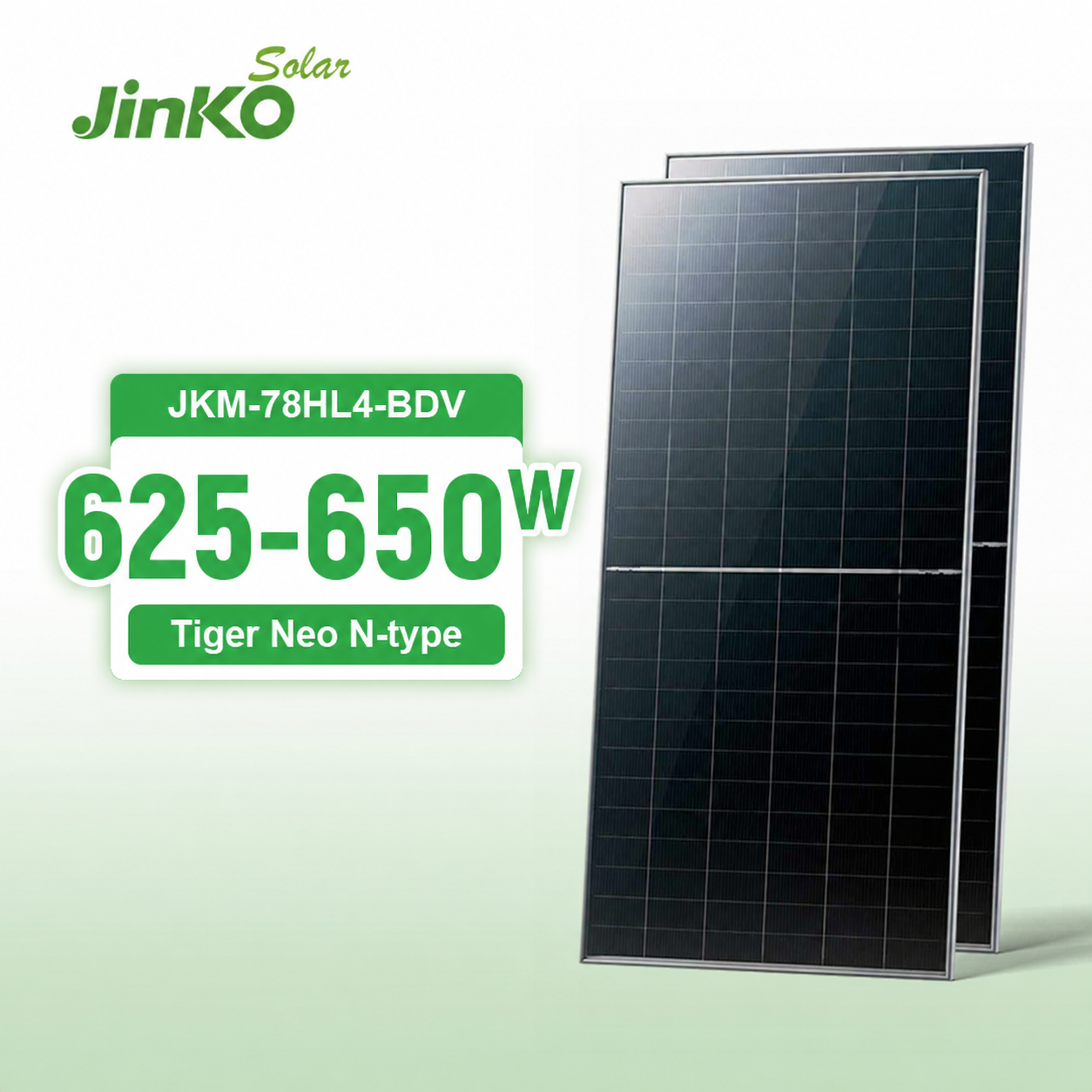
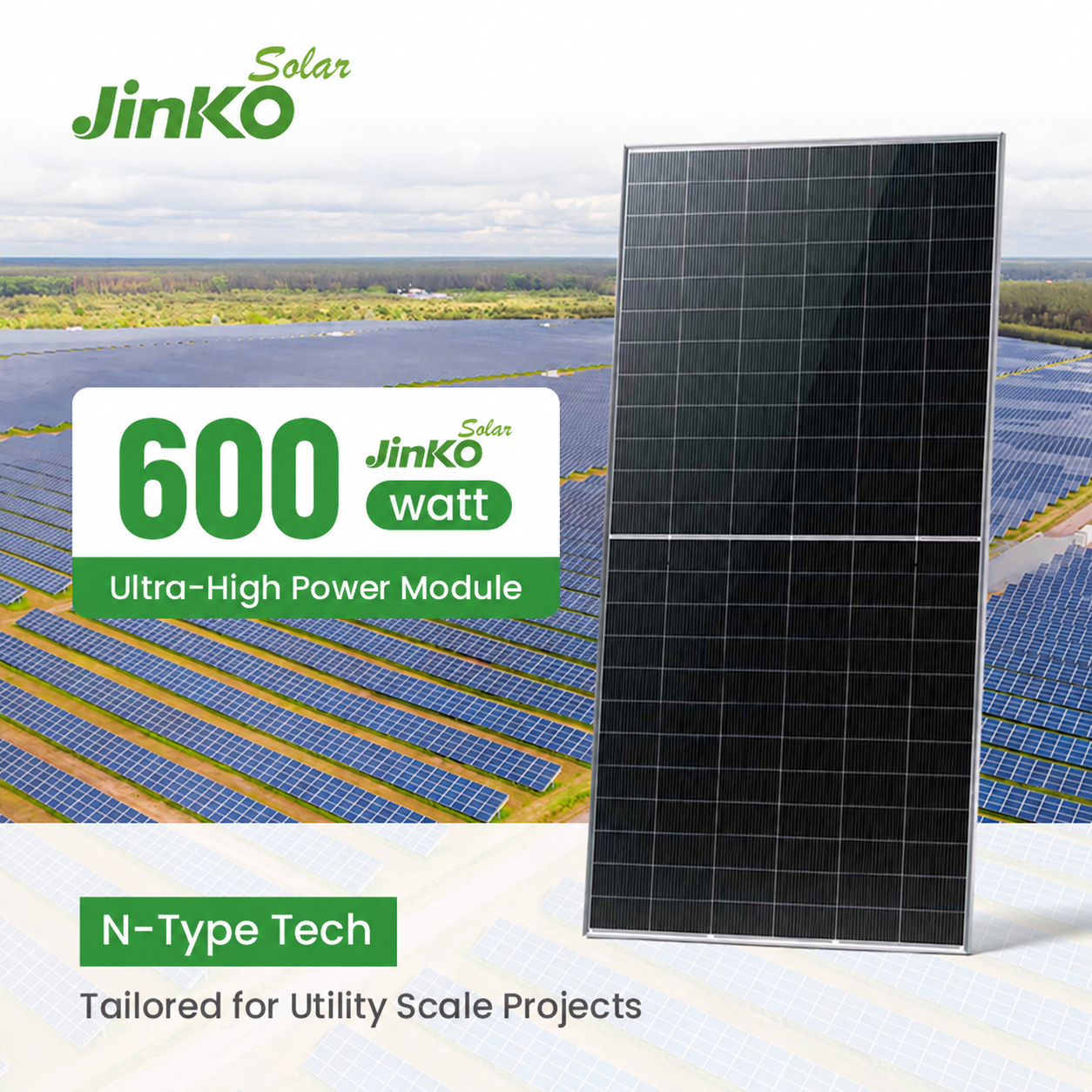
Maximize shipping economics. We bundle Tier-1 Jinko solar panels, Deye inverters, and Tubular Gel or LFP storage into single, professionally packed container shipments to Saint John's port.
Backed by official ISO9001, IEC 62619, IEC 61215, CE, and TÜV certifications. We maintain direct supply relationships with manufacturers, securing genuine product performance and warranty support.
From initial daily load profiling (kWh) and sizing to custom electrical schematics and remote commissioning assistance, our engineering team assists local installers in Liberta every step of the way.
We know that unexpected field failures in the Caribbean introduce prohibitive shipping and replacement costs. For this reason, our testing procedure exceeds basic industry requirements:

Crucial commercial and engineering answers for solar contractors, business owners, and installers ordering energy storage hardware.
Contact our technical team today with your daily load requirements or project tender specifications. We provide complete string sizing, inverter matching, battery capacity modeling, and consolidated container delivery to Liberta.
Send an Inquiry