Factory-Direct High-Efficiency PV Modules & ESS Solutions
All modules are manufactured under automated stringer systems, calibrated with Class A++ sun simulators, and fully verified for European CE (LVD/EMC) compliance, IEC standards, and zero micro-crack integrity.
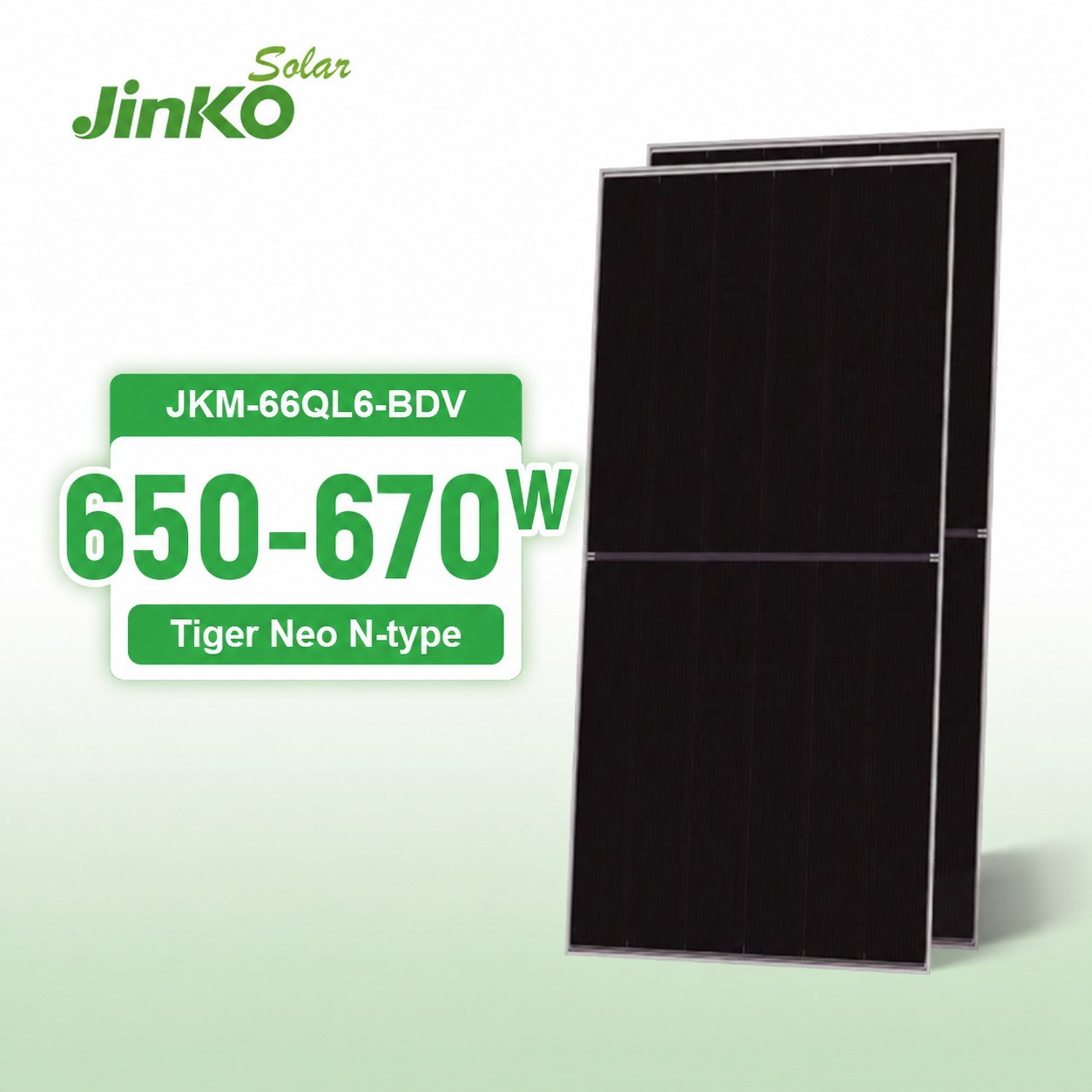
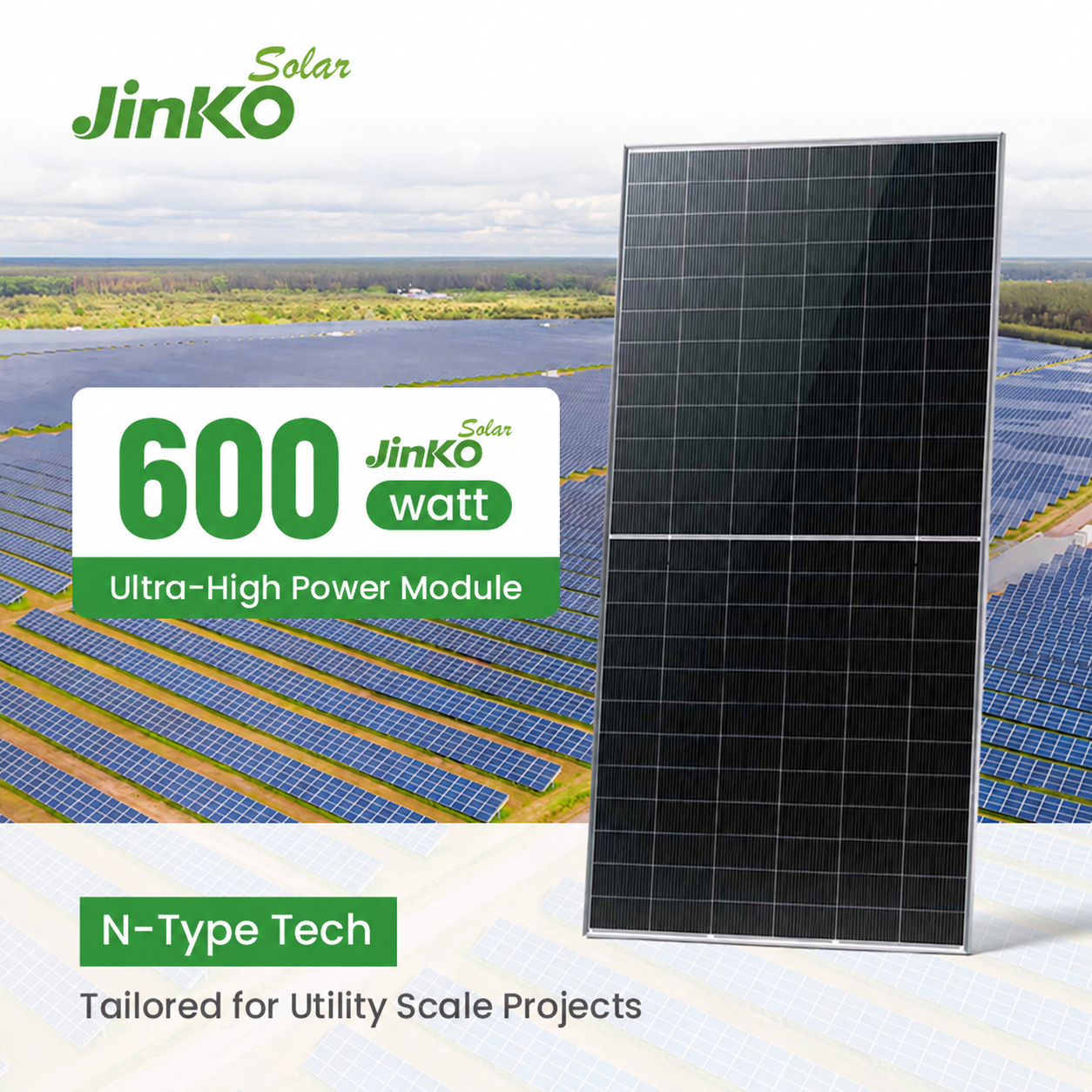
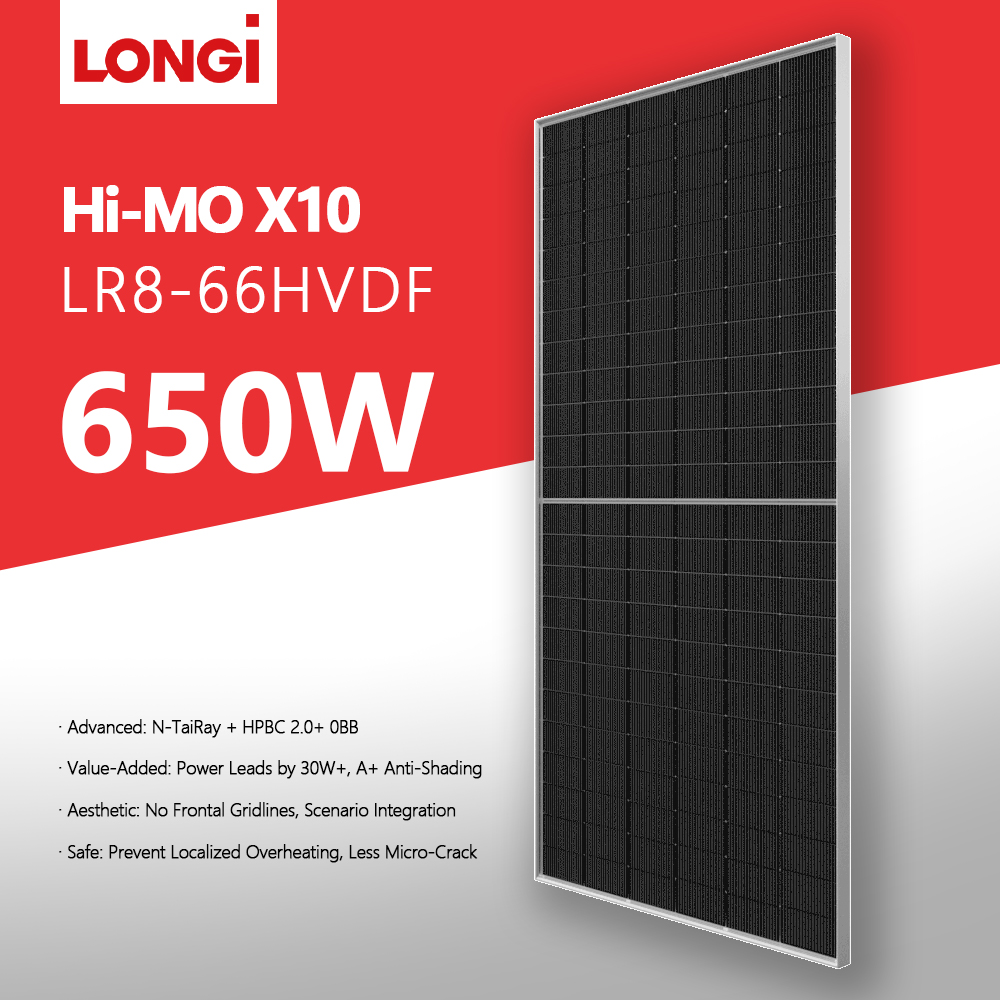
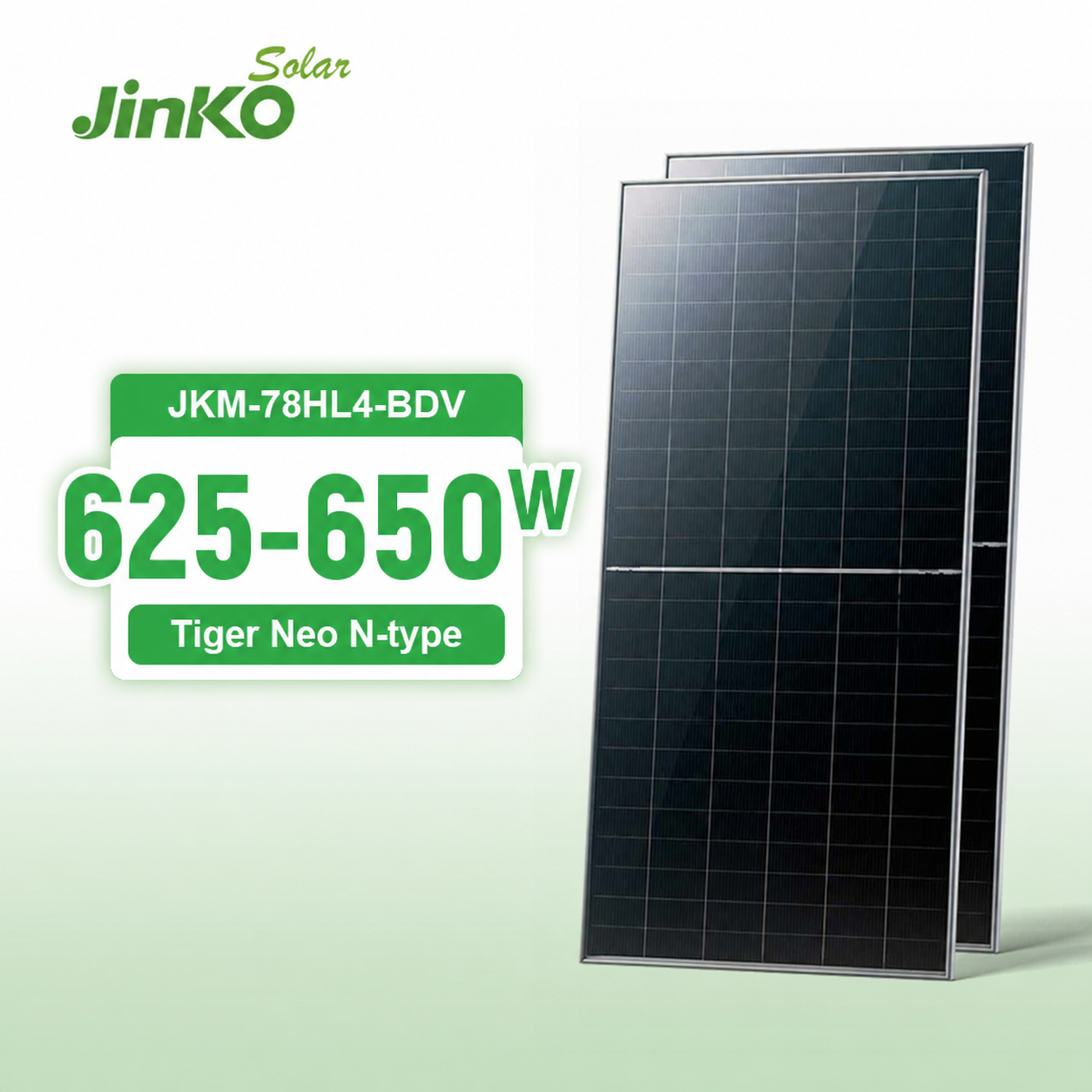
The Paradigm Shift to N-Type TOPCon: Degradation Kinetics & Carrier Lifetime
Photovoltaic engineering is undergoing the most consequential technology transition since mono-crystalline PERC superseded multi-crystalline silicon in 2017. As an export manufacturer supplying utility developers and distributed-generation installers across the European Union, Latin America, and Southeast Asia, Hangzhou VOLT New Energy builds on the fundamental physics of phosphorus-doped N-Type silicon substrates. Unlike legacy boron-doped P-Type wafers, N-Type silicon displays zero Boron-Oxygen (B-O) defect complexes, entirely eliminating Light Induced Degradation (LID). In standard operational environments, our CE Certified N-Type solar panels restrict first-year power degradation to below 1.0% (compared to 2.0% in standard PERC), guaranteeing a continuous 30-year linear performance retention of at least 87.4%.
The core structural advantage of our N-Type TOPCon architecture lies in its ultra-thin tunneling oxide passivation layer (approximately 1.5nm SiO₂) coupled with a highly doped poly-crystalline silicon thin-film on the rear surface. This configuration forms a carrier-selective contact that drastically minimizes surface recombination velocity while maintaining unobstructed majority-carrier transport. The resulting open-circuit voltage (Voc) consistently exceeds 730mV to 742mV, pushing commercial module conversion efficiencies beyond 22.8% on standard factory flash test lines.
- Substrate Doping: Boron (P-Type)
- Cell Efficiency Ceiling: ~23.2%
- Bifaciality Factor: 65% - 70%
- Temperature Coeff. (Pmax): -0.35% / °C
- First Year Degradation: 2.0% - 2.5%
- Annual Degradation (Yr 2-25): 0.55% / Year
- LID Susceptibility: High (B-O Pair)
- Substrate Doping: Phosphorus (N-Type)
- Cell Efficiency Ceiling: 25.5% - 26.2%
- Bifaciality Factor: 80% - 85% ±5%
- Temperature Coeff. (Pmax): -0.29% / °C
- First Year Degradation: ≤ 1.0%
- Annual Degradation (Yr 2-30): ≤ 0.40% / Year
- LID / LeTID Resilience: Negligible / Immune
- Substrate Doping: N-Type (a-Si:H layers)
- Cell Efficiency Ceiling: >26.0%
- Bifaciality Factor: 85% - 90%
- Temperature Coeff. (Pmax): -0.26% / °C
- First Year Degradation: ≤ 1.0%
- Annual Degradation (Yr 2-30): ≤ 0.35% / Year
- CAPEX / Cost Barrier: +18-25% Surcharge
For international buyers calculating Balance of System (BOS) economics, the temperature coefficient of maximum power (Pmax) is a vital operational parameter. While standard P-type panels degrade at -0.35%/°C to -0.38%/°C, our CE Certified N-Type modules maintain an optimized coefficient of -0.29%/°C to -0.30%/°C. In high-irradiance zones—such as the Middle East, North Africa, Southern Spain, and Brazil—where surface operating cell temperatures frequently exceed 60°C, our modules produce 2.5% to 4.2% higher actual kilowatt-hour energy yield compared to PERC modules of identical nameplate rating.
Balance of System (BOS) Reduction & Bifacial Gain Mechanics
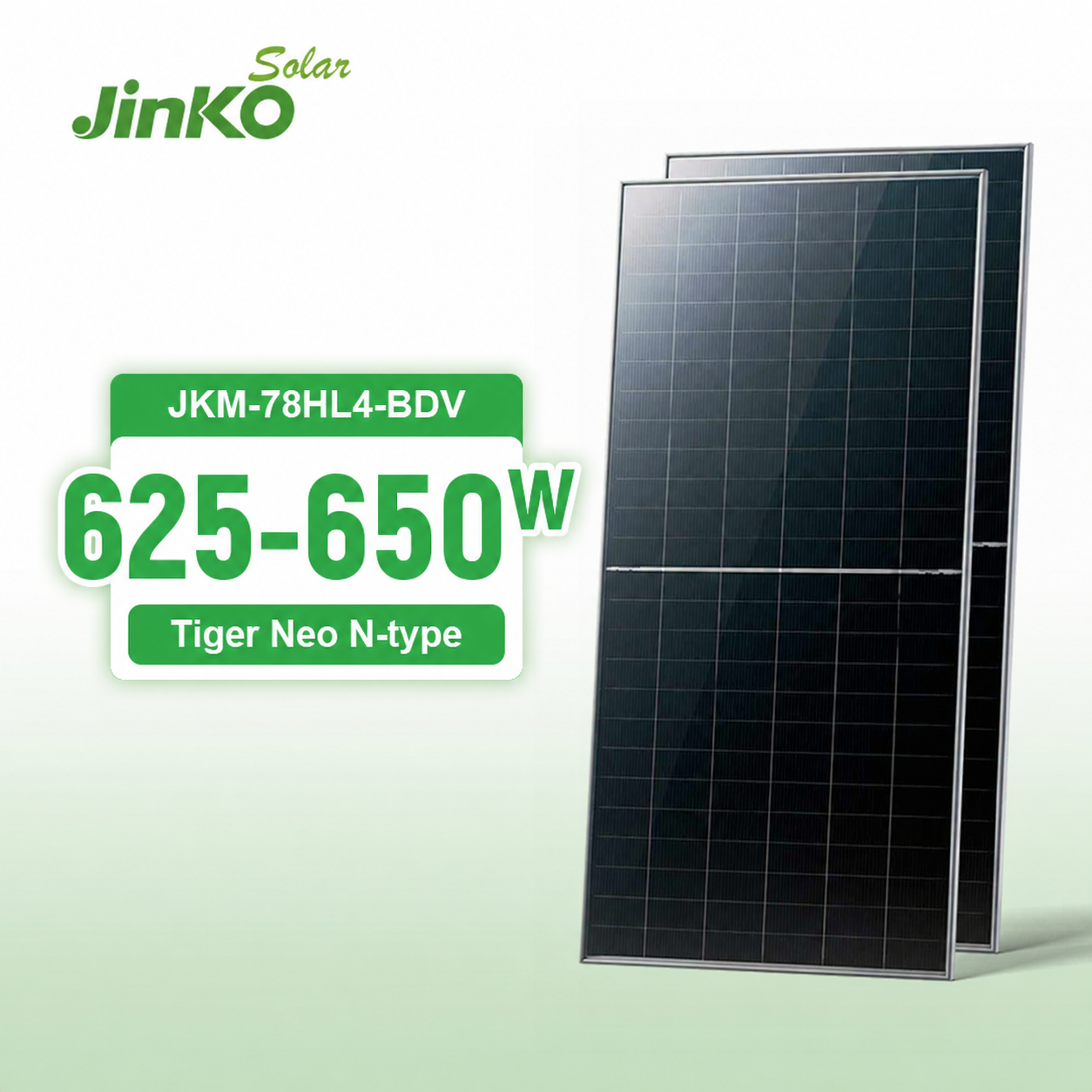
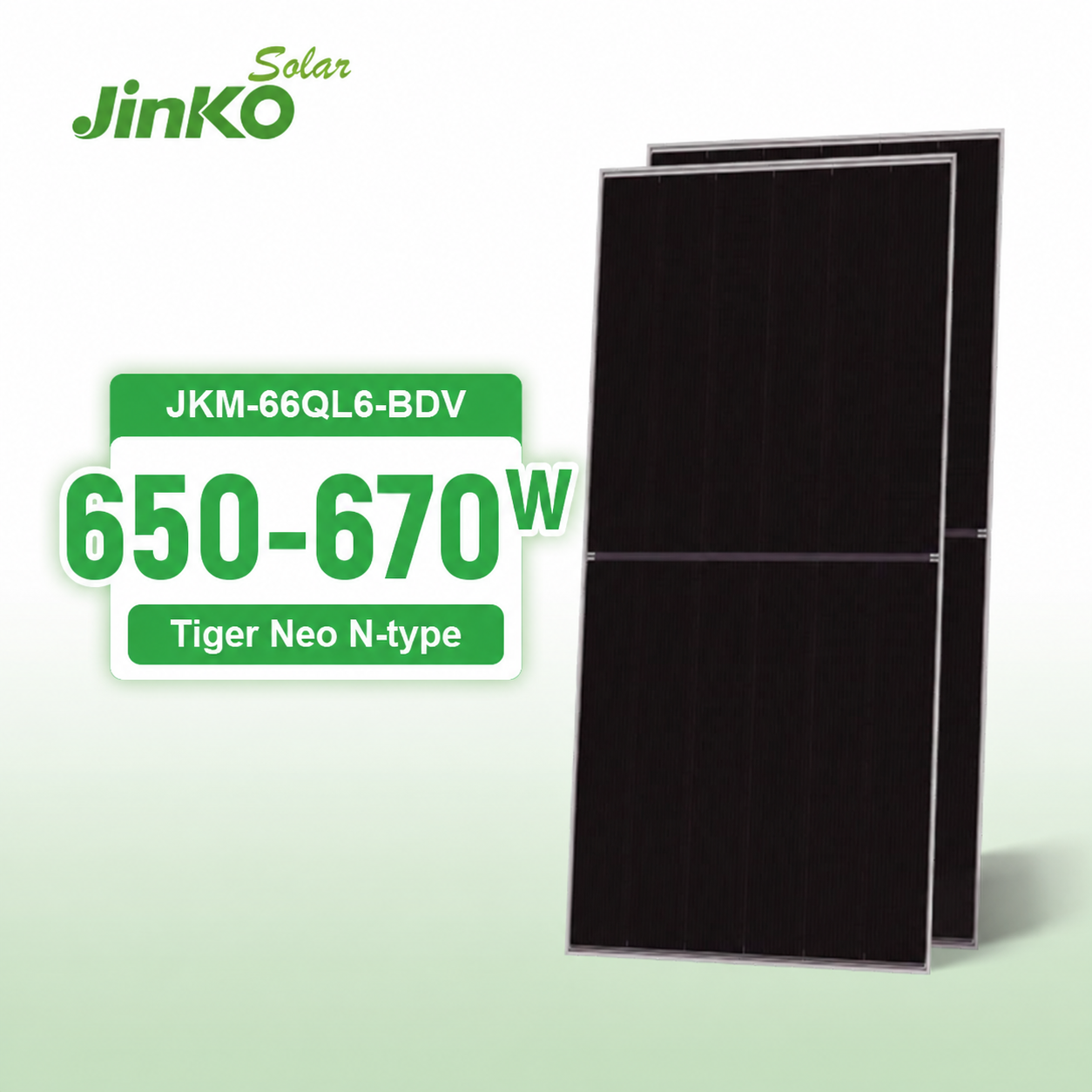
When engineering multi-megawatt commercial rooftop or ground-mount tracking solar systems, procurement managers often make the mistake of evaluating cost strictly on a "Cost-per-Watt" (USD/Wp) FOB basis. A rigorous levelized cost analysis demonstrates that higher module efficiency directly depresses downstream system costs. Generating 1MWp of power with 650W TOPCon modules demands significantly fewer strings, aluminum mounting rails, foundation pilings, DC cabling (4mm²/6mm²), combiner boxes, and inverter DC input trackers than generating the same capacity with 540W PERC panels.
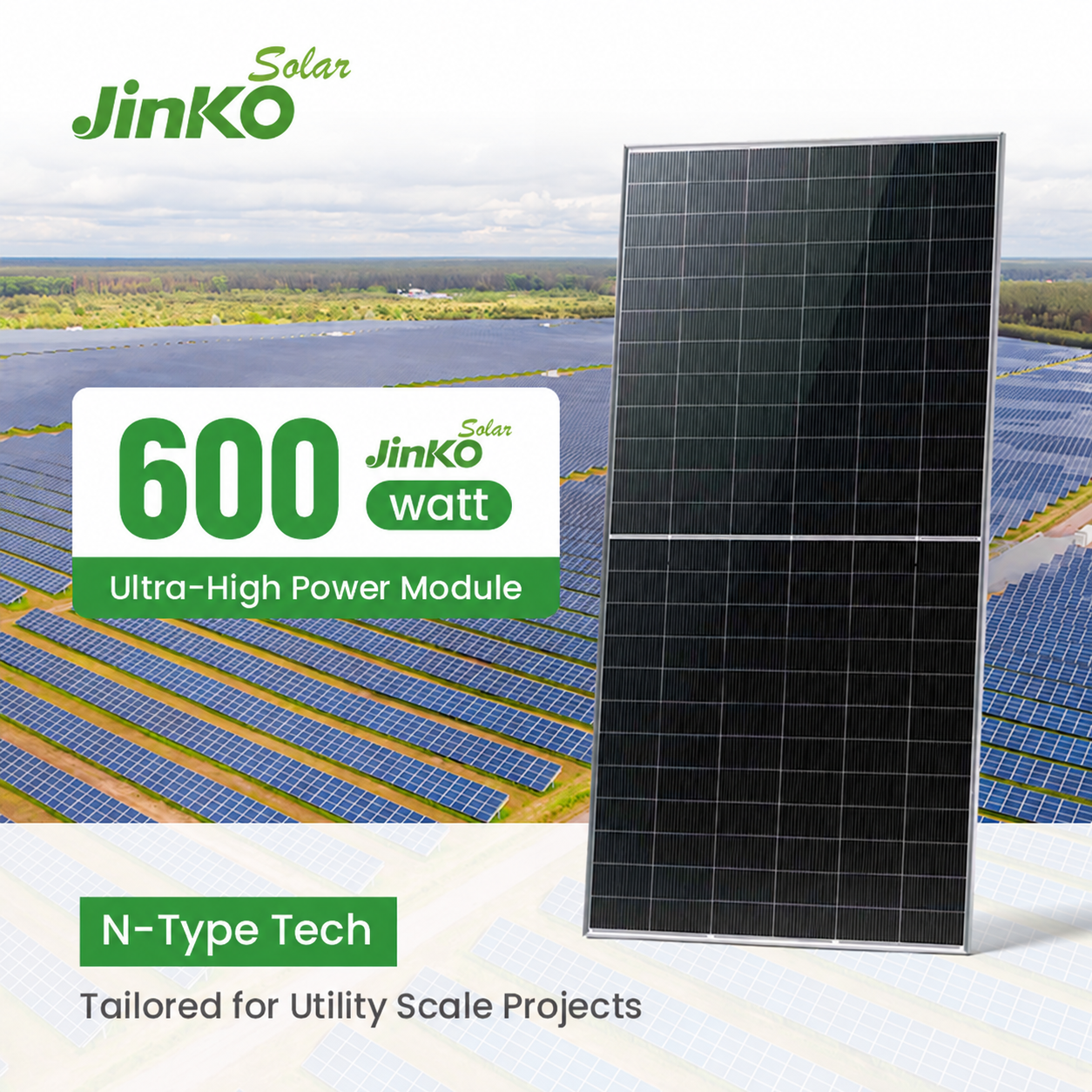
| Evaluation Parameter | Standard PERC 540Wp | VOLT N-Type TOPCon 600Wp | VOLT N-Type TOPCon 650Wp | Capex & Yield Delta |
|---|---|---|---|---|
| Module Efficiency (STC) | 20.89% | 22.25% | 22.78% | +1.89% Absolute Gain |
| Modules Required for 1MWp | 1,852 pcs | 1,667 pcs | 1,538 pcs | -314 Modules per MWp |
| Tracker / Racking Footprint | Baseline (100%) | 91.2% (-8.8%) | 86.5% (-13.5%) | 13.5% Land/Structural Savings |
| DC Cabling & Connectors | Baseline (100%) | 90.5% (-9.5%) | 84.8% (-15.2%) | 15.2% Material Cost Cut |
| Rear-Side Bifacial Yield (Albedo 25%) | +6.2% | +9.5% | +9.8% | +3.6% Net Generation Boost |
| Estimated 30-Year LCOE ($/kWh) | $0.0412 | $0.0368 | $0.0349 | -15.3% Total LCOE Reduction |
The dual-glass bifacial architecture (2.0mm heat-strengthened glass front and rear) deployed across our export lines yields significant structural and electrical advantages over transparent backsheet designs. Heat-strengthened glass eliminates moisture ingress, provides absolute barrier protection against ammonia and salt-mist corrosion in harsh coastal or agricultural settings, and elevates fire classification to Class A under European building codes. Furthermore, with an 80-85% bifaciality coefficient, the rear side converts reflected albedo radiation into additional current. Over grass, concrete, or light gravel surfaces, field tests conducted in Central Europe demonstrate sustained 8% to 15% supplemental energy generation.
Future Procurement Trends in the Global PV Supply Chain
Strategic supply chain insights designed to guide procurement directors, EPC estimators, and renewable asset investors in de-risking forward inventory and capital allocation.
The global PV manufacturing ecosystem has migrated rapidly from square 182mm wafers to rectangular wafer geometries (182mm x 199mm / 182mm x 210mm). This transition maximizes 40ft High Cube container cube utilization from 88% to above 97%, driving containerized shipping costs down by up to $0.006 per watt on transatlantic and Asia-Europe freight lanes.
Regulatory frameworks such as the EU Corporate Sustainability Due Diligence Directive (CSDDD) and France's CRE carbon footprint mandates demand full traceability from metallurgical grade silicon through polysilicon purification and ingot slicing. Tier-1 exporters must provide verified Environmental Product Declarations (EPD) and ISO 14064 GHG verification.
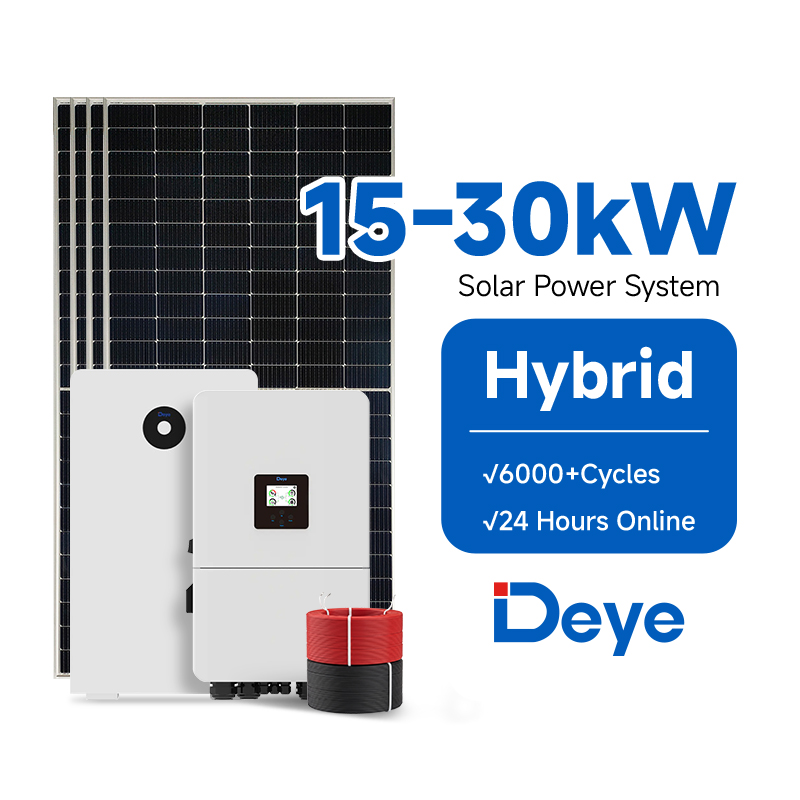
Independent component procurement is rapidly being replaced by pre-commissioned energy storage bundles. Importers are turning to unified suppliers who source N-Type modules alongside pre-validated Deye hybrid inverters and low-voltage/high-voltage LiFePO4 battery storage, eliminating cross-vendor BMS communication failures and field protocol disputes.
Key Technological Vectors Transforming Module Manufacturing
From atomic metallization to multi-junction cell stacking, examine the engineering innovations defining factory assembly lines over the next five years.
With silver consumption representing over 10% of N-type cell manufacturing cost, factories are aggressively transitioning to silver-coated copper pastes and electroplated copper metallization. This breakthrough preserves electrode conductivity while hedging against precious metal spot volatility, directly stabilizing wholesale module pricing for volume off-takers.
Eliminating traditional printed busbars in favor of 0BB ribbon-welded micro-wires directly lowers shadow obstruction across active silicon, boosting cell power by 5-8W per panel. Simultaneously, the ultra-dense grid distribution reduces internal stress concentrations, mitigating micro-crack formation during mechanical transport over rough logistics terrains.
The technological frontier of commercial photovoltaics is anchored in Perovskite-on-Silicon tandem cells. By capturing high-energy blue photons in the wide-bandgap perovskite top cell and infrared photons in the underlying TOPCon silicon bottom cell, commercial modules are projected to surpass 28% operational efficiency within utility pilot frameworks by 2028.
Factory Strengths & Complete System Compatibility Assurance
Headquartered in Hangzhou, Zhejiang, Hangzhou VOLT New Energy bridges Tier-1 Chinese high-volume manufacturing with rigorous international quality-assurance protocols, minimizing operational friction for global buyers.

We eliminate the dreaded field error: "BMS Inverter Communication Timeout". Prior to dispatch, our testing engineers run physical integration checks connecting our N-Type arrays, Deye hybrid inverters, and LFP storage racks via verified CAN/RS485 baud rates and DIP configurations.

Every single module undergoes high-resolution Electroluminescence (EL) testing before lamination and after final framing to guarantee zero hidden micro-cracks, soldering bridge defects, or dead cell zones. Flash-test data sheets with exact serial numbers are archived and supplied with shipping manifests.

Consolidating fragile solar panels with heavy Class 9 LiFePO4 batteries is notoriously complex. We maintain certified dangerous goods shipping approvals, UN38.3 dossiers, and MSDS documentation, enabling single-container consolidation that cuts port clearing fees and split-shipment logistics costs.

We do not just ship boxes. Our bilingual electrical engineering team provides complete PVsyst simulation reports, string sizing assessments based on regional extreme temperatures, structural load drawings, and multi-inverter parallel synchronization wiring schematics for your installation crews.
International Accreditations Clearing Customs & Grid Approval
Our export product portfolio holds comprehensive test certificates issued by internationally recognized third-party test laboratories including TÜV Rheinland, TÜV SÜD, and Intertek.
EN 61000-6 / EN 62109 LVD & EMC Directives
Design Qualification & Type Approval
Photovoltaic Module Safety Qualification
IEC 61701 & IEC 62716 Harsh Environments
Class 9 Sea/Air Freight Dangerous Goods Clear
ISO 9001, ISO 14001, ISO 45001 Audited
Request Tier-1 Factory Direct Pricing & Engineering Bill of Materials
Connect directly with our technical procurement division in Hangzhou. Provide your project capacity, target port of discharge, or customized inverter/battery configuration. We furnish complete commercial quotations, flash-test protocols, and single-line diagrams within 24 business hours.
Frequently Asked Questions for Commercial Solar Importers
Detailed answers addressing technical compatibility, shipping contingencies, warranties, and customs clearance procedures for professional PV distributors.