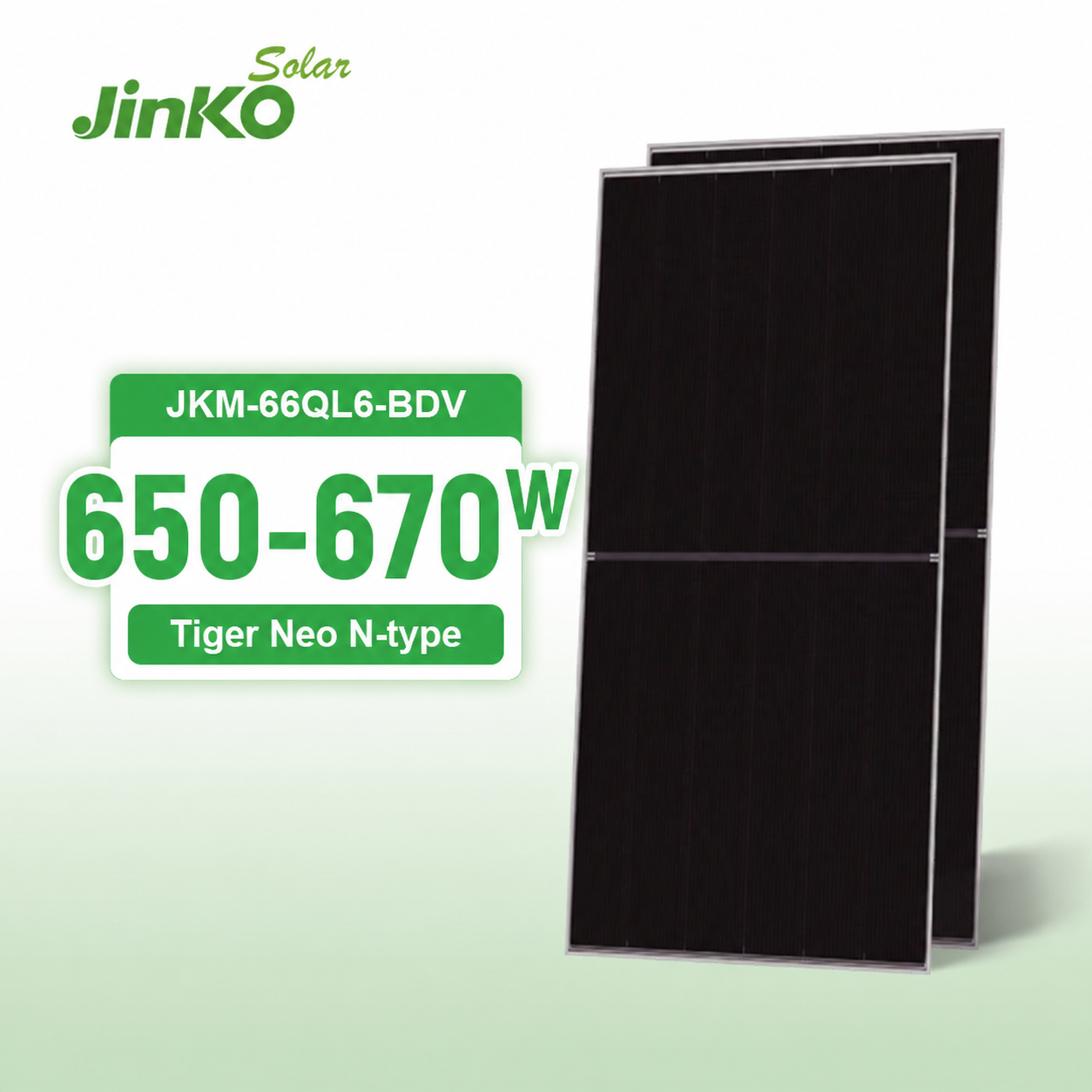
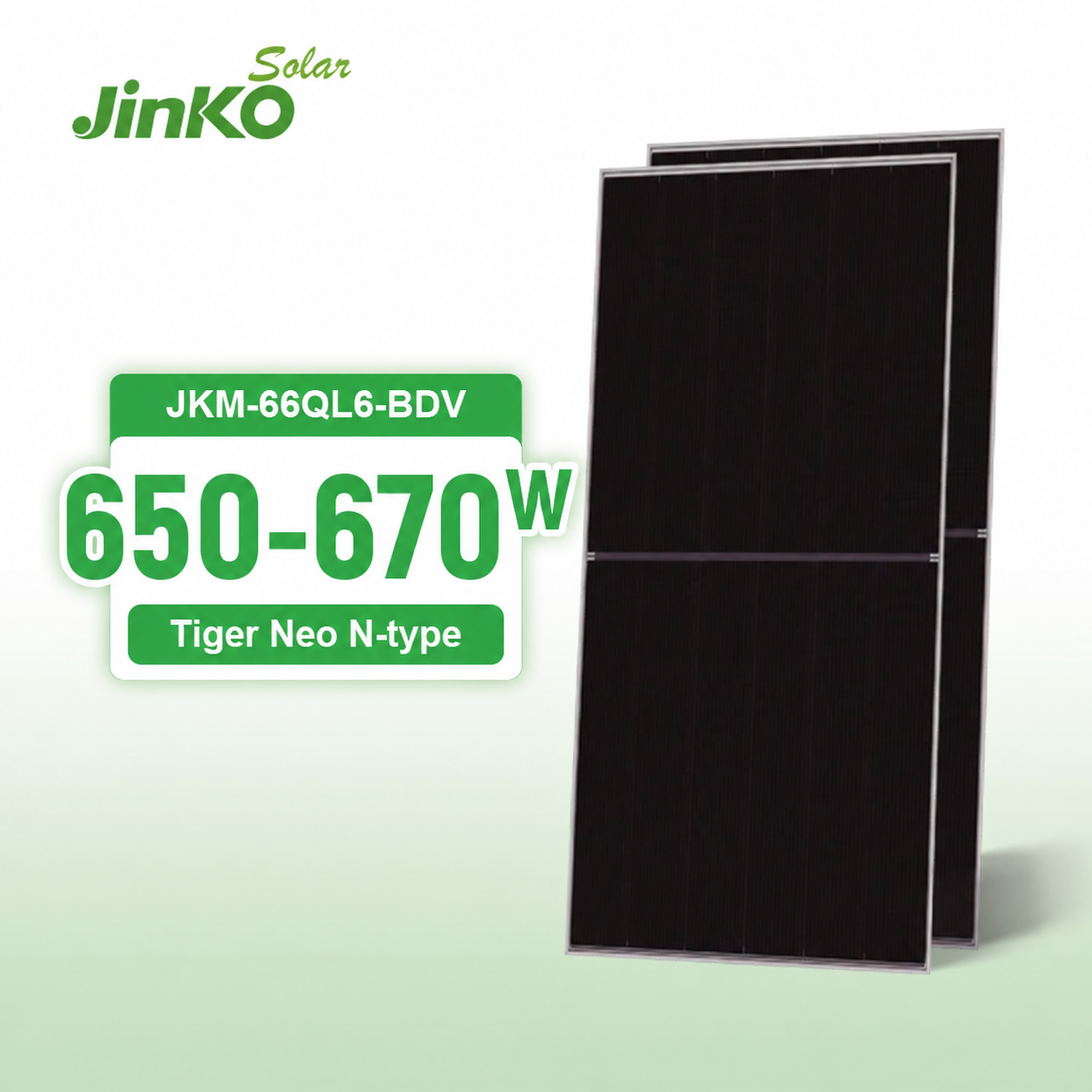
Jinko N Type Bifacial Pv Modules 650W 660W 670W Double Glass Solar Photovoltaic Panel for Commercial
650W - 670W
Dual Glass 2.0mm
SMBB Half-Cell
Selected high-efficiency bifacial dual-glass solar panels engineered with N-Type TOPCon and monocrystalline half-cut cell matrices, optimized for maximum energy yield under high-irradiance and diffuse conditions.
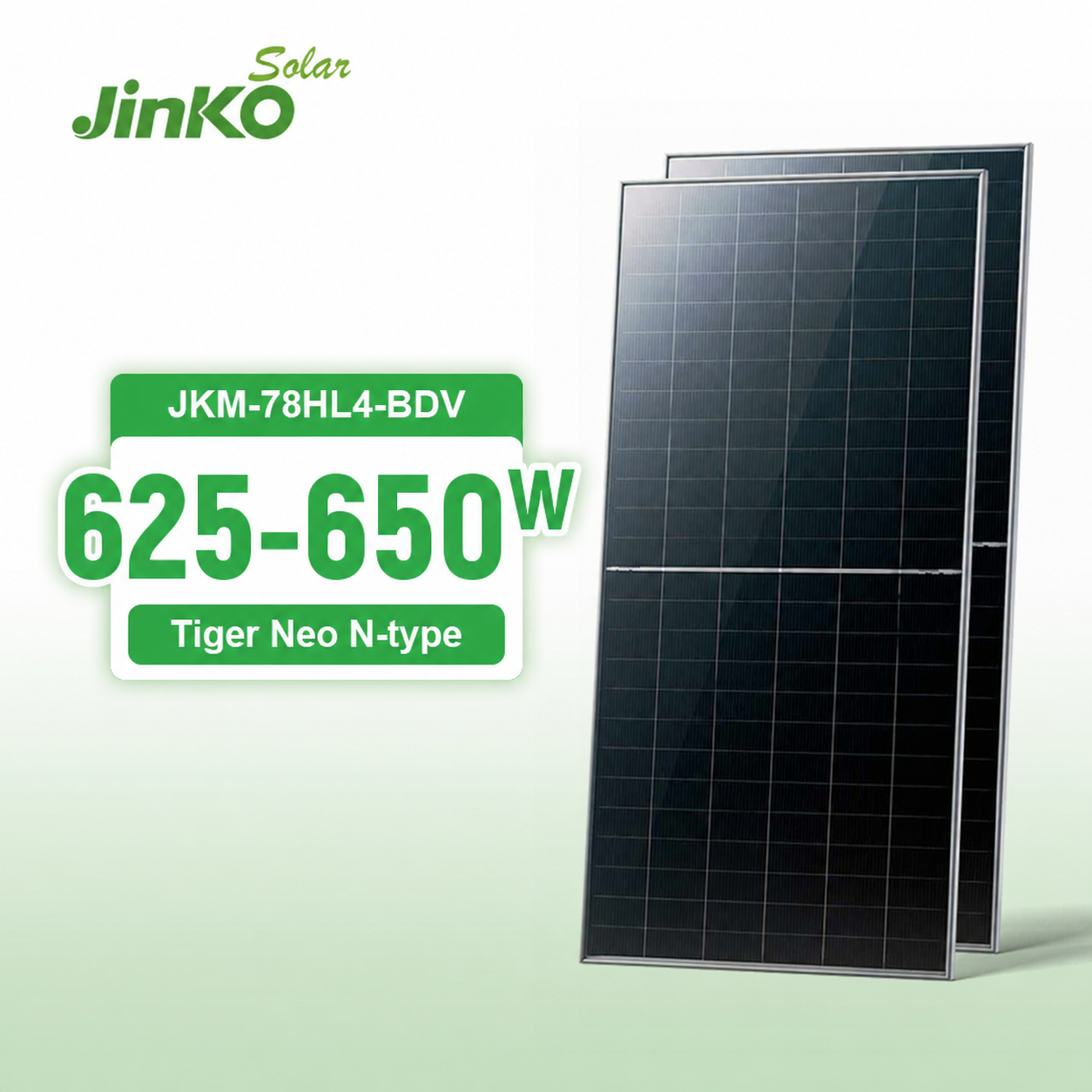
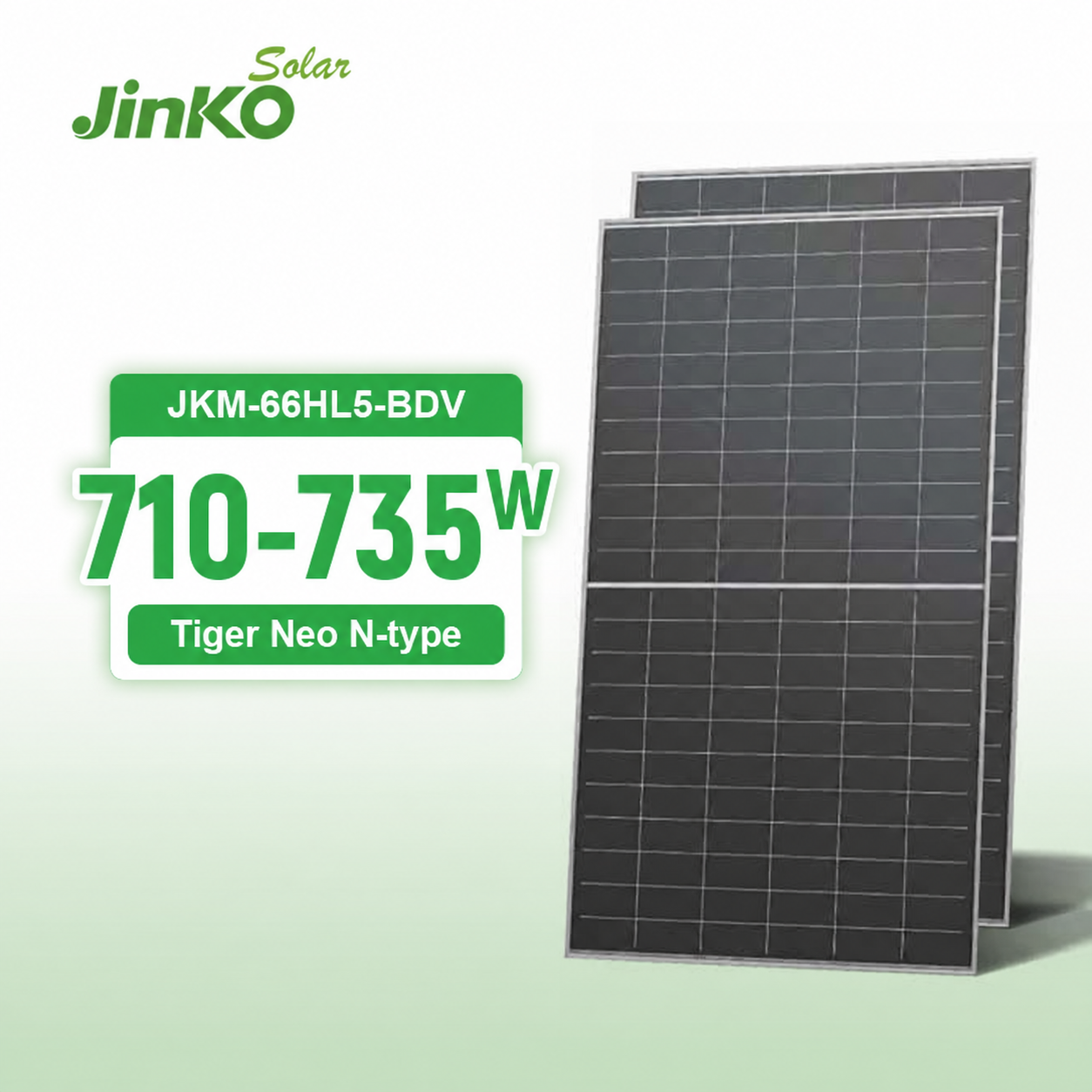
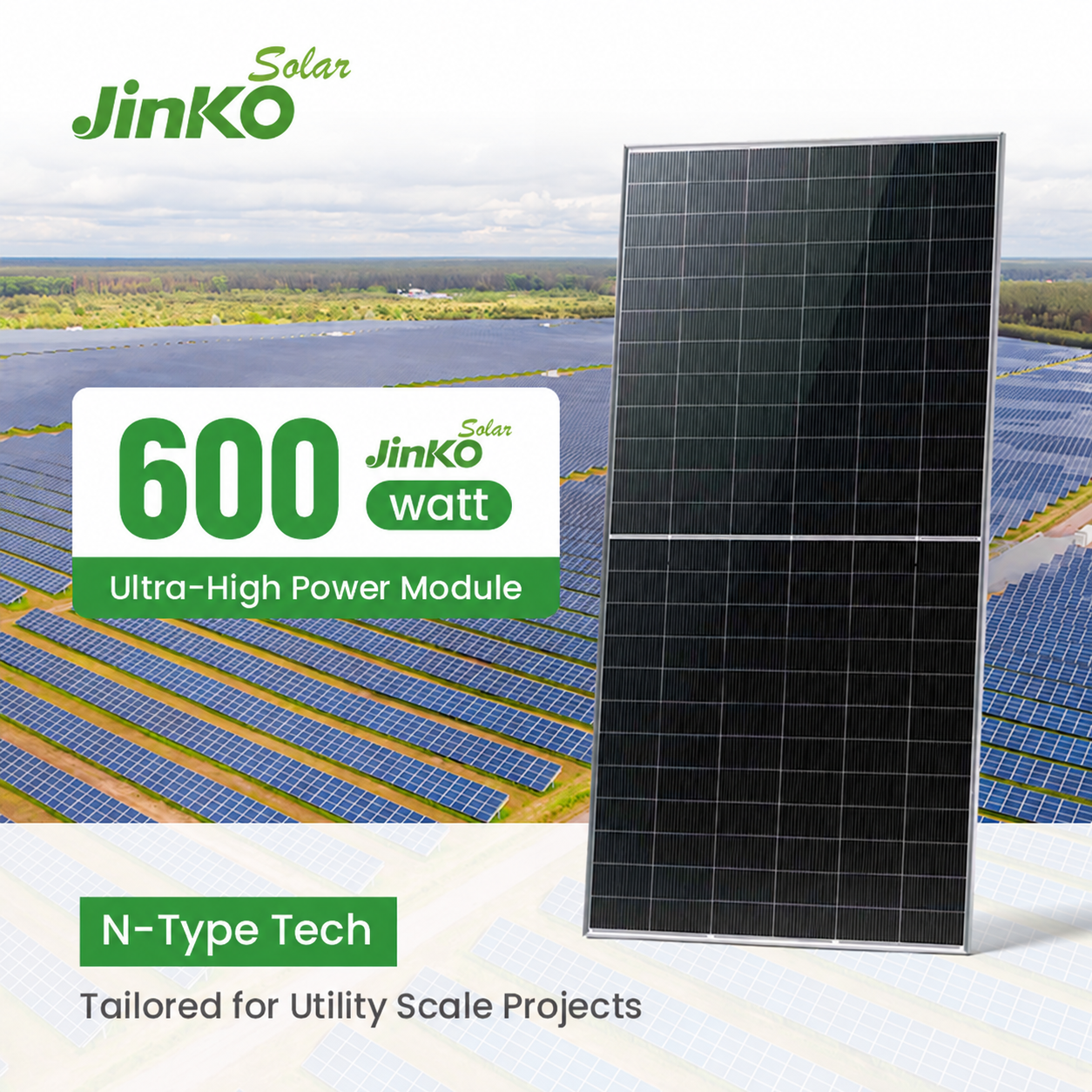
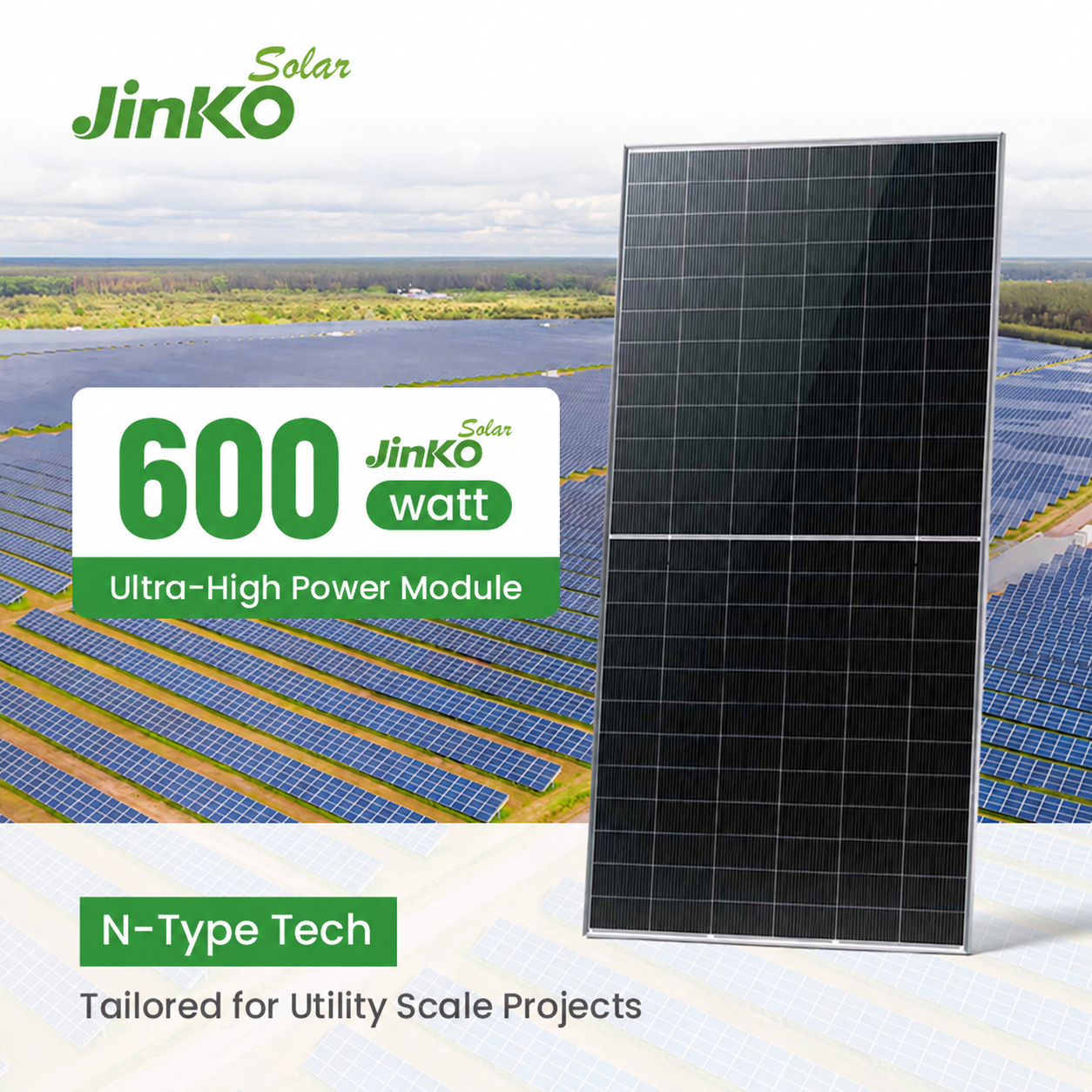
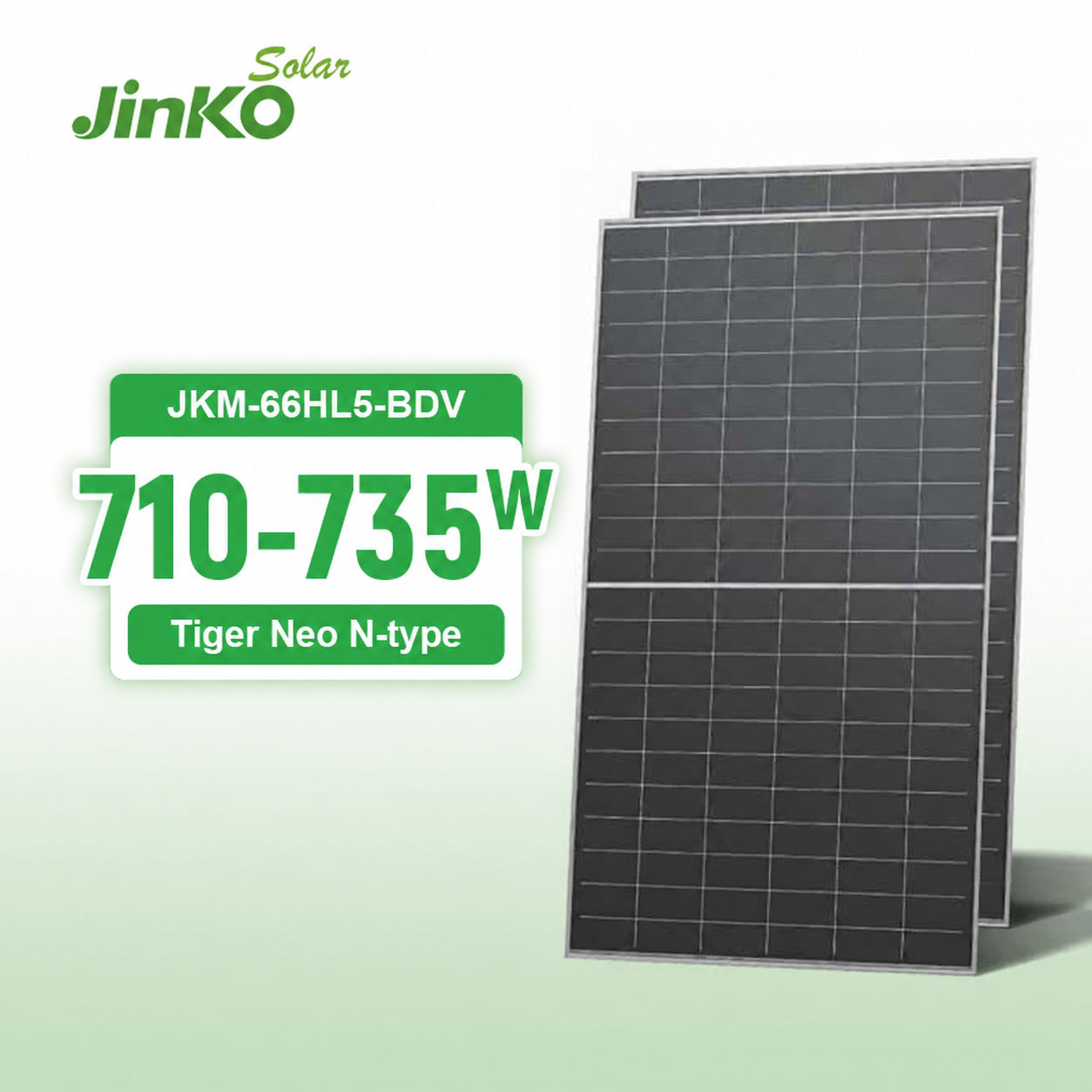
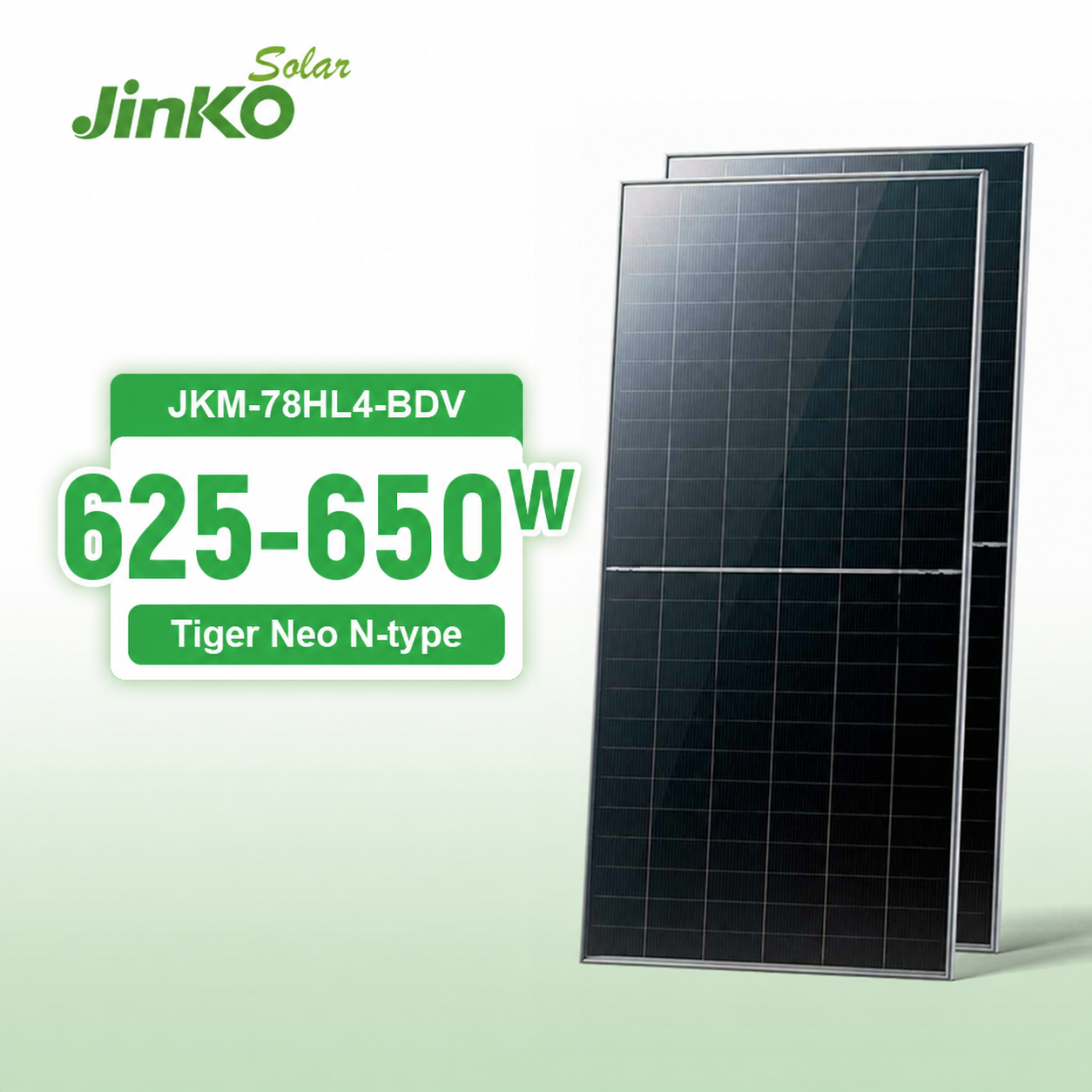
A comprehensive technical evaluation for engineering, procurement, and construction (EPC) leaders, renewable asset investors, and international photovoltaic importers navigating large-scale manufacturing pipelines.
International PV asset developers and large-scale EPC contractors operate in an environment characterized by razor-thin margin tolerances and stringent balance-of-system (BOS) capital constraints. Sourcing directly from verified China wholesale Longi and Tier-1 manufacturing hubs is no longer merely a pricing arbitrage exercise; it is an engineering synchronization necessity. As silicon crystallization processes evolve from legacy P-type PERC structures to ultra-pure N-type wafer matrices, technical buyers require quantifiable metrics regarding localized degradation, spectral response curves, and temperature coefficient attenuation.
China's manufacturing dominance across the upstream polysilicon, wafer pulling, cell doping, and automated module assembly value chains accounts for over 85% of worldwide solar photovoltaic throughput. In particular, factories driving the deployment of Longi Hi-MO series and Tier-1 dual-glass architectures have standardized on large-format rectangular wafers (such as M10R 182×182mm and G12R 210×182mm). This dimensional optimization enhances container packing density by up to 8.2%, mitigating the ocean freight volatility that previously eroded landed project margins in Rotterdam, Santos, Durban, and Karachi.
However, navigating this direct factory procurement ecosystem demands exhaustive verification of bill-of-materials (BOM) provenance. Top-tier Chinese original equipment manufacturers (OEMs) operate multiple line configurations. Discerning importers must establish stringent procurement covenants: specifying encapsulation materials (such as POE versus EVA to prevent potential-induced degradation in high-humidity tropical microclimates), demanding Tier-1 junction box junction diodes with IP68 ratings, and enforcing dual-side electroluminescence (EL) testing before crating.
| Performance Metric | P-Type PERC (550W) | N-Type TOPCon (600W+) | Longi HPBC 2.0 (640W+) |
|---|---|---|---|
| Cell Efficiency Range | 21.0% – 21.4% | 22.5% – 22.8% | 23.2% – 24.1% |
| Temp. Coefficient (Pmax) | -0.35% / °C | -0.29% / °C | -0.26% / °C |
| First-Year Degradation | < 2.0% | < 1.0% | < 1.0% |
| Annual Linear Decay | 0.55% / yr | 0.40% / yr | 0.35% / yr |
| Bifaciality Factor | 70% ± 5% | 80% ± 5% | 70% – 75% |
| Container Wattage Density | ~341 kW / 40'HQ | ~372 kW / 40'HQ | ~395 kW / 40'HQ |
Source: Global PV Field Reliability Modeling & Hangzhou VOLT Factory Engineering Laboratory Benchmarks.
The mainstream shift from Tunnel Oxide Passivated Contact (TOPCon) toward Hybrid Passivated Back Contact (HPBC 2.0) championed by Longi eliminates front-side busbar shading entirely. By redirecting all metal grid lines to the rear surface, the effective light-receptive aperture area expands by 2.8%, dramatically lifting conversion efficiencies beyond 24% while presenting a sleek, uniform aesthetic highly valued in commercial rooftop installations.
Modern ground-mount and tracker deployments universally demand 2.0mm+2.0mm semi-tempered dual-glass module structures. Replacing polymer backsheets with glass creates an impermeable barrier against moisture ingress, acetic acid degradation, and PID. Combined with high-reflectance albedo ground surfaces (white gravel or sand), rear-side power gains reach 15% to 25%, effectively lowering Levelized Cost of Electricity (LCOE) by 7.4% to 11.2%.
The industry consensus on rectangular wafer dimensions (182R and 210R) resolves long-standing logistics bottlenecks. Module widths are universally harmonized to 1,134mm, maximizing container volume utilization inside standard 40-foot High-Cube maritime shipping containers without exceeding gross weight thresholds or creating structural stresses on module junction boxes during transshipment.
Strategic insights on mitigating global supply chain volatility, ensuring tariff compliance, and securing reliable batch consistency when importing high-volume photovoltaic equipment from China.
International distributors are systematically shifting away from single-component procurement toward synchronized system packages. Sourcing high-efficiency modules alongside pre-matched Deye hybrid or off-grid inverters and lithium iron phosphate (LiFePO4) storage banks eliminates communication protocol incompatibilities, streamlines customs declaration codes, and reduces aggregate container logistics expenditures by 14% to 22%.
Regulatory frameworks in the European Union (Corporate Sustainability Due Diligence Directive) and North America mandate granular tracing of polysilicon origin. Importers must partner with export facilities capable of delivering complete quartz-to-module audit trails, certified non-forced labor attestations, and ISO 14064 carbon footprint declarations to prevent detention by destination customs authorities.
Standard manufacturer flash data sheets often record flash tests performed under instantaneous laboratory STC conditions with varying calibration references. Experienced global importers now require pre-shipment third-party or dedicated vendor quality control reports confirming positive power tolerance (0 to +5W), IV-curve linearity, and dual-exposure electroluminescence to detect micro-cracks before crating.
Bridging Tier-1 manufacturing capacity with specialized international export logistics, engineering system compatibility testing, and direct factory-gate accountability.

Direct supply agreements with primary Tier-1 manufacturers guarantee authentic A-grade stock, transparent batch serial numbers, and priority production slotting even during global peak seasons.

Every batch undergoes mechanical frame inspection, high-voltage insulation resistance testing, and factory EL scanning. Detailed photo and video inspection dossiers are delivered prior to balance payment.

Specialized vertical wooden crating with reinforced corner guards prevents micro-cracking during rough oceanic transit. Fast consolidation via Ningbo and Shanghai ports ensures streamlined global dispatch.
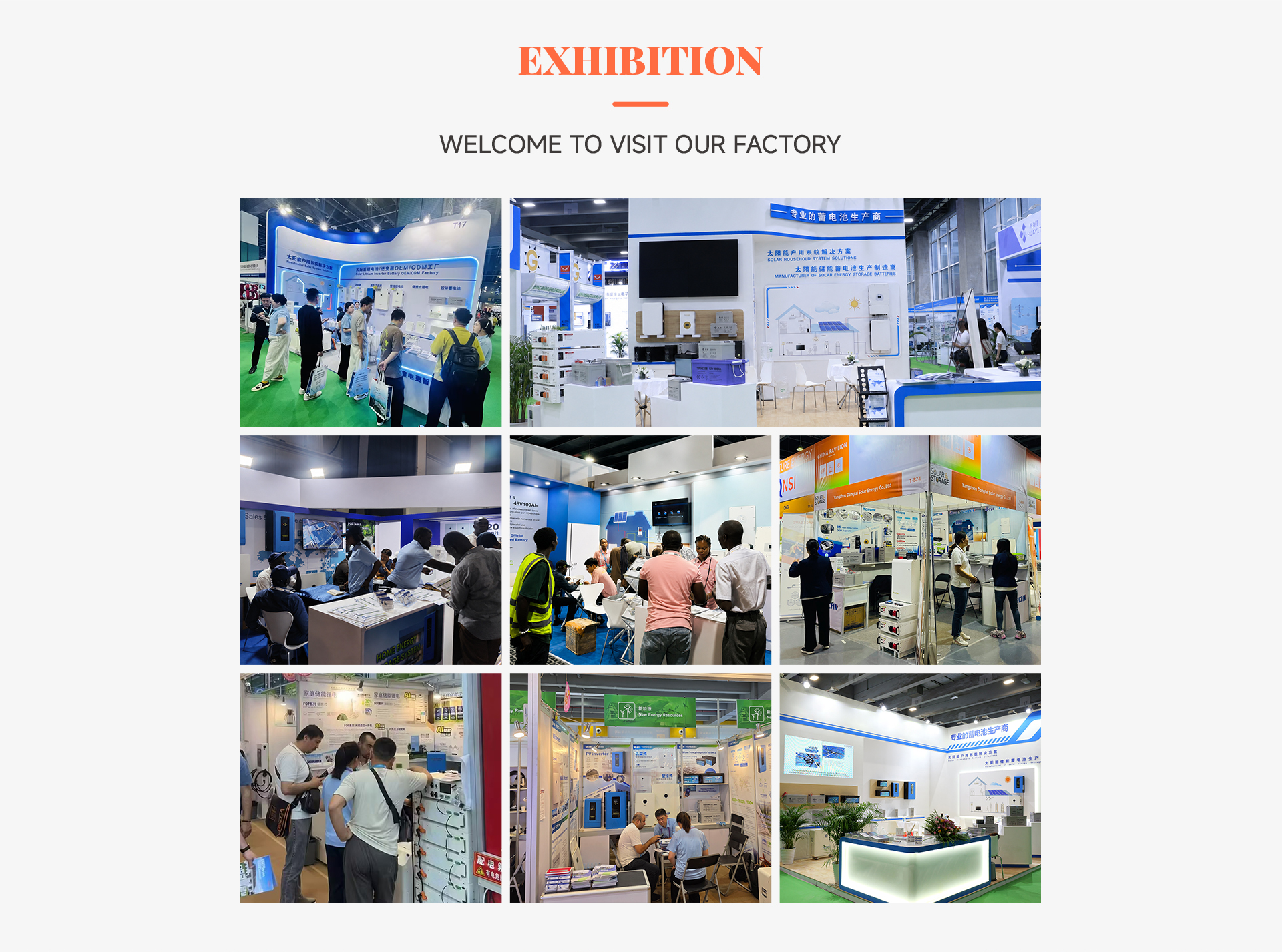
Unlike broker-only traders, our in-house engineering team matches solar arrays with Deye hybrid inverters and LFP lithium storage banks, certifying electrical parameter harmony before dispatch.


Clear, definitive answers to the most critical technical, commercial, and logistical questions submitted by global solar importers, EPC directors, and distributor networks.
Send your project capacity, target delivery port, and technical inverter/battery specifications. Our engineering team prepares a tailored procurement package, flash test data sample, and landed container freight estimate within 24 business hours.