Featured Photovoltaic Modules & System Arrays
Factory-verified tier-1 high-wattage monocrystalline and TOPCon bifacial modules designed for seamless coupling with commercial MPPT solar charge controllers, hybrid inverters, and high-voltage lithium battery banks.
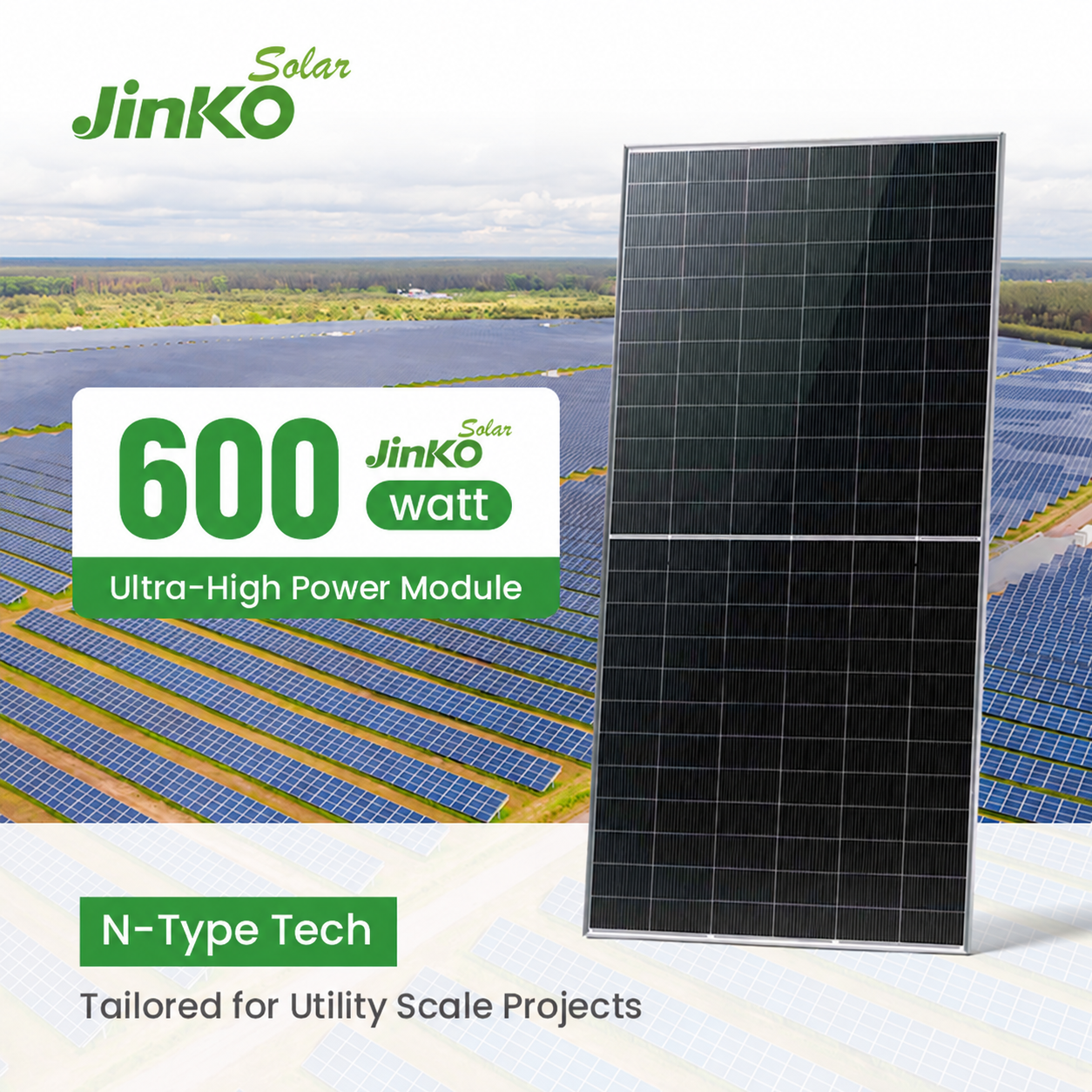
Jinko N Type Bifacial Solar Panels 600W 580W 595W TOPCon
- Efficiency: Up to 22.8%
- Cell Architecture: N-Type SMBB TOPCon
- Bifaciality: 80% ± 5%
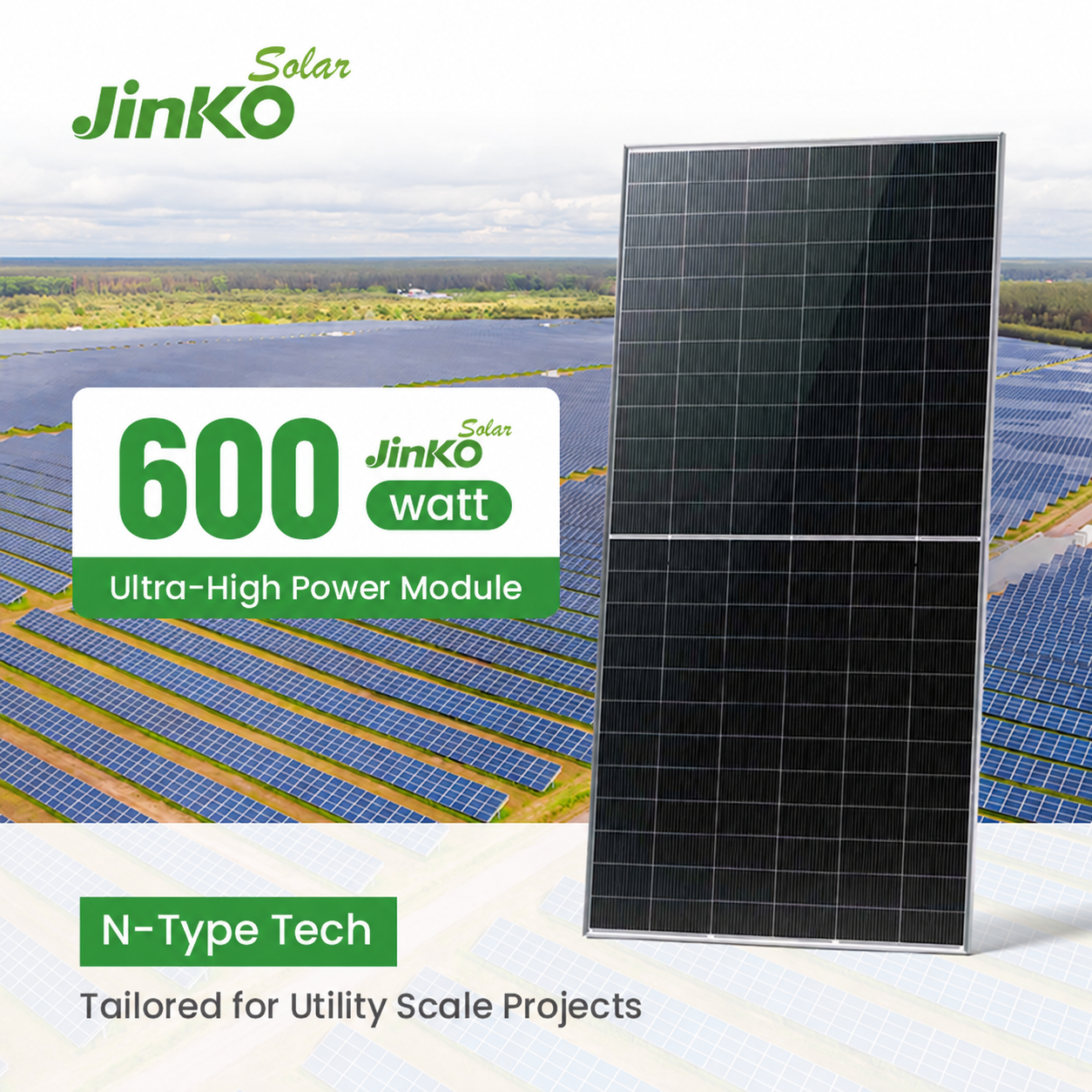
Jinko N Type Solar Modules 600W 580W 585W 590W Solar Farm
- Target Deployment: Utility & Microgrid
- Temperature Coeff: -0.30%/°C (Pmax)
- Glass Construction: Dual 2.0mm Tempered
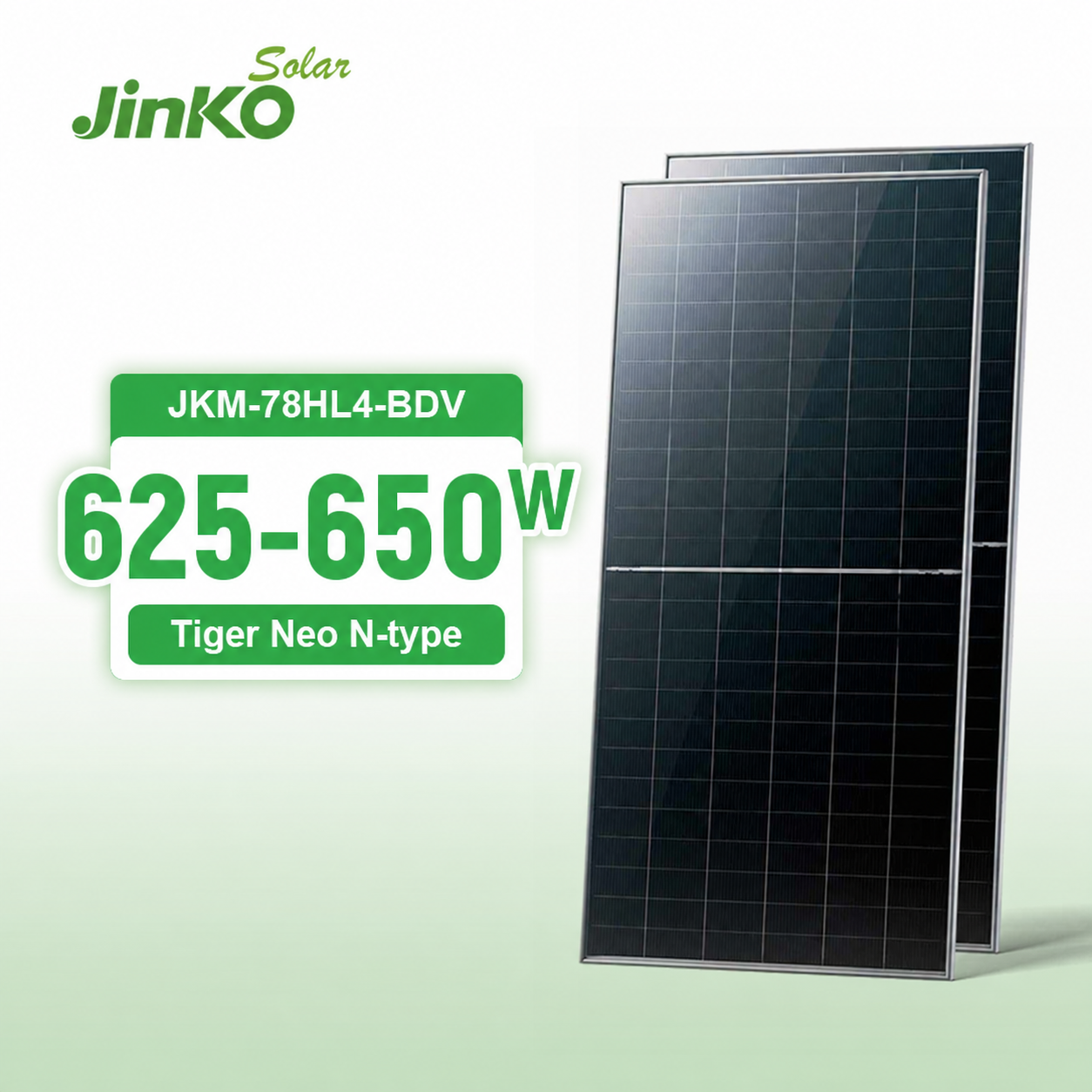
Jinko N Type PV Module 650W 625W 645W Commercial
- Power Class: 625W - 650W Range
- Mechanical Load: 5400 Pa / 2400 Pa
- PID Resistance: Stringent IEC 62804
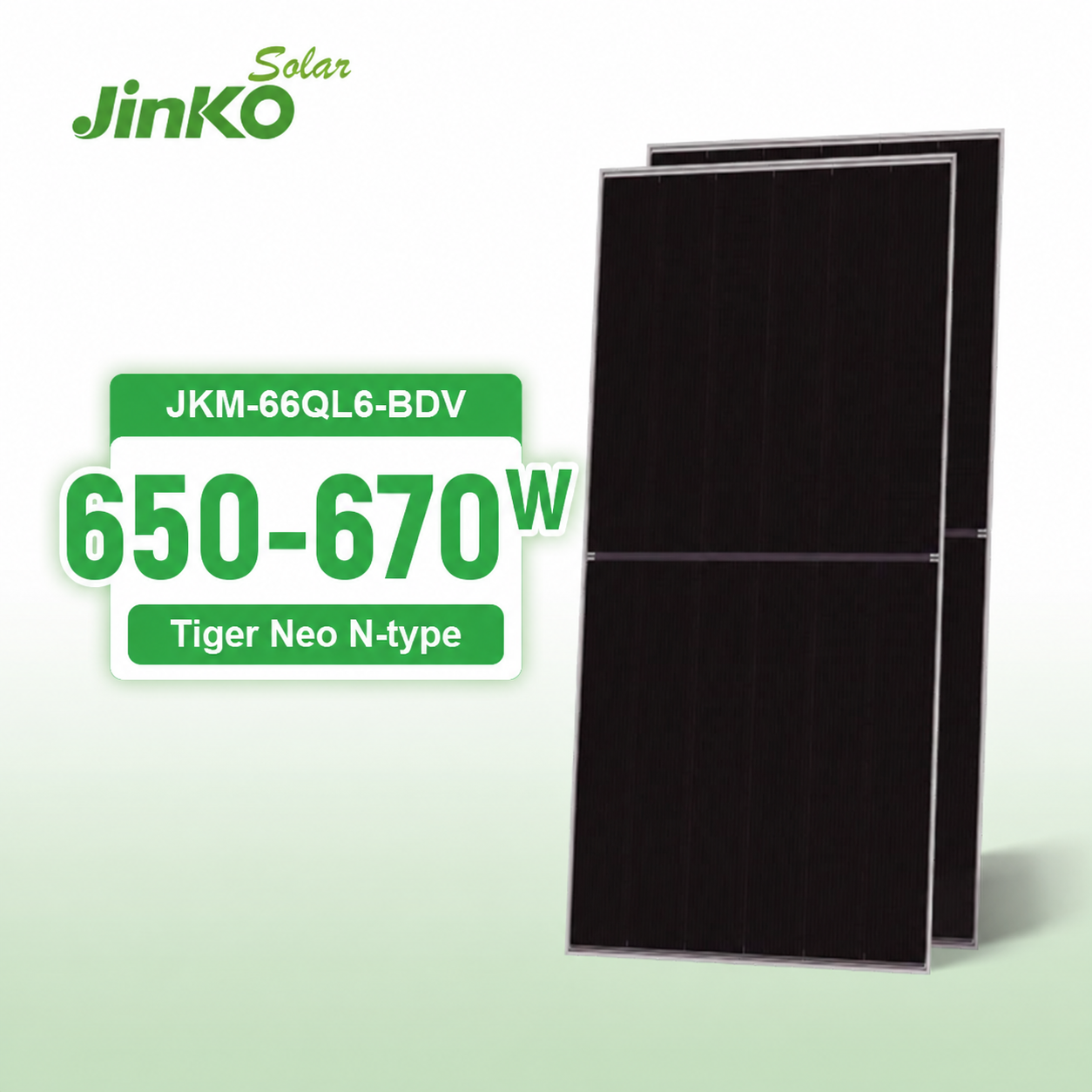
Jinko N Type 650W 660W 670W Wholesale TOPCon Bifacial
- Max Output: Up to 670W Rating
- Wafer Format: 210mm Large Format
- Connector Type: MC4-EVO2 Original
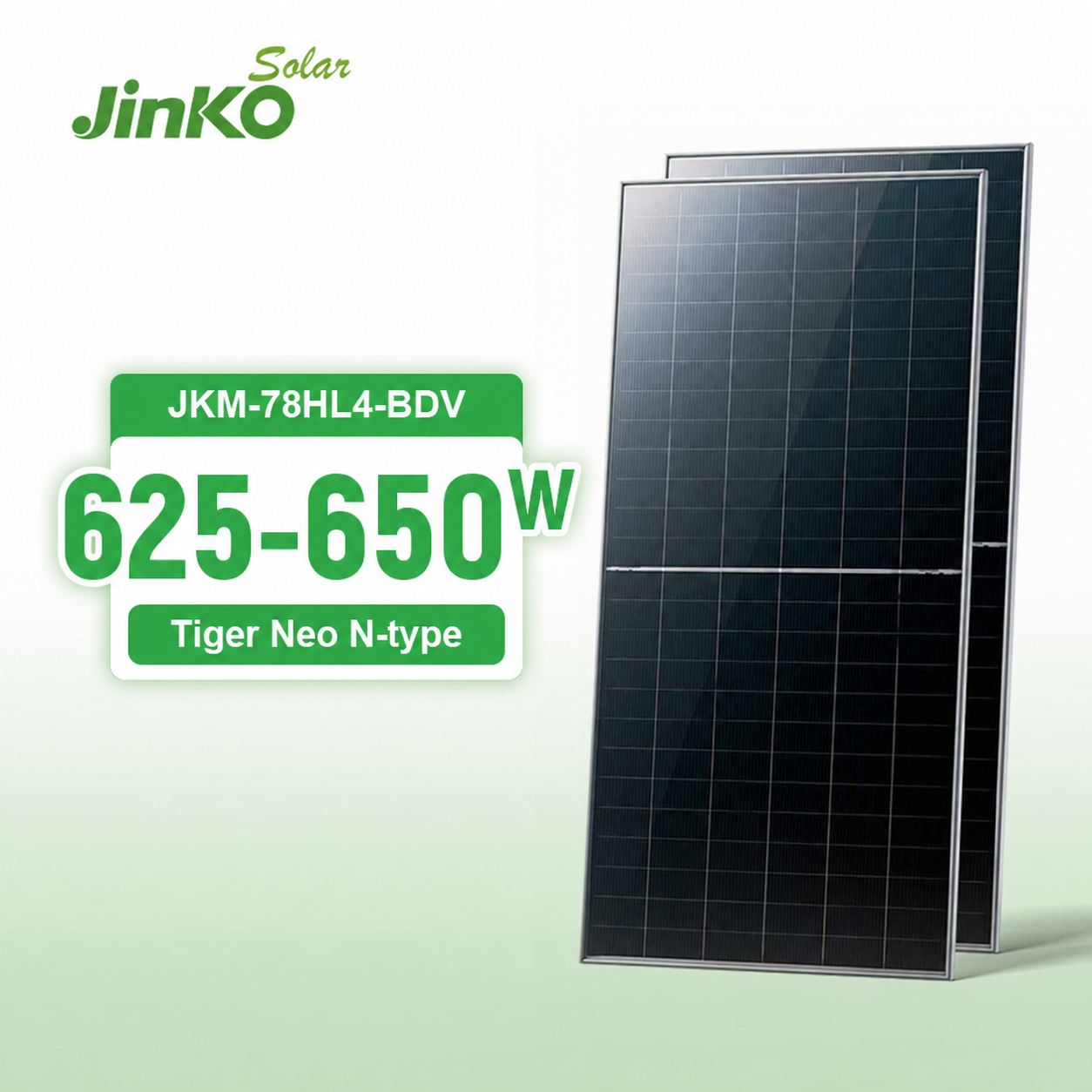
Jinko N Type Bifacial PV Modules 630W 625W Double Glass
- Inventory Status: Direct Warehouse Stock
- Frame Profile: 30mm Anodized Al
- System Voltage: 1500V DC Ready
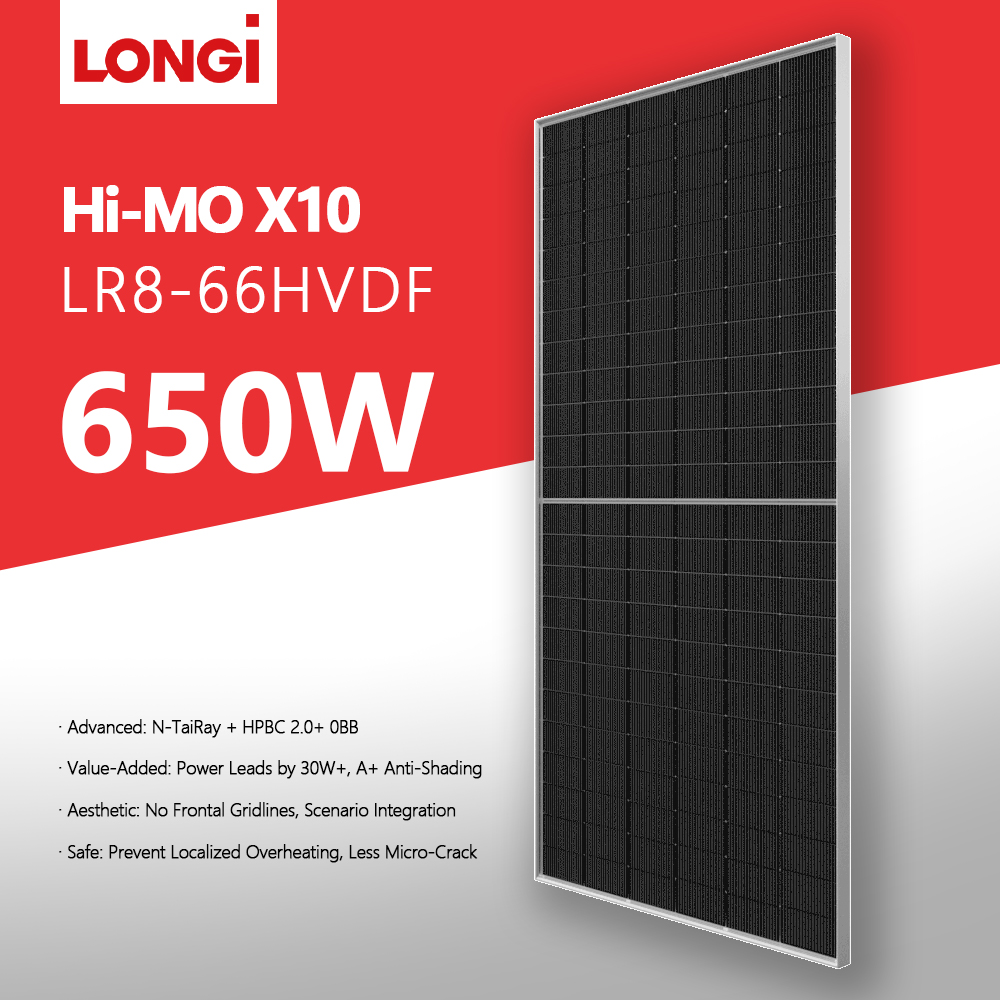
Commercial Grade LONGI 650W Panel System with Inverter
- Topology: Complete Hybrid Array
- Inverter Match: Deye / ANTOFO Hybrid
- Application: Shopping Malls / C&I
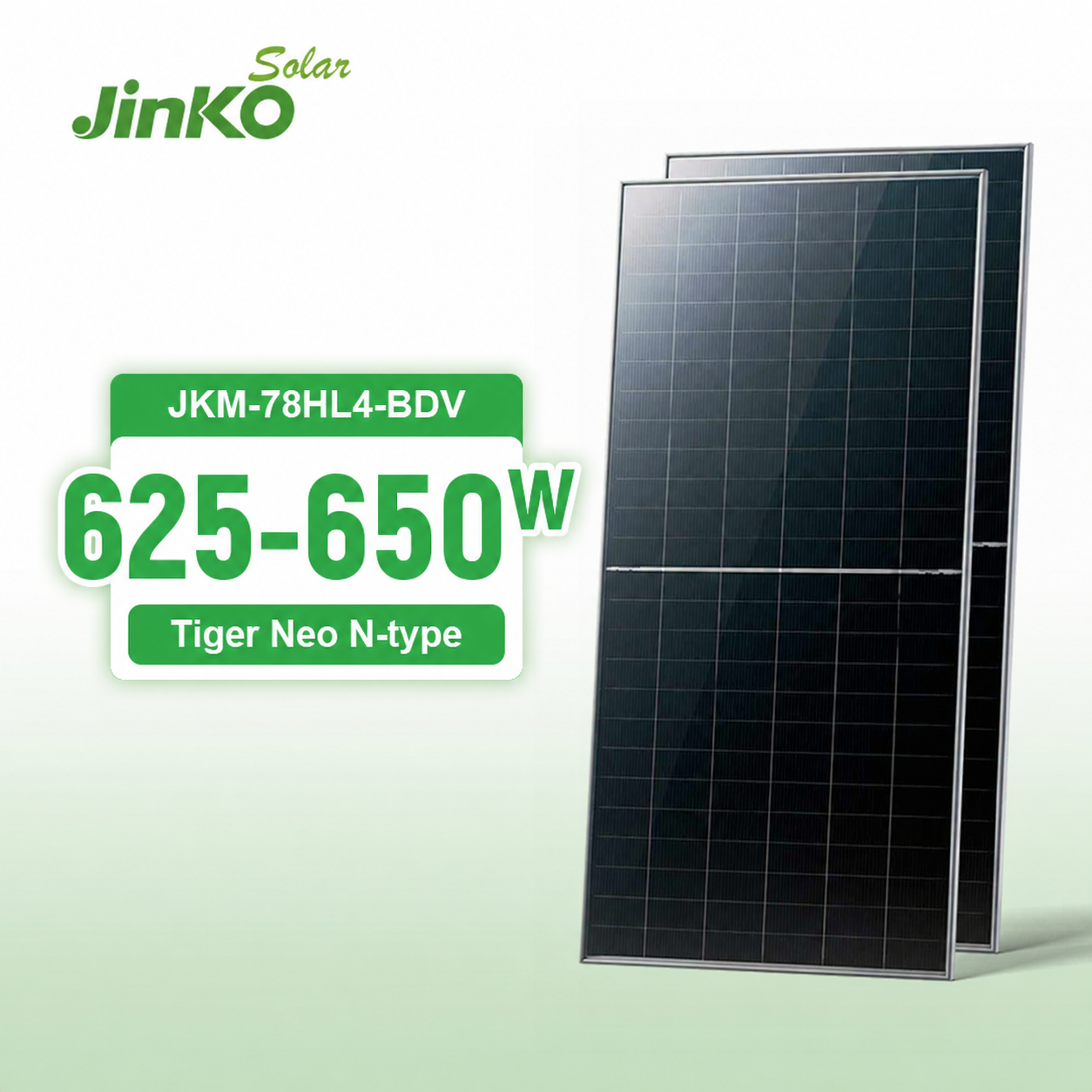
Jinko Bifacial PV Panels 630W 640W 635W Dual Glass Rooftop
- Fire Class: Class A Standard
- Anti-Reflective: Nano-Coated AR Surface
- Warranty: 30-Yr Linear Performance
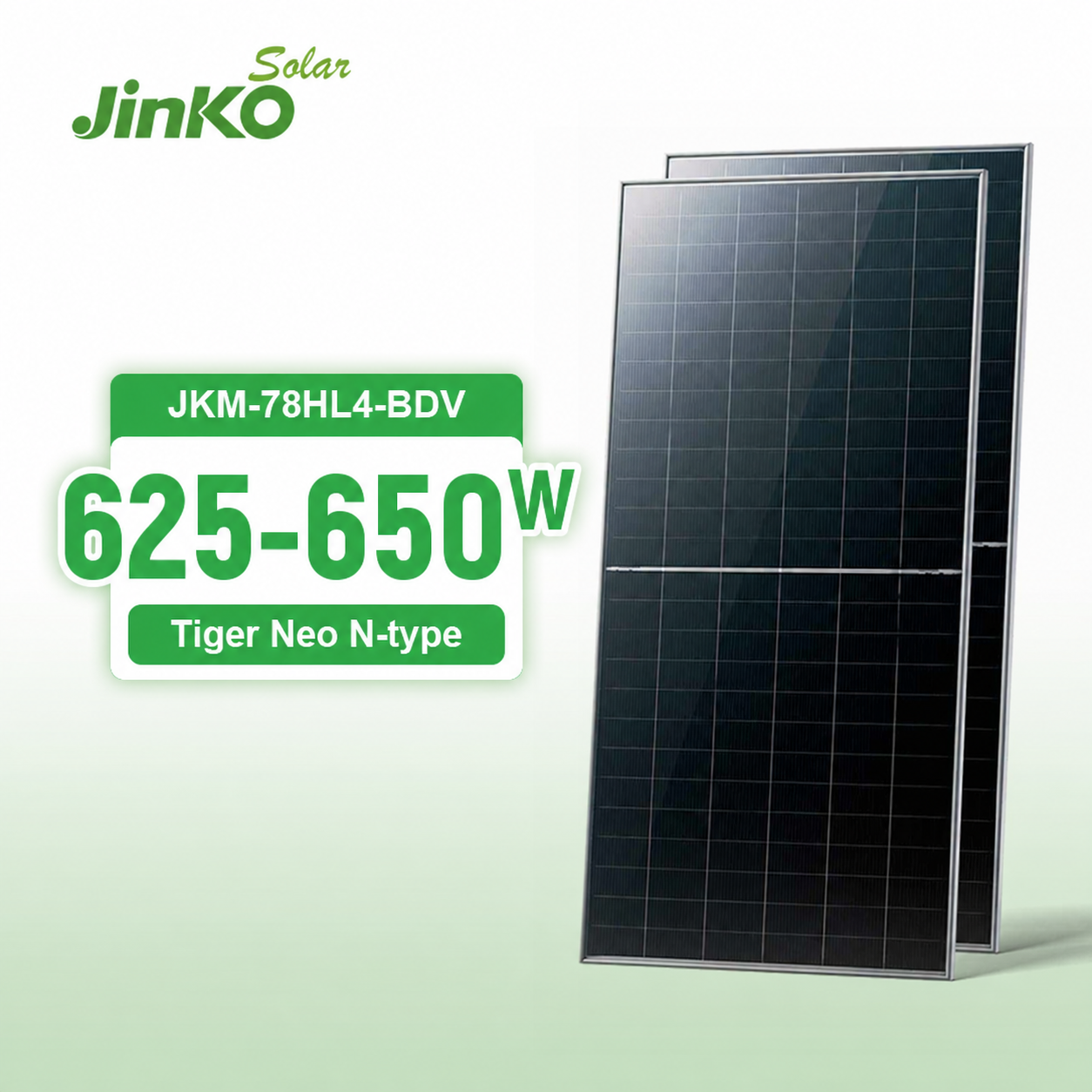
Jinko N Type Bifacial Solar Modules 650W Dual Glass
- Current (Imp): High 17.5A+ Rating
- Junction Box: IP68 Split 3-Diode
- Degradation: < 1% 1st Yr; < 0.4%/Yr
Engineering Whitepaper: Procuring Commercial Solar Charge Controllers from China
In industrial off-grid infrastructure, telecommunication base stations, agricultural solar pumping, and hybrid energy storage systems (BESS), the solar charge controller (SCC) represents the mission-critical power conditioning brain. Operating downstream from modern high-power PV modules—such as 600W+ TOPCon and bifacial panels—and upstream from complex chemical storage banks (Lithium Iron Phosphate / Deep-Cycle GEL), charge controllers must regulate unpredictable solar volatility while safeguarding electrochemical stability.
Topological Analysis: Synchronous Buck MPPT vs. Pulse Width Modulation (PWM)
When evaluating China wholesale solar charge controller manufacturers, international buyers encounter two fundamental topologies: Advanced Maximum Power Point Tracking (MPPT) and legacy Pulse Width Modulation (PWM). While PWM controllers simply mechanically clamp PV voltage to battery terminal potential—resulting in up to a 35% loss of nameplate photovoltaic potential in cold ambient temperatures—modern Synchronous Buck MPPT converters decouple solar array operating voltage from battery bus voltage.
By leveraging advanced multi-phase buck topologies regulated by digital signal processors (DSP), state-of-the-art Chinese MPPT controllers scan the I-V characteristics of the solar array via sophisticated Perturb and Observe (P&O) or Incremental Conductance algorithms. This achieves dynamic maximum power extraction even under complex partial shading patterns created by industrial structural obstacles or clouds.
| Evaluation Parameter | Legacy PWM Architecture | Standard Commercial MPPT | VOLT Industrial Smart MPPT |
|---|---|---|---|
| Energy Harvest Efficiency | 65% – 75% | 94% – 97% | 98.5% – 99.2% (Peak) |
| Max PV Input Voltage (Voc) | 1x – 1.5x Nominal Battery V | 100V – 150V DC | 200V – 250V High-Voltage DC |
| Lithium BMS Handshake | None (Hard Cut-off only) | RS485 Custom Protocol | Dual CAN-bus & RS485 (Deye / Pylon / VOLT) |
| High-Current Bifacial Support | Incompatible (Current Overload) | Limited (13A – 15A Imp) | Full 20A – 30A High Imp Capacity |
| Operating Temp Range | -10°C to +40°C | -20°C to +50°C | -35°C to +65°C (Full Load w/ Derating Margin) |
PV-to-Storage Array Matching Formulas: Avoiding Cold-Weather Breakdown
A primary reason for catastrophic field returns among Tier-2 Chinese solar controller imports is Over-Voltage Breakdown caused by neglecting the temperature coefficient of open-circuit voltage ($\beta_{Voc}$). When specifying MPPT controllers for large commercial installations featuring panels such as the Jinko 650W or LONGI N-Type modules, engineering teams must calculate maximum array voltage based on historic site minimum temperatures:
$$V_{oc(max)} = N_s \times V_{oc(STC)} \times \left[ 1 + \left( \frac{\beta_{Voc}}{100} \right) \times (T_{min} - 25) \right]$$ Where $N_s$ represents panels in series, $\beta_{Voc}$ is negative (typically -0.25% to -0.28%/°C for N-Type TOPCon), and $T_{min}$ is the local record low temperature. If $V_{oc(max)}$ exceeds the controller's hardware bus ceiling (e.g., 150V or 200V), the input MOSFETs undergo avalanche breakdown within milliseconds.
At Hangzhou VOLT New Energy Technology Co., Ltd., our pre-shipment compatibility auditing department runs exhaustive validation models on your string configurations, ensuring that string Voc margins never cross 85% of rated hardware tolerance under extreme regional temperature fluctuations.
Future Procurement Trends in Solar Charge Controllers
Technological disruption across wide-bandgap semiconductors, multi-string centralized MPPT architectures, and multi-chemistry adaptive storage is shifting global procurement dynamics.
Gallium Nitride (GaN) & SiC MOSFETs
Replacing legacy Silicon IGBTs with Silicon Carbide (SiC) and GaN switches increases controller switching frequencies beyond 100kHz. This shrinks internal inductors by 45%, elevates operating efficiency above 99.2%, and eliminates bulky fan cooling in harsh environments.
High-Voltage (HV) Bus Topologies
Commercial microgrids are migrating from 48V low-voltage battery banks to 200V–600V high-voltage DC storage buses. High-voltage charge controllers drastically minimize $I^2R$ copper transmission losses, slashing balance-of-system (BOS) wiring expenses on utility arrays.
Native Multi-Chemistry Adaptability
With the accelerated rollout of Sodium-Ion (Na+) batteries alongside classic LiFePO4 and Deep-Cycle GEL, next-generation charge controllers feature field-programmable charging stages with steep cut-off profiles to manage divergent chemical hysteresis loops safely.
4G/5G Cloud-Connected Telemetry
Factory-embedded IoT modules with MQTT protocols enable real-time cloud management, automated firmware upgrades (OTA), and predictive battery degradation analytics directly accessible by remote EPC maintenance teams.
Hybrid Inverter-Controller Convergence
Global distributors are increasingly procuring integrated hybrid platforms (such as Deye architecture) that consolidate MPPT charge control, bidirectional AC inverter stages, and UPS microsecond transfer inside a single IP65 enclosure.
Why Global Buyers Partner with VOLT New Energy
Hangzhou VOLT New Energy Technology Co., Ltd. eliminates international supply chain friction through comprehensive protocol harmonization, automated quality assurance, and compliant global multimodal logistics.

100% Pre-Tested Compatibility
We run full closed-loop CAN/RS485 handshake audits between our charge controllers, Deye hybrid inverters, and LFP battery packs prior to packing, eliminating costly "BMS Comm Error" jobsite delays.

Rigorous Burn-in & QC Protocol
Every unit undergoes automated visual optical inspection (AOI), dielectric insulation breakdown tests (2.5kV AC), and a continuous 48-hour 100% load thermal chamber burn-in at 50°C.

Class 9 Dangerous Goods Sea Freight
Complete turnkey export documentation: UN38.3, MSDS, sea transport certification, and UN-certified palletization, permitting mixed consolidated container shipment of panels, controllers, and batteries.

Engineering System Integration
Beyond manufacturing, we provide CAD wiring schematics, protection breaker dimensioning, and localized remote commissioning support directly in English for project engineers across 100+ nations.
Frequently Asked Questions (FAQ)
Addressing the most critical technical, commercial, and logistical queries submitted by international B2B buyers and EPC procurement managers.
What are the key technical criteria when choosing between MPPT and PWM charge controllers?
How do VOLT New Energy charge controllers communicate with LFP Lithium battery BMS?
Can high-power bifacial panels cause solar charge controllers to burn out?
What are the shipping certifications required for consolidated solar equipment?
What OEM / ODM customization options are supported for wholesale distribution?
What is the standard warranty and after-sales support protocol?
Request Technical Quotations & Complete System Integration Kits
Direct factory sourcing of MPPT solar charge controllers, tier-1 PV modules, and matched lithium energy storage systems. Speak directly with our Hangzhou engineering department.