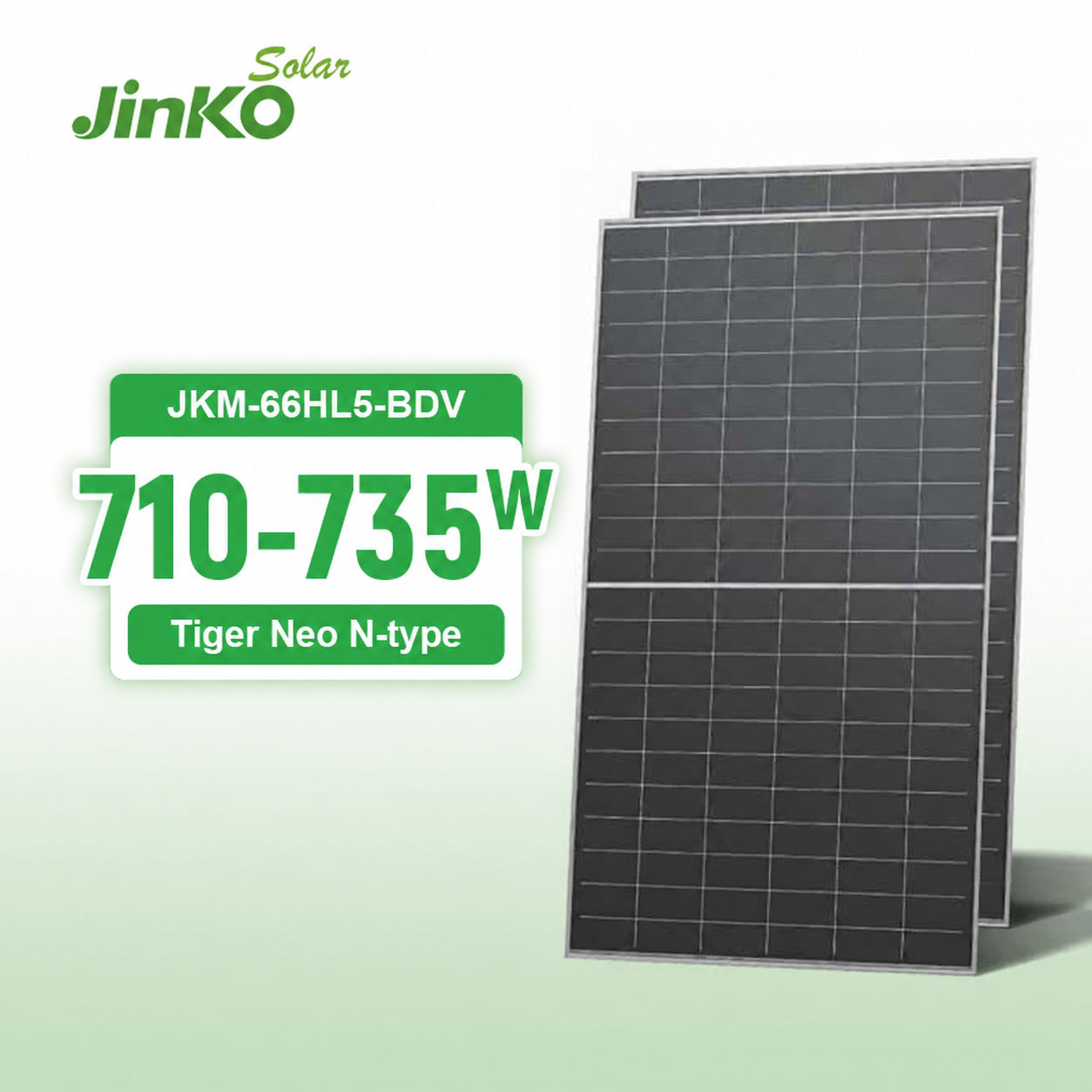
 720W Max
Jinko N Type Bifacial Pv Solar Panels 720W 710W 715W Dual Glass Industrial Photovoltaic Panneau Solaire
Cell: N-Type TOPCon Dual Glass
Efficiency: Up to 23.18%
System: 1500V DC Utility Coupling
Every commercial and residential BESS deployment requires strict DC voltage window matching, impedance calculation, and high bifacial output. VOLT New Energy engineers and exports turnkey solar systems pairing precision LiFePO4 storage cabinets with industry-leading Jinko TOPCon modules.
720W Max
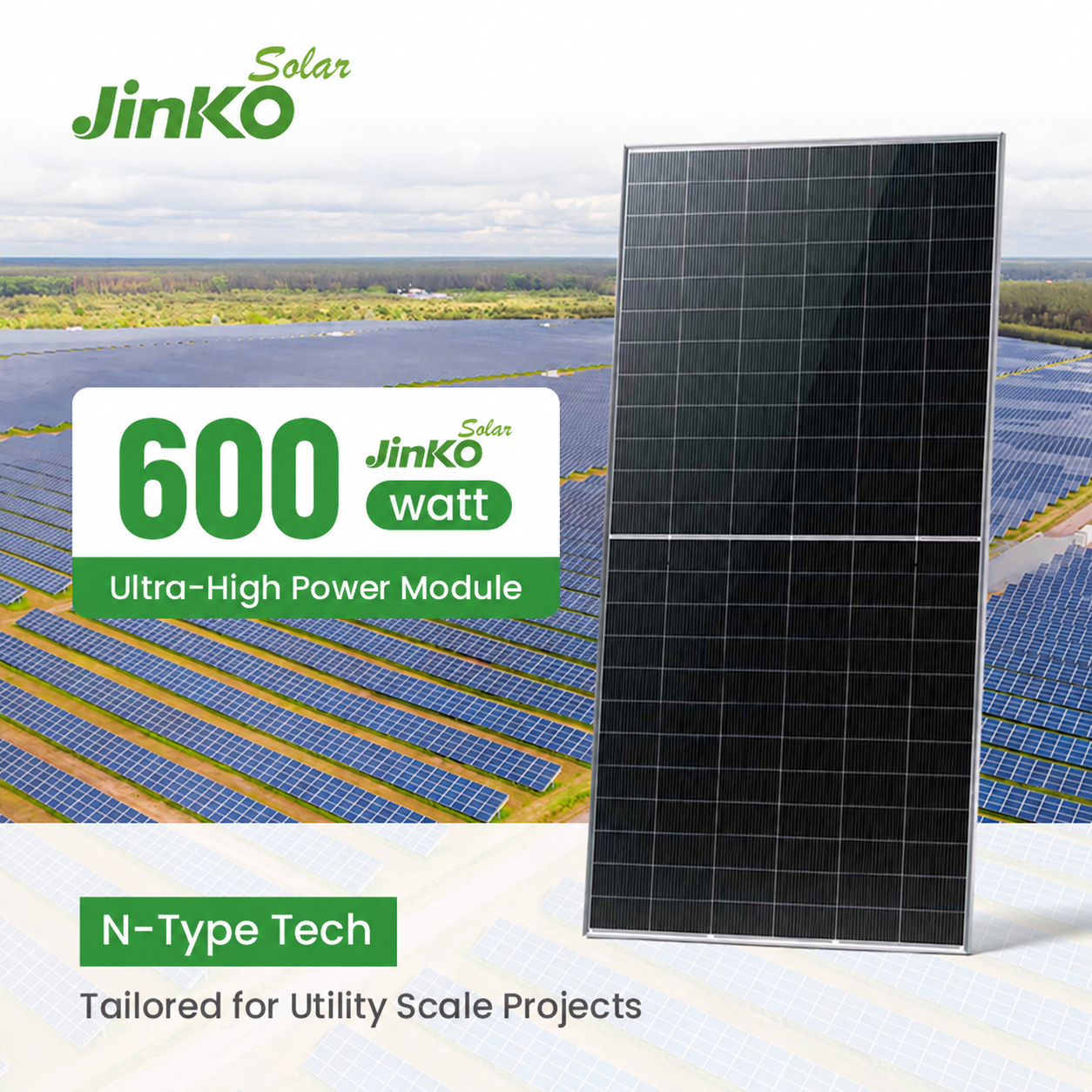 600W Tier-1
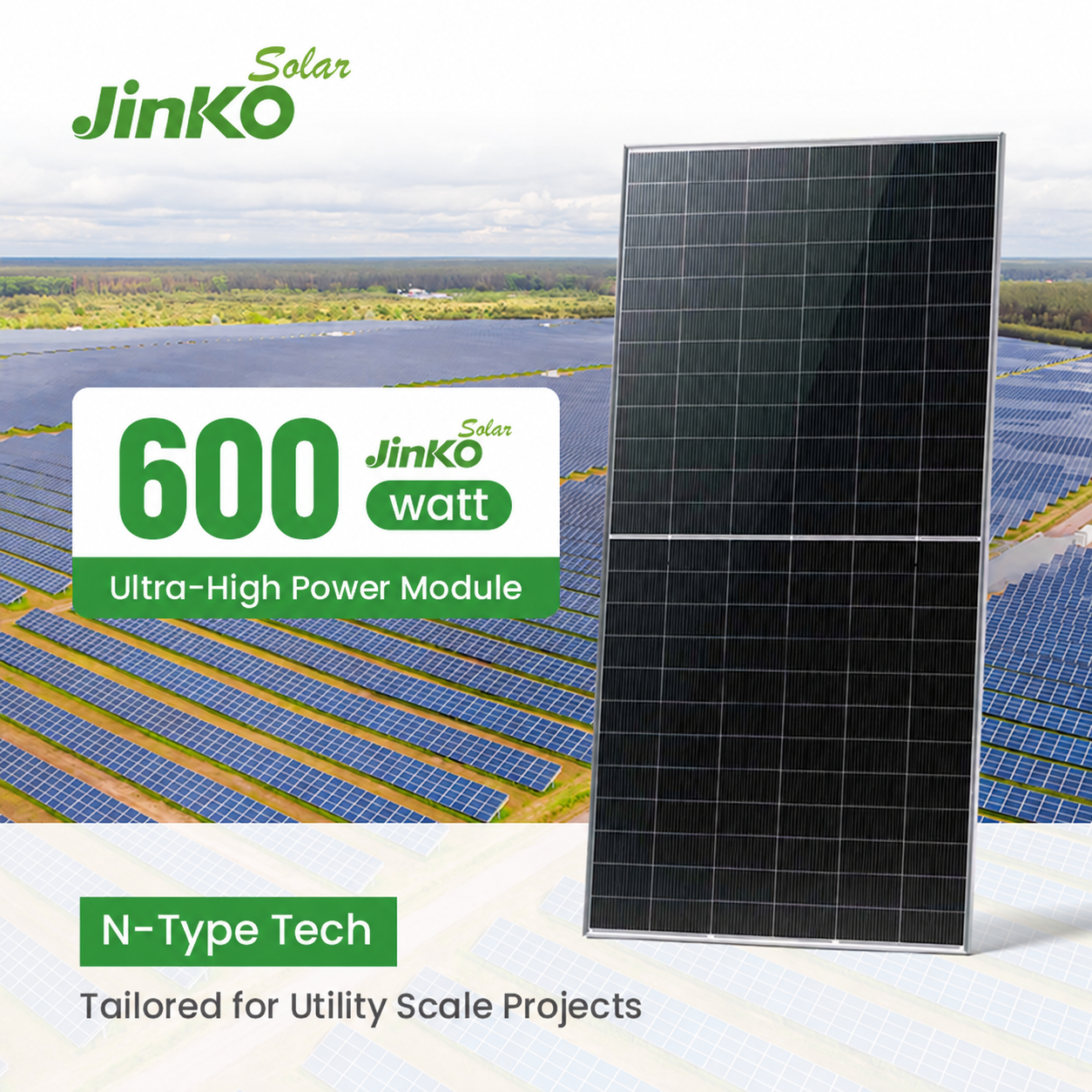 Solar Farm Ready
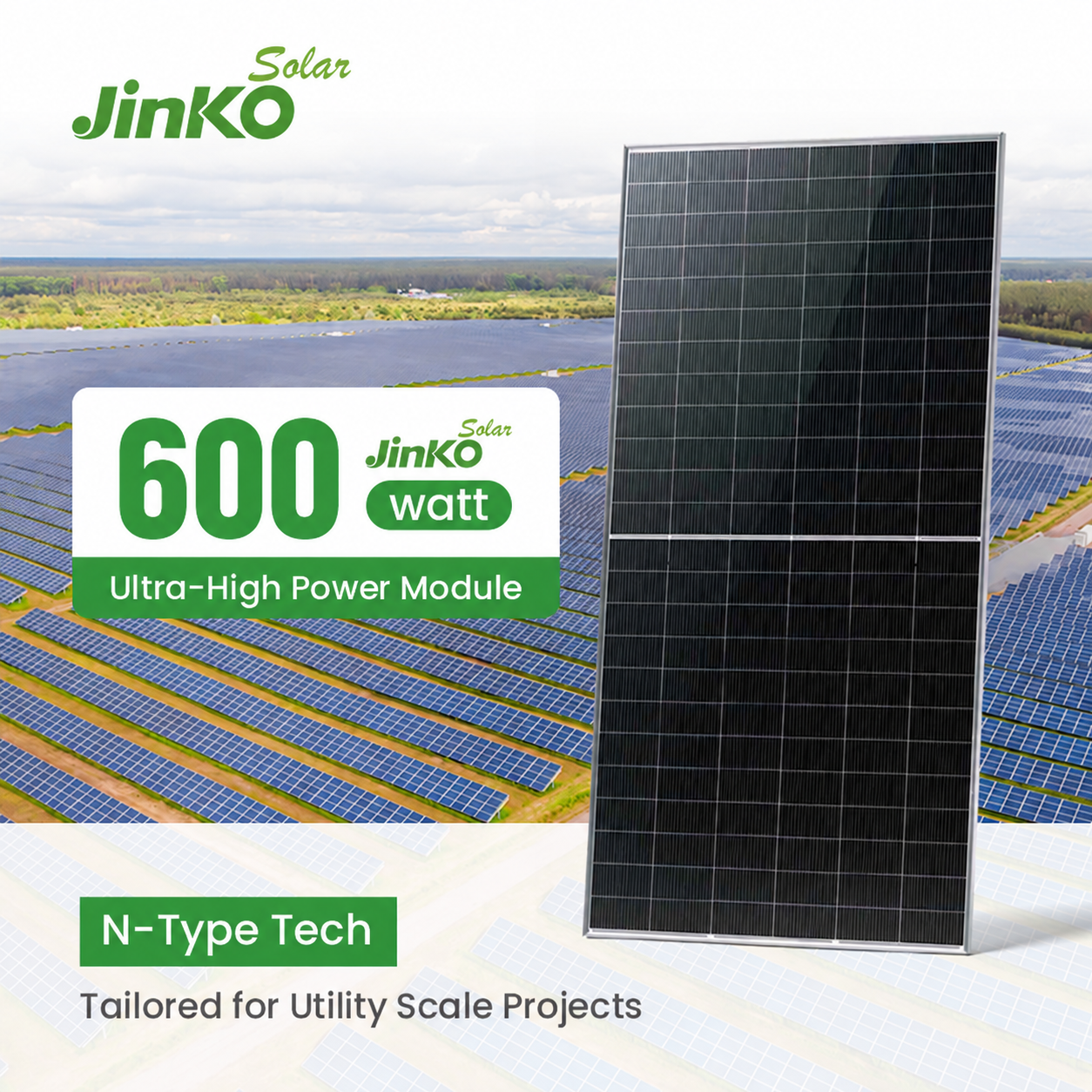 Residential ESS
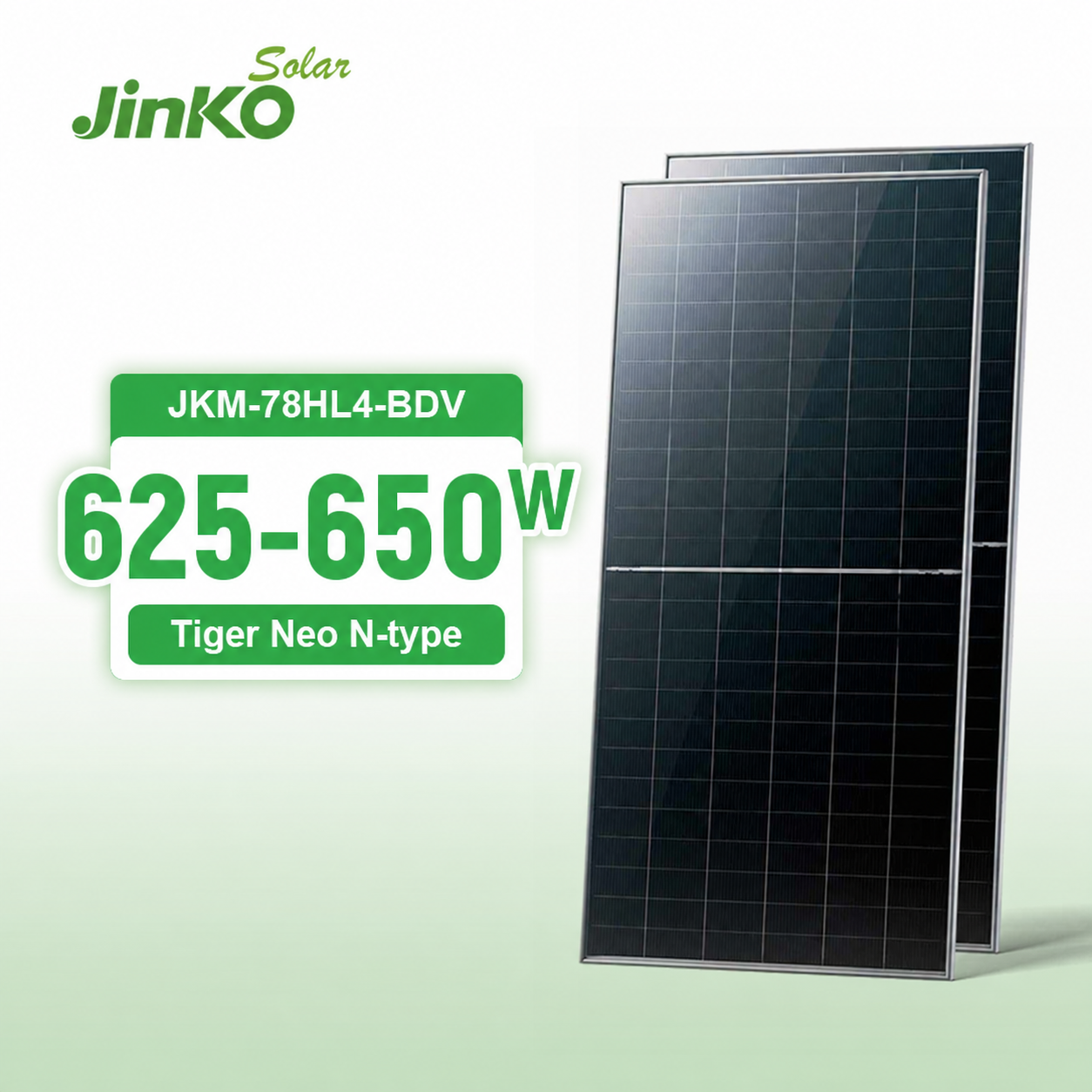 Commercial 650W
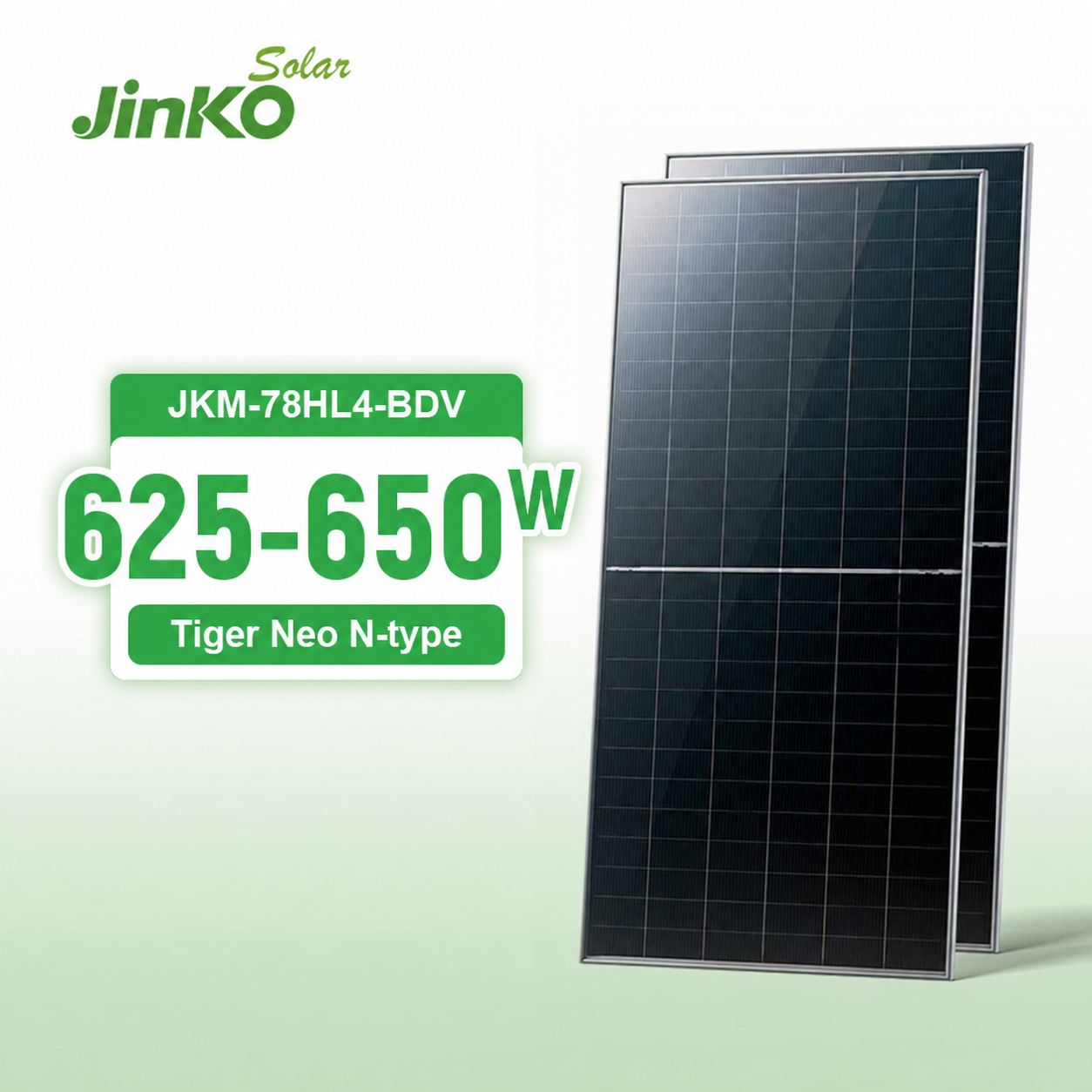 Immediate Stock
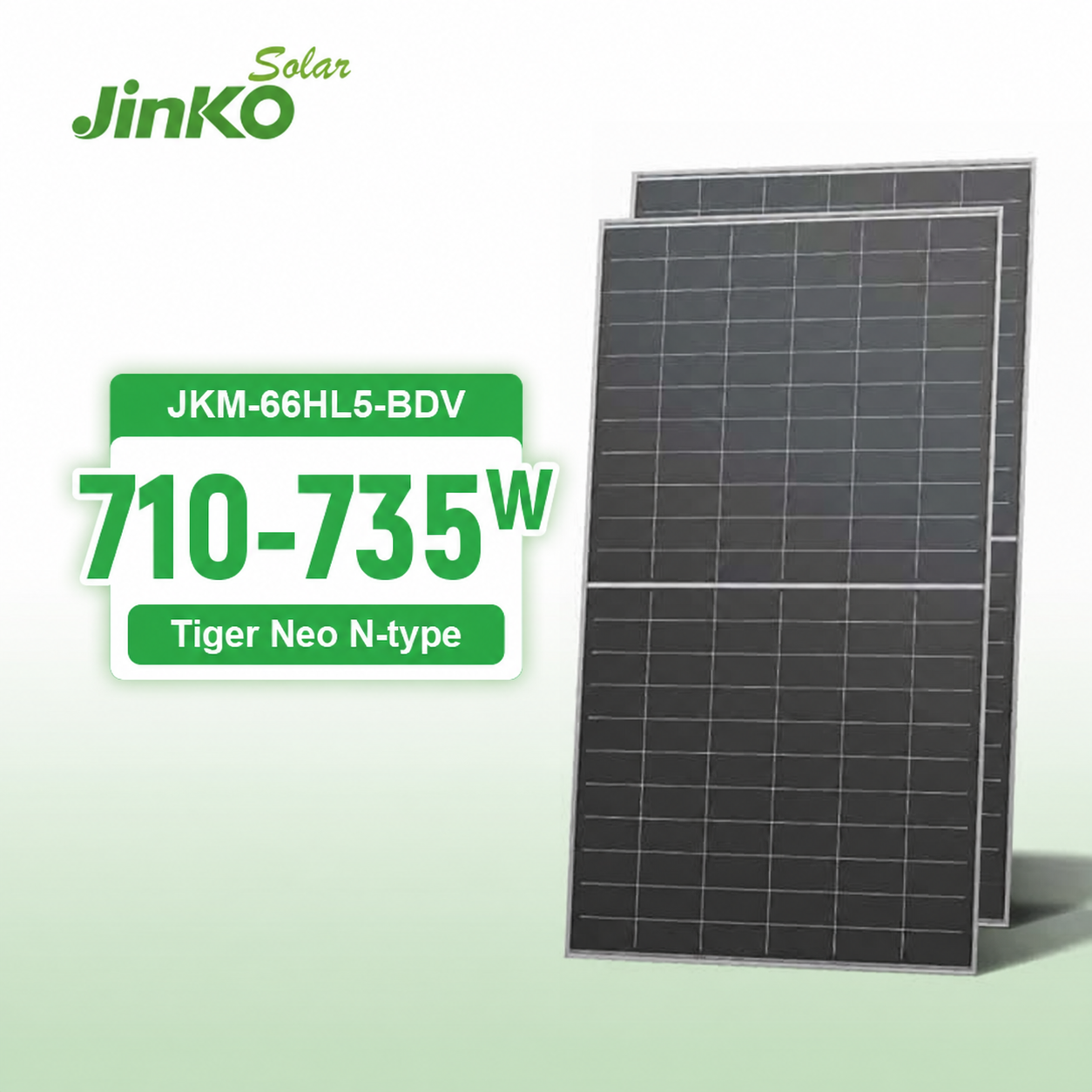 Wholesale Volume
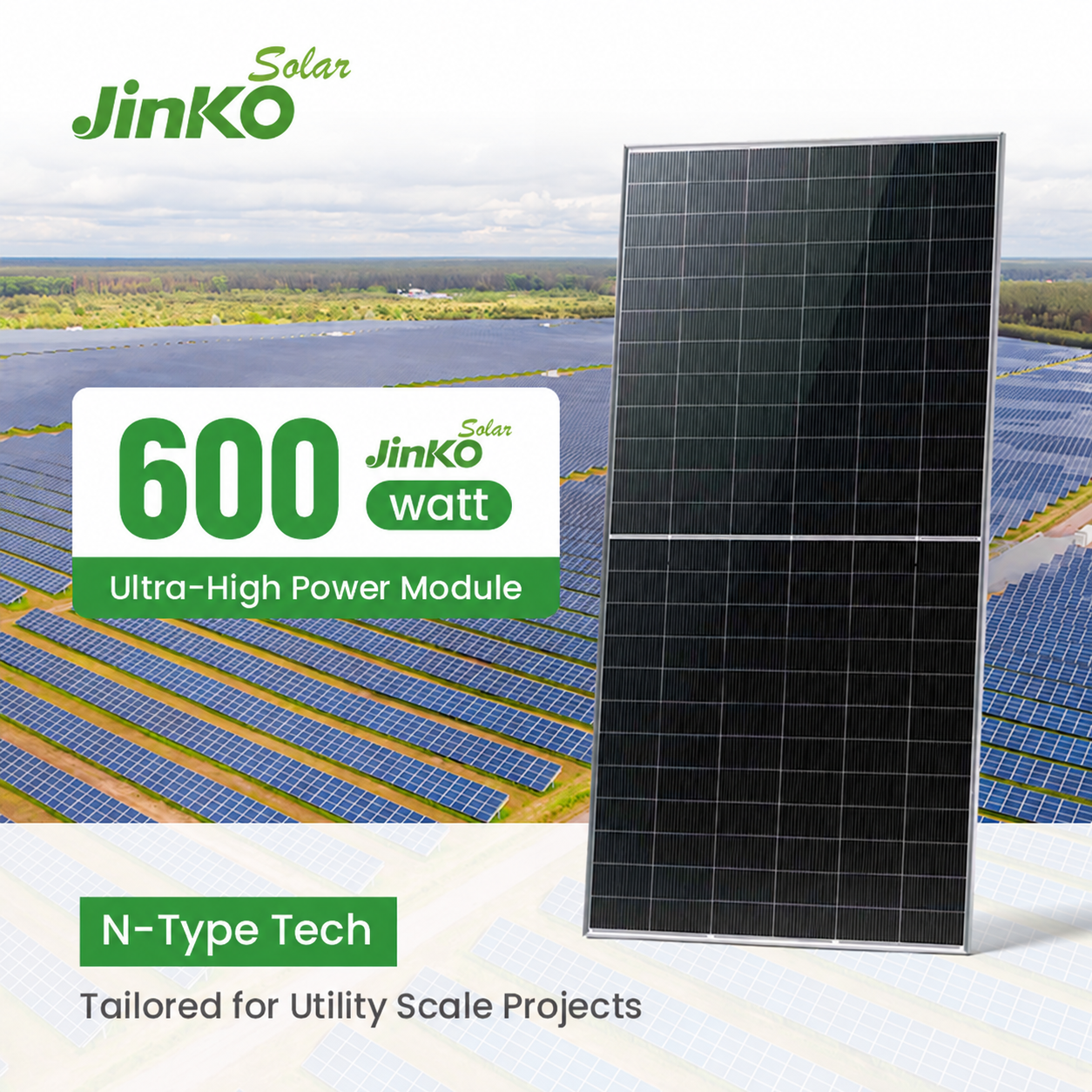 Optimal Yield
Lithium Iron Phosphate (LiFePO4 / LFP) has cemented its dominance as the absolute benchmark chemistry for stationary energy storage systems (BESS). Unlike mobile EV applications where energy density by weight dictates chemical compromises, stationary solar microgrids prioritize intrinsic thermal runaway safety, operational cycle life, levelized cost of storage (LCOS), and environmental stability.
LiFePO4 benefits from a covalently bonded phospho-olivine structure (P-O bond). This strong molecular configuration ensures oxygen is not spontaneously released during severe overcharge or high operating temperatures (up to 270°C), structurally precluding the self-sustaining thermal runaway seen in Nickel Manganese Cobalt (NMC) chemistries.
Modern B2B LiFePO4 packs operate via advanced Battery Management Systems with dual CAN/RS485 isolated transceivers. These monitor individual cell voltages down to ±2mV, dual-probe thermal thresholds, active/passive balancing currents, and trigger multi-stage contactor cut-offs prior to inverter threshold breach.
Inverter-to-battery communication failures cause up to 68% of international site installation delays. Standardized closed-loop protocol profiles (e.g., Pylontech, Deye, Growatt, Victron) embedded in our BMS firmware communicate real-time Charge Current Limits (CCL), Discharge Current Limits (DCL), and state-of-charge (SoC) parameters directly to the power conversion system.
| Evaluation Parameter | Lithium Iron Phosphate (LiFePO4) | Ternary Lithium (NMC / NCM) | Deep Cycle GEL (VRLA) |
|---|---|---|---|
| Nominal Cell Voltage | 3.2V (Pack: 51.2V via 16S) | 3.6V - 3.7V (Pack: 48.1V via 13S/14S) | 2.0V (Pack: 12V / 24V / 48V) |
| Cycle Life (@ 80% DoD, 25°C) | 6,000 – 8,000 Cycles | 1,500 – 2,500 Cycles | 500 – 1,200 Cycles |
| Thermal Runaway Onset | 270°C – 300°C (Non-combustible) | 150°C – 210°C (Exothermic O2 release) | Venting / Sulfation risk under high heat |
| Usable Depth of Discharge (DoD) | 90% – 95% Usable | 80% – 85% Usable | 50% Maximum recommended |
| Levelized Cost of Storage (LCOS) | Lowest Long-Term ($0.04 – $0.06/kWh) | Moderate ($0.11 – $0.14/kWh) | High due to replacement ($0.18+/kWh) |
| International DG Classification | UN3480, Class 9 Dangerous Goods | UN3480, Class 9 Dangerous Goods | Non-Dangerous / Non-Spillable |
The global supply chain for solar energy storage is undergoing a seismic structural pivot. Distributors and EPC engineering firms can no longer rely on spot-market procurement. Successful wholesale sourcing requires forward-looking risk mitigation across regulatory, capacity, and dimensional evolutions.
The utility and C&I markets are rapidly migrating from legacy 280Ah cells to high-density 314Ah and 320Ah form factors. This standard increases energy density per cabinet by over 12% without altering footprint, compressing shipping costs per megawatt-hour (MWh).
Driven by the EU Battery Regulation (EU 2023/1542), global buyers must prepare for mandatory carbon footprint auditing, supply chain traceability, recycled content declarations, and battery passports accessible via indelible QR codes on every imported pack.
High ocean freight volatility has reinforced the financial necessity of single-supplier containerization. Importers are securing mixed loads containing matched LiFePO4 cabinets, Deye hybrid inverters, and Tier-1 Jinko solar panels within single customs shipments to reduce port handling demurrage.
Due to secondary market dumping of EV-rejected cells, seasoned B2B purchasers now mandate automated factory barcode tracing, internal AC resistance verification (<0.25mΩ), and documented laser QR verification straight from tier-one cell manufacturers (EVE, CATL, Gotion).
The convergence of artificial intelligence, high-voltage battery architecture, and precision thermal management is altering how solar energy storage units operate in extreme real-world conditions.
While 48V/51.2V low-voltage systems maintain a firm grip on residential backup, C&I projects are shifting decisively toward 200V–800V high-voltage series architectures. Operating at higher voltages slashes DC resistive transmission losses (I²R), reduces copper busbar thickness, and increases round-trip efficiency (RTE) past 95.5%.
Air-cooled battery packs frequently exhibit internal cell temperature differentials (ΔT) exceeding 5°C–8°C during 1C discharge cycles, accelerating uneven cell degradation. Modern commercial outdoor cabinets now adopt closed-loop liquid-cooling chillers, holding cell temperature gradients under 2.5°C and extending pack service life by 25%.
Safety codes (NFPA 855, UL 9540A) are reshaping battery enclosure manufacturing. Modern systems incorporate multi-gas sniffers detecting early carbon monoxide (CO) and hydrogen outgassing prior to heat spikes, paired with localized Potassium Aerosol or Novec 1230 fire suppression canisters at each pack level.
Based in Hangzhou, Zhejiang, Hangzhou VOLT New Energy Technology Co., Ltd. serves as an authoritative bridge between precision Chinese manufacturing and international EPCs and distributors across 100+ countries.
We do not ship blind boxes. Every LiFePO4 battery pack undergoes physical benchtop handshaking with Deye, Growatt, or Victron inverters in our facility prior to dispatch, eliminating RS485/CAN communication failures on site.
As a direct supply partner for Jinko N-Type TOPCon solar panels and Deye hybrid inverters, our engineering team sizes your generation, power conversion, and battery banks into mathematically synchronized turnkey kits.
Lithium sea freight demands rigorous regulatory precision. We manage certified UN-spec wooden packaging, complete UN38.3 vibration and crush test dossiers, verified MSDS records, and Sea Freight DG declarations for customs clearance.
Distributors receive comprehensive system schematics, cable sizing run sheets, breaker selectivity curves, and English-language remote support for rapid on-site commissioning.
In-depth technical answers addressing the real-world commercial and electrical questions asked by international supply managers.
Send your target project specifications, grid requirements, or procurement bill-of-materials. Our system engineers deliver complete hardware compatibility matching, single-container logistics planning, and proforma invoicing within 24 business hours.