100+
Countries Cleared & Shipped
6000+
Deep Cycles @ 80% DoD
100%
Pre-Shipment Protocol Verification
<24h
Dedicated Engineering Response
Industrial-Grade Energy Resilience for Commercial & Critical Infrastructure
From custom firmware orchestration and precision mechanical stamping to multi-megawatt battery energy storage integration, VOLT New Energy is an established Tier-1 engineering partner for commercial system integrators and distributors worldwide.
B2B Technical Brief: The migration toward decentralized high-capacity electrical storage requires standard 19-inch rack-mount configurations that balance volumetric energy density with active thermal control. VOLT New Energy engineers OEM and ODM server rack Lithium Iron Phosphate (LiFePO4) energy systems capable of seamless parallel expansion up to 32 units, integrated with CAN/RS485 multi-inverter protocols including Deye, Victron, and Growatt.
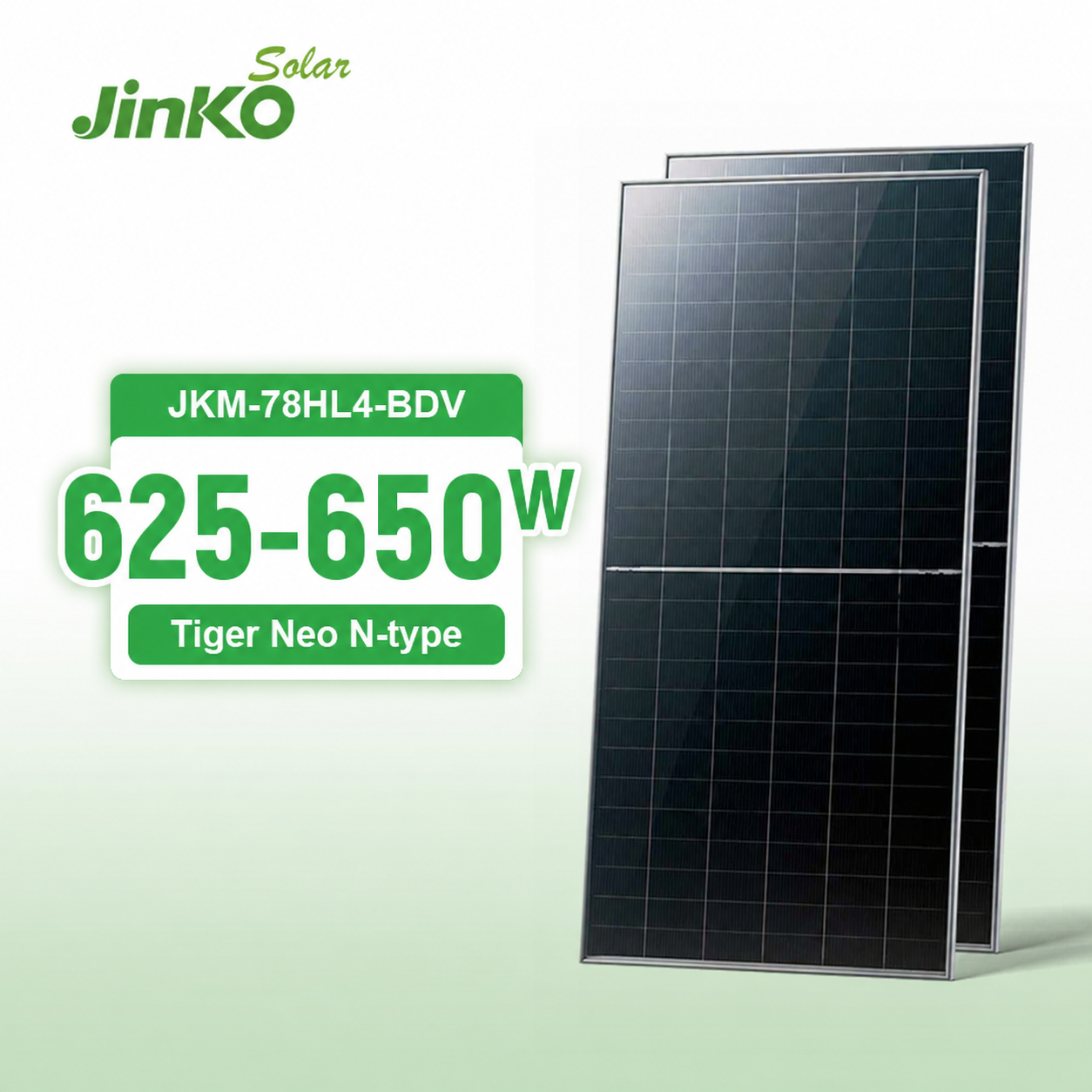
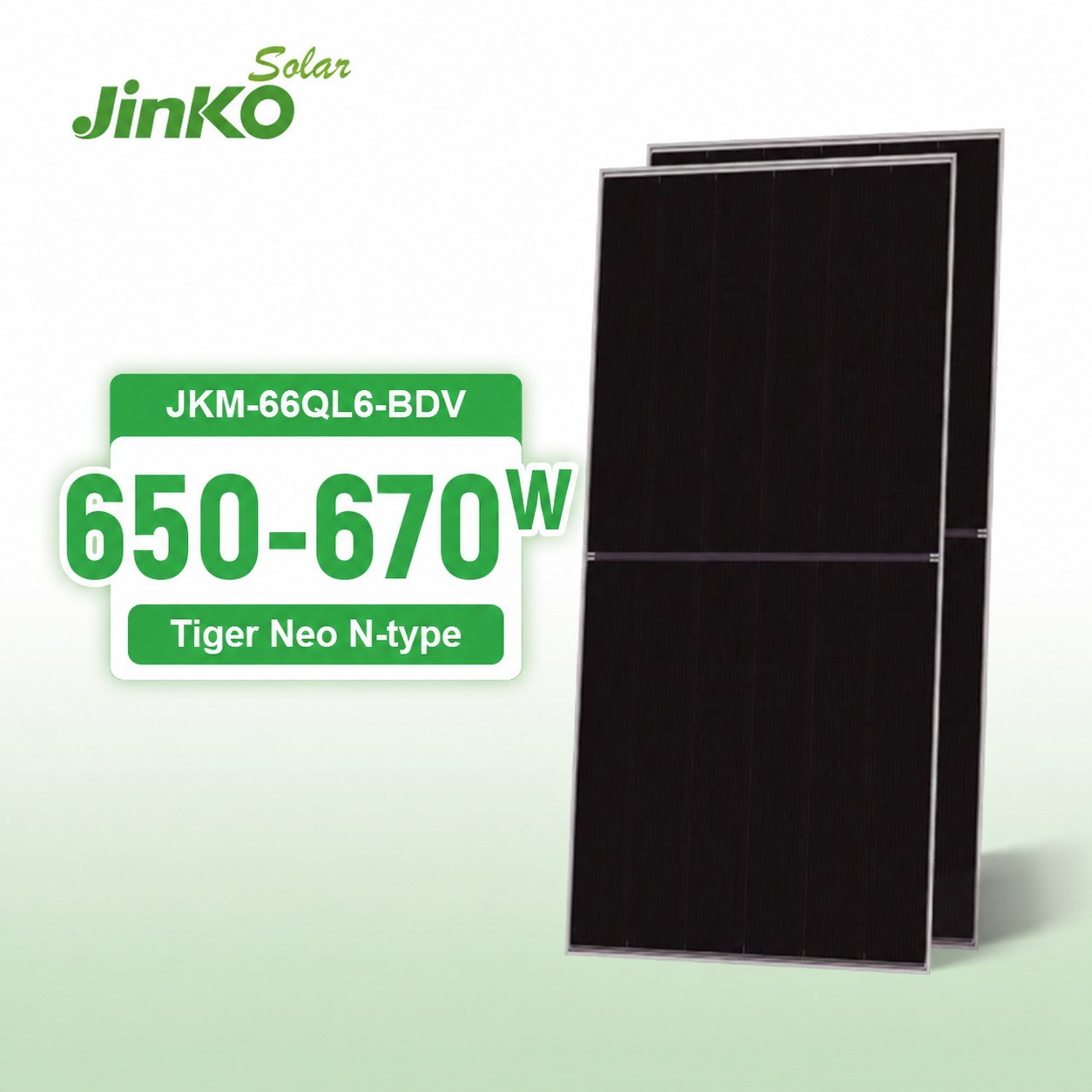
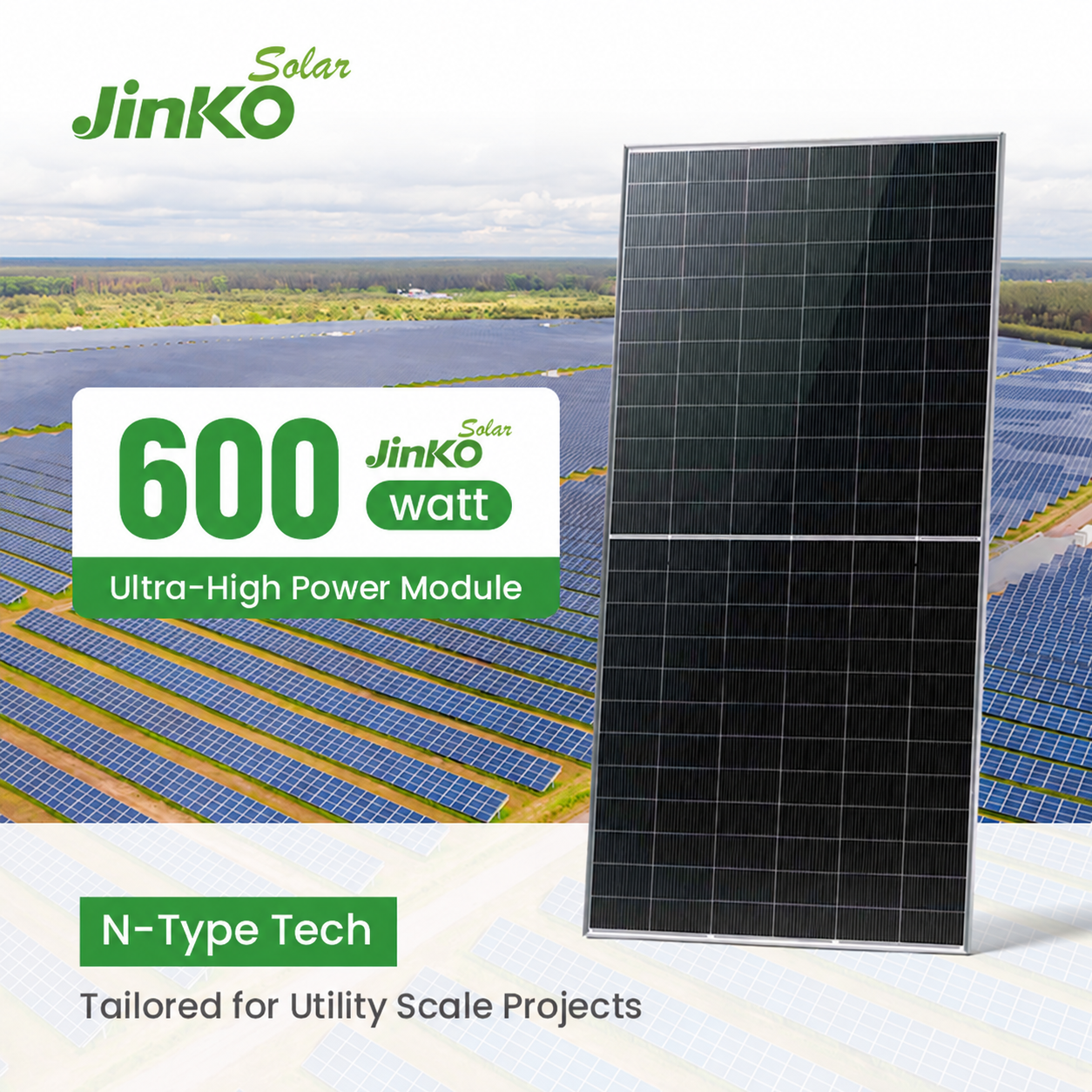
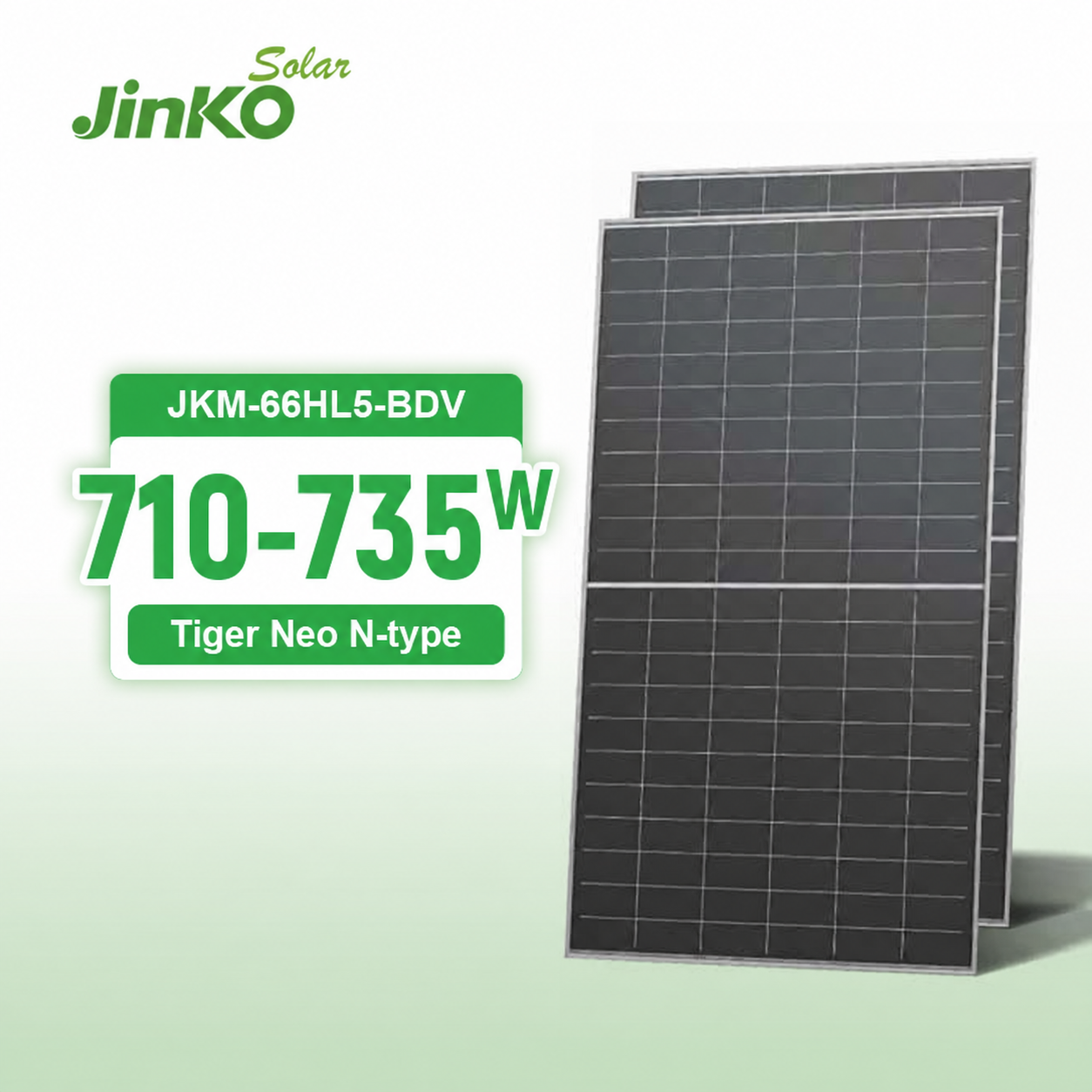
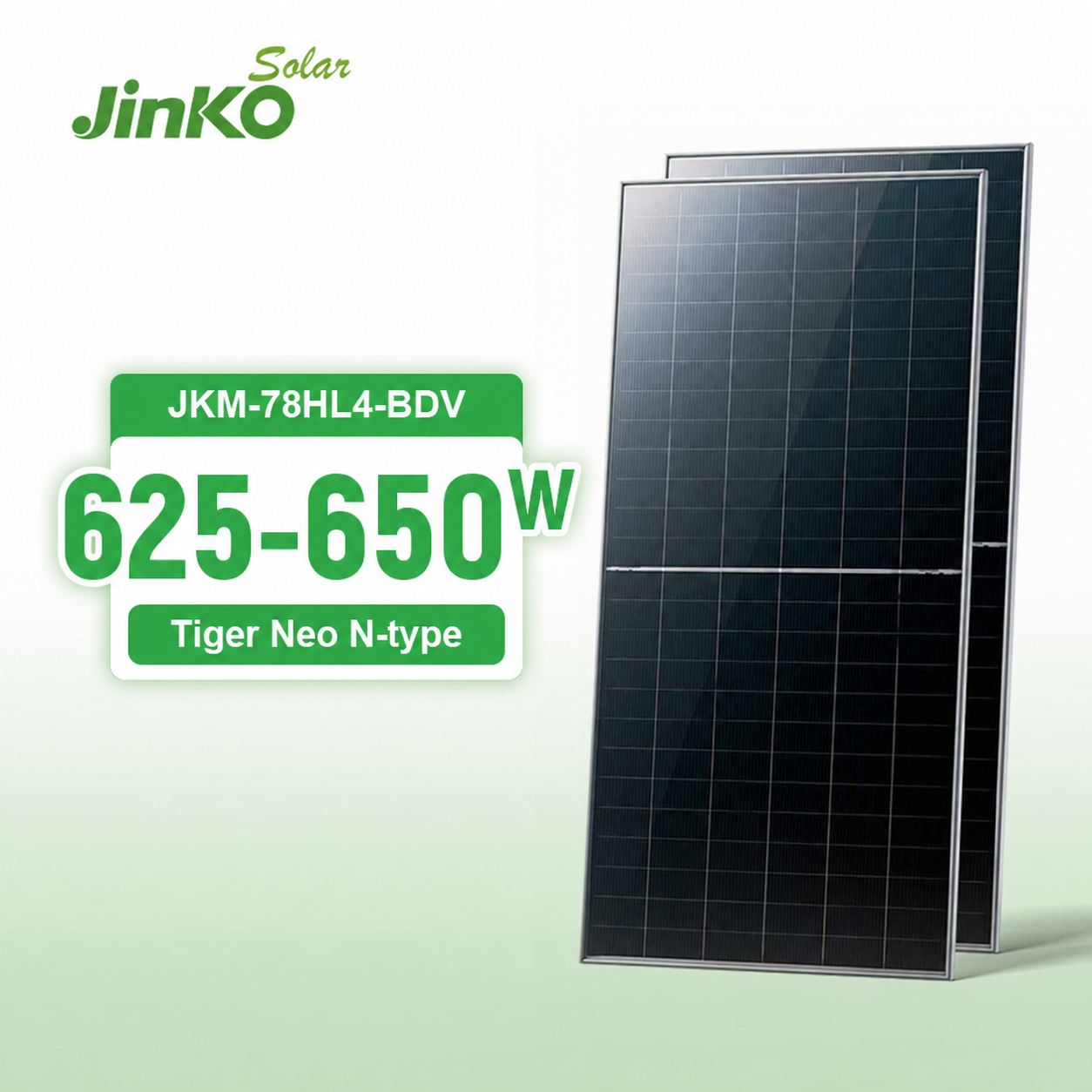
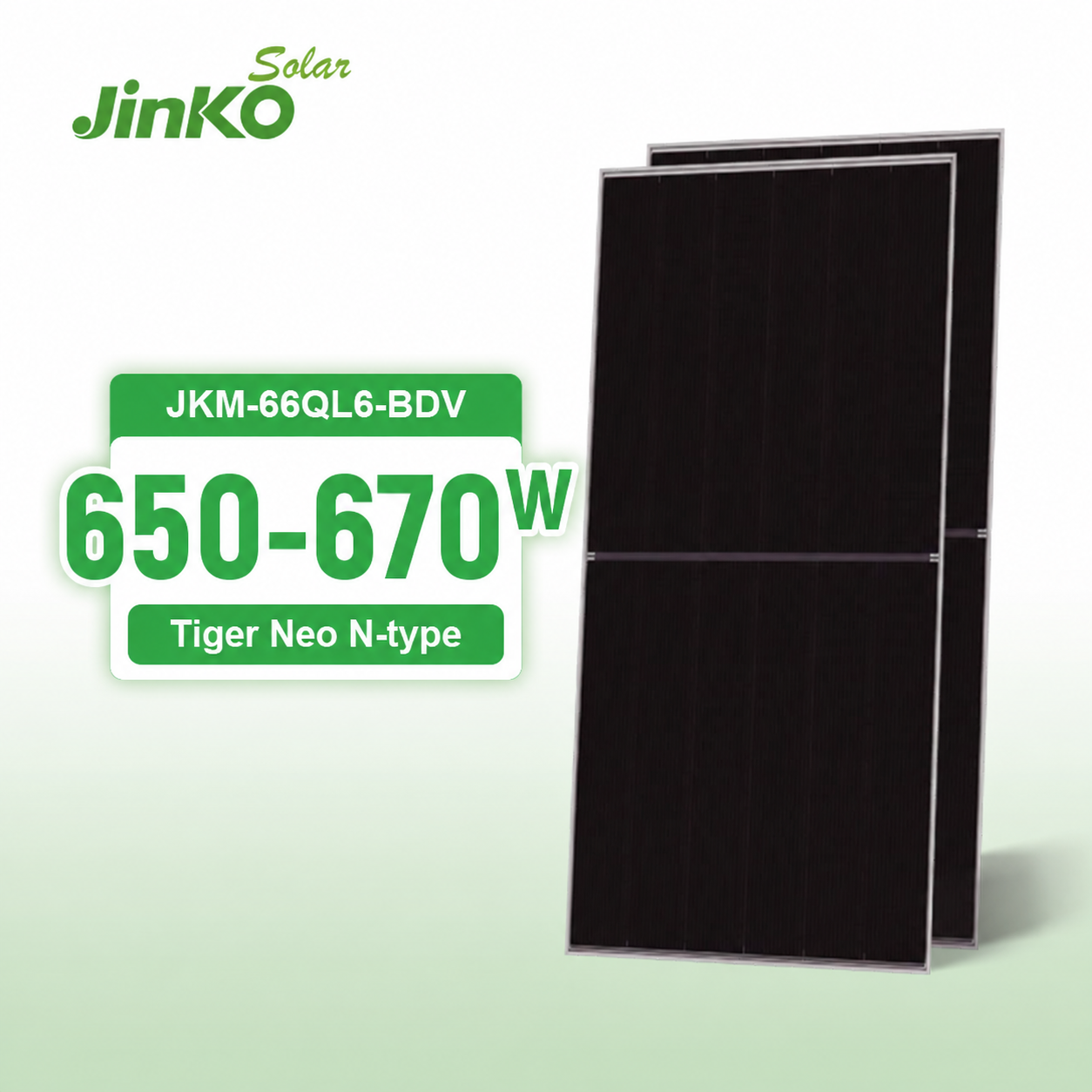
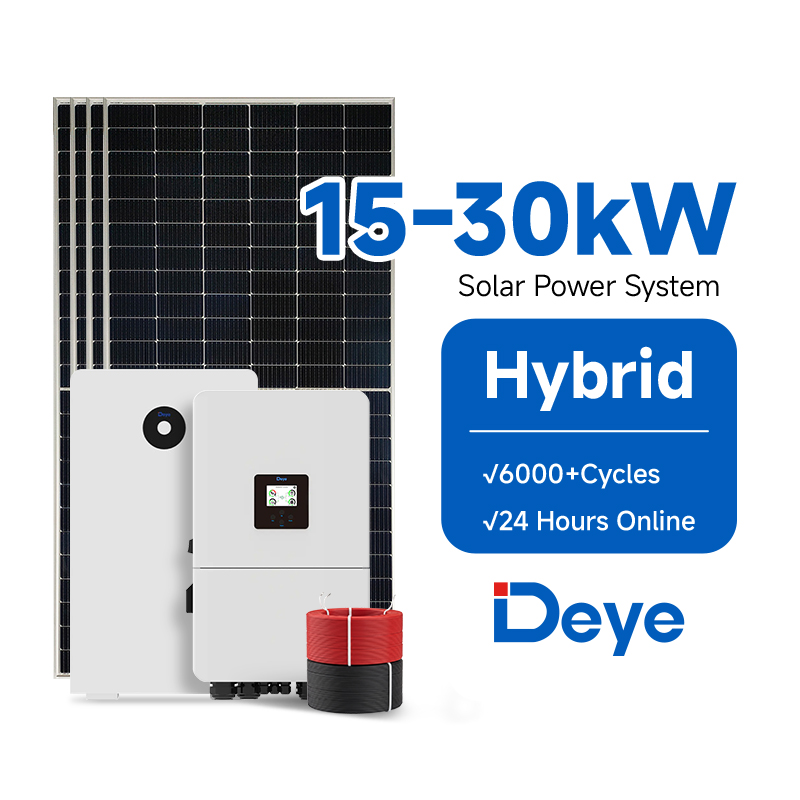
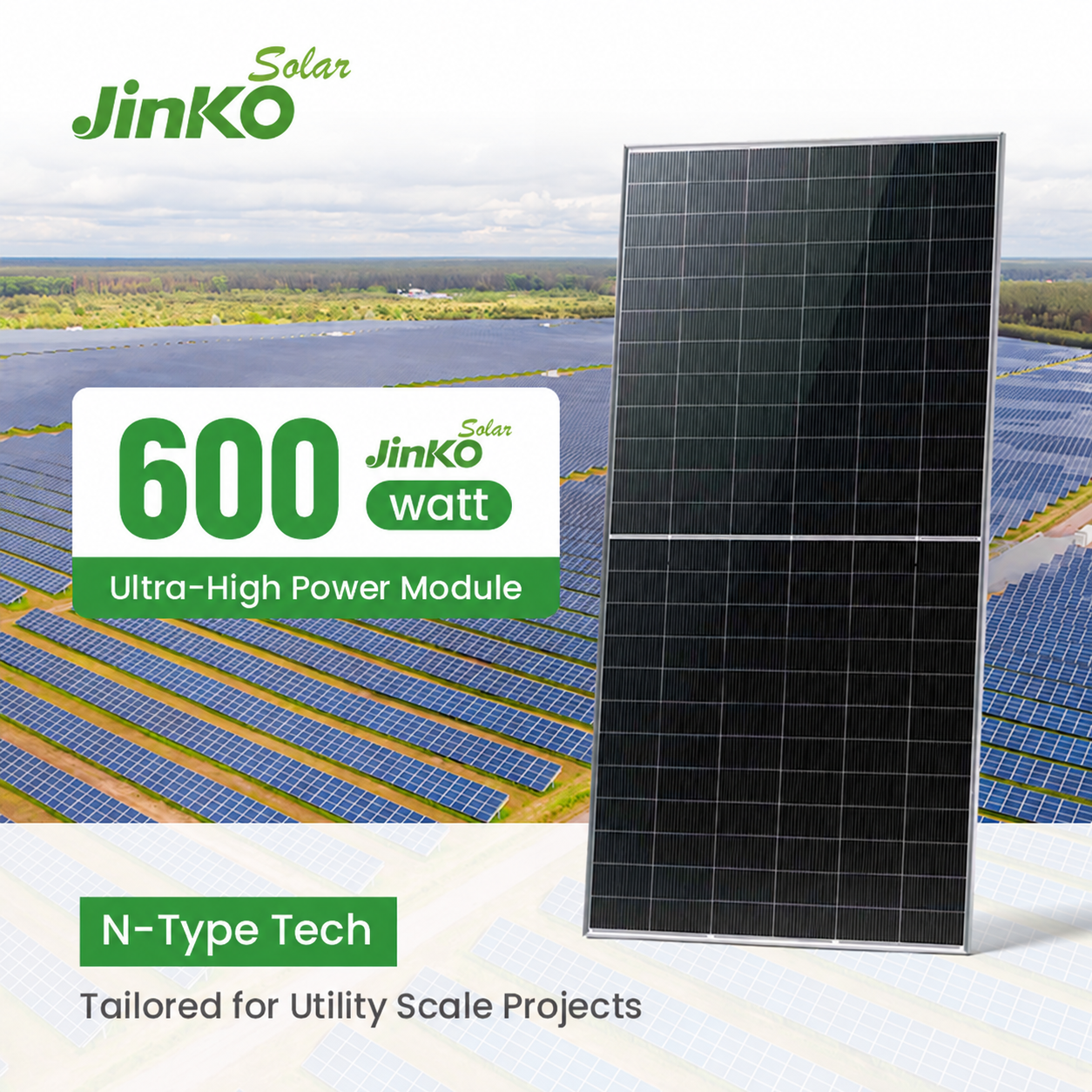
Featured Photovoltaic & Energy Storage Configurations
Field-tested hardware modules deployed across high-efficiency commercial, microgrid, and industrial solar installations.
OEM & ODM Server Rack Battery Technical Whitepaper
A detailed technical overview of VOLT New Energy's modular server rack lithium storage platforms.
Custom BMS Firmware & Inverter Handshake
Proprietary Battery Management Systems (BMS) are engineered to support automated dual CAN/RS485 auto-addressing. Pre-programmed with extensive protocol libraries, our server rack batteries establish instant handshake synchronization with leading power converters (Deye, Victron, SMA, Growatt, and Solis) without needing on-site firmware reprogramming.
Modular 19-Inch 3U/4U Enclosures
Mechanical enclosures conform strictly to EIA-310-D server rack specifications. Built using heavy cold-rolled sheet steel with anti-corrosion powder coating, each module integrates structural busbars, isolated cell chambers, front-access circuit breakers, and quick-disconnect Amphenol/Phoenix industrial terminal blocks for safe maintenance.
Active Thermal Runaway Mitigation
Safety is engineered at the chemistry and pack level. By utilizing automotive-grade, UL1973-certified prismatic LiFePO4 cells, modules feature high thermal runaway thresholds (>270°C). Internal layouts integrate bidirectional thermal dissipation vents and multi-point aerosol fire containment to eliminate localized cell overheating risks.
| Technical Parameter | Standard 5.12kWh Rack Unit | High-Density 10.24kWh Unit | Enterprise 14.3kWh Industrial |
|---|---|---|---|
| Nominal Voltage / Capacity | 51.2V / 100Ah (16S1P) | 51.2V / 200Ah (16S2P) | 51.2V / 280Ah (16S1P Prismatic) |
| Form Factor / Dimensions | 19" Standard Rack (3U) | 19" Standard Rack (5U) | Vertical / Rack Compatible (6U) |
| Communication Architecture | CAN 2.0B / RS485 / Modbus RTU | CAN 2.0B / Dual RS485 / SNMP | Industrial Ethernet / CAN / RS485 |
| Cycle Life Rating | ≥6,000 cycles (25°C, 0.5C, 80% DoD) | ≥6,500 cycles (25°C, 0.5C, 80% DoD) | ≥8,000 cycles (25°C, 0.5C, 70% DoD) |
| Scalability (Parallel) | Up to 16 Units (81.9 kWh) | Up to 32 Units (327.6 kWh) | Custom Multi-Cabinet Cluster |
Future Procurement Trends in Industrial Storage Systems
Strategic supply chain analysis for engineering procurement professionals, EPCs, and international distributors.
1. Shift to High-Capacity 280Ah/314Ah Prismatic Cells
Procurement patterns are moving from legacy 50Ah/100Ah cylindrical or small prismatic cells toward 280Ah and 314Ah cell formats. These larger capacities significantly lower mechanical connection complexity, decrease failure points across internal busbars, and increase volumetric efficiency within 19-inch racks.
2. Stringent Traceability & Environmental Compliance
Global markets, particularly within the EU, now mandate comprehensive supply chain audits. Requirements include the upcoming EU Battery Passport, carbon footprint declarations across cell processing, and verified ethical sourcing of critical battery materials, making end-to-end supply chain transparency essential.
3. Cloud-Connected Multi-System Orchestration
Modern procurement specifications increasingly mandate on-board IoT telemetry. Distributed server rack batteries are transitioning from passive emergency storage units into responsive assets managed by Virtual Power Plants (VPPs), utilizing time-of-use arbitration and smart automated peak shaving.
Technological Innovations in Server Rack Battery Design
How ongoing developments in power electronics, materials science, and intelligent monitoring are refining the next generation of rack-mount systems.
Active Smart Balancing Modules
Moving beyond conventional passive balancing methods that burn off excess power as heat, modern server rack batteries utilize bidirectional active charge-transfer balancing. This redistributes energy between adjacent cells during both charging and discharging cycles, restoring full usable capacity across aging battery strings.
Solid-State & Semi-Solid Electrolytes
Research into high-safety chemistries is guiding the development of semi-solid cell designs for industrial server racks. These advanced electrolytes significantly minimize flammable liquid content, eliminate the hazard of dendrite punctures, and broaden operating temperatures down to -20°C without requiring internal pre-heating.
Edge AI State-of-Health (SoH) Diagnostics
Next-generation rack systems embed intelligent processing directly on the primary BMS module. By analyzing impedance drift, localized charge curve variations, and temperature curves under operational load, the system detects cell degradation profiles and schedules preventive maintenance before faults disrupt the rack cluster.
Engineering Capabilities & Manufacturing Advantages
Hangzhou VOLT New Energy combines comprehensive product sourcing with in-house technical integration, addressing key supply-chain risks for project developers and volume distributors.
Pre-Shipment Protocol Verification
Every rack battery undergoes closed-loop testing against specified hybrid inverters (Deye, Victron, Solis) to verify CAN/RS485 baud rates, pin allocations, and DIP switch settings prior to export clearance.
Certified Maritime Dangerous Goods Logistics
Full compliance for Class 9 hazardous goods shipping. We prepare all necessary export documentation—including UN38.3, 1.2m drop-test reports, and international MSDS—streamlining customs clearance at foreign ports of entry.
Consolidated Multi-Component Shipments
Lower logistics costs by consolidating Tier-1 N-Type solar panels, hybrid inverters, modular server rack batteries, and balanced BOS hardware into unified, single-container consignments.
Direct Engineering Support
Work directly with responsive engineering teams for rapid sizing assistance, single-line wiring diagrams (SLDs), communication loop diagnostics, and after-sales support based on actual field experience.
Frequently Asked Questions for B2B Procurement
Key technical, logistics, and integration questions encountered by commercial buyers and EPC contractors.
How are communication protocols matched with third-party inverters?
Our server rack battery BMS includes multi-protocol firmware with an integrated DIP-switch configuration interface. During order customization, our engineers calibrate communication protocols to match your target inverters (such as Deye low-voltage units). We verify CAN/RS485 communication handshakes on active test racks, confirm the RJ45 pinout wiring, and provide matched communication cables with each unit to ensure stable on-site commissioning.
What are the safety standards and minimum international shipping requirements?
Server rack lithium battery systems are classified as Class 9 Dangerous Goods (UN3480). Safe maritime transport requires verified UN38.3 test summaries, third-party dangerous goods container packaging certificates, and up-to-date bilingual MSDS sheets. Pack designs use robust UN-approved corrugated containers with internal shock-absorbing closed-cell foam padding, strapped to reinforced export-grade pallets.
What are the practical operational differences between LFP server rack batteries and deep-cycle GEL storage?
While industrial GEL batteries feature lower initial equipment purchase costs and suit basic standby backup systems, LiFePO4 server rack batteries provide significantly better total cost of ownership (TCO) for active cyclic solar deployments. LFP delivers over 6,000 cycles at 80% to 90% Depth of Discharge (DoD), compared to approximately 1,200 to 1,500 cycles at 50% DoD for GEL. Additionally, rack-mount LFP systems are roughly 70% lighter, support 1C fast charging, and integrate active digital monitoring.
What parallel expansion limits apply to these server rack battery systems?
Standard configurations support up to 16 to 32 modules connected in parallel via automated addressing, without requiring external master controllers. For larger commercial microgrid installations requiring multi-cabinet arrays, we provide centralized Master Hub controllers that unify parallel strings, coordinating charging profiles and centralizing communication reporting back to the site SCADA or hybrid inverter.
What OEM/ODM customization options are available for project orders?
OEM/ODM services cover custom sheet-metal rack enclosures (custom dimensions, 3U/4U/5U configurations, silk-screened client logos, and brand-matched industrial paint finishes), custom front panel layouts (including terminal choices, breaker types, and LCD touch interfaces), tailored BMS communication firmware for specific inverters, and private-label export packaging.
Engineer Your Modular Energy Storage Solution
Submit your project requirements, daily load requirements, and desired inverter specifications. Our technical engineering team will deliver a comprehensive system design, protocol mapping, and export freight quotation within 24 business hours.
Send an Inquiry