Ultra-High Efficiency PV Modules for Mobile & Portable Storage Arrays
To maximize replenishment efficiency for 1000Wh–5000Wh commercial portable power units and off-grid mobile kits, Tier-1 N-Type TOPCon bifacial modules ensure high solar harvesting yield even under diffuse irradiance.
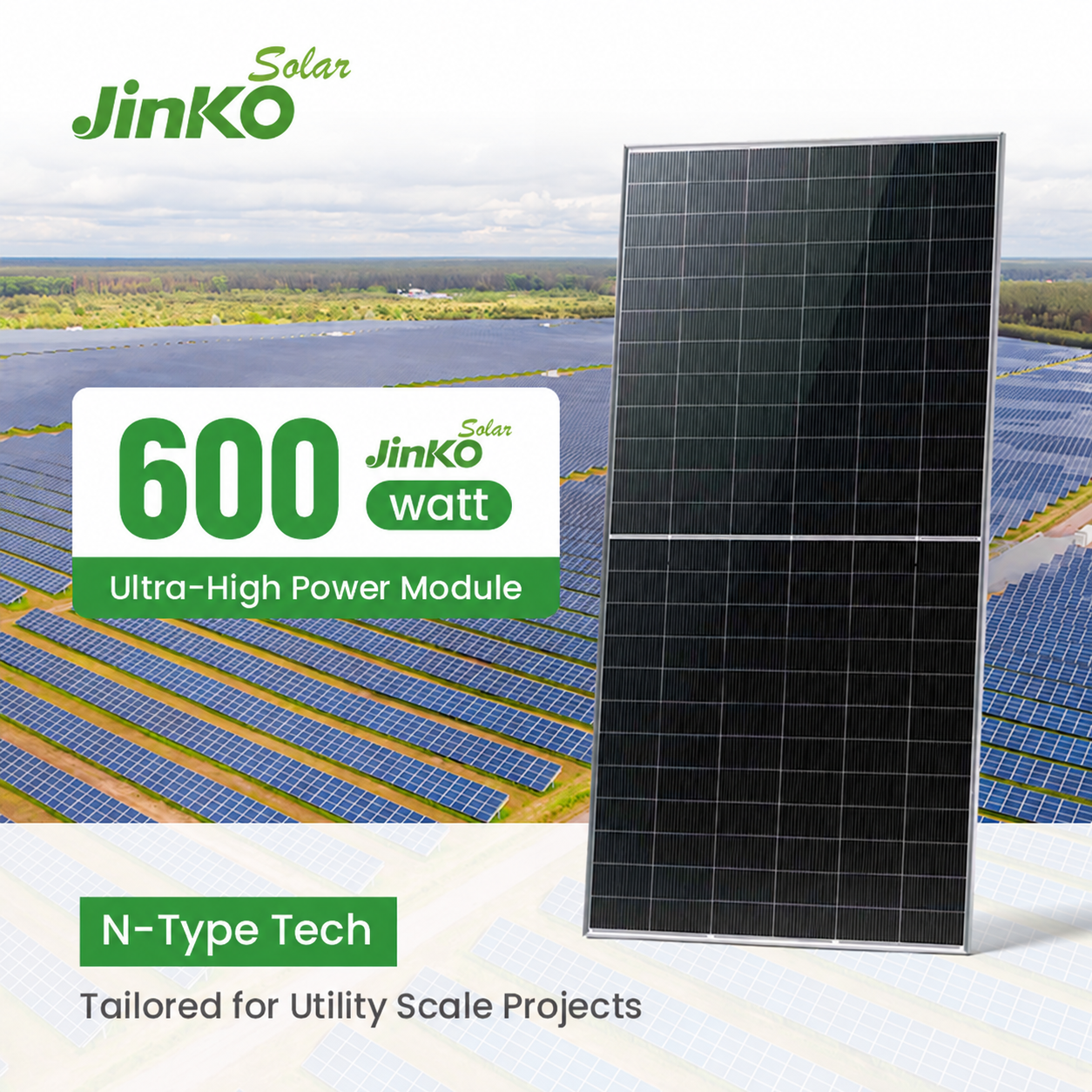
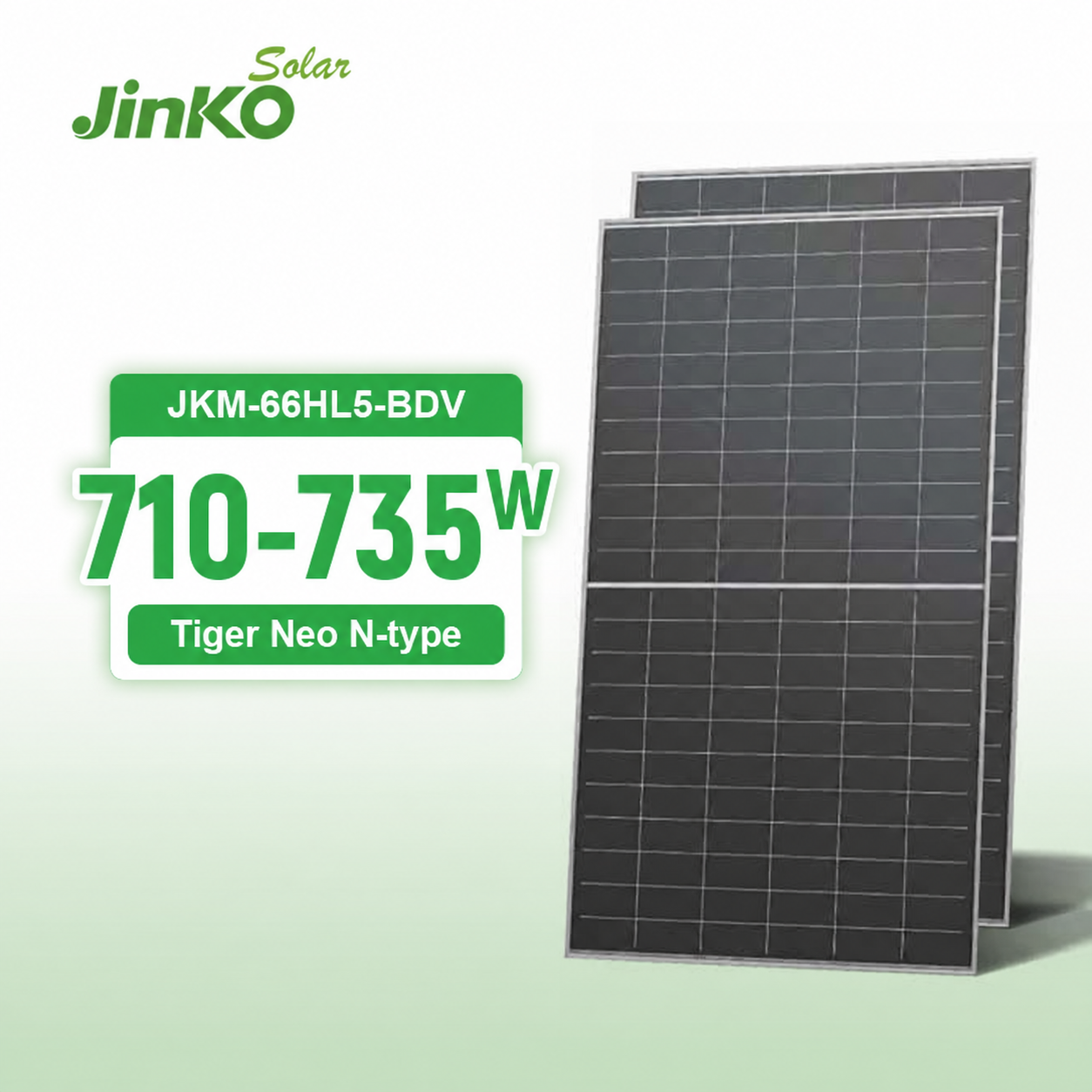
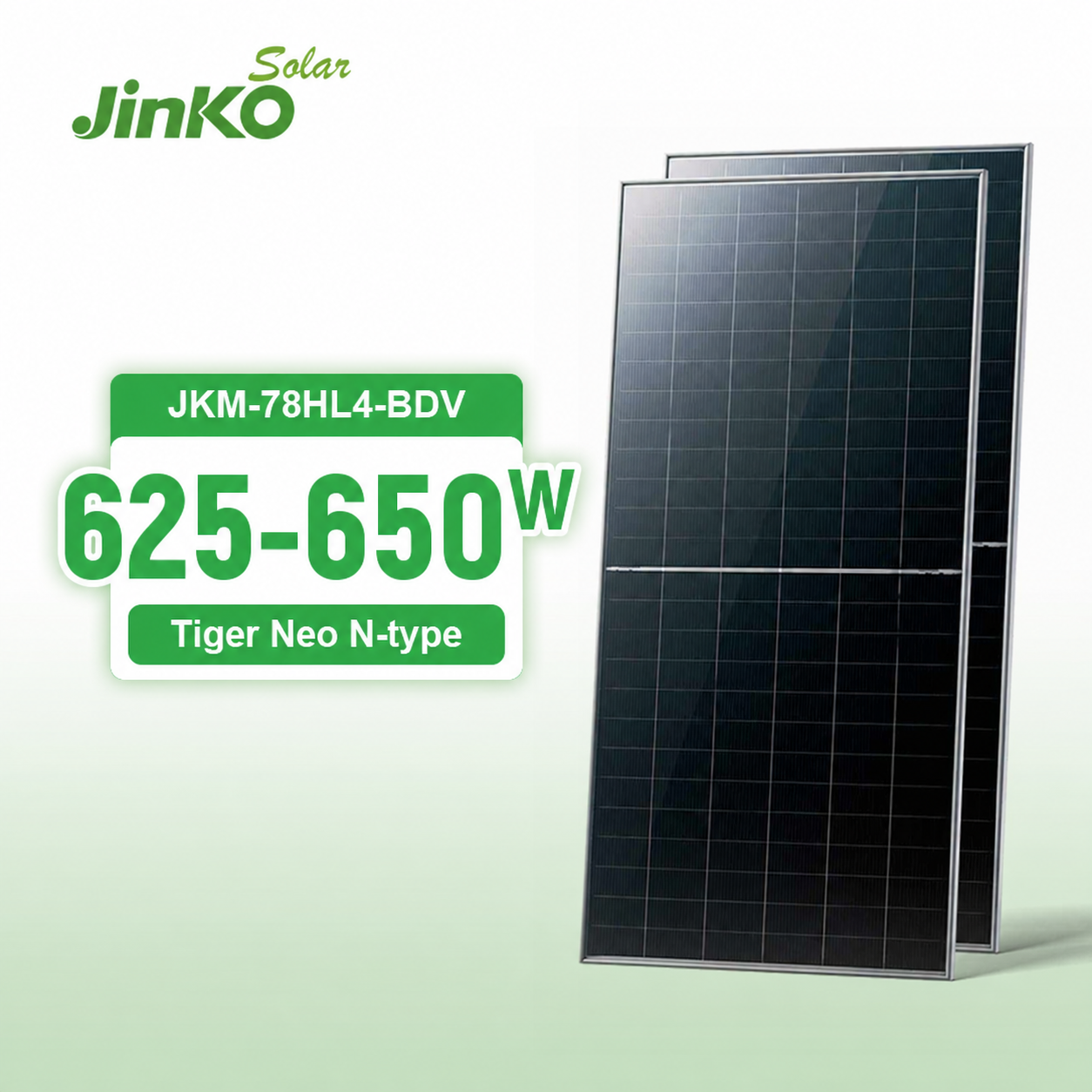
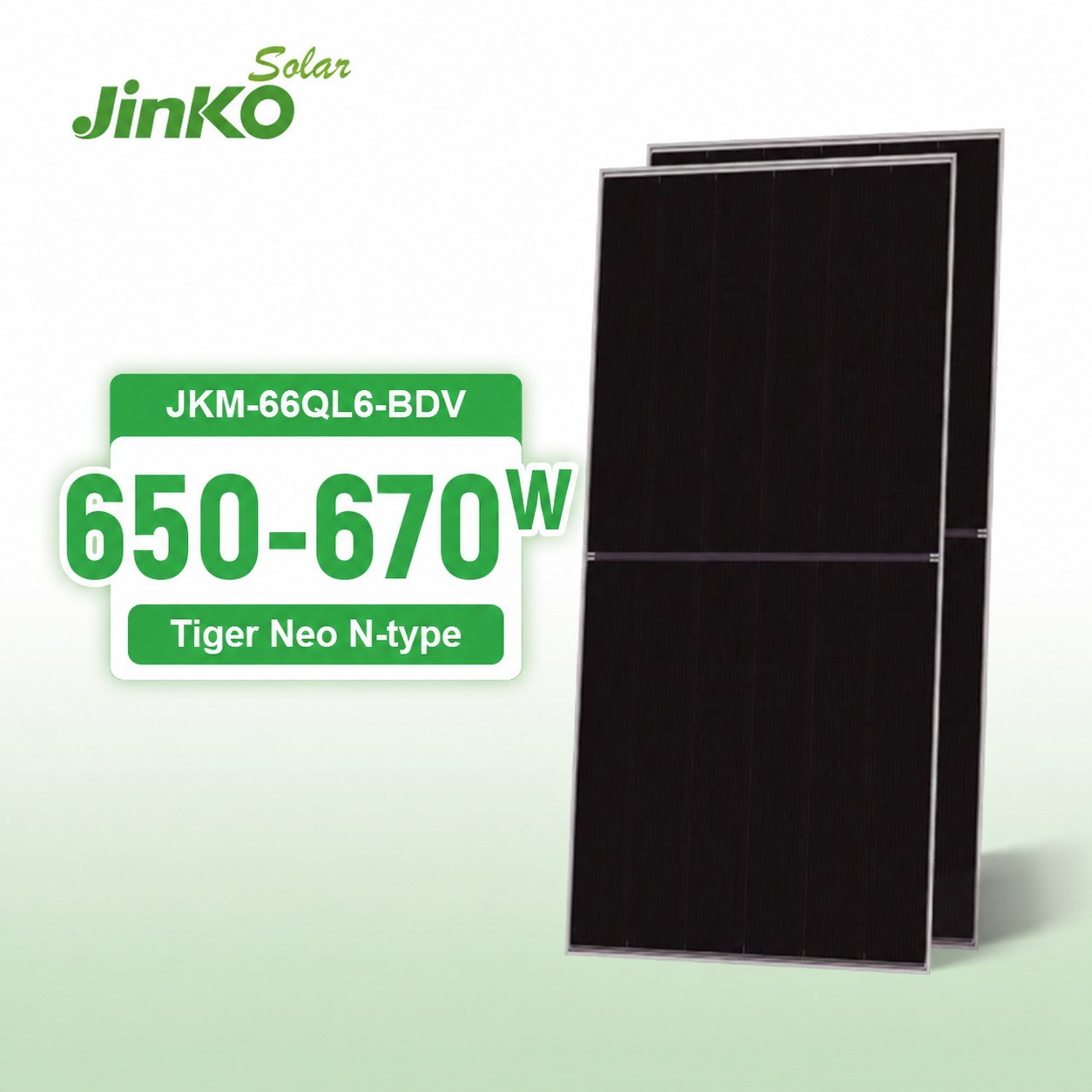
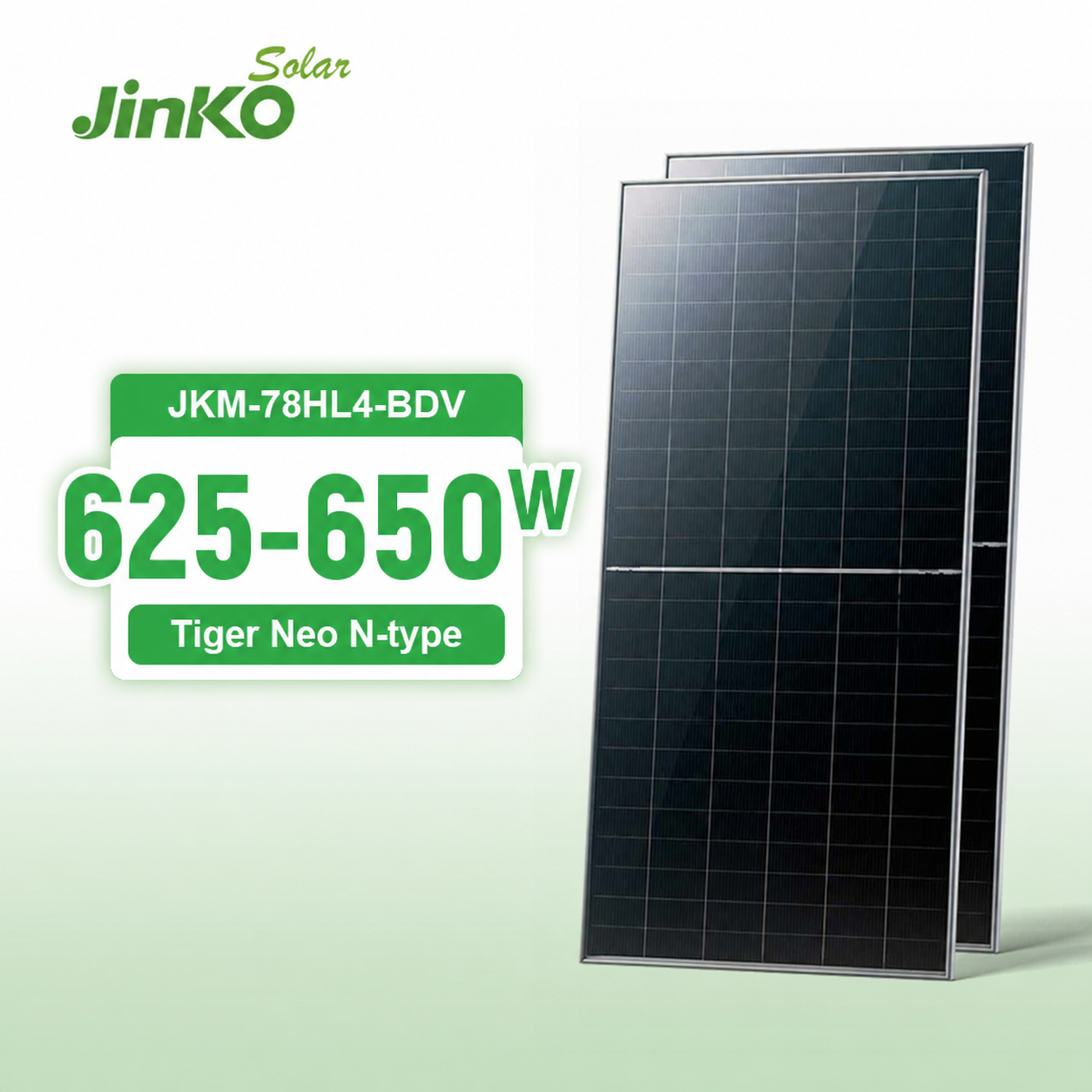
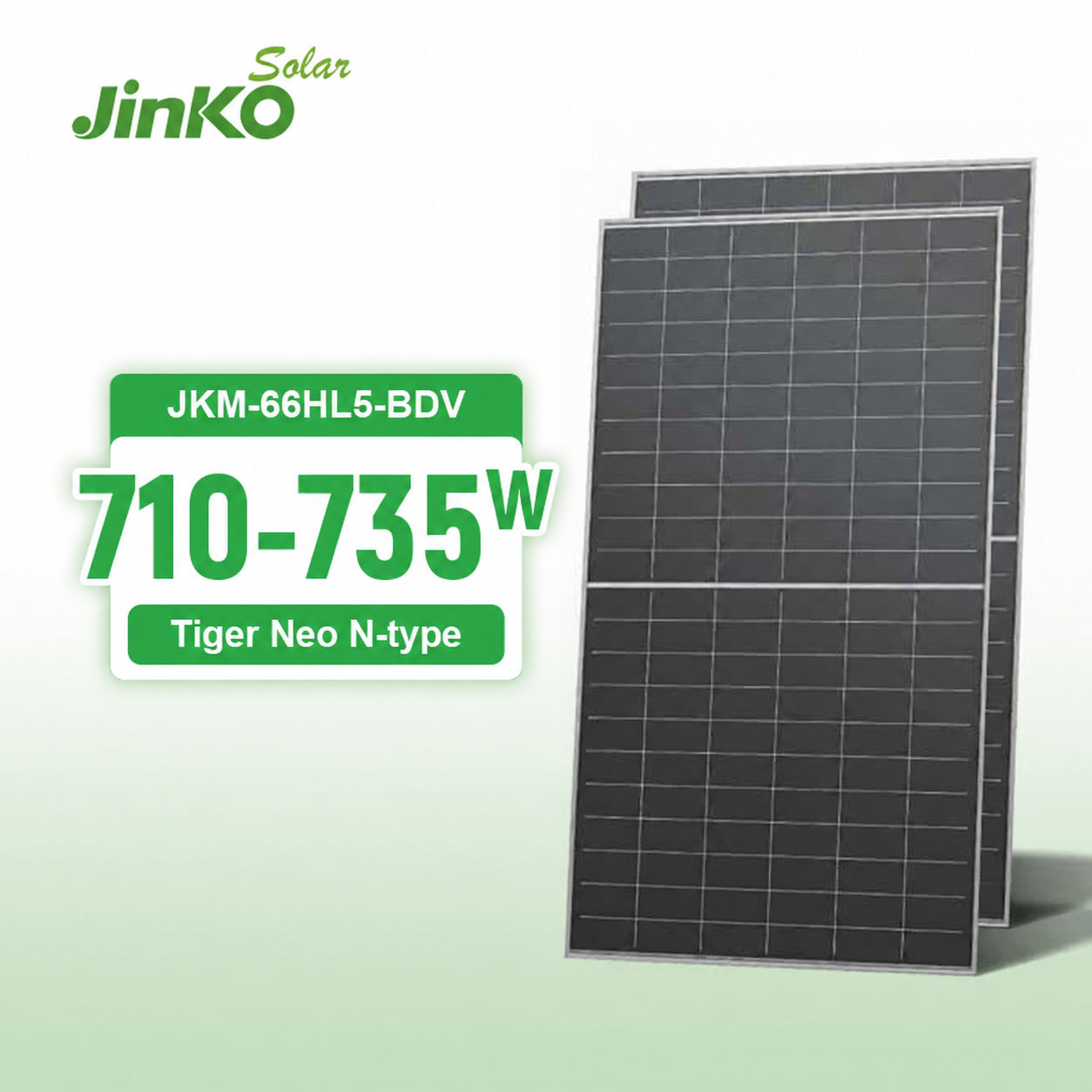
Jinko N Type Bifacial Solar Modules 650W 630W 640W Dual Glass Photovoltaic Panel for Industrial
The Definitive Global Benchmark: Evaluating the Top 10 Portable Power Station Manufacturers & Suppliers
The global portable power station (PPS) industry has transitioned from a recreational camping accessory into an essential strategic asset for disaster resilience, commercial field operations, construction mobility, and decentralized residential backup. As battery chemistry progresses beyond volatile nickel-manganese-cobalt (NMC) configurations into intrinsically safe Lithium Iron Phosphate (LiFePO4) and emerging semi-solid-state formulations, global importers, distributors, and procurement managers face intense technical divergence among original equipment manufacturers (OEM) and original design manufacturers (ODM).
Evaluating the top 10 manufacturing titans requires looking beyond marketing brochures into vertical supply chain integration, Battery Management System (BMS) logic firmware maturity, thermal dissipation dynamics, inverter topology efficiency, and regulatory compliance protocols. A world-class supplier must not only assemble cells into an injection-molded chassis, but must maintain rigorous cell grading, multi-point automated end-of-line (EOL) testing, and Class 9 Dangerous Goods logistic capabilities.
Key Characteristics of the World's Leading PPS Manufacturers
In analyzing market leaders such as EcoFlow, Bluetti (PowerOak), Jackery (Hello Tech), Anker Innovations, Goal Zero, Zendure, Ugreen, Pecron, and primary industrial Tier-1 OEM suppliers in China, distinct manufacturing paradigms emerge:
| Evaluation Parameter | Tier-1 Industrial Manufacturers | Mid-Tier Assembly Operations | Low-Cost Budget White-Label |
|---|---|---|---|
| Battery Cell Grade | Automotive-grade prismatic / cylindrical LiFePO4 (Grade A matched) | Standard commercial LiFePO4 / NMC cells | Repurposed or surplus secondary cells |
| BMS Protection Layers | Dual MCU hardware redundancy, CAN/RS485 telemetry, cell-level balancing | Single-chip MCU with basic OVP/UVP/OTP protection | Discrete analog protection circuits |
| Inverter Architecture | High-frequency bidirectional GaN / Silicon Carbide (SiC) resonant inverter | Standard high-frequency pure sine wave (MOSFET-based) | Modified sine wave or high THD pure sine wave |
| Cycle Life Expectancy | ≥ 3,500 – 4,000 cycles to 80% initial capacity | 1,500 – 2,500 cycles to 80% initial capacity | 500 – 800 cycles to 70% initial capacity |
| Thermal Management | CFD-simulated wind tunnels, isolated electronics & cell bays, active quiet cooling | Standard multi-fan thermostatic control | Basic unguided fan cooling, prone to hot spots |
| Certifications Available | UL 2743, CE, FCC, RoHS, UN38.3, MSDS, IEC 62133, IEC 62619, PSE | CE, FCC, UN38.3, basic MSDS | Self-declared CE, incomplete test reports |
Future Procurement & Sourcing Trends in the Portable Energy Storage Sector
Global supply chain directors navigating the 2025–2030 sourcing horizon must anticipate structural shifts across raw materials, localized import regulations, and modular ecosystem integration:
Bidirectional GaN Fast-Charging Integration
Traditional bulky AC-to-DC external charging bricks are completely obsolete. Future procurement mandates internal bidirectional inverters utilizing Gallium Nitride (GaN) switching components, cutting charging times to 0-80% in under 55 minutes directly from standard grid outlets.
Sub-Zero Chemistry: Sodium-Ion & Solid-State
While LiFePO4 dominates temperate zones, sodium-ion (Na+) and semi-solid-state cells are entering mass assembly lines. Sourcing teams targeting Nordic, North American, and alpine rescue markets prioritize sodium-ion chemistry for continuous charge/discharge capability at -30°C.
Modular Daisy-Chained Expansion
Fixed capacity systems are giving way to stackable expansion battery packs. Modern distributors procure modular base units capable of scaling from 2kWh to 15kWh via proprietary ultra-low-resistance quick-connect busbars, lowering inventory SKU overhead.
Sustainable Supply Chains and the EU Battery Passport Mandate
European and American regulatory horizons are raising entry barriers. The European Union's New Battery Regulation (EU 2023/1542) imposes stringent carbon footprint declarations, recycled content minimums (cobalt, lithium, nickel), and mandatory digital "Battery Passports" readable via QR codes. B2B buyers must partner exclusively with manufacturers possessing end-to-end supply chain transparency, from mineral extraction to cell manufacturing and end-of-life recycling workflows.
Technological & Product Development Trends: Engineering the Next Generation
The convergence of renewable energy generation and mobile computing demands that next-generation portable power units function as high-precision micro-inverters and DC energy hubs. Here are the core technical frontiers currently revolutionizing Tier-1 manufacturing facilities:
Ultra-Wide MPPT Voltage Trackers
Next-gen PPS units incorporate dual 12V–150V MPPT solar controllers capable of receiving up to 1200W–2400W of PV input, enabling rapid recharge from high-wattage bifacial utility panels.
True EPS / UPS Switchover (< 10ms)
Older systems featured sluggish 30ms+ delay times causing server and medical device reboots. Modern units implement phase-locked solid-state bypass relays delivering certified ≤ 10ms seamless UPS performance.
USB-C PD 3.1 Extended Power Range
Migrating from basic 60W/100W ports to 140W–240W EPR USB-C power delivery allows direct native DC charging of high-drain mobile workstations, specialized imaging equipment, and enterprise medical diagnostic devices.
Cloud IoT & Matter Ecosystem Connectivity
Smart connectivity via dual-band Wi-Fi, Bluetooth 5.3, and emerging Matter protocol integration allows remote firmware upgrades (OTA), dynamic time-of-use (TOU) energy arbitrage, and system telemetry logging.
Frequently Asked Questions by Overseas Energy Importers
Essential technical and logistical considerations addressing common operational questions prior to issuing commercial letters of credit or purchase orders.
FAQ 01 How are high-capacity portable power stations classified for international maritime freight?
Lithium energy storage units with capacities exceeding 100Wh are regulated under Class 9 Dangerous Goods (UN 3480 for standalone batteries or UN 3481 when packaged with equipment). Maritime shipments require certified UN-rated packaging, drop-test certification, valid UN38.3 test summaries, and an accredited Material Safety Data Sheet (MSDS). VOLT New Energy handles full DG freight booking, cargo labeling, and export customs clearance seamlessly.
FAQ 02 Why is LiFePO4 chemistry strictly preferred over NMC for commercial B2B procurement?
While Nickel Manganese Cobalt (NMC) cells provide marginal volumetric density advantages, Lithium Iron Phosphate (LiFePO4) offers far superior thermal and chemical stability. LiFePO4 cells do not experience thermal runaway until reaching approximately 270°C (compared to 150°C–210°C for NMC) and do not release oxygen during puncture or overcharge. Furthermore, LiFePO4 delivers 3,500+ deep discharge cycles versus 500–800 cycles for NMC, drastically reducing warranty claims for distributors.
FAQ 03 How does solar input matching work when coupling high-wattage bifacial panels with portable generators?
Proper matching requires auditing the portable power station's Maximum Power Point Tracker (MPPT) voltage window (e.g., 12V–60V or 15V–150V) and maximum current limit (e.g., 12A or 20A). Over-voltage (exceeding open-circuit voltage Voc) will destroy controller circuitry, whereas over-current simply clips excess power safely. VOLT New Energy engineers calculate exact string configurations—whether series or parallel—to guarantee optimal daily kilowatt-hour harvesting without exceeding MPPT tolerances.
FAQ 04 What are the standard OEM/ODM customization capabilities and Minimum Order Quantities (MOQ)?
Standard white-label customization (chassis laser engraving, custom carton packaging, digital boot screens) typically begins at 100 to 200 units. Deep OEM development—including tooling modifications for customized injection-molded casings, unique BMS firmware protocols, dedicated iOS/Android telemetry apps, and specialized AC plug configurations (EU Schuko, US NEMA, UK, South African BS5467)—generally requires an MOQ of 500 to 1,000 units depending on tooling complexity.
FAQ 05 What factory-level pre-shipment quality assurance tests are non-negotiable?
Professional procurement teams should require: (1) Cell grading reports showing internal AC impedance (≤ 0.5mΩ) and voltage consistency; (2) High-voltage insulation withstand tests between high-voltage circuits and external enclosures; (3) 100% full-charge and full-discharge thermal aging cycles under continuous rated wattage load; (4) Rapid surge capability verification using inductive motor loads; and (5) Harmonic distortion (THD) oscilloscope verification under full load conditions.
FAQ 06 How are international warranty claims and spare parts managed across overseas territories?
Tier-1 suppliers operate under a dual-track warranty mechanism. For localized distributor repair depots, suppliers provide a 1%–2% buffer of free critical spare parts (inverter motherboards, BMS sub-boards, bidirectional AC power boards, cooling fans, and LCD displays) alongside comprehensive schematic diagrams and video repair protocols. For severe cell-level failures within the warranty window (typically 3 to 5 years), verified serial number reporting triggers component replacements on subsequent container shipments.