TOPCon N-Type
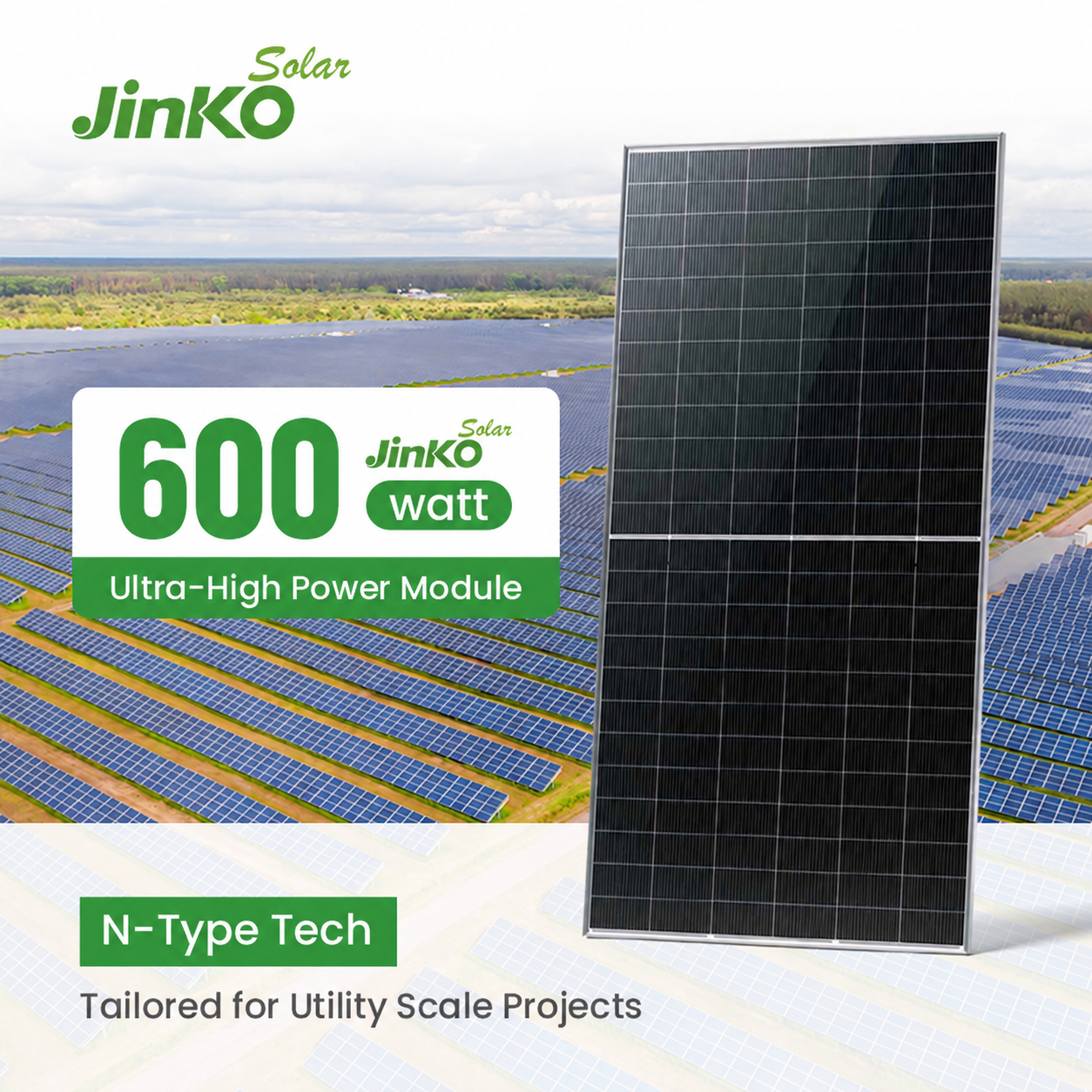
575W-600W
Dual Glass
In Stock
Tunnel Oxide Passivated Contact (TOPCon) high-density wafers
Up to 25% albedo yield gain across desert and gravel utility terrain
Turnkey DG-compliant mixed container logistics spanning 4 continents
< 0.40% annual degradation following initial year 1.0% settling
Procure premium-grade mono and bifacial dual-glass solar panels engineered for high-irradiance utility farms, industrial roofs, and export distributed generation.
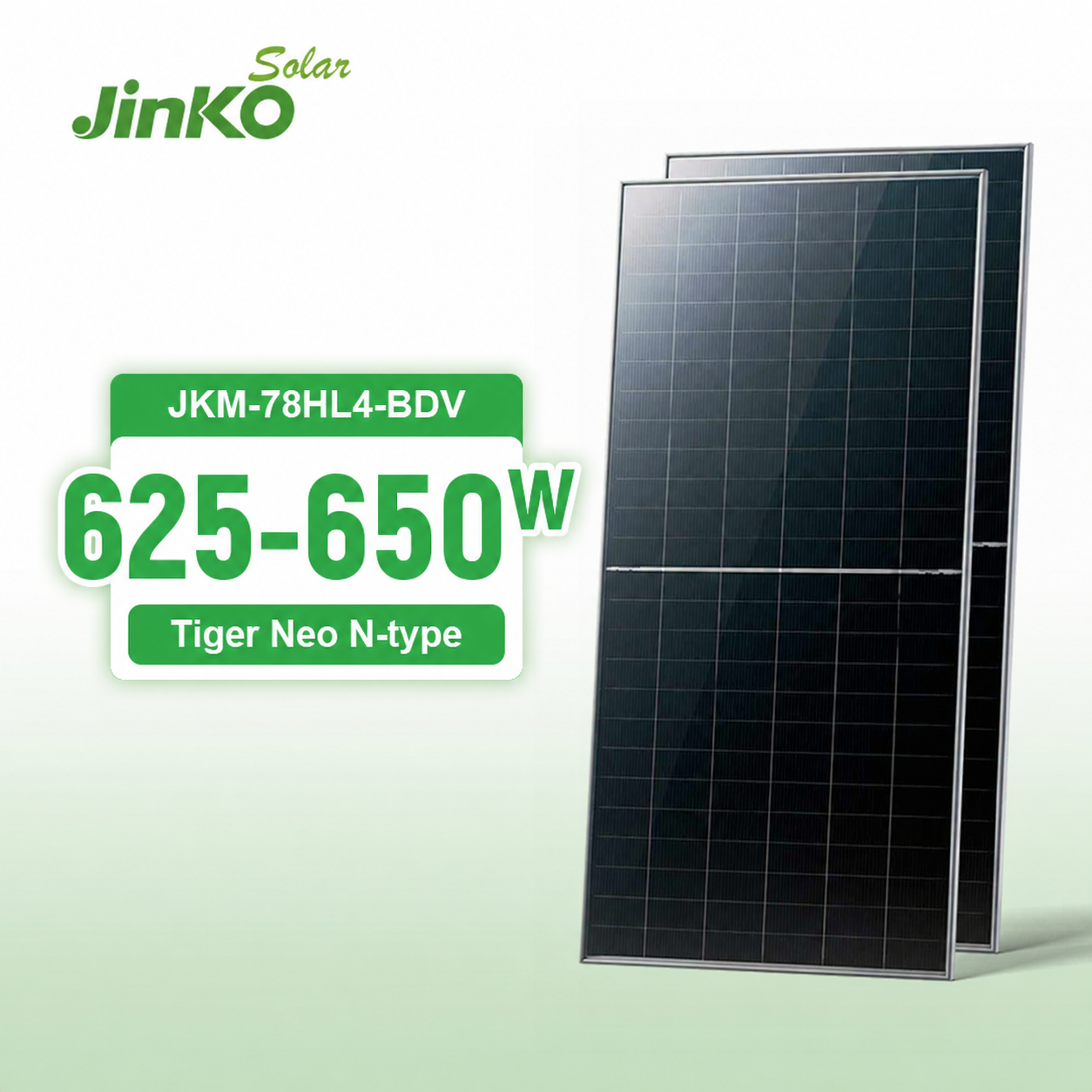
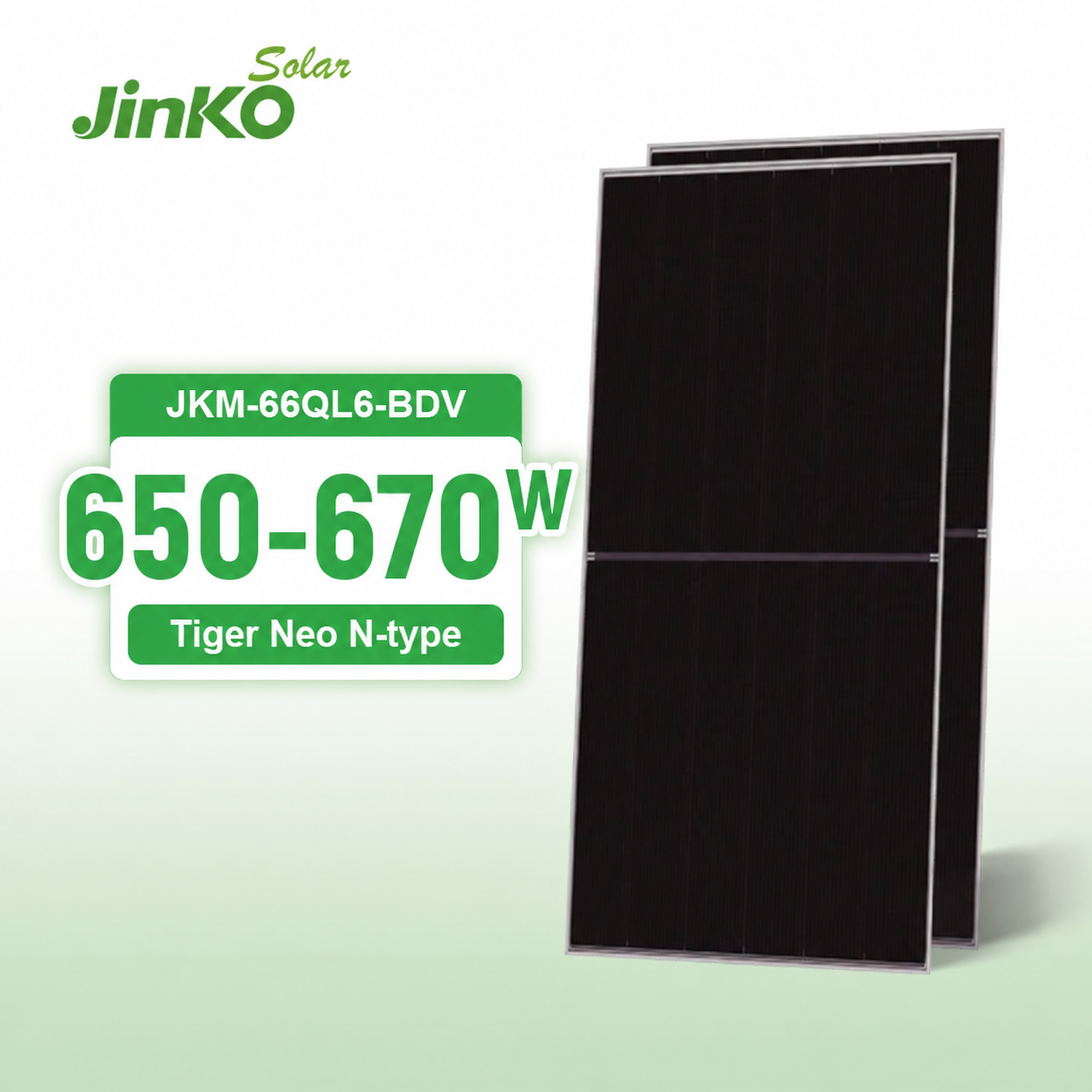
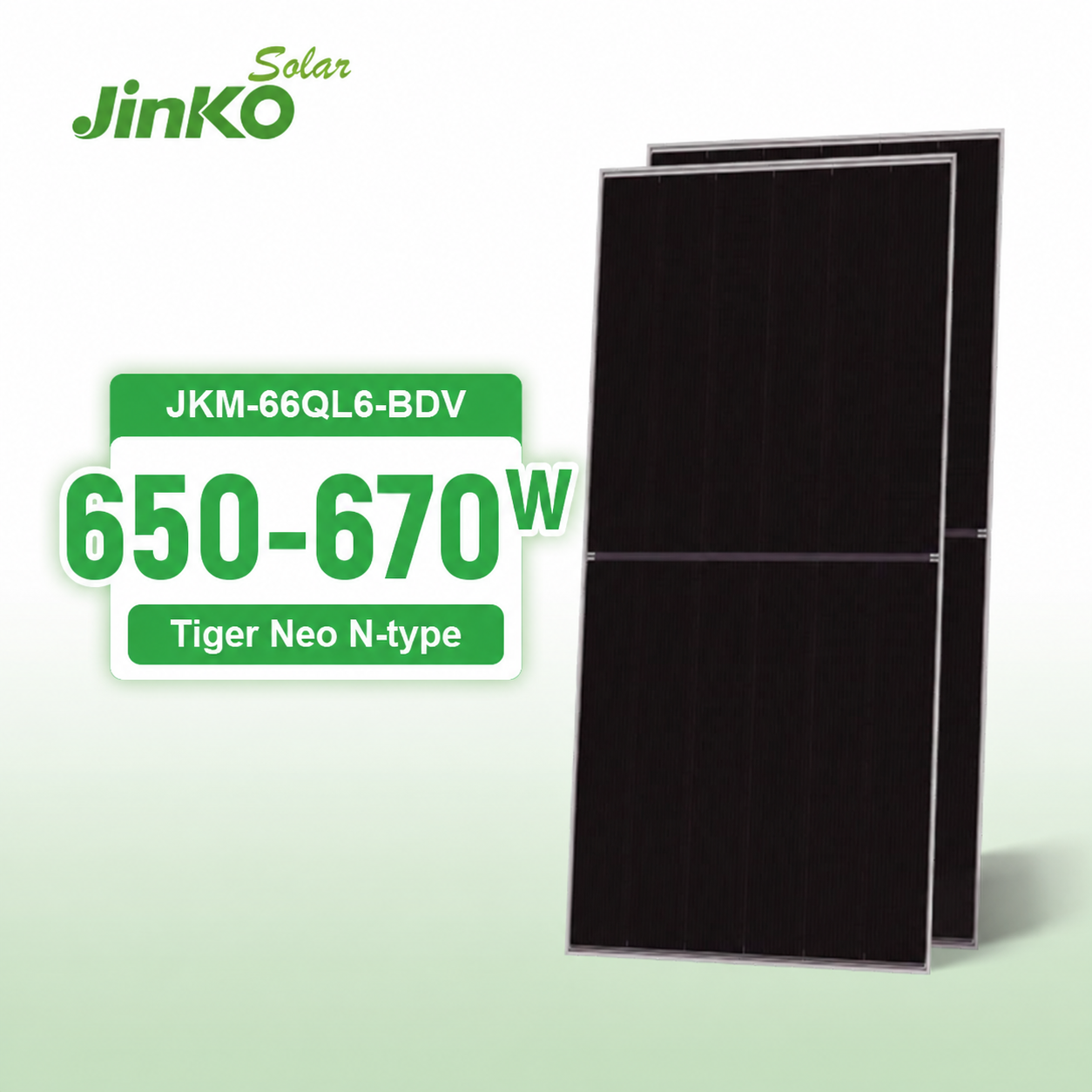
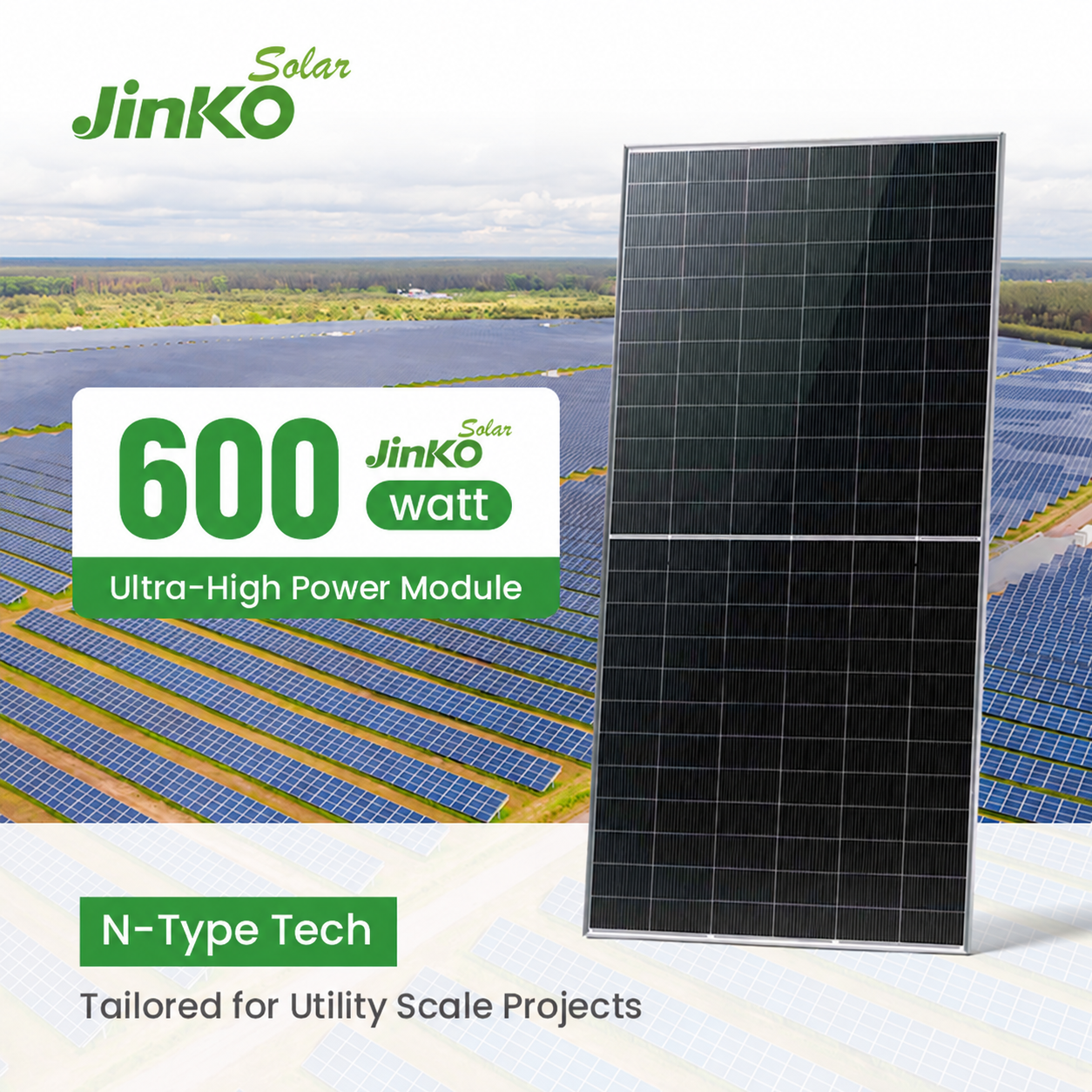
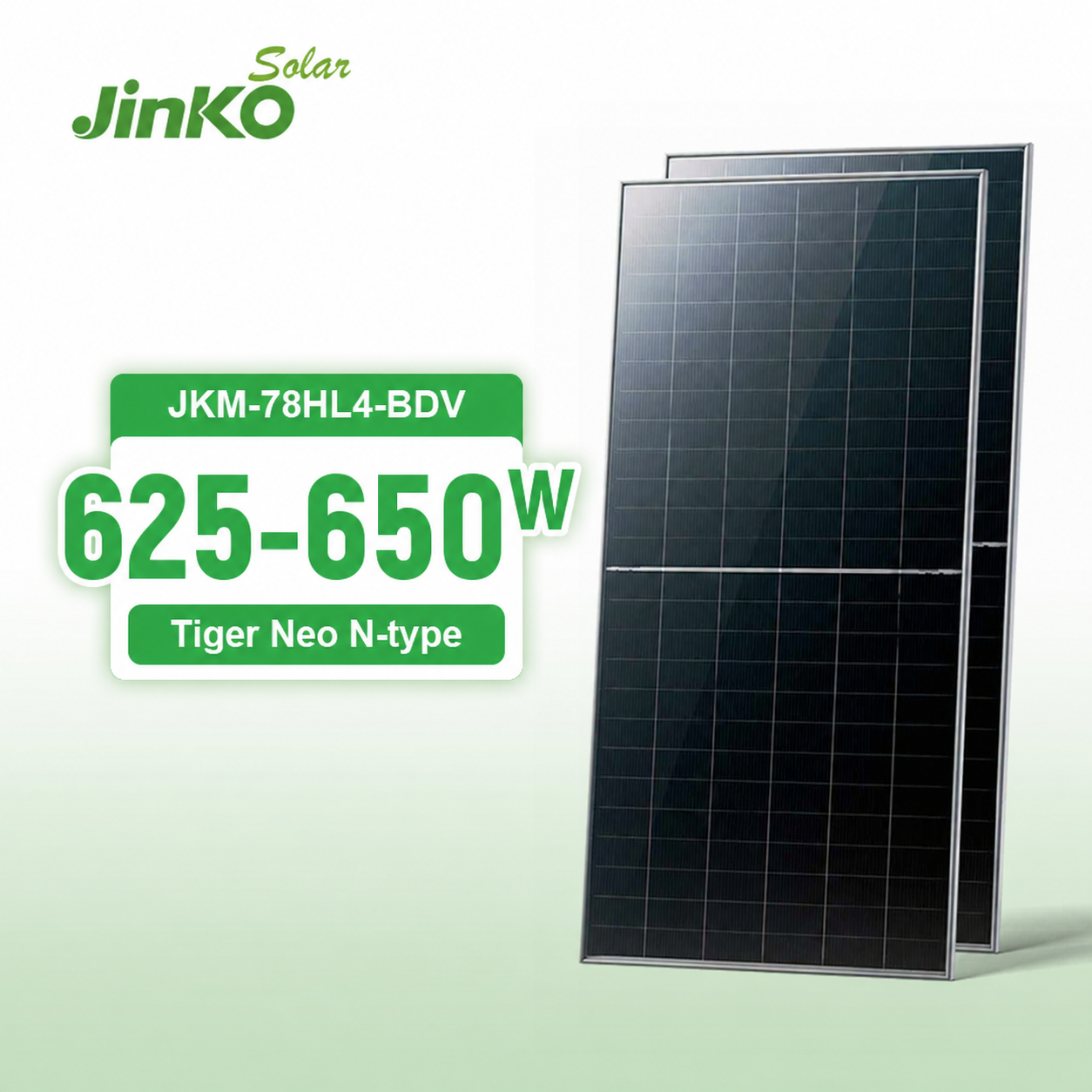
Modern utility-scale and commercial distributed on-grid solar photovoltaic (PV) generation has evolved past nominal watt-peak rating comparisons. In contemporary Engineering, Procurement, and Construction (EPC) management, maximizing the project's internal rate of return (IRR) requires a rigorous evaluation of the Levelized Cost of Electricity (LCOE), high-ambient thermal performance, string-level Balance of System (BOS) attenuation, and native inverter synchronization. Selecting an authentic tier-1 manufacturing partner and verified system integrator represents the paramount safeguard against premature asset derating and operational disruption.
N-type TOPCon (Tunnel Oxide Passivated Contact) silicon architectures effectively eliminate Boron-Oxygen complex Light-Induced Degradation (LID) and drastically reduce Potential-Induced Degradation (PID). Offering a temperature coefficient of -0.29%/°C compared to -0.35%/°C for legacy PERC, N-Type TOPCon modules deliver 3% to 4.5% higher specific energy yield in sub-tropical and high-temperature operating zones.
In utility on-grid systems, bifacial dual-glass solar panels utilize reflected diffuse irradiance from ground surfaces (albedo) to generate auxiliary power from the rear cell faces. When paired with intelligent single-axis solar tracking arrays (1P or 2P architecture), rear-side energy harvest yields an incremental gain ranging from 8% on semi-arid scrublands to upwards of 23% on white cement, crushed limestone, or snow installations.
From a financial modeling perspective, higher wattage density (600W–670W per module) compresses BOS expenditures. Fewer modules per megawatt directly translate into reduced structural steel racking, fewer DC combiner strings, lower copper cabling tonnages, and expedited installation man-hours.
A high-performing on-grid installation demands stringent operational compatibility between the photovoltaic string parameters and the central or string inverter’s Maximum Power Point Tracking (MPPT) voltage window. The integration of high-current N-Type cells (approaching 15A–18A Imp) necessitates multi-MPPT inverters equipped with oversized DC input tolerances (typically 1.3 to 1.5 DC/AC loading ratio) to eliminate clipping during cold-morning peak irradiation.
Modern transmission operators enforce dynamic grid stabilization protocols. Turnkey on-grid systems sourced through Hangzhou VOLT New Energy incorporate inverter platforms capable of Fault Ride-Through (FRT), dynamic reactive power injection (Q(U) and P(U) curves), and rapid shutdown compliance conforming to IEEE 1547-2018 and UL 1741-SB standards.
| Performance Metric | Legacy P-Type PERC | N-Type TOPCon (Supplied) | EPC Economic Benefit |
|---|---|---|---|
| Cell Structure & Carrier | Boron-doped P-type substrate | Phosphorus-doped N-type substrate | Zero boron-oxygen defect LID |
| First Year Degradation | ≤ 2.0% | ≤ 1.0% | Immediate high initial year generation |
| Linear Annual Derating | 0.55% / Year | 0.40% / Year | Sustained cash flow over 30 years |
| Bifaciality Factor | 70% ± 5% | 85% ± 5% | +3% to +6% more rear-side power output |
| Thermal Coefficient (Pmax) | -0.35% / °C | -0.29% / °C | Significant yield jump in hot climates |
The traditional bottleneck for EPCs procuring equipment from overseas factories is fragmented supply. Sourcing photovoltaic modules from one vendor, inverters from another, and structural cabling from third parties leads to cross-component compatibility errors, dispatch delays, and bifurcated warranty liabilities.
By consolidating genuine Jinko Solar tier-1 modules with industrial-grade Deye string and hybrid inverters, along with certified DC isolation arrays, Hangzhou VOLT eliminates interface failures. Buyers benefit from centralized Factory Acceptance Testing (FAT), consolidated bill of lading (B/L) logistics, and singular technical accountability.
Need engineering sizing sheets or bulk price schedules?
Get CatalogOperating out of Hangzhou, Zhejiang, we combine high-volume tier-1 distribution pricing with deep factory integration and stringent laboratory pre-shipment verification.
Micro-fractures incurred during module cell slicing or lamination lead to catastrophic hot-spot failure over time. We perform secondary EL and flash inspection before container stuffing, supplying verified traceability data.
When pairing on-grid PV systems with backup battery storage (such as Deye hybrid platforms and VOLT LiFePO4 packs), our engineers pre-program CAN/RS485 baud rates and pin-outs to ensure zero initialization communication errors.
Maximize container cube utilization while staying fully compliant. We engineer combined loadings of solar panels, inverters, racking, and UN38.3 Class 9 dangerous goods energy storage batteries in unified 40ft HQ maritime containers.
Our dedicated technical engineering desk provides comprehensive pre-sales system sizing, PVsyst generation modeling, and post-installation remote telemetry commissioning for projects across Europe, Latin America, Africa, and APAC.
Anticipate architectural market shifts, regulatory supply chain constraints, and grid compliance requirements shaping utility procurement strategies.
Wafer dimension standardization is converging on rectangular formats. These form factors optimize internal shipping container space, boosting total shipping wattage per 40HQ container by 8.5% to 11% and driving down international maritime logistics cost-per-watt.
As grid penetration of inverter-based resources exceeds 30%, electrical grids are losing traditional rotational inertia. Power purchase agreements (PPAs) increasingly mandate grid-forming inverters capable of instantaneous synthetic inertia and black-start functionality.
While TOPCon remains the undisputed commercial bedrock through 2028, tandem perovskite-on-TOPCon cells are emerging from lab validations. Commercial pilot modules targeting 26.5% module efficiency will enter commercial bids by 2027, primarily for space-constrained rooftops.
Cross-Border Carbon Adjustment Mechanisms (CBAM) and stricter supply chain provenance audits in the EU and North America require complete traceability from high-purity quartz through polysilicon ingots. Sourcing through certified factories guarantees full ESG documentation.
With feed-in-tariff (FiT) degression and dynamic spot-market electricity pricing across key global regions, commercial on-grid plants are routinely over-paneled by 40% and coupled with containerized storage to capture peak-arbitrage revenue during late afternoons.
Utility installations in high-soiling zones (such as the Middle East, North Africa, and Northern Chile) are standardizing on durable anti-soiling, hydrophilic, and anti-abrasion front glass coatings, reducing periodic water washing cycles by up to 35%.
Key technical, contractual, and logistics answers for procurement managers, project engineers, and solar distributors.
Partner with an established supply leader. Access real-time factory floor inventory allocations, project-tier quantity volume pricing, and full technical documentation for your upcoming utility or commercial tenders.