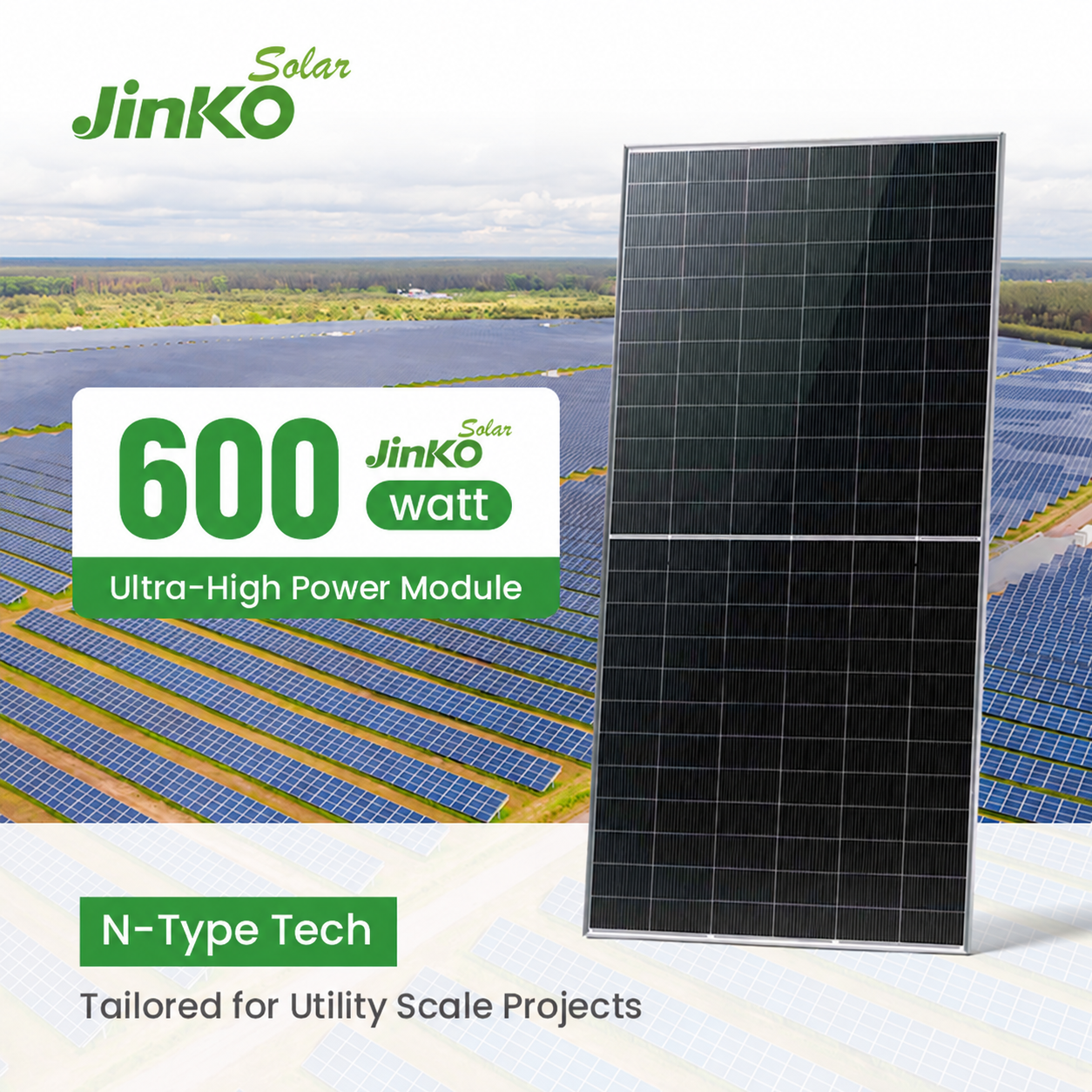
Verified Factory-Matched Inventory
High-Efficiency N-Type Panels & Systems for Inverter Optimization
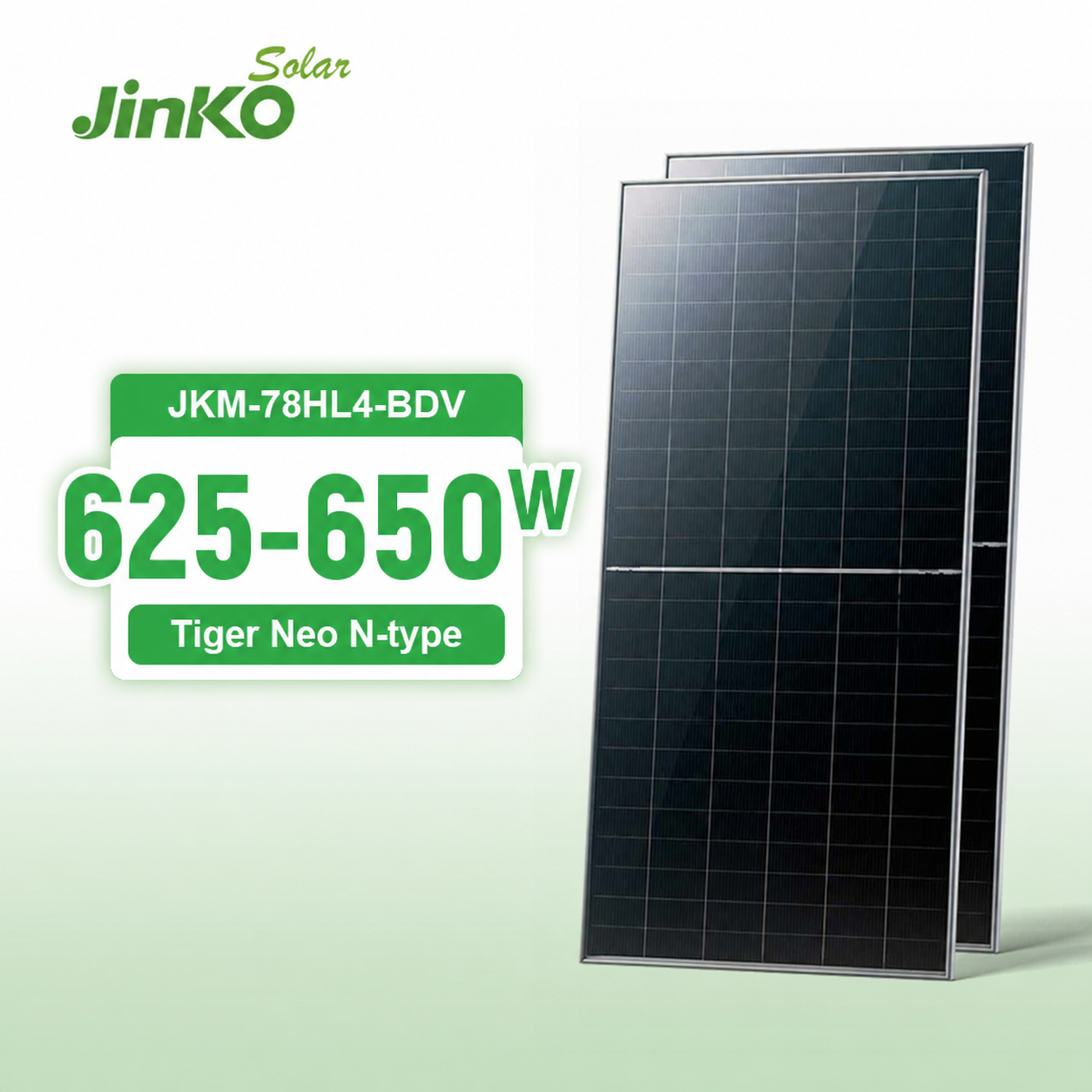
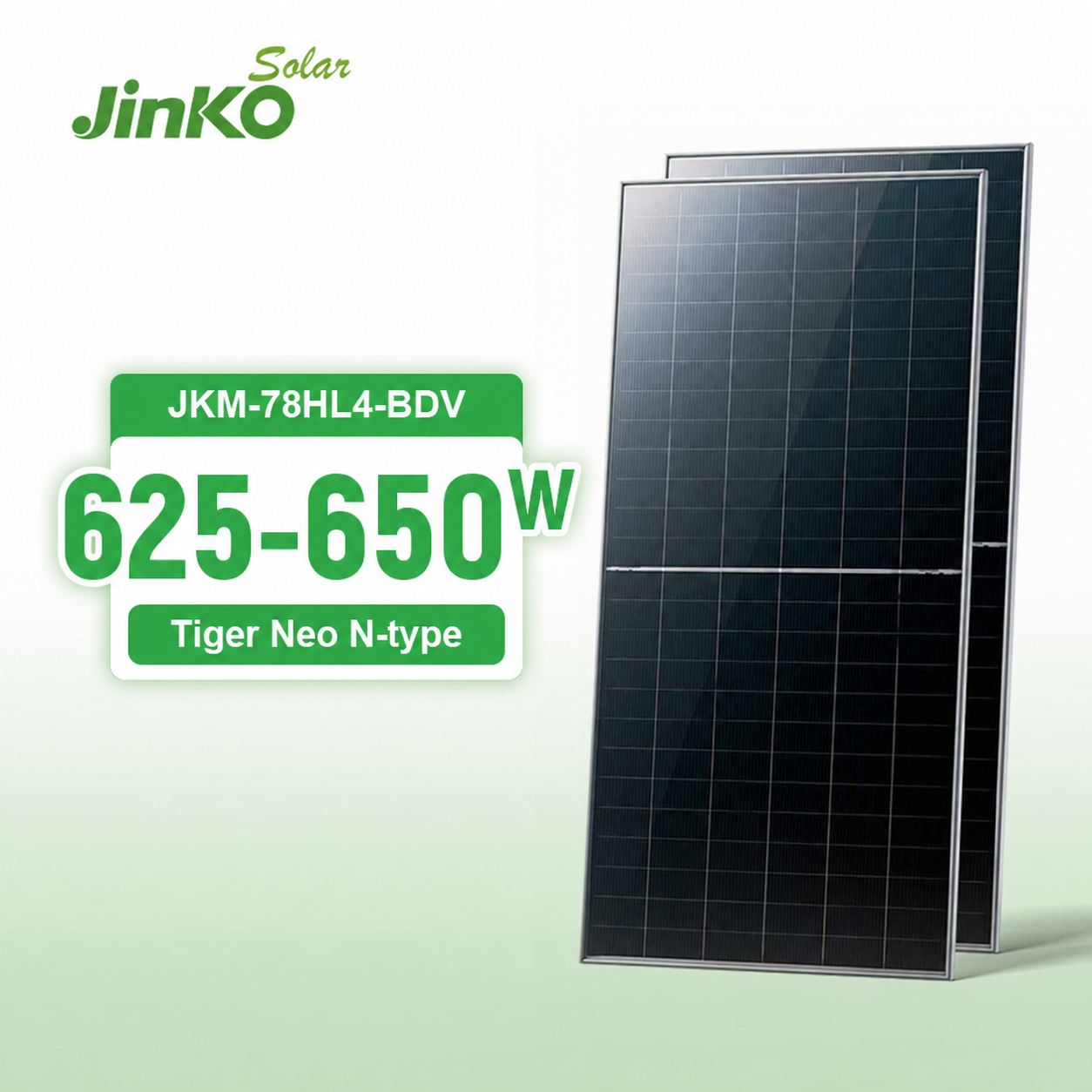
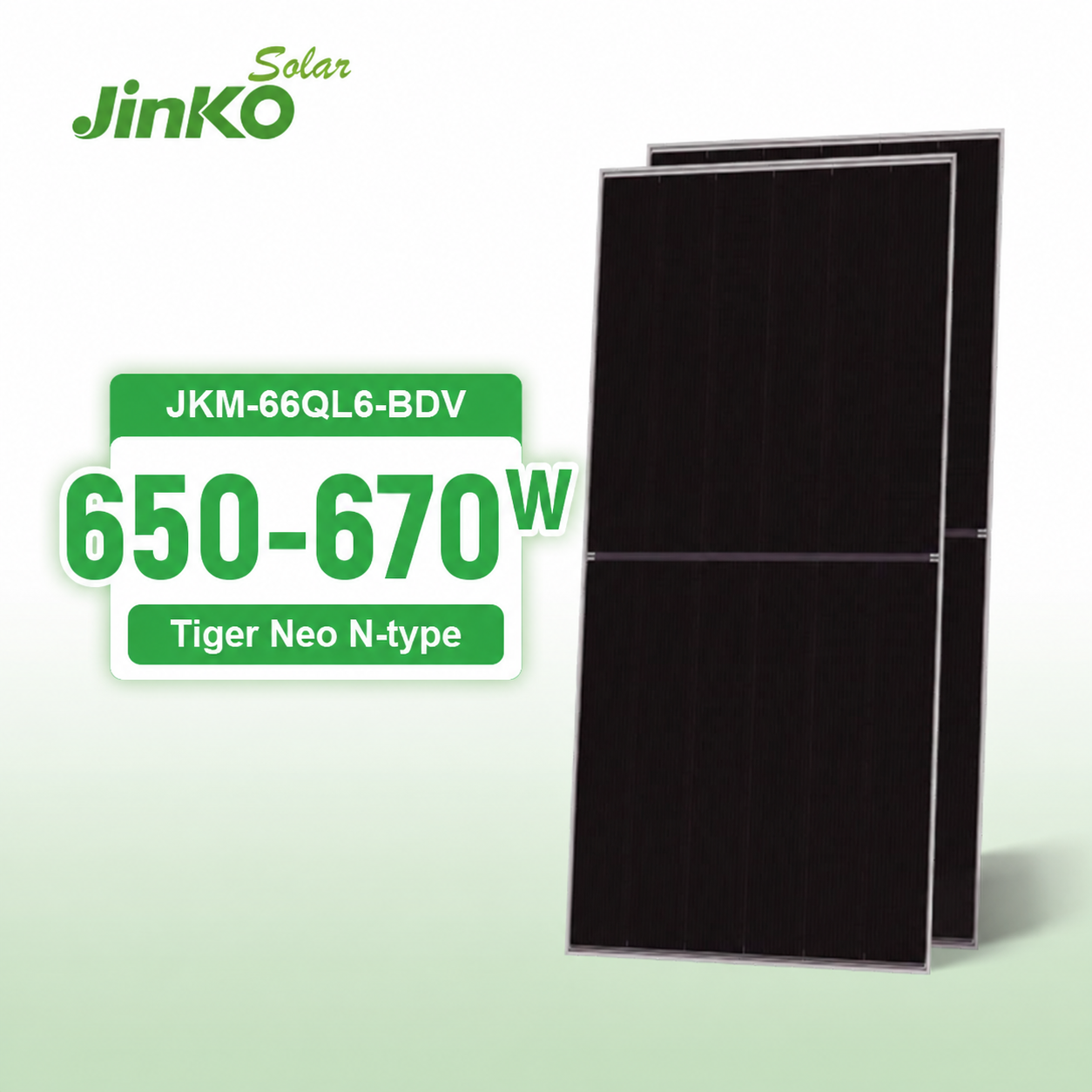
Inverter performance depends directly on module string voltage matching, DC/AC sizing ratios, and low degradation rates. Explore our certified N-Type TOPCon and dual-glass high-power modules engineered for direct integration with top inverter systems.

Procurement Intelligence
Inside Top Trusted Sungrow Solar Inverter Factories & Supply Lines
A technical teardown of advanced power electronics manufacturing, automated quality verification checkpoints, and tier-1 OEM sourcing channels for international procurement directors.
Automated SMT & String Inverter Assembly Benchmarks
Sungrow Power Supply Co., Ltd. operates the world's most sophisticated advanced power conversion equipment manufacturing bases, centered around high-capacity smart factories in Hefei, China, and international manufacturing hubs in India and Thailand. For global procurement specialists, understanding the production baseline of a genuine inverter manufacturing line is critical to weed out substandard OEM re-badging.
Every tier-1 inverter manufacturing floor leverages precision Surface Mount Technology (SMT) with 3D Automated Optical Inspection (AOI) and inline X-ray verification for high-power IGBT (Insulated Gate Bipolar Transistor) and SiC (Silicon Carbide) module soldering. Automated conformal coating processes protect delicate circuit pathways against ambient humidity, industrial salt spray, and ammonia intrusion, satisfying IP66 and C5 anti-corrosion ratings required for harsh coastal and desert deployments.
- 100% Full-Load Burn-In Chamber Testing: Inverters undergo extended heat-soak testing under elevated thermal conditions (50°C) with continuous dynamic load cycles to eradicate early component mortality.
- Automated Testing Systems (ATS): Calibrated programmatic testing checks harmonic distortion (THDi < 3%), power factor adjustment capabilities (-0.8 to +0.8), and rapid anti-islanding disconnects within milliseconds.
- Strict Component Bill of Materials (BOM): Authentic factory assembly specifies top-tier semiconductors (Infineon, ON Semi), film capacitors (Nichicon, EPCOS), and industrial-grade magnetic transformers designed for 25-year operational lifespans.

| Manufacturing Stage | Certified Factory Standards (Sungrow Tier-1) | Secondary / Generic OEM Factories | Direct Impact on Project LCOE & Risk |
|---|---|---|---|
| Power Semiconductor SMT | Automated robotic placement, vacuum reflow soldering, inline 3D X-ray voids < 5% | Manual or semi-automated solder paste printing; manual visual spot-checks | Eliminates thermal hotspot runaways; ensures low failure rates under peak solar noon current |
| Potting & Environmental Sealing | High-elasticity silicone thermal conductive potting, robotic automated gasket dispensing | Manual sealing, polyurethane foaming without continuous thermal dissipation indexing | Prevents condensation ingress, internal arcing, and premature thermal derating in hot climates |
| Burn-in & Stress Screening | 4 to 8 hours 100% full-power burn-in at 50°C chamber ambient with high DC bus bias | Brief 10-15 minute ambient dry test or batch sampling only | Weeds out early life infant-mortality faults prior to intercontinental container export |
| Traceability & Firmware Security | Laser-engraved 2D QR matrix tied to automated database; signed cryptographic bootloaders | Sticker-based serial tracking; unencrypted open-port firmware vulnerable to cyber exploits | Complies with European NIS2 Directive and US IEEE 1547 / UL 1741 SB grid security demands |
Market Forecasting 2025–2030
Future Procurement Trends: Grid-Forming, Hybrid Storage & 1500V Systems
The photovoltaic inverter landscape is pivoting from passive grid-following converters toward active grid-supporting assets. Commercial developers and EPC importers must position their supply chains ahead of mandatory grid modernization codes.
Grid-Forming Inverters (GFM) Dominance
As renewable penetration approaches 50% across global grids, transmission system operators (TSOs) in Europe, Australia, and North America now mandate Virtual Synchronous Generator (VSG) behavior. Sungrow's latest inverter platforms integrate advanced millisecond grid-forming algorithms, providing instantaneous synthetic inertia, damping sub-synchronous oscillations, and supporting black-start recovery after grid collapses.
Multi-MPPT High DC/AC Ratio Design (1.5 - 1.8x)
Module over-paneling is the primary lever to maximize output during dawn, dusk, and cloud cover. Next-generation string inverters are engineered to accommodate DC/AC sizing ratios up to 180%, with MPPT maximum current ratings elevated to 15A–20A per string to match the ultra-high outputs of 600W+ TOPCon and heterojunction (HJT) bifacial solar panels without experiencing clipping.
Integrated High-Voltage DC-Coupled Storage
Centralized and string inverters are migrating rapidly toward bi-directional DC-coupled architectures. By directing raw DC PV voltage directly into 1000V–1500V LFP energy storage racks through integrated buck-boost DC/DC converters, round-trip efficiency (RTE) gains of 2%–3% are achieved by bypassing unnecessary DC-AC-DC double conversions.
Rigid Cybersecurity & Protocol Compliance
Factory firmware must comply with strict international data protection laws. Inverters deployed in commercial networks must now incorporate hardware Root of Trust (RoT) security chips, encrypted SunSpec Modbus communication, TLS 1.3 telemetry encryption, and strict conformance to IEEE 1547-2018 and UL 1741 SB standards to thwart remote grid network interference.
Consolidated Mixed-Load Procurement Strategies
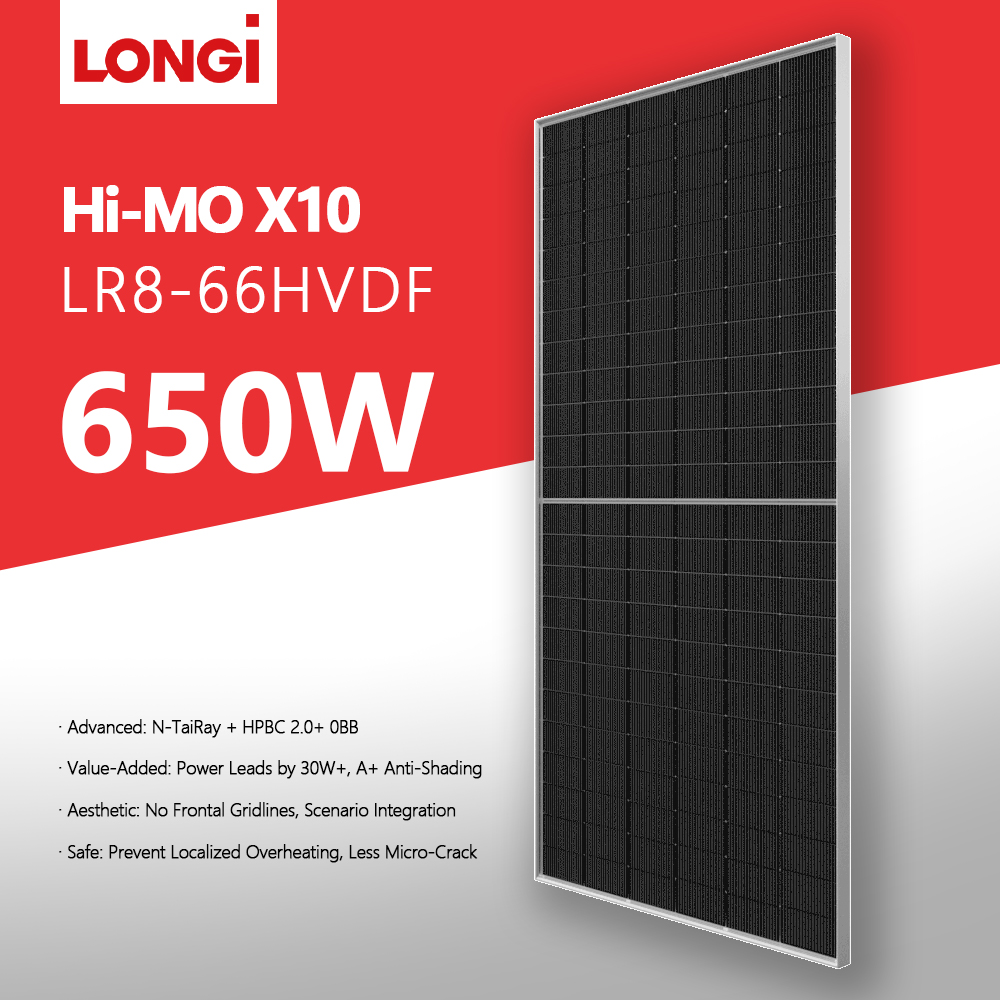
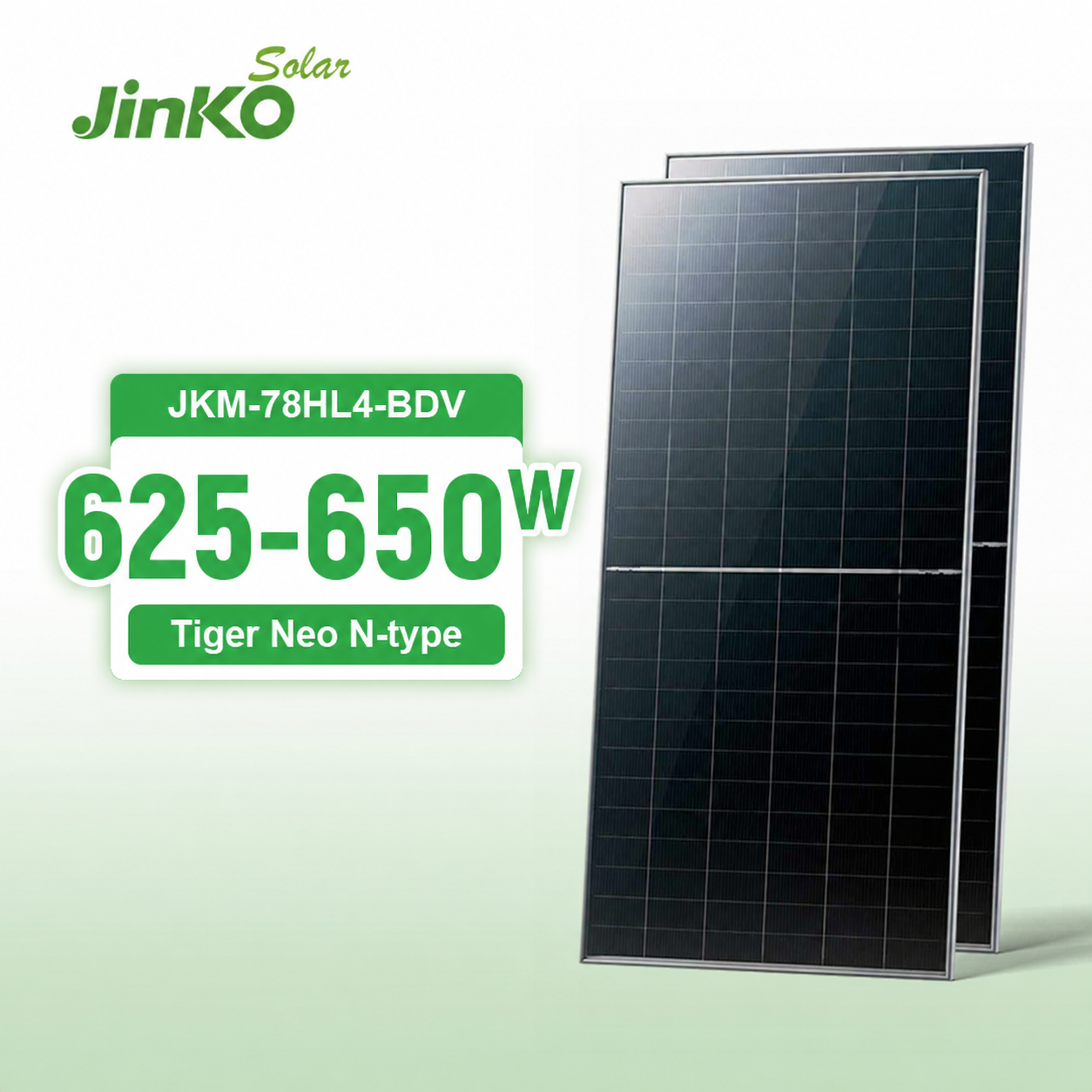
International solar distributors are moving away from piecemeal purchasing. The most cost-effective procurement trend involves consolidated containerization: pairing Tier-1 inverters (Sungrow, Deye) with matching high-efficiency N-type modules (Jinko, LONGI) and pre-tested LFP battery banks inside single factory-sealed containers to eliminate port demurrage and split shipment fees.
Smart AI-Driven IV Curve Diagnostics
Modern string inverter architectures now feature integrated online IV curve scanning capability. Certified factory hardware tests up to 34 PV operating points across strings in under 15 seconds, accurately categorizing up to 17 distinct module defect types (micro-cracks, diode failures, shading, dust accumulation) without requiring technician dispatch.
Enterprise Engineering Strength
Why International EPCs & Distributors Partner with VOLT New Energy
Hangzhou VOLT New Energy Technology Co., Ltd. eliminates the costly disconnect between Chinese component factories and overseas project sites through factory-direct allocation, multi-level compatibility testing, and turnkey export engineering.
Verified Hardware Protocol Compatibility
Avoid catastrophic "BMS Communication Timeout" and MPPT mismatch on site. Our lab engineers test inverter firmware against matching 48V/51.2V and HV LFP battery protocols (CAN 2.0B, RS485 Modbus) prior to dispatch.
Stringent Pre-Shipment QC & Visual Audit
Every consignee receives comprehensive pre-dispatch test documentation: open-circuit voltage verification, insulation impedance checks, and complete serial-number logging with high-res photo and video confirmation.
Certified Class 9 DG Shipping & Consolidation
We handle complex multimodal dangerous goods (UN38.3, MSDS) maritime logistics. Inverters, Tier-1 N-Type solar panels, and battery packs are efficiently consolidated in unified sea containers to minimize freight costs.
End-to-End System Sizing & SLD Support
Beyond hardware drop-shipping, our engineering desk supplies AutoCAD Single Line Diagrams (SLD), DC combiner configurations, fuse/breaker ratings, and customized commissioning guides for local utility approvals.


B2B Procurement FAQ
Frequently Asked Questions on Inverter & Solar System Sourcing
Essential guidance to de-risk high-value component imports, verify factory provenance, and navigate global grid-interconnection certifications.
How do I verify the authenticity and warranty provenance of Sungrow inverters sourced via trading houses?
Authentic factory-manufactured inverters carry an indelible 2D barcode and serialized QR code stamped directly onto the chassis data plate and motherboards. Importers must require the vendor to supply the original factory Inspection Certificate (OQC test sheet) matching the exact serial numbering. Legitimate suppliers like VOLT New Energy register these serial numbers directly with manufacturer global warranty tracking databases, allowing overseas buyers to cross-verify product status, manufacturing date, and international field warranty periods through official portals prior to bill-of-lading settlement.
What are the key technical differences between central inverters and multi-MPPT string inverters for C&I projects?
Central inverters (typically 1.5MW to 3.125MW+) aggregate entire blocks of strings into a single large cabinet, resulting in lower upfront cost per watt in massive, flat utility plants. However, string inverters (such as 100kW to 350kW units) feature multiple independent Maximum Power Point Trackers (up to 12 or 16 MPPTs per unit), drastically reducing mismatch losses caused by partial roof shading, uneven panel pitch, and orientation differences. Furthermore, string units offer higher project availability (99.9% uptime) because a single unit trip only impacts a minor fraction of the array rather than taking down an entire megawatt block.
How can our project avoid communication errors between hybrid inverters and third-party LFP batteries?
Communication handshake faults (e.g., F13 or F56 BMS faults) occur when the Battery Management System (BMS) baud rate, CAN ID frame, or RS485 pin assignment does not match the inverter's expectation. When you purchase matched systems from VOLT New Energy, our engineers perform a physical bench test connecting the battery BMS and the inverter prior to container loading. We verify CAN bus register mapping, confirm DIP switch configurations, and supply a custom-crimped RJ45 patch cable along with an explicit commissioning manual to guarantee seamless communication on initial boot-up.
What documentation is required to clear combined shipments of inverters, solar panels, and batteries through customs?
A consolidated clean bill of lading (B/L) must accurately declare the distinct HS codes for each item (Inverters: 8504.40; Solar Panels: 8541.43; Lithium Batteries: 8507.60). Lithium battery cells mandate complete UN38.3 test reports, certified Material Safety Data Sheets (MSDS), and Dangerous Goods (DG) packaging certification. Inverters require CE-LVD, CE-EMC, and specific regional grid connection certificates (such as EN 50549-1 for Europe, VDE-AR-N 4105 for Germany, G99 for the UK, or UL 1741 SB for the Americas). VOLT New Energy packages the entire technical compliance packet with each shipment so destination customs clearance is fast and hassle-free.
How does extreme operating ambient temperature affect inverter lifespan and power output?
Most industrial string inverters operate at full rated power without derating up to 45°C or 50°C. Above this thermal boundary, internal firmware activates smart power derating algorithms to safeguard high-power IGBT switches and magnetic inductors from thermal breakdown. High-quality tier-1 factory designs feature advanced smart forced-air cooling systems or heat pipe thermal dissipation that significantly reduce derating curves in hot environments like the Middle East, South America, or Sub-Saharan Africa compared to cheaper natural cooling units.
Connect with Certified Inverter Sourcing Specialists
Need factory pricing, direct container allocation, or technical Single Line Diagram matching for your commercial or utility PV project? Contact our engineering desk today.