Complete Solar + Storage Architecture
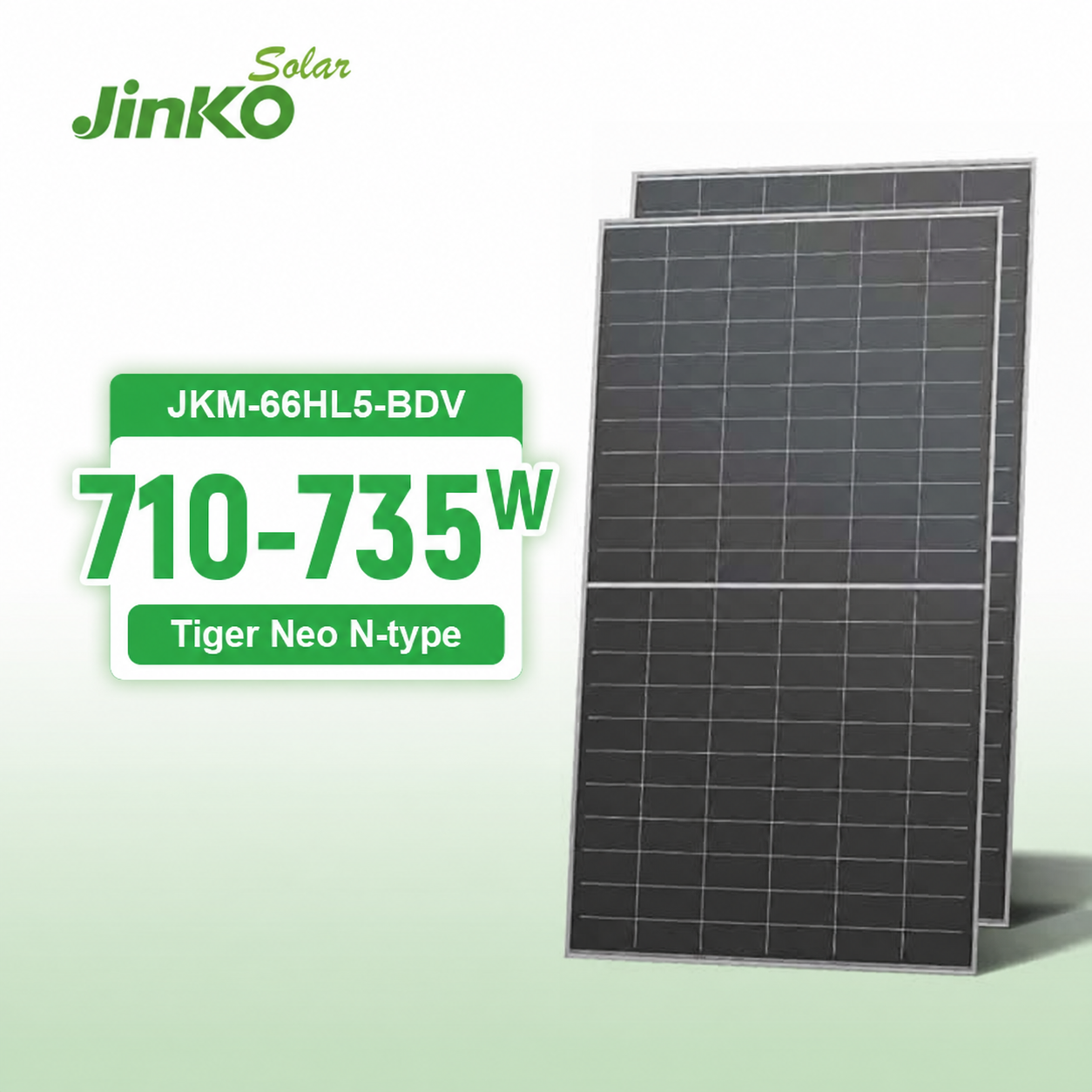
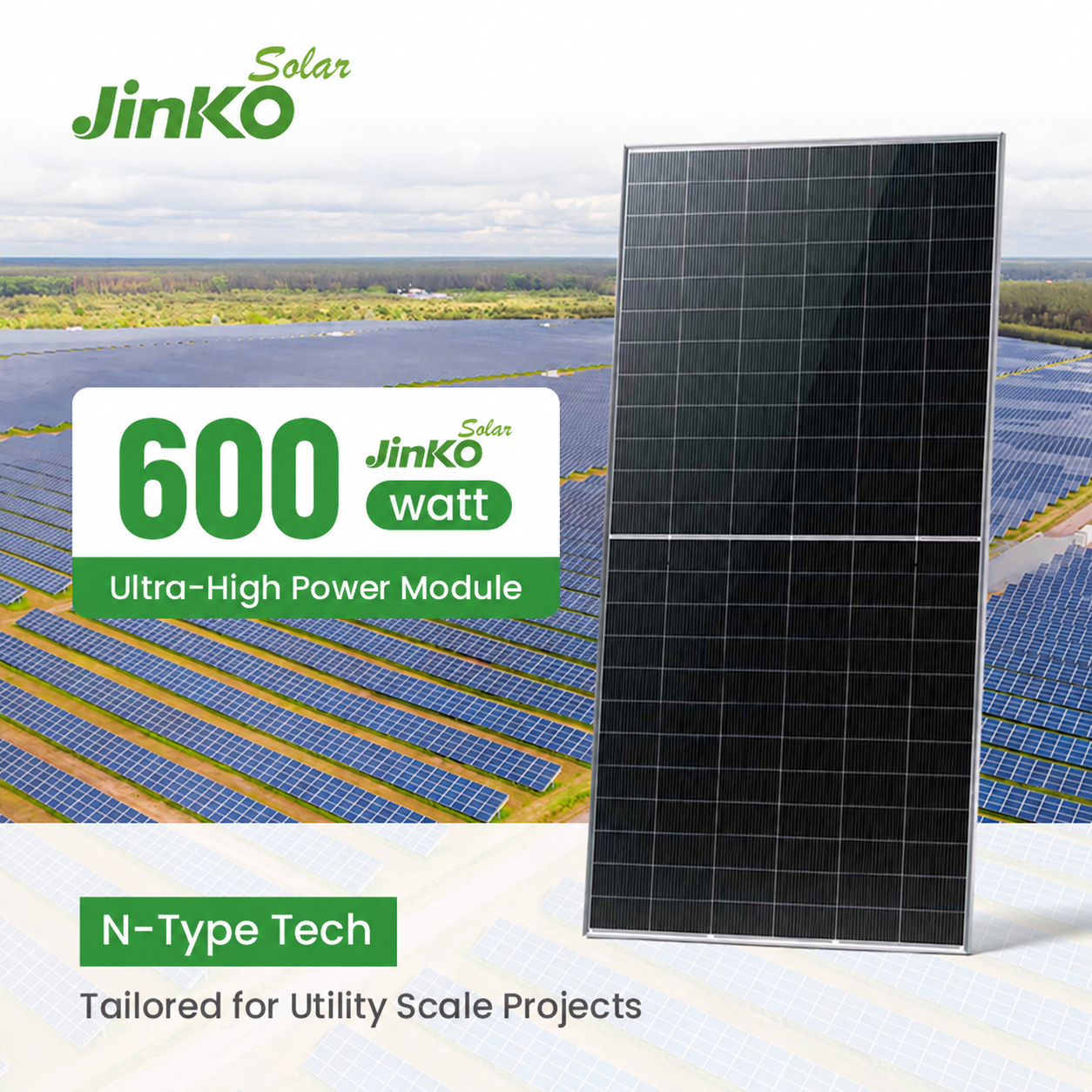
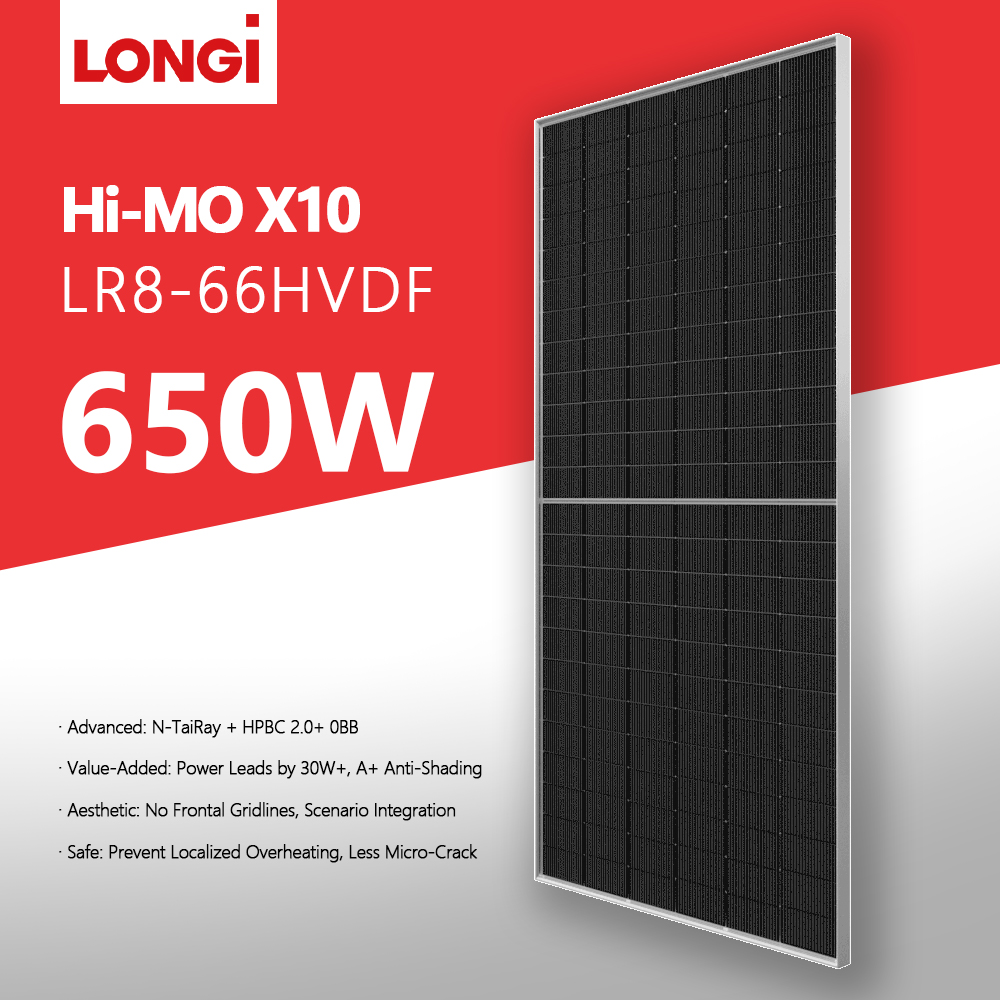
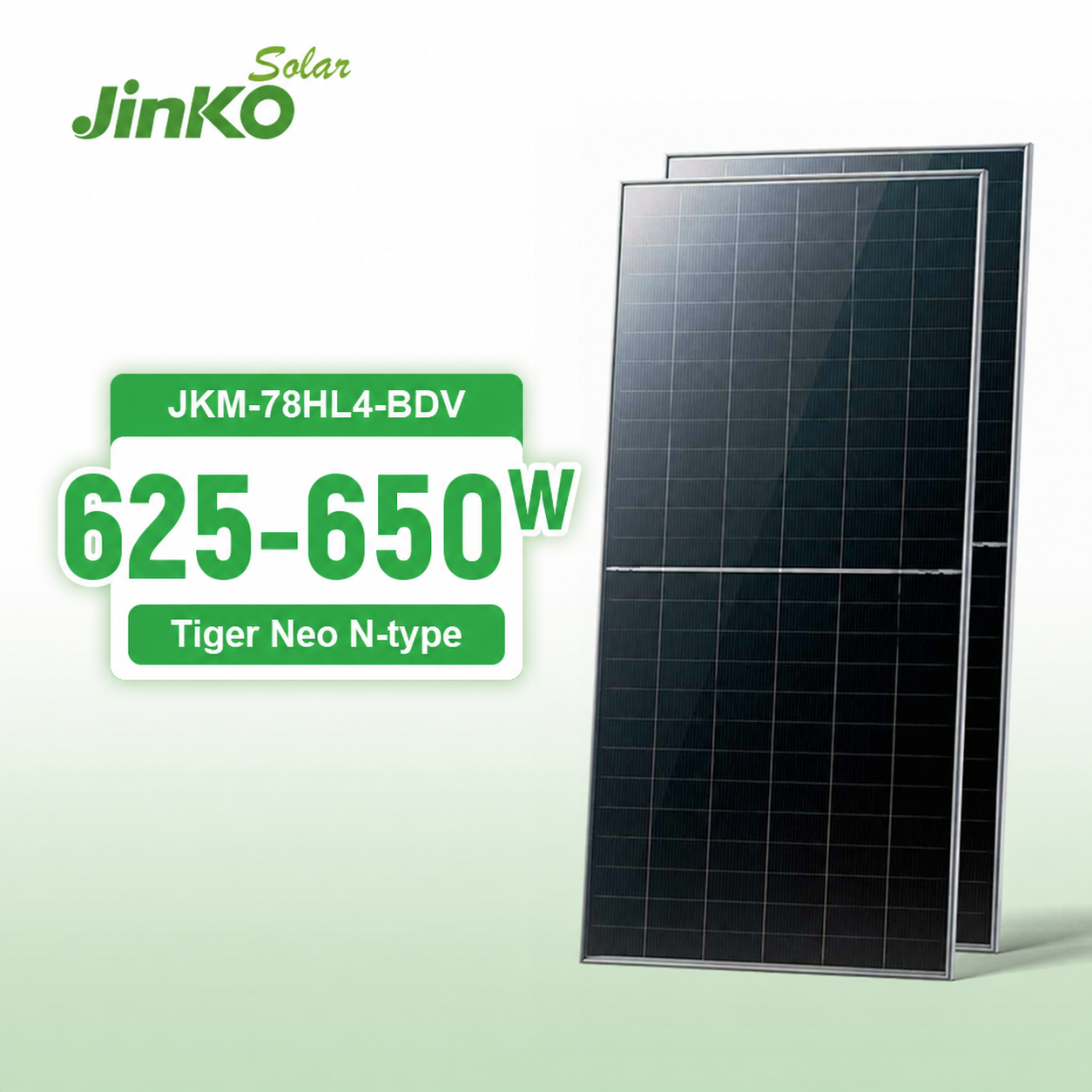
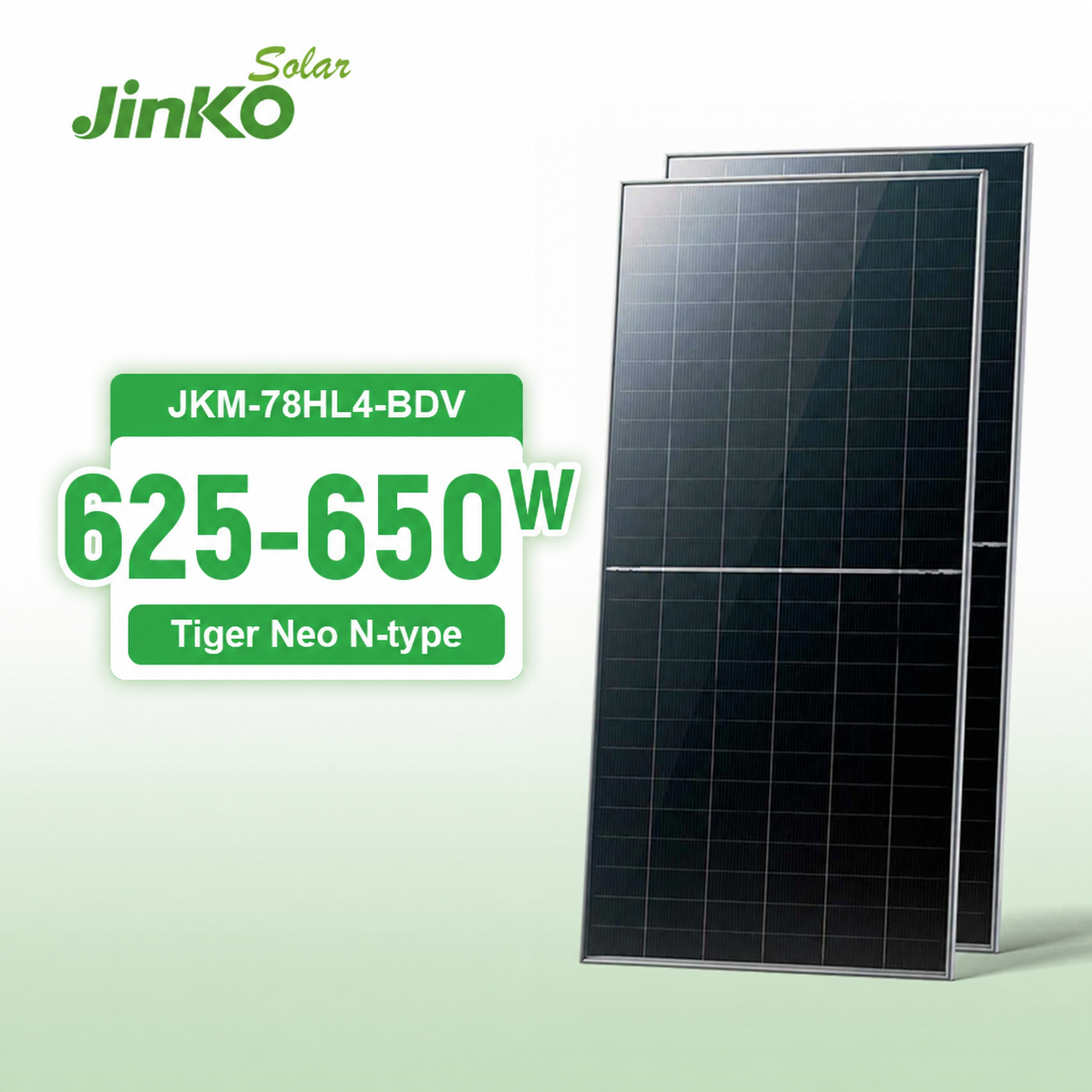
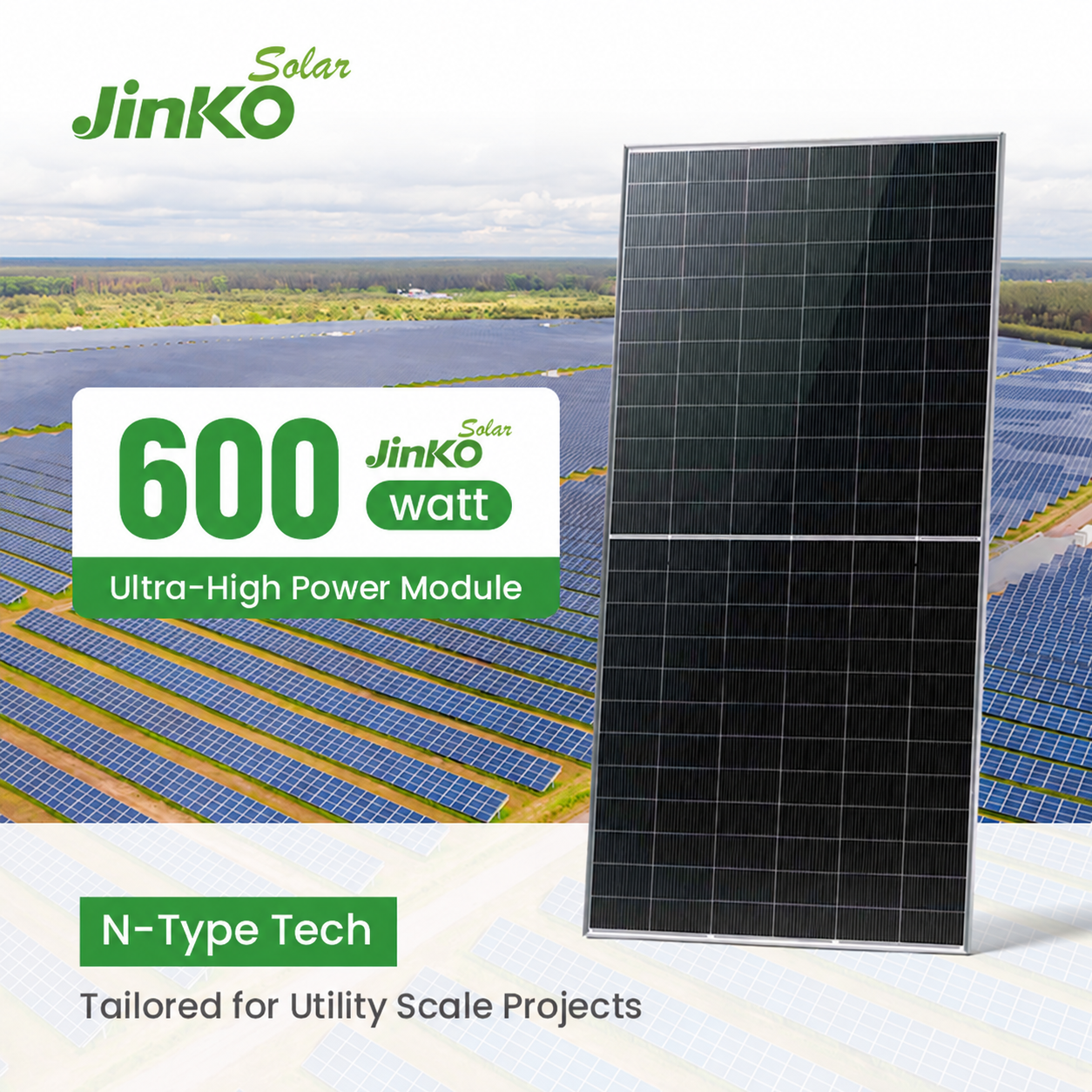
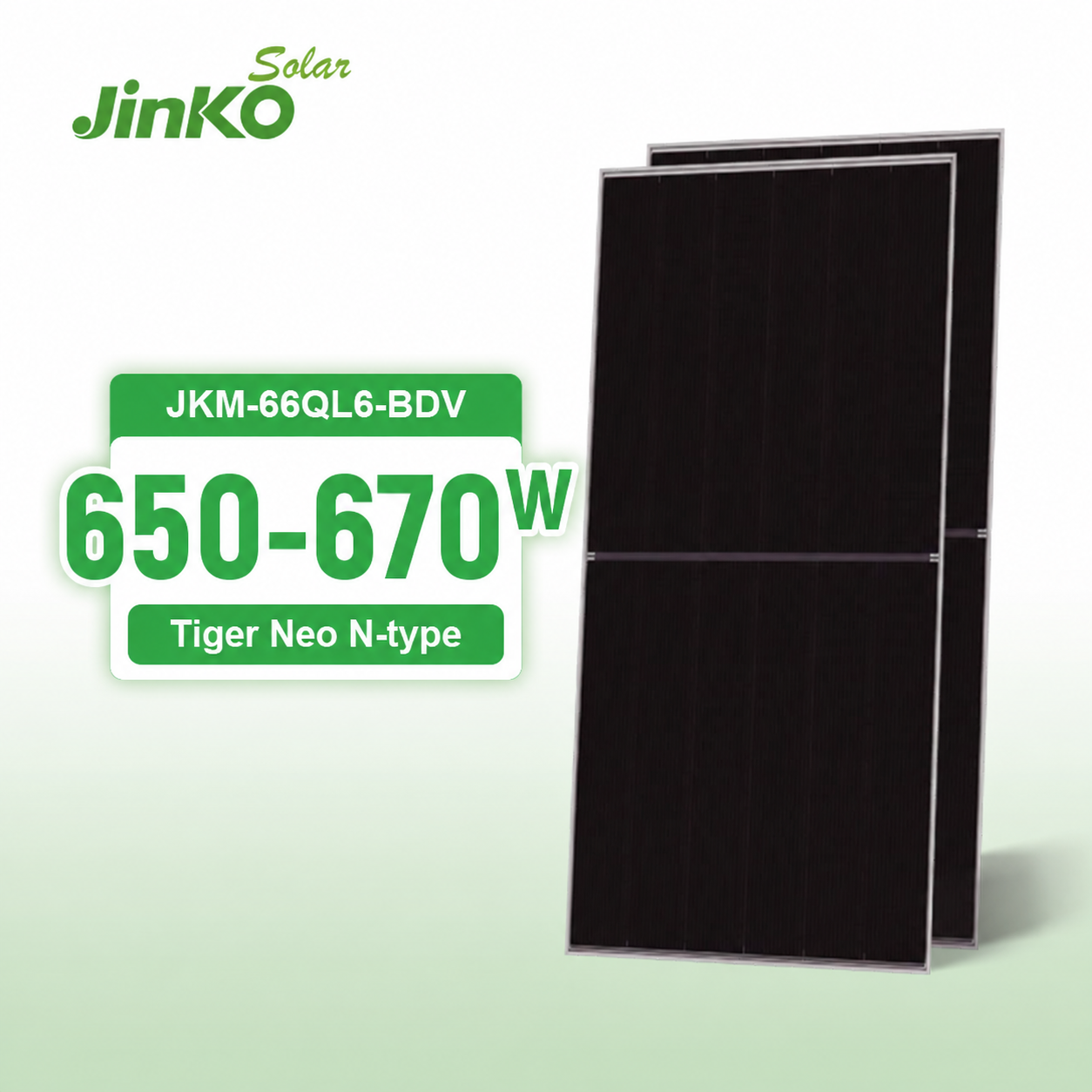
High-Efficiency Photovoltaic Modules for 200Ah Lithium Storage
A resilient energy storage system requires seamless impedance matching between generation arrays and battery banks. Our tier-1 high-wattage modules optimize charge curves for 48V/51.2V 200Ah LiFePO4 configurations across residential, commercial, and agro-industrial setups in Greater Recife.
6,000+
Deep Cycles @ 80% DoD (0.5C)
10.24kWh
Standard 51.2V 200Ah Capacity
98.5%
Round-Trip Coulombic Efficiency
IP65/C5
Marine Salinity Enclosure Grade
Technical Whitepaper
Engineering Fundamentals: Why 200Ah LiFePO4 Dominates Recife's Energy Landscape
In Northeast Brazil, solar integrators face extreme operating parameters: consistent ambient temperatures above 32°C, relative atmospheric humidity surpassing 80%, and intensive airborne chloride deposition ("maresia") along the coastal strip of Recife and Jaboatão dos Guararapes. Selecting the correct electrochemical storage architecture is a mission-critical engineering decision.
Prismatic Grade-A Cell Chemistry
Our 200Ah lithium iron phosphate (LiFePO4) energy storage packs utilize exclusively tier-1 prismatic aluminum-cased cells. Compared to cylindrical 21700 arrays or pouch structures, prismatic cells exhibit ultra-low internal resistance (≤0.35mΩ), higher structural rigidity against seismic or shipping vibration, and superior thermal dissipation across broad surface planes, completely eliminating thermal runaway risks up to 270°C.
Industrial Multi-Tier Smart BMS
Every 200Ah module integrates a dual-processor digital Battery Management System (BMS). It delivers microsecond-level threshold policing over individual cell under/over-voltage, bi-directional current surge protection, dynamic multi-point thermal monitoring (4 internal thermistors), and 1A active cell balancing. Firmware natively translates CAN 2.0B and RS485 communication protocols for immediate plug-and-play synchronization with hybrid inverters.
Anti-Corrosive Coastal Packaging
Atmospheric salinity in Recife accelerates galvanic oxidation on standard electrical contacts. Our tropical-spec 200Ah packs undergo electrostatic epoxy powder-coating on cold-rolled steel enclosures, nickel-plated copper busbars with silicone protective boots, and conformal PCB silicone coating (IPC-A-610 Class 3 compliant), preventing dendritic short-circuits caused by high ambient condensation and salt deposition.
Technical Specifications: Standard 200Ah LiFePO4 Voltage Tiers
| System Configuration | Nominal Energy | Operating Voltage | Standard Charge / Discharge | Cycle Life (25°C, 80% DoD) | Primary Brazilian Applications |
|---|---|---|---|---|---|
| 12.8V 200Ah (4S1P) | 2,560 Wh | 10.0V – 14.6V | 50A / 100A (Cont.) | > 4,500 Cycles | Marine, Telecom Node, Mobile Field Solar, RV/Vanlife |
| 25.6V 200Ah (8S1P) | 5,120 Wh | 20.0V – 29.2V | 50A / 100A (Cont.) | > 5,500 Cycles | Small Residential Backup, Off-Grid Rural Solar Lighting |
| 51.2V 200Ah (16S1P) Rack | 10,240 Wh | 40.0V – 58.4V | 100A / 150A (Peak 200A) | > 6,000 Cycles | High-End Residential Storage, Deye Hybrid Systems, C&I Peak Shaving |
| 102.4V–409.6V 200Ah High-Voltage | 20.48 – 81.92 kWh | 80V – 460V Wide Window | 100A Continuous | > 6,500 Cycles | Industrial Factories, Shopping Centers, Agro-Cold Storage |
Pernambuco Real-World Deployment
Engineered for Recife's Urban, Industrial, and Agrarian Grid Realities
The Metropolitan Region of Recife (RMR) combines high solar irradiance (averaging 5.4 to 5.9 kWh/m²/day) with unique grid challenges from utility provider Neoenergia Pernambuco. Our 200Ah energy storage systems solve specific commercial, residential, and infrastructure bottlenecks across the state.
High-End Residential
Coastal Villa Peak Shaving
In Boa Viagem, Piedade, and Reserva do Paiva, luxury residences operate heavy air conditioning loads during evening peak tariff hours (Ponta). Sized at 10.24kWh (51.2V 200Ah), our stacked rack modules store solar energy harvested during the day, discharging during expensive evening hours and providing seamless UPS power during coastal grid blackouts.
Maritime & Harbor
Cabanga Marine & Suape Vessels
Recife is renowned as the "Venice of Brazil" with dense inland waterways and yachting infrastructure at Cabanga Iate Clube. Our 12.8V and 25.6V 200Ah IP67 marine lithium batteries replace heavy lead-acid AGM banks, reducing hull weight by 65%, offering rapid recharge from onboard alternators or flexible PV, and resisting acidic salt spray.
Commercial Logistics
Suape Industrial Complex Storage
Surrounding the Port of Suape, logistics distribution hubs and cold-storage operations utilize multi-string 200Ah LiFePO4 batteries coupled with high-efficiency bifacial solar arrays. The system manages severe demand charges, absorbs grid voltage sags, and ensures cold chains remain continuous without relying entirely on costly diesel generation.
Agreste & Sertão Agro
Petrolina & Caruaru Solar Pumping
In the agricultural hinterlands of Pernambuco, water pumping for fruit orchards and poultry operations is vulnerable to weak rural feeder lines. Hybrid off-grid inverter kits paired with 51.2V 200Ah battery banks smooth out motor startup surges, providing stable 24/7 irrigation even during intermittent cloud cover or rural utility outages.
Strategic Market Intelligence
Localization Trends: The Economic Pivot to Storage in Pernambuco
Regulatory shifts under Brazilian federal law alongside strategic regional logistics make Recife the primary commercial gateway for energy storage adoption in Northeast Brazil.
Impact of Law 14.300 (Marco Legal da GD)
With the gradual phase-in of "Fio B" grid wire charges on injected solar energy under Law 14.300, net-metering margins for pure grid-tied systems in Pernambuco have compressed. Adding a 200Ah LiFePO4 storage bank allows project owners to elevate self-consumption rates from 35% to over 85%, eliminating grid injection penalties and drastically reducing reliance on utility buyback tariffs.
Port of Suape Direct Logistics Hub
Recife is anchored by the deep-water Port of Suape, one of Brazil's foremost container terminals equipped with bonded hazardous cargo storage areas. By shipping full container loads (FCL) of UN38.3 Class 9 certified 200Ah battery packs directly from Ningbo/Shanghai into Suape, regional distributors bypass costly Santos/Paranaguá overland freight, cutting transit times by up to 14 days and saving 18% in regional logistics overhead.
Inmetro & ANATEL Compliance Acceleration
Brazilian customs authorities require strict adherence to battery and safety standards (Portaria Inmetro n° 140/2022 for PV equipment and ANATEL certifications for wireless-enabled BMS). Hangzhou VOLT supplies factory-certified test reports, CE, IEC 62619, and UN38.3 dossiers, streamlining local import approvals and enabling Recife EPCs to bid on municipal and utility-grade tenders with full legal compliance.
Enterprise Manufacturing Competence
Why International Distributors Trust Hangzhou VOLT New Energy
Headquartered in Hangzhou, Zhejiang, VOLT New Energy bridges world-class manufacturing with rigorous technical verification. We don't just ship boxes; we engineer, protocol-match, and inspect integrated systems so they work flawlessly upon arrival in Recife.

Pre-Shipment Protocol Verification
The single greatest cause of installation delay in Brazil is "BMS Communication Fault" between lithium batteries and hybrid inverters. At our factory testing facility, every 200Ah battery batch is connected to Deye, Growatt, and Victron inverters over CAN and RS485 communication protocols before crating. We lock DIP switches and verify protocol handshakes so systems initialize on day one.

Export-Certified Dangerous Goods Logistics
Lithium iron phosphate batteries are classified as Class 9 Dangerous Goods (UN3480). VOLT New Energy manages full DG documentation including certified UN packaging, complete MSDS, UN38.3 test summaries, and sea-freight booking direct to the Port of Suape. We also offer consolidated container packing, combining 200Ah batteries, Jinko PV panels, and Deye inverters in single matched shipments.

Factory Engineering & Sizing Support
Our dedicated engineering department works directly with Brazilian EPC integrators. From daily load curve analysis and backup autonomy sizing to DC cable gauge recommendations and breaker ratings, we supply comprehensive electrical single-line diagrams (SLDs) and remote firmware configuration support to guarantee flawless field commissioning.
Procurement Knowledge Base
Frequently Asked Questions: Sourcing 200Ah LiFePO4 to Recife
Critical commercial, electrical, and customs guidance for solar equipment distributors, renewable energy installers, and procurement directors in Pernambuco.
Which inverter brands are natively compatible with your 51.2V 200Ah LiFePO4 packs?
Our multi-protocol BMS incorporates built-in firmware for direct CAN and RS485 communication with industry leaders widespread in Brazil, including Deye (low-voltage 3.6kW to 12kW single/three-phase), Growatt (SPF and SPH series), Victron Energy (VE.Can), GoodWe, Solis, and Must. Pin configurations, baud rates (typically 500kbps for CAN and 9600bps for RS485), and internal registers are pre-tested and flashed prior to shipment from our factory.
How does the tropical coastal environment in Recife impact 200Ah battery warranties?
Standard residential storage batteries often fail early in coastal zones like Boa Viagem due to salt-air corrosion attacking unprotected terminals and circuit boards. Our Brazilian-market configurations utilize IP54 to IP65 sealed enclosures, dual-layer PCB conformal varnish, insulated copper busbars, and gold/nickel-plated communication terminals that pass rigorous 1,000-hour ASTM B117 neutral salt spray testing, maintaining our comprehensive 5 to 10-year factory performance warranty intact.
Can 200Ah LiFePO4 modules be paralleled to expand storage for commercial applications?
Yes. Our 51.2V 200Ah rack-mount and wall-mount units feature automated master-slave address assignment through DIP switch configurations or auto-addressing BMS firmware. Up to 15 to 32 modules can be paralleled simultaneously without requiring external controller hubs, scaling total energy capacity up to 327.6 kWh on a single low-voltage DC bus bar for commercial warehouses, private clinics, and rural agro-estates.
What are the import procedures, port clearance steps, and freight terms for the Port of Suape?
We offer FOB China ports, CIF Suape (Recife), and DDP logistics coordination. Because LiFePO4 batteries are UN3480 Class 9 dangerous goods, we issue full maritime documentation: Bill of Lading (B/L) with accurate DG declarations, UN38.3 test protocols, Certificate of Analysis (COA), and bilingual MSDS. For buyers operating under the ICMS incentive programs in Pernambuco or utilizing trading companies in Suape's dry port (CLIA), we coordinate container releases with certified local customs brokers (Despachantes Aduaneiros).
Why choose a 51.2V 200Ah lithium battery over a traditional 200Ah deep-cycle GEL bank?
While deep-cycle GEL batteries have lower upfront purchase costs, they only allow 50% usable depth of discharge (DoD) without severe plate degradation, requiring a 400Ah GEL bank to yield the same usable energy as one 200Ah LiFePO4 battery (which safely operates at 80–90% DoD). Furthermore, LiFePO4 offers >6,000 cycles versus 1,200 for GEL, weighs 70% less, charges 4 times faster without terminal boiling under tropical temperatures, and yields a Levelized Cost of Storage (LCOS) roughly 60% lower over a 10-year operational lifecycle.
Partner with a Proven 200Ah LiFePO4 Manufacturer for Recife
Whether you require full container load (FCL) OEM battery supply delivered to the Port of Suape or pre-engineered solar storage packages complete with high-efficiency PV modules and Deye hybrid inverters, our engineering team is ready to assist your project sizing and quotation.
Contact Us