Featured Photovoltaic Modules & Engineered Packages for Caracas
Direct factory allocation of Tier-1 N-type monocrystalline and bifacial dual-glass modules engineered for high ambient temperatures, mountain microclimates, and off-grid stability across Venezuela.
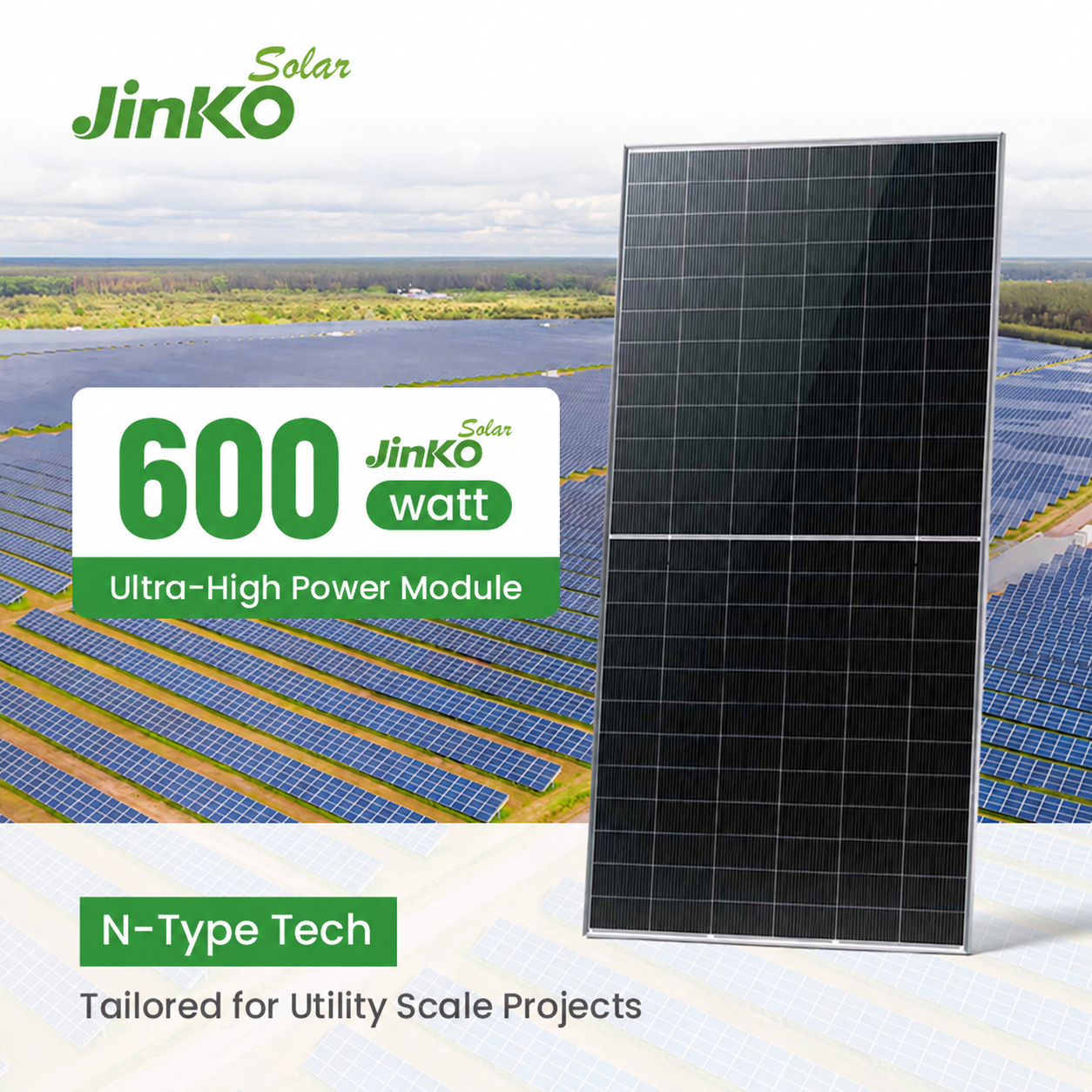
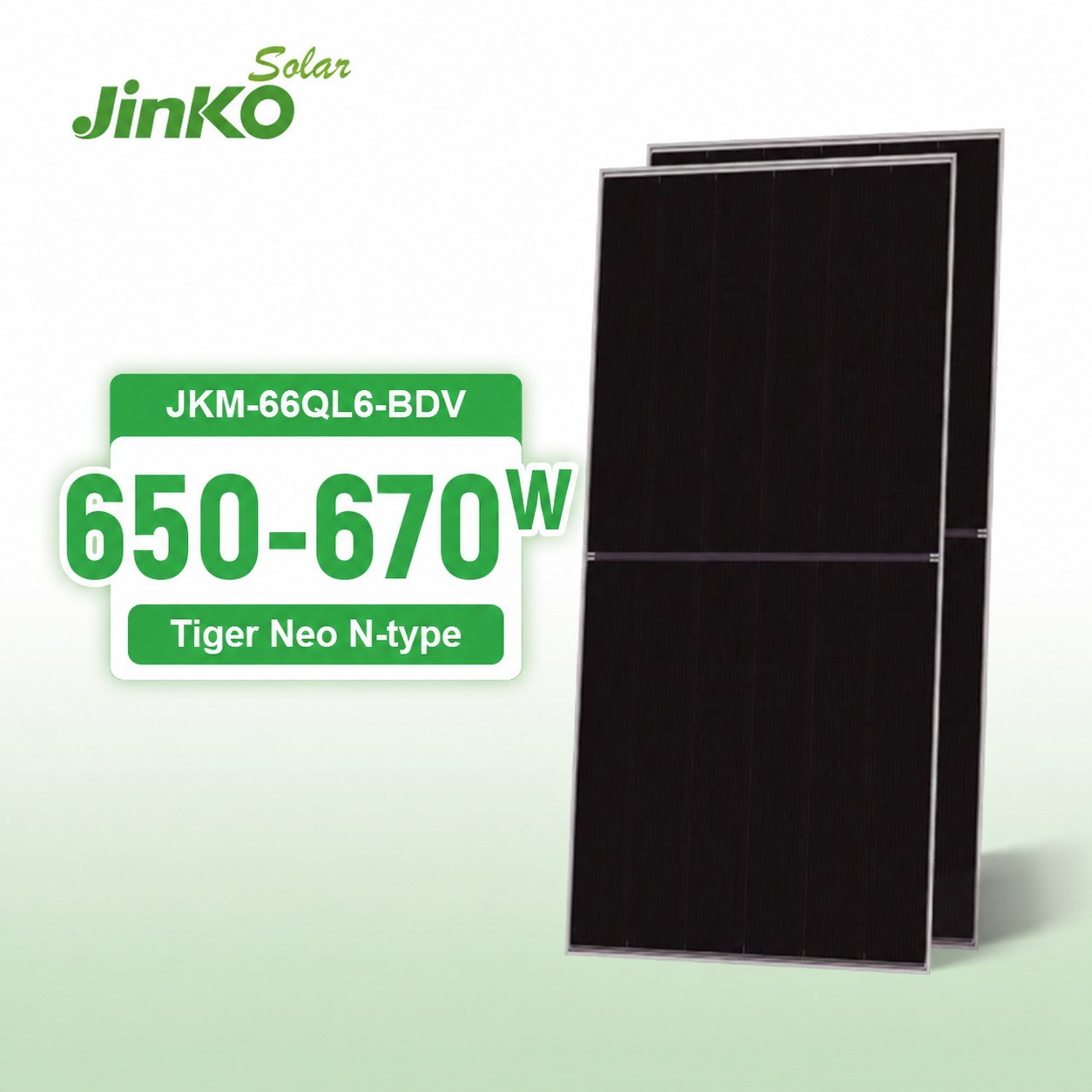
Jinko N-Type 650W-670W Bifacial Dual Glass Panel for Industrial
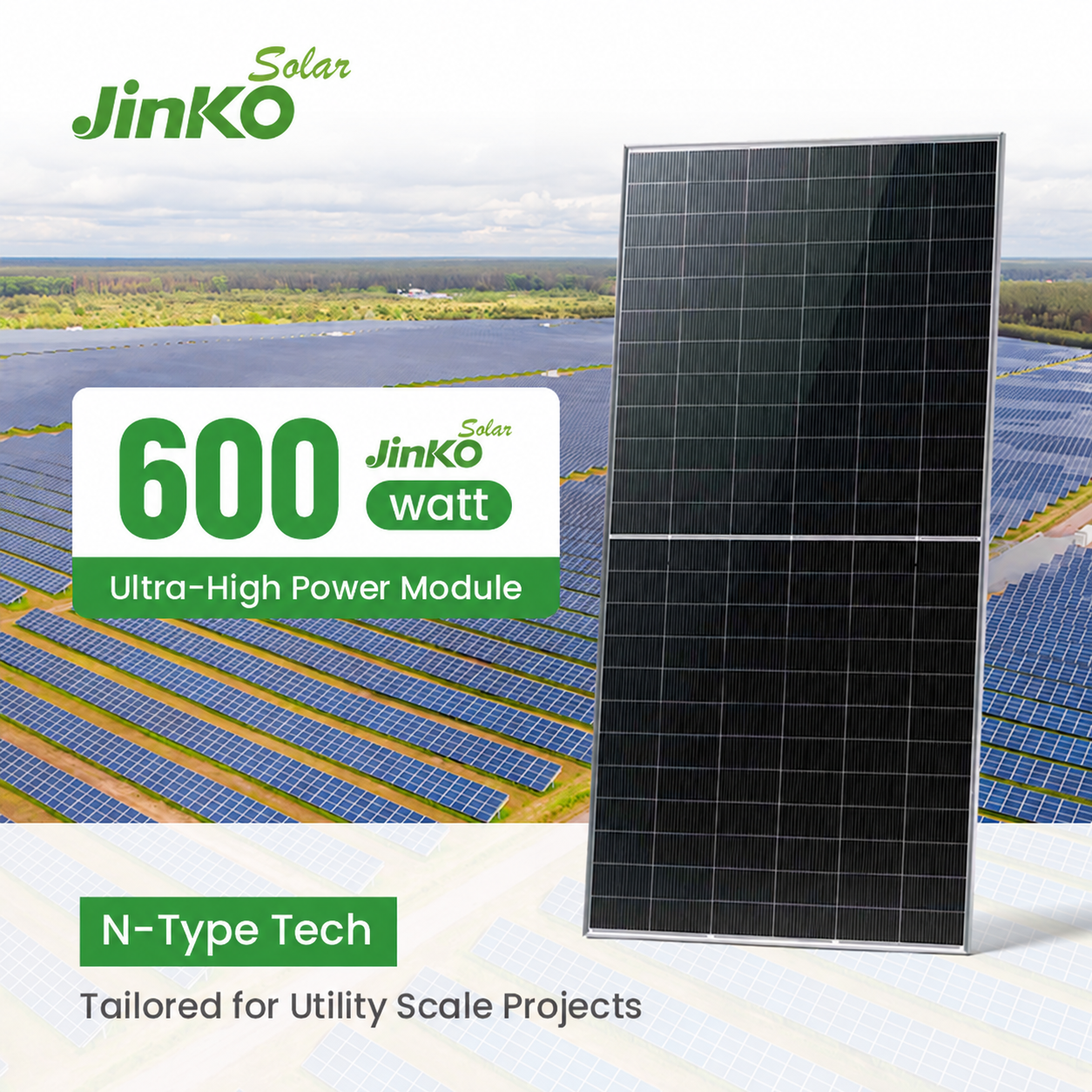
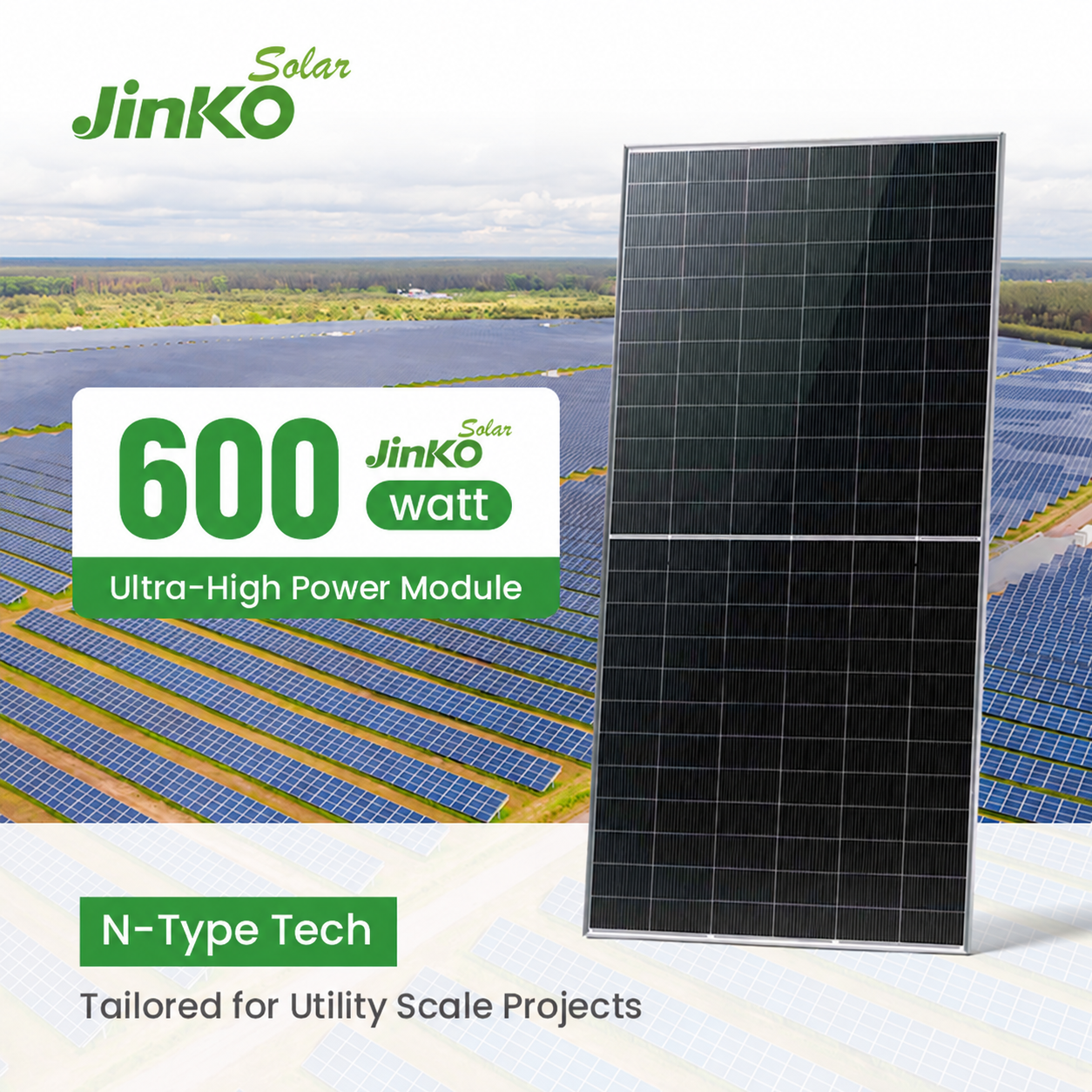
Jinko 585W-600W Bifacial Monocrystalline Solar Module for Home
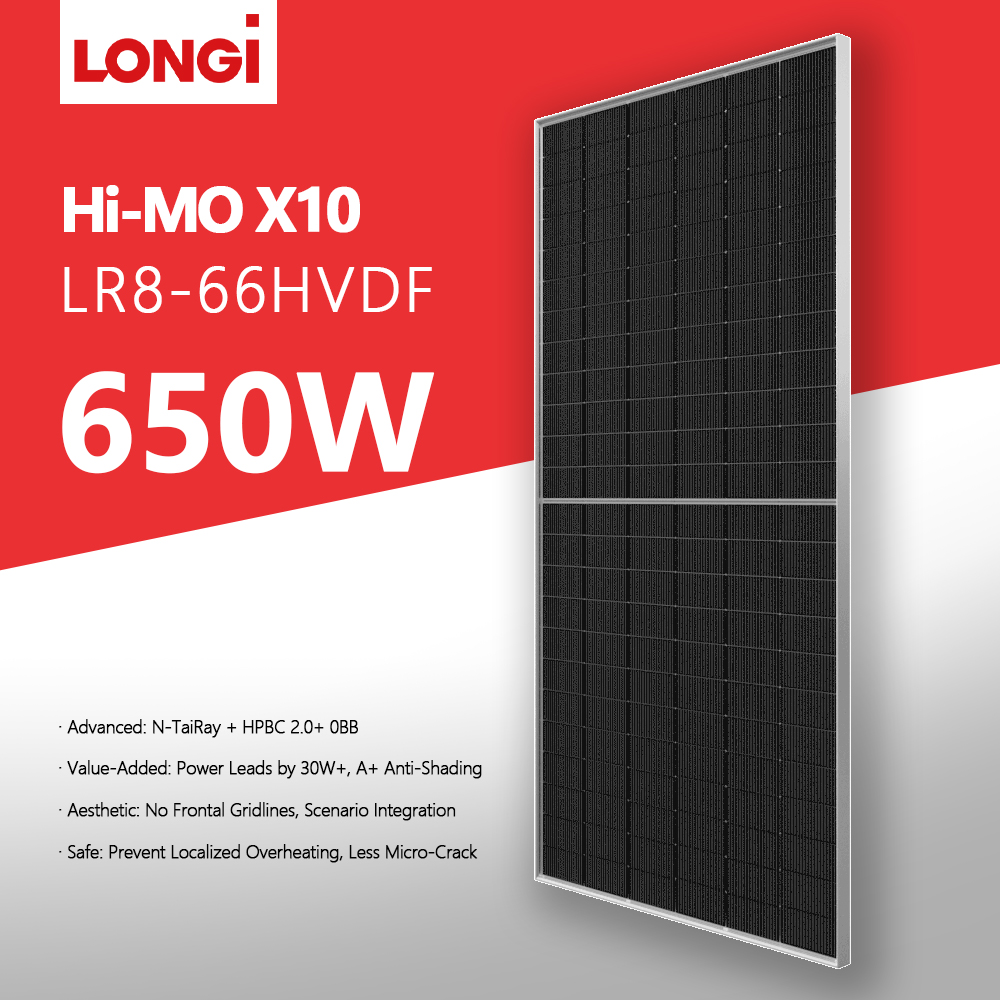
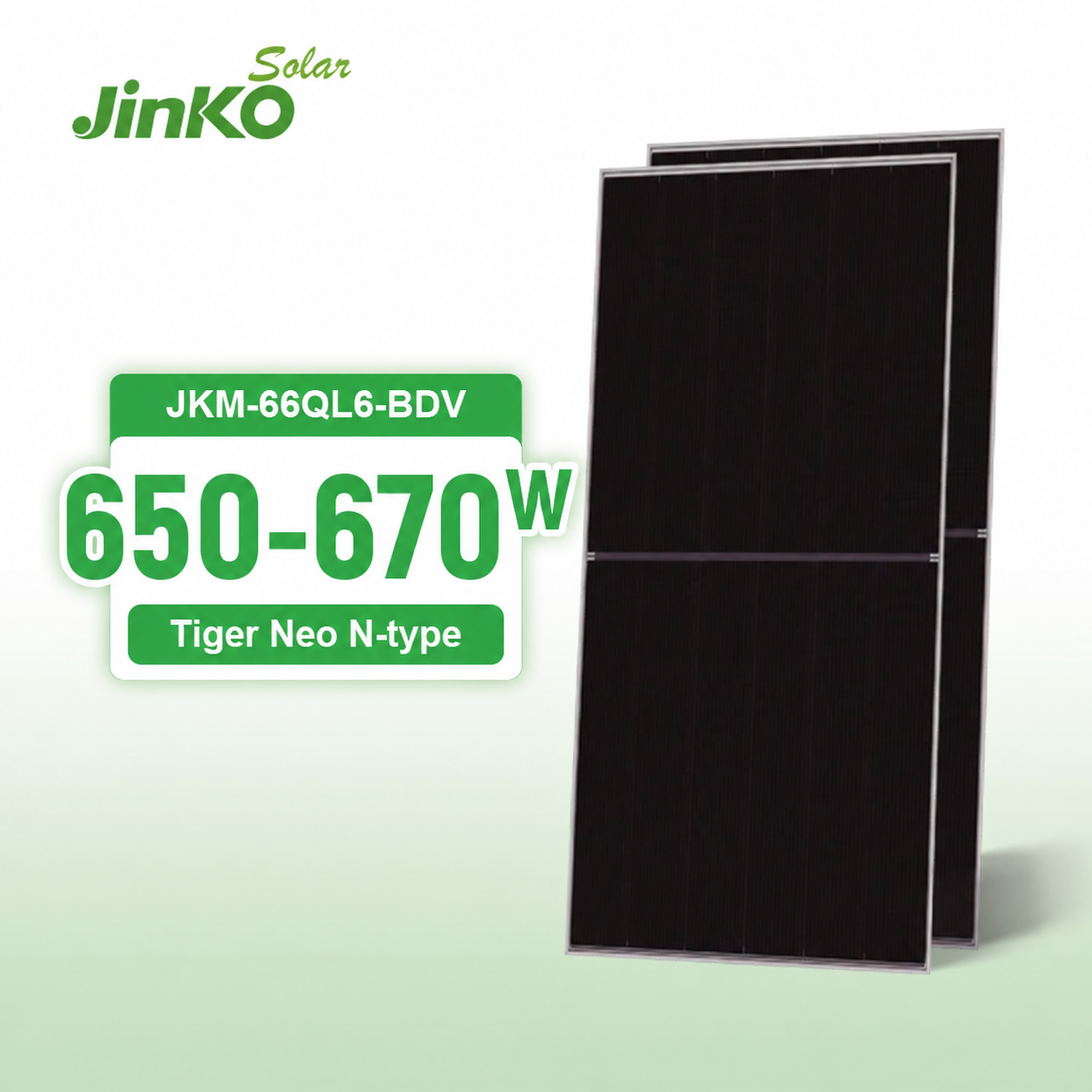
Jinko TOPCon 650W-670W Bifacial Paneles Solares for PV Farm
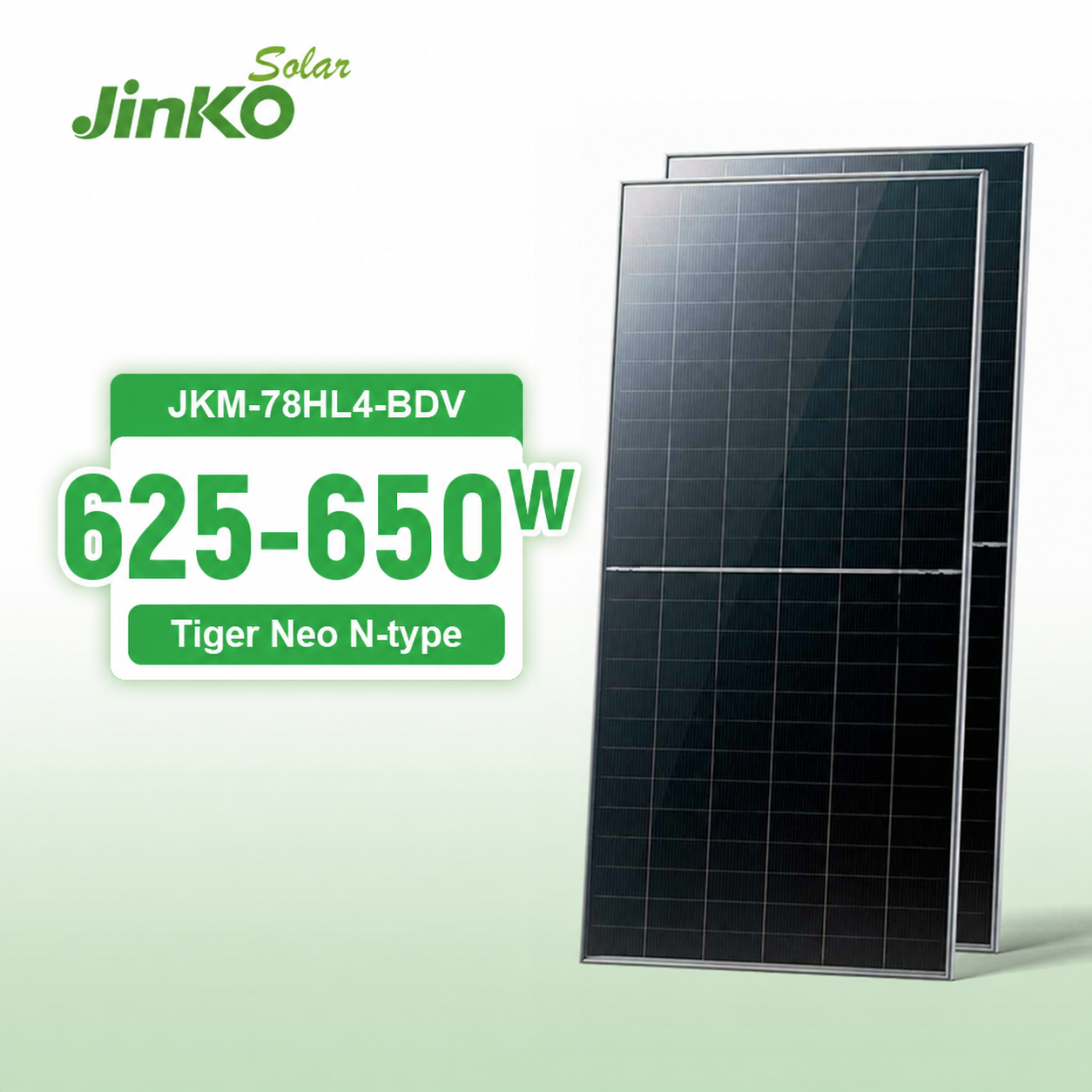
Jinko 625W-645W Double Glass N-Type Solar Panel for Farms
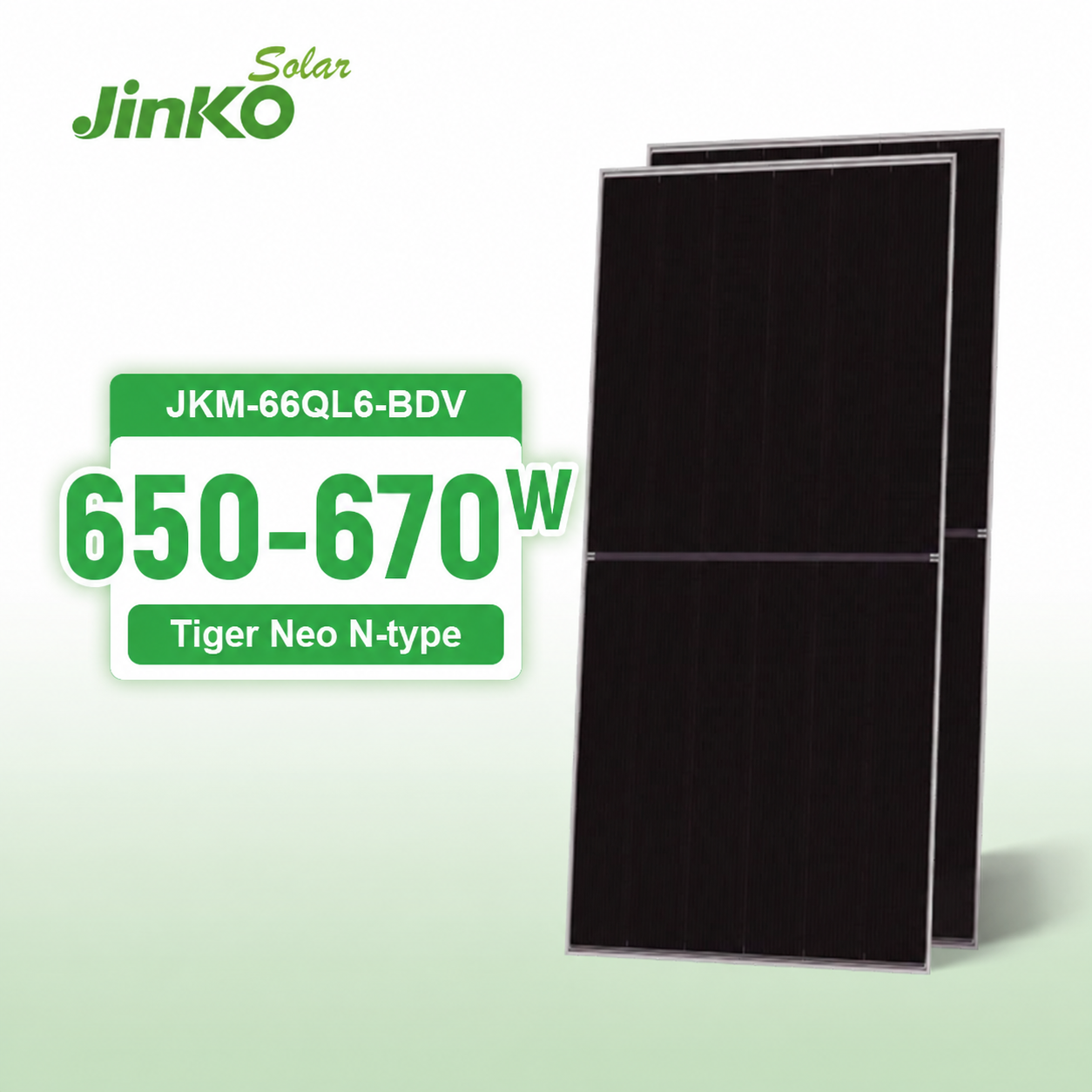
Jinko N-Type 650W-670W TOPCon High Efficiency Module for Roof
Navigating Caracas’ Energy Matrix: Grid Instability, High Insolation, and Decentralized Autonomy
The Metropolitan District of Caracas presents an urgent and highly specialized operating environment for solar energy systems. Historically reliant on the distant Guri Hydroelectric Power Plant via long, congested 765 kV transmission lines traversing hundreds of kilometers of rugged Venezuelan terrain, the capital city faces structural vulnerability. Voltage sags, rolling brownouts, and frequency fluctuations frequently compromise industrial processing lines in Los Ruices and La Yaguara, commercial towers in Chacao and Las Mercedes, and residential communities throughout the Baruta and El Hatillo hillsides.
In response, solar photovoltaic (PV) generation coupled with lithium energy storage has transformed from an experimental clean-energy option into an indispensable operational survival asset. When commercial buyers and engineering, procurement, and construction (EPC) contractors in Caracas seek "Canadian Solar panel factories and reliable tier-1 photovoltaic suppliers," their primary intent is clear: they demand certified tier-1 grade solar modules that deliver guaranteed nameplate wattage under intense tropical UV, combined with seamless compatibility with hybrid split-phase inverters and high-density energy storage systems.
Technical Reality for Caracas Systems: Solar radiation in the Caracas valley averages 5.1 to 5.7 peak sun hours (PSH) per square meter daily. However, the mountainous valley geography creates distinct microclimates—intense midday solar irradiance quickly followed by rapid cloud ingress, afternoon tropical downpours, and ambient rooftop temperatures reaching 45°C. Systems engineered with inferior polycrystalline or substandard PERC cells experience severe thermal derating and accelerated potential-induced degradation (PID). Tier-1 N-Type TOPCon and dual-glass bifacial modules resolve these operational failures by maintaining industry-leading temperature coefficients (-0.29%/°C to -0.30%/°C) and impermeable glass-to-glass moisture seals.
Hangzhou VOLT New Energy Technology Co., Ltd. serves this vital supply corridor by providing institutional buyers, wholesalers, and project developers in Caracas with direct factory-tier access to world-class photovoltaic modules, including high-power TOPCon series from leading Tier-1 makers such as Canadian Solar, Jinko, and LONGi, alongside factory-matched Deye hybrid inverters and our proprietary LFP (Lithium Iron Phosphate) battery banks.
| Module Architecture | Cell Technology | Temp. Coefficient (Pmax) | Bifaciality Factor | Caracas Valley Performance Index |
|---|---|---|---|---|
| Standard P-Type PERC Mono | 166mm / 182mm Half-Cut | -0.35% / °C | 70% ± 5% | Sub-optimal; significant yield loss during Caracas 40°C+ ambient roof events |
| N-Type TOPCon Dual Glass | 182mm / 210mm SMBB | -0.29% / °C | 80% ± 5% | Optimal Benchmark; minimal thermal loss, resilient against tropical humidity and morning mist |
| HJT (Heterojunction) Dual Glass | 210mm Ultra-Thin Wafer | -0.26% / °C | 85% ± 5% | High energy yield, premium Capex; ideal for space-constrained urban commercial rooftops |
| Monofacial Glass-Backsheet | Standard Mono PERC | -0.36% / °C | 0% (Monofacial) | Prone to backsheet moisture permeability in rainy season; higher PID probability |
Engineering-Grade PV Deployments Across Greater Caracas
Solar systems in Caracas must interface with non-standard local grid conditions, split-phase 120V/240V configurations, and extreme localized variations in elevation and wind shear.
Chacao & Las Mercedes Commercial Hubs
Financial institutions, retail complexes, and boutique hotels in Chacao and Baruta deploy 600W+ bifacial modules paired with three-phase Deye hybrid inverters. These installations dramatically curb reliance on diesel generators, eliminate power switchover dips that corrupt IT infrastructure, and capture ambient albedo reflection from white elastomeric roof coatings.
ROI: 2.8 - 3.4 YearsGuarenas-Guatire & La Yaguara Industrial Plants
Heavy manufacturing, plastic extrusion, and cold-chain distribution centers require megawatt-scale rooftop PV arrays. Factory-direct 650W to 670W N-type high-efficiency modules provide stable power during daytime grid shedding, ensuring refrigeration units and CNC motors operate without catastrophic phase-loss shutdowns.
Cold-Chain ProtectionBaruta & El Hatillo Hillside Residential Estates
Private residences situated in high-elevation residential zones like El Hatillo and Alto Prado experience frequent overhead line breaks due to fallen vegetation during rainy spells. Turnkey 10kW to 15kW split-phase hybrid packages featuring 585W–600W modules and stackable 51.2V LFP batteries deliver quiet, uninterrupted off-grid autonomy.
120V/240V Split-PhaseCerro El Ávila & Remote Telecom Base Stations
Repeater stations and critical municipal transmission towers perched along Waraira Repano (Cerro El Ávila) face dense mist, high wind loads (up to 2400 Pa front/5400 Pa mechanical load), and zero access to conventional utility wiring. Dual-glass framed modules with IP68 junction boxes guarantee continuous 24/7 mission-critical uptime.
Extreme Weather ResilientKey Trajectories Shaping the Venezuelan Solar & Storage Industry
A comprehensive look at economic restructuring, decentralized microgrids, and the structural pivot toward direct factory containerized procurement.
Dollarized Energy Economics
With Venezuelan industrial electricity subsidies diminishing and private diesel generator maintenance exceeding $0.38 per kWh in true operational expenditure (fuel, lubricant cycles, overhaul intervals), commercial capital expenditure is gravitating decisively toward solar PV. Levelized cost of energy (LCOE) with VOLT-supplied tier-1 systems falls beneath $0.052 per kWh over a 25-year lifecycle.
Consolidated Mixed Container Freight
Individual equipment importation involves heavy logistical overhead at Puerto Cabello and La Guaira. Smart B2B buyers no longer import standalone components from disparate sources. The trend is firmly centered on consolidated mixed containers holding 600W+ panels, matched Deye inverters, pre-programmed LiFePO4 batteries, and Class 9 dangerous goods certified shipping documents in one unified bill of lading.
Transition from GEL to LFP Chemistry
Historically, deep-cycle GEL batteries were widely utilized throughout Venezuela due to simple logistics. However, frequent deep-discharge events (100% DOD) caused by daily Caracas outages exhaust GEL batteries in fewer than 400–600 cycles (12–18 months). Venezuelan EPCs are overwhelmingly upgrading to 6,000-cycle Lithium Iron Phosphate (LiFePO4) systems with CAN/RS485 closed-loop communication.
Why Caracas EPCs & Wholesalers Partner with VOLT New Energy
Hangzhou VOLT New Energy Technology Co., Ltd. eliminates systemic procurement risks through pre-shipment engineering, factory verification, and turnkey logistical support.
Verified BMS Compatibility
Every hybrid inverter and LFP battery unit undergoes dual bench-testing before departing China. We pre-flash the exact communication protocols (CAN / RS485) and configure pinouts, preventing the widespread "BMS Error 04" that stalls installations on Venezuelan job sites.
Tier-1 Flash Testing & EL QC
We ensure that Canadian Solar, Jinko, and LONGi modules carry genuine tier-1 batch serial numbers, zero micro-cracks under factory Electroluminescence (EL) inspection, and strict positive power tolerance (+0 to +5W) verified on automated flash-test reports.
Hazardous Cargo Maritime Mastery
Lithium iron phosphate storage involves strict maritime compliance. VOLT manages complete UN38.3 testing, MSDS certifications, and Class 9 Dangerous Goods packaging, ensuring smooth transshipment to Puerto Cabello or La Guaira without customs seizures.
Custom System Engineering
Our Hangzhou engineering team analyzes your clients' specific single-line diagrams, daily load charts (kWh), motor surge ratings, and Caracas roof tilt orientations, delivering complete system sizing and wiring schematics within 24 working hours.
Engineering Photovoltaic Reliability: Resisting Humidity, Albedo Optimization, and Voltage Transients
Designing photovoltaic systems for Caracas requires accounting for operational conditions distinct from temperate or purely desert environments. The city's elevation (roughly 900 to 1,000 meters above sea level) provides moderate ambient temperatures compared to coastal Maracaibo, yet it subjects solar panels to heightened ultraviolet (UV) radiation indices (frequently UV 11+). Conventional EVA encapsulants and lower-grade backsheets succumb rapidly to photo-thermal yellowing, delamination, and subsequent dielectric breakdown under this intensity.
1. Dual-Glass vs. Single-Glass Backsheet in High-Humidity Valleys
During the rainy season (May through November), Caracas experiences high relative humidity alongside sudden afternoon rainfall. When single-glass modules with polymer backsheets are employed, water vapor can permeate the backing foil over time, causing acetic acid accumulation within EVA-encapsulated laminate stacks. This catalyzes accelerated Potential Induced Degradation (PID), draining system string voltages. Dual-glass modules (2.0mm front + 2.0mm rear heat-strengthened glass) offer total hermetic sealing, completely arresting moisture ingress and securing 30-year linear performance warranties with annual degradation rates under 0.40%.
2. Split-Phase Voltage Harmonization and Surge Suppression
A widespread challenge in Caracas residential and light commercial infrastructure is the prevalence of single-phase 120V / split-phase 240V utility drops originating from aging pole transformers. When the national grid fails or re-energizes, massive voltage spikes (transients exceeding 450V) sweep down the line. A correctly engineered solar storage system must incorporate robust Type II AC and DC surge protection devices (SPDs), fast 4ms to 10ms automatic transfer switches (ATS), and low-frequency or high-frequency hybrid inverters capable of delivering 100% unbalanced loads across phase legs without frequency instability.
3. Albedo Yields on Industrial Roof Surfaces
For commercial roofs across Los Cortijos, Boleíta, and La Yaguara, installing bifacial modules on tilted ballasted racking yields significant performance bonuses. With an albedo coefficient of 0.45 to 0.60 achieved via standard reflective roof paint, bifacial modules deliver an additional 12% to 22% backside energy harvest. This directly offsets the high initial fixed costs of structural roof reinforcing and DC balance-of-system (BOS) components.
Frequently Asked Questions for Caracas B2B Solar Sourcing
Direct answers to the most common questions raised by Venezuelan distributors, contractors, and corporate procurement directors.
Can we import Canadian Solar, Jinko, and LONGi panels in mixed containers with inverters and batteries?
What maritime shipping ports and transit times apply for shipments bound for Caracas?
How do Tier-1 N-Type TOPCon panels compare to older polycrystalline modules in Caracas?
How do your systems handle the unstable 120V/240V split-phase grid in Caracas?
What warranties are provided, and how are replacement claims handled in Venezuela?
Can Canadian Solar / Jinko modules withstand the high wind shear along the Avila mountain ridge?
Accelerate Your Caracas Solar Projects with Direct Factory Supply
Whether you are developing a megawatt commercial rooftop in Guarenas, outfitting an emergency hospital backup system in Chacao, or distributing container loads across Venezuela, VOLT New Energy delivers pre-engineered, factory-matched solar and energy storage systems directly from China.