Navigating Chilean Solar Procurement: High-Yield PV Modules & Integrated BESS Systems
Chile represents the benchmark solar market across Latin America, boasting world-record direct normal irradiance (DNI) exceeding 3,000 kWh/m²/year in the Atacama region alongside sophisticated distributed generation frameworks like the Pequeños Medios de Generación Distribuida (PMGD D.S. 88). However, deploying photovoltaic assets in this territory requires module designs capable of enduring extreme diurnal temperature swings, severe ultraviolet exposure (UV index > 11), persistent abrasive dust, and intense seismic activity under Chilean Standard NCh433.
International engineering procurement contractors (EPCs), Chilean project developers, and renewable energy distributors increasingly evaluate tier-1 manufacturing hubs and consolidated export partners capable of delivering Canadian Solar, Jinko Solar, and LONGi Solar technologies with matched energy storage architectures. Procuring solar panels for the Chilean National Electric System (SEN - Sistema Eléctrico Nacional) requires more than standard factory testing; it demands high bifaciality ratings (>80%), ultra-low temperature coefficients, reinforced 2.0mm dual-glass encapsulation, and certified interoperability with commercial hybrid inverters and low-voltage LFP storage banks.
Strategic Procurement Notice for Chile EPCs & Developers:
Hangzhou VOLT New Energy works directly with tier-1 PV module production pipelines and hybrid inverter factories to supply certified photovoltaic arrays alongside Deye multi-phase inverters and high-density LiFePO4 battery storage. Our pre-shipment communication checks, UN38.3 Class 9 DG logistics handling, and direct consolidation for Puerto Valparaíso, San Antonio, and Iquique eliminate transit delays and on-site integration failures.
Recommended Tier-1 PV Modules & Commercial Hybrid ESS for Chile
Engineered for extreme desert irradiance, agricultural agrivoltaic arrays, and C&I rooftop installations throughout the Chilean market.
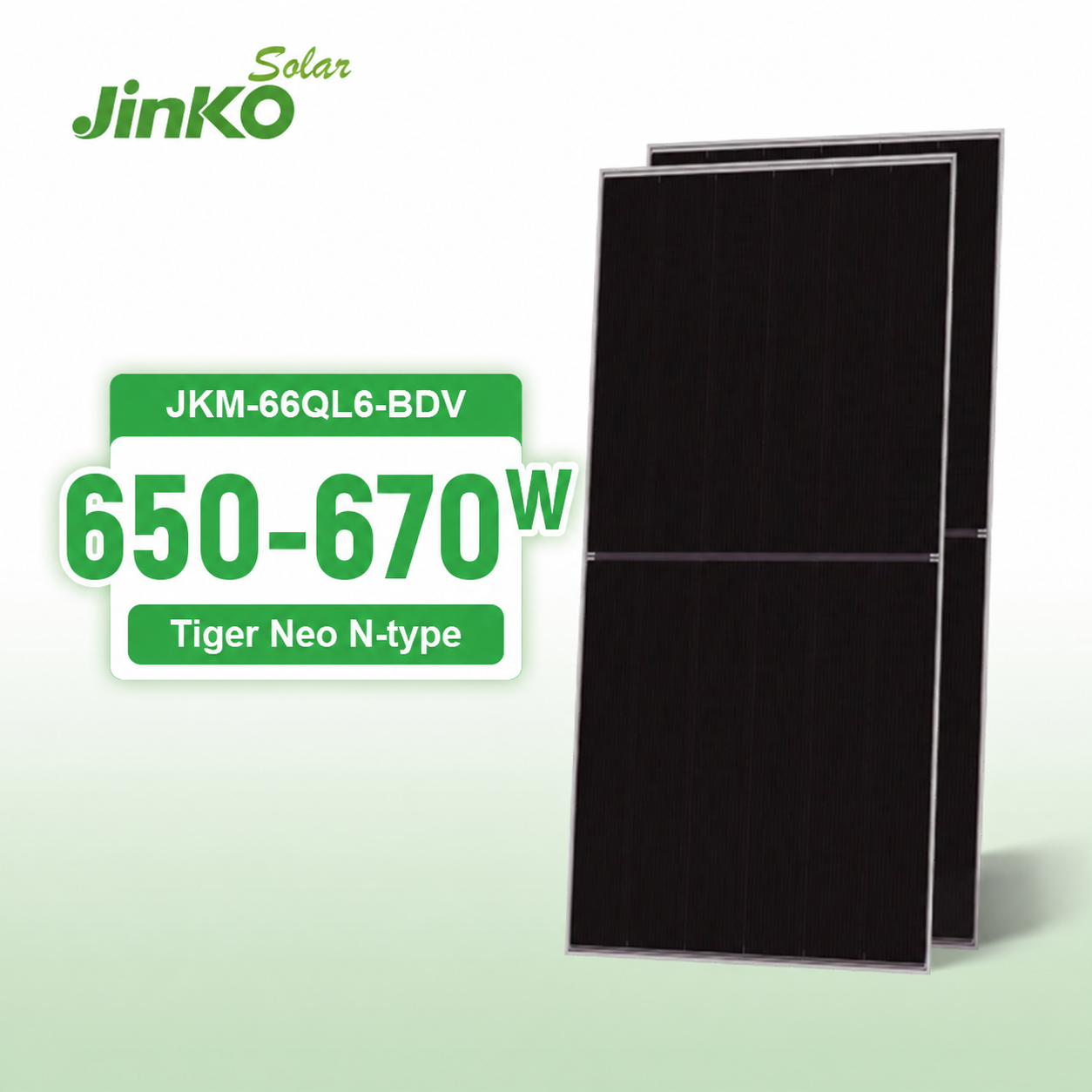
Jinko Wholesale PV Modules 650W-670W Bifacial N-Type for Farm
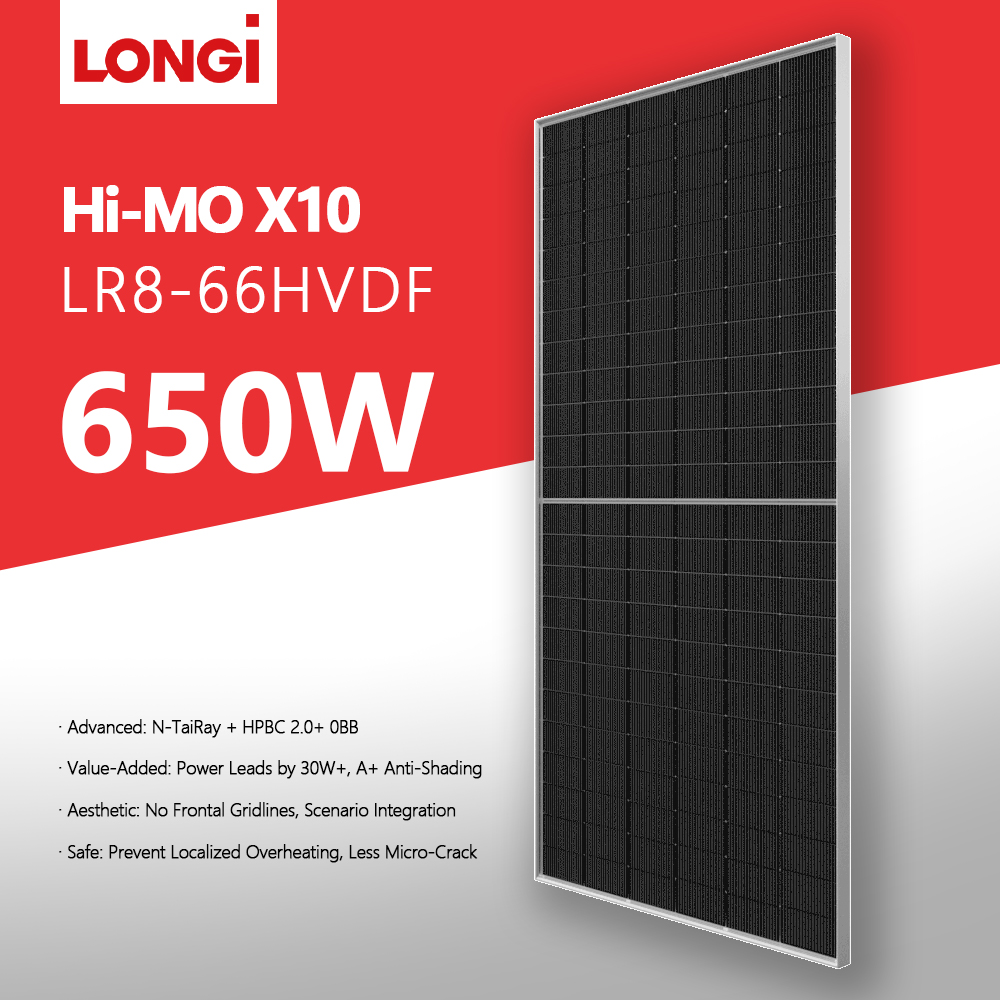
Commercial Grade LONGI 650W N-Type Module with Inverter System
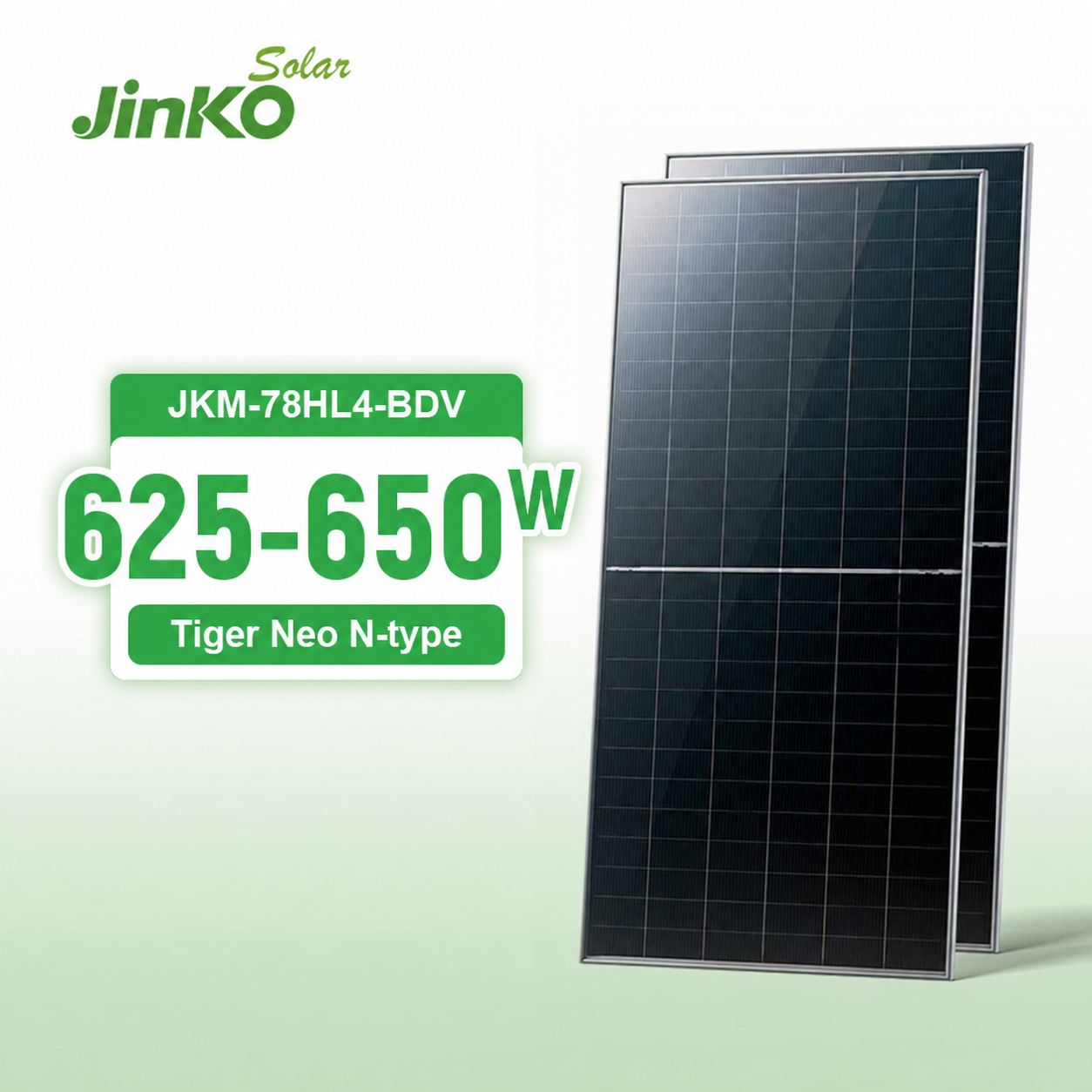
Jinko N-Type Bifacial PV Modules 625W-635W Double Glass Stock
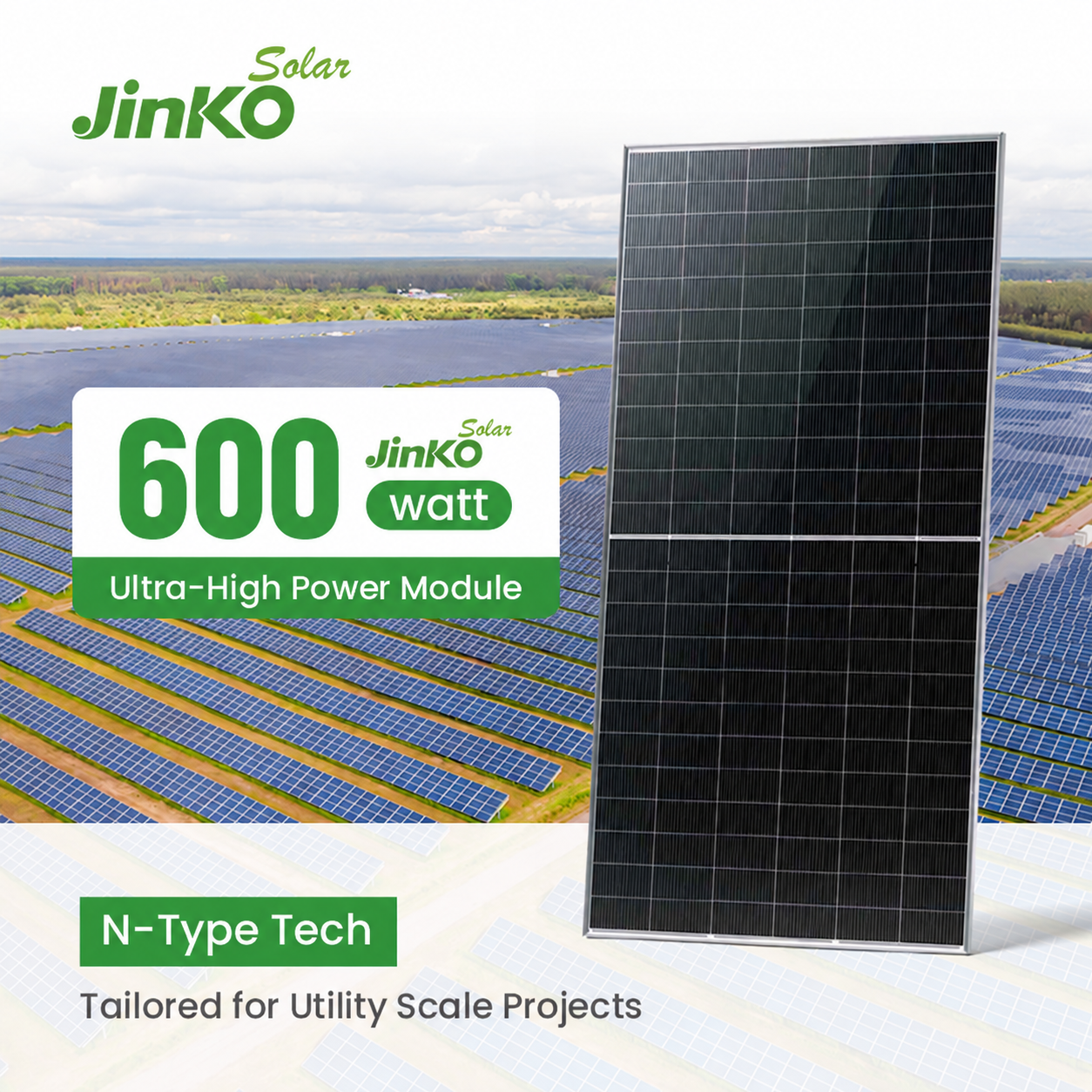
Jinko N-Type Bifacial TOPCon 575W-590W Modules for Home & Villa
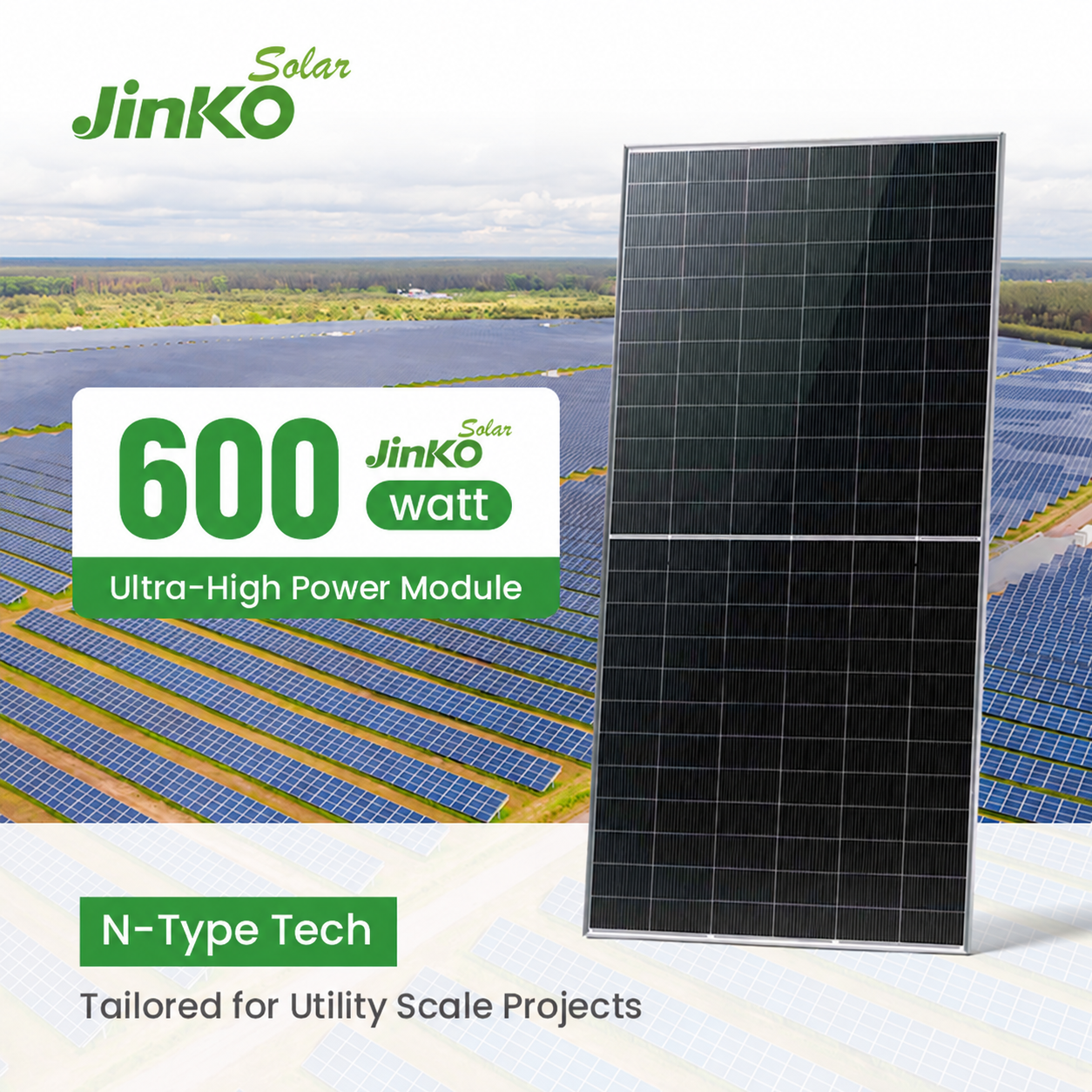
Jinko N-Type Bifacial 580W-600W TOPCon Double Glass Module
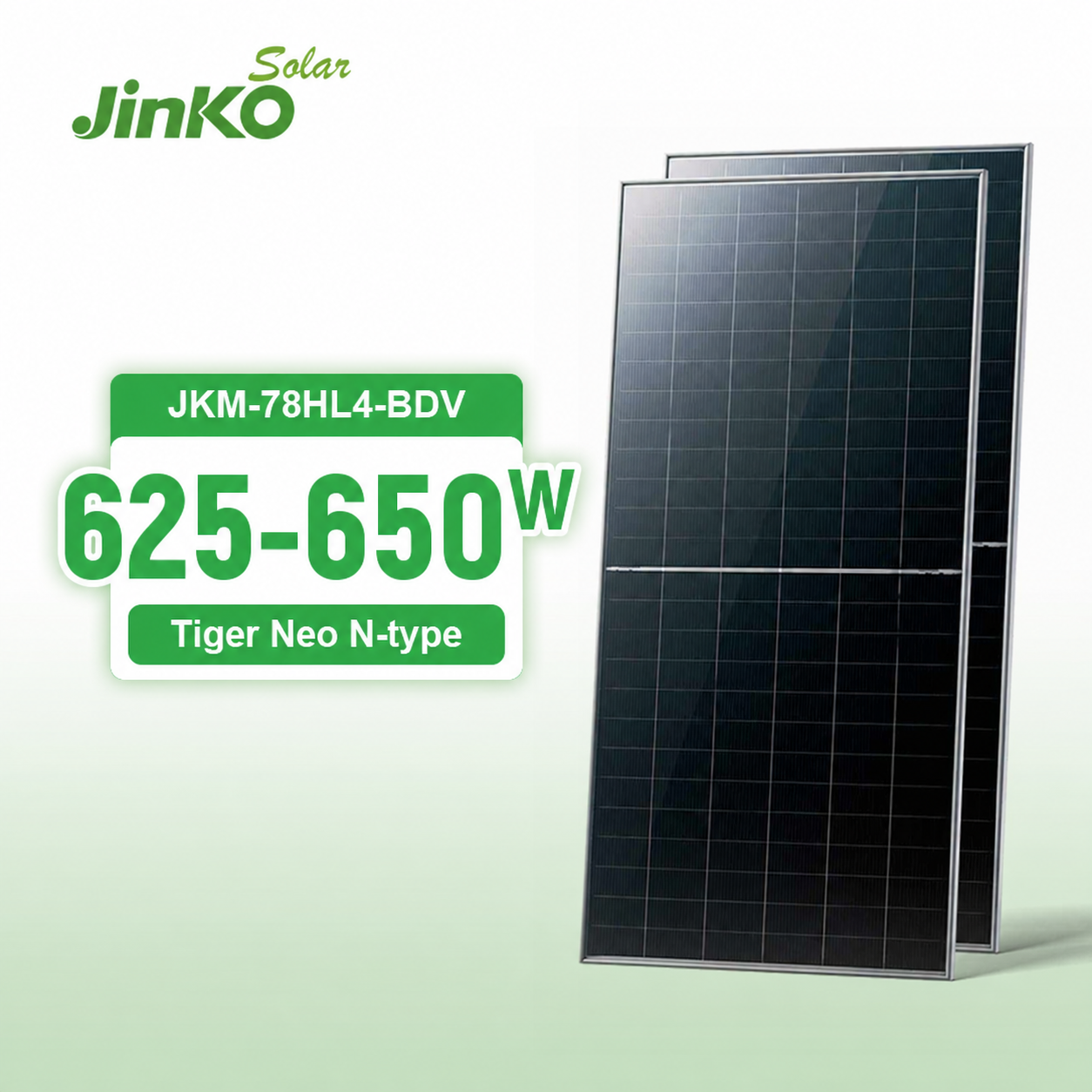
Jinko N-Type Bifacial 625W-650W PV Module for Commercial
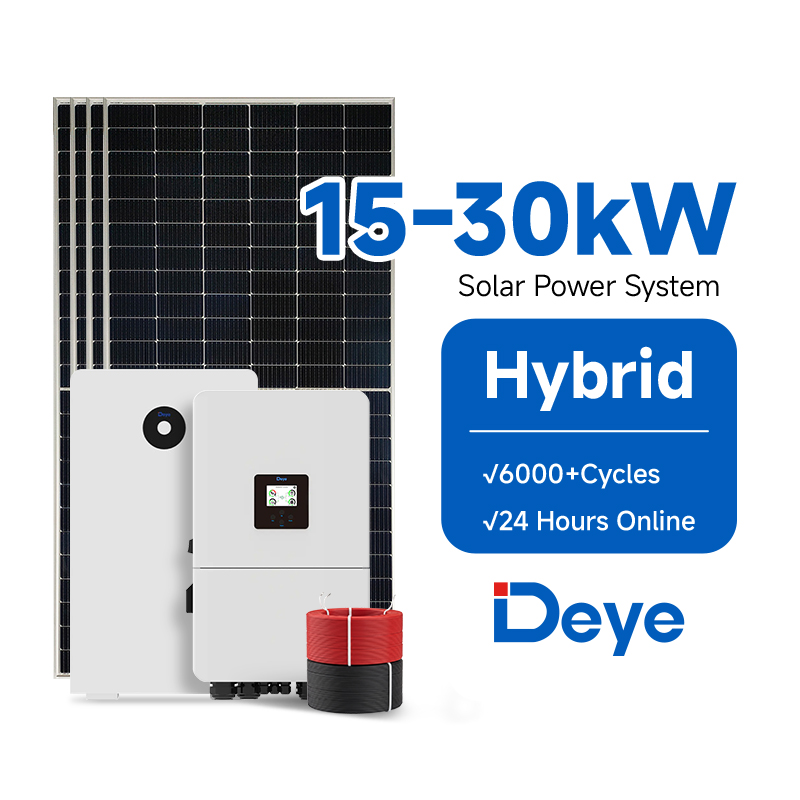
Low DC Voltage Battery Support Deye Hybrid Inverter ESS 5kW-30kW
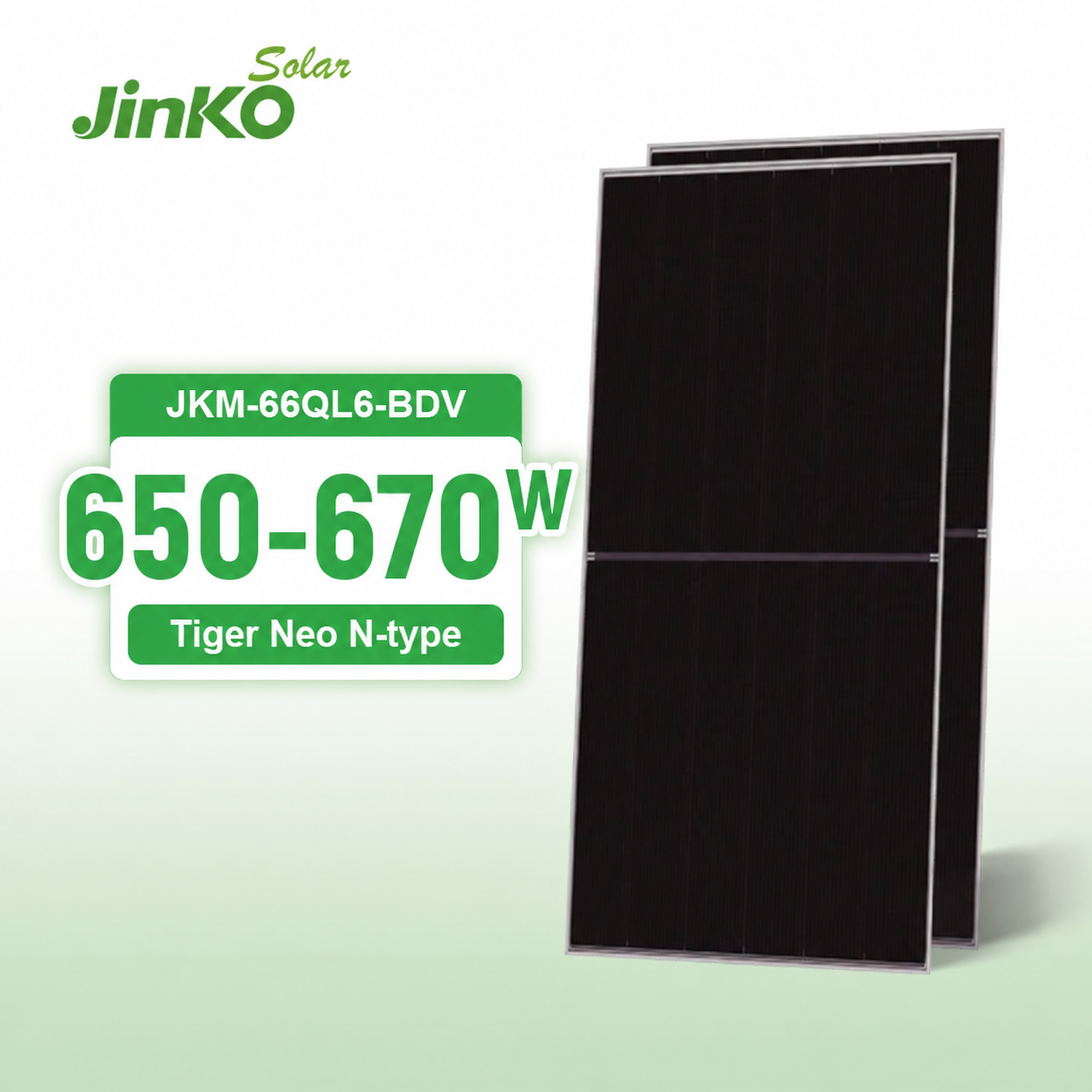
Jinko TOPCon Bifacial Paneles Solares 650W-670W for Solar Farm
Targeted Chilean Application Scenarios & Environmental Adaptation
Chile spans over 4,300 kilometers across diverse climatic zones. Sourcing solar equipment requires addressing exact regional constraints.
Atacama Utility PMGD & Ground Plants
In regions such as Antofagasta, Calama, and Copiapó, ambient radiation is the highest globally, but daytime surface temperatures frequently spike cell temperatures above 65°C. Dual-glass N-Type TOPCon panels (like the 650W–670W series) provide temperature coefficients of -0.29%/°C, significantly outperforming legacy P-type PERC panels (-0.35%/°C). The white desert floor yields a rear-side boost of 15% to 25%, drastically lowering the levelized cost of energy (LCOE).
High-Altitude Andean Mining Microgrids
Copper and lithium mining facilities above 3,500 meters altitude require high dielectric breakdown insulation and heavy snow/wind load tolerances under Chilean seismic standard NCh2369. Utilizing 1500V DC module architectures paired with Deye 20kW-30kW low-voltage hybrid inverters enables diesel generator integration, providing uninterruptible backup for slurry pumps, camp heating, and telemetry monitoring with zero power interruption.
Central Valley Agriculture & Cold Storage
Across O'Higgins, Maule, and Valparaíso, commercial fruit packing and viticulture face soaring peak electricity tariffs during seasonal harvesting. Our 625W-650W commercial series deployed over packing plant roofs and irrigation reservoirs balances pumping loads. By integrating Deye ESS and lithium iron phosphate (LiFePO4) storage, growers buffer power fluctuations, store midday solar surpluses, and slash grid peak-demand charges.
Santiago Metropolitan C&I Net-Billing
Operating under the Chilean Net-Billing framework (Ley 20.571 & Ley 21.118), shopping centers, logistics warehouses, and urban institutions in the Santiago Metropolitan Region install high-wattage 650W LONGi and Jinko N-Type panels. Their tight dimensional footprint delivers optimal kilowatt-peak density on commercial membrane and corrugated metal roofs, ensuring fast SEC (Superintendencia de Electricidad y Combustibles) TE4 grid filing approval.
Coastal Ports & Marine Salt-Mist Zones
In maritime industrial corridors near Valparaíso, San Antonio, Mejillones, and Puerto Montt, saline air corrodes traditional aluminum frames and junctions. Tier-1 Canadian Solar and Jinko modules supplied by our factory feature Class 6 Severe Salt Mist Certifications (IEC 61701) and anodized frames with anti-corrosion coatings to safeguard longevity against coastal marine humidity.
Patagonia Remote Communities & Eco-Lodges
Southern Chile (Aysén, Magallanes, Los Lagos) suffers from disconnected grid networks and intense weather fronts. Hybrid solar configurations combining 585W TOPCon panels with Deye 5kW-15kW inverters and low-temperature tolerant deep-cycle GEL or heated LFP batteries provide off-grid resilience, replacing costly fuel deliveries to remote fjords and ecotourism sites.
Chilean Photovoltaic Trends: Transmission Curtailment, BESS Mandates & N-Type Dominance
Strategic context for procurement officers purchasing Chinese-manufactured solar equipment for the Chilean SEN grid.
Chile's aggressive National Decarbonization Plan aims for 80% renewable electricity generation by 2030 and full carbon neutrality by 2050. However, the geographic decoupling between northern solar generation (Atacama) and southern consumption centers (Santiago, Concepción) has led to substantial daytime transmission bottlenecks on the 500kV Kimal-Lo Aguirre corridor. This dynamic has catalyzed major regulatory and procurement shifts:
| Trend Dimension | Chilean Market Reality | Factory Technical Specification Required |
|---|---|---|
| BESS Co-Location Mandate | Law 21.505 promotes standalone and co-located energy storage to capture curtailed solar energy for injection during peak evening tariff hours (Costo Marginal cero mitigation). | Inverters must support DC-coupled or AC-coupled energy storage; batteries must feature smart CAN bus integration with fast millisecond ramp rates. |
| P-Type to N-Type Transition | Per-watt transport and logistics fees from China to San Antonio make high-density panels essential. Developers are phasing out 540W PERC in favor of 600W-670W N-Type TOPCon. | N-Type cells with zero Light Induced Degradation (LID), lower first-year degradation (<1.0%), and 30-year linear performance warranties. |
| PMGD Tariff Stability (D.S. 88) | The transition from D.S. 244 to D.S. 88 shifted stabilized price formulas to six blocks, requiring projects to maximize production in morning and shoulder periods. | High bifaciality modules with single-axis tracking optimization to maximize early-hour generation and rear-side albedo capture. |
| SEC Homologation Standards | The Chilean SEC enforces mandatory TE4 certification filings, strictly penalizing equipment lacking IEC 61215/61730 or compliant rapid-shutdown mechanisms. | Certified third-party factory test reports (TÜV Rheinland, TÜV SÜD) provided directly alongside Bill of Lading documentation. |
Bridging Chinese Tier-1 Manufacturing with Chilean Project Sites
Hangzhou VOLT New Energy Technology Co., Ltd. eliminates international supply chain risks for Chilean distributors, EPC contractors, and farm owners.

100% Verified Compatibility
Before shipping Deye inverters and LiFePO4 batteries, our engineers configure CAN/RS485 BMS protocols, DIP switches, and voltage windows in our workshop. Equipment arrives ready to power up on day one without field communication errors.

Rigorous Pre-Shipment QC
Every container order undergoes electroluminescence (EL) crack scanning, module appearance checks, open-circuit voltage verification, and full packaging inspection. Chilean buyers receive video and photo validation before dispatch.
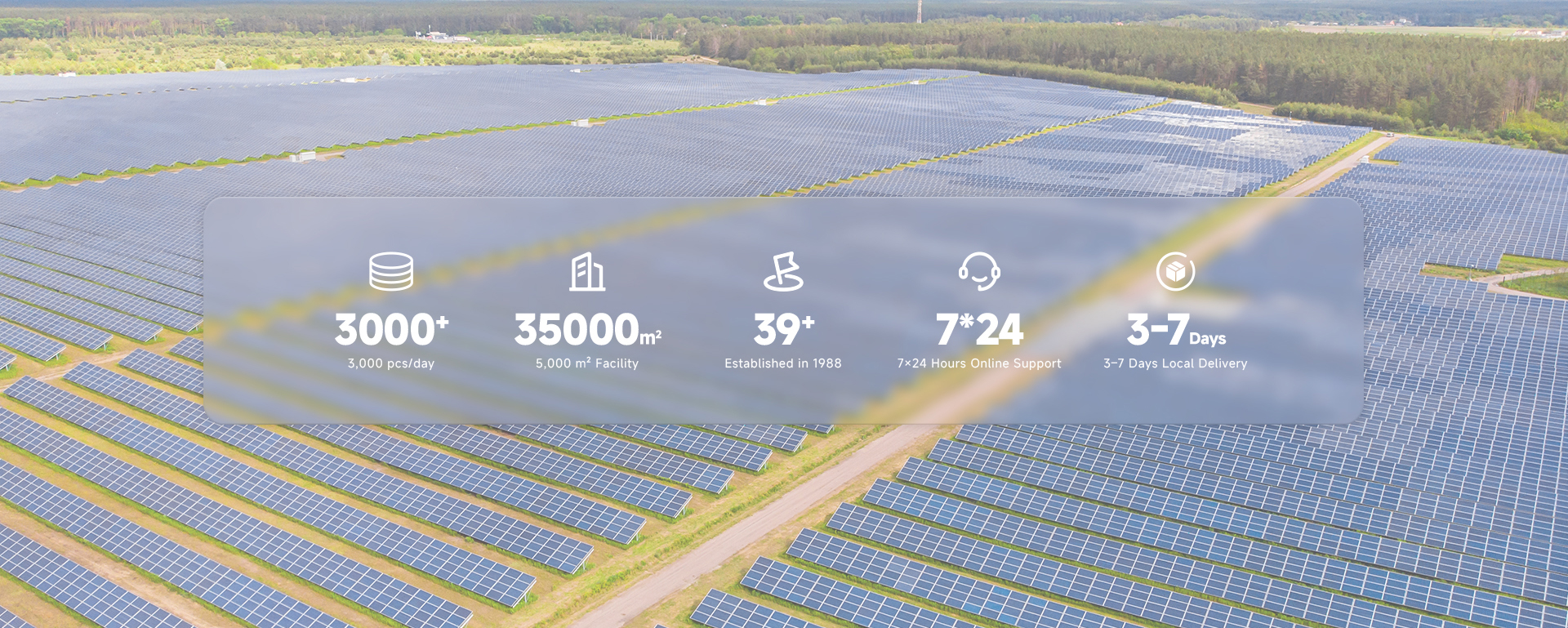
Export-Ready Logistics
We provide complete Class 9 Dangerous Goods sea transport sets, UN38.3 test reports, and MSDS documentation. We consolidate mixed containers of solar modules, hybrid inverters, mounting structures, and batteries to minimize Chilean customs port clearance costs.

Engineering & SEC Support
Our engineering desk provides load-profile sizing, PVsyst generation modeling, and electrical single-line diagrams to support Chilean SEC TE4 submissions, backed by multi-lingual support in English and Spanish.
Certified Compliance for Chilean SEC & Utility Interconnection
All modules, hybrid inverters, and battery storage solutions comply with the latest IEC, UL, and Chilean national standards.
Frequently Asked Questions by Chilean EPCs & Direct Importers
Clear answers covering logistics, Chilean customs clearance, seismic criteria, and equipment warranties.
How do N-Type TOPCon panels from tier-1 factories handle the extreme UV and thermal conditions of the Atacama Desert?
What Chilean ports are primary entry points, and what is the typical transit duration from Ningbo/Shanghai?
Can you consolidate Jinko/Canadian Solar panels, Deye inverters, and LFP batteries into one single container?
How do your supplied components satisfy the Chilean SEC (Superintendencia de Electricidad y Combustibles) rules?
How are module mounting frames engineered to endure Chilean seismic events (NCh433 / NCh2369)?
What is the factory warranty coverage, and how are claims processed for installations in Chile?
Should Chilean commercial users choose 48V low-voltage or high-voltage energy storage?
What payment mechanisms and trade terms are supported for Chilean wholesale contracts?
Power Your Chilean Projects with Factory-Direct Solar & Storage
Tell us your load profile, project coordinates, or container volume. Our solar engineering desk delivers matched single-line diagrams, factory flashtest guarantees, and competitive CIF Chile quotation packages within 24 business hours.