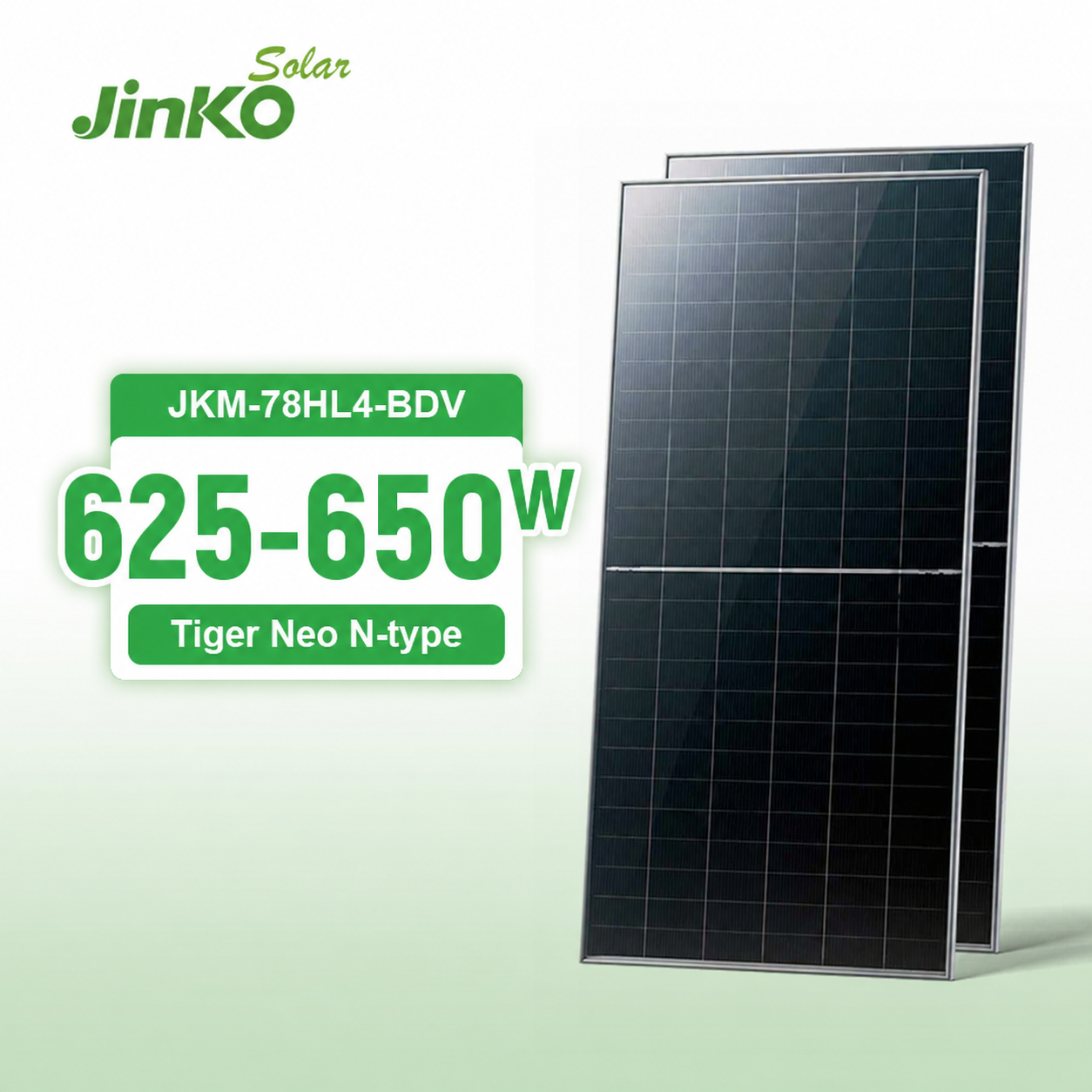
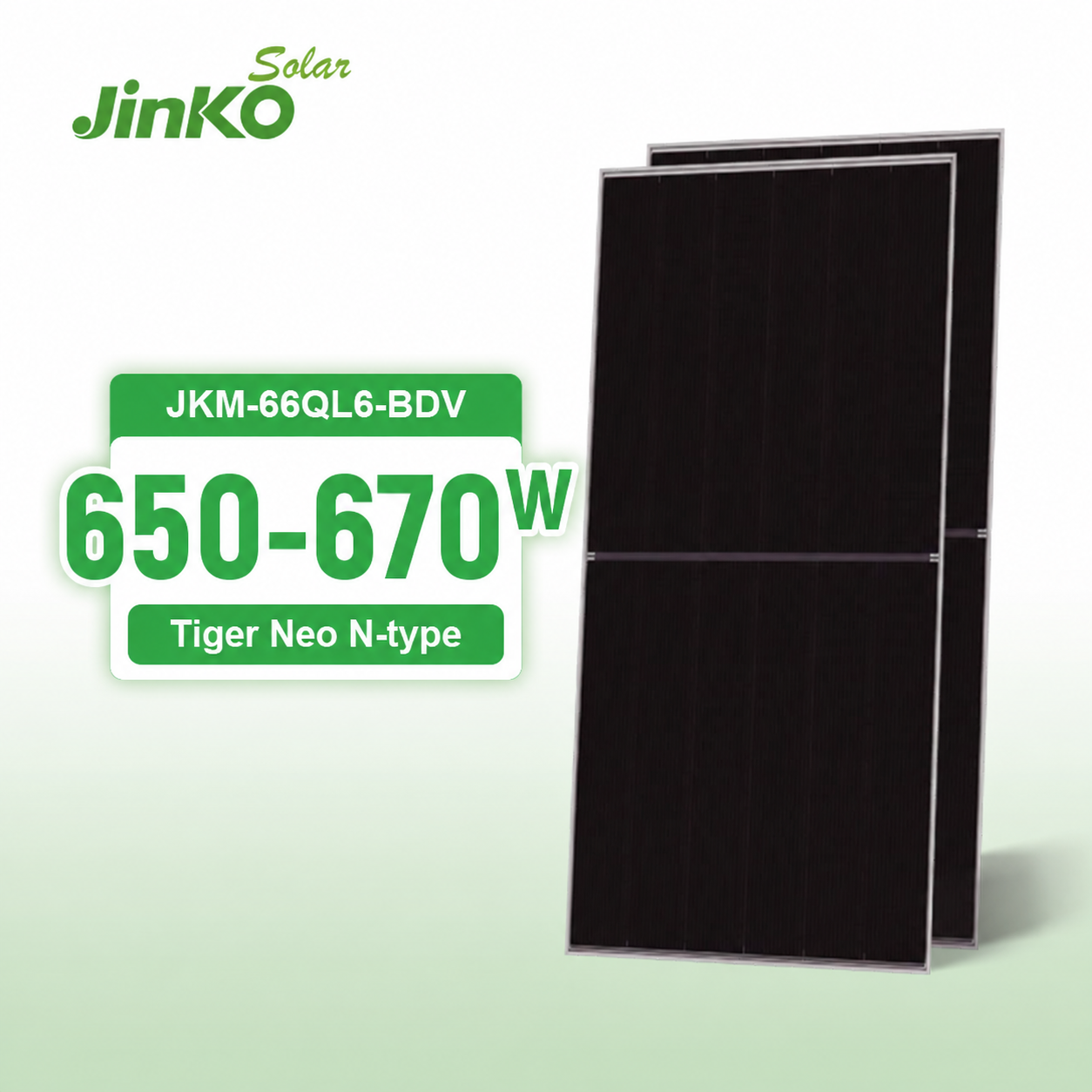
TOPCon 640W
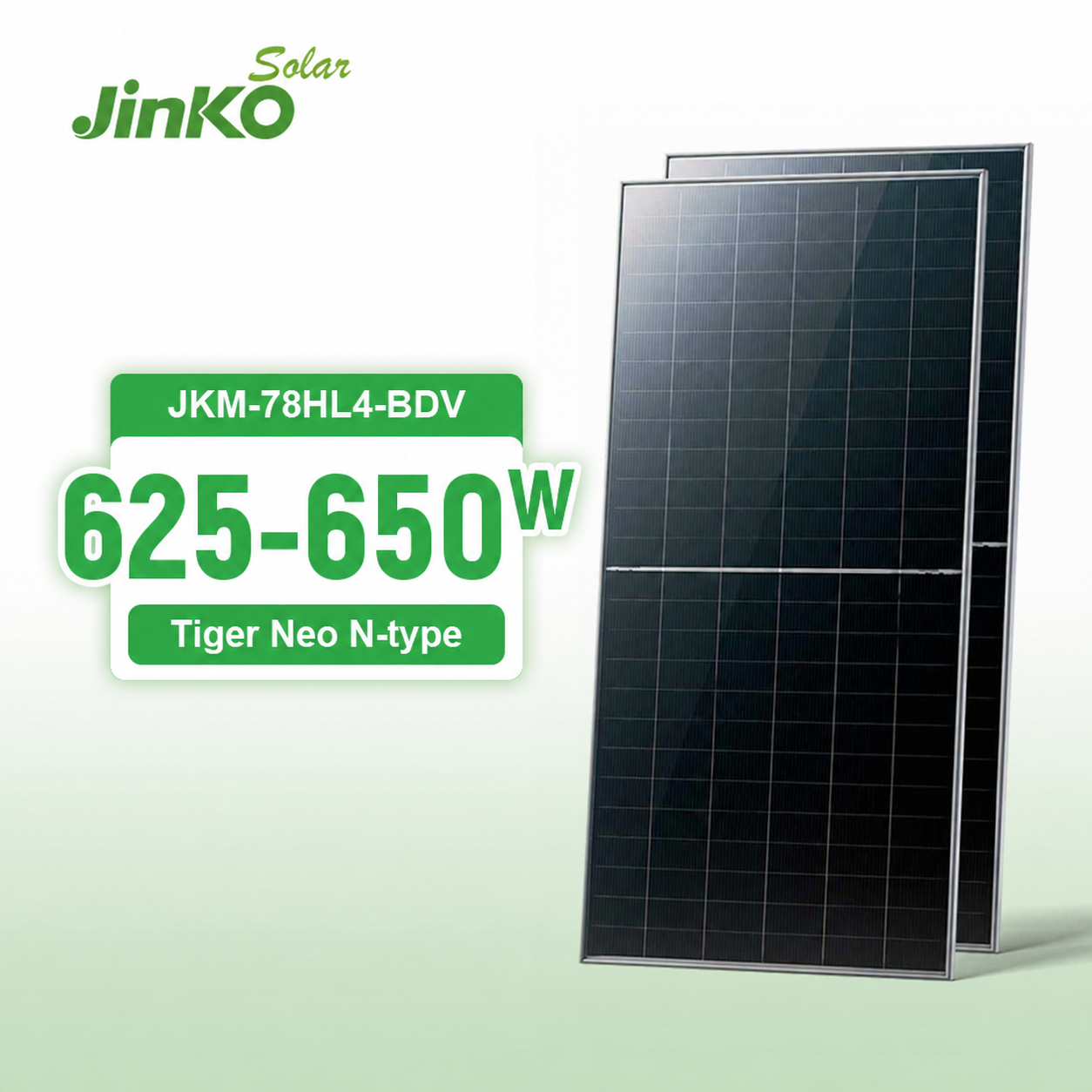
Engineered to feed stable DC power into deep cycle colloidal GEL banks across San Salvador's high-irradiance, humid microclimates. Each high-efficiency module is fully verified for impedance, current tolerance, and charge controller compatibility.
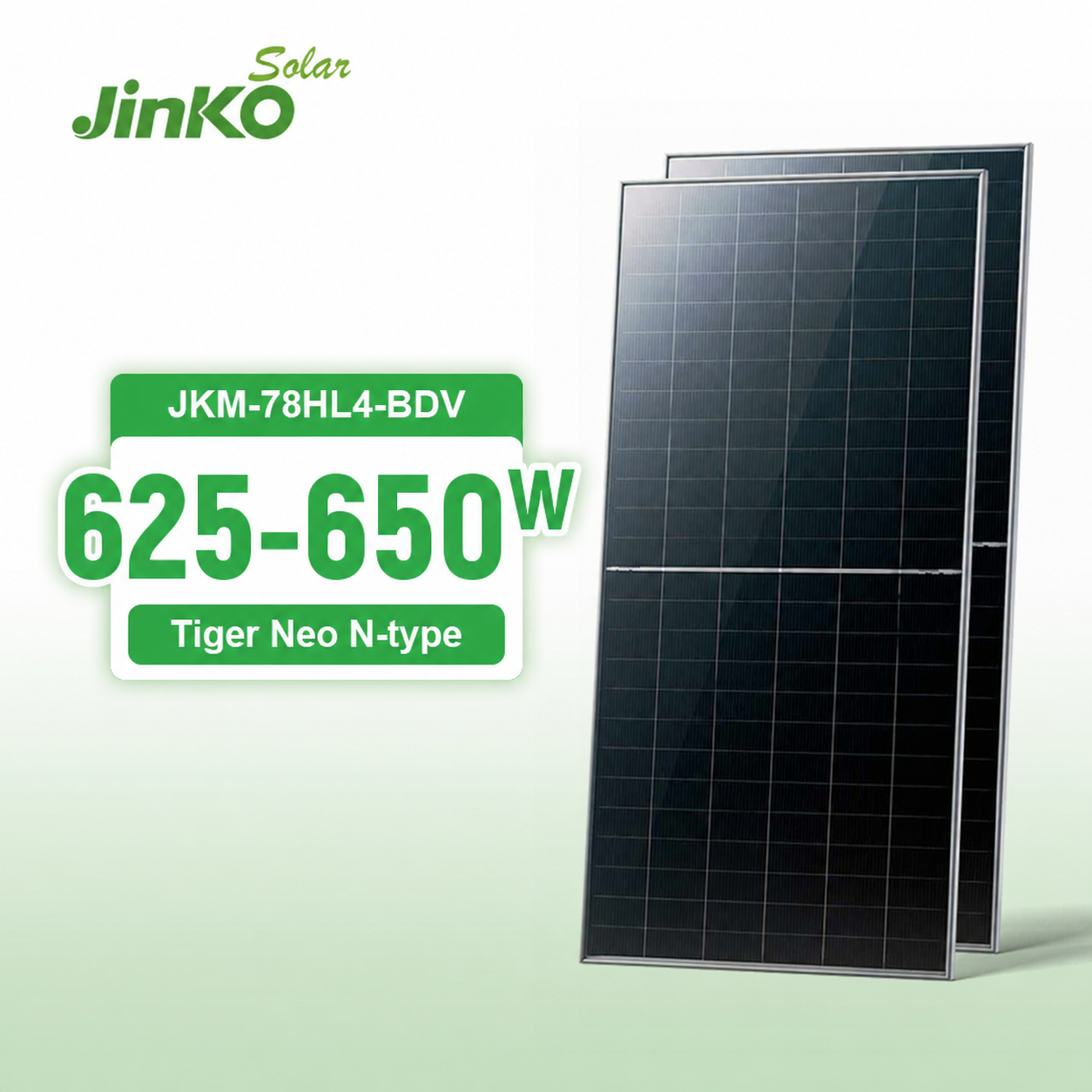
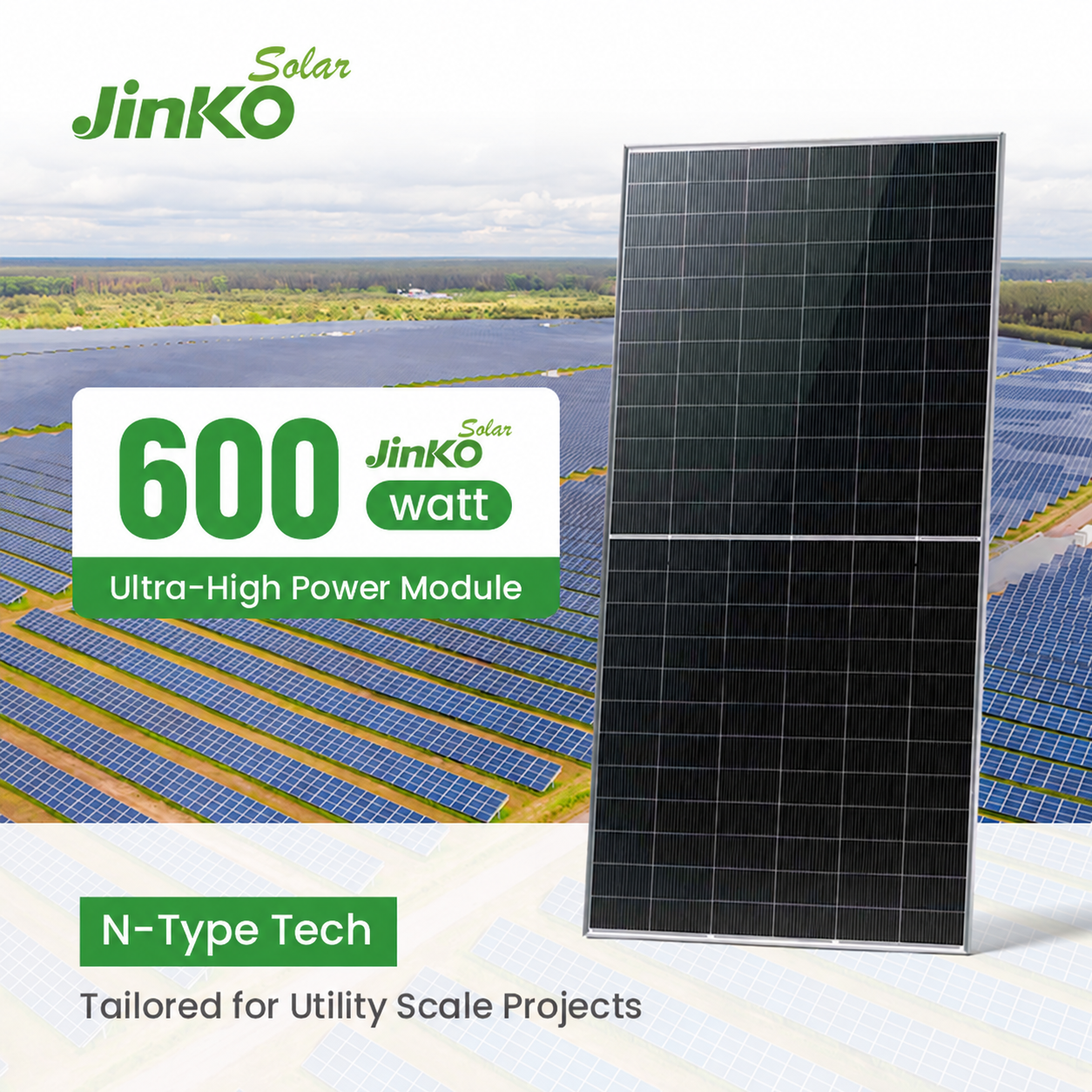
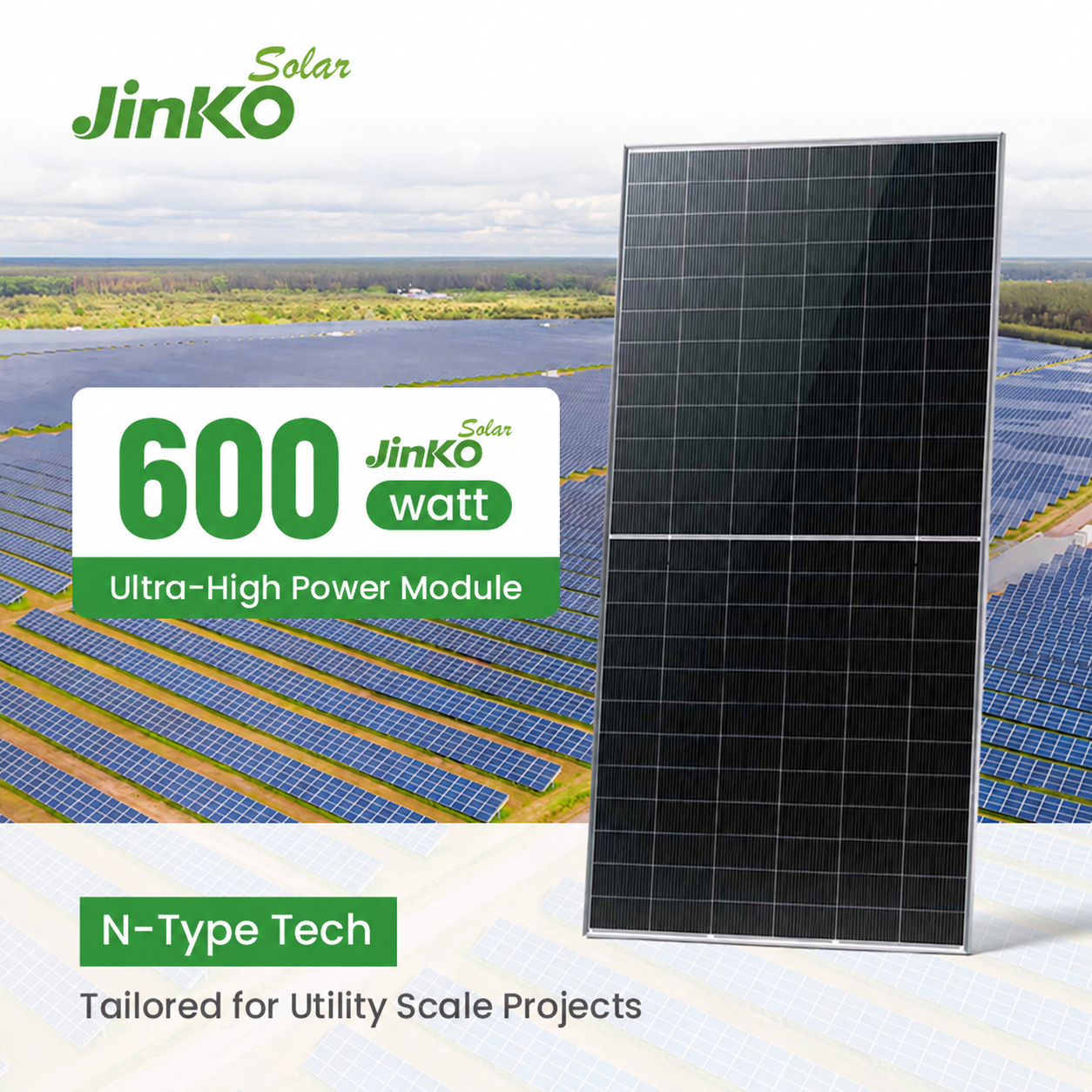
Standard AGM (Absorbent Glass Mat) and generic flooded lead-acid batteries fail prematurely in El Salvador's ambient heat, which routinely surpasses 34°C in lowland corridors. Hangzhou VOLT New Energy engineers true fumed-silica colloidal electrolytes to prevent acid stratification and eliminate dry-out failure modes.
Unlike budget factories that recycle contaminated secondary lead scrap, our manufacturing baseline mandates primary virgin lead ingots with lead purity exceeding 99.994%. We formulate a specialized Pb-Ca-Sn-Al (Lead-Calcium-Tin-Aluminum) quaternary positive grid alloy that drastically reduces grid corrosion rates and suppresses hydrogen gassing under continuous float charging in warm conditions.
The core of our true deep-cycle GEL chemistry lies in the vacuum-injected thixotropic SiO2 colloidal electrolyte. During formation, dilute sulfuric acid bonds with nanoscale fumed silica particles, solidifying into an immobile, micro-porous polymer gel. This ensures 100% volumetric plate coverage, completely eliminating acid pooling, plate sulfation hotspots, and internal shorts.
Our heavy-duty industrial cells discard cheap glass-fiber mats in favor of European-standard microporous PVC-SiO2 separators. These separators offer exceptional mechanical elasticity and high puncture resistance against dendritic crystal growth during deep discharging, maintaining optimal ionic pathways even when batteries undergo harsh 80% Depth of Discharge (DoD) cycles.
| Performance Parameter | Hangzhou VOLT Deep Cycle GEL | Standard Commercial AGM | Conventional Flooded VRLA |
|---|---|---|---|
| Electrolyte Physical State | Solidified Fumed Silica GEL | Liquid Absorbed in Glass Mat | Free-Floating Liquid Acid |
| Cycle Life @ 50% Depth of Discharge | 2,200 – 2,600 Cycles | 650 – 900 Cycles | 800 – 1,100 Cycles |
| Operating Range in San Salvador Ambient Heat | -20°C to +55°C (Zero Thermal Runaway) | 0°C to +35°C (Elevated Risk) | -10°C to +40°C (High Evaporation) |
| Partial State of Charge (PSoC) Tolerance | Exceptional (No Sulfation Drift) | Poor (Accelerated Plate Passivation) | Moderate (Requires Equalizing Boost) |
| Shipping Classification (Acajutla Maritime) | Non-Spillable / Non-Hazardous (Dry Sea Route) | Class 8 Corrosive or Non-Spillable | Class 8 Corrosive (Hazardous Cargo Surcharge) |
| Float Charge Voltage @ 25°C | 13.50V – 13.80V per 12V block | 13.60V – 13.80V | 13.20V – 13.50V |
From volcanic elevations down to coastal logistics routes, El Salvador presents a demanding operational environment. VOLT New Energy deep-cycle GEL storage systems are purpose-deployed across four critical national sectors.
In San Salvador's core industrial corridors—including Soyapango, Antiguo Cuscatlán, and Santa Elena—commercial users face unpredictable midday voltage dips and distribution line trips. VOLT Deep Cycle GEL banks paired with Deye hybrid inverters provide instantaneous millisecond switchover. They buffer CNC machinery, cold-chain warehouses, and medical clinics from production downtime without the noise, localized diesel fuel emissions, or escalating maintenance costs of traditional generator fleets.
Throughout the mountain belts of Cordillera de Apaneca-Ilamatepec, Santa Ana, and San Vicente, specialty coffee washing facilities (beneficios de café) operate during intense harvest seasons where local rural transmission infrastructure is vulnerable to seasonal storms. Our 2V and 12V GEL batteries, integrated with high-wattage Jinko bifacial panels, deliver unwavering high-surge currents required by heavy 3-phase depulping machines, drying blowers, and water pump motors.
Telecom backbones across San Salvador's ridges (Cerro El Picacho, Boquerón Volcano) demand unmonitored stationary power. Unreliable grid power forces cell towers into perpetual partial state-of-charge (PSoC) cycles. Because our colloidal electrolyte prevents lead sulfate crystals from hardening across the plates, VOLT GEL batteries endure extended operational periods without receiving an immediate 100% full recharge, drastically lowering off-road helicopter and technician maintenance runs.
Along the Pacific littoral corridor encompassing La Libertad, El Tunco, and El Zonte, boutique hotels, wastewater filtration plants, and desalination pumps require round-the-clock power in an environment saturated with salt spray, high humidity, and relentless ambient heat. The hermetically sealed ABS casing and non-corroding copper-alloy inserted terminals of our GEL batteries prevent salt-fog oxidation, delivering 10 to 12 years of trouble-free standby life.
Understanding regulatory incentives, currency stability, and utility rate structures allows distributors and EPCs to maximize ROI when importing solar equipment from China.
Under El Salvador's landmark renewable energy legal framework overseen by the Consejo Nacional de Energía (CNE), verified solar energy equipment, power inverters, and dedicated deep-cycle storage batteries benefit from total exemption from import tariffs (Derechos Arancelarios a la Importación – DAI) and income tax exemptions on project revenue during initial implementation phases. This structure accelerates project payback times for commercial ventures down to 3.2 years.
Because El Salvador operates on the United States Dollar (USD), Central American importers are insulated from the currency devaluation and double-conversion fees that plague other emerging markets. Quotations issued by Hangzhou VOLT New Energy in USD directly translate into landed CIF Puerto de Acajutla balance sheets without currency hedging premiums, simplifying long-term CAPEX forecasting.
Grid supply tariffs overseen by SIGET and supplied by distributors such as CAESS, DELSUR, CLESA, and EEO continue to trend higher due to regional fossil generation fuel volatility. Industrial enterprises in San Salvador are actively bypassing peak demand charges by using our deep-cycle GEL storage to inject battery energy during high-cost tariff windows (peak shaving), creating direct recurring operational savings.
Get our complete technical dossier: charge profile guidelines, battery sizing spreadsheets, and CIF Acajutla direct maritime container rates customized for El Salvador distributors.
International solar projects often stumble on incompatible BMS protocols, acid leakage in transit, and slow overseas support. Our Hangzhou engineering and consolidation hub eliminates these vulnerabilities entirely.
We do not merely box products. Every solar-plus-storage shipment undergoes comprehensive hardware matching. Our technicians configure Deye, Growatt, and Victron hybrid inverters with our deep-cycle GEL and LFP banks, calibrating bulk, absorption, and float charge voltages to prevent undercharging or thermal over-voltage failures in San Salvador installations.
Avoid coordinating four different Chinese suppliers. VOLT consolidates Tier-1 Jinko bifacial solar modules, Deye hybrid inverters, deep-cycle GEL batteries, solar cables, and DC circuit protection in one 20GP or 40HQ container. This single-bill-of-lading (B/L) strategy cuts customs agent clearance fees and ocean freight surcharges in half.
Every consignment arrives with certified factory test reports, C10/C20 discharge rate test curves, non-spillable marine transport safety declarations, MSDS sheets, and Certificate of Origin documents conforming to Salvadoran SAC import codes, ensuring zero hold-ups at the Puerto de Acajutla customs dock.
Our engineering support desk works closely with Salvadoran installers. From initial site sizing and load calculations to string design and remote commissioning troubleshooting, we provide prompt technical assistance to ensure your commercial microgrids operate with maximum uptime.
Direct answers covering shipping times, container weight limits, customs clearances, and local engineering best practices.
Whether you need a dedicated 20ft container of deep-cycle GEL storage batteries or a consolidated kit with Jinko PV modules and Deye hybrid inverters delivered to San Salvador, our project team is ready to assist.