Bridging Direct Tier-1 Manufacturing with Pacific Northwest Power Architecture
As the Willamette Valley and the greater Portland metropolitan region accelerate decarbonization under Oregon House Bill 2021, regional solar installers, commercial EPCs, and utility microgrid developers require robust, cold-resilient energy storage that clears local municipal permitting without friction.
Direct-From-Factory Quality Assurance for Oregon Clean Energy Stakeholders
Hangzhou VOLT New Energy Technology Co., Ltd. operates at the intersection of high-precision lithium iron phosphate (LiFePO4 / LFP) battery cell manufacturing, smart multi-busbar Battery Management System (BMS) programming, and multi-mode power conversion integration. For solar professionals across Multnomah, Washington, and Clackamas counties, the common operational hurdle with imported hardware is component protocol incompatibility—often triggering fatal "BMS Communication Lost" fault codes between third-party hybrid inverters and lithium battery stacks.
To eradicate field downtime, our factory delivers complete turnkey energy ecosystems: tier-1 high-efficiency bifacial monocrystalline solar modules, factory-paired Deye low- and high-voltage hybrid inverters, and our proprietary high-density LFP storage modules. Every container leaving our Hangzhou assembly facility undergoes full-loop hardware handshaking, strict RS485 and CANbus communication verification, and automated cycling tests according to UL 1973, UL 9540, and UN38.3 maritime transport safety frameworks.
High-Efficiency Generation Modules for Portland Solar + Storage Systems
High-yield N-type TOPCon dual-glass bifacial modules designed to capture both direct sunlight and diffused overcast radiation common throughout western Oregon winters.
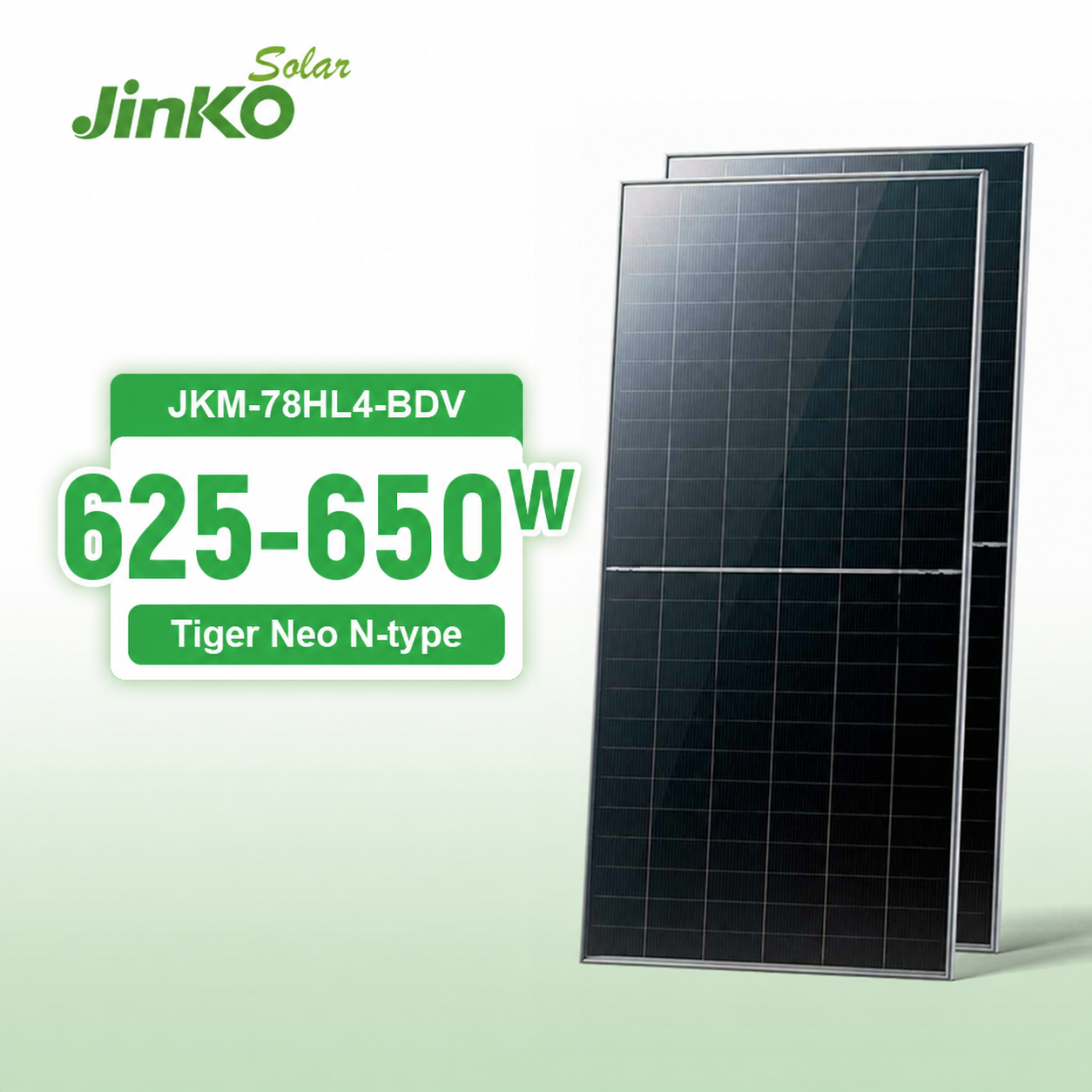
Jinko Bifacial N-Type 625W–645W Double Glass Module
Optimized for Oregon agricultural microgrids, farm irrigation systems, and ground arrays with up to 25% rear-side bifacial gain.
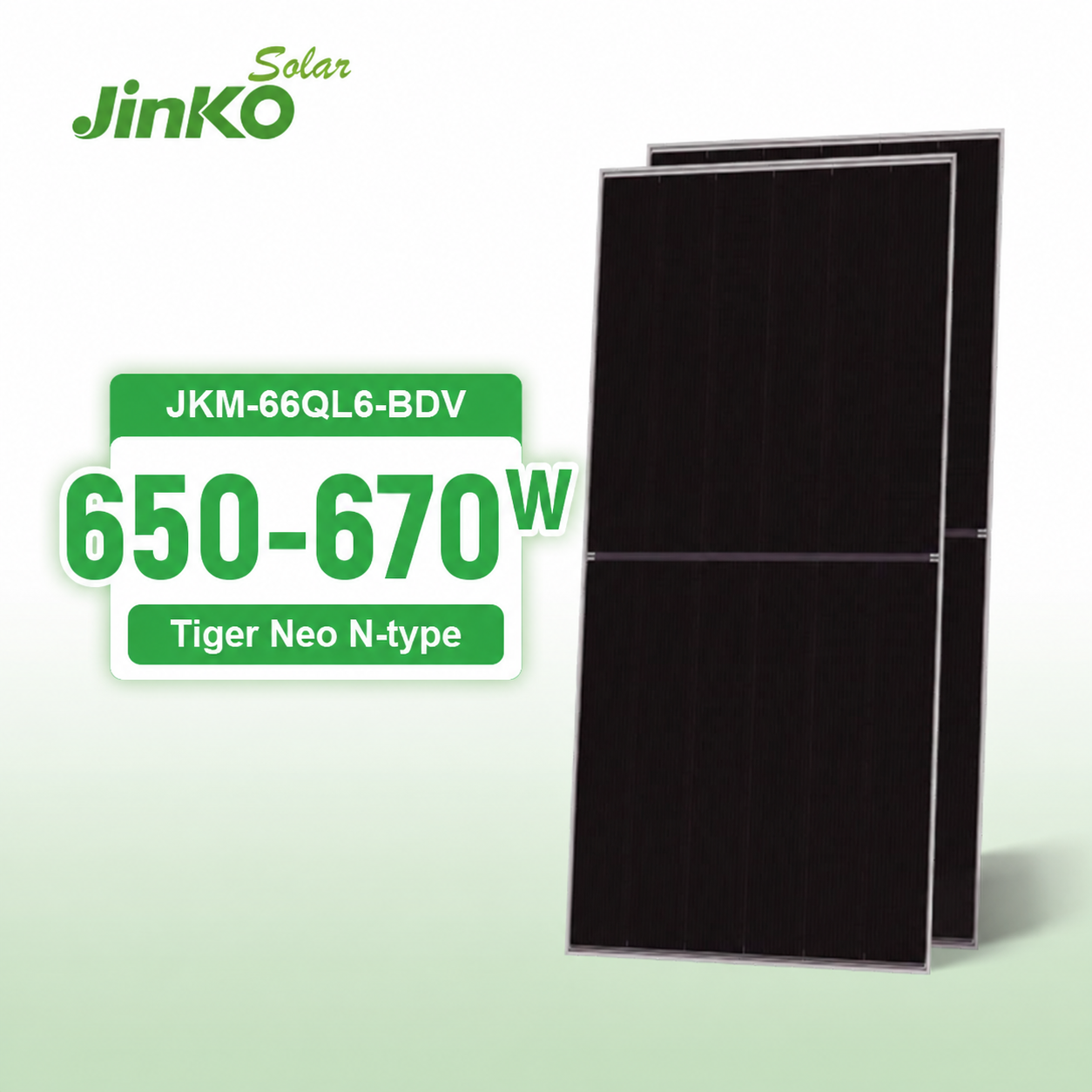
Jinko Monocrystalline Dual Glass 650W–670W Module
High-density residential roof solution engineered to maximize kWh per square foot on complex urban Portland rooflines.
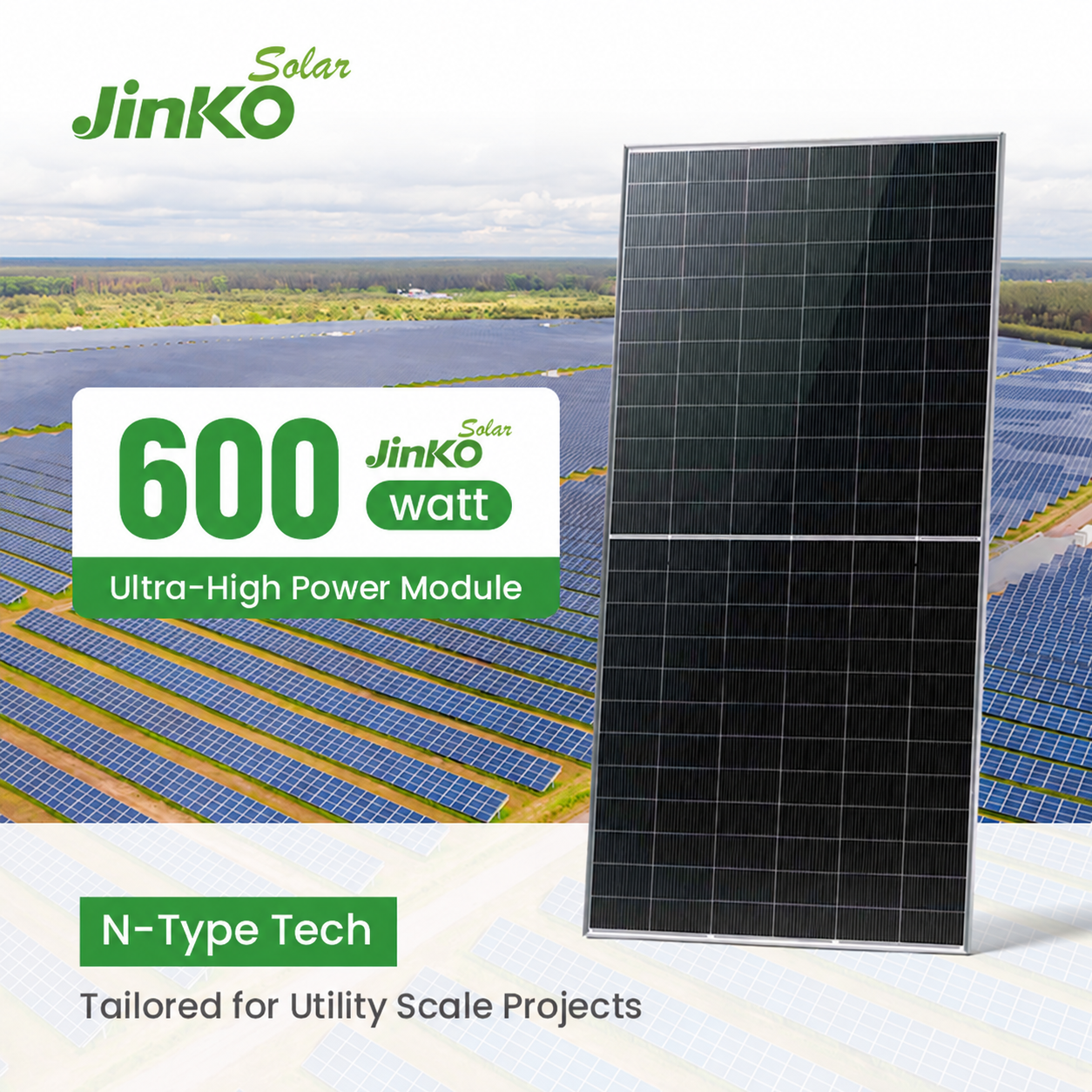
Jinko N-Type Bifacial TOPCon 580W–600W Double Glass
Industry standard for residential and light-commercial net-metering retrofits with outstanding low-light ambient response.
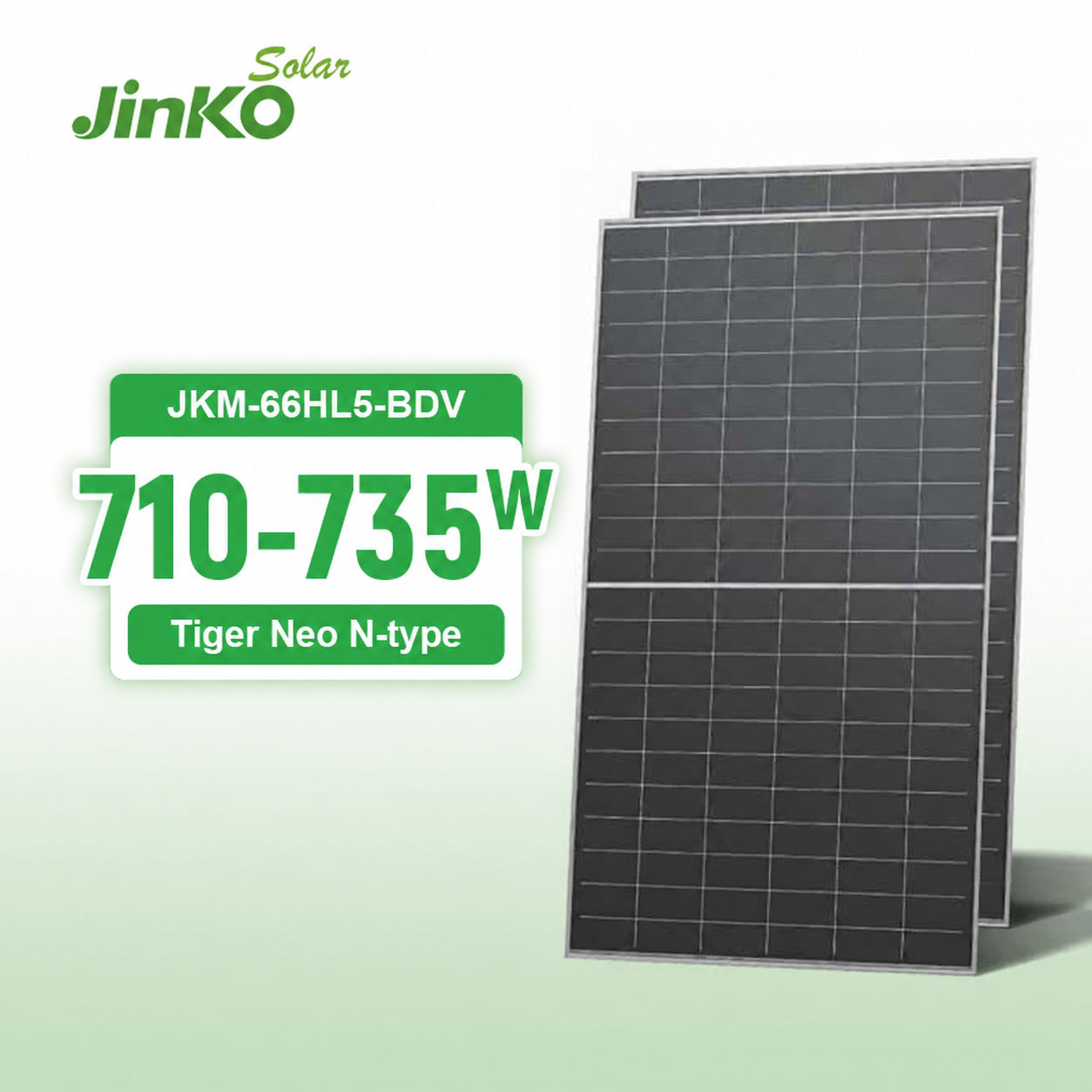
Jinko N-Type Bifacial 710W–720W Industrial Module
Heavy-duty dual glass construction built to withstand severe Pacific Northwest snow loads (5400 Pa) and high wind gusts.
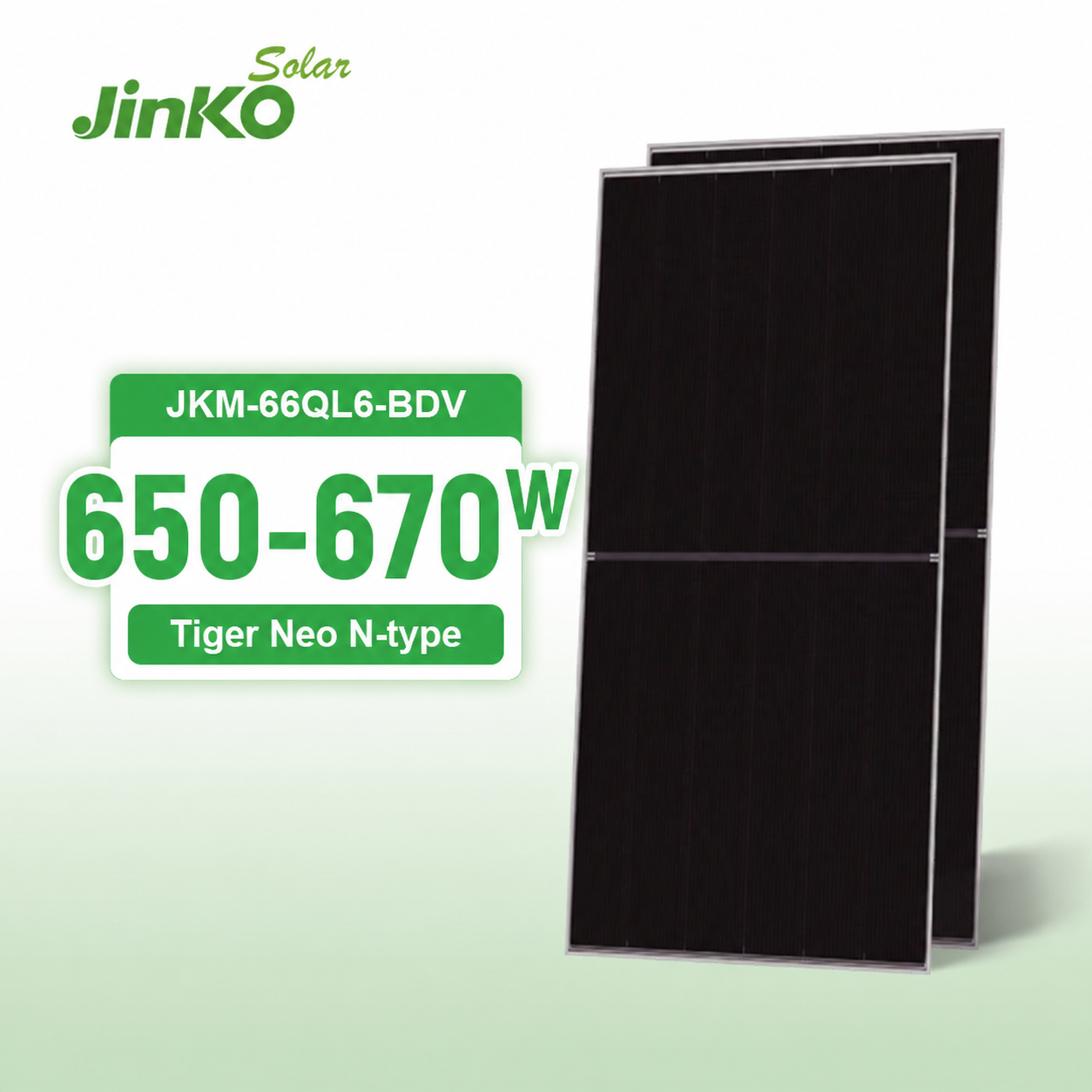
Jinko Double Glass 650W–670W Commercial PV Panel
Designed for flat commercial roofs across Beaverton, Hillsboro, and Portland distribution centers seeking peak demand shaving.
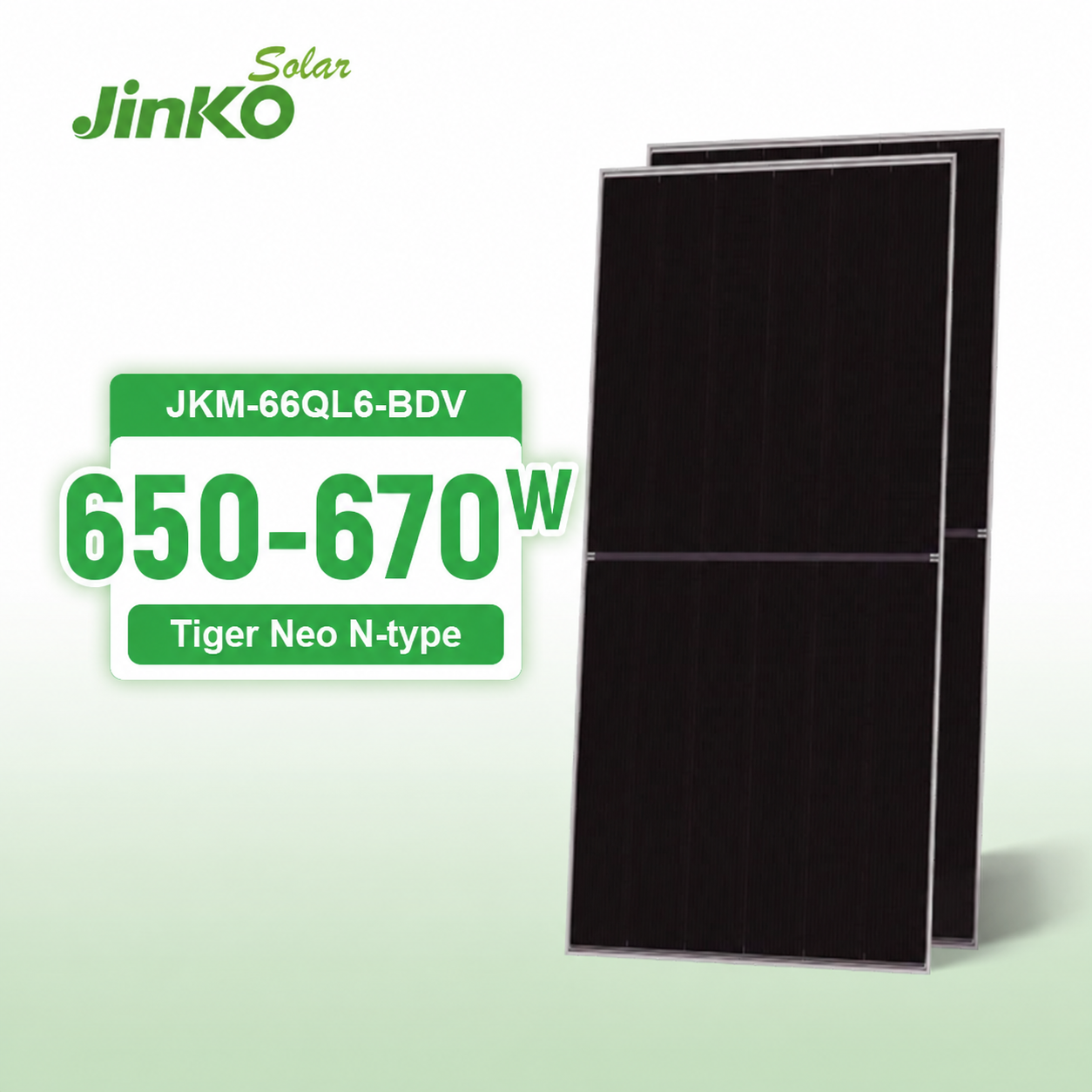
Wholesale TOPCon 650W–670W Bifacial Solar Module
High-volume palletized inventory options with complete customs classification paperwork for Oregon EPC developers.
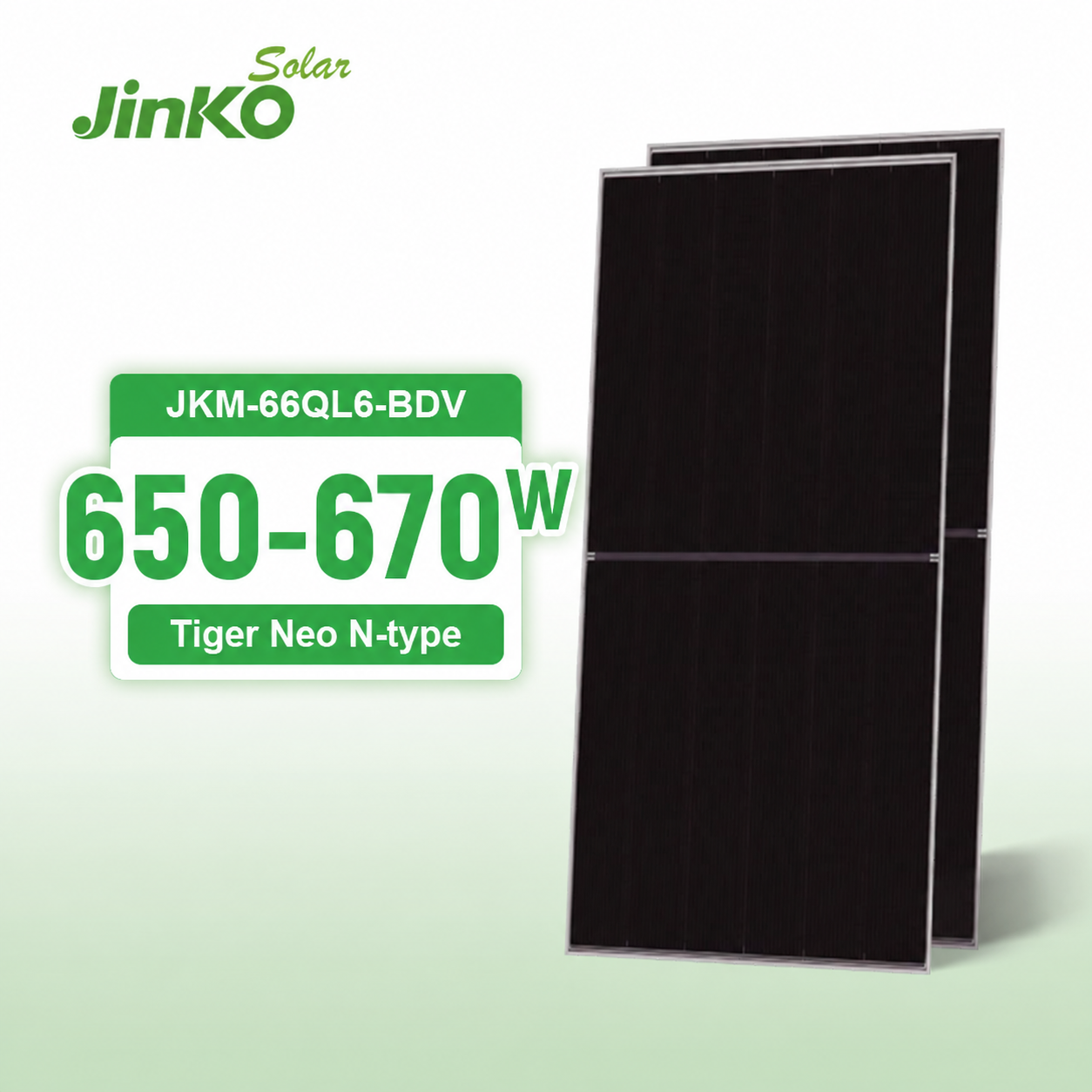
Jinko N-Type TOPCon 650W+ High Efficiency Residential
Aesthetic, zero-light-induced-degradation (LID) modules engineered for seamless coupling with 48V / 51.2V LFP home batteries.
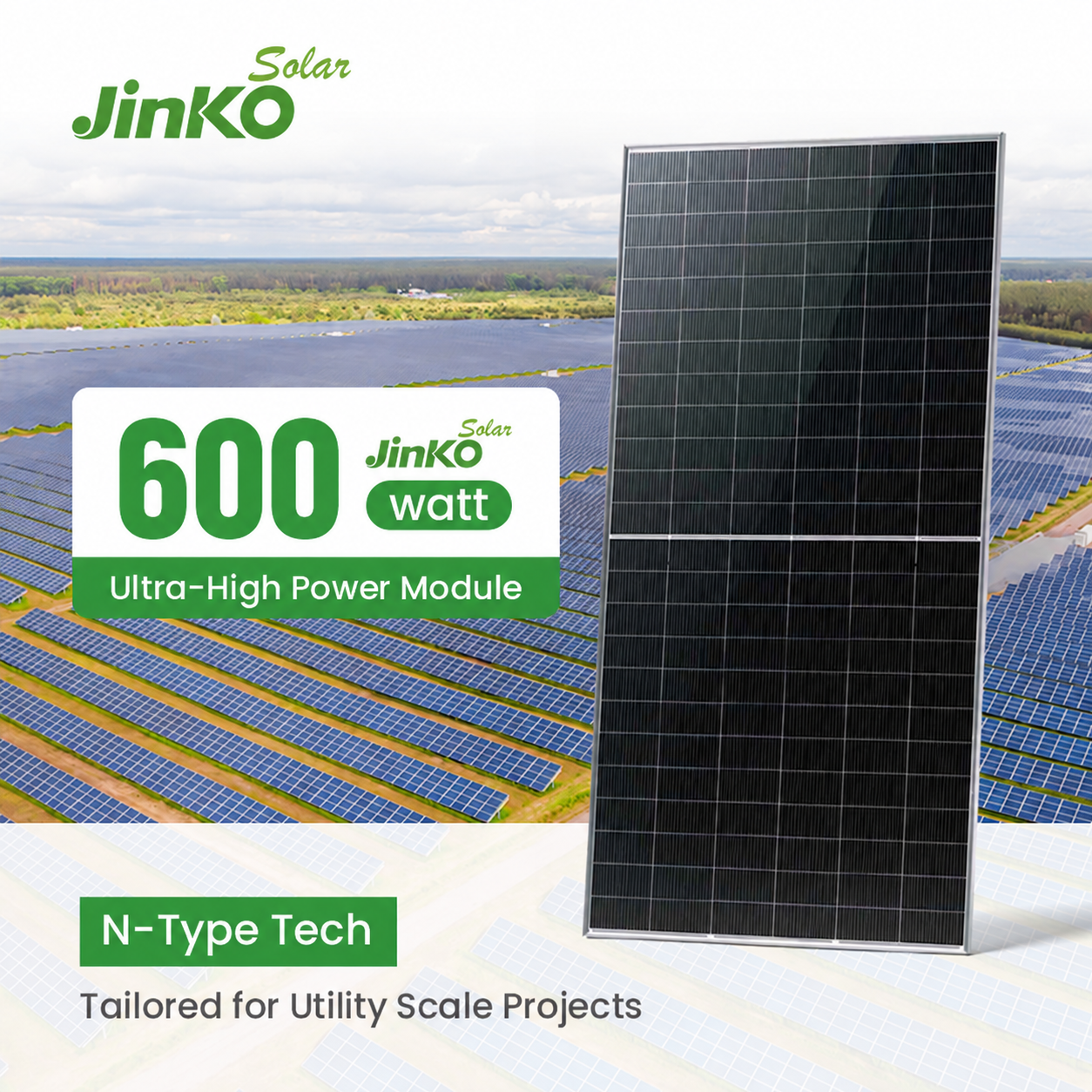
Jinko N-Type Commercial Bifacial 585W–600W Panels
High mechanical stability with enhanced anti-PID resistance, ideal for humid, rain-heavy environments across Northwest Oregon.
Engineering LiFePO4 Energy Storage for Pacific Northwest Climates
A deep look at battery thermal chemistry, sub-zero BMS protection, and the critical integration required for Portland General Electric (PGE) and Pacific Power interconnects.
The Physics of Sub-Zero Charging: Overcoming Lithium Plating
A persistent vulnerability of unmanaged lithium-ion cells deployed in Portland's maritime winter climate is lithium metal plating during charging cycles below 0°C (32°F). When conventional BMS topologies force high-current charging into cold LFP cells, intercalating lithium ions fail to enter the graphite anode lattice at sufficient speed, instead depositing metallic lithium onto the anode surface. This permanently reduces cell capacity and introduces internal micro-dendritic short-circuit risks.
VOLT New Energy solves this by integrating intelligent multi-stage heating pads inside our rack-mounted and Powerwall-style battery enclosures. Powered directly by incoming PV array current or AC-coupled grid inputs prior to battery charging, the thermal system warms the internal prismatic cells to a safe 10°C (50°F) before enabling high-amperage bulk charge pathways.
Furthermore, our proprietary firmware communicates directly with Deye hybrid inverters via CAN protocol, automatically executing dynamic current throttling as cell temperatures fluctuate, ensuring 100% operational safety and maintaining an authentic 6,000+ cycle lifespan.

| System Parameter | VOLT Rack LFP (51.2V 100Ah/200Ah) | VOLT High-Voltage Stack (204V–614V) | Standard Deep-Cycle GEL (12V Bank) |
|---|---|---|---|
| Chemistry / Core Cell | Grade-A LiFePO4 Prismatic (3.2V) | Grade-A LiFePO4 Prismatic (3.2V) | Lead-Plate Thixotropic Silica Gel |
| Usable Depth of Discharge (DoD) | 90% – 95% | 90% – 95% | 50% Standard (Max 70%) |
| Cycle Life (@ 25°C, 80% DoD) | ≥ 6,000 Cycles | ≥ 6,000 Cycles | 1,200 – 1,800 Cycles |
| Inverter Communication | Dual CAN / RS485 (Deye Native) | High-Speed CANbus / Modbus TCP | Voltage Sensed (No Data Protocol) |
| Integrated Thermal Protection | Auto-Heating Foil (< 0°C Heating) | Cabinet Thermal Management | Passive Ambient Dependent |
| Pacific Northwest Best Use | Residential Solar+Storage, Whole-Home UPS | Commercial Shaving, Microbreweries | Remote Off-Grid Telecom, Pure Backup |
Tailored Application Profiles Across Portland & Greater Oregon
From ice-storm emergency power in the West Hills to agricultural self-sufficiency in the Willamette Valley, our hardware matches regional load patterns.
Portland Residential Grid Resilience
Winter ice storms frequently down tree branches across Multnomah County, causing multi-day grid blackouts.
- Response: 15ms seamless UPS switchover via Deye 8kW/12kW split-phase hybrid inverters.
- Capacity: Scalable 15kWh to 30kWh modular LFP storage powering furnaces, refrigerators, and medical equipment.
- Interaction: PGE Time-of-Use rate optimization during costly peak evening tariffs.
Willamette Valley Viticulture & Farms
Wineries, hazelnut processing facilities, and irrigation pumps outside Portland face high demand surcharges during harvest.
- Response: High-voltage 50kW–100kW energy storage paired with 650W bifacial panels.
- Advantage: Peak-shaving algorithms smooth industrial three-phase inductive motor startup spikes.
- Value: Eliminates steep utility kVA peak penalty rates while keeping cold storage fully powered.
Silicon Forest Commercial Microgrids
Precision manufacturing, biotech, and data servers in Hillsboro and Beaverton require zero-tolerance power quality.
- Response: Redundant parallel battery racks delivering high-rate C-discharge support.
- Filtering: Deye hybrid active power factor correction eliminates grid harmonic distortions.
- Compliance: Direct integration with building automation systems via Modbus TCP protocols.
Off-Grid RV, Marine & Forestry Cabins
Mobile conversions along the Columbia River and remote off-grid cabins near Mount Hood demand lightweight, rugged power.
- Response: 12V and 48V compact LiFePO4 modules with shock-resistant ABS/steel enclosures.
- Efficiency: One-third the weight of traditional lead-acid banks with triple usable amp-hours.
- Off-Grid: Seamless dry-contact auto-start compatibility with propane and diesel backup generators.
Oregon Clean Energy Policy & Economic Incentives Accelerating BESS Adoption
Analyzing the policy environment, tax credits, and utility structural shifts accelerating the return on investment for Portland energy storage deployments.
Oregon House Bill 2021
Oregon's landmark legislation mandates an 80% reduction in greenhouse gas emissions from retail electricity sales by 2030, reaching 100% clean power by 2040. Both Portland General Electric (PGE) and Pacific Power are restructuring interconnection tariffs and scaling peak-demand management programs. Distributed battery storage is no longer optional; it is fundamental to maintaining localized distribution grid reliability.
Inflation Reduction Act (IRA) Incentives
Under Section 30D, Section 25D, and Section 48 of the U.S. federal tax code, standalone energy storage installations now qualify for a 30% Investment Tax Credit (ITC)—irrespective of whether the batteries are charged exclusively via solar arrays. Commercial projects in designated energy communities or low-income tracts across the Pacific Northwest can capture bonus tax credits reaching 40%–50%.
Energy Trust of Oregon & PCEF Grants
The Portland Clean Energy Community Benefits Fund (PCEF) along with Energy Trust of Oregon battery storage incentives provide direct cash rebates for residential and small commercial battery installations. These programs specifically incentivize hardware with open communications protocols, rapid grid disconnection capabilities, and zero toxicity profiles, directly favoring VOLT's LiFePO4 battery platforms.
Why Oregon EPC Contractors & Solar Importers Source from Hangzhou VOLT
Removing international trade frictions through rigorous pre-shipment validation, verified inverter compatibility, and certified maritime hazmat logistics.
Pre-Shipment Hardware Compatibility Check
The greatest financial drain for U.S. solar installers is troubleshooting communication failure alarms on site. When you procure through Hangzhou VOLT New Energy, our engineers bench-test your battery packs against the exact inverter model specified in your purchase order before packaging.
We verify the physical RJ45 CAN/RS485 cable pinouts, calibrate the DIP switch addressing, and confirm handshake communication telemetry—including real-time State of Charge (SoC), individual cell voltages, and thermal safety cutoffs. The equipment powers up and connects immediately upon field installation.

Automated Quality Control
Prismatic cells undergo precision internal resistance and capacity sorting. We only build packs using Grade-A matched cells from tier-1 manufacturers, eliminating premature pack divergence.
Class 9 DG Maritime Freight
Full UN38.3 compliance, certified dangerous goods packaging, and comprehensive MSDS documentation ready for expedited trans-Pacific maritime transit to the Port of Portland or Puget Sound ports.
Turnkey System Bundling
Consolidate your entire bill-of-materials in one container. We pack Jinko solar modules, Deye hybrid inverters, VOLT LFP battery modules, DC disconnects, and cabling into matched, single-shipment loads.
B2B Engineering Support
Our dedicated engineering department assists with string sizing, electrical one-line diagrams, short-circuit calculations, and rapid troubleshooting during your installation phase.
Portland Solar & Storage B2B Procurement FAQ
In-depth technical and regulatory answers for local electrical contractors, project developers, and renewable equipment importers.
How do VOLT lithium batteries comply with City of Portland permitting and NFPA 855 fire codes?
The City of Portland Bureau of Development Services (BDS) and local fire marshals enforce NFPA 855 and the Oregon Residential Specialty Code (ORSC) Section R327 for Energy Storage Systems (ESS). Compliance demands that battery systems carry UL 9540 listing, comprised of UL 1973 listed battery packs and UL 1741-certified inverters. Furthermore, installations exceeding 20kWh residential aggregate thresholds require full UL 9540A large-scale fire test reports proving zero thermal runaway propagation between cell modules. VOLT supplies verified UL test documentation and factory certification reports with all shipments, enabling your electrical engineering team to clear plan review without delays.
What is the logistical process and lead time for sea freight to the Port of Portland?
Lithium iron phosphate batteries are classified as UN 3480, Class 9 Miscellaneous Dangerous Goods under IMDG maritime regulations. Shipments depart from Ningbo or Shanghai port via direct trans-Pacific container vessels calling at the Port of Portland (Terminal 6) or arriving via Seattle/Tacoma with bonded rail drayage. Ocean transit times typically range from 16 to 22 days. Our export logistics division supplies certified Class 9 hazardous goods packaging, dangerous goods declarations (DGD), container packing certificates (CPC), and complete UN38.3 test summaries, ensuring straightforward clearance through U.S. Customs and Border Protection (CBP).
How do your LiFePO4 batteries handle the severe cold temperatures seen during Pacific Northwest winter ice storms?
Our residential and commercial battery packs feature dual-layer sub-zero protection. First, our smart BMS monitors temperature sensors embedded directly between cell groups; if temperatures drop below 0°C (32°F), charging current is automatically disabled to protect the graphite anode from irreversible lithium plating. Discharge remains fully active down to -20°C (-4°F), allowing the home or business to run off stored battery reserve during power outages. Second, for unheated garage or outdoor installations across Oregon, we provide optional internal automated heating elements that warm the core cells to 10°C before charging begins, using excess PV array production.
Can Deye hybrid inverters and VOLT LFP batteries operate seamlessly with Portland General Electric (PGE) smart grid programs?
Yes. Deye hybrid inverters are fully compliant with IEEE 1547-2018 and UL 1741 SB standards for smart inverter grid support, as required for interconnection by Portland General Electric (PGE) and Pacific Power. The integrated operating firmware supports autonomous frequency-watt, voltage-watt, and volt-var control modes. When integrated with VOLT batteries, system operators can schedule automated Time-of-Use (TOU) arbitrage—charging the battery banks during cheap off-peak hours and discharging during high-rate evening demand windows—or reserve dedicated capacity for severe weather outage resilience.
How are warranty service, spare parts, and field technical support managed for Oregon installations?
Hangzhou VOLT New Energy maintains traceable serial number archives for every cell lot, BMS board, and inverter shipped. All products carry standard factory warranties (typically 10 years for LiFePO4 battery modules and 5 to 10 years for hybrid inverters). In the rare event of a component failure, our technical engineering team provides remote diagnostic telemetry reviews via Deye Cloud or our BMS monitoring interfaces within 24 hours. Replacement BMS boards, control cards, and replacement cells are dispatched promptly to minimize installation downtime.
Power Your Oregon Solar Projects with Direct Factory Reliability
Whether you are designing a resilient home backup microgrid in Portland, an agricultural solar+storage plant in Yamhill County, or a commercial peak-shaving facility in Hillsboro, our engineering group provides custom load modeling, pre-tested hardware packages, and complete export documentation.