Engineered Bifacial Dual-Glass PV Modules for Ottawa Installations
Every industrial, commercial, and residential solar project across Ottawa, Nepean, Kanata, and the Ottawa Valley demands robust mechanical integrity and exceptional low-light response. Sourced directly from premier manufacturing facilities in China and strictly pre-vetted by Hangzhou VOLT New Energy, these eight Tier-1 dual-glass modules maximize winter snow reflection yields and withstand extreme Canadian thermal cycling.
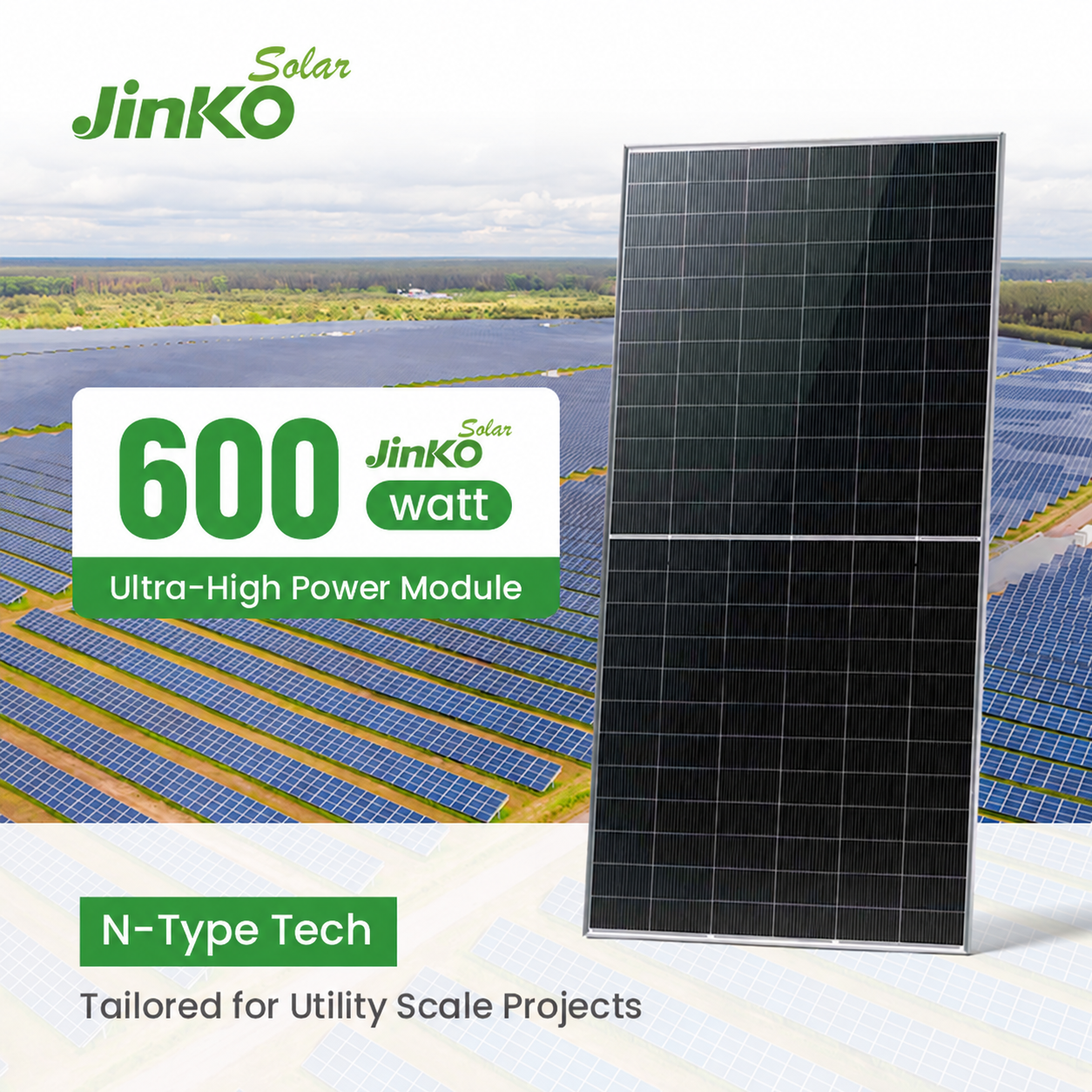
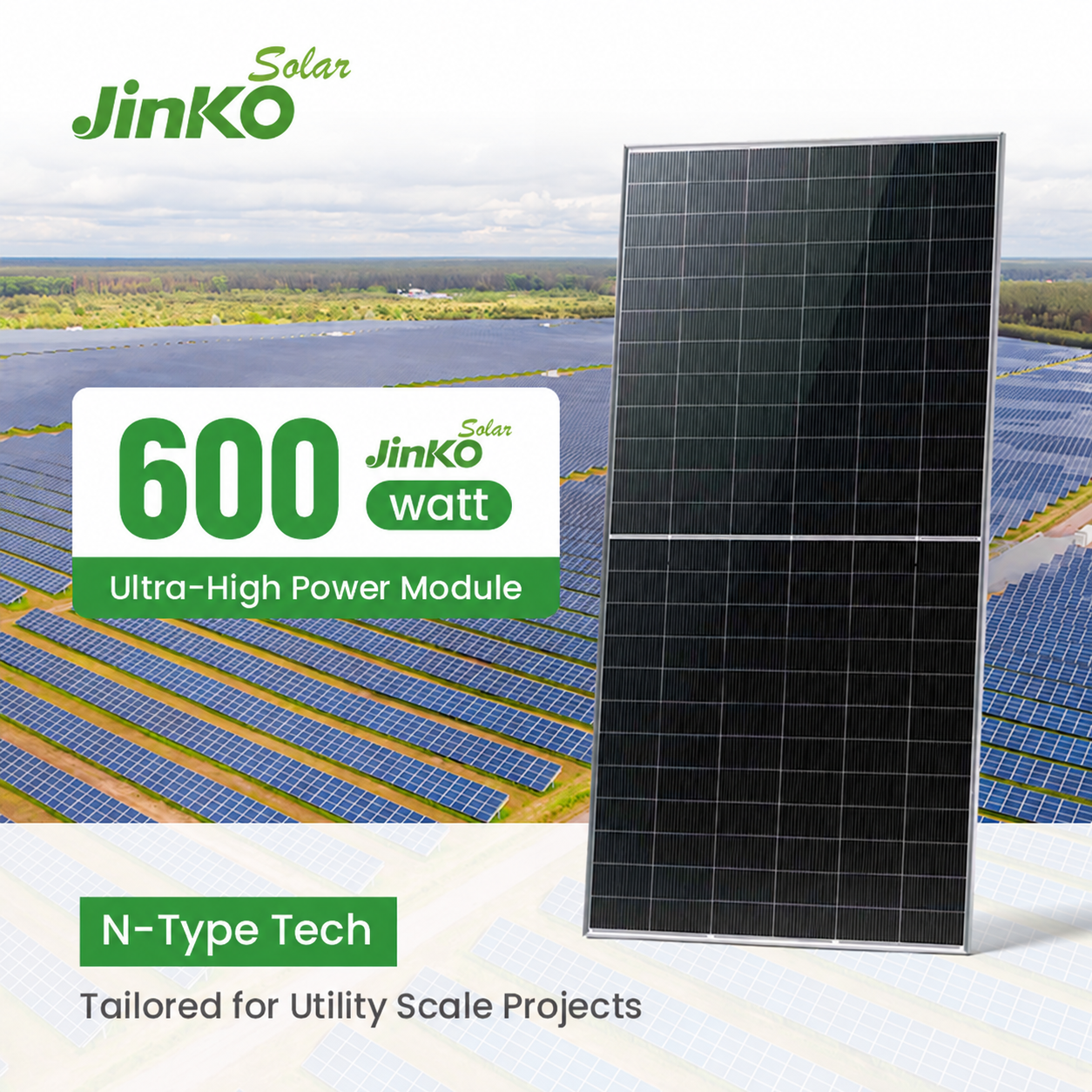
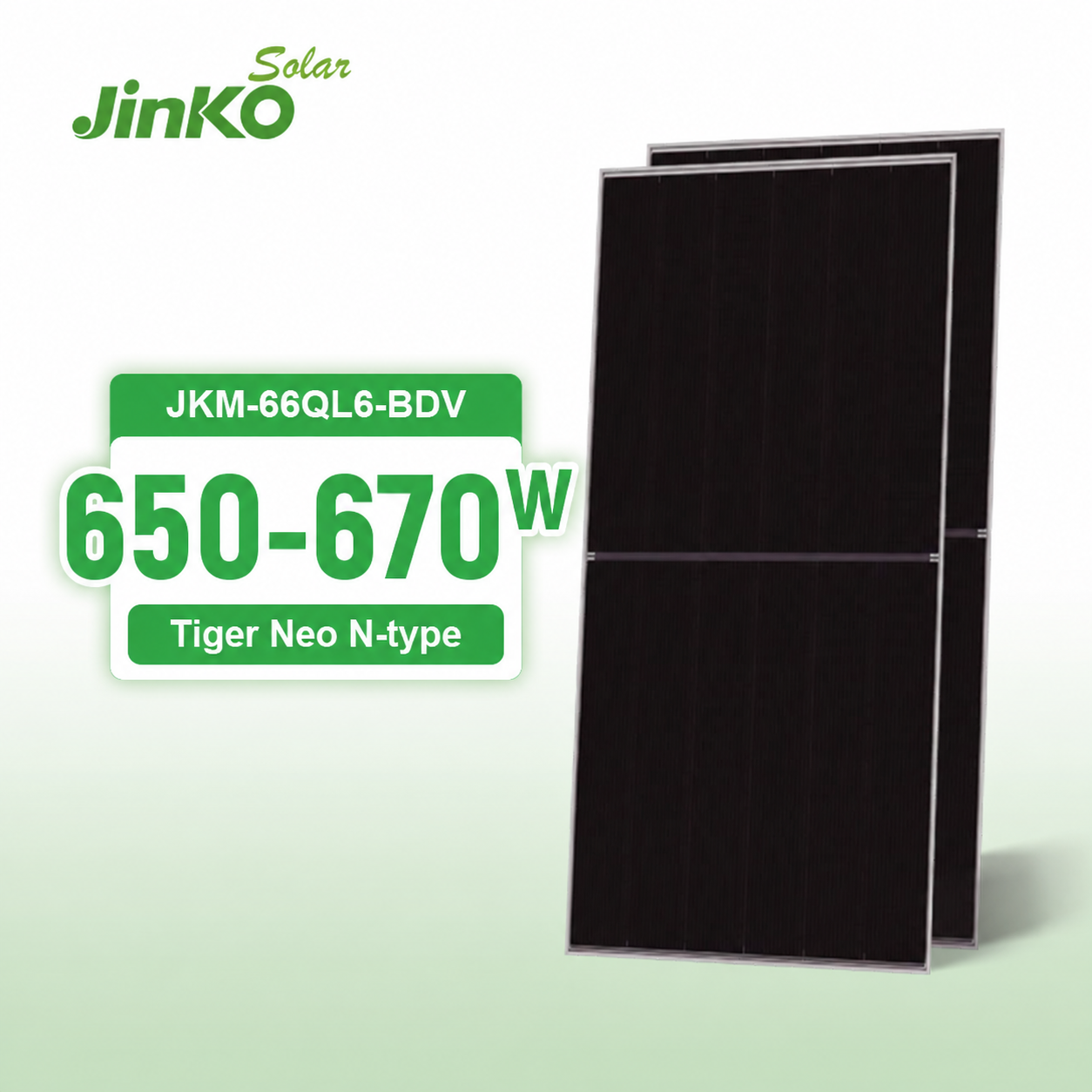
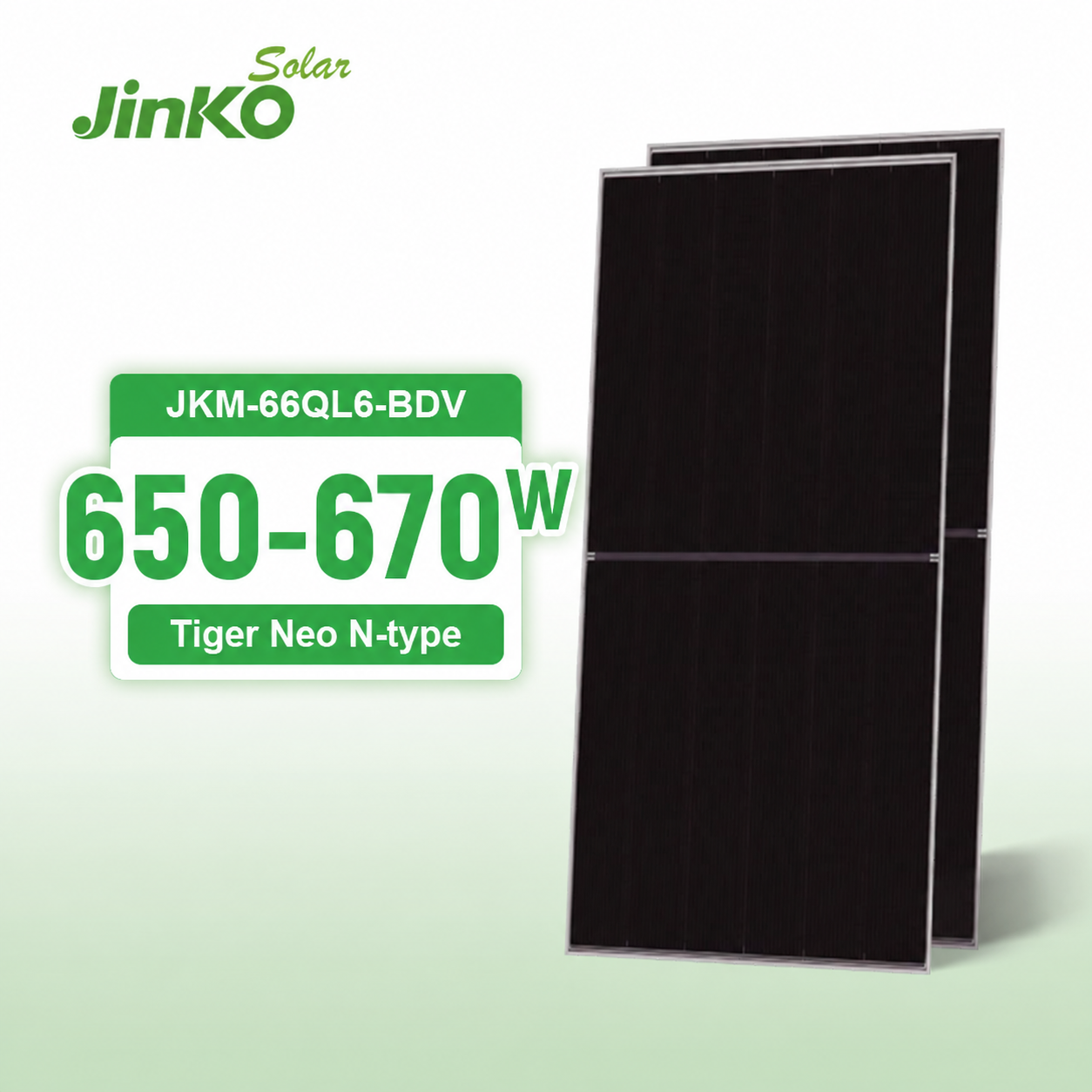
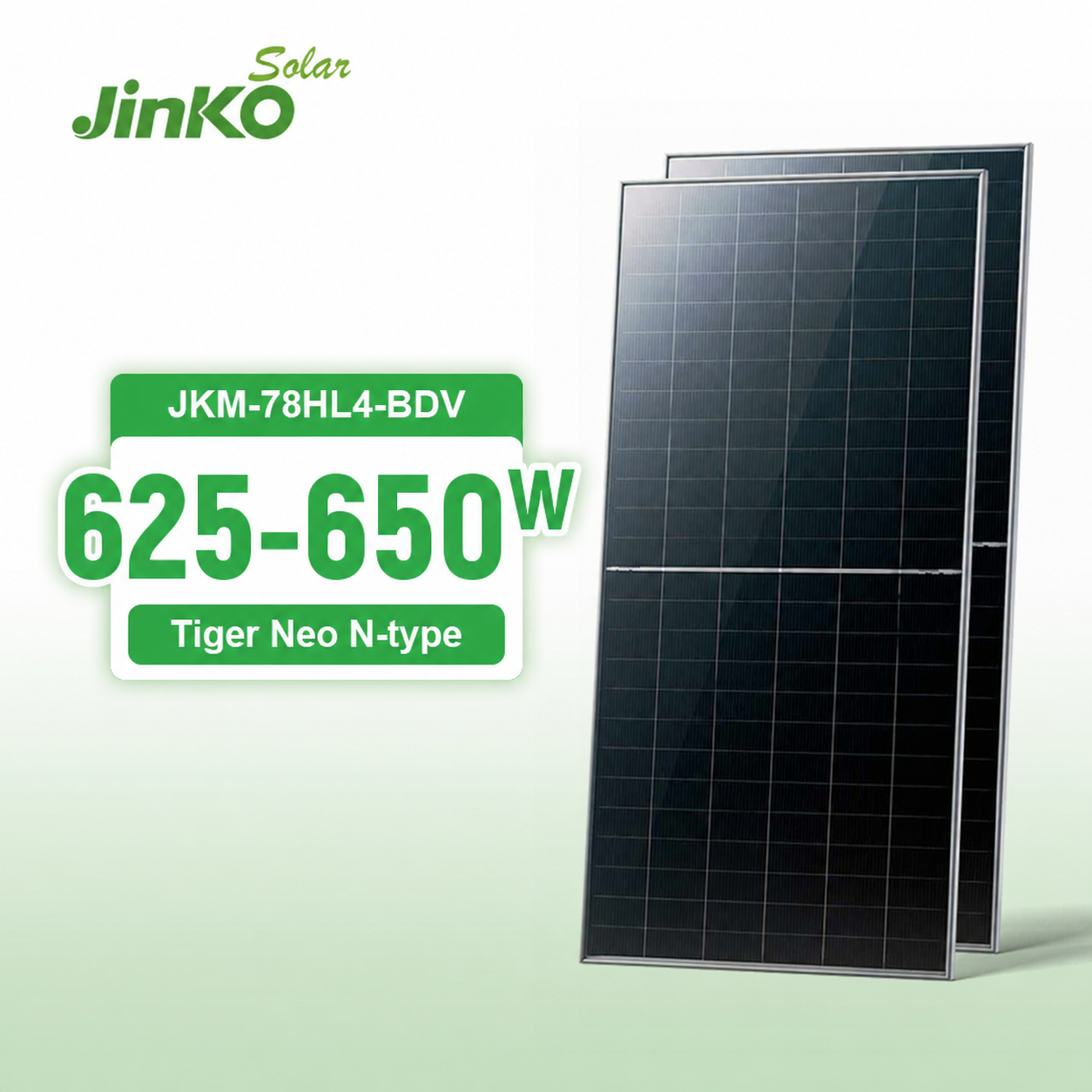
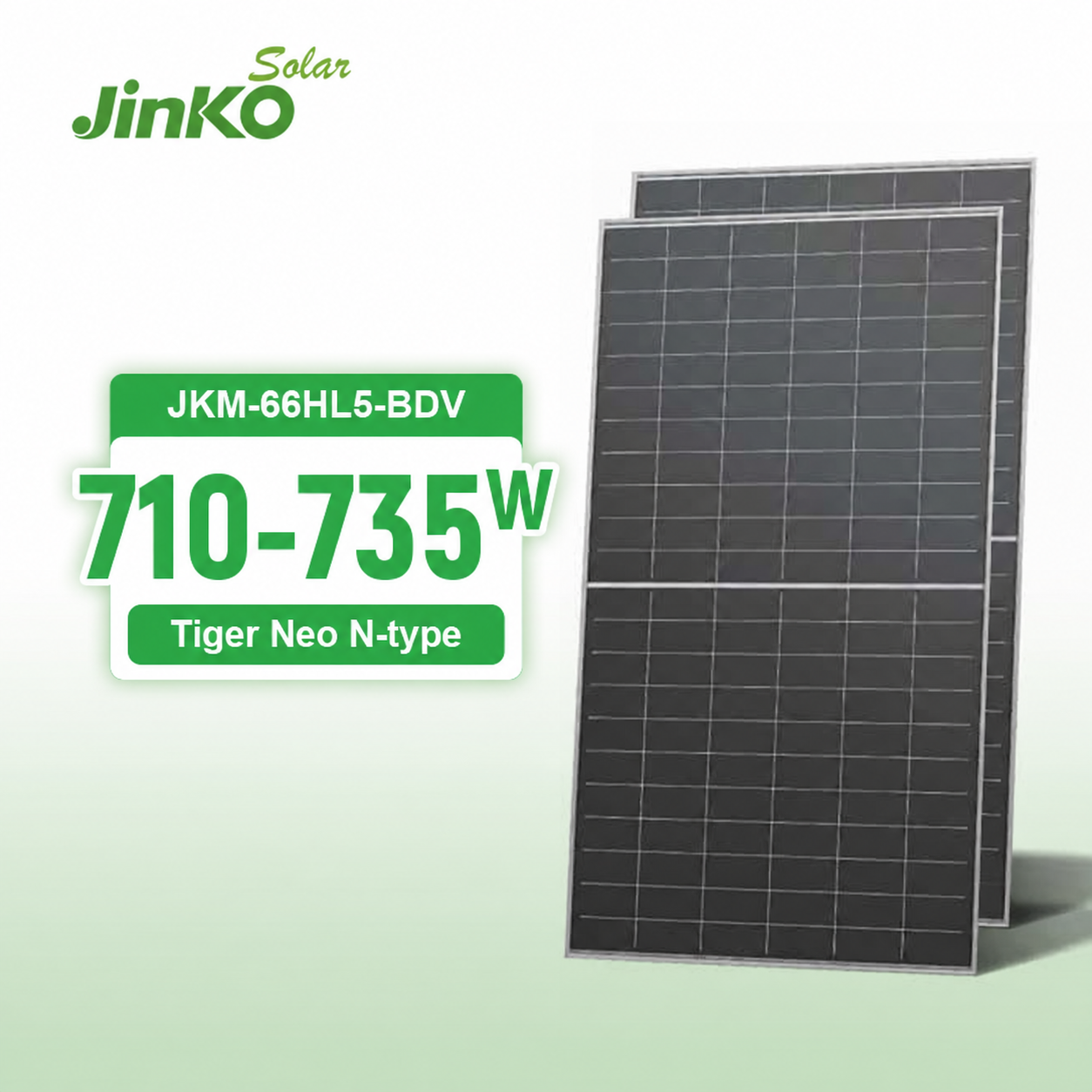
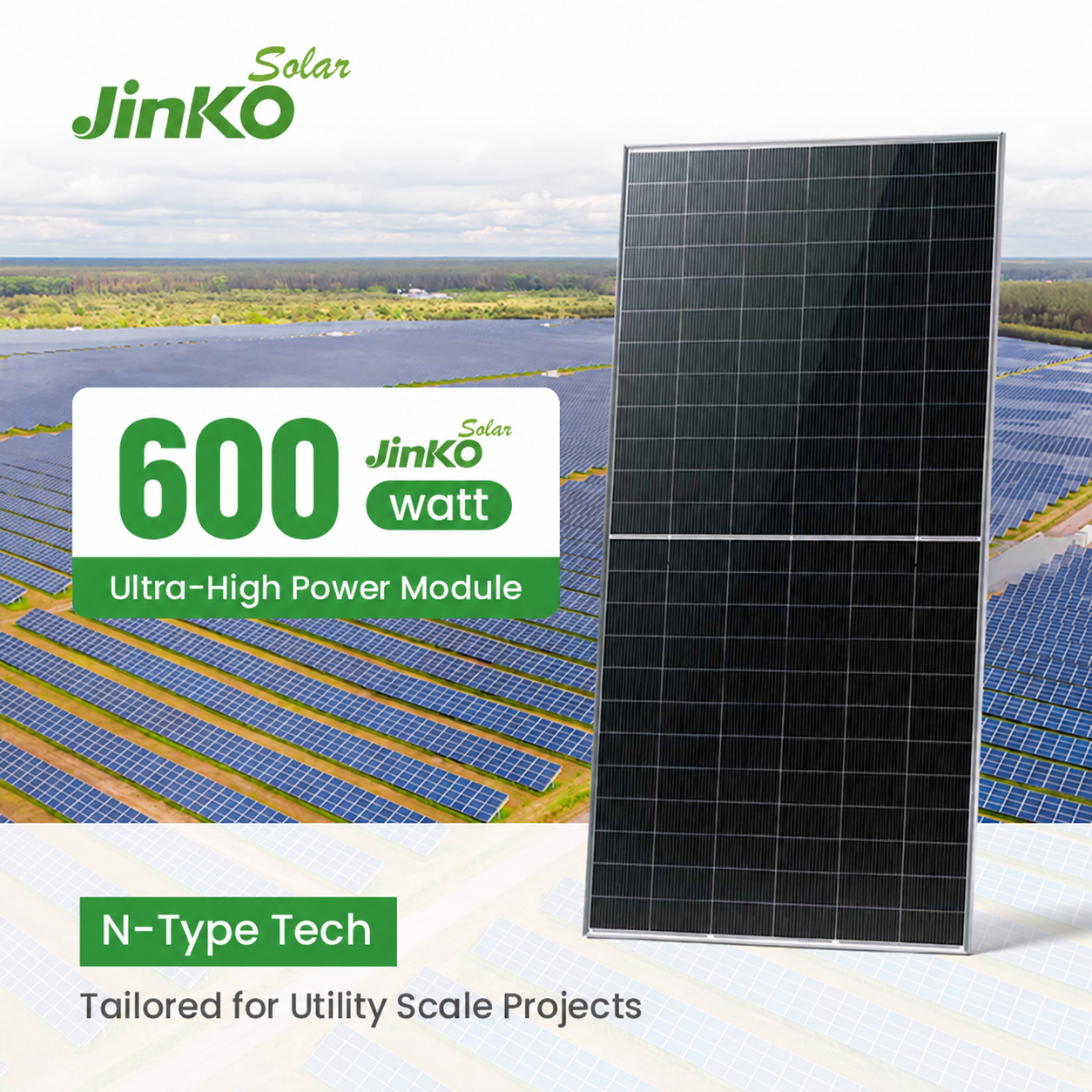
Technical White Paper: The Sub-Zero Albedo Advantage in Eastern Ontario
For solar developers, EPC contractors, and municipal energy planners across the National Capital Region (Ottawa-Gatineau), specifying photovoltaic equipment has historically been framed as a battle against severe winter operating conditions. However, empirical data from modern photovoltaic test benches and operational arrays across Eastern Ontario reveal that Ottawa’s climatic profile actually creates an ideal operating environment for N-type Tunnel Oxide Passivated Contact (TOPCon) bifacial dual-glass modules.
Between November and April, Eastern Ontario receives an average annual snowfall exceeding 220 centimeters. In traditional monofacial glass-backsheet installations, snow coverage causes near-total generation curtailment, while backsheet thermal contraction and moisture ingress accelerate delamination. In contrast, dual-glass bifacial panels turn winter ground coverage into an active generation asset via high ground reflectance (albedo):
Snow Albedo Amplification
Fresh Canadian snow exhibits an albedo coefficient between 0.75 and 0.85, reflecting up to 85% of diffuse and direct solar radiation back up toward the rear side of the module. Our N-type bifacial cells, featuring an industry-leading bifaciality factor of 80% ± 5%, harvest an additional 15% to 28% of overall kilowatt-hour output from this underbelly reflection.
Superior Cold Temp Coefficient
Semiconductor physics dictates that crystalline silicon efficiency increases as operating temperatures drop. Our TOPCon cells feature an ultra-low temperature coefficient of -0.30%/°C (compared to legacy P-type PERC at -0.38%/°C). During clear, sub-zero Ottawa winter afternoons (-15°C to -25°C), arrays operate well above rated STC nameplate capacity without thermal choking.
Thermal Snow-Shedding Dynamics
Rear-side solar absorption activates lower-level photovoltaic conversion even when the front glass is completely covered by fresh snow. This electrical generation produces mild internal module heat (localized resistive heating within the junction and busbars), which breaks the snow-to-glass friction layer and triggers rapid, spontaneous snow shedding across steep and medium tilts.
Furthermore, dual-glass construction (2.0mm heat-strengthened front glass + 2.0mm heat-strengthened rear glass) delivers structural rigidity rated to withstand 5400 Pa mechanical front snow loading and 2400 Pa reverse wind gusts. This structural barrier completely eliminates cell micro-cracks induced by heavy Ottawa ice accumulation, guarantees zero water-vapor permeability, and attains the highest Class A Fire Safety rating required by Ontario commercial building codes.
Localized Application Scenarios Across Ottawa & Eastern Ontario
The transition toward decarbonized grid architecture under the City of Ottawa’s Energy Evolution Strategy and Ontario’s Independent Electricity System Operator (IESO) directives has sparked massive procurement across distinct geographic and architectural sectors.
1. Rural Agrivoltaics & Farmland Ground Mounts
Across the agricultural corridors of Carleton, Osgoode, and West Carleton-March, ground-mounted bifacial arrays are installed on elevated single-axis trackers or high-clearance fixed racking (1.2m to 1.5m minimum ground clearance). This clearance allows pasture maintenance and hay farming while giving the rear cell surface optimal view angles for both green crop albedo (summer: 0.20–0.25) and snow albedo (winter: 0.80+), generating steady revenue without sterilizing prime arable land.
2. Commercial Industrial Flat-Roof Portfolios
High-cube logistics centers and manufacturing facilities along the Highway 417 and Hunt Club corridors leverage bifacial modules over highly reflective white thermoplastic polyolefin (TPO) or elastomeric roofing membranes. In commercial ballasted setups, the white membrane acts as an artificial albedo enhancer year-round, generating an immediate 10% to 14% energy yield boost over standard monofacial systems within identical roof footprints.
3. Hydro Ottawa Net-Metering & Institutional Arrays
With Hydro Ottawa offering structured Class-A and residential net-metering interconnection frameworks, urban schools, university campuses (Carleton, uOttawa), and corporate tech campuses across Kanata North employ high-efficiency 600W–670W dual-glass arrays. The Class A fire rating meets stringent institutional occupancy regulations, while predictable levelized cost of energy (LCOE) shields institutions from escalating peak hydro rates.
4. Rural Microgrids & Cottage Energy Storage
Throughout Lanark County, Renfrew, and the Rideau Lakes district, off-grid estates and seasonal commercial lodges integrate dual-glass modules with hybrid inverters and low-voltage LFP battery banks. The mechanical durability of dual glass withstands fallen branch impacts and heavy freezing rain, providing consistent winter microgrid trickle-charging where grid connection is financially prohibitive.
Regulatory Shifts, IESO Procurement & Supply Chain Economics (2025–2030)
The renewable energy procurement landscape in Ontario is undergoing its most aggressive expansion since the Feed-in-Tariff era. Key market catalysts are dictating how Ottawa engineering firms, EPCs, and procurement directors source solar equipment directly from Chinese manufacturers:
1. Ontario IESO LT1 & LT2 RFP Procurements: Ontario's Independent Electricity System Operator forecasts a severe energy capacity shortfall by 2028–2030, driven by the electrification of vehicle fleets, building heating decarbonization, and massive new enterprise AI data centers in the National Capital Region. The IESO Long-Term Request for Proposals (LT1 and LT2) emphasizes high-capacity-factor resources. Bifacial TOPCon technology, due to its extended morning and evening diffuse irradiance curve, significantly outperforms monofacial assets in capacity factor scoring metrics.
2. Canadian Electrical Code (CEC) & CSA Standards: Importing solar panels into the Ontario jurisdiction requires absolute adherence to CSA C22.2 No. 61730-1 / 61730-2 (Photovoltaic Module Safety Qualification) and UL 61730. When calculating cold-weather open-circuit voltage ($V_{oc}$) under Section 50 of the Canadian Electrical Code (CEC Part I), Ottawa’s record low temperatures (-35°C design limit) must be plugged into string design equations. Our factory modules feature optimized wafer dimensions and voltage characteristics that maximize inverter string length (up to 1500V DC system limits) while strictly avoiding hazardous overvoltage trip thresholds in deep winter.
3. Direct Factory Sourcing vs. Intermediary Markups: Canadian commercial installers face extreme price pressure from domestic hardware distributors who tack on 25% to 40% margin premiums for warehouse staging. Sourcing Tier-1 equivalent panels directly through Hangzhou VOLT New Energy bypasses localized distribution markups. With optimized container loading (typically 620 to 682 modules per 40ft High Cube container) and factory-direct quality control, importers save significant capital per megawatt peak ($/Wp), directly enhancing project internal rates of return (IRR).
Your Strategic Supply Bridge from China to Eastern Ontario
Hangzhou VOLT New Energy Technology Co., Ltd. is not merely a broker; we are an onsite-verified engineering and system-integration exporter headquartered in Zhejiang, China’s primary photovoltaic and battery manufacturing corridor. We eliminate the operational, compliance, and logistical risks of international PV procurement.
Comprehensive Flash & EL Testing
Every batch undergoes stringent multi-stage Electroluminescence (EL) defect scanning before palletizing. We test for micro-cracks, soldering bridge defects, and inactive cell fingers, sending serialized flash-test IV reports matching each palette before container dispatch.
Ocean Freight & Rail Integration
We manage door-to-port ocean freight via Montreal or Vancouver with direct CN/CP Rail connections to the Ottawa-Gatineau logistics terminal. Panels are packed in vertical reinforced export crates with specialized corner dampening to eliminate glass shearing during winter transit.
Solar + Storage Compatibility
Need complete system integration? As authorized channel partners for leading Deye hybrid inverters and our proprietary LFP battery systems, we verify BMS communication protocols, MPPT voltage matchings, and electrical safety profiles before shipment leaves China.
Customs Clearance Documentation
We provide full customs compliance documentation packages under Canadian CBSA rules: verified Commercial Invoices, Packing Lists with HS Code 8541.43 precision, non-preferential Certificates of Origin, and international third-party compliance certificates (TÜV, IEC, CE, ISO 9001).
Frequently Asked Questions: Purchasing Wholesale Bifacial PV for Ottawa
Direct, technically rigorous answers addressing the most common inquiries sent by Canadian solar distributors, EPC engineers, and commercial project owners.
How do Ottawa's extreme sub-zero temperatures affect string sizing and inverter voltage selection?
Why is dual-glass construction mandatory over glass-backsheet for Eastern Ontario snow loads?
What is the optimal tilt angle and height clearance for bifacial panels to maximize Ottawa winter albedo?
How does Hangzhou VOLT New Energy manage international freight, container packing, and customs tariffs to Canada?
Can you consolidate solar panels with Deye inverters and lithium storage in a single container?
Request Wholesale Factory Pricing & Engineering Project Sizing
Whether you are procuring container volumes for an Eastern Ontario agrivoltaics initiative, outfitting commercial rooftops along Highway 417, or establishing a regional wholesale supply distributorship in Ottawa, our bilingual engineering team is ready to deliver customized bill-of-materials quotations, cold-climate string simulations, and guaranteed freight delivery schedules.
Contact Us