-40°C
Sub-Zero Operation
100+
Export Destinations
15+ Yrs
Float Design Life
100%
Pre-Shipment Tested
High-Efficiency Portfolio
Integrated Solar Generation & Energy Storage Modules
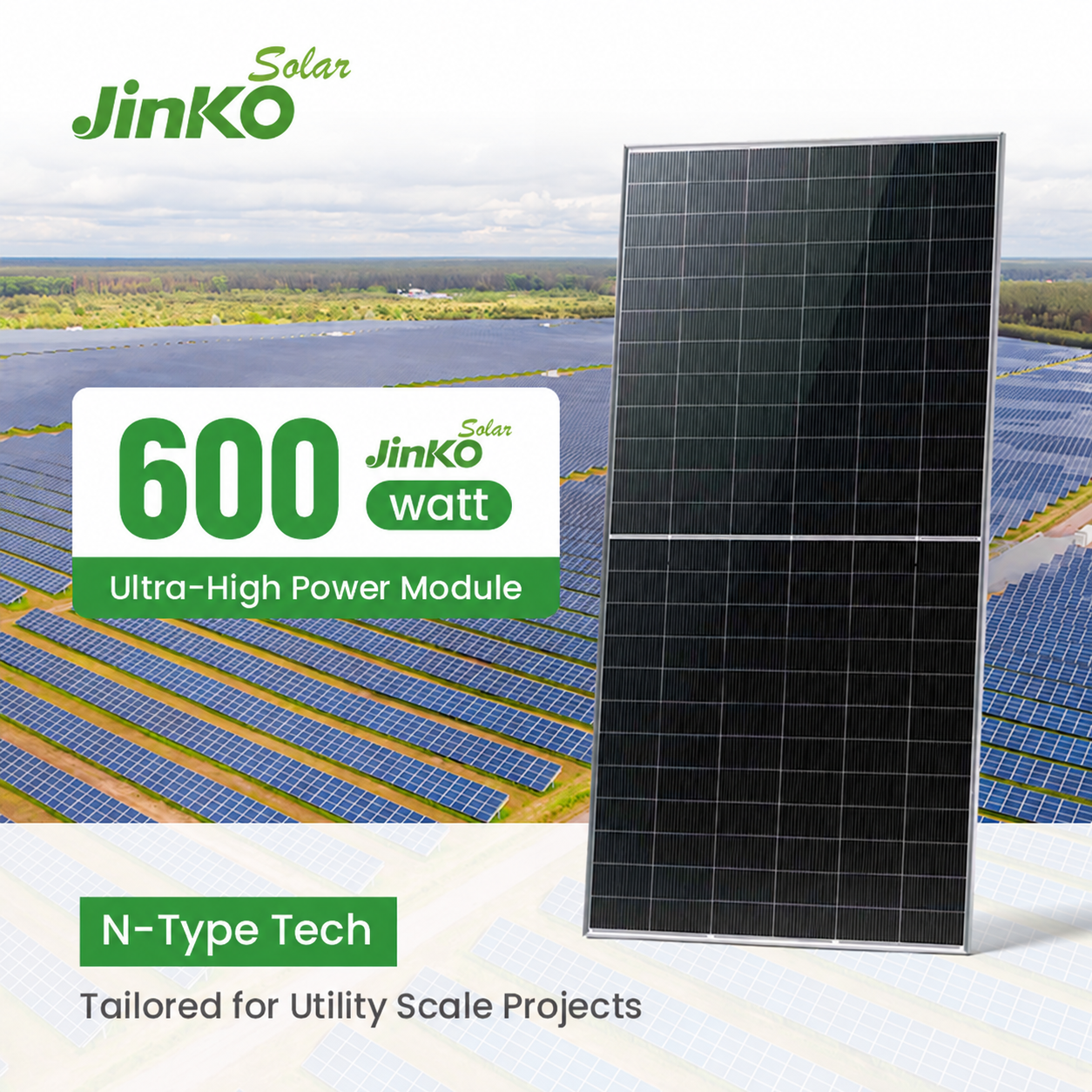
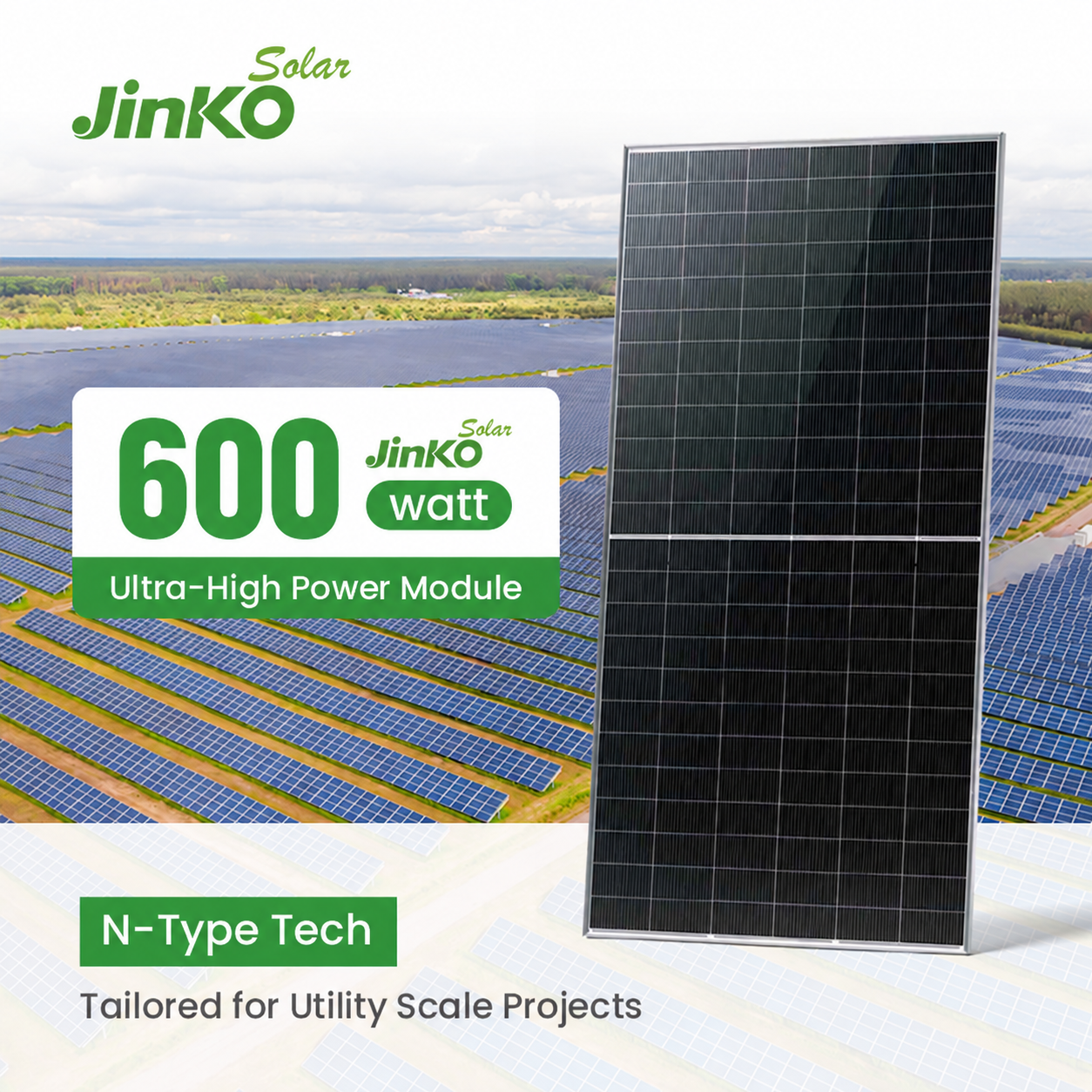
Combining proprietary nano-silica colloidal electrolyte cells with ultra-high yield N-Type bifacial solar panels and smart inverters, optimized for Calgary's harsh winter climates and intense solar irradiance.
Engineering Authority
Colloidal Battery Chemistry in Extreme Northern Latitudes
A technical assessment of thixotropic gel electrolyte performance under Calgary and Southern Alberta climatic stresses.
As Calgary, Alberta accelerates its transition toward modern distributed generation and energy diversification, the regional microclimate poses extreme electro-chemical challenges that conventional liquid-acid and unheated lithium chemistries fail to navigate economically. Colloidal batteries—engineered with high-purity nanometer-scale fumed silica that transforms conventional sulfuric acid electrolytes into an immobile thixotropic gel matrix—represent the benchmark standard for installations requiring uncompromised cold-temperature performance and extended cycle endurance.
In regions such as Rocky View County, Foothills County, and industrial zones surrounding Greater Calgary, winter temperatures regularly dip below -30°C. Standard lithium iron phosphate (LiFePO4) chemistries, while energy-dense, undergo destructive lithium plating when charged below 0°C without active parasitic heating jackets. Liquid flooded or standard AGM batteries are susceptible to electrolyte stratification and casing rupture caused by volumetric expansion during electrolyte freezing. In contrast, Hangzhou VOLT New Energy’s colloidal series immobilizes the electrolyte homogeneously. The sulfuric acid gel cannot stratify, maintaining uniform internal plate contact and providing unmatched physical crack resistance, even in prolonged standby at -40°C.
Furthermore, Southern Alberta boasts the highest annual sunlight hours in Canada (exceeding 2,390 hours annually), often accompanied by rapid diurnal temperature swings known as the Chinook phenomenon. These drastic temperature changes trigger thermal runaway risks in unstable battery banks. Colloidal batteries exhibit a massive thermal capacity due to the dense gel volume, acting as an intrinsic heatsink that buffers against ambient volatility and prevents dry-out during elevated float-charge stages.
| Technical Characteristic | Nano-Silica Colloidal Gel | Standard AGM Lead-Acid | Unheated LFP Lithium |
|---|---|---|---|
| Sub-Zero Discharge Capability | Maintains 65-70% capacity at -30°C without degradation | Drops below 40% capacity; high freeze risk | Significant drop in efficiency; BMS cut-off |
| Sub-Zero Charging Protocol | Accepts recharge down to -25°C at controlled C-rates | Very poor charge acceptance; severe polarization | Strictly prohibited (causes catastrophic plating) |
| Electrolyte Stratification | Zero (completely immobilized gel matrix) | Moderate to High during shallow cycling | Not Applicable |
| Deep Discharge Recovery (100% DOD) | Superb recovery due to microporous separators | Poor (causes immediate sulfation and plate damage) | Requires internal BMS recovery procedures |
| Transportation Safety (Alberta Winter) | Non-spillable, non-hazardous cargo (Class non-DG) | Non-spillable, but prone to mechanical frost crack | Class 9 Dangerous Goods (strict UN38.3 handling) |
Localized Deployments
Engineered for Southern Alberta's Harsh Demands
Tailored off-grid, telecom, and critical industrial applications across the Calgary Metropolitan Region and adjacent rural territories.
⚗
SCADA & Oil & Gas Telemetry
Wellheads, pipeline valve monitoring, and cathodic protection units scattered across the Western Canadian Sedimentary Basin cannot risk thermal shutdown. Our deep-cycle colloidal batteries supply continuous 24V/48V power to remote telemetry stations during month-long blizzard events without maintenance intervention.
Zero acid leakage & non-gassing☀
Off-Grid Agricultural & Ranches
Farms throughout rural Calgary rely on standalone solar pumping, automated cattle gates, and remote barn backup. By coupling high-output bifacial modules with rugged colloidal banks, agricultural operators achieve complete energy independence from fluctuating Alberta electric distribution charges.
Proven 1200+ cycles at 50% DOD⚡
Severe-Cold Backup for Urban Microgrids
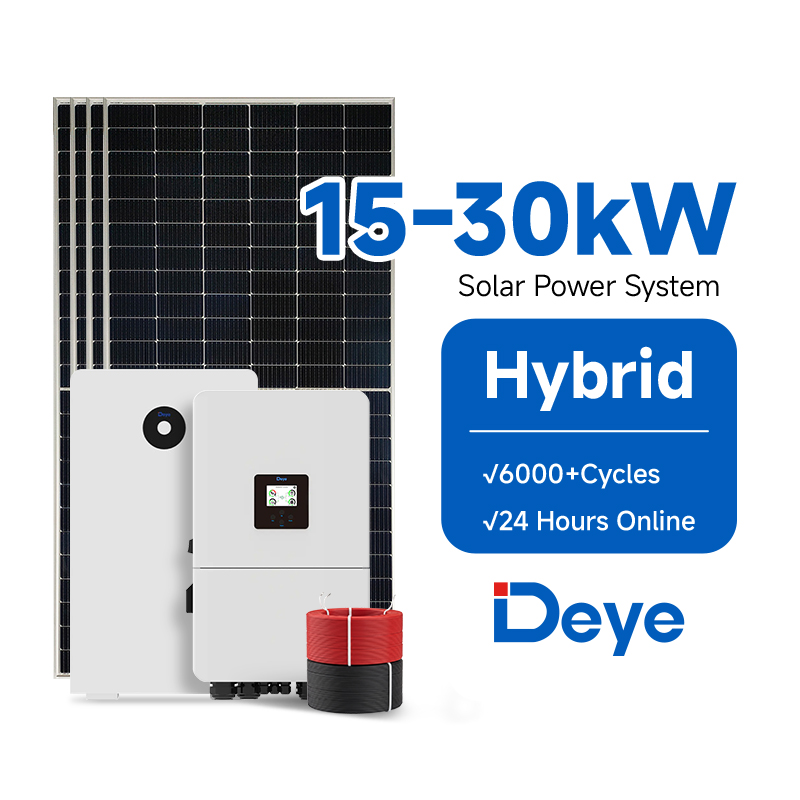
Calgary’s electricity framework frequently faces transmission strain during polar vortex surges. Colloidal energy storage acts as a reliable base-load uninterrupted buffer, interfacing directly with Deye hybrid inverters to sustain critical municipal lighting, communication towers, and residential circuits.
Immediate peak-demand smoothing
Regulatory & Market Analysis
Emerging Regional Energy Trends in Alberta
How the unique dynamics of the AESO market and provincial climate mandate specialized energy storage architectures.
📈
Deregulated Market Volatility
Alberta operates the only truly deregulated energy-only market in Canada (administered by AESO). During peak winter cold-snaps, wholesale electricity prices frequently jump from base rates to the $1,000/MWh price cap. Deploying colloidal battery backup protects B2B facilities from exorbitant transmission and capacity surcharges.
❄
Bifacial PV Albedo Optimization
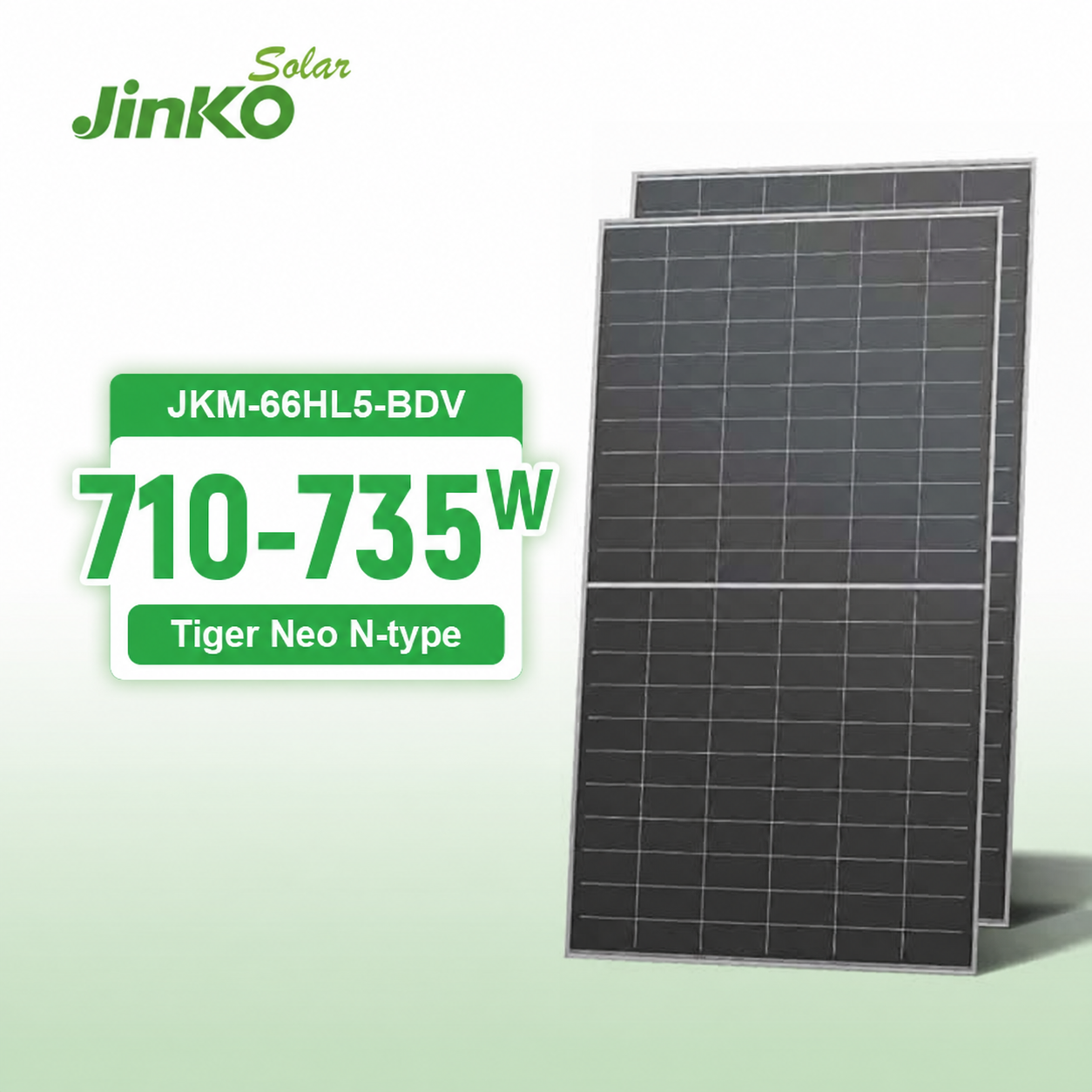
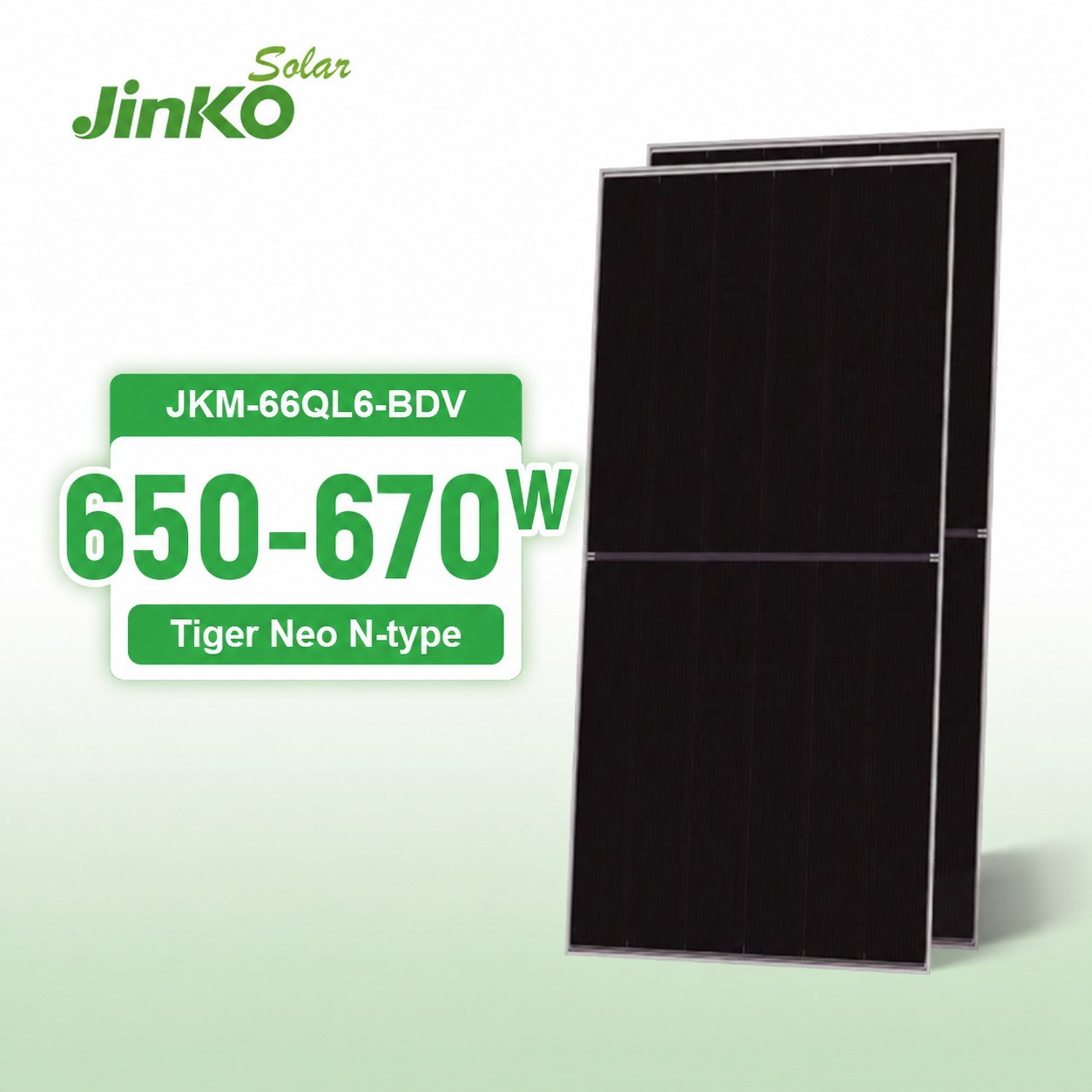
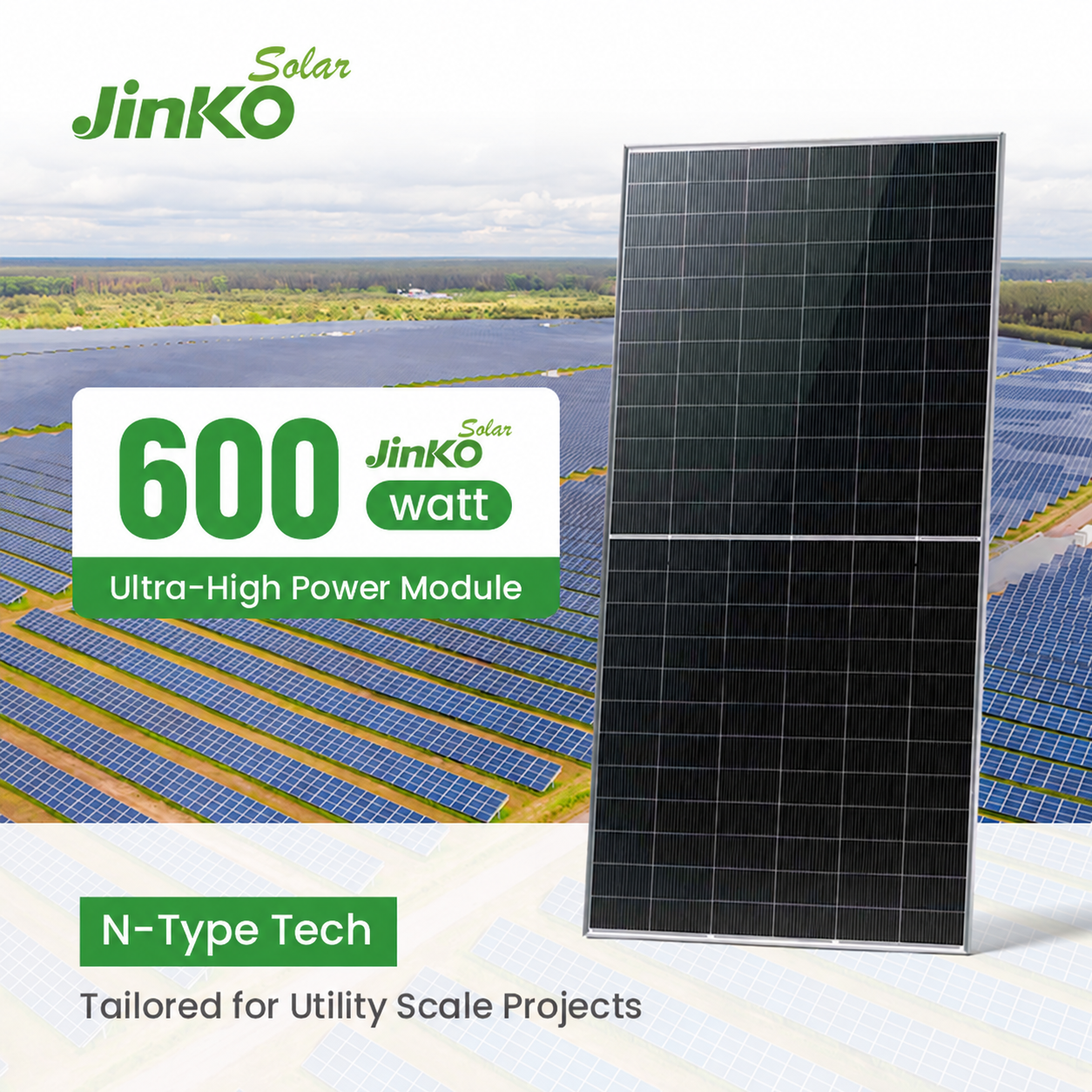
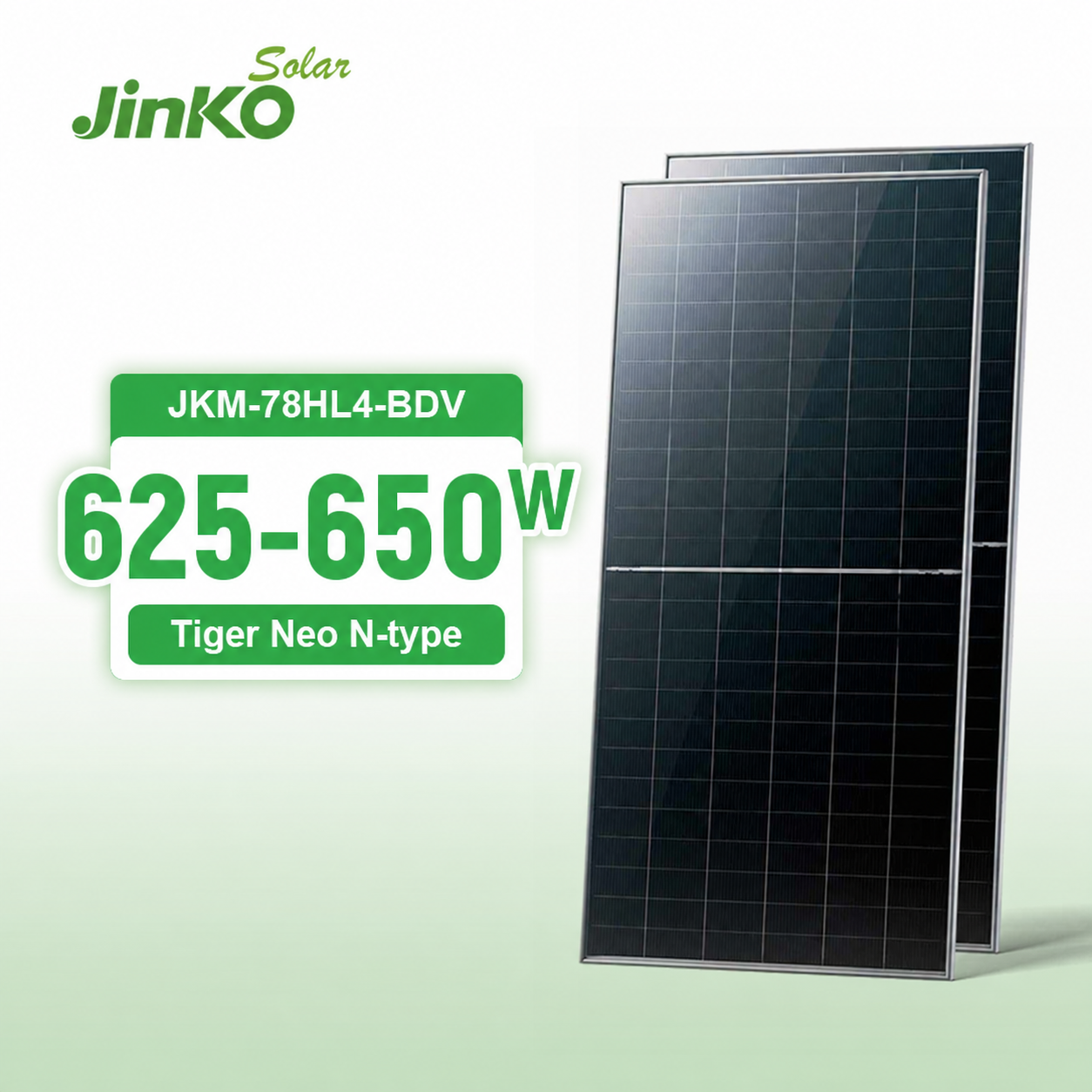
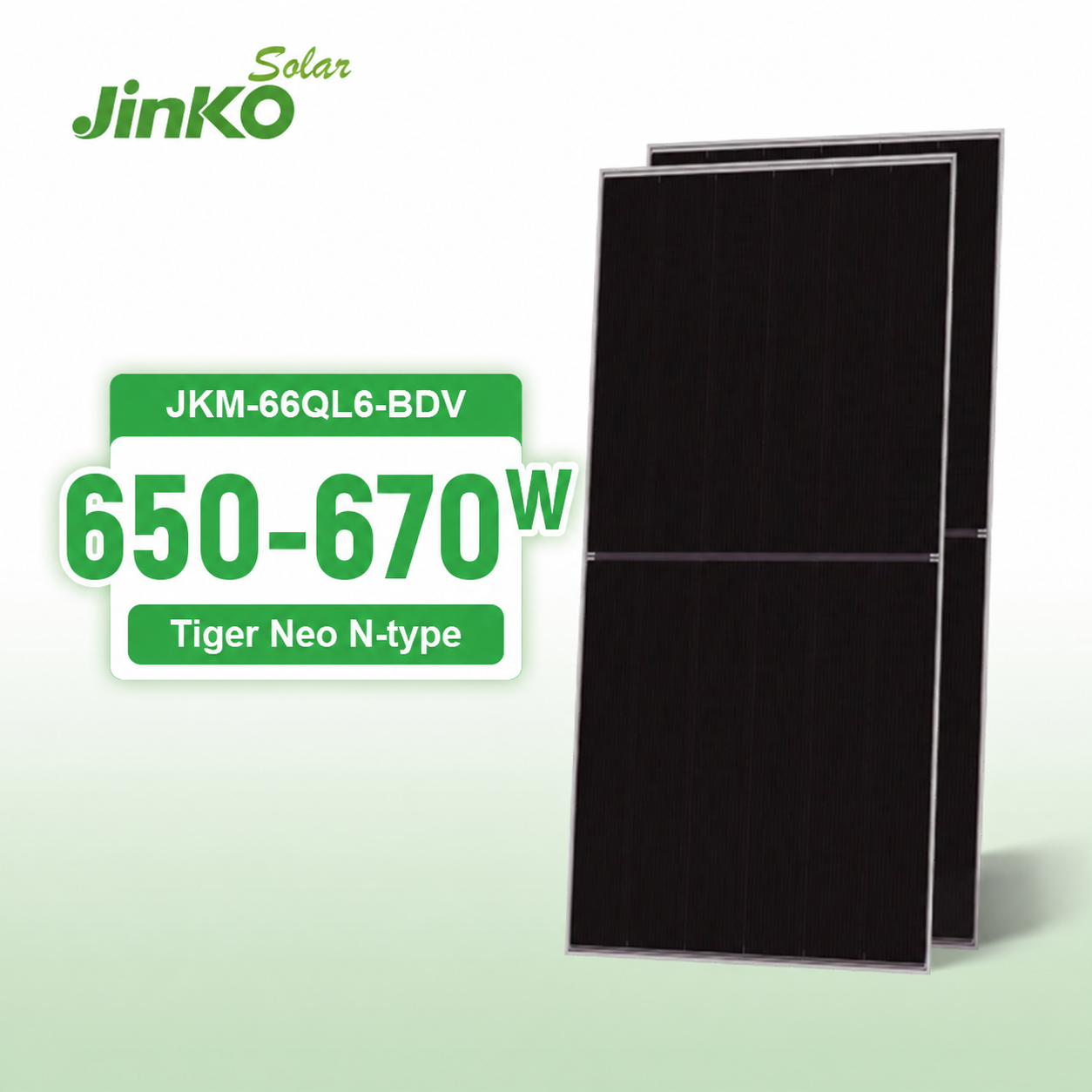
Because Calgary experiences extended ground snow cover from November to April, ground-mounted bifacial PV arrays leverage exceptional snow albedo reflectance (up to 80% rear-side gain). Our matched systems pair dual-glass N-Type modules with colloidal banks capable of digesting erratic high-current bursts without premature plate degradation.
🛡
Resilience Against Grid Curtailment
Utility interconnection queues for renewable energy in Alberta have experienced administrative shifts. Decentralized, off-grid, and small-scale self-consumption microgrids using certified storage are rapidly gaining traction as a rapid, compliant route to avoid regulatory moratoriums on large-scale generation.
Enterprise Credentials
Why International EPCs & Importers Choose VOLT New Energy
Combining Tier-1 manufacturing partnerships with rigorous pre-shipment engineering protocols from Hangzhou, China directly to Canadian points of entry.

Verified Compatibility & Protocol Integration
Importers often suffer from protocol disconnects between Chinese manufacturers and North American installation sites. We perform pre-shipment CAN and RS485 communication testing on every inverter-battery pairing. Our team programs low-voltage cutoff, bulk charging limits, and temperature compensation coefficients directly at our testing labs to ensure plug-and-play field installation upon arrival in Calgary.

Stringent QC & Full Export Compliance
Every single consignment is subject to automated capacity sampling, internal resistance checks, and terminal insulation validation before packing. We handle international logistics from port of departure through sea-rail multi-modal delivery to Western Canada, supplying complete documentation including non-dangerous cargo declarations, CE, ISO9001, and IEC 62619 factory test sheets to streamline Canada Border Services Agency (CBSA) customs clearance.
Procurement Inquiries
Frequently Asked Questions by Calgary B2B Buyers
Clear engineering, shipping, and warranty information tailored for Canadian importers, system integrators, and electrical contractors.
How do colloidal batteries compare to lithium iron phosphate (LiFePO4) in Alberta winters?
While LiFePO4 batteries offer higher volumetric energy density, they cannot be charged at temperatures below 0°C without risk of permanent lithium dendritic plating and cell failure unless active internal heating pads are installed (which consume valuable stored energy). Colloidal gel batteries can reliably charge and discharge in cold ambient conditions down to -25°C without auxiliary heating. Furthermore, colloidal systems involve lower upfront capital cost, making them exceptionally attractive for unheated outbuildings, telecom shelters, and remote sites where winter heating cannot be assured.
Are your colloidal batteries compatible with Deye hybrid inverters?
Yes. Deye low-voltage hybrid inverters (5kW to 30kW) feature highly customizable battery parameter profiles. Because colloidal batteries do not use an electronic internal BMS chip like lithium packs, the Deye inverter is configured to operate in "Lead-Acid/Gel Voltage" mode. Prior to dispatch, our engineers calculate the precise float, absorption, equalization, and temperature compensation slope (-3mV to -5mV/°C/cell) and provide a turnkey wiring and settings blueprint.
What logistics route is taken for delivery to Calgary, and do you handle consolidation?
Shipments to Calgary normally follow a multimodal ocean-to-rail corridor: loaded in Ningbo or Shanghai port, shipped via transpacific vessel to the Port of Vancouver (or Prince Rupert), and transferred directly onto CN or CP Rail straight to the Calgary Intermodal Terminal. Colloidal gel batteries are classified as non-spillable and non-hazardous under standard transport regulations, allowing them to be consolidated inside the same shipping container with Jinko solar panels, Deye inverters, and racking accessories to drastically reduce per-unit freight costs.
What is the float lifespan and cyclic degradation rate in extreme temperatures?
Under standard operating conditions (20°C to 25°C), our heavy-duty colloidal batteries feature a design float life of 12 to 15 years. Under deep cycling applications, they deliver 1,200 to 1,500 cycles at 50% Depth of Discharge (DOD) and approximately 600 cycles at 80% DOD. In sub-zero environments, chemical kinetics slow down, effectively prolonging the physical lifespan of the lead grid, provided the battery is kept above its freeze point by maintaining a state of charge above 40%.
How does VOLT New Energy manage warranty support and product certification for Canada?
All supplied components adhere to original manufacturer warranties (typically 2 to 5 years for deep-cycle colloidal units, and 10 to 12 years for PV modules/inverters). We archive serial numbers and individual cell batch reports on file. In the rare event of a field defect, our technical team processes warranty claims directly through photographic and diagnostic log reviews, supplying replacement units or credits on subsequent shipments. Compliance documentation including CE, UL/IEC testing certificates, and safety data sheets (SDS) are supplied prior to shipment.