Integrated Storage & High-Yield Generation Modules for Colorado EPCs
Containerized battery energy storage systems (BESS) require flawlessly matched photovoltaic inputs and bidirectional power conversion. Explore our factory-calibrated generation panels and low-voltage hybrid inverters deployed across Denver commercial developments and Front Range community microgrids.
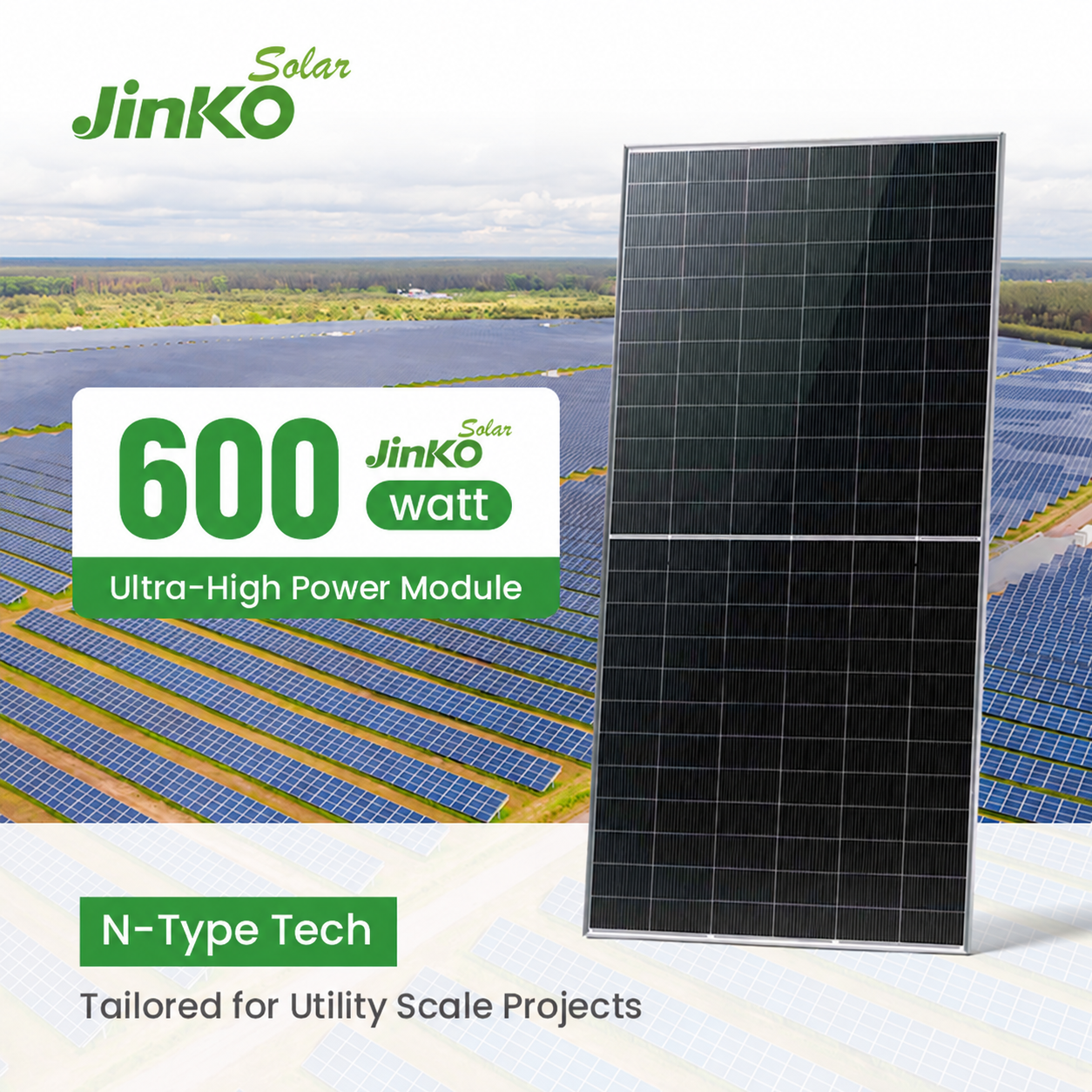
Jinko N Type Bifacial Solar Panels 600W 580W 595W TOPCon Double Glass High Efficiency Solar Module
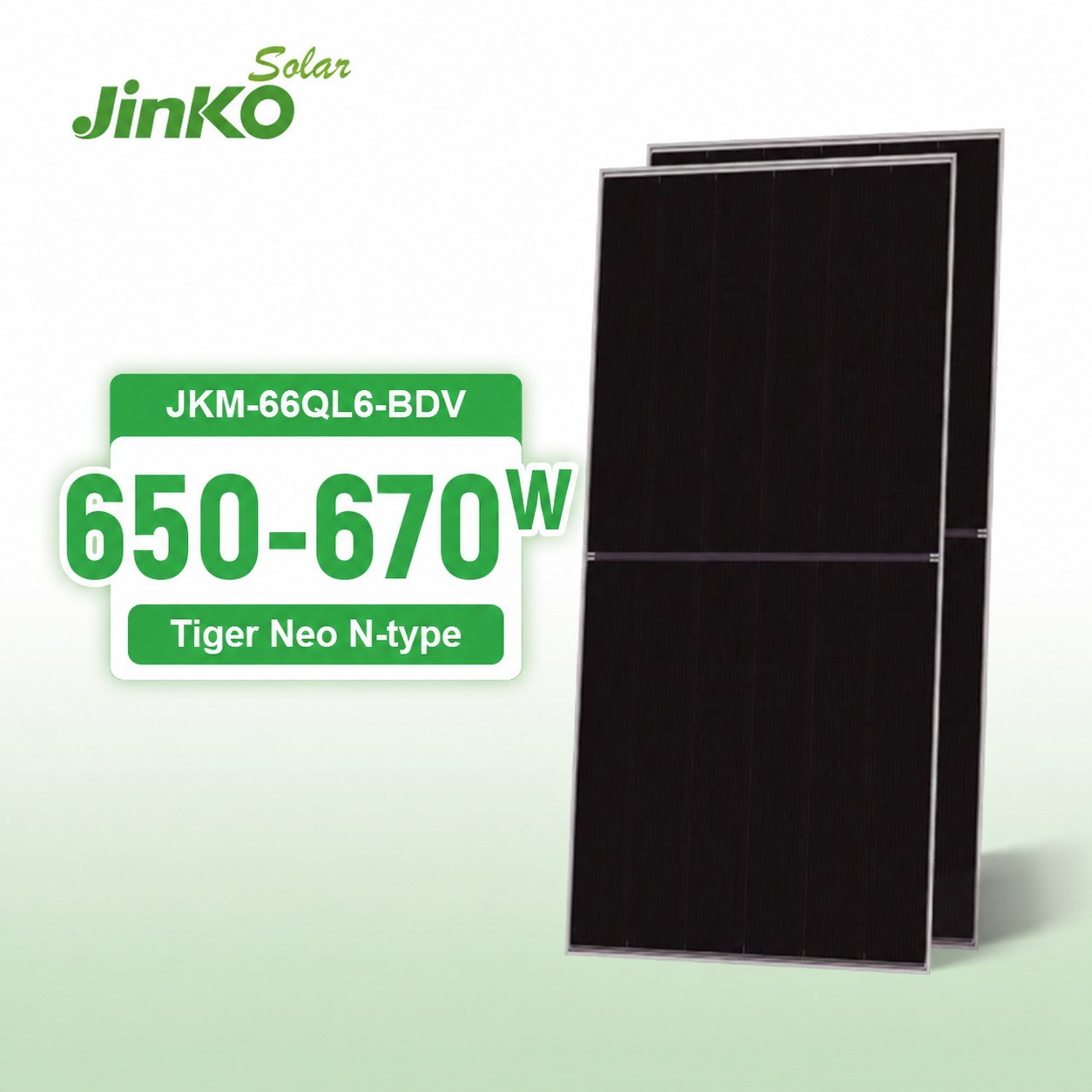
Jinko Panneau Solaire 660w 650W 660W 670W N Type Bifacial Dual Glass Photovoltaic Panel for Industrial
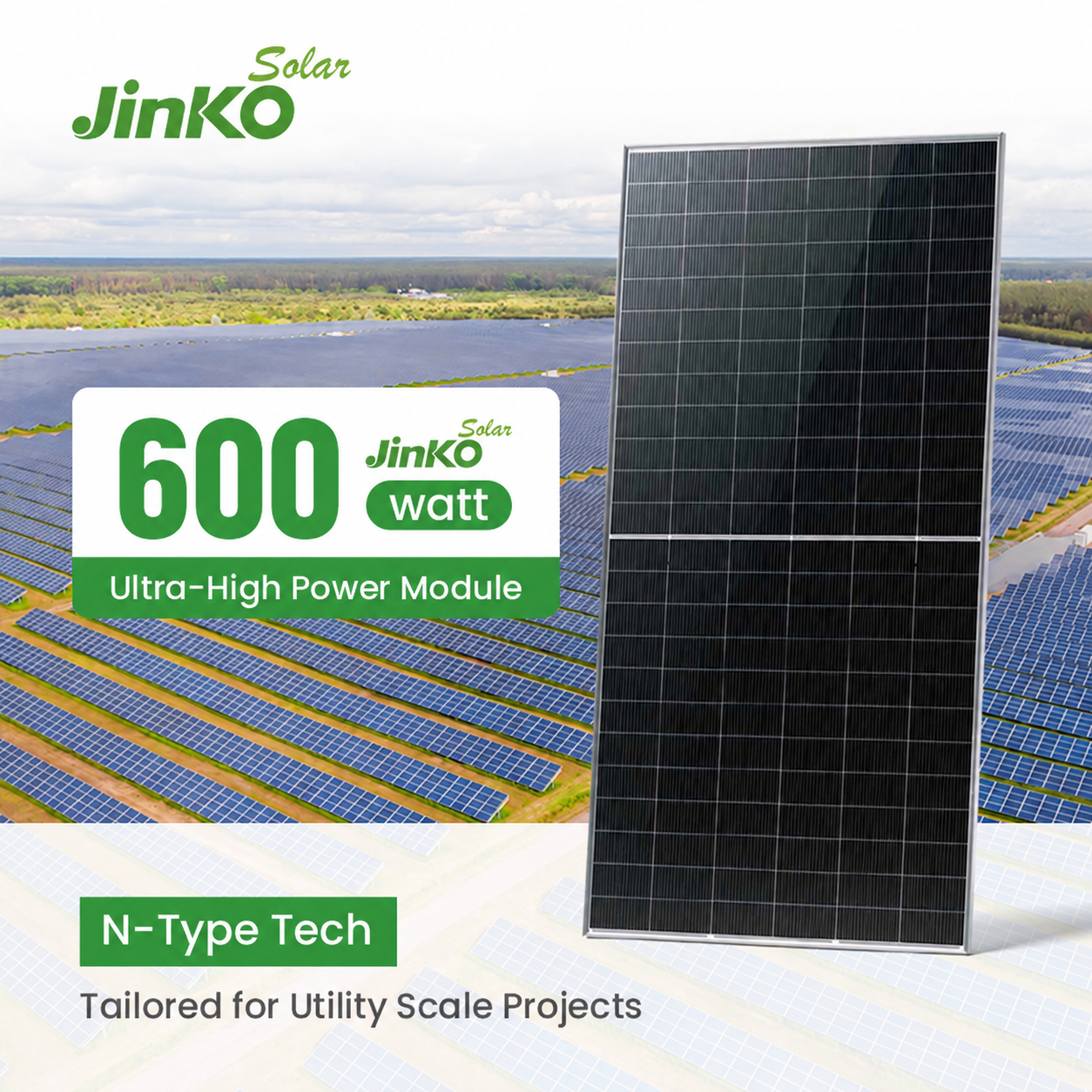
Jinko High Efficiency Bifacial 600W 585W 575W 595W Double Glass N Type Solar Panel in Stock
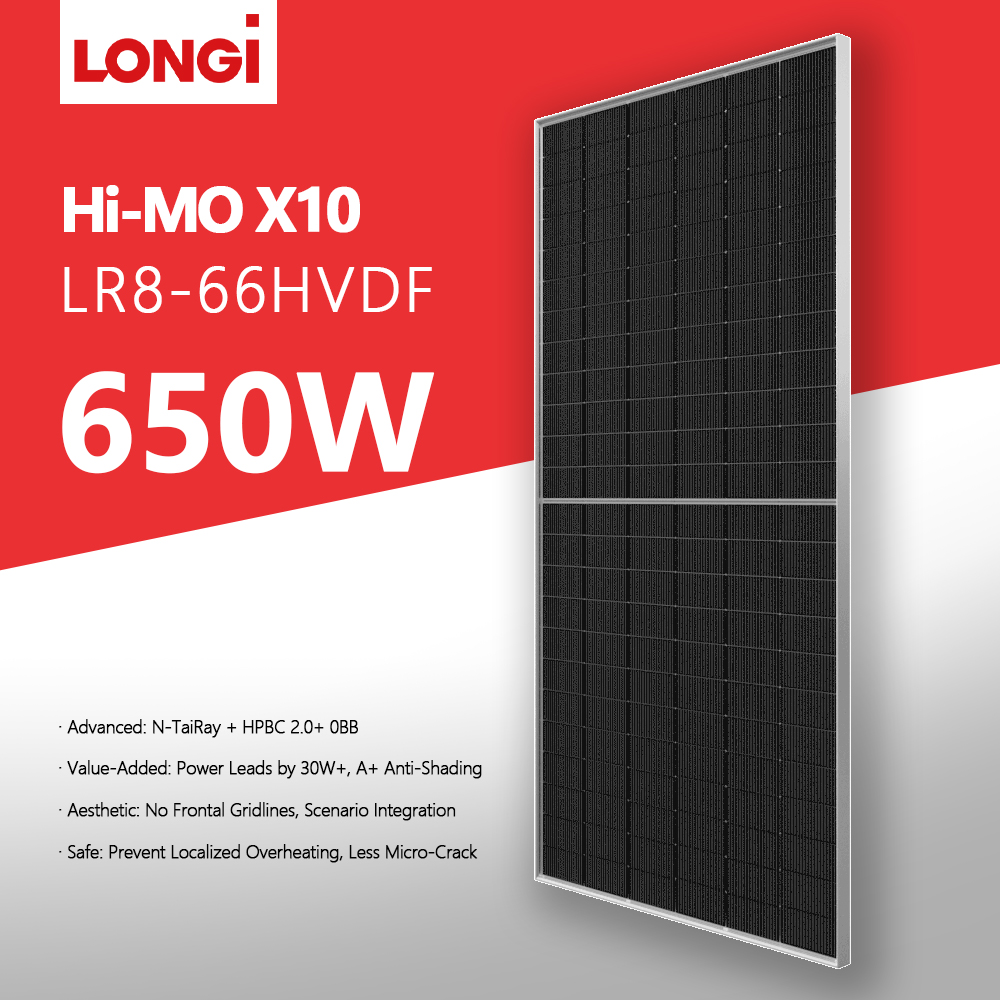
Commercial Grade LONGI Solar Panel 650W N-Type Solar Module Solar Panels with Battery and Inverter for Shopping Mall Rooftops
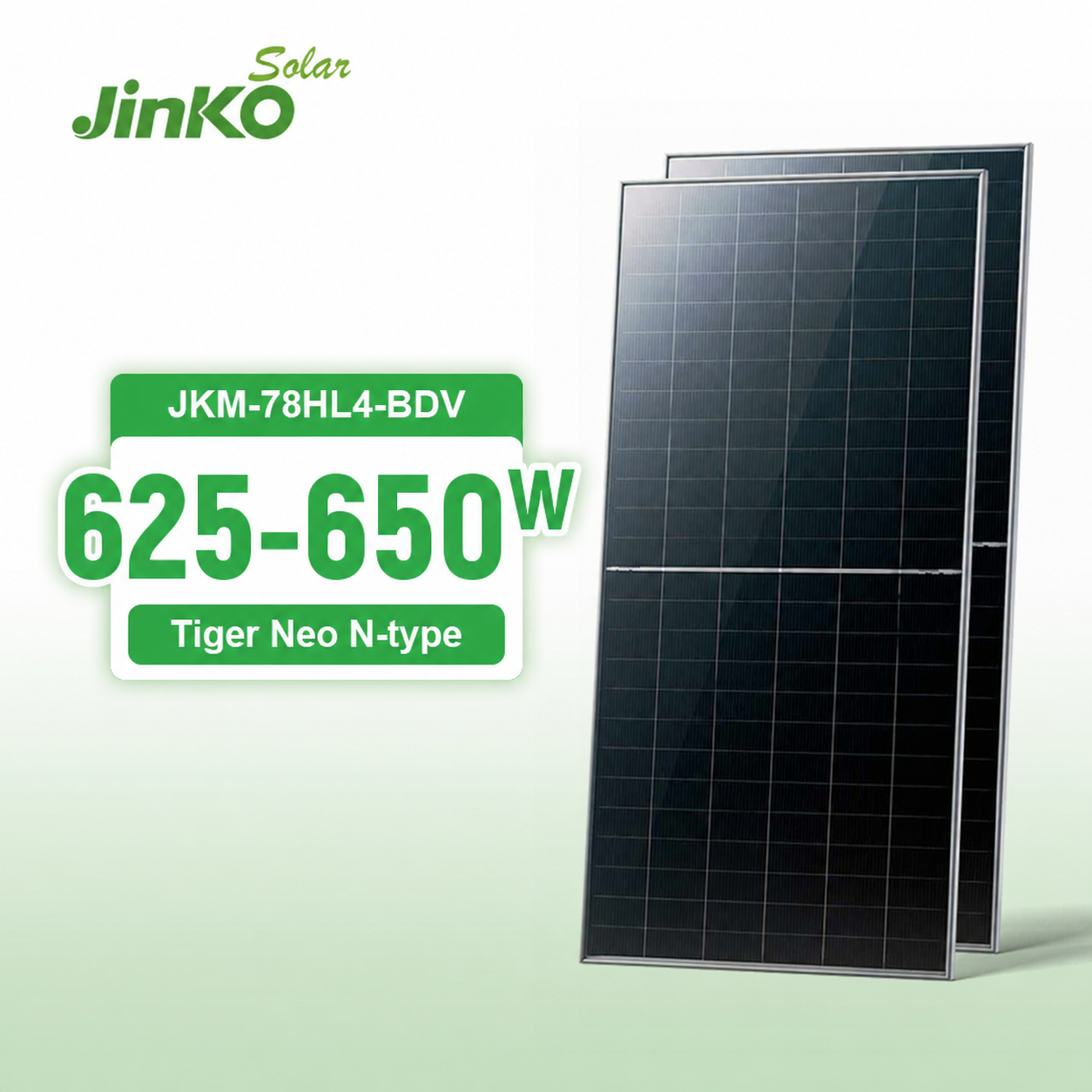
Jinko N Type Bifacial Pv Panels 650W 630W 645W Double Glass High Efficiency Solar Module for House Roof
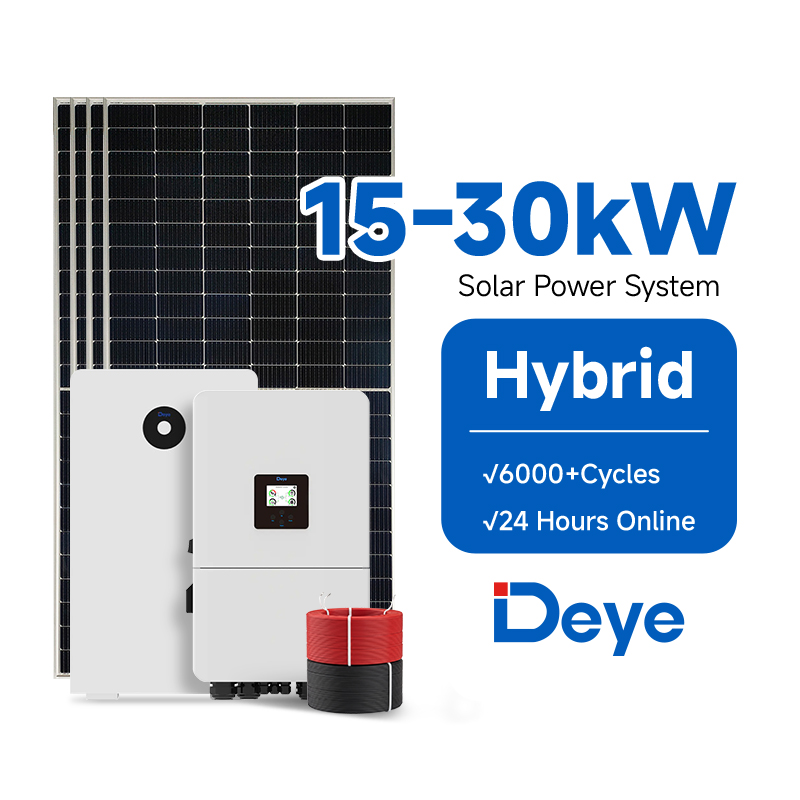
Low DC Voltage Battery Support Deye Hybrid Inverter ESS 5kw 10kw 15kw 20kw 30kw Mounting System
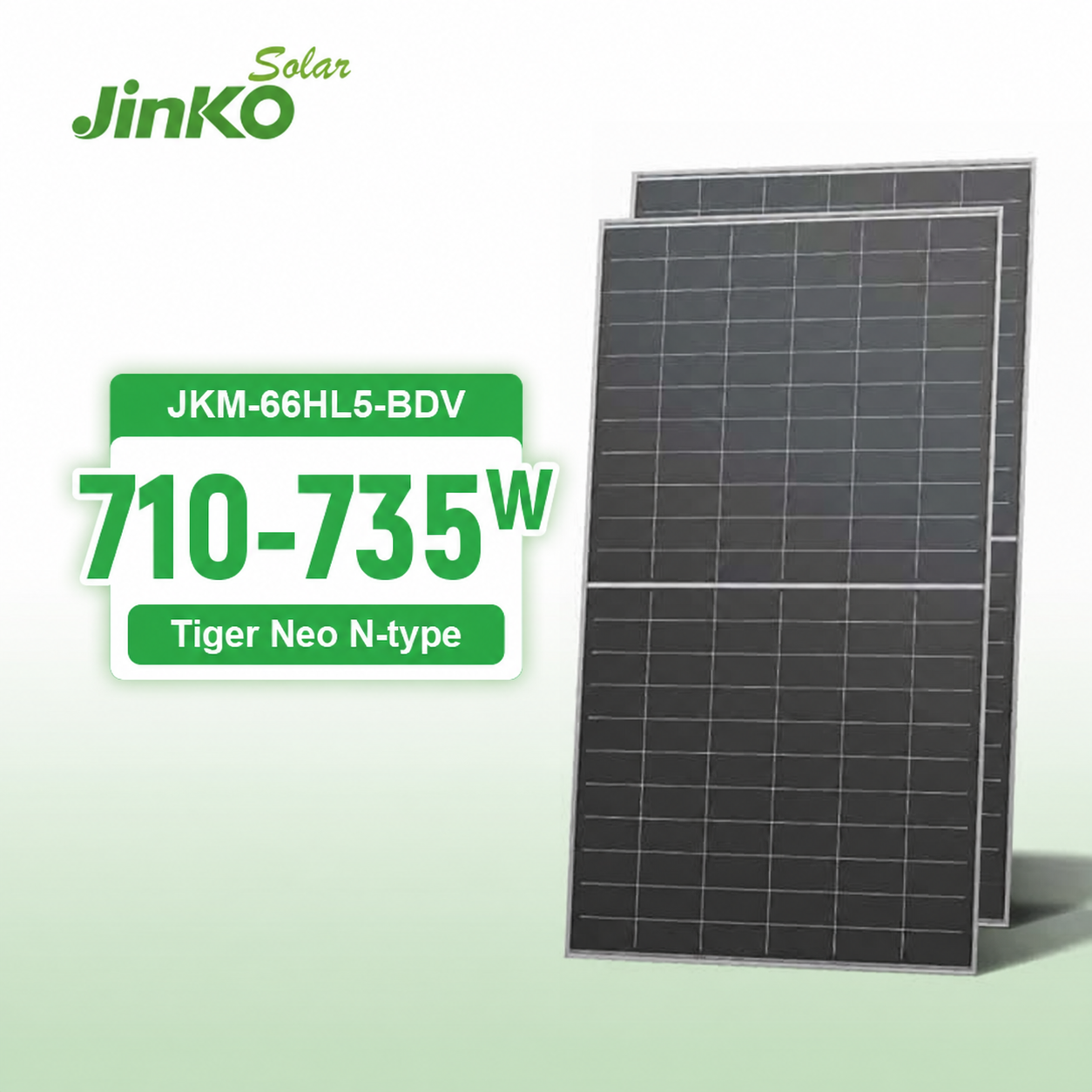
Jinko N Type Solar Panels 700W 710W 730W 725W Wholesale Price TOPCon Bifacial Photovoltaic Module for Commercial
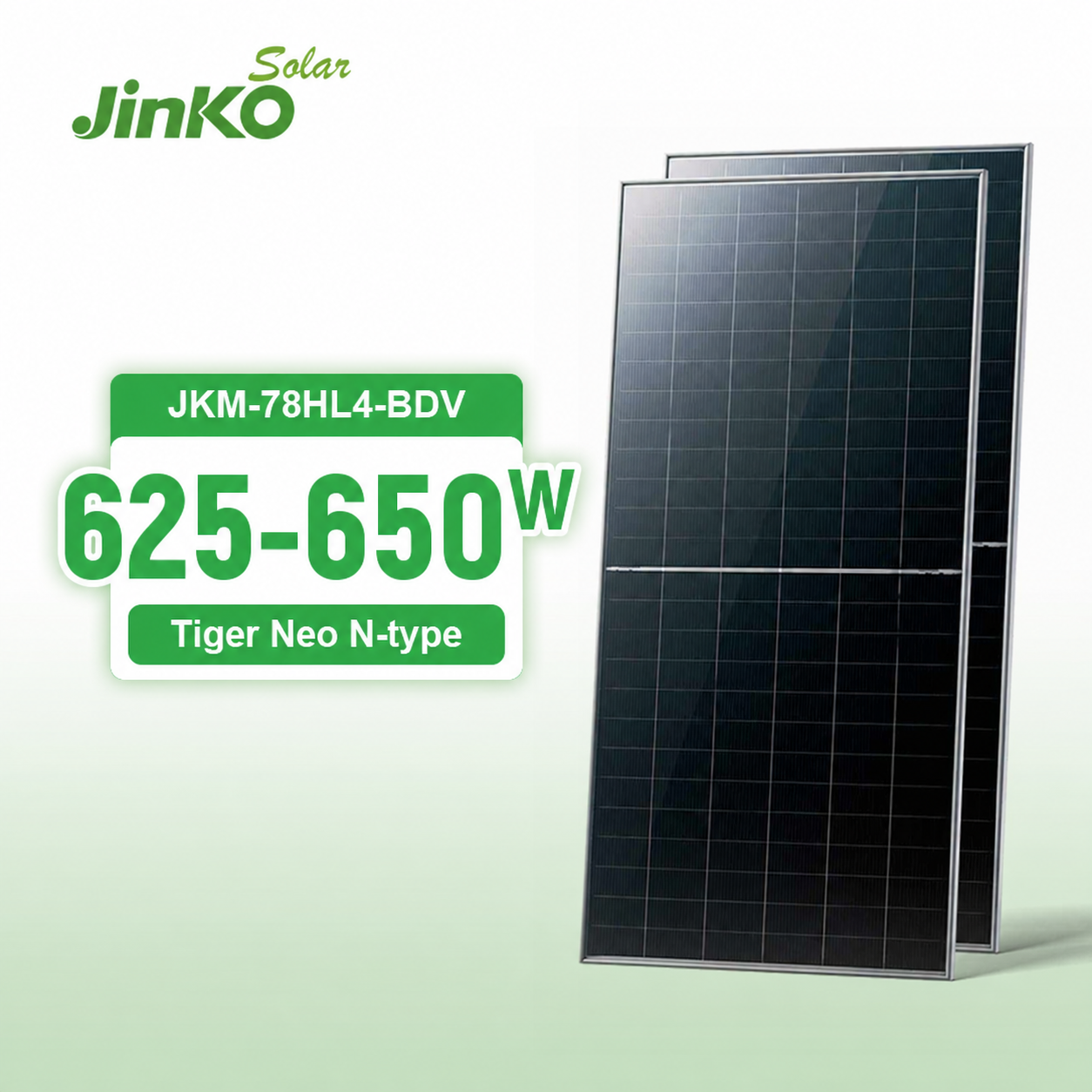
Jinko N Type Pv Module 650W 625W 645W Bifacial Photovoltaic Module Panneau Solaire for Commercial
Technical Mandates for Containerized BESS in Denver & the Front Range
Deploying energy storage containers at Denver's base elevation of 5,280 feet (1,609 meters) presents severe physical thermodynamics challenges that standard sea-level systems fail to navigate. Hangzhou VOLT New Energy engineers every 20-foot and 40-foot modular battery container specifically to resolve thin-atmosphere dielectric clearances, sub-zero Rocky Mountain thermal shock, and rapid cycling requirements.
1. Atmospheric Derating & Dielectric Insulation
At high elevations, reduced air density substantially decreases the dielectric breakdown voltage of ambient air. In accordance with IEC 60664-1 and IEEE C37.20.2, electrical clearances, creeping distances, and DC contactor arc-quenching capabilities must be derated by approximately 1% per 100 meters above 1,000 meters. Our containerized solutions feature over-dimensioned busbar isolation barriers, custom high-altitude DC circuit breakers, and nitrogen-purged hermetic contactor units to eliminate arcing risks across 1000V–1500V DC bus architectures.
2. Liquid Cooling vs. -20°F Mountain Chill
Winter conditions in the Denver metroplex frequently plunge past 0°F (-18°C), while high-altitude summer solar insolation drives enclosure ambient temperatures skyward. Traditional forced-air HVAC suffers massive thermal coefficient drops in thin air. VOLT New Energy supplies closed-loop liquid cooling systems using industrial ethylene glycol mixtures, integrating embedded cold-plate battery rack designs. This keeps individual LiFePO4 prism cell delta-T within ≤2.5°C across all operating states, completely preventing localized lithium plating during freezing recharge cycles.
| Specification Parameter | Standard Coastal BESS Container | Denver High-Altitude Engineered BESS (VOLT) | Operational Impact in Colorado |
|---|---|---|---|
| Altitude Rating | 0 – 1,000 m (3,280 ft) | Rated up to 3,000 m (9,842 ft) | Zero unrated flashover risk across Front Range & Rockies |
| Thermal Architecture | Forced-Air Industrial HVAC | Modular Liquid-Cooled + Intelligent Pre-Heat | 40% lower parasitic thermal loss in winter; ≤2.5°C cell gradient |
| DC Bus Voltage | 1000V DC (uncompensated) | 1500V DC (Upgraded Creepage & Clearance) | Maximized round-trip efficiency (RTE ≥ 88.5% AC-to-AC) |
| Fire Suppression | Aerosol only | NFPA 855 Compliant Gas + Water Deluge + Deflagration | Approved by Denver Fire Department (DFD) & AHJs |
| Structural Envelope | Standard ISO Corten A | C5-M Anti-Corrosion + 50 psf Snow Load Roof | Withstands severe Colorado hail, heavy wet blizzards & seismic shifts |
High-Value Strategic Deployments Across the Denver Metropolitan Area
Containerized battery energy storage systems solve concrete economic and reliability bottlenecks across Colorado's evolving energy landscape. Discover how local commercial enterprises, municipal districts, and facility directors leverage our multi-megawatt containers.
Xcel Energy Peak Demand Shaving
Commercial users under Xcel Energy Schedule SG, PG, and TG tariffs endure punitive peak-period demand charges that can account for over 50% of monthly power expenditures. Containerized BESS discharges within milliseconds during on-peak windows (typically 1 PM to 9 PM), flattening peak spikes and delivering massive utility bill reductions.
ROI: 3.2 – 4.8 YearsI-70 / I-25 Logistics & Cold Storage
The vast logistics, warehousing, and temperature-controlled food distribution hubs along Denver's I-70 East and north I-25 corridors require unfaltering critical power. A 20ft or 40ft containerized battery guarantees seamless islanded operation during substation outages, safeguarding tens of millions of dollars in perishable freight.
Uninterrupted N+1 MicrogridMountain Resort Microgrids & Ski Lift Islands
Just west of Denver, mountain corridor utilities experience high transmission congestion and winter storm disruptions. Integrating containerized BESS at base operations stabilizes localized voltages, buffers high-inertia inductive loads like high-speed ski lifts and snowmaking pumps, and prevents brownouts during peak tourism weekends.
Extreme Cold Weather TestedNavigating Colorado’s Energy Storage Policies and Interconnection Pathways
Colorado's ambitious decarbonization statutes have accelerated energy storage adoption. Sourcing equipment that natively aligns with state policy and local utility filing requirements is critical for project success.
Colorado SB 19-236 & Clean Energy Plan
Mandating an 80% carbon emissions reduction by 2030 and 100% clean power by 2040, the state is actively incentivizing decentralized utility-scale and C&I BESS to balance volatile wind and solar production across the Front Range.
Xcel Energy Battery Rewards
Commercial developers in the Denver service territory can capture capacity-based rebates and ongoing demand response revenue by enrolling qualified smart battery systems into Xcel Energy’s virtual power plant (VPP) initiatives.
NFPA 855 & Denver Fire Code (DFC)
Denver Fire Department implements stringent interpretations of NFPA 855 and IFC 2021 Chapter 1207. Every VOLT container includes comprehensive UL 9540A unit-level fire test reports, continuous gas detection, and explosion relief venting.
IEEE 1547-2018 Interconnection
Interconnecting with Front Range substations requires advanced inverter smart-grid functionality including volt-var, frequency-watt response, and ride-through protocols. Our PCS units are UL 1741 SB listed for rapid utility permission-to-operate (PTO).
Why Tier-1 Integrators & Colorado EPCs Choose Hangzhou VOLT New Energy
Drawing on an international supply chain and world-class manufacturing standards, we deliver end-to-end reliability, rigorous component matching, and zero-headache logistics for B2B energy developers.
Tier-1 LFP Chemistry Only
We build our containerized blocks solely using Grade-A lithium iron phosphate (LiFePO4) prismatic cells from tier-1 manufacturers (CATL, EVE). Delivering 6,000 to 8,000 cycles at 90% depth of discharge with zero cobalt, guaranteeing unmatched thermal stability and extended asset longevity.
Factory Pre-Commissioning & Interop Checks
Before any container departs for the Port of Houston or West Coast intermodal rail to Denver, our engineers perform complete communication loop audits (CAN bus, Modbus TCP/IP) between battery BMS, master EMS, and bidirectional PCS inverters. We ensure immediate plug-and-play field operation.
DDP Denver Intermodal Logistics
Lithium battery containers require strict Class 9 Dangerous Goods handling, UN38.3 certifications, and special intermodal heavy-haul transport permits. We oversee customs clearance, import documentation, and coordinated flatbed delivery directly to your Colorado construction site.
Denver Commercial & Utility BESS Procurement FAQ
Direct technical and operational answers to the most common questions raised by Colorado project developers, electrical contractors, and municipal planners.
What altitude-related derating factors apply to BESS installations in the Denver metropolitan area?
Do your containerized systems meet Denver Fire Department (DFD) and NFPA 855 requirements?
How does the system maintain battery performance during severe Colorado winter cold snaps?
Can VOLT supply matched bidirectional inverters and photovoltaic modules with the container?
What are the typical logistics timelines and delivery methods to the Denver market?
Request an Engineered BESS Layout for Your Denver Project
Send our senior engineering team your site elevation, load profile, and target Xcel Energy interconnection schedule. We will return an altitude-compensated single-line diagram, thermal modeling summary, and comprehensive equipment proposal within 24 hours.