High-Efficiency N-Type Bifacial PV Modules for Containerized BESS Charging
Optimizing utility and commercial storage in Hawalli demands tier-1 solar photovoltaic input. We supply certified high-output bifacial modules engineered to withstand ultra-high thermal coefficients and intense Kuwaiti albedo.
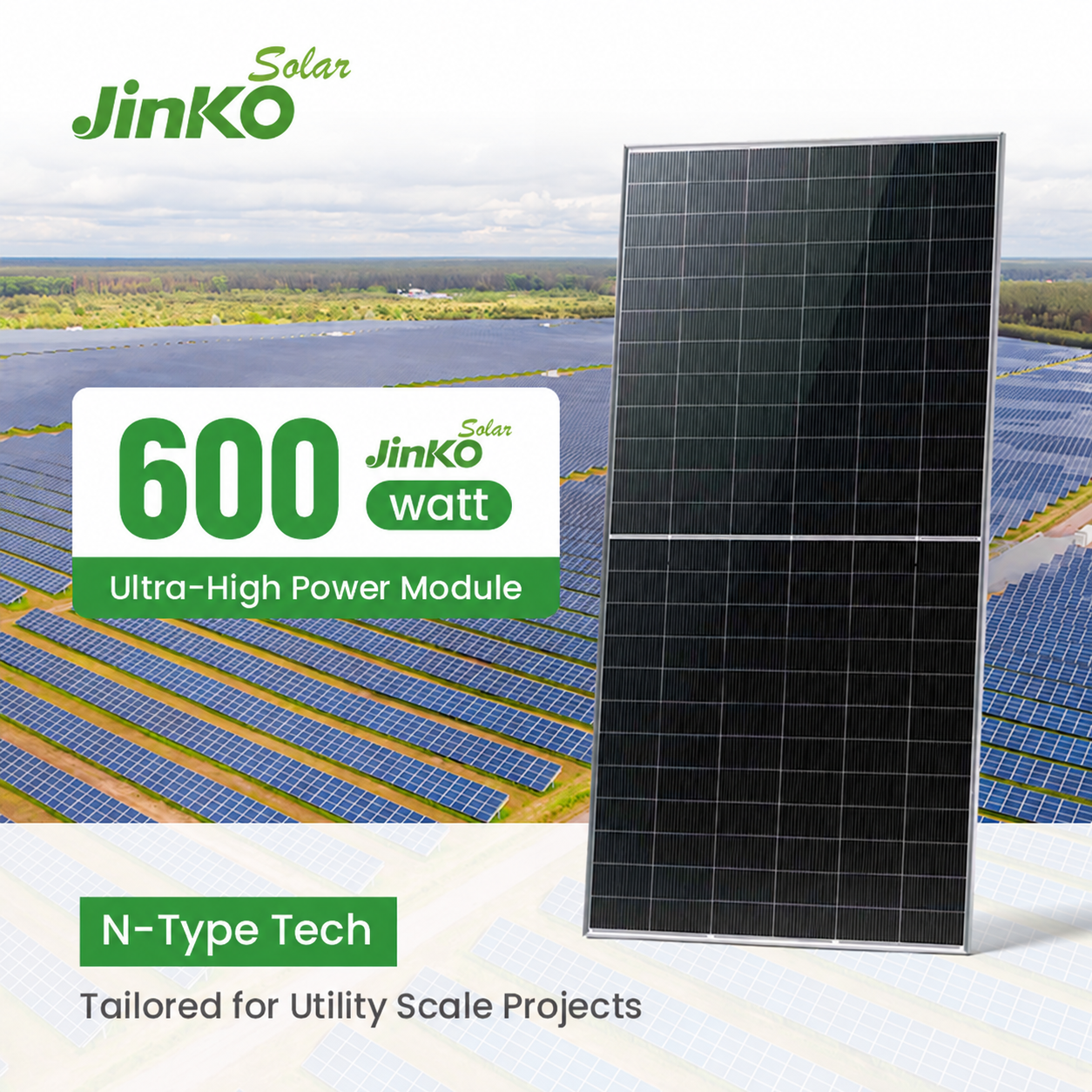
Jinko N Type Bifacial Solar Panels 600W 580W 595W TOPCon Double Glass Module
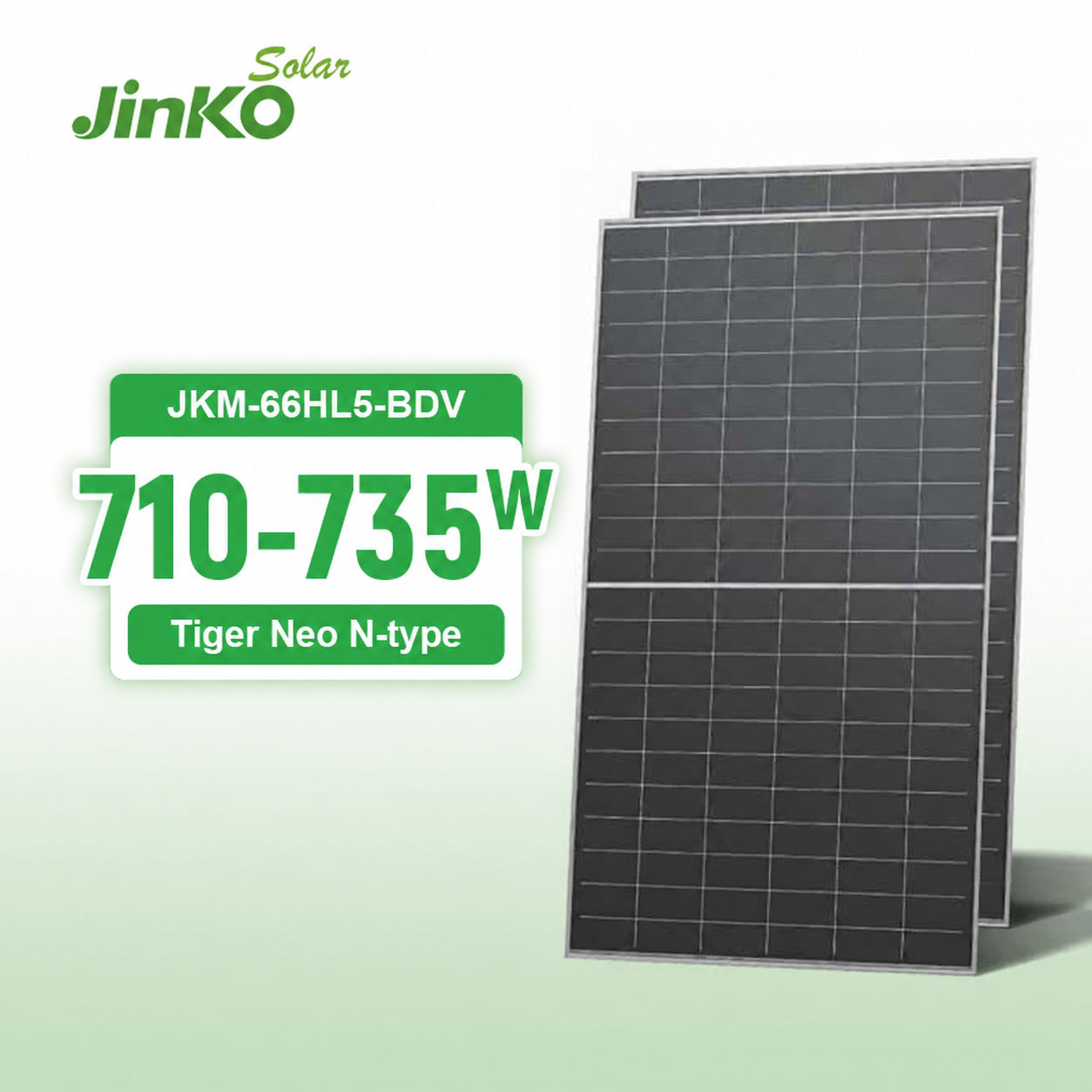
Jinko N Type Bifacial Pv Solar Panels 720W 710W 715W Dual Glass Industrial Photovoltaic
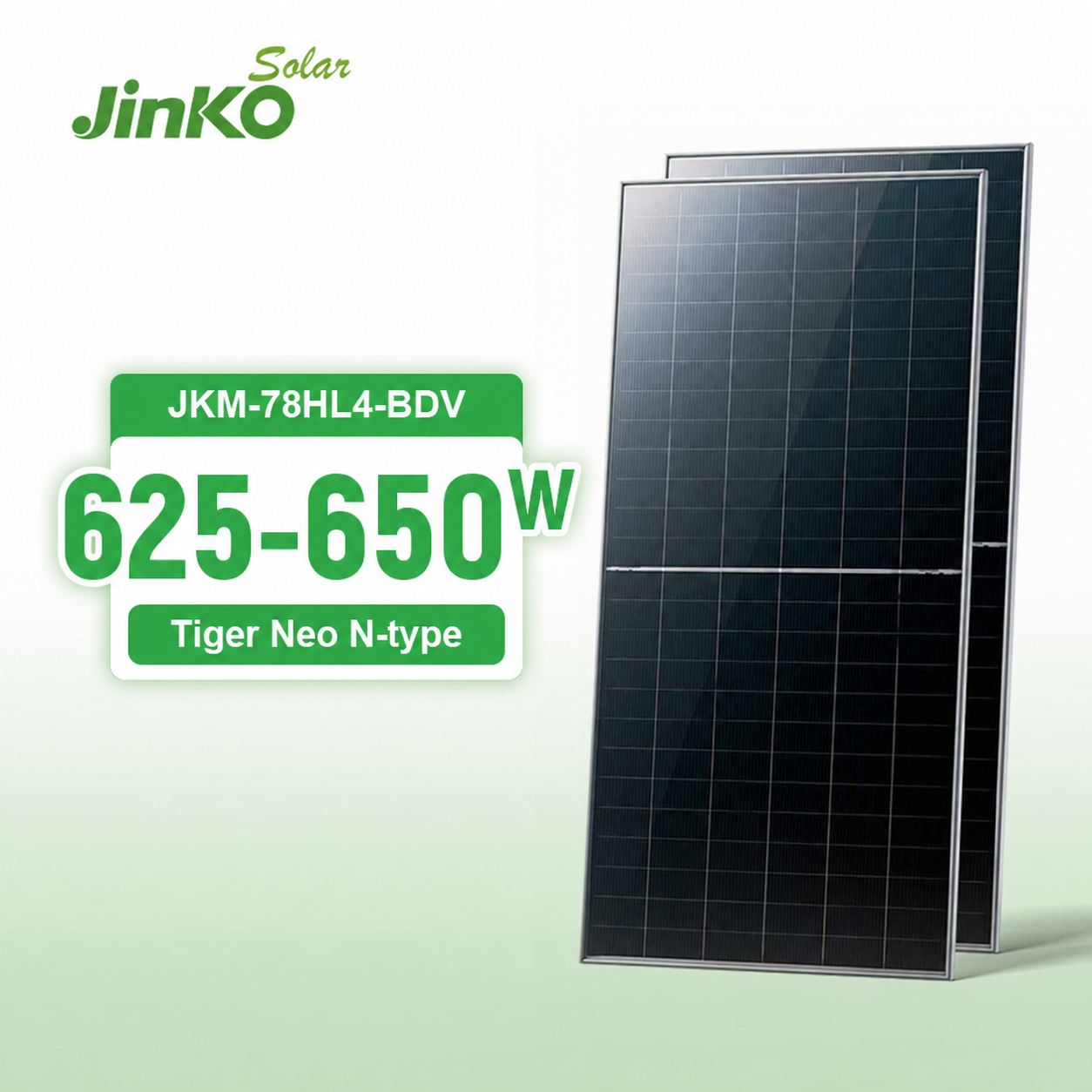
Jinko N Type Bifacial Pv Modules 630W 625W 635W Double Glass High Efficiency Stock
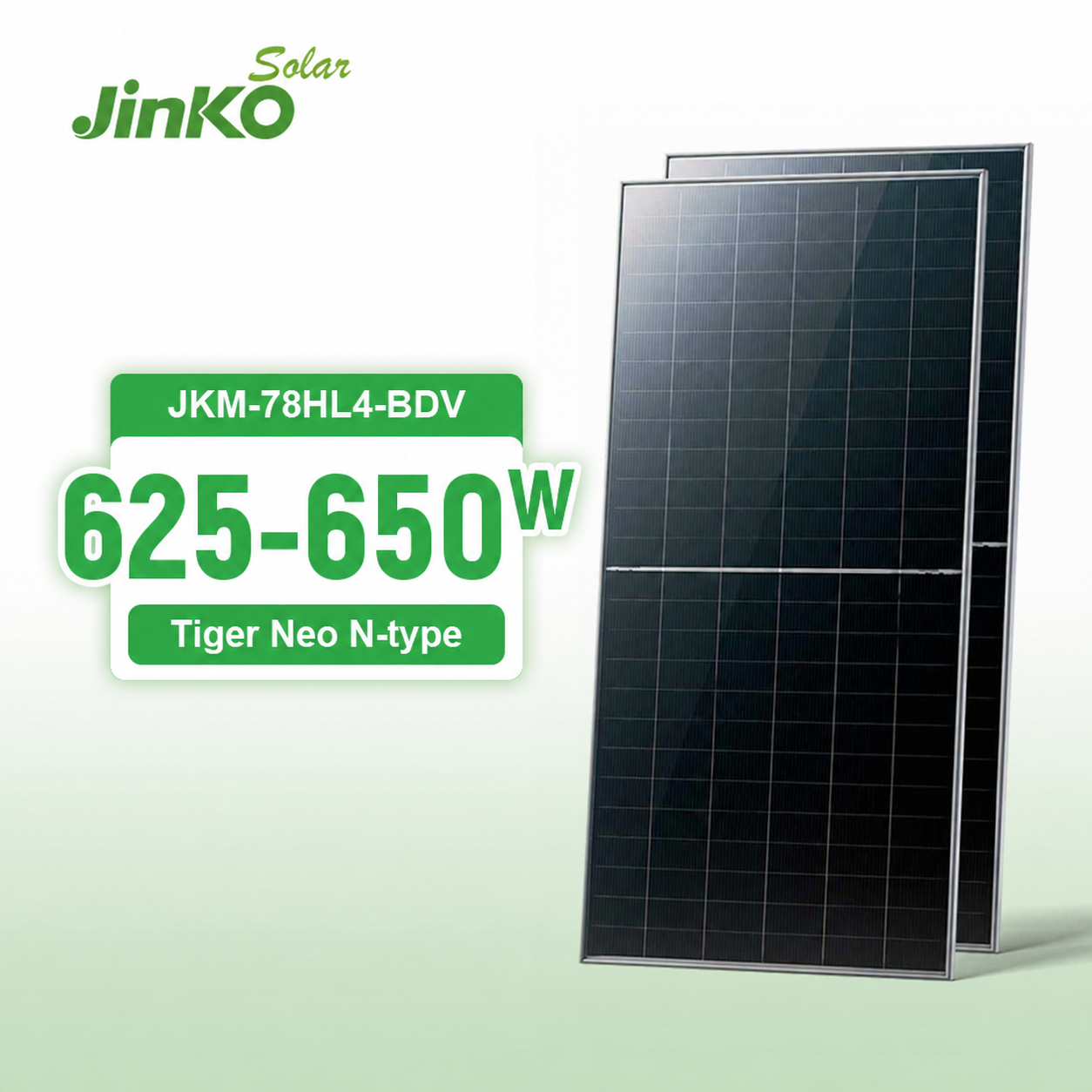
Jinko N Type Solar Panels 625W 640W 635W Monocrystalline Bifacial Module
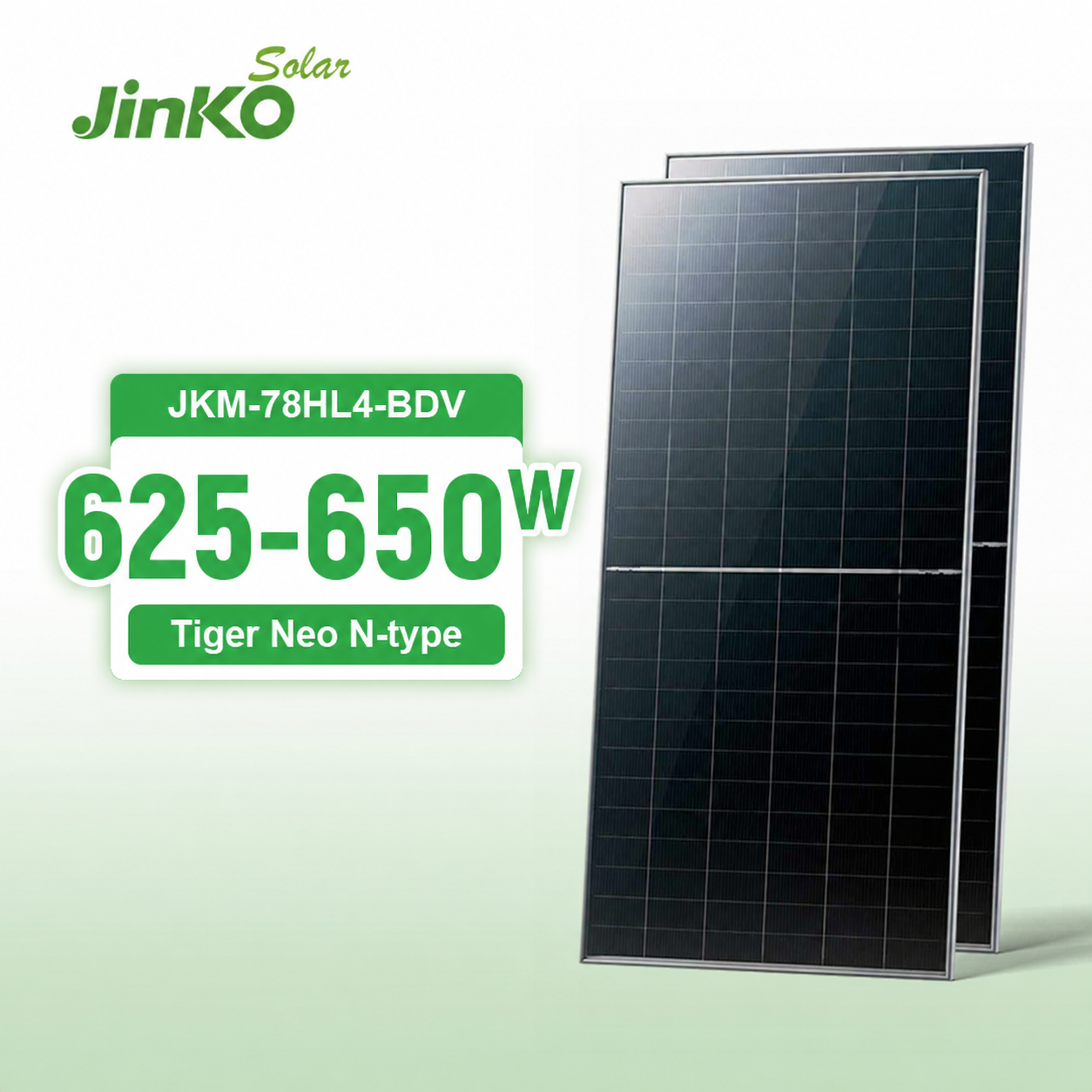
Jinko Bifacial Pv Panels 630W 640W 635W Dual Glass Monocrystalline Solar Module
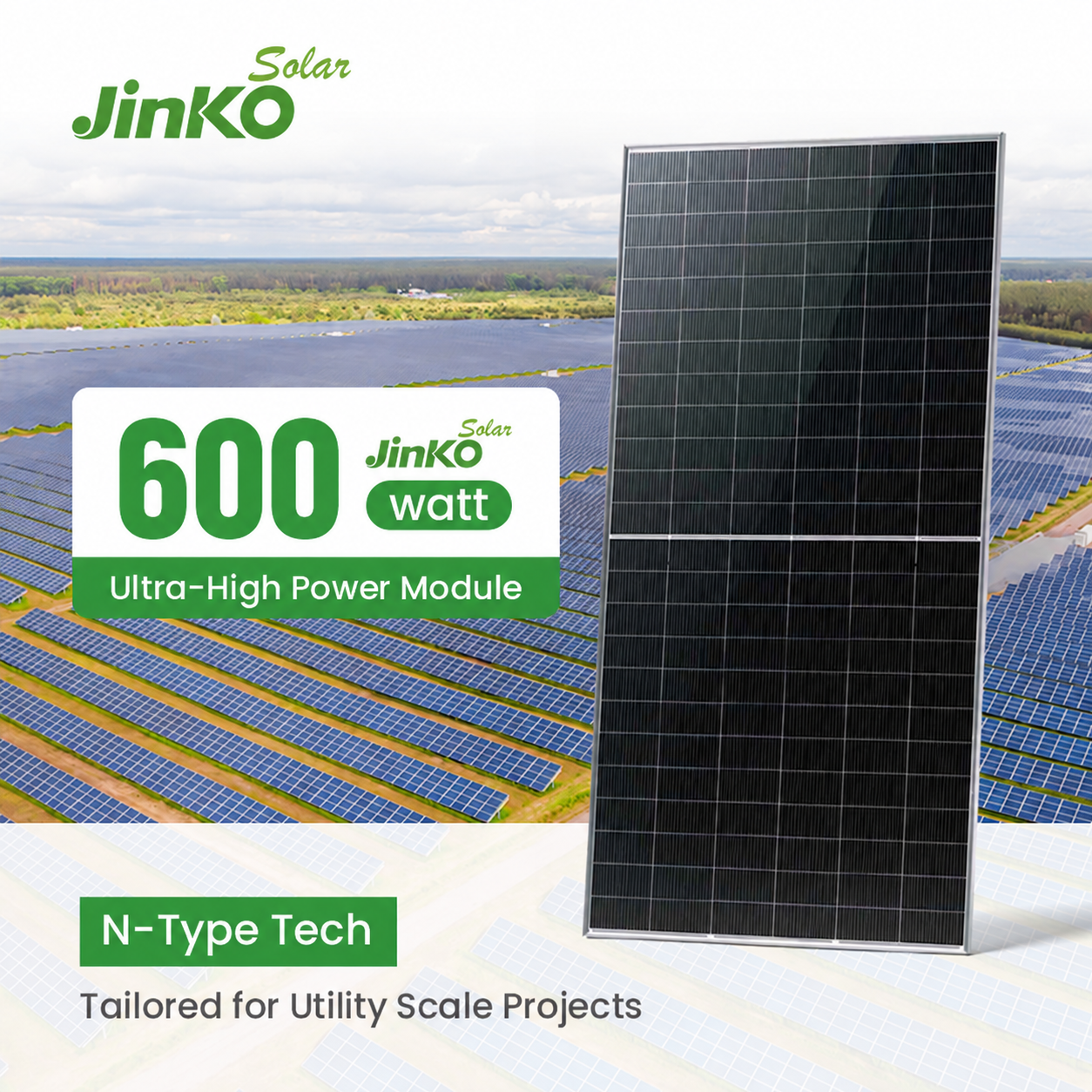
Jinko N Type Bifacial Photovoltaic Panels 600W 585W 595W TOPCon Commercial
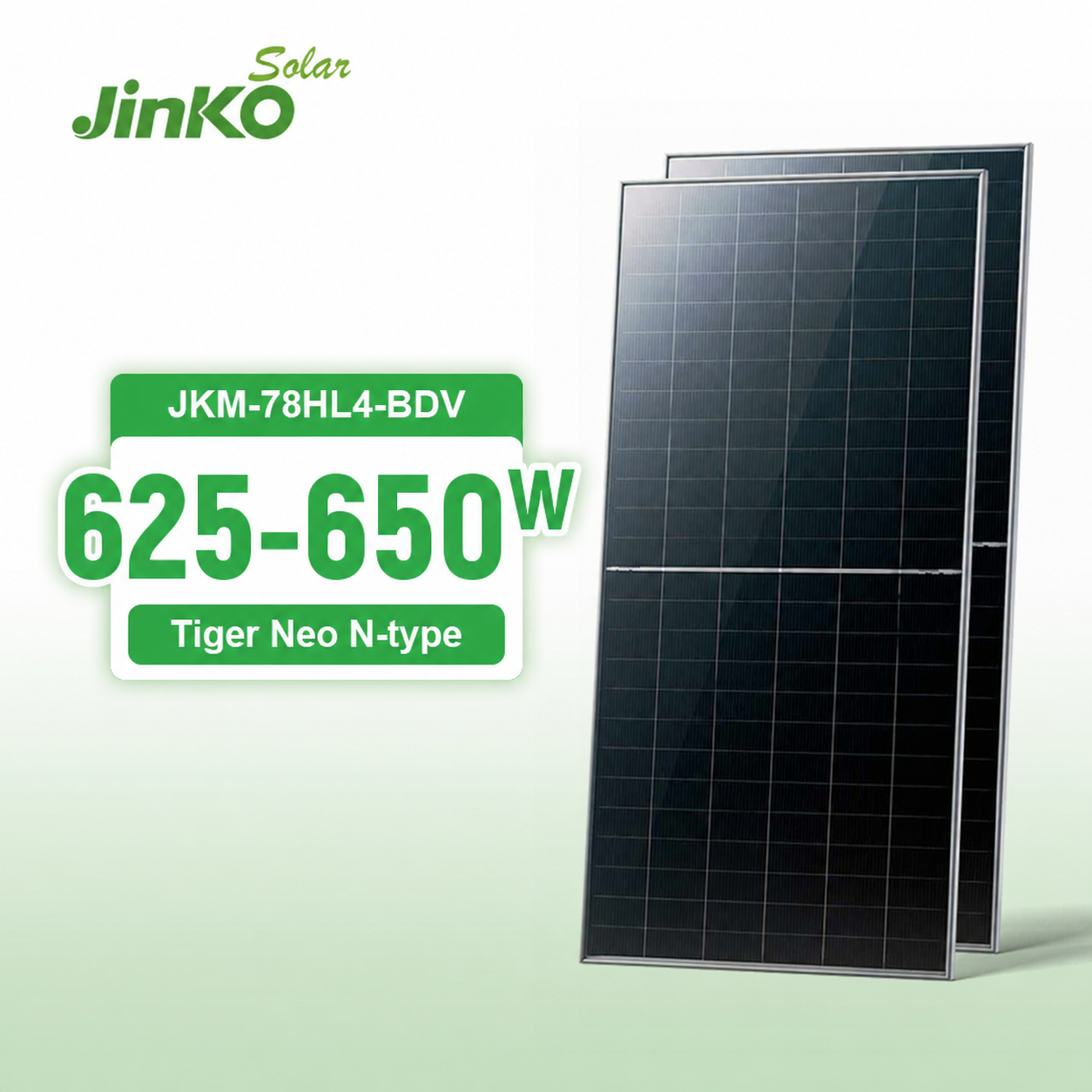
Jinko N Type Bifacial Pv Panels 650W 630W 645W Double Glass High Efficiency Module
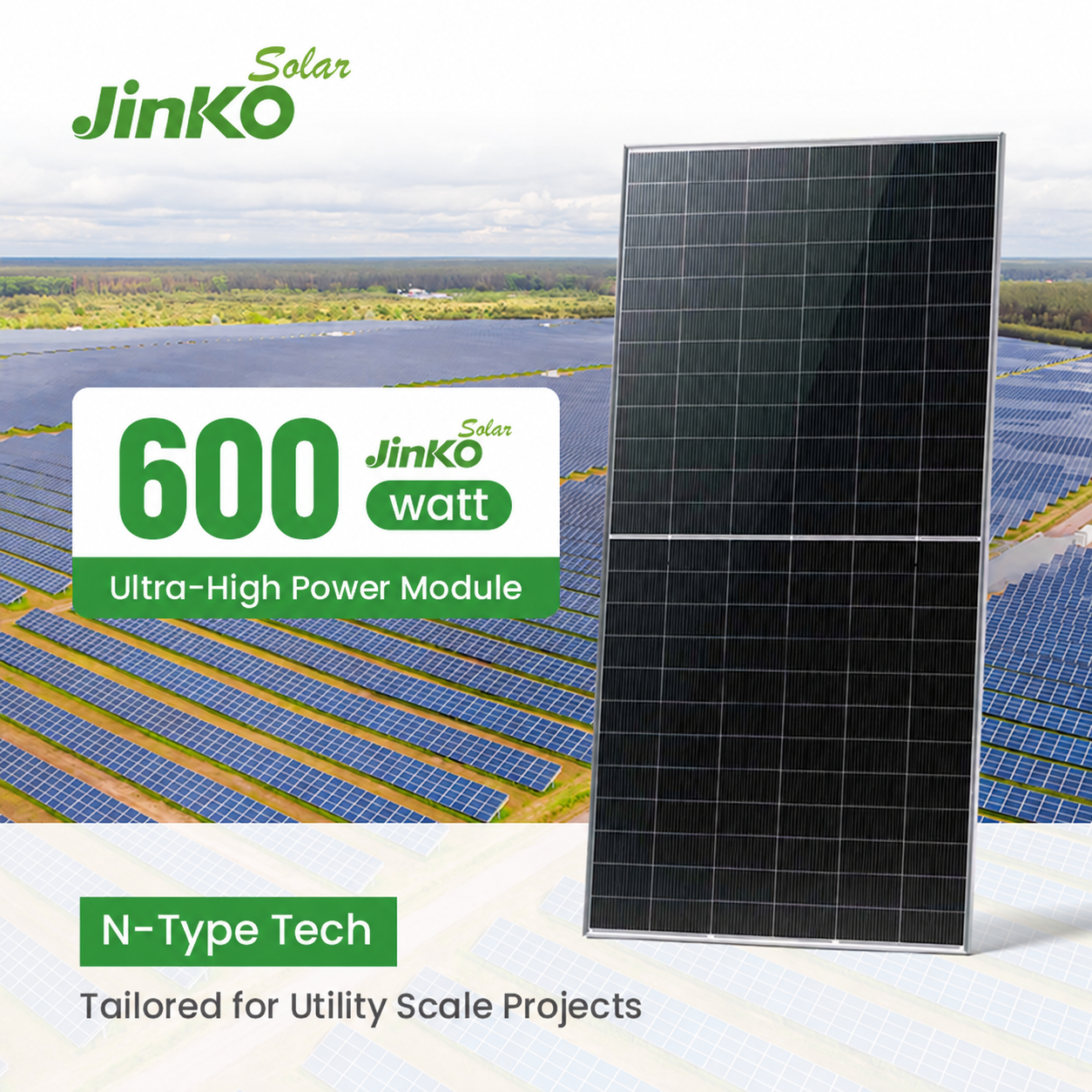
Jinko N Type Solar Modules 600W 580W 585W 590W Bifacial High Efficiency PV Panel
Hawalli Governorate Grid Dynamics & The Urgency for Containerized BESS
As one of Kuwait’s most densely populated commercial and residential governorates—incorporating primary urban districts such as Salmiya, Hawalli proper, Mishref, Bayan, and Jabriya—Hawalli experiences unmatched grid stress during protracted summer heatwaves.
Severe HVAC Summer Peak Surges
Between June and September, ambient temperatures consistently cross 50°C in Hawalli, driving air-conditioning loads to consume over 70% of total electrical generation. The Ministry of Electricity, Water and Renewable Energy (MEW) faces transformer saturation and voltage sags across urban substations. Containerized BESS acts as an immediate localized thermal buffer, releasing peak power during midday curtailments without grid strain.
- Eliminates localized feeder overload in Salmiya retail cores
- Displaces costly open-cycle gas turbine (OCGT) peak generation
Kuwait Vision 2035 Integration
Kuwait's national renewable mandate targets at least 15% clean power contribution to the electricity mix. Hawalli's dense footprint leaves negligible open land for massive utility PV arrays; therefore, commercial rooftop aggregation, government building solarization, and localized containerized battery storage form the strategic backbone for meeting Vision 2035 goals within municipal zones.
- Enables high-penetration distributed PV without reverse power issues
- Supplies synthetic inertia and ultra-fast primary frequency response
Diesel Genset Abatement & Resilience
Private hospitals, financial centers, commercial plazas, and telecom data switches in Hawalli traditionally rely on oversized diesel backup generators to safeguard against unplanned outages. Modular containerized BESS delivers zero-emission instantaneous backup (UPS-grade transfer), dramatically cutting fuel consumption, noise pollution, and high diesel delivery overheads in urban districts.
- Seamless hybrid pairing with existing standby gensets
- Slashes operational fuel expenditures by up to 65%
Containerized BESS Architecture Engineered for Desert & Coastal Realities
Standard utility containers designed for temperate climates rapidly fail in the Arabian Gulf. High ambient heat, fine airborne silicate dust (Shamal sandstorms), and corrosive coastal humidity require tailored mechanical and thermal engineering.
Liquid Thermal Management (BTMS)
Traditional forced-air HVAC cooling exhibits up to 8°C thermal gradients between battery cells in high-ambient zones, accelerating uneven cell aging and increasing thermal runaway risks. Our containerized systems deploy high-precision liquid cooling plates beneath prismatic Tier-1 LFP cells. Glycol-water fluid loops maintain cell temperature differentials under 2.5°C, even when ambient temperatures hit 52°C outside.
- Dual-circuit redundant inverter-driven scroll chillers
- Reduces parasitic HVAC consumption by 30% vs air cooling
IP55 / IP65 Sand & Salt Ingress Protection
Hawalli's coastal orientation along the Persian Gulf subjects outdoor electrical enclosures to airborne salt aerosols combined with ultra-fine dust (PM10 and PM2.5 particles) during dry summer sandstorms. Our 20-foot and 40-foot ISO containers utilize Corten-A high-tensile anti-corrosion steel treated with multi-coat C5-M marine-grade epoxy polyurethane paint, rated for 3,000+ hours of salt spray exposure.
- Louvered labyrinth sand-trap intake with self-purging filtration
- Hermetically isolated power conversion (PCS) and battery compartments
NFPA 855 Multi-Tier Fire Mitigation
Safety is the primary prerequisite for municipal permitting in Kuwait. Our systems feature multi-level fire suppression starting from cell-level off-gas sensing (CO, H2, and electrolyte VOC detectors). If anomalous venting occurs, the system triggers aerosol / Novec 1230 gas flooding within milliseconds, backed by direct-injection water deluge manifolds complying strictly with NFPA 855 and UL 9540A testing.
- Explosion-proof pressure relief deflagration panels
- Automated electrical circuit break and ventilation shut-off
Engineering Matrix: Containerized BESS Operating in Hawalli Heat
A granular side-by-side technical evaluation highlighting why advanced liquid-cooled lithium iron phosphate architectures outperform conventional legacy systems in Kuwait's high-temperature environment.
| Performance Parameter | Legacy Air-Cooled Storage (Standard) | VOLT Advanced Liquid-Cooled Container | Kuwait / Hawalli Operational Impact |
|---|---|---|---|
| Battery Chemistry & Stability | NMC or Low-Grade LFP | Tier-1 Automotive Grade LFP (LiFePO4) | Zero Thermal Runaway Risk Superior intrinsic chemical stability above 50°C. |
| Max Ambient Temp (Continuous) | 40°C to 45°C (Derates heavily) | 55°C Nominal (No capacity derating) | Full Peak Output Sustains maximum discharge during July/August grid alerts. |
| Cell-to-Cell Temperature Delta | ΔT > 6°C to 8°C | ΔT ≤ 2.5°C across all modules | Prevents premature cell failure, balances string impedance, extends lifetime. |
| Lifecycle @ 90% DoD | 2,500 – 3,500 Cycles | 6,000 – 8,000 Cycles | 15+ Years Operation Based on daily double-cycling for energy arbitrage. |
| Auxiliary Energy Loss (Cooling) | 12% – 18% of Total System Energy | 4.5% – 7.2% Total Auxiliary Load | Saves thousands of kWh annually in parasitic cooling overhead. |
| Enclosure Protection & Anti-Corrosion | IP54, C3 Industrial Painting | IP55 / IP65, C5-M Coastal Marine Coating | Immune to Salmiya salt air, high relative humidity, and dust-blown sandstorms. |
| Communication Protocols | Basic Modbus RTU / Proprietary | CAN 2.0B, Modbus TCP/IP, IEC 61850 | Effortless integration into utility SCADA and commercial Deye hybrid inverters. |
Turnkey BESS Deployment Scenarios Across Hawalli Governorate
From Salmiya's bustling commercial retail avenues to Mishref's exhibition and educational facilities, our containerized energy storage units resolve specific infrastructure bottlenecks.
Commercial Malls & Retail Complexes in Salmiya
Hawalli's major shopping complexes face extreme peak demand charges and stringent MEW maximum load limits. A 1MWh to 2MWh containerized battery charges during low-cost or off-peak hours and discharges during peak shopping periods (4:00 PM to 10:00 PM), mitigating demand penalties and stabilizing central water chiller plants without upgrading expensive utility transformers.
Substation Buffering & Transformer Life Extension
Many primary and secondary distribution substations across older sections of Hawalli operate near 95% rated capacity during summer heat peaks. Modular 20-foot 2MWh containers deployed alongside substation feeders inject active power locally to prevent feeder tripping, deferring multi-million dollar substation replacement projects by 5 to 10 years.
EV Ultra-Fast Charging Stations along Arabian Gulf Street
As electric vehicles increase along Kuwait's major coastal arteries, 150kW-350kW DC fast chargers create sharp localized load spikes. Containerized BESS acts as an electrical dynamic buffer, soaking electricity smoothly from the grid and discharging bursts of ultra-high power to vehicles, completely insulating the local distribution grid from transient shocks.
Medical Centers & Private Hospital Emergency Standby
Healthcare facilities located in Jabriya and Hawalli require uncompromised mission-critical uptime. While diesel generators require 10 to 30 seconds to synchronize and start, our containerized BESS provides microsecond static transfer switch (STS) power continuity, protecting delicate diagnostic equipment, surgical suites, and cold medical storage before seamless genset integration.
Light Industrial, Cold Storage & Logistics Hubs
Food logistics and cold storage warehouses in southern Hawalli and Shuwaikh borders require constant refrigeration. Temperature spikes during summer brownouts ruin perishable goods within hours. Containerized energy storage coupled with rooftop TOPCon bifacial modules guarantees autonomous 24/7 cold-chain security independent of grid fluctuations.
Government Complexes, Universities & Exhibition Hubs
Large municipal campuses and educational institutions in Mishref benefit from high-capacity 40-foot 3.7MWh to 5MWh BESS installations. These installations perform frequency stabilization, zero-export curtailment smoothing for solar arrays, and provide localized microgrid capability for civil defense and emergency operations.
Why Engineering & EPC Firms Choose VOLT New Energy
Procuring utility-grade battery energy storage requires verifiable manufacturing credentials, strict pre-shipment compatibility validation, and international logistics expertise for hazardous goods.

BMS & PCS Pre-Testing
Every containerized system undergoes comprehensive CAN 2.0B / RS485 / Modbus protocol validation at our Hangzhou facility. Inverter-to-BMS communication is verified to guarantee zero field errors on day one of Kuwait commissioning.

Stringent Pre-Shipment QC
From individual cell impedance and internal resistance balancing to insulation breakdown testing, full factory acceptance test (FAT) documentation, video audit records, and thermal imaging data are delivered prior to loading.
Class 9 DG Logistics Mastery
Exporting large-format lithium containers involves Class 9 Dangerous Goods sea freight. We manage complete UN38.3, MSDS, classification declarations, and specialized break-bulk or flat-rack maritime shipping into Shuwaikh Port.
Turnkey Sizing & Support
Our senior electrical engineers supply single-line diagrams (SLD), short-circuit calculations, grounding blueprints, and parameter settings tailored specifically to the Ministry of Electricity & Water (MEW) interconnection standards.
Frequently Asked Questions for Hawalli BESS Procurement
Direct answers to the most common technical, regulatory, and commercial inquiries submitted by Kuwait EPC contractors, mechanical consultants, and enterprise facility directors.
How do your containerized battery systems handle Kuwait's 50°C+ summer heat without shutting down?
What certifications are provided for local municipal and MEW grid-connection compliance?
Can the containerized BESS be integrated with existing diesel generators in Hawalli commercial facilities?
What fire suppression and gas detection systems are pre-installed inside the containers?
How are lithium battery containers shipped to Kuwait, and what is the typical transit timeline?
What warranty, performance guarantees, and remote technical support do you provide?
Request an Engineered BESS Sizing Proposal for Hawalli
Whether you require a 500kWh commercial peak-shaving container in Salmiya or a multi-megawatt substation grid stabilization asset, our senior power systems engineers provide detailed load profiling, thermal sizing, single-line diagrams, and proforma shipping timelines within 24 hours.
Contact Us