Export-Grade Hardware Portfolio
Engineered Solar Solutions for Honduran Commercial & Industrial Storage
Directly integrated with Tier-1 bifacial photovoltaic panels, multi-megawatt battery cabinets, and pre-commissioned inverter combinations to guarantee protocol compatibility on day one.
100+
Countries & Regions Deployed
IP55/IP65
Cabinet Ingress Protection
6,000+
Cycles @ 90% DoD (LiFePO4)
<24h
BMS Protocol Engineering Support
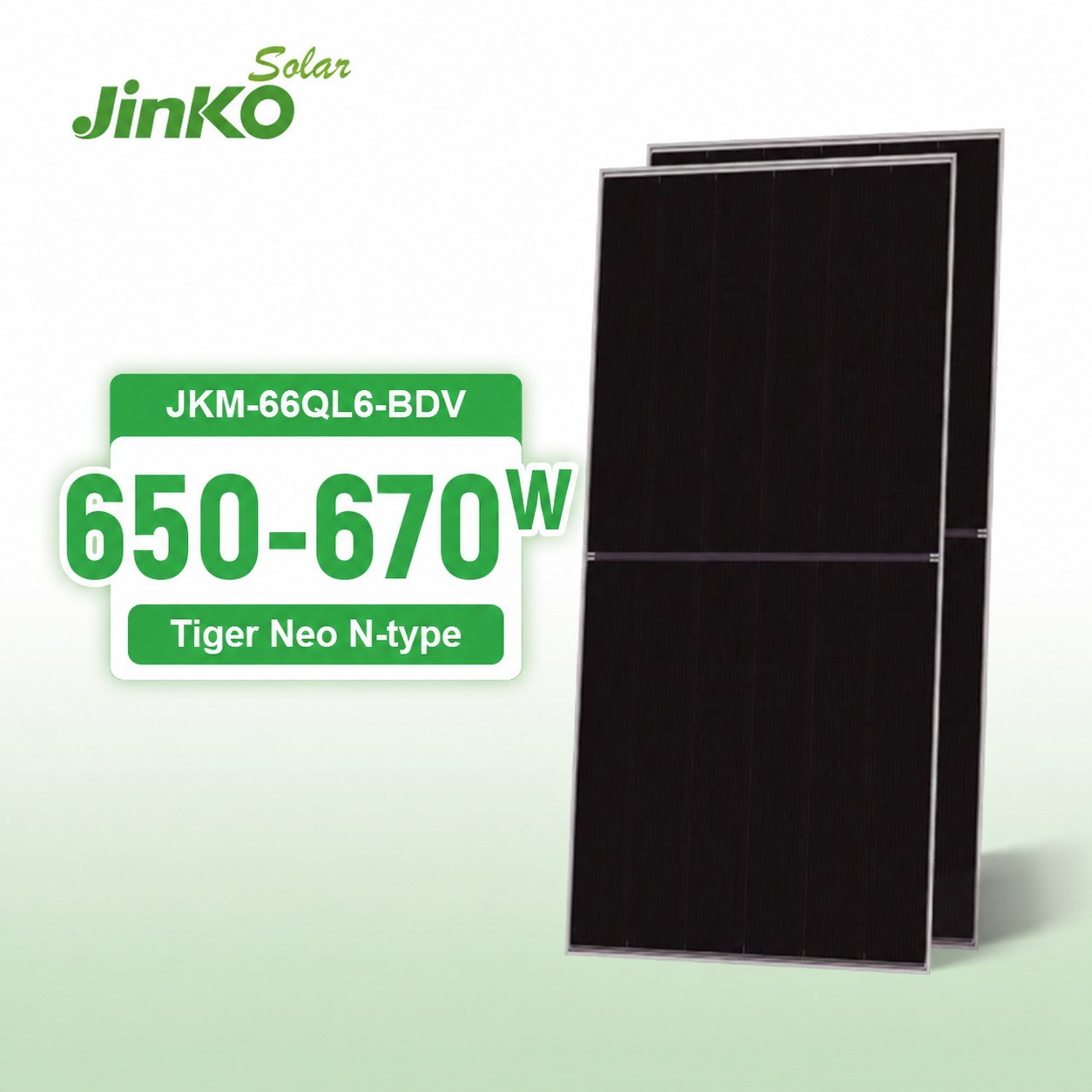
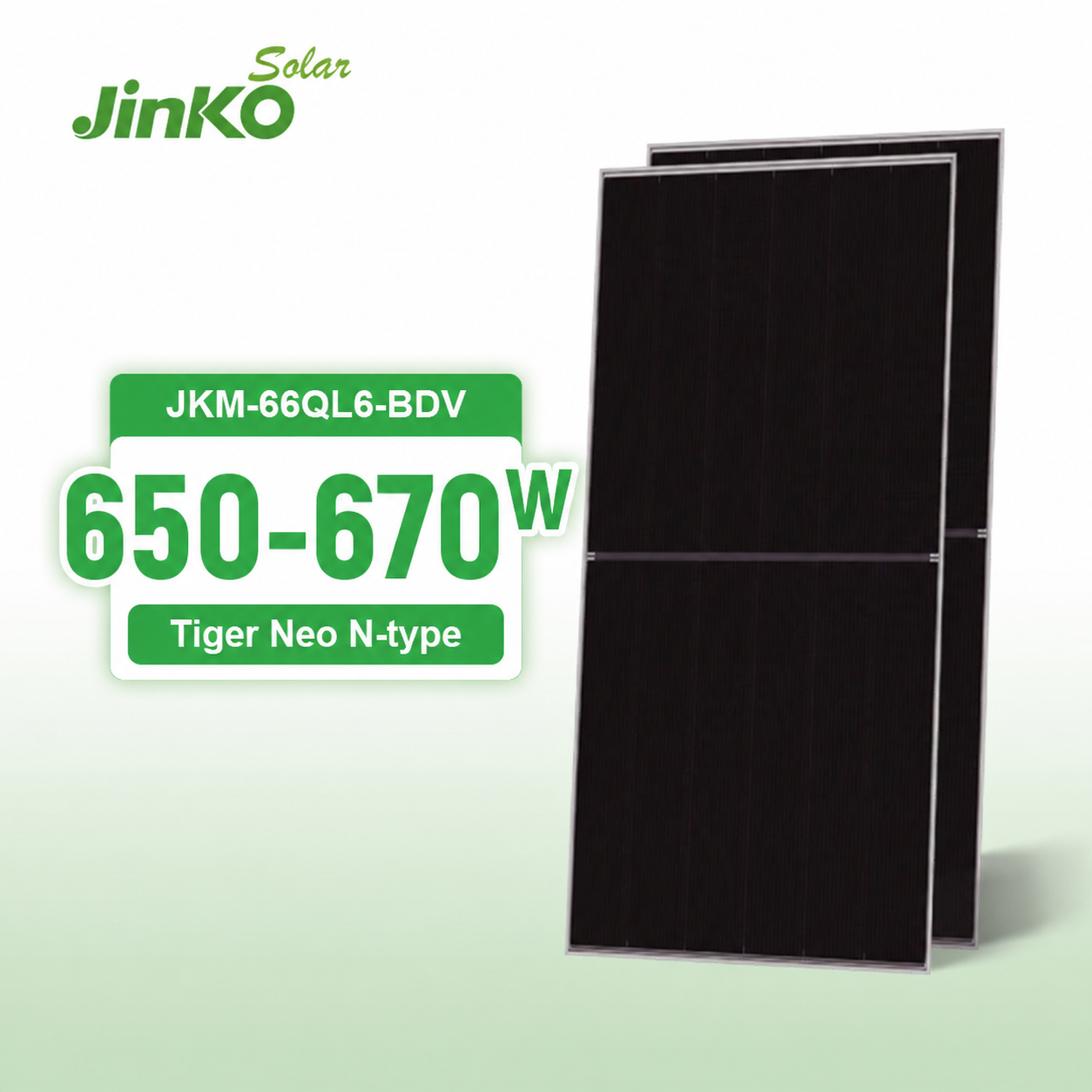
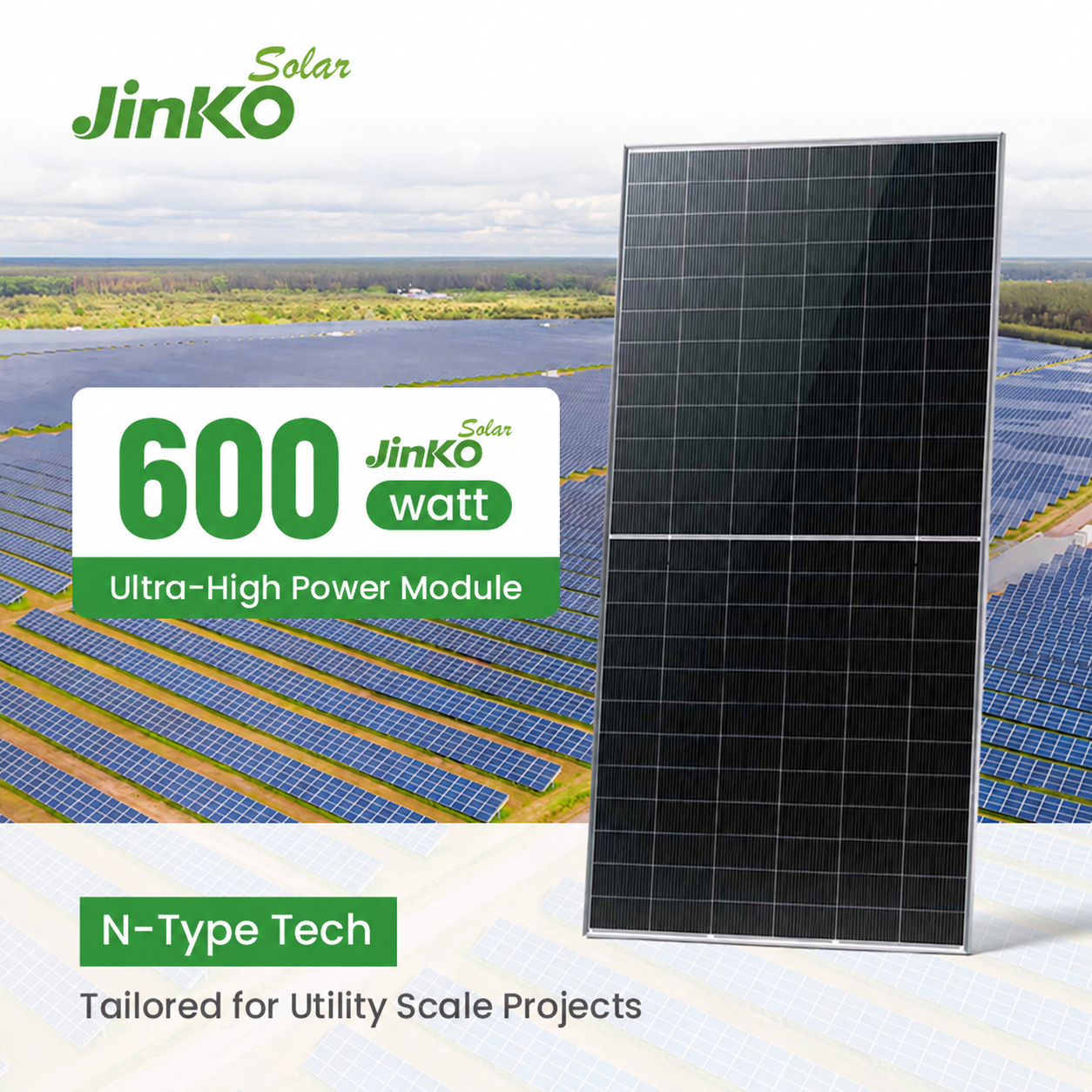
Wholesale Container Distribution
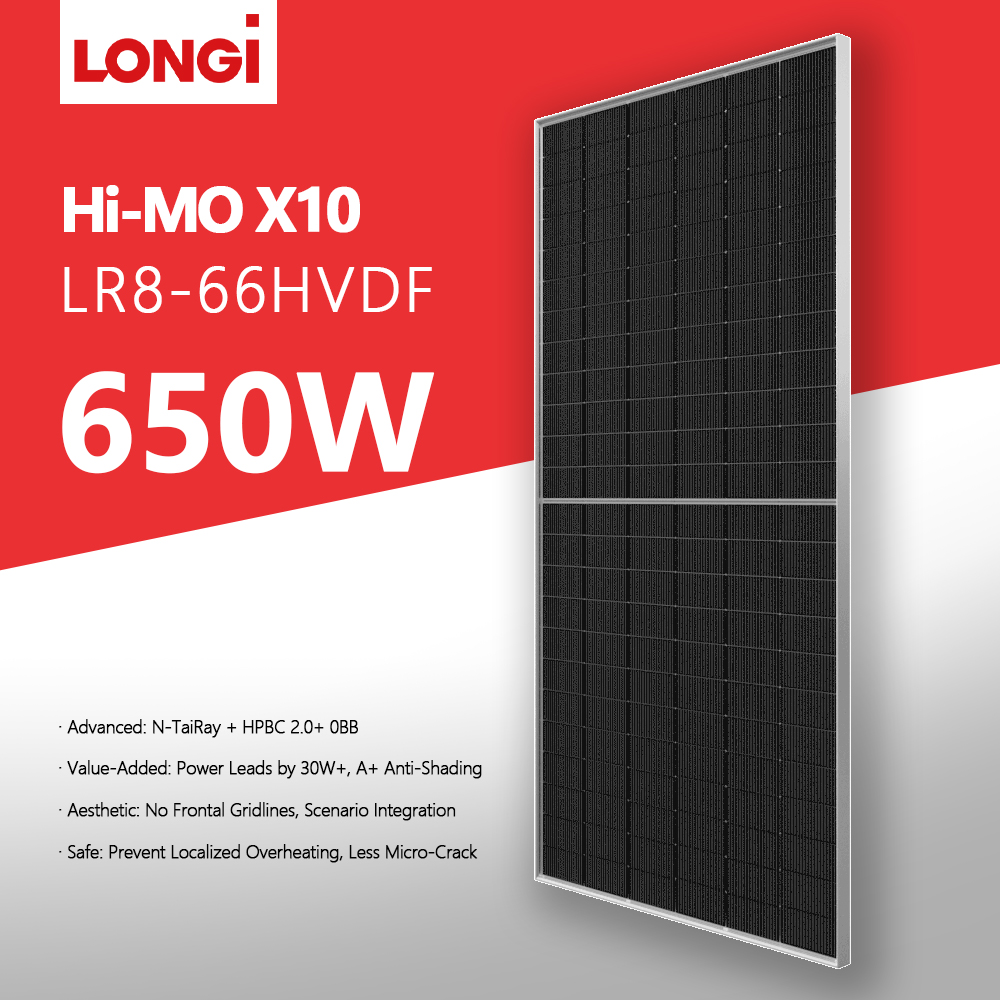
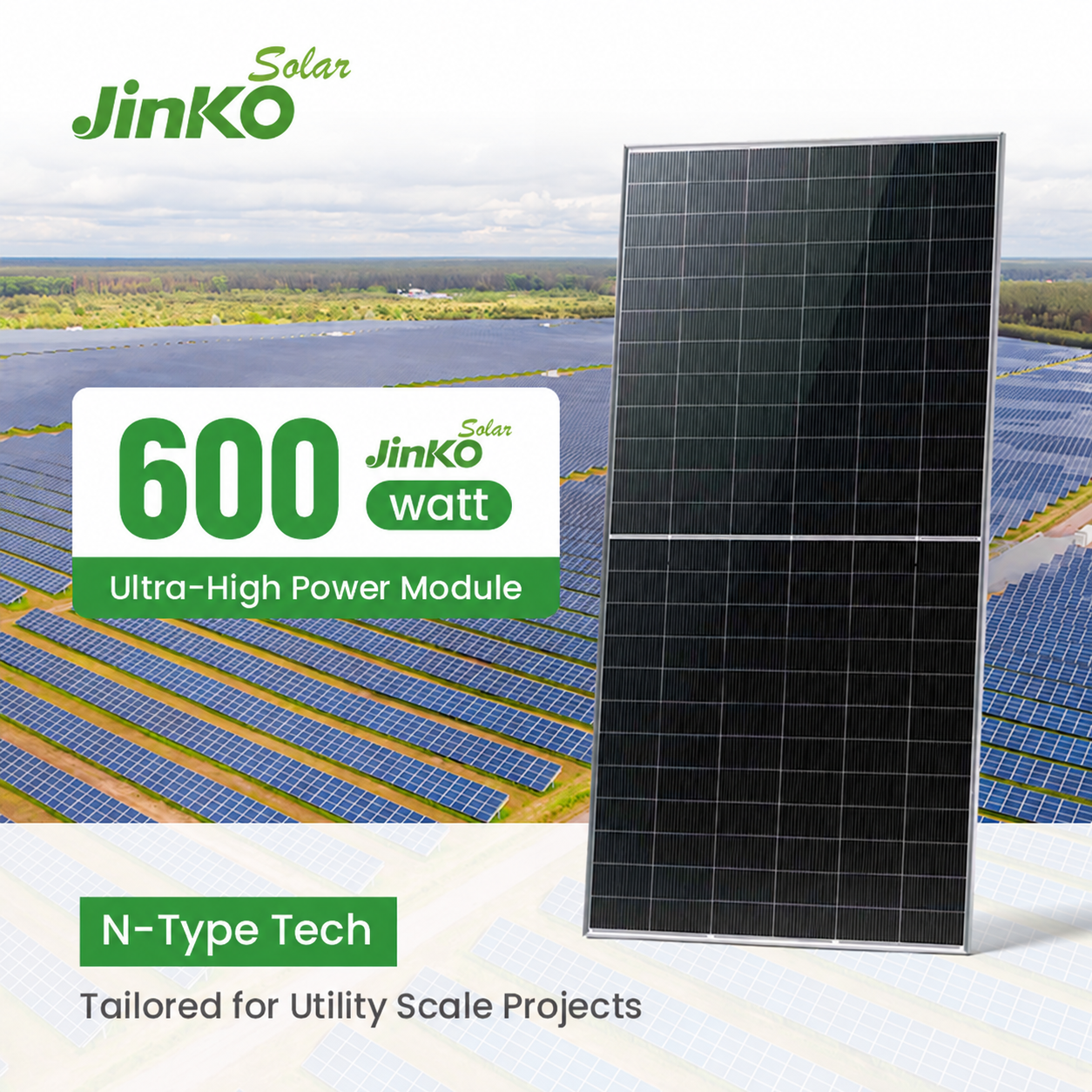
Jinko Pv Panels Wholesale 600w 580W 590W Bifacial Dual Glass Monocrystalline Solar Module
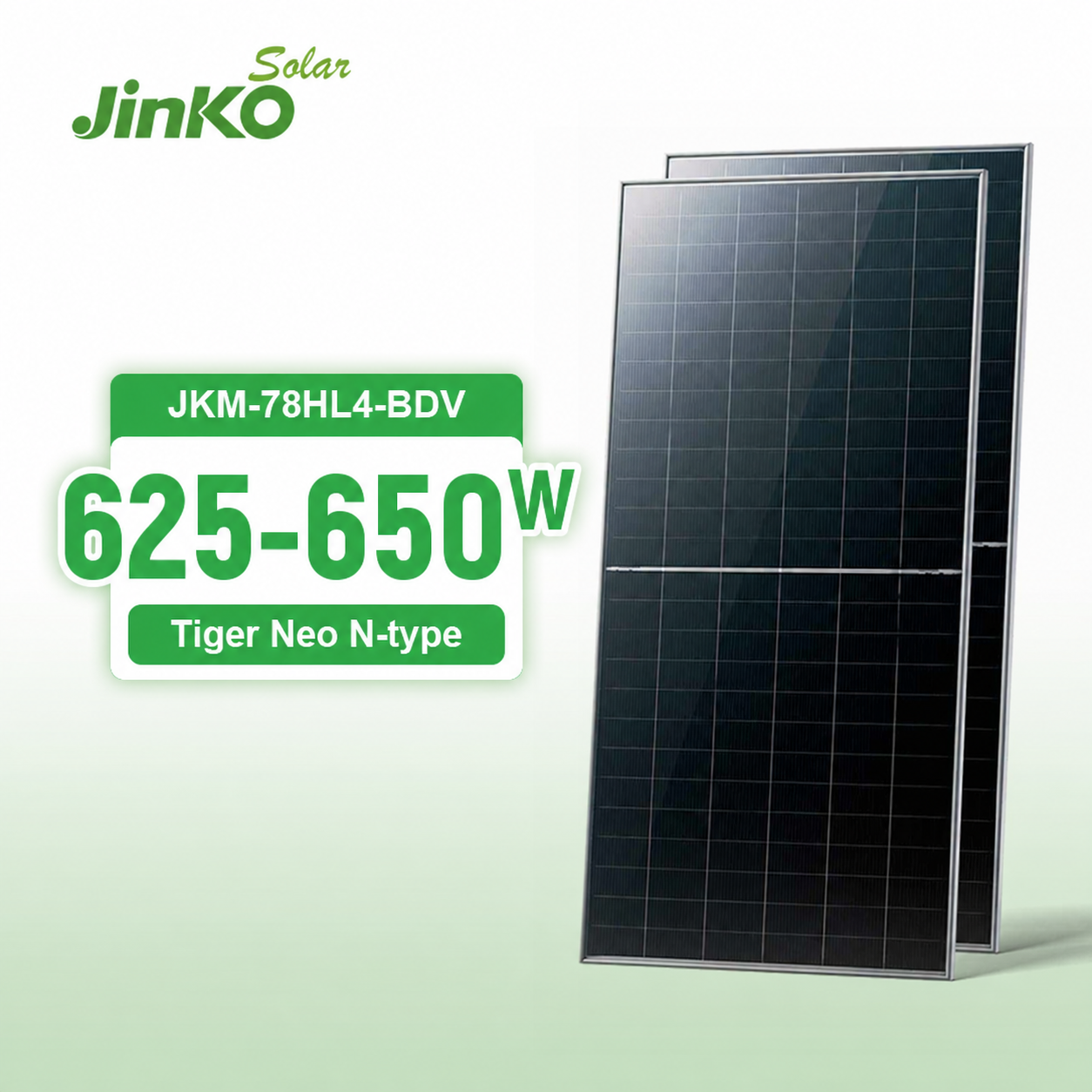
Utility Scale Cabinet Pairing
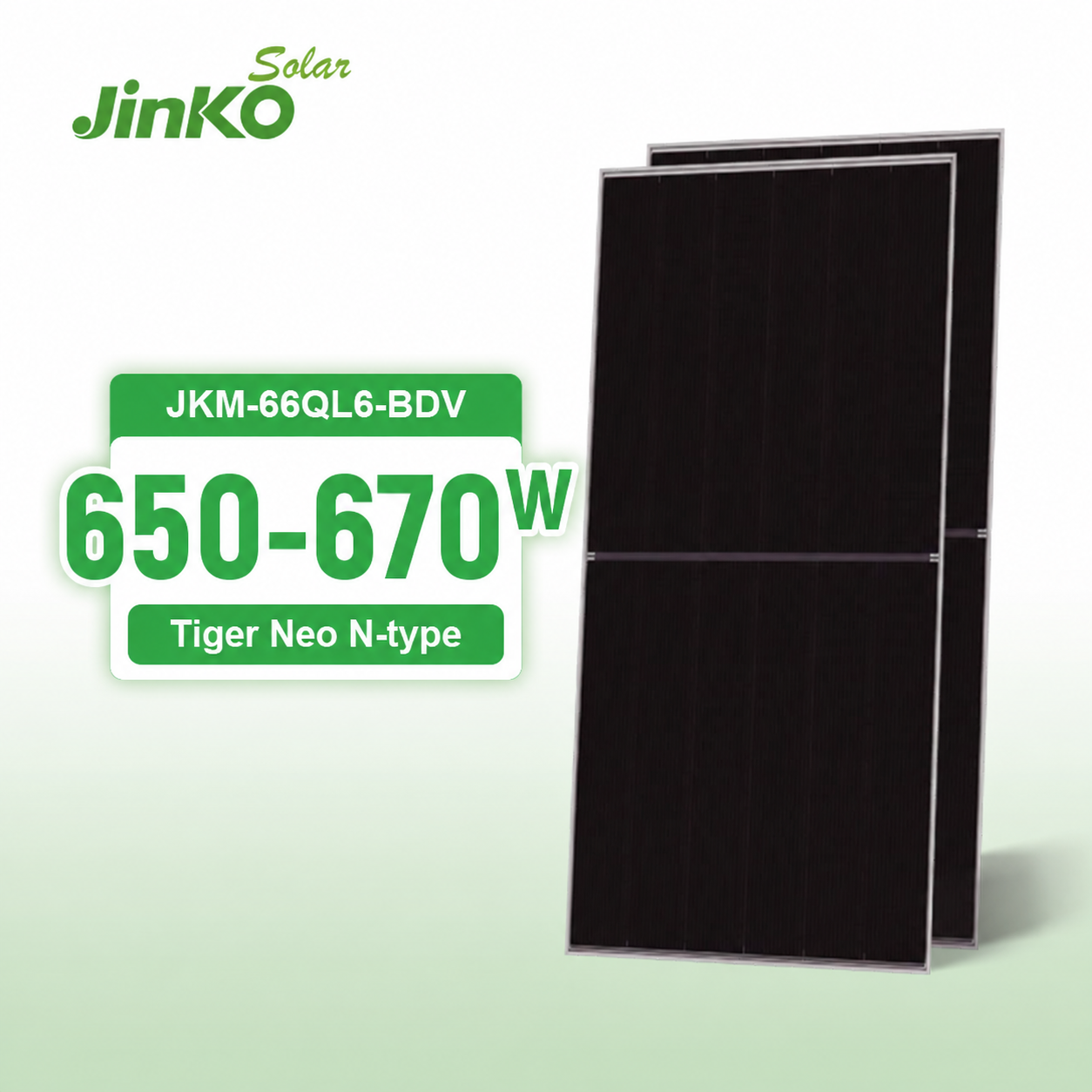
Jinko N Type Bifacial Solar Modules 650W 630W 640W Dual Glass Photovoltaic Panel for Industrial
Targeted Local Application Scenarios
Deploying Customized Battery Cabinets Across Honduran Industrial Ecosystems
Mitigating grid vulnerability, high peak transmission charges from ENEE, and harsh maritime environmental conditions through tailored OEM/ODM enclosure architectures.
San Pedro Sula Industrial Parks & Maquiladoras
The manufacturing spine of the Sula Valley operates continuous automated lines where transient voltage dips and rolling load shedding translate directly into severe production losses. Custom OEM battery cabinets housing high-capacity Lithium Iron Phosphate (LiFePO4) racks linked to three-phase hybrid inverters act as uninterrupted zero-millisecond power supplies. By smoothing short-duration interruptions and arbitrating high peak-tariff hours, Honduran textile mills and light manufacturing plants cut demand charges while maintaining uncompromised motor operation.
Agricultural Cold Storage & Agro-Processing
Across agricultural epicenters such as Comayagua, Copán, and Olancho, preserving coffee beans, melons, and fresh produce demands dependable refrigeration. Grid power delivered across expansive rural feeders is susceptible to severe harmonic distortion and prolonged outages. Our outdoor IP55/IP65 dual-compartment cabinets integrate dedicated HVAC cooling and pre-wired Class 9 surge suppression, shielding multi-inverter battery systems from dust, field debris, and voltage spikes when switching between solar energy, diesel gensets, and local transmission lines.
Bay Islands Eco-Resorts & Coastal Microgrids
In Roatán, Utila, and Guanaja, diesel generation costs can surpass $0.40–$0.55 per kWh, creating an overwhelming financial incentive for microgrid autonomy. However, maritime salt-fog environments rapidly degrade standard electro-galvanized sheet metal. We manufacture marine-grade C5-M anti-corrosion cabinets utilizing stainless steel 304/316 or heavy powder-coated structural aluminum, insulated with polyurethane barrier plates and hermetic EPDM seals to guarantee 15+ years of operational integrity without salt contamination in sensitive BMS electronics.
Market Dynamics & Policy Alignment
Emerging Trends Reshaping the Honduran Energy Storage Landscape
How regulatory shifts under CREE, distributed generation laws, and industrial decarbonization are accelerating high-voltage battery cabinet procurement.
The Transition from Standalone Diesel Generators to Hybrid Solar-Battery Microgrids
Historically, commercial and agricultural facilities in Honduras relied almost exclusively on heavy diesel generators to counter chronic grid failure. Soaring fuel import expenditures, combined with stringent international sustainability audits for export crops (such as fair-trade coffee and tropical fruit), have made diesel generation economically prohibitive. The emerging design paradigm pairs existing diesel infrastructure with OEM battery cabinets and smart hybrid inverters that enable fuel-saver algorithms, slashing diesel operating hours by up to 75%.
Furthermore, under the oversight of the Comisión Reguladora de Energía Eléctrica (CREE) and ENEE, industrial net metering and distributed energy frameworks are driving commercial facilities to capture mid-day surplus generation from 600W+ bifacial PV arrays rather than curtailing it. Containerized and cabinetized Battery Energy Storage Systems (BESS) provide the dynamic rapid-response capability needed to regulate frequency deviations and provide peak-shaving during twilight tariff spikes.
Distributed High-Voltage Architecture
Commercial and industrial EPC contractors are shifting from conventional 48V low-voltage battery banks to 500V–1000V high-voltage (HV) battery racks housed in modular cabinets. High-voltage topologies decrease continuous current levels, curtailing I²R thermal dissipation in copper busbars, simplifying balance-of-system cabling, and drastically boosting round-trip efficiency (RTE) to over 95% in large manufacturing operations.
Thermal Management for Tropical Latitudes
In regions like Choluteca and San Pedro Sula, ambient daytime temperatures frequently hover around 38°C with relative humidity above 85%. Standard fan ventilation draws saturated, warm air directly across lithium prismatic cells, triggering cell temperature imbalances and premature degradation. Next-generation OEM cabinets are engineered with closed-loop variable-speed DC inverter air conditioning or liquid cooling plates, ensuring internal cell delta-T remains below 3°C.
Standardized Plug-and-Play Integration
Local labor costs for on-site commissioning and electrical engineering in Honduras can introduce substantial project variance. Turnkey factory-assembled cabinets—integrating pre-punched DC busbars, integrated Class 1 shunt-trip DC circuit breakers, aerosol or NOVEC 1230 fire suppression, and factory-tested CAN/RS485 communication protocols matching Deye and other premier hybrid inverters—shorten on-site commissioning timelines from days to mere hours.
Enterprise Core Competencies
Why Global EPCs & Regional Importers Rely on Our Supply Chain
Hangzhou VOLT New Energy Technology Co., Ltd. delivers zero-defect system integration, strict quality control verification, and international export expertise.

Verified Protocol Matching
We eliminate "BMS Communication Error" through comprehensive end-to-end hardware testing. Inverter CAN/RS485 communication, cable pin-outs, and DIP switches are fully matched and tested with the battery cabinet before factory dispatch.

Pre-Shipment Multi-Stage QC
Every cabinet batch undergoes complete cell capacity grading, high-voltage insulation tests, automated torque verification on copper bus connections, and full-load thermal imaging under high-amperage continuous discharge conditions.

Class 9 DG Maritime Packaging
Direct ocean consolidation with Puerto Cortés routing. We prepare certified UN38.3 test summaries, MSDS documentation, and custom timber packaging engineered to withstand maritime transit and rough inland logistics.
Direct Engineering Backing
Our bilingual technical team supports your project lifecycle with comprehensive system sizing, single-line diagrams (SLD), remote commissioning assistance, and prompt warranty resolution on all core equipment.
Accelerate Your Commercial Storage Projects in Honduras
Send our senior engineering team your load profiles, target backup capacity, and site environmental constraints. We deliver complete single-line schematics, fully matched battery cabinet sizing, and factory-direct pricing within 24 business hours.
Get Catalog
Purchaser Advisory & Technical FAQ
Critical Factors Honduran Procurement Teams Must Review
Essential technical, logistics, and compliance inquiries addressed by our energy storage integration specialists.
What environmental specifications are required for battery cabinets deployed in Honduras?
Due to Honduras's tropical climate—characterized by elevated humidity, salt mist in coastal zones (such as Cortés and the Bay Islands), and seasonal torrential rains—outdoor cabinets should feature an ingress rating of at least IP55, with IP65 preferred for direct exposure. We build OEM cabinets utilizing 2.0mm galvanized steel or aluminum alloy treated with outdoor epoxy polyester powder coating (tested to ASTM B117 salt spray standards for over 1,000 hours). Furthermore, closed-loop industrial thermal conditioning is essential to maintain lithium cell temperatures between 20°C and 28°C, preventing condensation and avoiding capacity degradation associated with tropical heat.
How do you guarantee protocol compatibility between your battery cabinets and hybrid inverters?
Communication mismatch is the leading cause of commissioning delays. Our battery management systems (BMS) are pre-flashed with protocol profiles specifically programmed for tier-1 inverter ecosystems, notably Deye low-voltage and high-voltage three-phase hybrid inverters, Growatt, and Victron. Prior to container dispatch from our factory, our engineers connect the battery cabinet to the designated inverter model, test full closed-loop CAN or RS485 communication, calibrate current limits and charge profiles, and supply a verified pin-out diagram alongside customized startup instructions.
What shipping logistics, maritime routes, and customs paperwork apply to Honduras?
Lithium iron phosphate (LiFePO4) battery cabinets are classified as UN3480, Class 9 Dangerous Goods (DG). Shipments are routed via major ocean carriers directly from Ningbo or Shanghai to Puerto Cortés, the premier deep-water container terminal in Honduras. We handle complete documentation, including certified UN38.3 test summaries, Material Safety Data Sheets (MSDS), and sea-freight dangerous goods declarations. We can consolidate tier-1 bifacial solar modules, inverters, and battery enclosures into a single shipping container, lowering overall CIF shipping costs and streamlining clearance through Honduran customs (ADUANAS).
What fire suppression and electrical safety protections are integrated into the cabinet?
Safety is paramount in commercial industrial sites. Our custom OEM cabinets are designed in adherence to UL 9540A and IEC 62619 safety benchmarks. Hardware protections include automated DC miniature and molded-case circuit breakers (MCCB), high-rupture capacity fuses, and class-matched surge protective devices (SPD) on both DC and communication lines. For active fire protection, cabinets are equipped with aerosol generators or automated clean-agent fire extinguishing systems (NOVEC 1230/FK-5-1-12) coupled with temperature, smoke, and hydrogen/CO sensors for multi-stage alarm and emergency shutdown.
Can your enclosures accommodate both low-voltage (48V) and high-voltage (HV) battery configurations?
Yes. We provide flexible internal rack configurations. For residential and light commercial projects, our cabinets support standard 19-inch 48V/51.2V rack-mounted LiFePO4 modules wired in parallel through reinforced copper busbars. For mid- to large-scale industrial and utility microgrid installations, we engineer high-voltage cabinets housing series-connected modules from 200V up to 1000V DC, complete with a High Voltage Control Box (HV-Box) containing primary contactors, pre-charge resistors, insulation monitoring, and master BMS coordination.
What warranty terms, replacement parts, and engineering after-sales support do you provide?
Our Lithium Iron Phosphate cells and battery cabinets carry a standard factory warranty ranging from 5 to 10 years (dependent on operating temperature, daily cycling count, and DOD parameters). Every battery pack is serialized and tracked in our quality management system. In the event of a field fault, we provide remote engineering diagnosis via detailed BMS data logs. Should a module, BMS board, or air conditioning fan fail under warranty conditions, we dispatch replacement components via air courier to minimize downtime on Honduran job sites.