High-Yield Tier-1 Modules Matched with Energy Storage
Engineered for high irradiance, heavy soiling resistance, and extreme ambient heat. Our verified photovoltaic arrays pair seamlessly with lithium iron phosphate battery banks and hybrid off-grid/grid-tied inverters deployed across Mecca, Jeddah, and Taif.
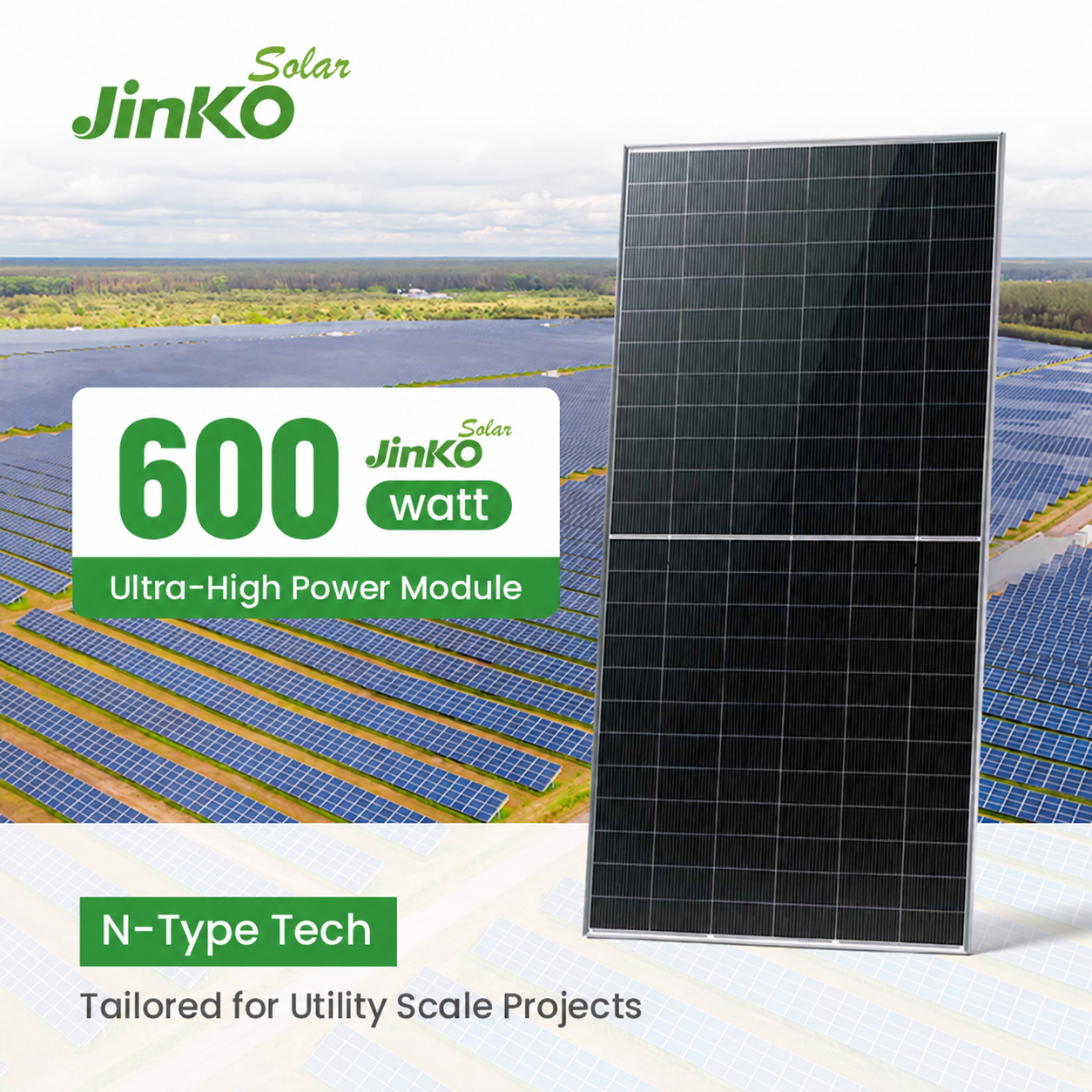
Jinko N Type Bifacial 600W 580W 590W Dual Glass Photovoltaic Solar Panel for Industrial
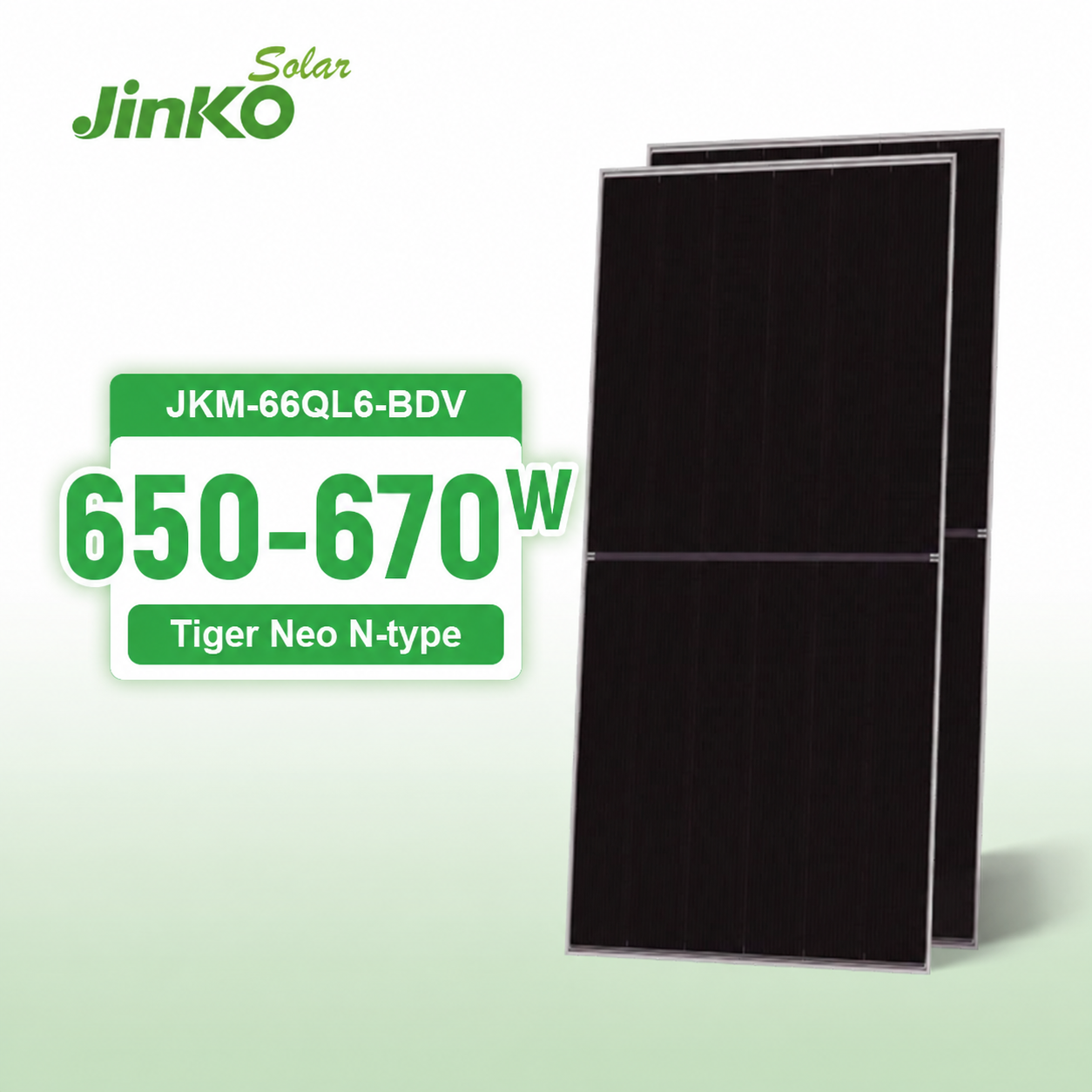
Jinko N Type Bifacial Solar Panel 650W 660W 670W TOPCon Monocrystalline High Efficiency PV Module for Home Roof
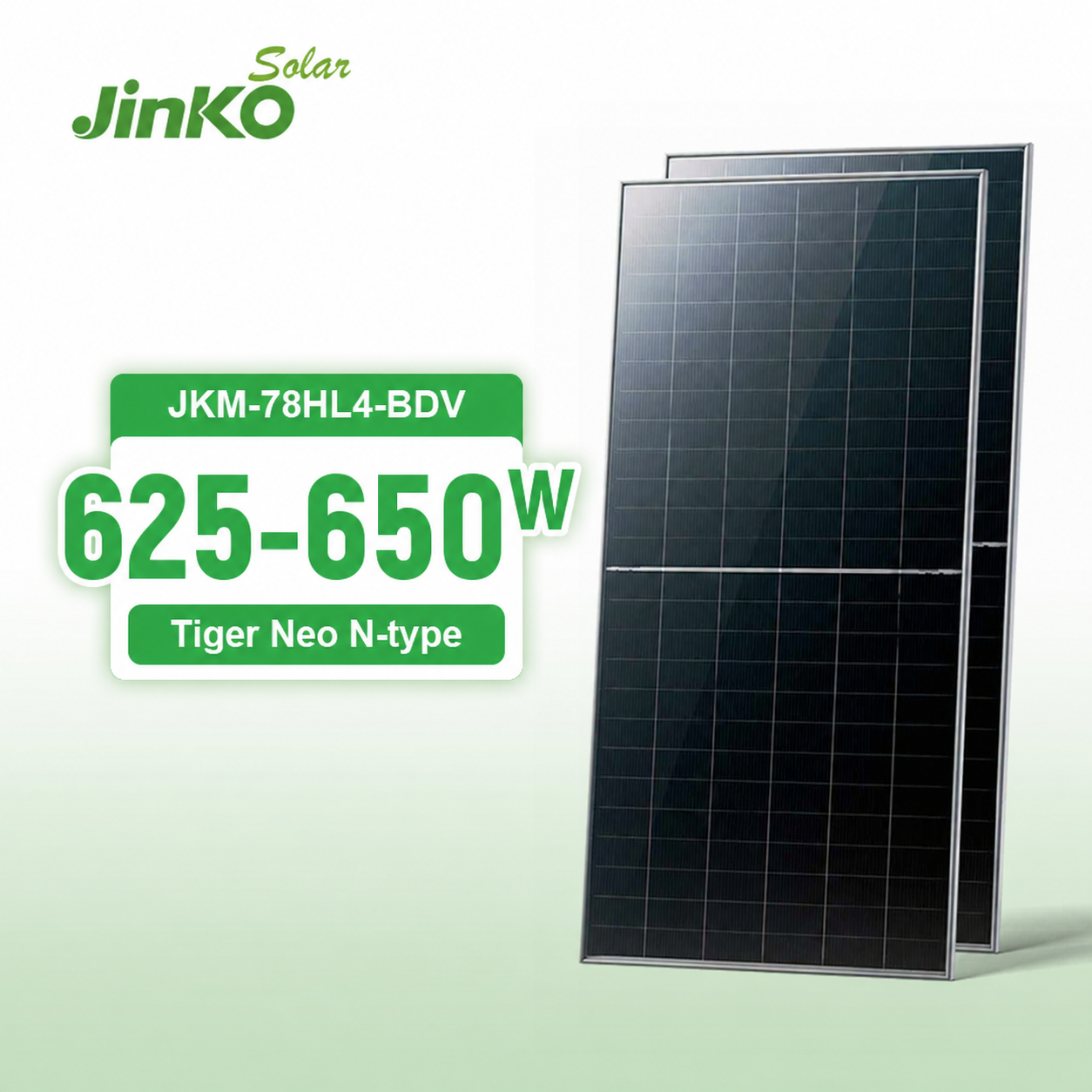
Jinko Bulk 630W 625W 640W TOPCon Bifacial Monocrystalline High Efficiency PV Panel in Stock
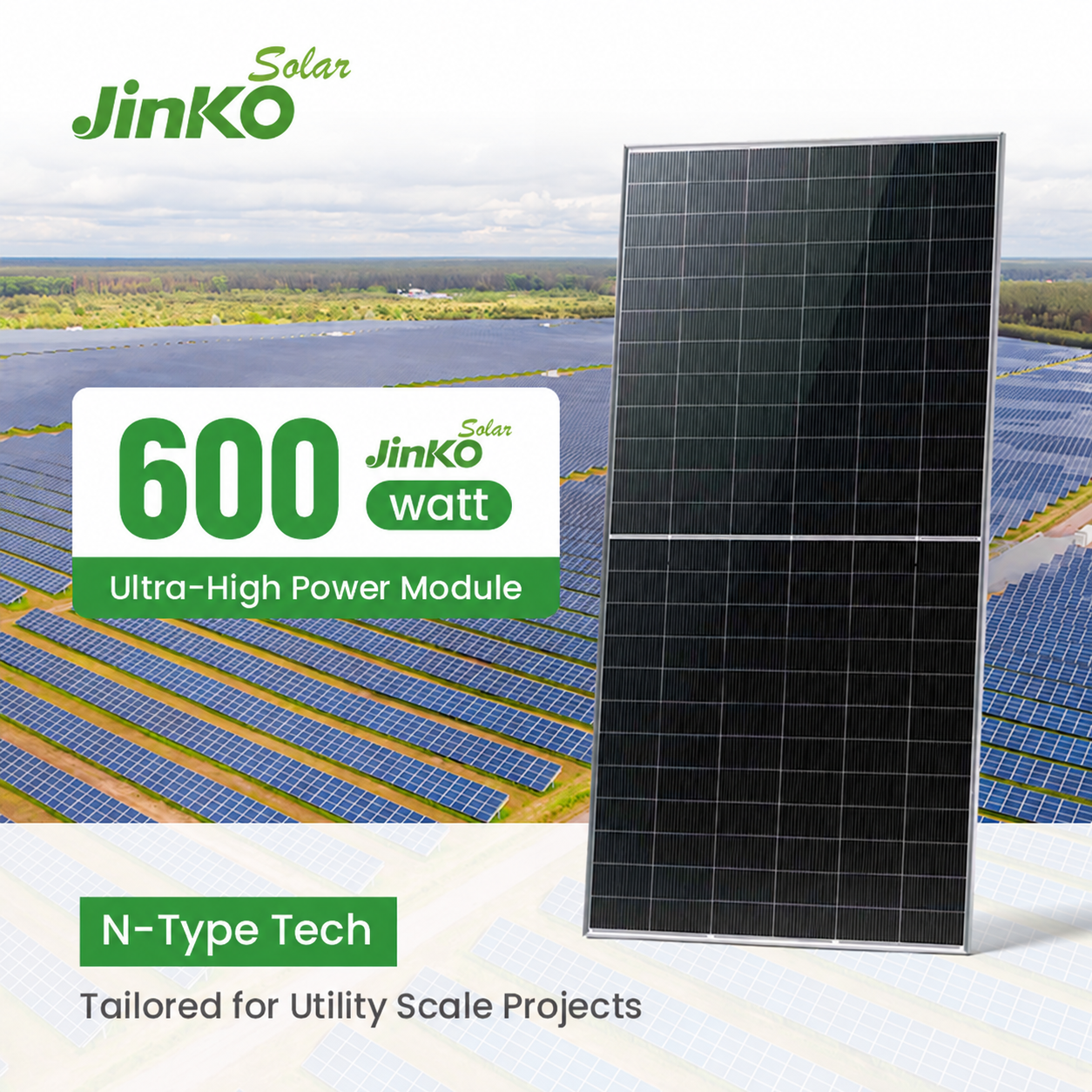
Jinko N Type Bifacial Solar Panels 600W 580W 595W TOPCon Double Glass High Efficiency Solar Module
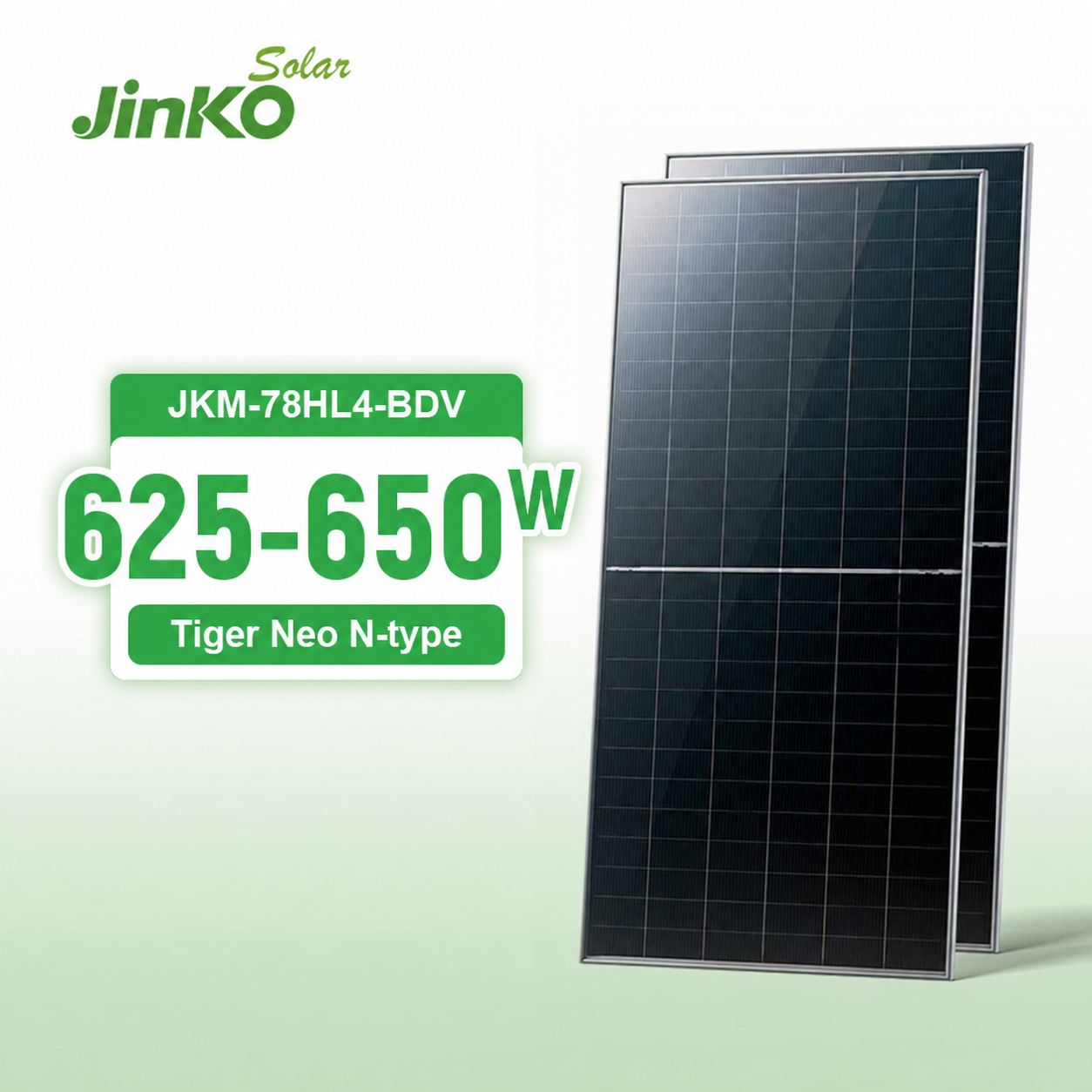
Jinko N Type Bifacial Pv Modules 630W 625W 635W Double Glass High Efficiency Solar Panel Stock
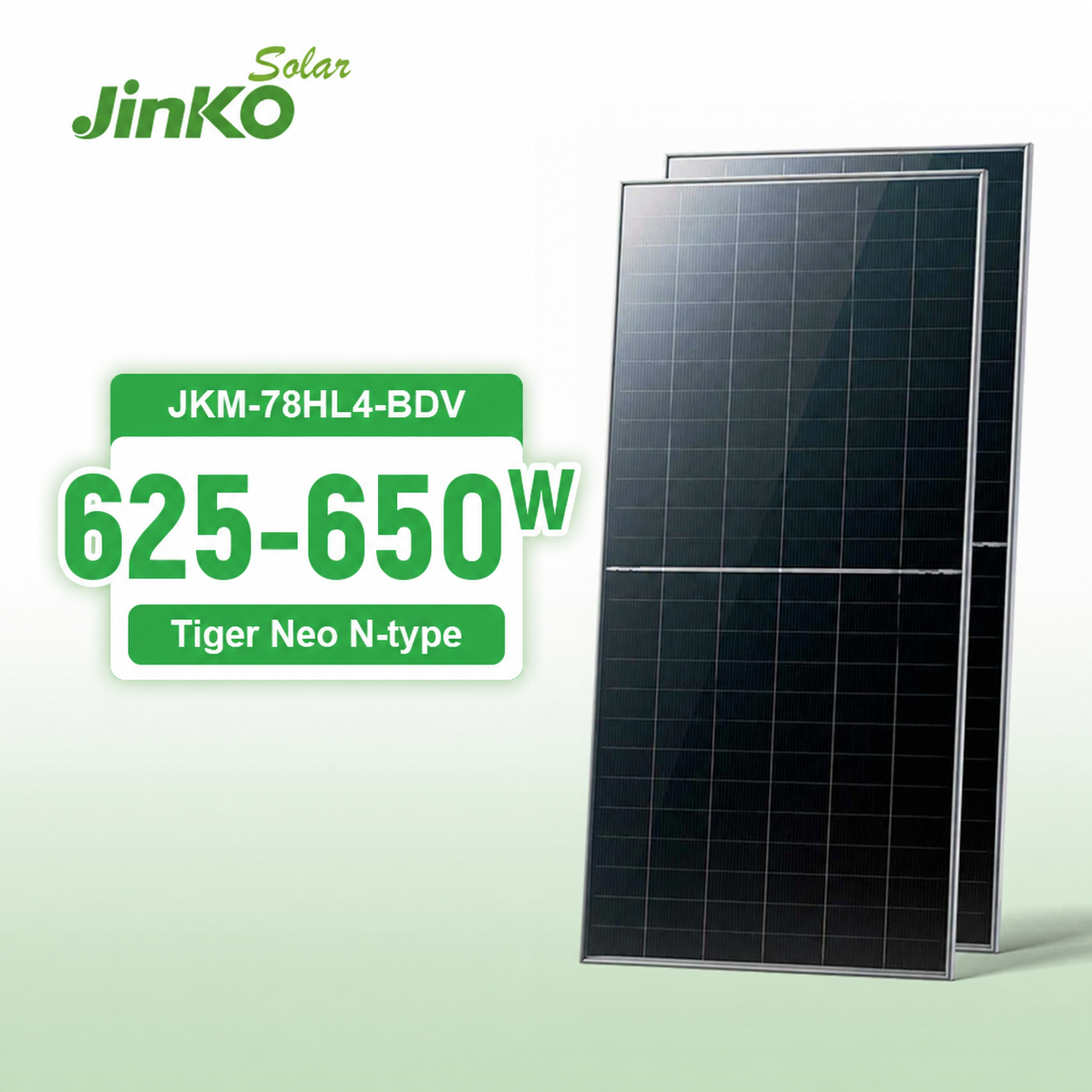
Jinko Monocrystalline Pv Panels 650W 625W 640W High Efficiency Bifacial Dual Glass Solar Module for Home Roof
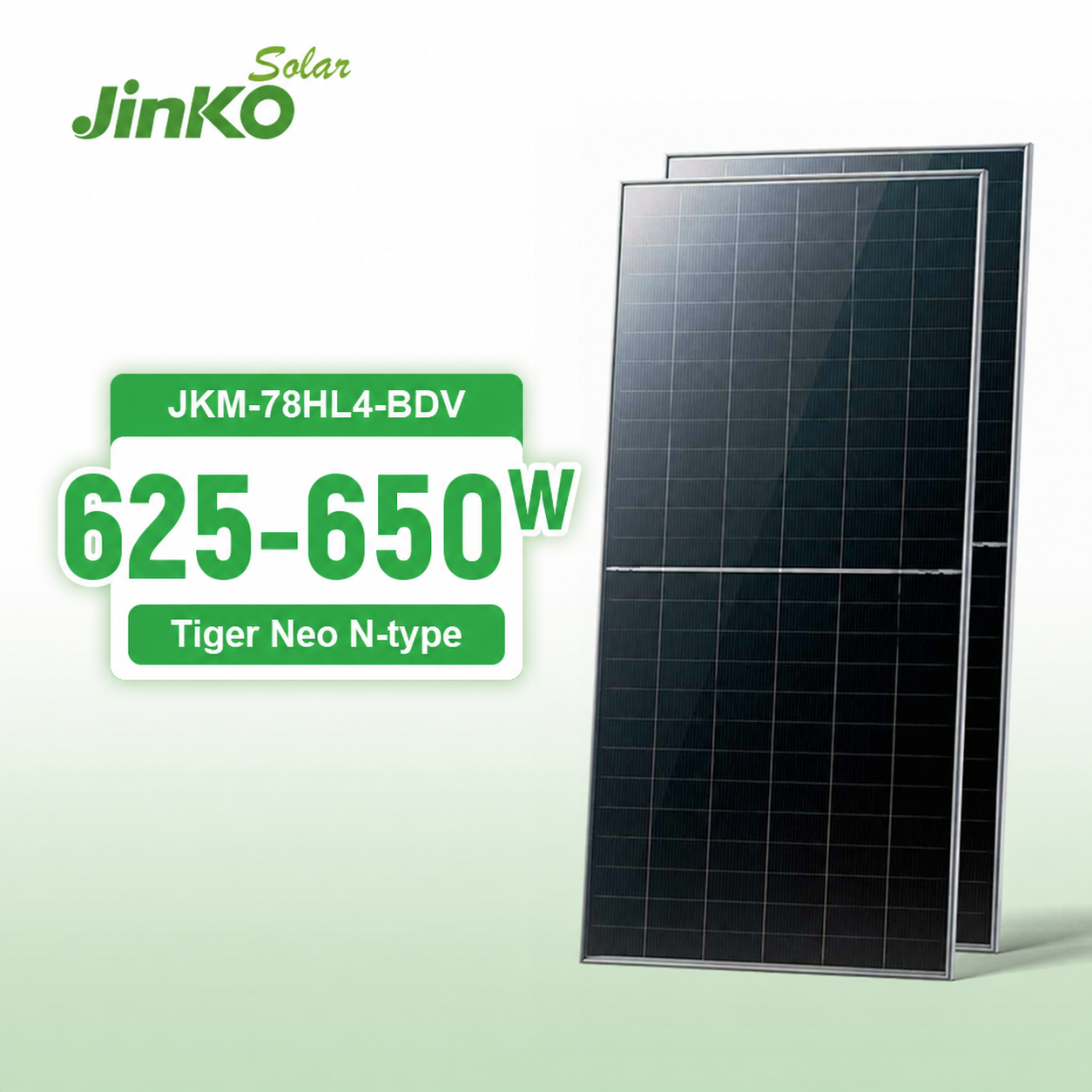
Jinko High Efficiency Bifacial Pv Panels 625W 635W 645W Double Glass Solaire Panneau N Type Solar Panel for Farm
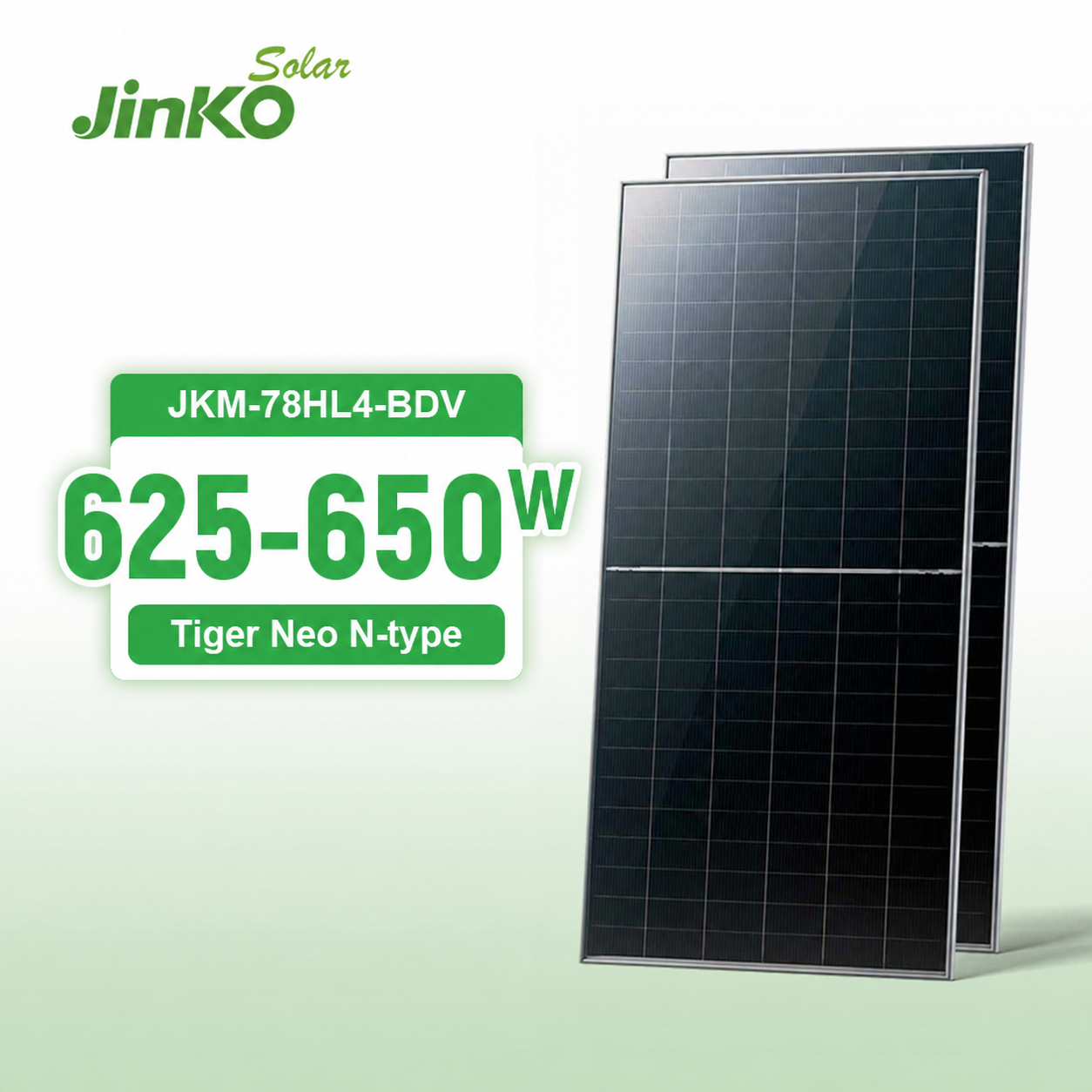
Jinko N Type Solar Panels 625W 640W 635W Monocrystalline Panneau Solaire Bifacial High Efficiency PV Module for Home Roof
1. The Mecca Market Dynamic: Residential Energy Storage Under Extreme Desert Conditions
The Holy City of Mecca (Makkah Al-Mukarramah) and the broader Western Province of the Kingdom of Saudi Arabia (KSA) represent one of the most uniquely demanding distributed solar and energy storage operating environments globally. Governed by a combination of arid sub-tropical geography, extreme ambient temperatures often exceeding 48°C during peak summer months, and concentrated seasonal surge loads during the Hajj and Umrah pilgrimages, the mechanical and electrical integrity of Home Energy Storage Systems (HESS) cannot rely on generic tropical or temperate specifications.
Under the regulatory framework championed by the Saudi Electricity Regulatory Authority (SERA) and the sweeping economic mandates of Saudi Vision 2030, residential real estate is undergoing rapid decentralization. High-tier residential consumers and real estate developers across neighborhoods such as Al Awali, Al Shoqiyah, Al Khalidiyyah, and Al Hindawiyyah are increasingly adopting private photovoltaic-plus-battery storage architectures. The primary drivers are threefold:
- Tariff Optimization & Peak Load Shaving: Saudi Electricity Company (SEC) residential tariff slabs incentivize self-consumption when monthly household air conditioning draw exceeds 6,000 kWh consumption brackets.
- Thermal Continuity & Critical Power Resiliency: High-density urban settings during pilgrimage peak seasons present sporadic localized feeder strains; dedicated battery energy storage systems (BESS) ensure zero-millisecond UPS cutover for chilled-water compressors, smart home automation, and ventilation.
- Saber and SASO Regulatory Enforcement: Import regulations strictly require SASO IEC 62619, IEC 62109-1/-2, and UN38.3 compliance certifications. Only factories equipped with verified quality engineering systems and validated international trade infrastructure can successfully clear customs at Jeddah Islamic Port and King Abdulaziz International Airport logistics terminals.
Ambient Thermal Derating: The Critical Technical Bottleneck
Standard residential lithium iron phosphate (LiFePO4) storage systems manufactured for European or North American climates experience severe cycle degradation and aggressive thermal derating when operating above 45°C ambient temperatures. In Mecca, rooftop solar surface temperatures routinely hit 75°C, while unconditioned garage or exterior utility closets reach 50°C. Exporters must provide Tier-1 matched systems pairing low-temperature coefficient N-Type TOPCon panels (such as Jinko Tiger Neo modules rated at -0.29%/°C) with active BMS-controlled, thermally insulated, aerosol-suppressed LFP rack and wall-mount batteries coupled to wide-band MPPT hybrid inverters (Deye SUN-8K/10K/12K-SG04LP3 series).
Localized Application Scenarios Across Mecca & Western Province
Tailored engineering architectures designed specifically for the architectural layouts, grid infrastructures, and load characteristics of Western Saudi Arabia.
Luxury Multi-Storey Villas (Al Awali / Al Shoqiyah)
Large private villas with 35–65 kW daily baseloads dominated by heavy Variable Refrigerant Flow (VRF) HVAC compressors. Systems feature three-phase Deye hybrid inverters paralleled up to 24 kW with 30 kWh–60 kWh high-density LFP storage. Solar generation absorbs afternoon peak sunshine, while stored battery energy powers evening cooling without stepping into SEC Tier-2 elevated tariff slabs.
Pilgrim Hospitality Suites & Residential High-Rises
Boutique hospitality properties and extended pilgrim boarding accommodations around the Makkah Central Area requiring emergency power continuity and diesel generator abatement. Integrated rack-mount battery banks (48V / 51.2V 100Ah/200Ah modules) deliver silent, emission-free microgrid bridging during grid instability with 10ms seamless transfer times.
Off-Grid Estates & Agricultural Ranches (Wadi Fatima / Taif Foothills)
Independent residential compounds, retreat estates, and date orchards situated along the Mecca-Taif corridor without stable utility grid hookups. Ground-mounted dual-glass Jinko 630W–650W bifacial arrays utilize high albedo ground reflection coupled with rugged off-grid inverters and deep-cycle battery banks to run submersible water pumps, cold stores, and domestic facilities 24/7.
2. Standardized High-Ambient System Architecture Matrix
The following technical blueprint represents our standardized residential configurations calibrated for Saudi Arabian Western Province grid interconnect and thermal parameters:
| System Capacity Class | Recommended PV Array | Storage Chemistry & Capacity | Hybrid Inverter Core | Mecca Grid Role |
|---|---|---|---|---|
| Compact Villa (Single Phase) | 8.2 kWp (Jinko 600W TOPCon × 14) | 10.24 kWh LiFePO4 (Wall-mount, 51.2V 200Ah) | Deye SUN-6K-SG03LP1 (IP65) | Critical load backup, day-to-night shifting |
| Standard Estate (Three Phase) | 15.6 kWp (Jinko 650W Dual Glass × 24) | 20.48 kWh LFP (Rack-stackable, CAN BMS) | Deye SUN-12K-SG04LP3 (IP65) | SEC Tariff optimization, 100% AC phase unbalance support |
| High-Demand Residential Compound | 31.2 kWp (Jinko 650W TOPCon × 48) | 40.96 kWh – 61.44 kWh High-Voltage LFP | Dual Deye SUN-15K/20K in Parallel | Whole-villa uninterrupted backup, smart EV charging interface |
| Off-Grid Oasis Farmstead | 12.6 kWp (Jinko 630W Bifacial × 20) | 30 kWh Industrial Deep-Cycle GEL / LFP | Deye SUN-8K-SG01LP1 Off-Grid / Gen-Tie | 100% Energy Autonomy, automated diesel generator start |
* All configurations feature pre-commissioned CAN/RS485 communication protocols, internal Type II DC/AC surge arrestors, and arc-fault circuit interrupter (AFCI) safety modules conforming to Saudi Civil Defense and SASO electrical fire directives.
Emerging Trends: The 2025–2030 Energy Storage Boom in Western Saudi Arabia
1. Escalating Adoption of Bifacial Dual-Glass Architecture: Desert dust (soiling) and sandstorm abrasion create severe micro-scratching on single-glass organic backsheets. In the Mecca basin, dual 2.0mm tempered glass modules paired with anti-soiling hydrophobic coatings have become the mandatory standard among municipal consultants and discerning villa owners to prevent backsheet embrittlement.
2. Smart Meter Integration & Virtual Net-Billing: With the nationwide deployment of advanced metering infrastructure (AMI) by the Saudi Electricity Company, residential storage systems with export limitation controls and rapid response time (<10ms) allow homeowners to store surplus solar energy and avoid selling power back at low feed-in tariffs while repurchasing during peak evening rates.
3. Transition from 48V Low-Voltage to Stackable High-Voltage Systems: While 48V systems remain the industry workhorse for residential safety and ease of parallel scalability, larger luxury villas with central chiller plants are increasingly requesting high-voltage (200V–500V) series batteries to decrease cable resistive losses (I²R loss) under sweltering ambient temperatures.
Why Regional Distributors & EPCs Partner with VOLT New Energy
Headquartered in Hangzhou, Zhejiang, Hangzhou VOLT New Energy Technology Co., Ltd. eliminates the costly friction points of importing advanced solar storage systems into the Kingdom of Saudi Arabia.
Zero-Error Protocol Matching
BMS communication mismatch is the leading cause of installation failure. Before loading, our engineers match battery firmware, DIP switch configurations, and CAN/RS485 pin-outs with Deye hybrid inverters to guarantee plug-and-play startup.
Saber & SASO Customs Clearance
We supply complete export documentation sets including authentic UN38.3 lithium battery transport test reports, MSDS, CE-LVD, IEC 62619, and IEC 62109 reports necessary for rapid Saber platform registration and smooth clearance at Jeddah Port.
Consolidated Mixed-Load Logistics
Avoid coordinating with five disparate factories. We consolidate Tier-1 Jinko N-type panels, Deye inverters, custom LFP battery packs, solar cabling, and DC breakers into single secure container shipments under strict Class 9 dangerous goods compliance.
Rigorous Pre-Shipment QC
Every battery module undergoes capacity grading, cell internal resistance balancing, high-voltage insulation tests, and complete charge-discharge stress loops. Inspection photos, test records, and serialization lists are delivered before vessel departure.
Frequently Asked Questions: Sourcing for the Mecca & KSA Market
Direct technical and operational answers to the most common queries raised by Saudi contractors, MEP consultants, and regional distributors.
How do VOLT New Energy’s LFP batteries handle Mecca’s 50°C summer ambient temperatures?
What documentation is required to clear lithium solar batteries through Jeddah Islamic Port?
Can Deye hybrid inverters manage unbalanced three-phase residential loads in Saudi villas?
Why is Jinko N-Type TOPCon bifacial preferred over standard monocrystalline PERC in Mecca?
What is the typical warranty procedure for components deployed in Western Saudi Arabia?
Engineer Your Mecca Solar Storage Project with Certified Specialists
Whether you require full container consolidation of Jinko TOPCon panels, pre-configured Deye hybrid inverters, or custom thermal-regulated LFP battery banks, our engineering desk delivers precision sizing, documentation, and pricing within 24 hours.