Direct factory supply of certified Tier-1 high-efficiency solar modules and high-cycle storage kits. Pre-matched for plug-and-play communication with leading low-voltage and high-voltage hybrid inverters.
Evaluating Southern Lebanon's acute grid deficits, Mediterranean coastal environmental stressors, and the financial necessity of residential energy autonomy.
The coastal city of Tyre (Sour) and its surrounding agricultural municipalities in Southern Lebanon face a structural electricity paradigm unique to the Eastern Mediterranean basin. With state-grid supplies from Électricité du Liban (EDL) frequently constrained to merely 2 to 4 hours per day, the local economy historically pivoted toward private neighborhood diesel generator syndicates (locally known as "Ishtirak"). However, compounded by volatile imported fuel prices, high monthly subscription tariffs based on ampere ratings (5A, 10A, or 15A limiters), and escalating local environmental concerns, private home and commercial facility owners in the Tyre market are rapidly deploying autonomous Home Energy Storage Systems (HESS).
For solar energy contractors, wholesale distributors, and EPC installers throughout the Tyre district—spanning coastal residential quarters like Al-Bass, Borj El Chmali, and Abbassiyeh—a home energy storage system is not merely an alternative energy accessory; it represents primary baseline infrastructure. Modern residential deployments demand robust hybrid power architectures capable of seamless transition between microgrid conditions, erratic utility surges, and auxiliary generator dry-contact triggers, maintaining uninterruptible power supplies (UPS) for critical inductive loads such as water pumps, deep-well borehole extraction systems, and multi-split inverter air conditioners.
As a premier global supplier and certified Chinese exporter, Hangzhou VOLT New Energy Technology Co., Ltd. addresses the Tyre market's stringent operational realities. Our engineering bundles combine Tier-1 N-Type TOPCon bifacial modules with smart 51.2V low-voltage and high-voltage Lithium Iron Phosphate (LiFePO4) storage banks and field-proven Deye hybrid inverters. This provides Lebanese system integrators with verified component compatibility, eliminating costly commissioning bottlenecks and ensuring resilient, multi-decade system performance under demanding Mediterranean weather patterns.
Tailored system typologies addressing residential villas, coastal agricultural holdings, commercial rooftops, and community backup hubs.
Large private estates along Tyre’s coastal rim require robust three-phase energy independence. Typical configurations integrate 10kW to 15kW Deye hybrid inverters coupled with 15kWh–30kWh wall-mount or stackable LiFePO4 batteries. The dual MPPT architecture manages complex roof orientations while ultra-fast <4ms transfer protects sensitive home automation, surveillance, and multi-ton HVAC compressor loads from continuous grid collapse.
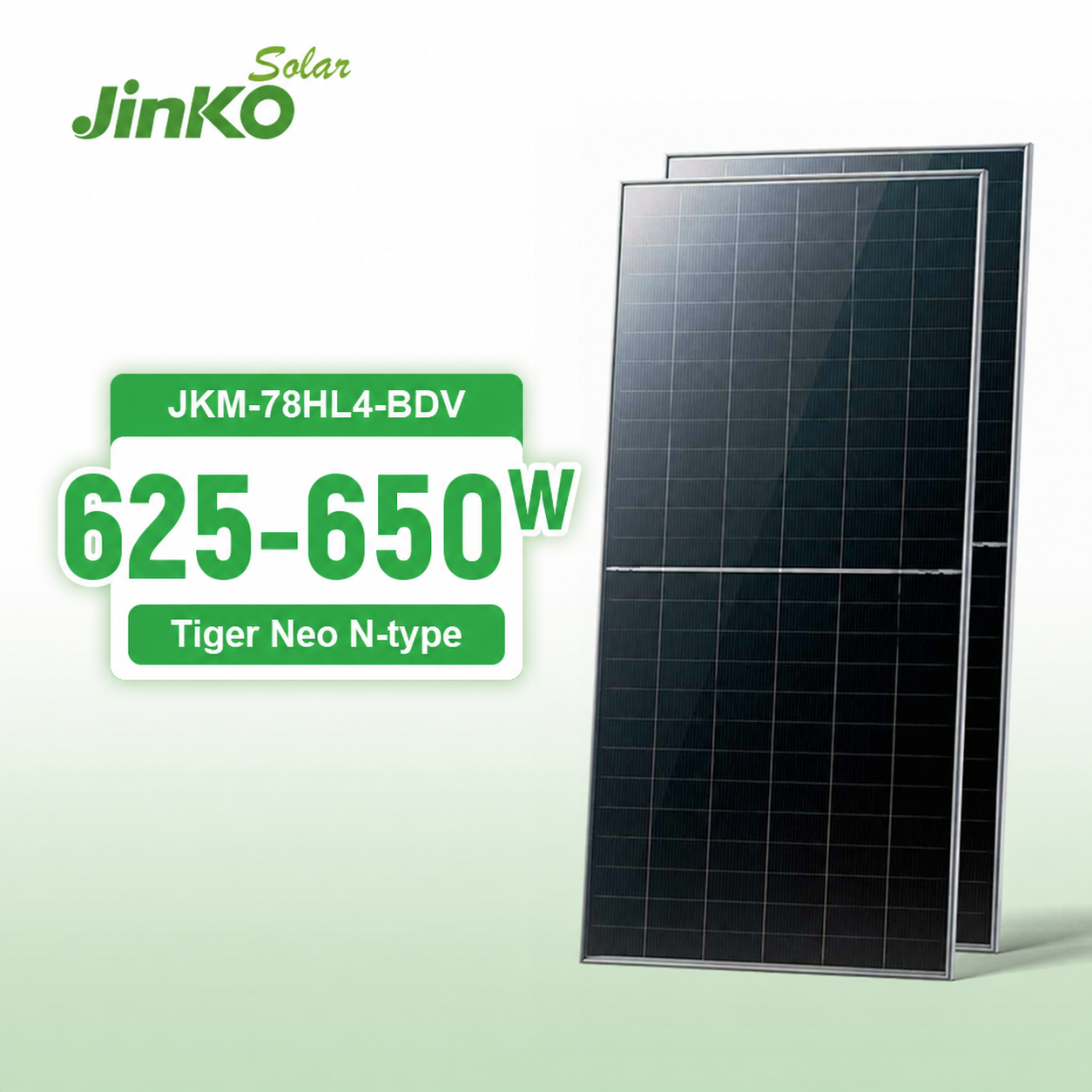
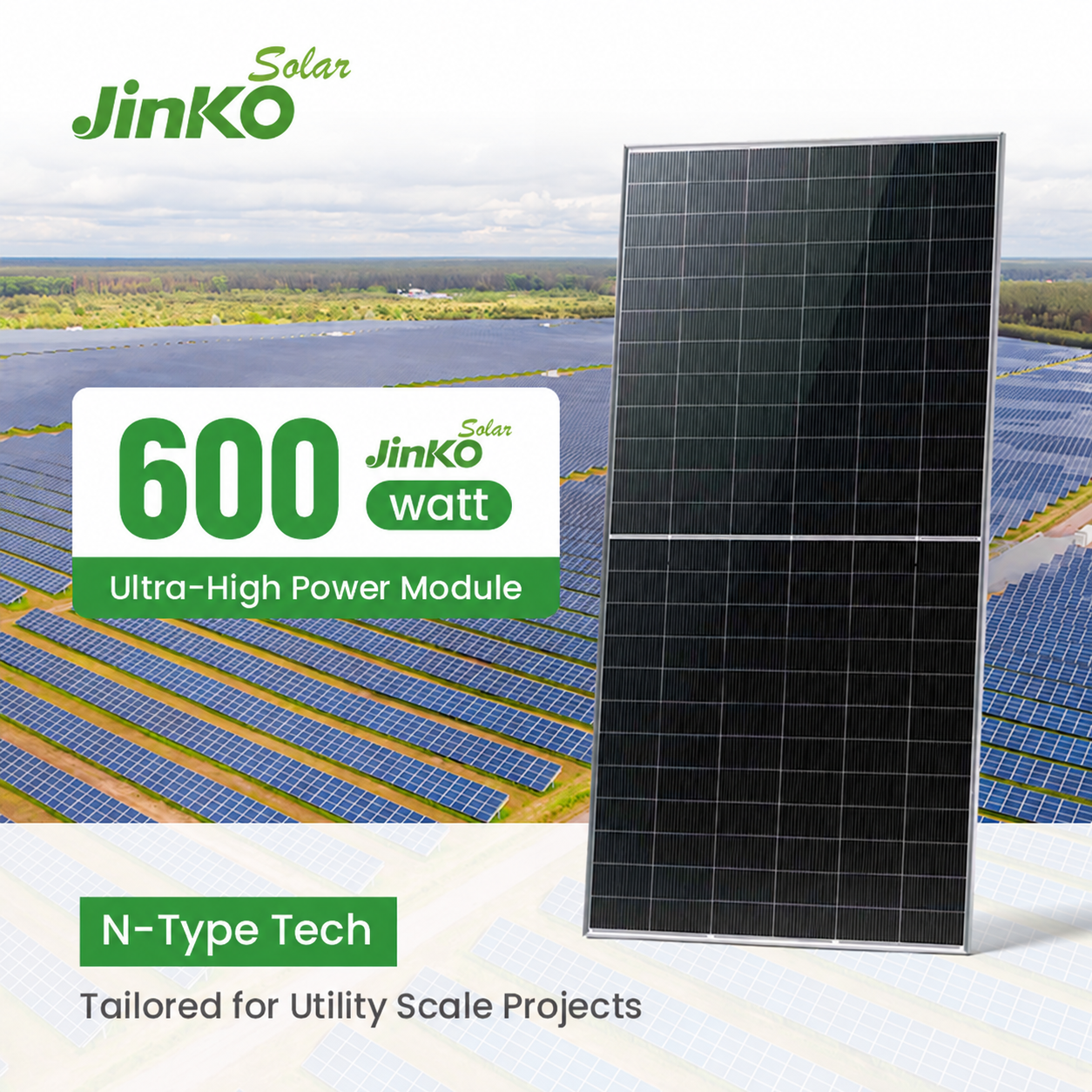
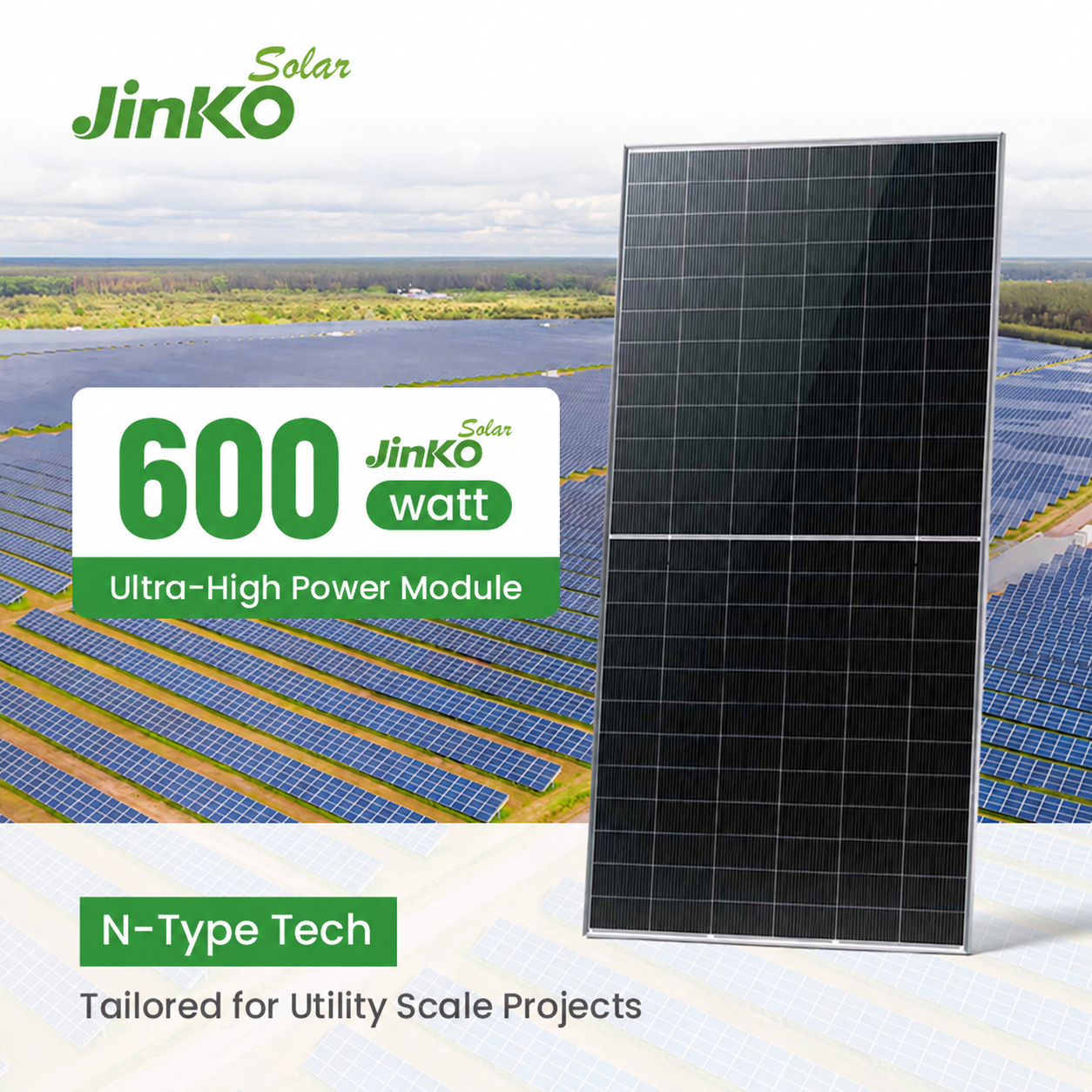
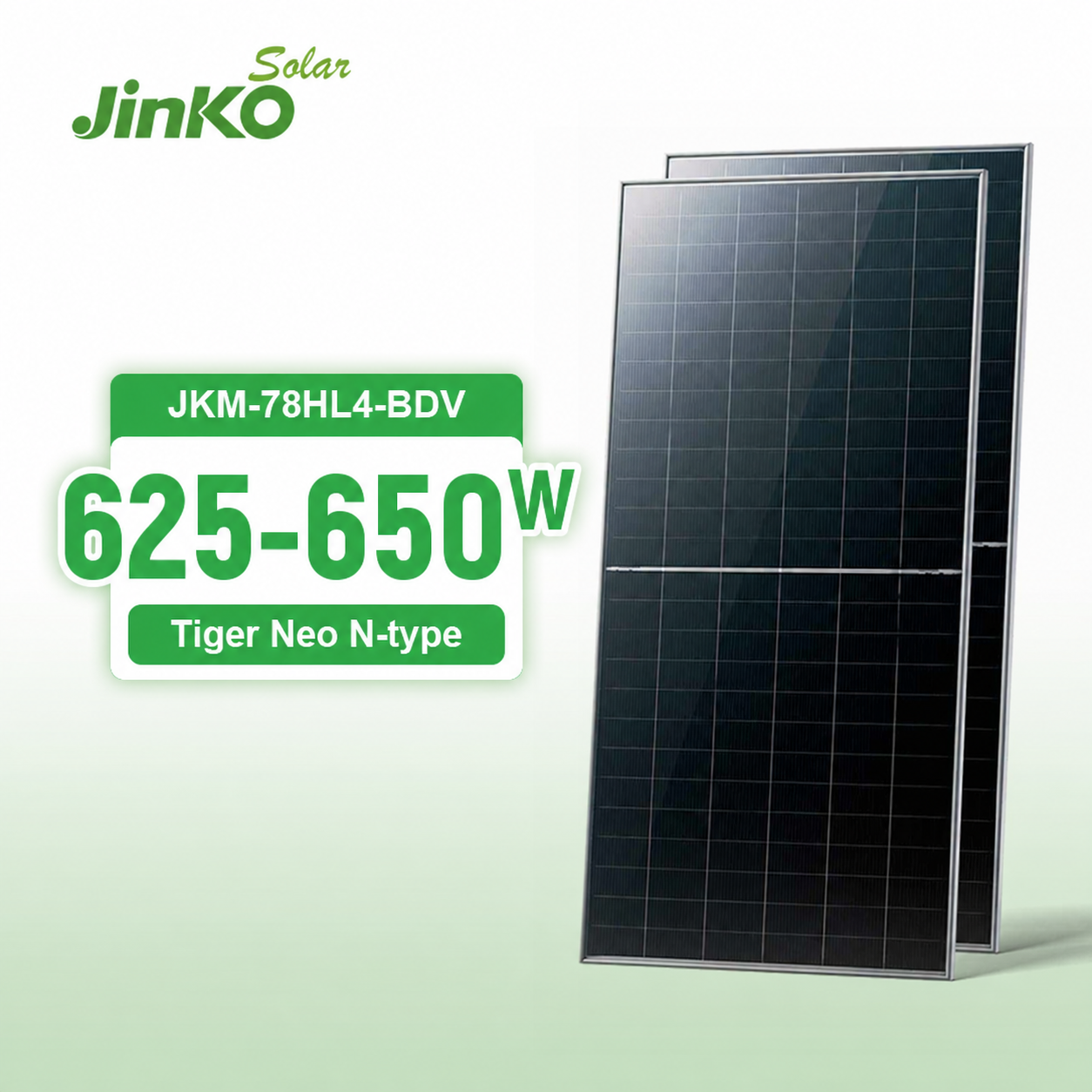
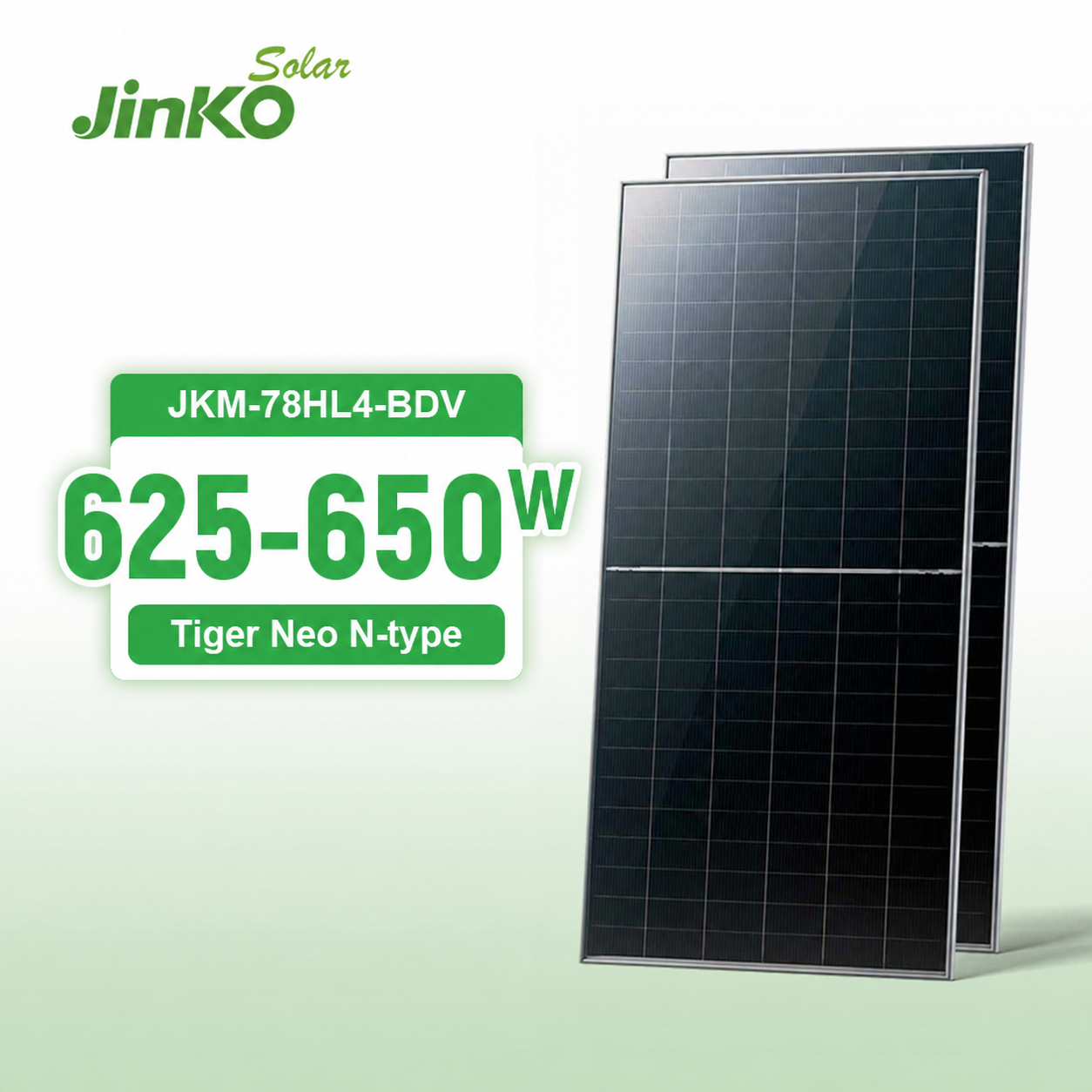
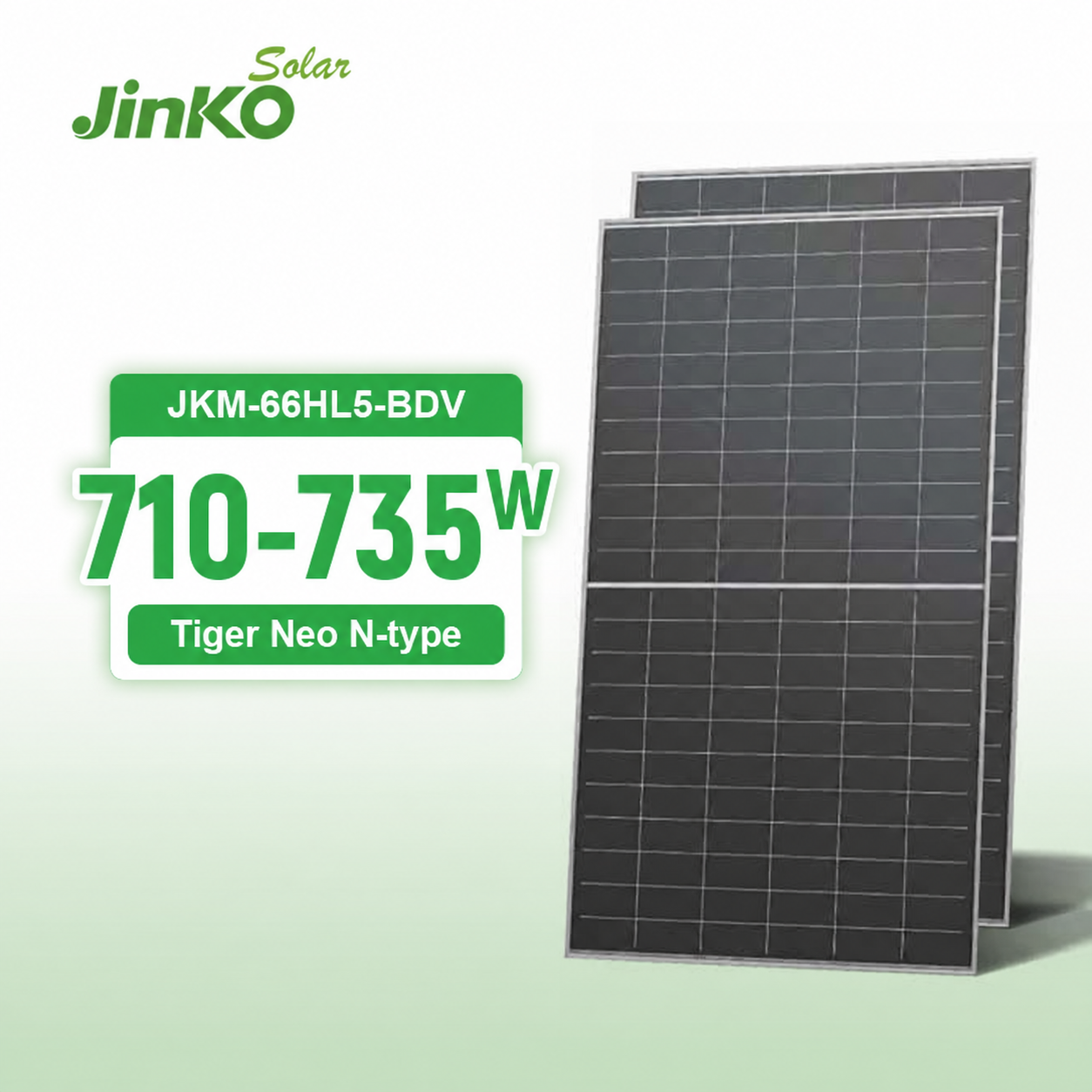
The agricultural fertile belt of Tyre depends on electric submersible bore pumps that cannot tolerate rolling brownouts. Systems combining Jinko 625W–700W bifacial modules with high-current off-grid hybrid inverters supply inductive surge margins without tripping. The double-glass structure resists agricultural chemical atmospheres and fine soil dust while providing reliable daytime irrigation and nighttime storage.
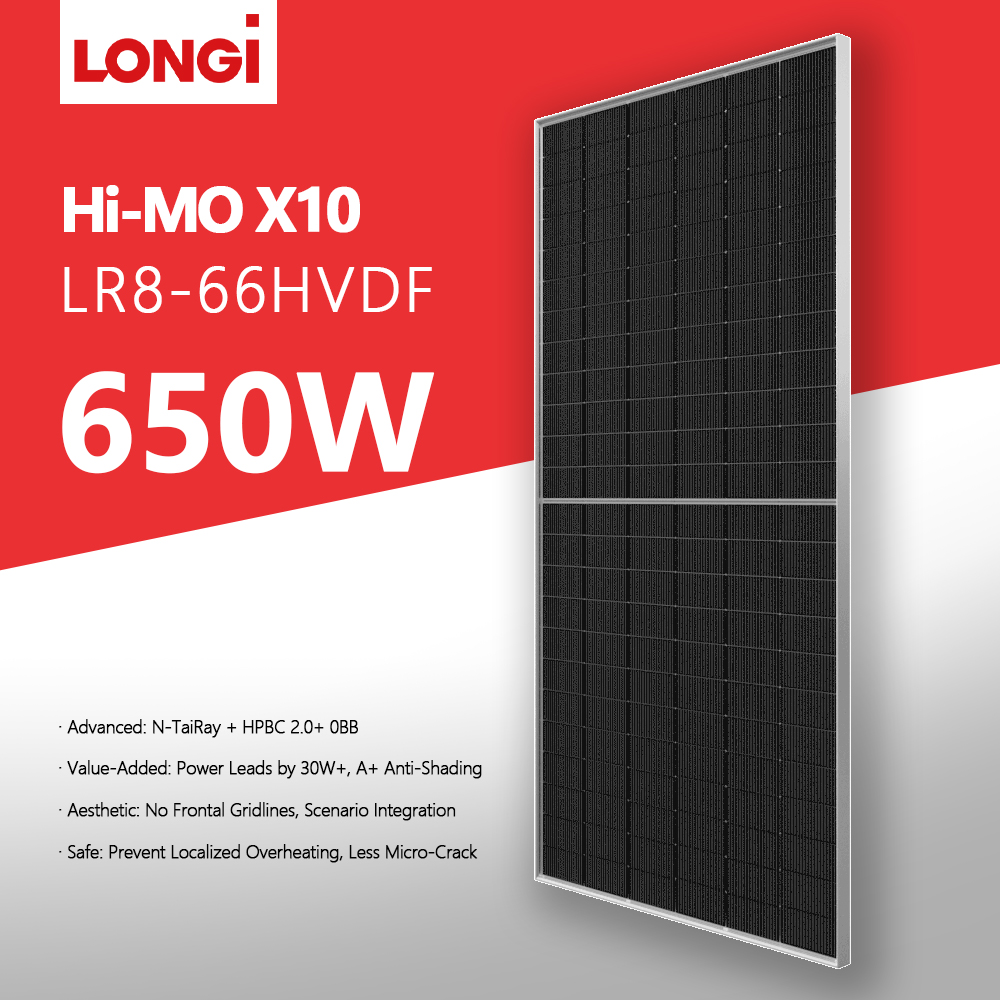
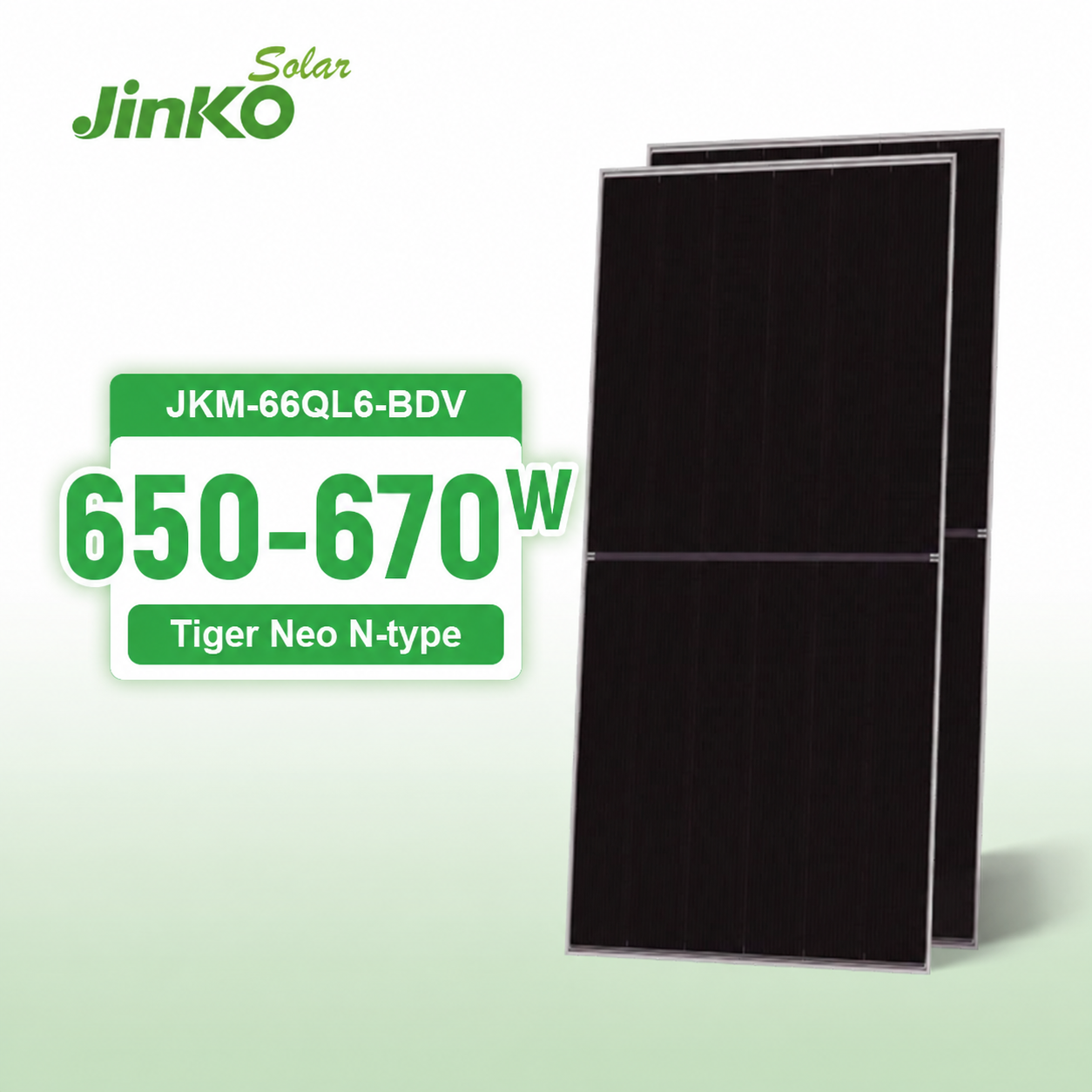
Boutique hotels, seafood restaurants along the Phoenician port, and commercial centers operate with rigorous aesthetic and noise constraints where loud diesel generators damage customer experience. Rooftop commercial arrays powered by LONGI 650W or Jinko 650W bifacial panels combined with scalable modular battery banks deliver silent baseline power, eliminating diesel noise and fuel exhaust completely.
How local system design is maturing from basic lead-acid backup banks to intelligent, high-density smart microgrids.
Obsolete deep-cycle gel and tubular lead-acid batteries are being comprehensively replaced by LiFePO4 chemistry. With over 6,000 cycles at 80% depth of discharge (DoD), LFP delivers up to 5x the operational lifespan and withstands high ambient garage temperatures without thermal runaway risks.
Traditional flat masonry and whitewashed concrete rooftops common across Lebanese architecture act as high-albedo reflective planes. Dual-glass N-Type bifacial panels harvest an additional 12% to 22% rear-side energy yield, maximizing kWh production per square meter of available terrace area.
Modern hybrid setups in Tyre integrate dry-contact auxiliary inputs. In prolonged overcast winter periods, the smart hybrid inverter automatically starts the external generator only when the battery state of charge (SoC) hits a programmed threshold, charging at maximum efficiency to conserve diesel.
Installers in Tyre have moved away from lead-acid voltage-based charging parameters. Closed-loop CAN/RS485 communication between the battery management system (BMS) and the inverter ensures real-time cell balancing, dynamic current limits, and immediate fault isolation.
Hangzhou VOLT New Energy Technology Co., Ltd. eliminates systemic import risks through rigorous pre-shipment testing, matched protocols, and global consolidation.
Every batch of LFP lithium batteries and Deye hybrid inverters undergoes physical bench testing at our Hangzhou facility. We pre-configure CAN/RS485 baud rates, DIP switch maps, and cable pin-outs to guarantee seamless zero-error commissioning upon arrival in Lebanon.
Lithium iron phosphate batteries are classified under UN3480 Class 9 hazardous materials. We manage comprehensive export safety dossiers including UN38.3 vibration/shock test reports, MSDS certifications, and heavy-duty maritime crating for secure port customs clearance.
Tyre EPC contractors and regional distributors can consolidate complete multi-megawatt or residential projects—combining high-power Jinko bifacial panels, Deye inverters, LFP rack batteries, DC disconnects, and certified cables—into single 20GP or 40HQ containers to minimize freight overhead.
Our electrical engineers provide direct technical support, custom single-line wiring diagrams (SLDs), string voltage sizing verification under winter open-circuit voltage (Voc) peaks, and comprehensive remote troubleshooting directly to local Lebanese installation teams.
Direct technical answers addressing system sizing, coastal resilience, inverter integration, and logistics documentation for Lebanese contractors.
N-Type TOPCon modules offer three decisive advantages in Southern Lebanon: First, a lower temperature coefficient (-0.30%/°C compared to -0.35%/°C of legacy PERC), meaning substantially higher energy harvest during Tyre’s sweltering 35°C–40°C summer conditions. Second, higher bifaciality (approx. 80%), capturing reflected light off white Mediterranean concrete rooftops for up to 20% additional power. Third, near-zero Light-Induced Degradation (LID) and enhanced dual-glass protection against humid maritime salt spray, ensuring long-term asset yield.
Our 51.2V LiFePO4 battery management systems (BMS) come factory-programmed with native Deye CAN protocol libraries (protocol code 000). Prior to ocean dispatch, our test technicians verify the RJ45 cable pin assignment (CAN-H on pin 4, CAN-L on pin 5) and cycle communication through a physical Deye inverter. When installed on site in Tyre, the inverter instantly detects battery voltage, real-time SoC, max charge/discharge current limits, and cell temperature warnings without manual parameter tweaking.
In Tyre, where grid availability is scarce, a balanced residential villa configuration typically utilizes a 10kW or 12kW low-voltage or high-voltage hybrid inverter paired with 15kWh to 20kWh of LFP storage (3 to 4 modular 5.12kWh battery units in parallel) and an 8kWp to 12kWp solar array (14 to 18 units of 600W+ panels). This setup allows the household to run continuous refrigeration, lighting, electronics, borehole pumps, and two to three inverter air conditioners simultaneously during hot summer afternoons while maintaining 40% battery reserve for overnight operation.
All supplied Jinko and LONGI solar modules feature IEC 61701 (Severity 6) Salt Mist Corrosion certification and dual-glass hermetic construction, entirely eliminating moisture ingress and backsheet delamination caused by coastal air. The Deye inverters we distribute feature IP65/IP66 ingress protection with isolated electronic cavities and die-cast aluminum heat sinks. Furthermore, our battery enclosures utilize anti-corrosive powder-coated cold-rolled steel with IP54/IP65 ingress sealing options for garage or outdoor installations.
We provide a comprehensive documentation packet required by Lebanese customs and maritime freight forwarders: Commercial Invoice and Packing List legalized if required, Bill of Lading (B/L), Certificate of Origin (CO), manufacturer test reports, CE declarations, UN38.3 test summaries, and certified Material Safety Data Sheets (MSDS) for Dangerous Goods (DG) Class 9 maritime declaration. Our team coordinates directly with your freight forwarder to guarantee compliant arrival at Beirut Port (BEY) or Tripoli Port.
Yes. The Deye hybrid inverters feature dedicated AUX/Generator ports and smart grid-limiter functionality. You can connect the neighborhood generator circuit to the auxiliary input and program an exact input ampere ceiling (e.g., restricted to 5A or 10A). The inverter will draw only the allocated current without tripping the neighborhood breaker, seamlessly supplementing the remaining household power from the solar array and LFP battery bank.
Whether you are importing container loads of N-Type bifacial solar panels, assembling commercial microgrids, or supplying turnkey residential energy storage systems in the Tyre district, our technical team provides instant design validation, pre-shipment compatibility reports, and direct factory pricing.