Hybrid Solar Inverter Supplier & Exporters for the Paramaribo Market

Delivering high-efficiency Deye hybrid architecture, matched N-Type TOPCon bifacial modules, and UN38.3 certified LiFePO4 battery infrastructure engineered for Suriname’s equatorial grid conditions.

100+ Global Export Markets
< 4ms UPS Switchover Speed
100% Pre-Shipment BMS Testing
24/7 Engineering Remote Support
Export-Grade Inverter & PV Systems

High-Efficiency Inverter & Panel Solutions for Suriname

Fully compliant with EBS electrical grid parameters, featuring pre-tested BMS communication protocols, dual MPPT tracking, and anti-corrosive double glass structures engineered for coastal and humid environments.

Technical Insight & Engineering

Optimizing Hybrid Solar Architecture for Paramaribo & Suriname's Power Grid

The renewable energy landscape across Suriname—specifically in the urban district of Paramaribo, Wanica, and adjacent coastal corridors—presents unique engineering and electrical challenges. The local electrical distribution infrastructure, operated primarily by N.V. Energiebedrijven Suriname (EBS), is characterized by localized distribution feeders that frequently suffer from transient voltage spikes, brownout dips, and unannounced blackouts caused by extreme weather patterns and network loading constraints. For solar EPC contractors, regional hardware distributors, and local installers, selecting the right hybrid inverter system is not merely about wattage rating; it requires a deep understanding of grid synchronization tolerance, galvanic safety, battery storage protocols, and thermal dissipation inside harsh equatorial operating bands.

Overcoming Tropical Grid Instability with Multi-Source Inversion

Paramaribo experiences an equatorial rainforest climate with consistent ambient temperatures hovering between 26°C and 34°C, along with sustained relative humidity levels often surpassing 85%. Conventional string inverters without battery storage are forced offline during grid collapse, completely idling solar asset yields when backup electricity is needed most. Hangzhou VOLT New Energy supplies state-of-the-art Deye hybrid inverters (covering single-phase low-voltage 3.6kW–8kW configurations up to three-phase low-voltage and high-voltage 12kW–50kW units) that resolve this bottleneck. Utilizing an ultra-rapid automatic transfer switch with less than 4 milliseconds transfer latency, these hybrid systems smoothly decouple critical loads from the unstable utility line without causing sensitive office machinery, deep freezers, medical cold chains, or telecommunication units to reset.

Furthermore, Deye hybrid platforms incorporate dedicated auxiliary and smart load ports capable of accepting automatic secondary diesel generator inputs. In deep-hinterland or peri-urban areas like Lelydorp, Groningen, or Albina, where grid expansion remains scarce, our hybrid units calculate operational fuel consumption vs. solar yield, triggering automated dry contacts to crank generators only when lithium battery states-of-charge drop below critical thresholds. This tri-brid architecture (Solar PV + Battery Energy Storage + Diesel Generator/EBS Grid) establishes unbroken power resilience while drastically slashing high diesel running expenses.

BMS Integration: Resolving CAN / RS485 Closed-Loop Communication

One of the most persistent operational pitfalls reported by importers in South America is the failure of battery-to-inverter communication, frequently triggering catastrophic shutdowns under code-defined BMS Communication Faults. At VOLT New Energy, we eradicate field integration failure before departure from our Hangzhou assembly and test facility. Our low-voltage 48V/51.2V LiFePO4 (LFP) lithium batteries and rack-mounted storage modules feature custom-flashed BMS firmwares specifically configured to match Deye protocol matrices. Every complete kit undergoes full-pack cycling, verification of CANbus handshakes, RS485 baud rates, pin-out configuration, and DIP addressing prior to export packaging.

Urban Paramaribo Residential Backup

Tailored for residential properties along Northern Paramaribo and Commewijne experiencing nightly EBS load shedding. Configured with low-voltage 5kW-8kW Deye hybrid inverters and wall-mounted 51.2V 100Ah/200Ah lithium iron phosphate packs, providing silent, emission-free transition to sustain air conditioning, security systems, and continuous lighting.

Commercial Retail & Cold Storage Centers

Ideal for supermarkets, pharmaceutical depots, and food distributors located in Paramaribo Center and Wanica. High-voltage 30kW–50kW parallel hybrid inverter configurations with stackable battery banks provide peak-load shaving against prohibitive commercial utility tariffs, preventing spoiled perishables during sustained grid failure.

Remote Mining & Agricultural Microgrids

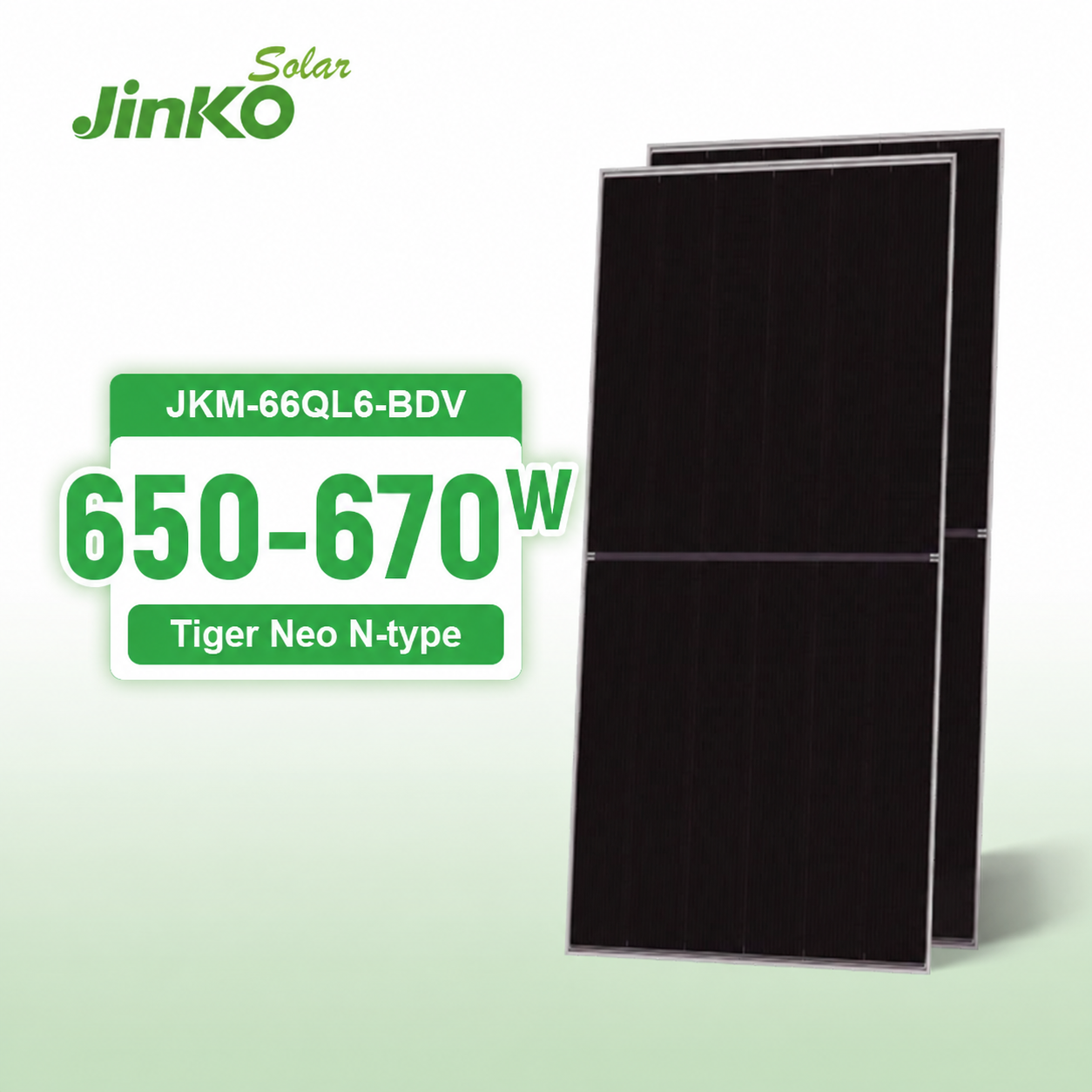
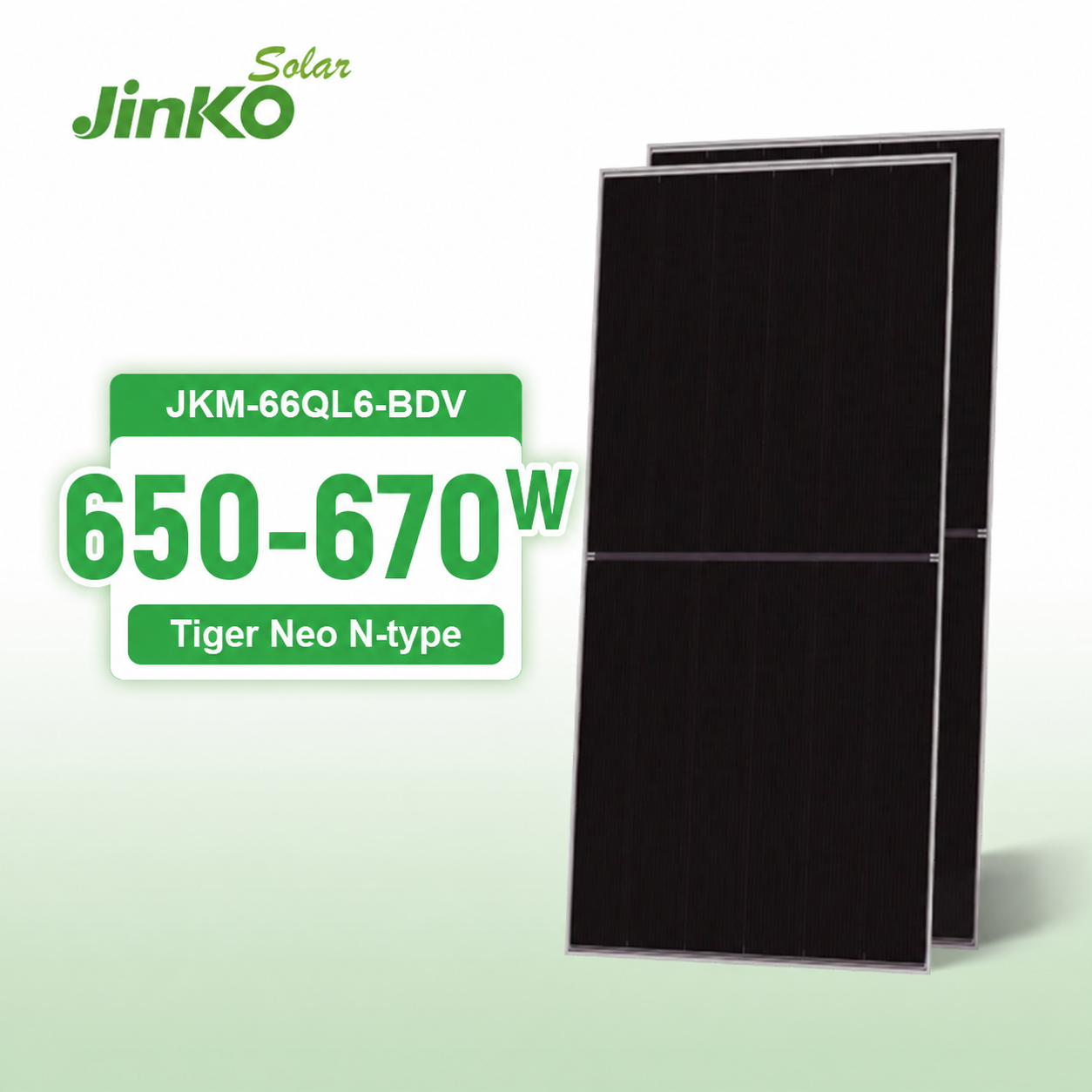
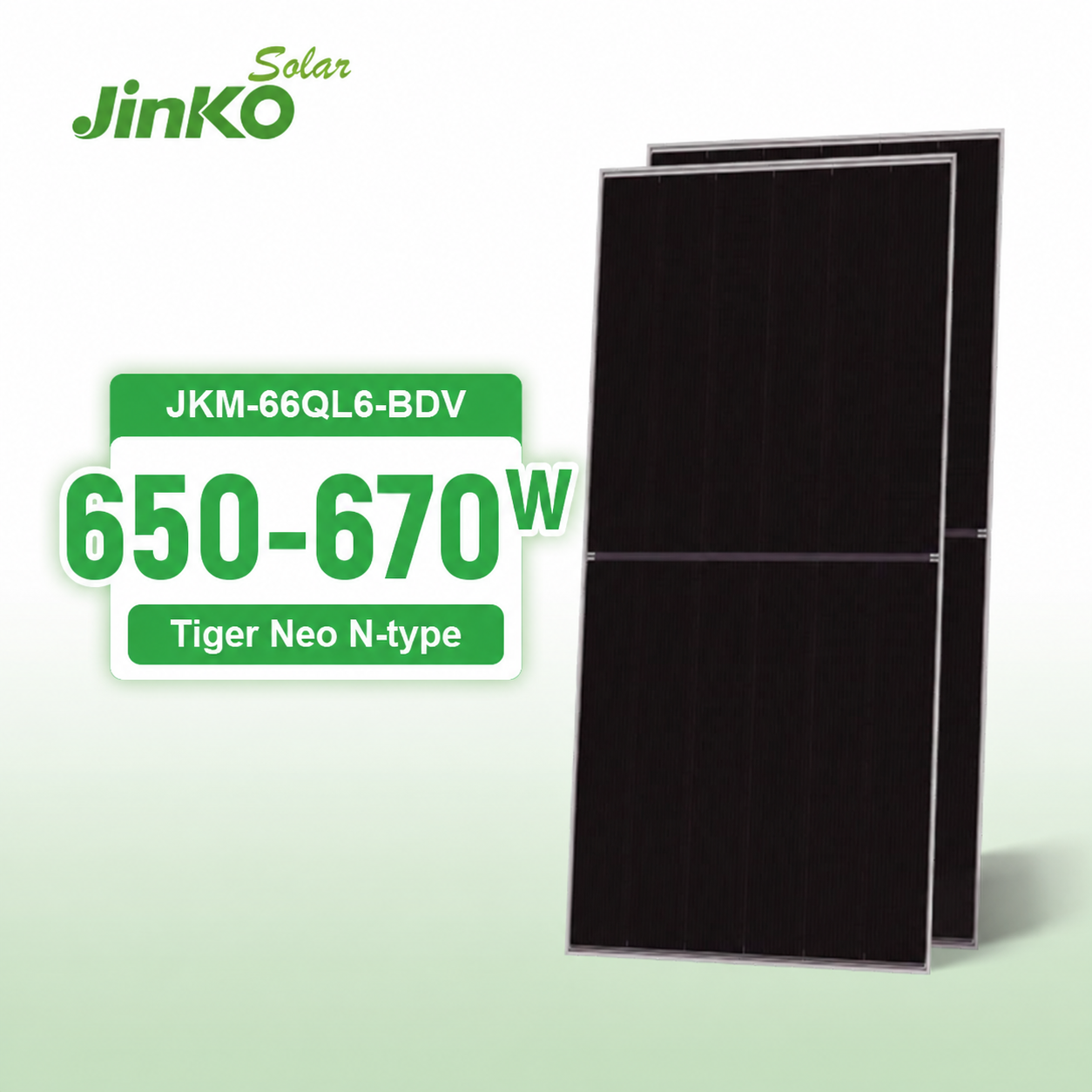
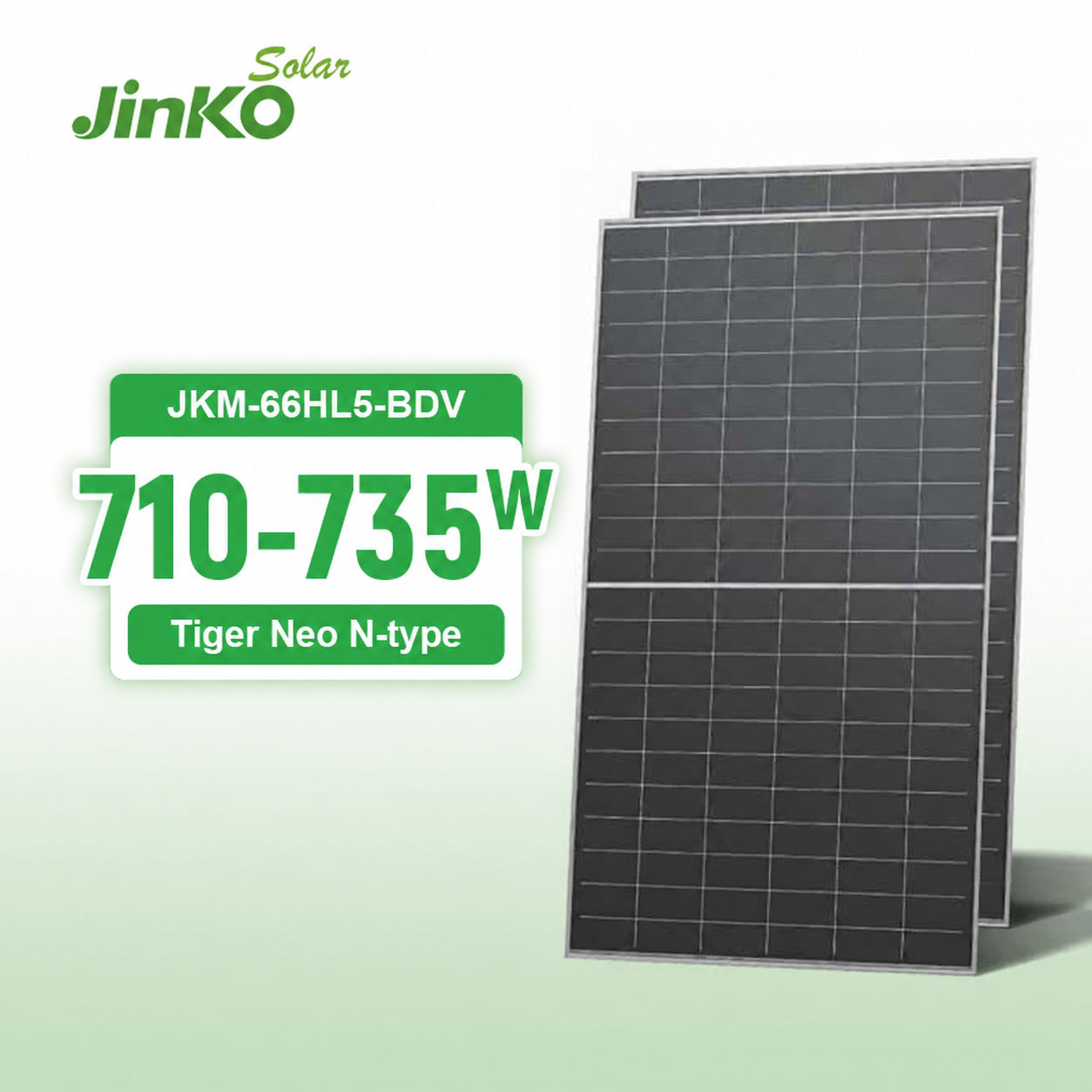
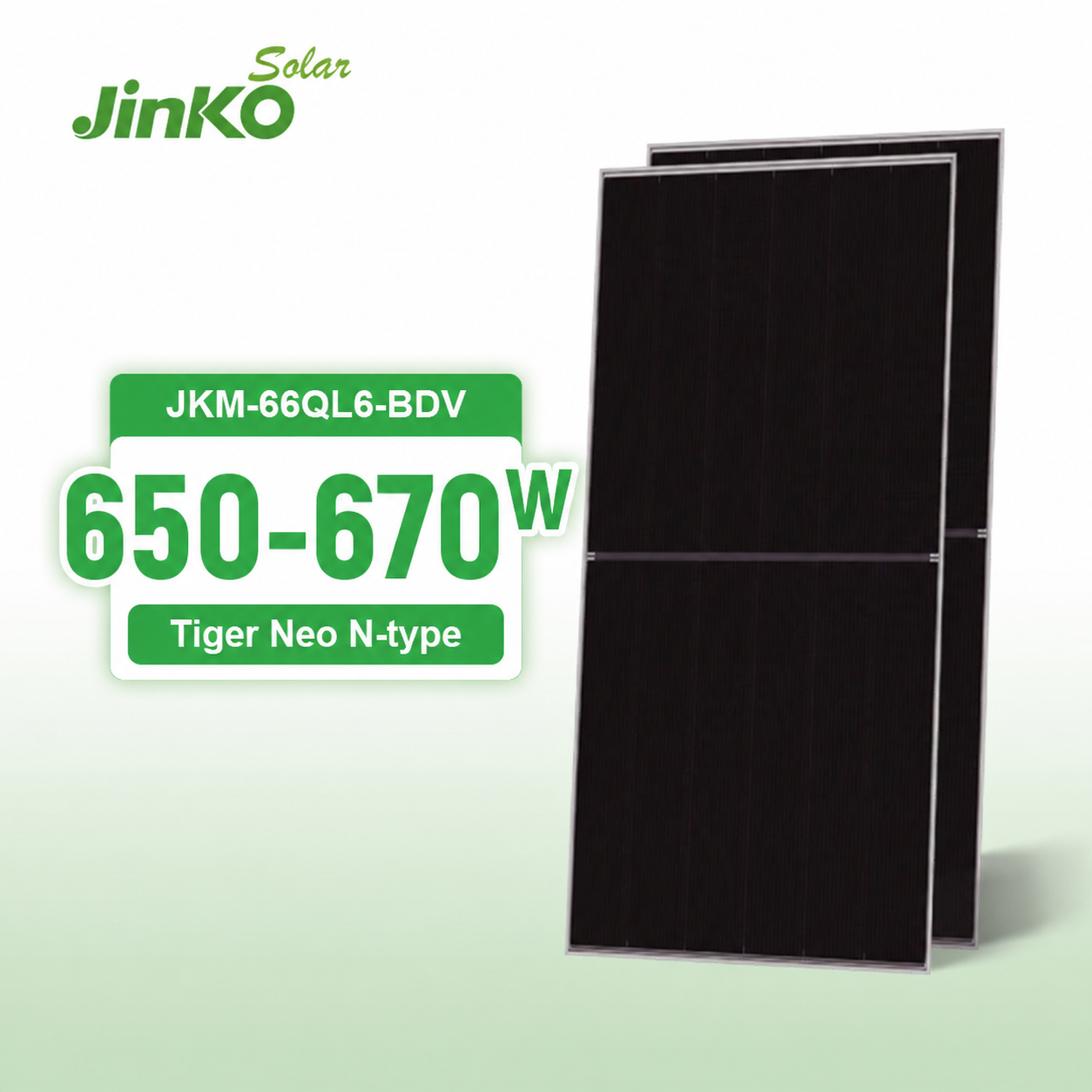
Engineered for gold prospecting outposts, timber camps, and agricultural pump houses in Brokopondo and Sipaliwini. Standalone off-grid hybrid setups that couple multi-string high-yield Jinko panels directly with robust deep-cycle GEL or heavy-duty LFP storage to replace costly inland fuel delivery chains.

Thermal Management & Anti-Corrosive Design in Coastal Latin America

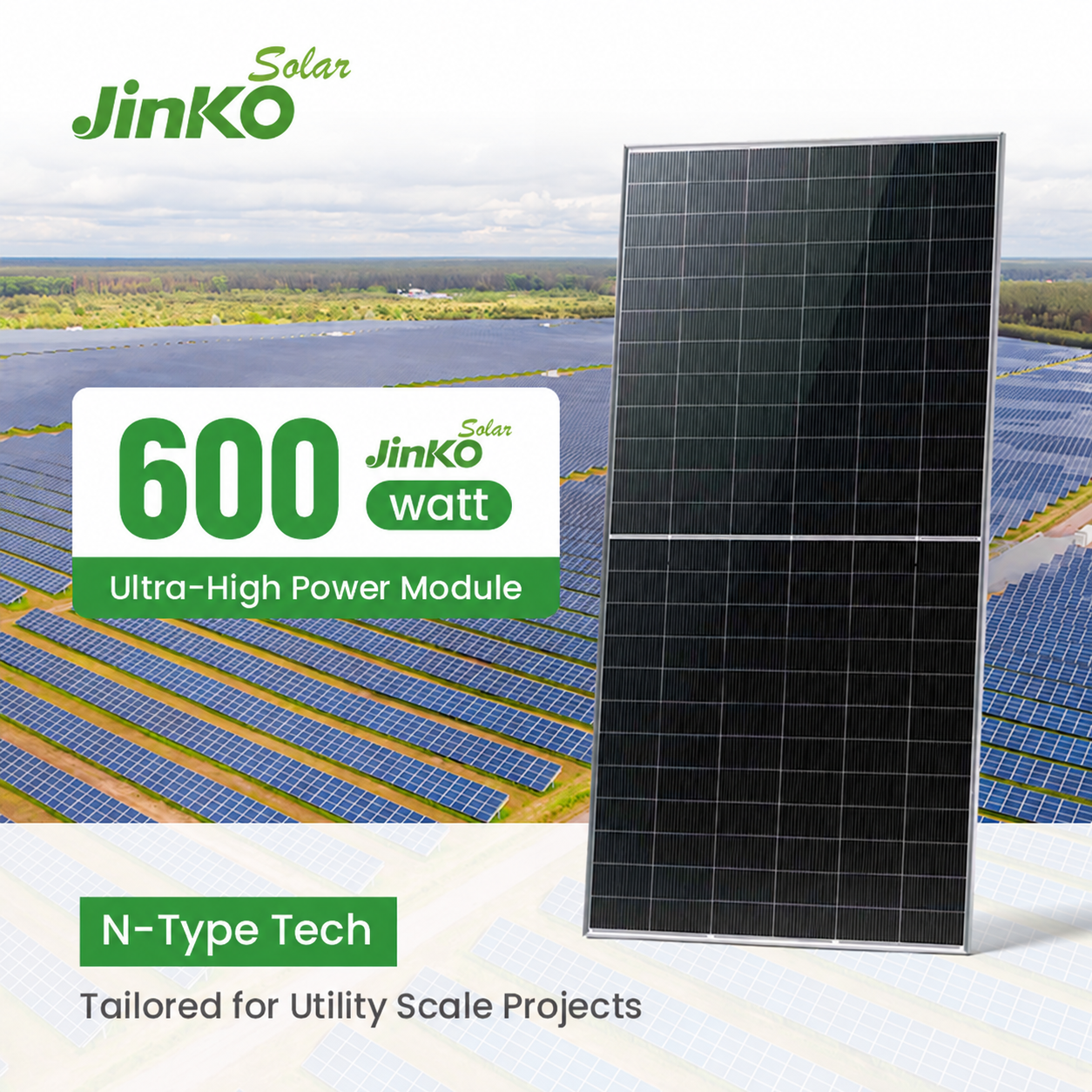
Paramaribo's geographical position near the Atlantic coastline subjects electronic hardware to salt-mist exposure alongside unrelenting tropical downpours. Inverters installed outdoors without rugged IP protection suffer from rapid internal electrolytic corrosion and solder-trace bridges. VOLT New Energy supplies Deye hybrid inverters boasting fully sealed IP65 ingress protection, die-cast aluminum heat sinks, and conformal-coated internal circuit boards (PCBA) compliant with IEC 60068 standards. Accompanied by Tier-1 dual-glass bifacial modules that completely seal solar cells between two tempered glass sheets, our installations prevent moisture penetration, chemical degradation, and backsheet embrittlement over three decades of field lifecycle.
Strategic Market Evolution

Suriname Solar Market Trends: Energy Transition, Tariffs & Storage

Suriname's national energy master plan and ongoing tariff restructurings by the government are fundamentally reshaping the financial returns of clean technology. Historically high government subsidies on retail electricity are facing systematic reduction, increasing utility bills for both domestic consumers and private sector businesses across Paramaribo. This economic turning point has accelerated demand for smart behind-the-meter hybrid energy systems that allow end-users to consume 100% of their rooftop harvest.

Tariff Rationalization

Phasing out of fossil fuel power generation subsidies has shortened the typical commercial Return on Investment (ROI) for solar storage arrays in Paramaribo from 7.5 years down to 3.8–4.2 years, boosting wholesale distributor turnover.

Decentralized Microgrids

Hinterland electrification programs backed by international developmental funds are favoring microgrids driven by hybrid inverters with dual CAN-protocol communications, capable of combining solar with existing micro-hydro and genset assets.

Lithium Storage Dominance

While GEL batteries maintain niche adoption for budget backup installations, commercial and upscale residential solar projects are rapidly transitioning to LiFePO4 due to its 6000+ cycle lifespan and deep 90% DoD discharge capabilities.

Why Importers Choose Us

Your Trusted Tier-1 Solar & Inverter Export Partner

Hangzhou VOLT New Energy Technology Co., Ltd. eliminates international trade friction for Suriname's installers and dealers through verified component matching, certified packaging, and technical integration.

Battery and Inverter Protocol Matching Lab

Pre-Matched BMS & Inverter Protocols

We configure and simulate CAN and RS485 communication handshakes between Deye inverters and LiFePO4 batteries on the test bench before shipment. Your field teams avoid the dreaded "Communication Failure" code on installation day.

Pre-Shipment Solar Quality Inspection

Rigorous Pre-Shipment QC Verification

Every consignee receives factory test reports, electroluminescence (EL) cell defect imaging, insulation tests, and actual operational video recordings verifying serial numbers and firmware versions prior to maritime container loading.

DG Compliant Export Packaging and Shipping

Class 9 DG Export Compliance

Lithium iron phosphate packs are transported in full compliance with international maritime hazardous cargo standards, equipped with authentic UN38.3, MSDS, and sea-freight drop-test certifications to guarantee unhindered clearance at Jules Sedney Port.

Engineering Support and System Sizing

Consolidated Container Solutions

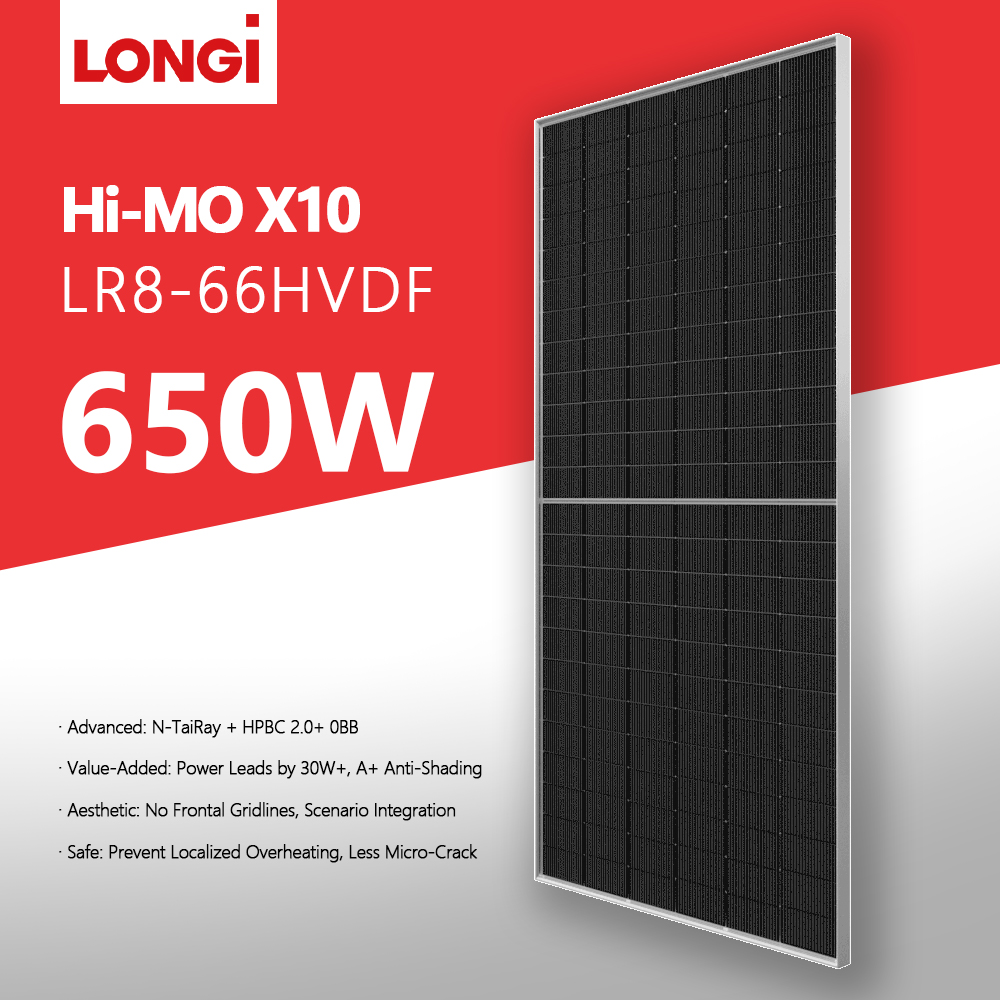
Save shipping overhead by consolidating high-yield Jinko/LONGi N-Type solar panels, Deye hybrid inverters, rack lithium batteries, mounting racking, and DC circuit protection in one single maritime container directly to Paramaribo.

Paramaribo Importer FAQ

Frequently Asked Questions by Suriname Solar Buyers

Key technical and logistics inquiries addressed by our export engineering desk regarding imports, grid compatibility, and after-sales service.

Are your hybrid inverters compatible with the EBS (Energiebedrijven Suriname) electrical grid?
Yes. The electrical supply across Paramaribo and Greater Paramaribo typically operates at 115V / 230V single-phase (60Hz) or 220V/400V three-phase configurations depending on the local transformer feeder. Deye hybrid inverters supplied by VOLT New Energy feature wide voltage and frequency tolerance adjustments that can be finely calibrated to handle the voltage fluctuations and frequency drift common on EBS power lines, avoiding nuisance trips.
How do you handle Class 9 maritime shipping for lithium batteries to the Port of Paramaribo?
LiFePO4 lithium batteries are categorized as UN3480 Class 9 Dangerous Goods. We prepare full compliance documentation, including genuine UN38.3 test reports, Material Safety Data Sheets (MSDS), and sea-freight dangerous goods declarations. All goods are packed in certified UN packaging with impact cushioning, loaded into secure maritime containers from Ningbo or Shanghai port with direct or transshipment bills of lading to the Jules Sedney Haven in Paramaribo.
Can Deye hybrid inverters run in parallel for commercial projects in Paramaribo?
Yes. Deye low-voltage single-phase hybrid inverters can be paralleled up to 16 units, providing scalable single-phase capacity or creating a synchronized three-phase output. For larger commercial facilities, such as manufacturing plants or commercial refrigeration facilities in Suriname, Deye high-voltage three-phase hybrid inverters (up to 50kW each) can also be paralleled to reach megawatt-hour energy storage configurations with centralized BMS control.
Between GEL and LiFePO4 batteries, which chemistry is best for Suriname’s climate?
While deep-cycle GEL batteries offer a cost-effective initial capex for standby backup applications, LiFePO4 (LFP) is vastly superior for daily solar cycling in tropical Paramaribo. LFP chemistry tolerates ambient temperatures up to 45°C without immediate thermal runaway, allows 80%–90% Depth of Discharge (DoD) compared to 50% for GEL, delivers 6000+ lifecycle operations, and charges at triple the speed, maximizing harvest during brief tropical sunny intervals.
What warranty policy and technical troubleshooting support do you offer?
All Deye inverters come standard with a 5-year factory-backed warranty (extendable to 10 years depending on the project model), and our Jinko solar panels feature 12-to-15 year product warranties with 30-year linear performance warranties. We assign dedicated engineering personnel who supply custom wiring schematics, assist with remote Wi-Fi/GPRS cloud monitoring activation, and provide fast spare boards for maintenance.
Connect With Engineering

Request Wholesale Quotations & Complete System Sizing

Plan your next residential, commercial, or off-grid solar installation with pre-engineered, fully matched components delivered directly to Paramaribo. Get our complete B2B price catalog, technical datasheets, and CIF shipping schedules.