Verified Solar Modules, Hybrid Inverters & Lithium Energy Storage
Precision-matched solar generation and storage hardware pre-tested for seamless CAN/RS485 communication, high-ambient thermal endurance, and rapid deployment across Isa Town and the Kingdom of Bahrain.
Tailored Lithium Storage Deployments for Isa Town's Urban Grid
Isa Town (Madinat 'Isa) presents unique electrical dynamics within the Kingdom of Bahrain. High residential density, educational hubs, proximity to light industrial clusters in Salmabad and Tubli, and extreme summer load spikes demand energy storage architectures that go beyond off-the-shelf specifications.
Residential Villa Micro-Storage
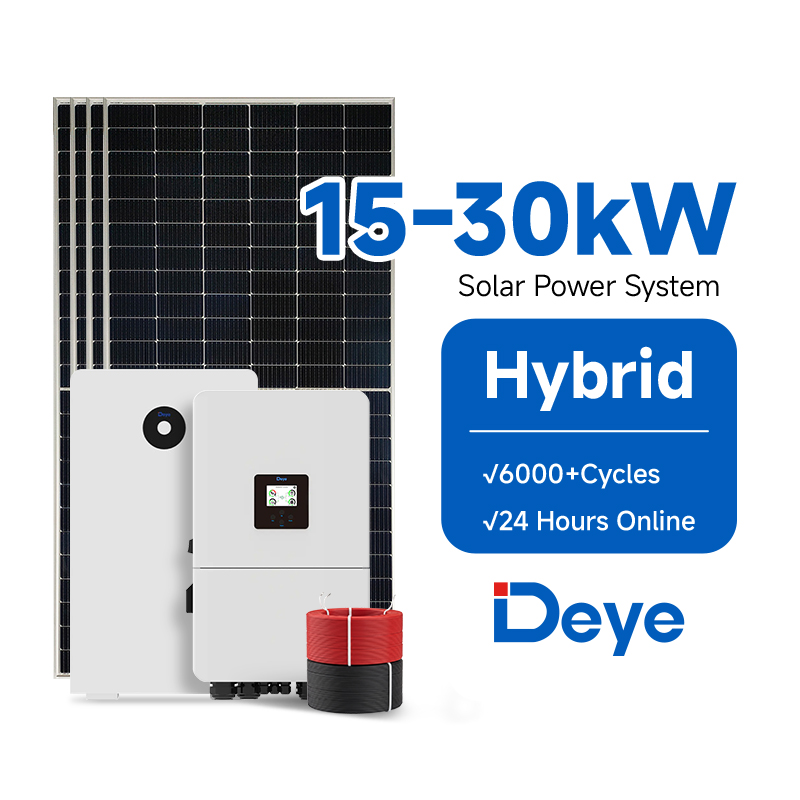
Isa Town villas face significant electricity consumption surges during peak summer heat waves due to continuous air conditioning. Our 51.2V 100Ah/200Ah wall-mount LiFePO4 batteries seamlessly connect with Deye low-voltage hybrid inverters to store midday solar generation, actively cutting reliance on high-tier EWA electricity tariffs during 1:00 PM - 5:00 PM peak periods.
Educational Campus Solar Shaving
Positioned near major educational institutions including Bahrain Polytechnic and the University of Bahrain Isa Town campus, educational complexes feature broad rooftop footprints. Clustered 15kW to 50kW three-phase hybrid inverters paired with high-voltage rack-mounted lithium banks buffer daytime laboratories and classroom computing infrastructure reliably.
Salmabad Border Industrial Workshops
Light manufacturing plants, automotive workshops, and cold-storage operations operating along the border of Isa Town require continuous inductive motor startup capacity without voltage sags. Our high-discharge C-rate LFP batteries absorb sudden motor inrush currents, shielding critical machinery from transient voltage spikes on local sub-distribution feeders.
Municipal & Telecom Critical Backup
Municipal services, retail branches, and telecommunication relay towers spread across Central Bahrain mandate 99.999% uptime. Our modular LFP racks replace legacy lead-acid systems, reducing maintenance cycles, eliminating acid fumes, and ensuring rapid recharge capability during intermittent grid maintenance events.
Battery Chemistry Performance Under Arabian Gulf Thermal Stress
Ambient temperatures in Isa Town regularly surpass 45°C during the July-August peak, with ambient rooftop enclosure temperatures exceeding 58°C. Selecting the appropriate battery chemistry and enclosure design dictates whether an energy storage asset lasts 10 years or fails within 18 months.
| Performance Parameter | VOLT Grade-A LiFePO4 (LFP) | Conventional Deep-Cycle GEL | NMC Lithium (Automotive Grade) |
|---|---|---|---|
| Thermal Runaway Threshold | > 270°C (Extremely Stable) | Prone to thermal drying > 45°C | ~ 150°C - 180°C (Volatile) |
| Cycle Life @ 80% Depth of Discharge | 6,000+ Cycles (15+ Years Daily) | 800 – 1,200 Cycles (2–3 Years) | 1,500 – 2,500 Cycles |
| Operating Ambient Window | -20°C to +60°C (Active BMS Protected) | -10°C to +40°C (Severe Degradation) | -10°C to +45°C |
| Round-Trip Energy Efficiency (RTE) | 95% – 98% | 75% – 82% (High Internal Impedance) | 92% – 95% |
| BMS Communication Protocol Sync | Native Deye CAN / RS485 Closed-Loop | Open-Loop Voltage Sensing Only | Proprietary closed CANbus |
| Levelized Cost of Storage (LCOS / kWh) | ~$0.045 / kWh Delivered | ~$0.185 / kWh Delivered | ~$0.095 / kWh Delivered |
Bahrain Energy Transition: Catalysts Accelerating BESS Adoption
The renewable energy landscape in the Kingdom of Bahrain is evolving rapidly under strategic national mandates, prompting contractors and commercial buyers in Isa Town to upgrade generation assets.
Bahrain NREAP 2025/2035 Targets
Under the National Renewable Energy Action Plan (NREAP), Bahrain targets 5% renewable energy generation by 2025 and 20% by 2035. As municipal solar installations spread across government facilities and academic centers in Isa Town, battery energy storage systems (BESS) are essential to prevent grid feed-in congestion during high-noon solar overproduction.
EWA Net Billing & Self-Consumption Economics
The Electricity and Water Authority (EWA) grid connection framework incentivizes behind-the-meter solar storage. By maximizing localized self-consumption of rooftop PV generation instead of exporting surplus energy at regulated tariff rates, commercial businesses and private villas in Isa Town protect operating budgets against tiered utility rate structures.
Replacement of Legacy Lead-Acid Infrastructures
Engineers across Bahrain are aggressively decommissioning lead-acid and GEL battery banks due to frequent premature dry-out failures under Gulf heat. Transitioning to Grade-A LiFePO4 cells with built-in multi-stage thermal monitoring reduces total cost of ownership by over 60% across an 8-year operational horizon.
Hangzhou VOLT New Energy: OEM & System Integration Advantages
As an internationally verified supplier and engineering integrator, Hangzhou VOLT New Energy Technology Co., Ltd. eliminates the costly trial-and-error often experienced by B2B buyers importing solar hardware into Bahrain.
100% Pre-Shipment Protocol Verification
We configure and bench-test the battery management system (BMS) with genuine Deye hybrid inverters prior to export. Baud rates, CANbus addresses, DIP switch mappings, and RS485 communication protocols are completely synchronized to ensure zero "BMS Comm Error" faults upon installation in Isa Town.
Dangerous Goods (Class 9) Logistics
Lithium iron phosphate batteries are classified as Class 9 Dangerous Goods. We provide compliant UN38.3 vibration/shock test reports, verified MSDS sheets, and sea freight packaging engineered for smooth customs inspection at Khalifa Bin Salman Port (KBSP) and overland transport to Isa Town.
Consolidated Container Sourcing
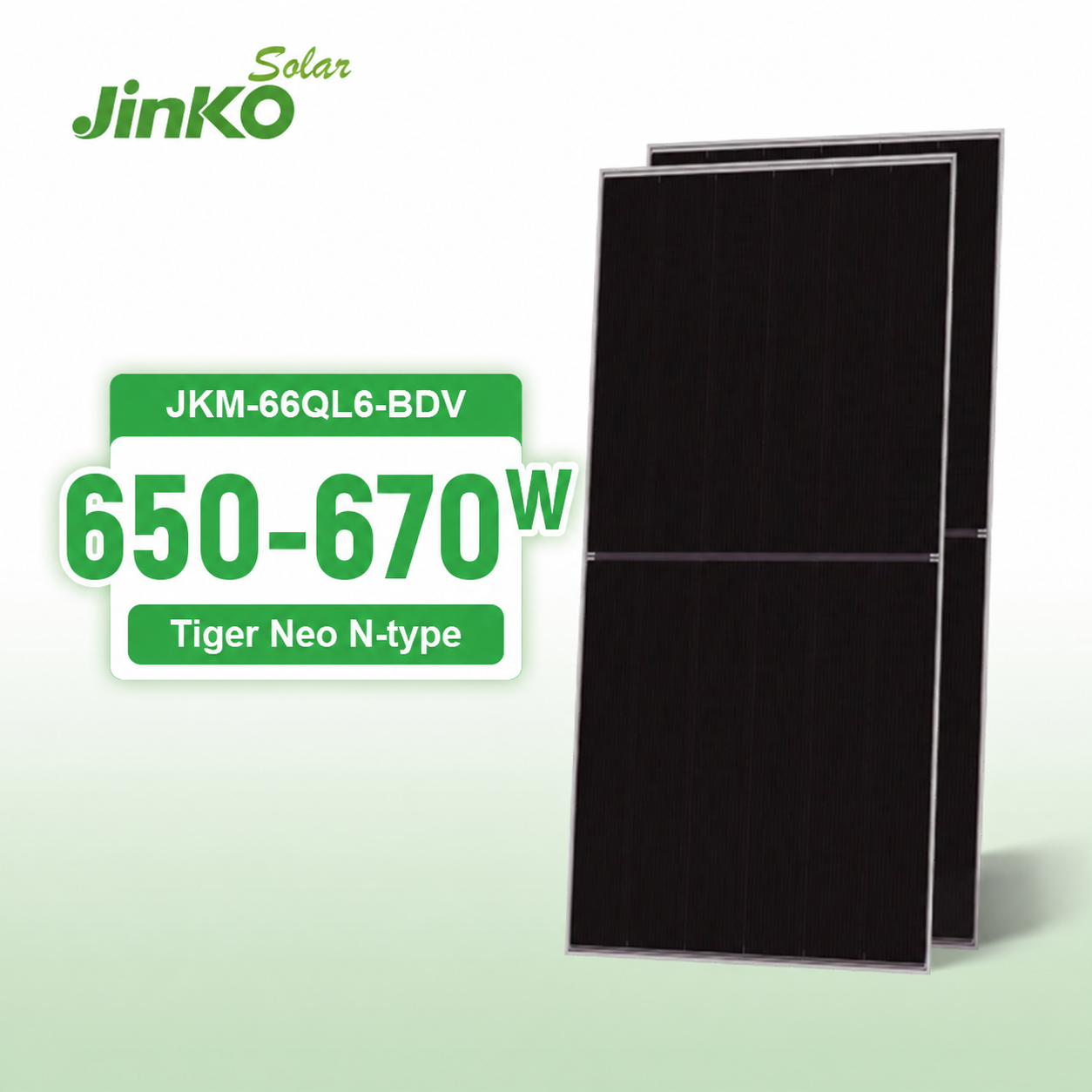
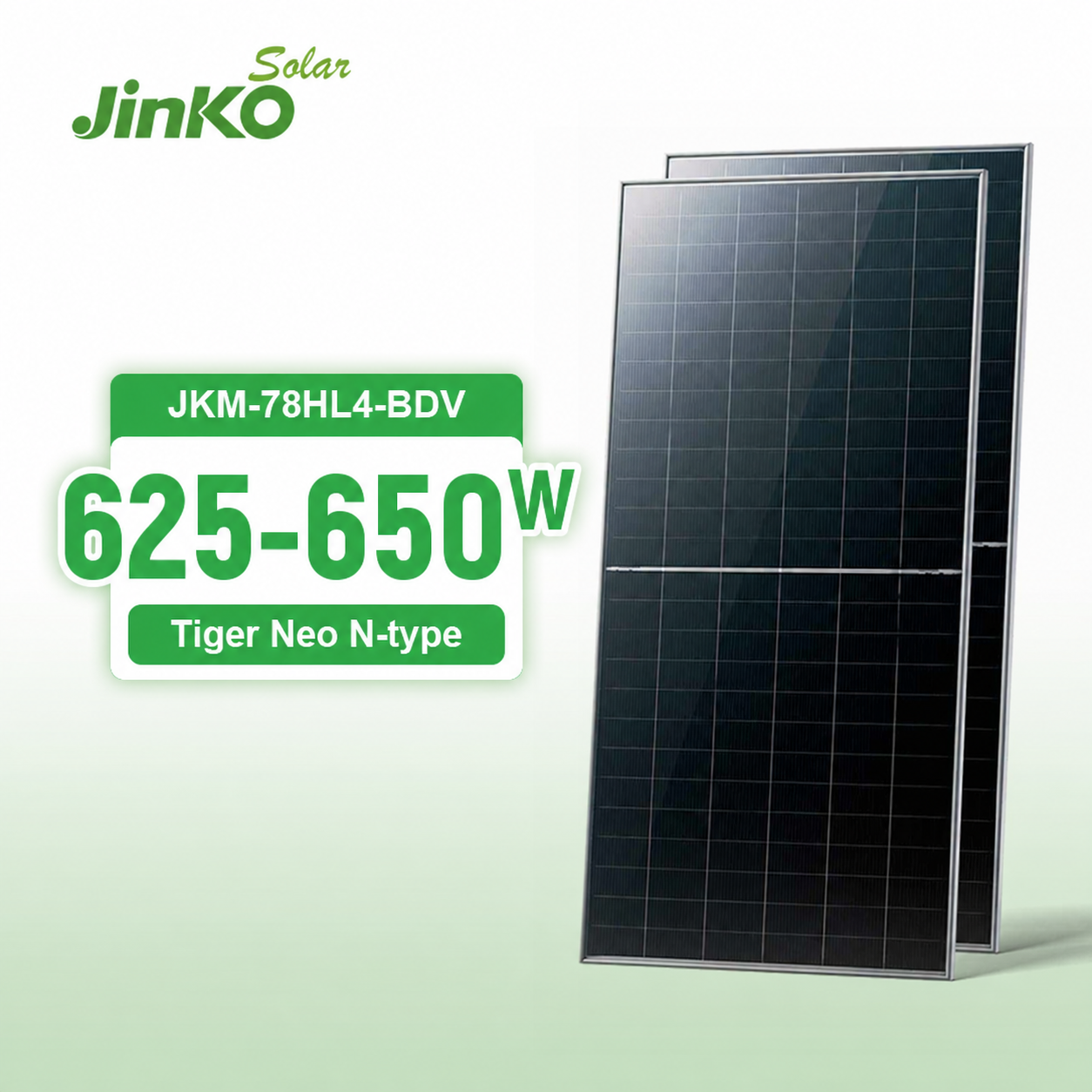
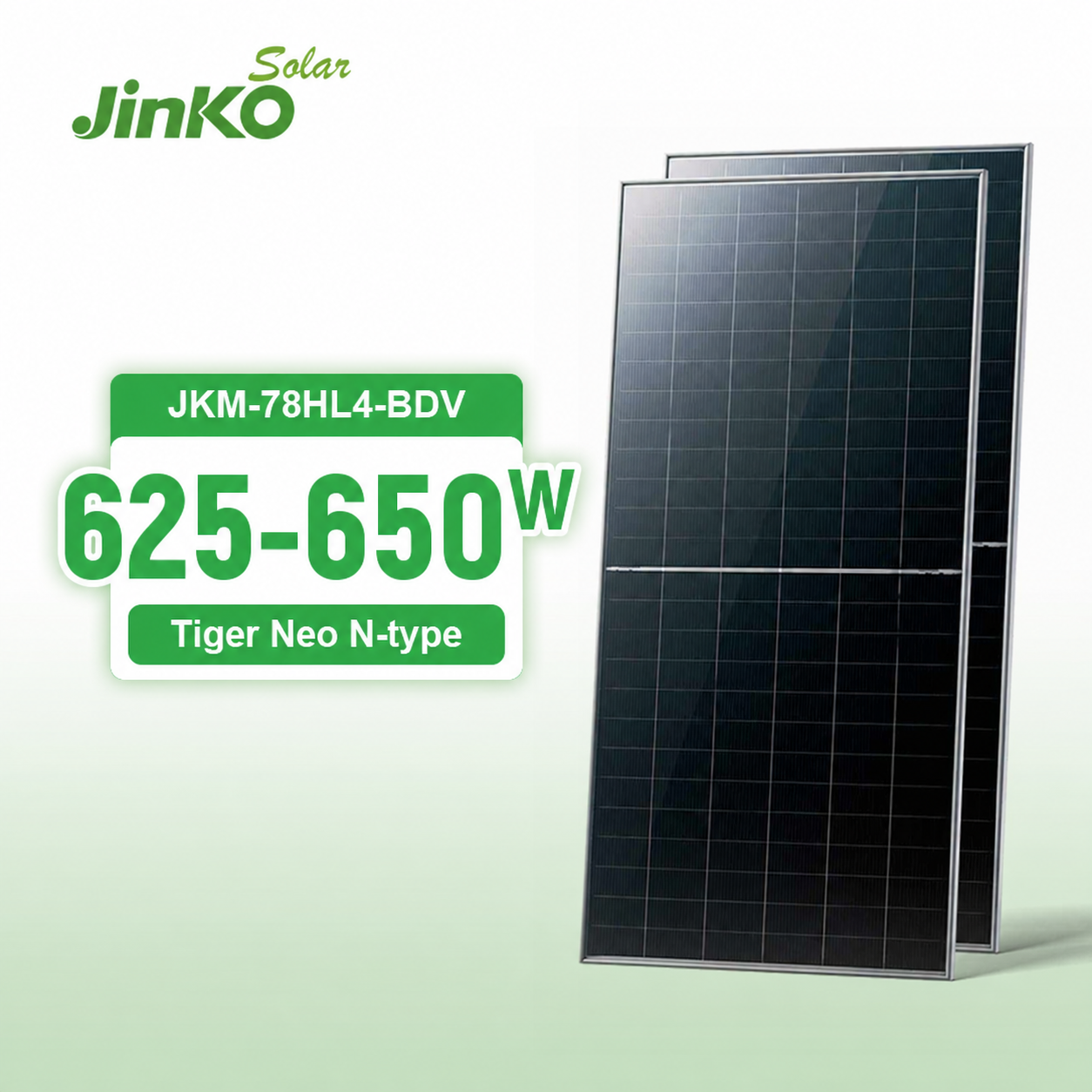
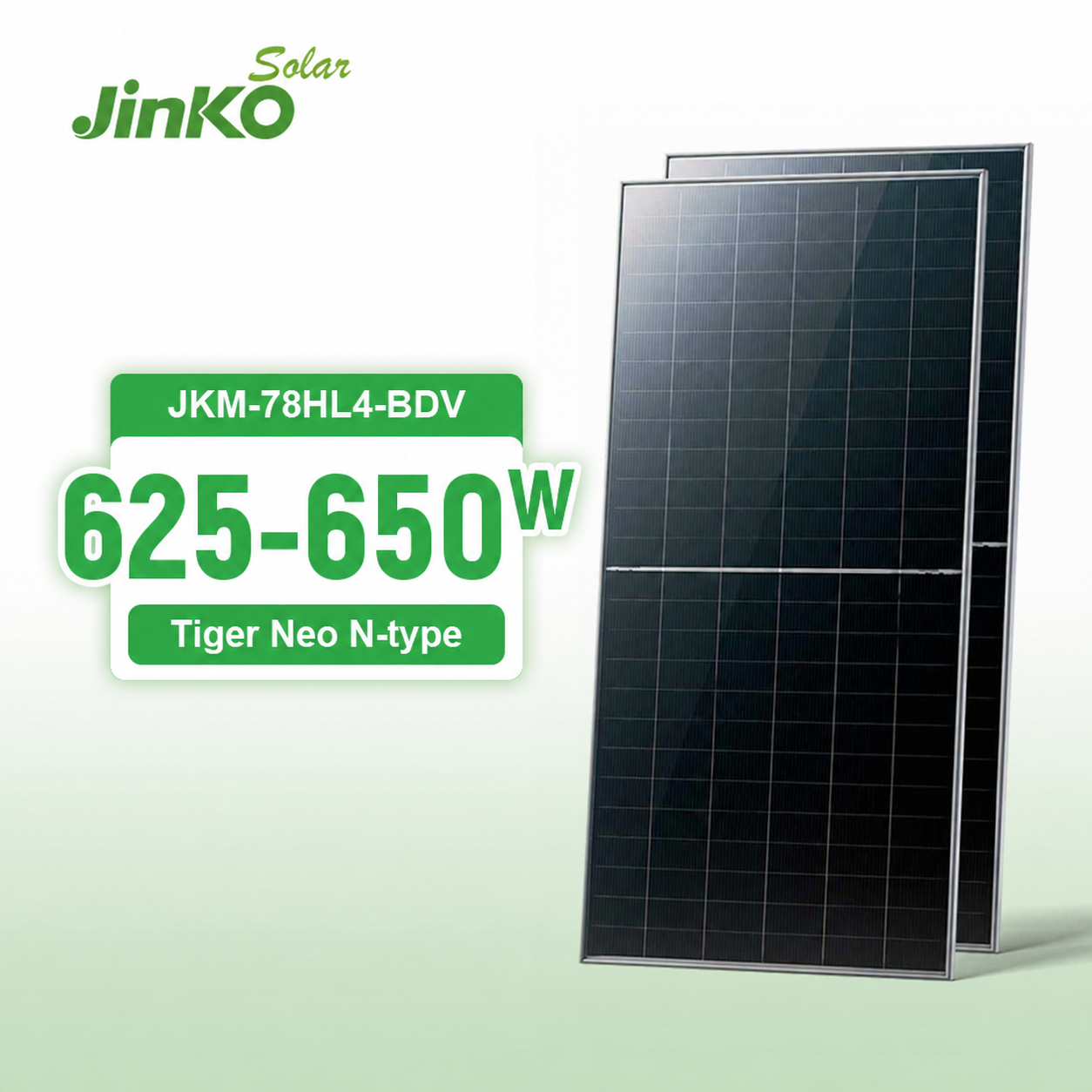
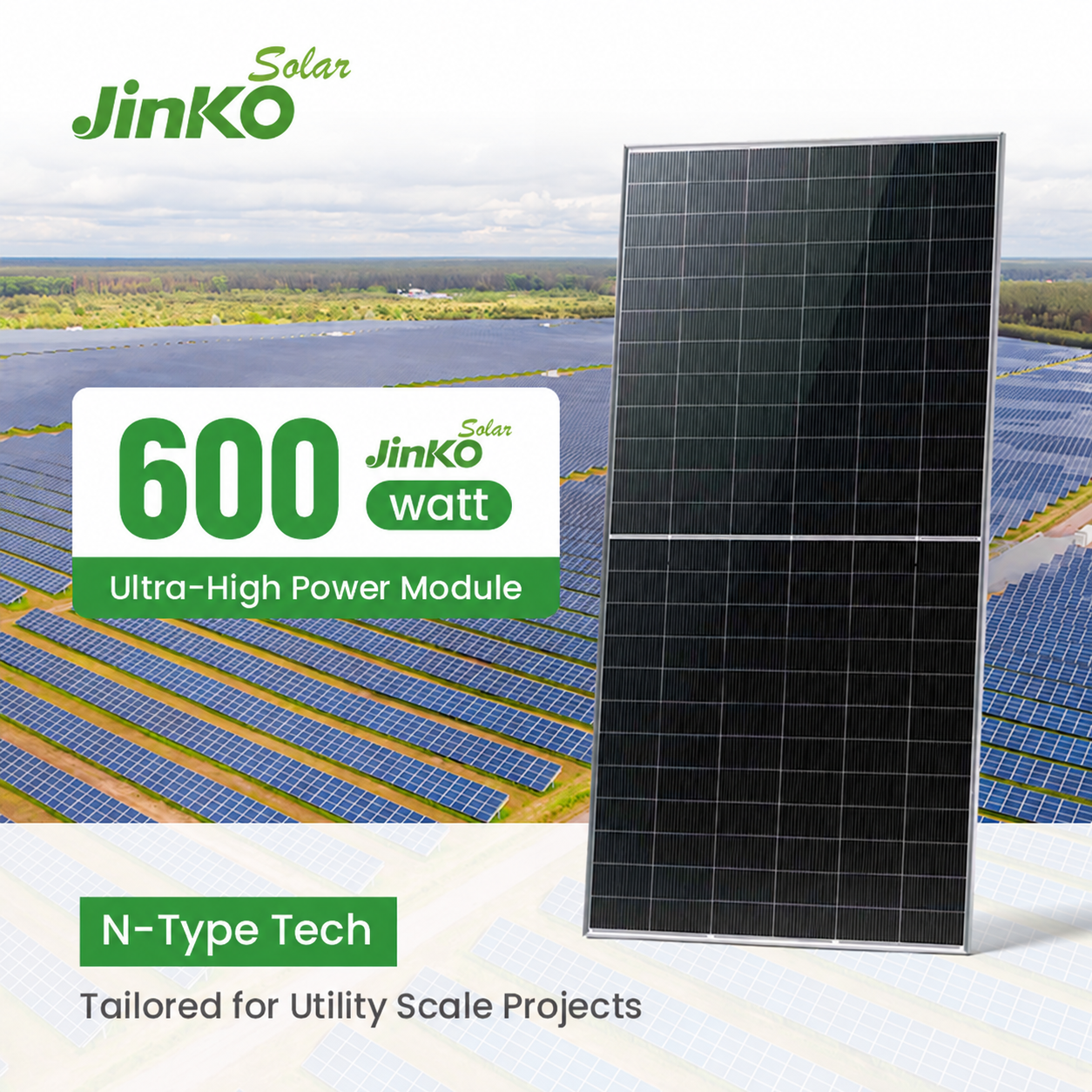
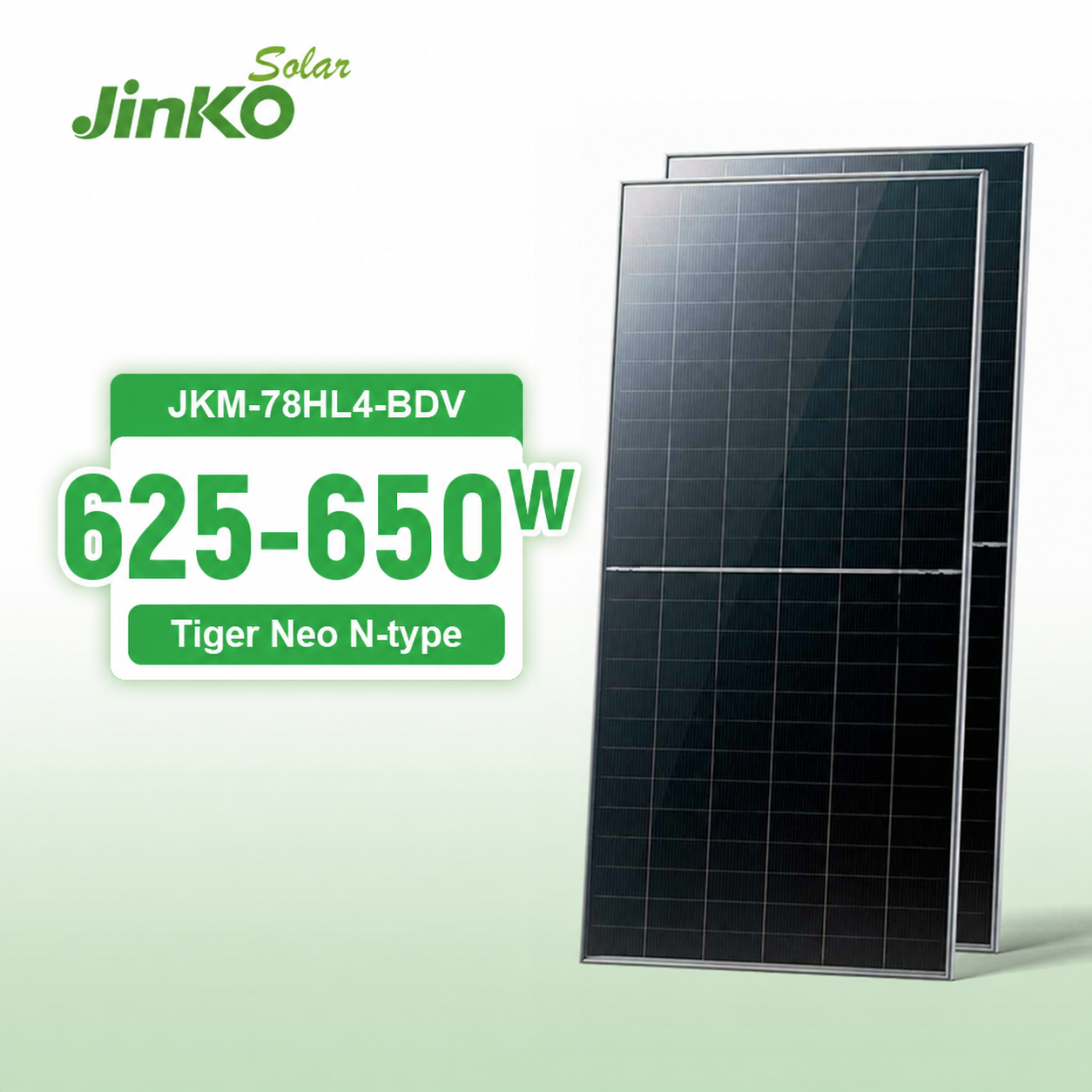
Avoid coordinating with five separate factories. We combine tier-1 Jinko TOPCon double glass PV modules, Deye low/high-voltage hybrid inverters, VOLT lithium battery racks, certified DC combiner boxes, and mounting structures inside a single consolidated shipping container.
Detailed Engineering & Sizing Schematics
Every commercial quote includes an engineering appraisal: string voltage calculations against ambient temperature extremes, depth-of-discharge battery sizing, breaker selectivity coordination, and single-line wiring diagrams ready for contractor permitting.
Frequently Asked Questions by Isa Town EPCs & Importers
Direct technical answers addressing Bahrain regulatory compliance, extreme heat mitigation, shipping timelines, and system sizing.
How do VOLT LiFePO4 batteries handle Isa Town's extreme summer temperatures (>45°C)?
Are your solar storage packages compliant with Bahrain Electricity & Water Authority (EWA) standards?
How do you ensure plug-and-play communication between VOLT LFP batteries and Deye inverters?
What is the shipping transit time and customs clearance process to Khalifa Bin Salman Port (KBSP)?
Should our Isa Town commercial installation use a 48V low-voltage or high-voltage (HV) battery system?
Can we consolidate Jinko bifacial solar panels and mounting brackets into the same shipment?
Empower Your Next Energy Project in Isa Town
Consult with our solar storage engineering team today. Send us your load profile, electrical one-line diagram, or target backup capacity to receive an optimized system design, complete documentation package, and competitive wholesale CIF quotation.
Contact Us