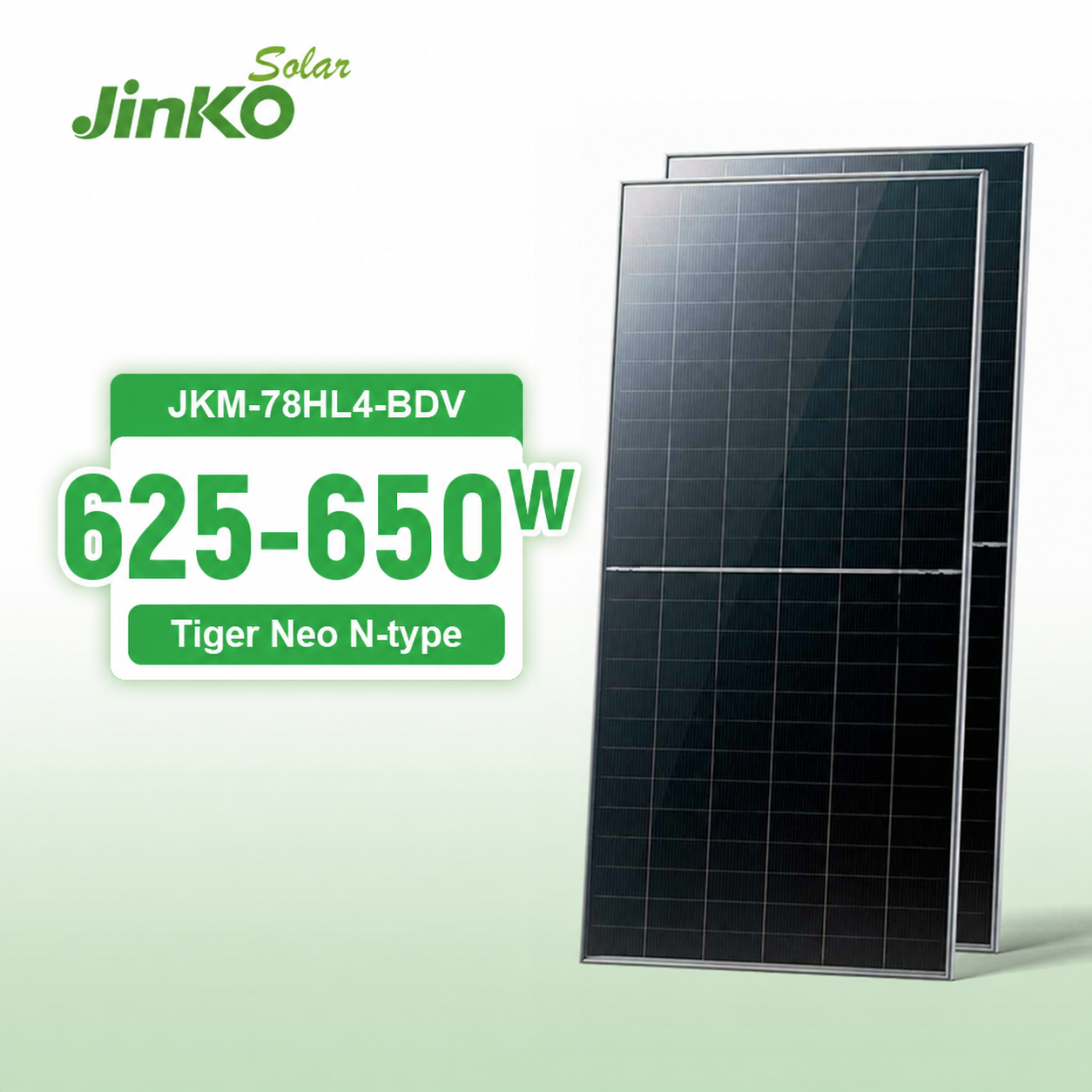
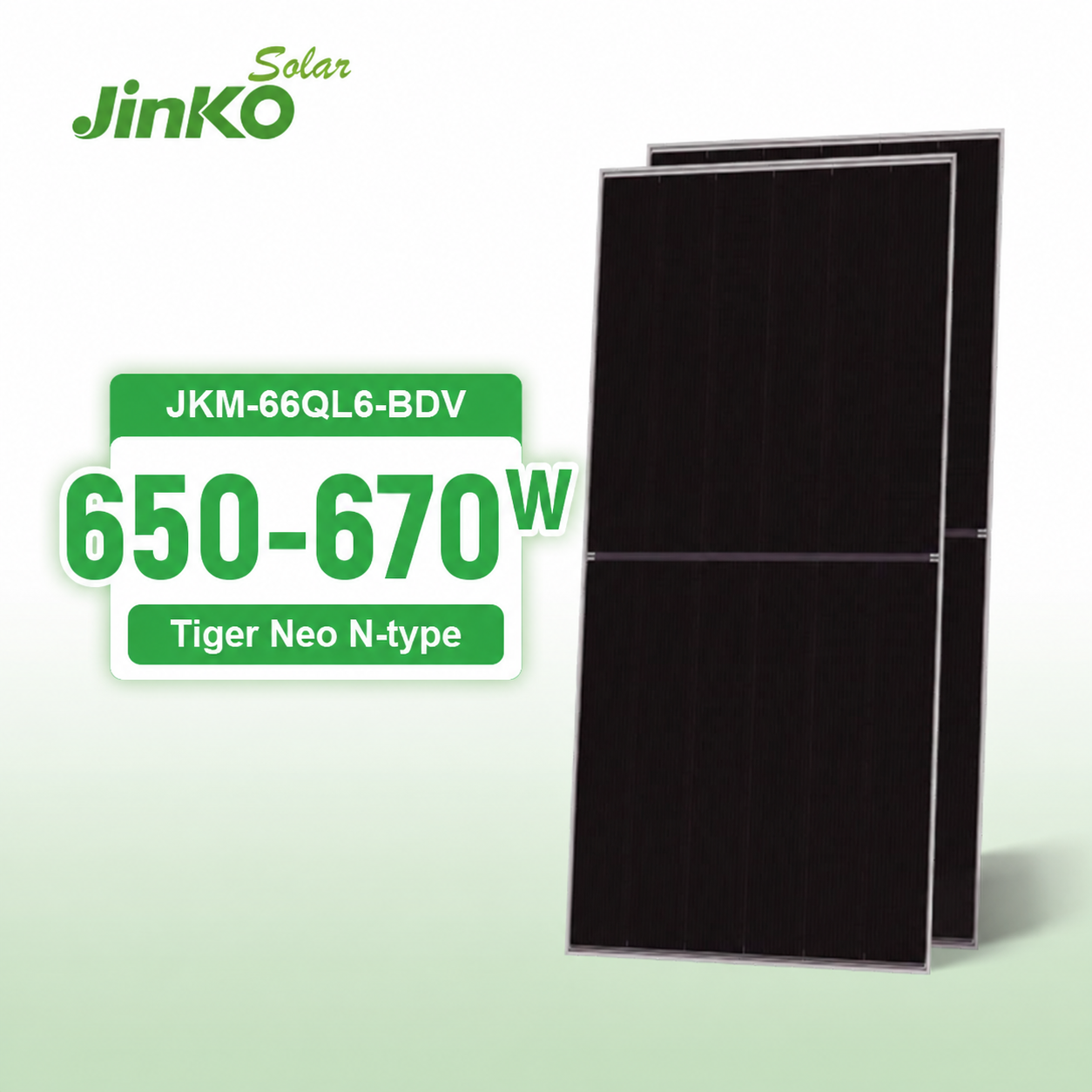
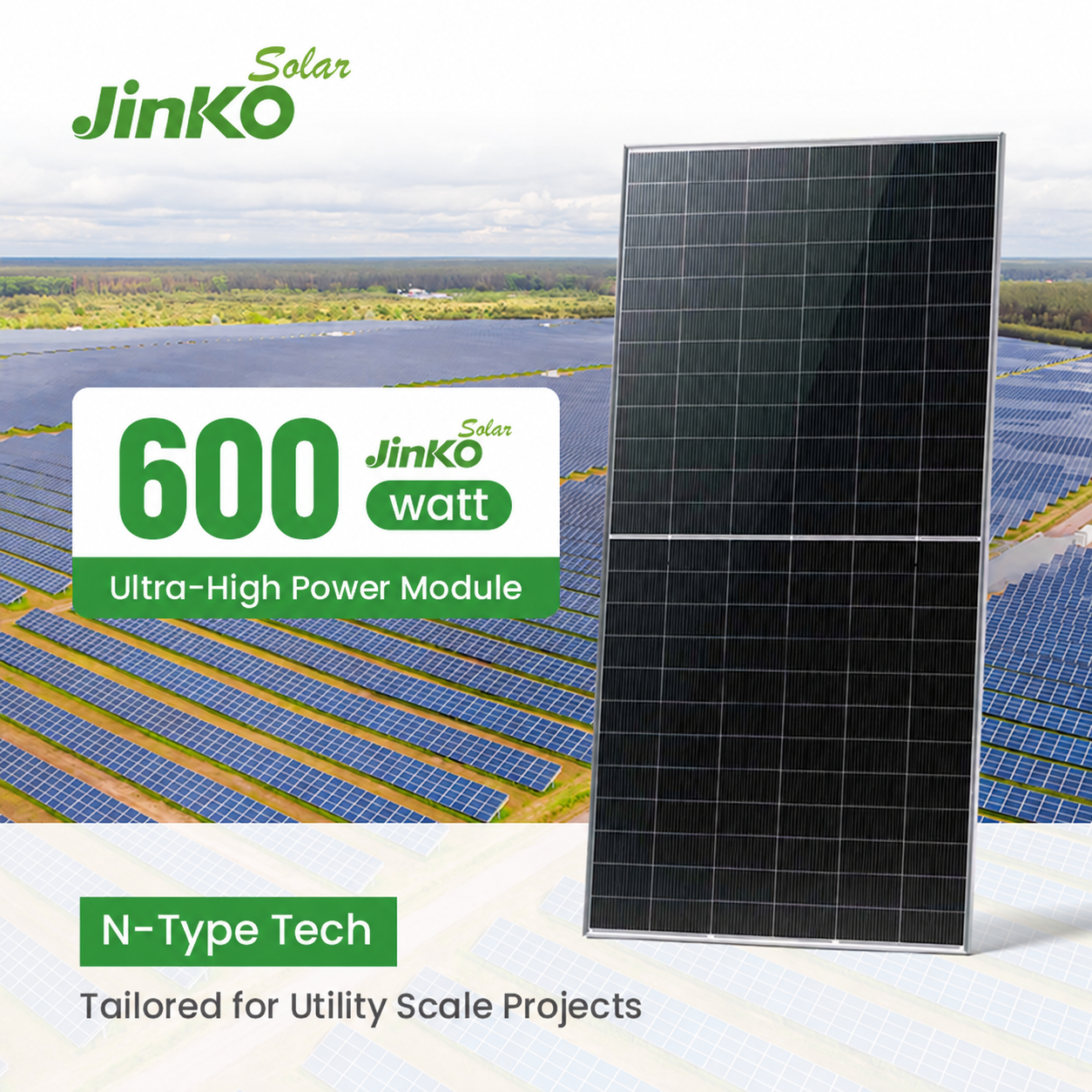
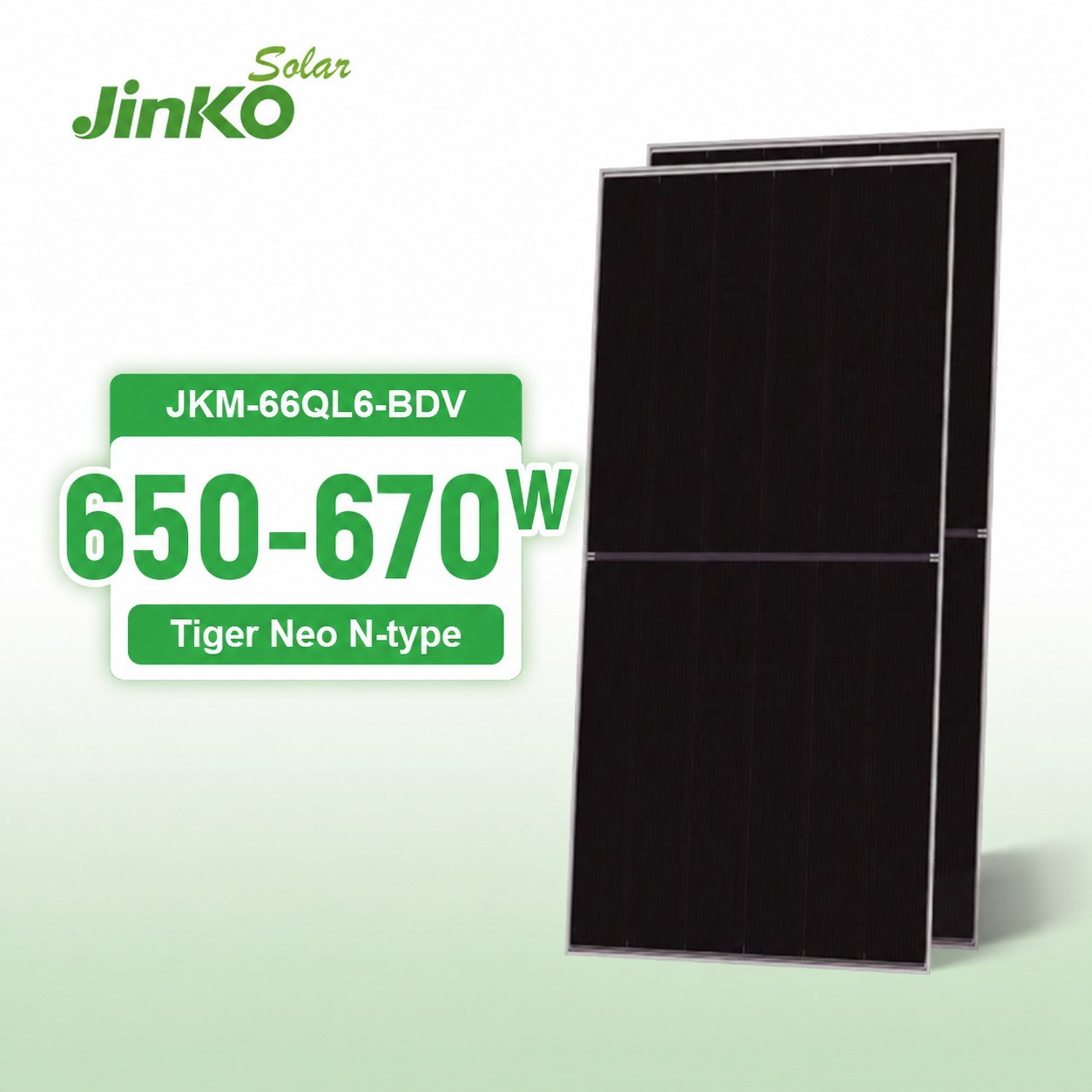
Jinko N-Type Bifacial 600W / 580W TOPCon Double Glass High Efficiency
Ultra-low degradation N-type architecture delivering up to 80% bifaciality. Suited for commercial rooftop installations and ground mount racking in Nablus industrial zones.
Pre-engineered photovoltaic generators designed for seamless protocol synchronization with lithium battery management systems (BMS) and hybrid off-grid inverters.
Ultra-low degradation N-type architecture delivering up to 80% bifaciality. Suited for commercial rooftop installations and ground mount racking in Nablus industrial zones.
Mechanical load resilience engineered for extreme microclimates. Guarantees high yield on agricultural terraces and olive processing plants surrounding Nablus.
Maximizes string output power while reducing BOS wiring and balance-of-system footprint for residential villa complexes and municipal facilities.
Optimized temperature coefficient (-0.30%/°C) ensures stable power output during peak summer heat conditions in the mountain-locked Nablus basin.
Engineered for large ground-mounted substations. Excellent anti-PID characteristics with robust resistance to harsh industrial airborne pollutants and dust.
Multi-busbar half-cut cell layout decreases internal current loss and micro-crack risk, ideal for long-distance transit across Mediterranean logistics corridors.
Class A fire rating compliance with dual 2.0mm tempered glass, protecting commercial workshops and storage warehouses against high thermal hazards.
Maximum system voltage up to 1500V DC. Built for heavy stone quarries, metal processing, and factory rooftop microgrids across northern Palestine.
In the urbanized topography of Nablus and its adjacent governorates, industrial and commercial facilities confront chronic power stability challenges. Regional high-voltage transmission lines experience frequent operational quotas, unscheduled blackouts, and steep peak-tariff surcharges. For local manufacturing sectors—including stone masonry, textile cutting, cold-chain food processing, and pharmaceutical plants—power intermittency translates to direct financial losses and equipment wear.
The historical reliance on traditional deep-cycle lead-acid or gel batteries has proven unsustainable in this Mediterranean climate. With ambient summer temperatures frequently exceeding 38°C in rooftop battery rooms, lead-acid chemistries suffer accelerated grid corrosion, thermal runaway hazards, and a practical service life of less than two years. In contrast, Lithium Iron Phosphate (LiFePO4) storage chemistry backed by an intelligent Battery Management System (BMS) presents an engineered solution capable of withstanding heavy daily cycling while safeguarding CAPEX investments.
Heavy inductive loads create severe voltage dips. Multi-rack 51.2V / 100Ah-300Ah LFP banks mitigate inductive surges and slash expensive diesel generator fuel consumption.
Seasonal harvesting runs around the clock for 60 to 90 continuous days. Uninterrupted energy storage systems ensure mechanical centrifuges and decanters experience zero line dropouts.
Sleek wall-mounted lithium modules paired with hybrid inverters deliver silent zero-second UPS cutover for air cooling, home medical equipment, and water pump automation.
Isolated hill transmitters require remote BMS telematics (RS485/CAN/SNMP) and wide operating temperature ranges (-20°C to +60°C) with zero on-site electrolyte maintenance.
Three technological shifts reshaping how Palestinian EPC contractors, solar distributors, and procurement managers source equipment.
While deep-cycle gel batteries previously captured market share due to lower upfront purchasing costs, EPC contractors in Nablus now calculate Levelized Cost of Storage (LCOS). Lithium provides 6,000+ cycles at 80% Depth of Discharge compared to 1,200 cycles for Gel at 50% DoD, lowering lifetime cost-per-kWh by more than 44%.
Nablus solar engineers are moving away from unmanaged battery banks. The prevailing standard requires closed-loop communication between hybrid inverters (such as Deye) and the lithium battery BMS via CAN or RS485. This ensures real-time State of Charge (SOC) tracking and dynamic current throttling, preventing overcharge events.
Importing high-tech energy equipment into the Palestinian territories demands strict regulatory oversight and customs documentation. Distributors prefer sourcing complete turnkey packages—Tier-1 Jinko PV panels, matched hybrid inverters, and certified Class 9 Dangerous Goods batteries—inside a single, optimized sea-freight container.
Eliminating field incompatibility, customs delays, and after-sales headaches through systematic Chinese manufacturing control and direct export integration.
We configure and verify the CAN/RS485 firmware protocols between the BMS and inverters before export, eliminating communication faults on site.
Every batch undergoes internal resistance testing, insulation checks, and optical cell grading, backed by transparent photo and video inspection reports.
Full international certification (UN38.3, MSDS, DG cargo declarations) for maritime transport, preventing port detentions and unexpected clearance fines.
Our senior photovoltaic and storage engineers deliver single-line electrical schematics, string calculations, and parameter configuration support for your field technicians.
Our products undergo rigorous testing according to international standards, providing full compliance documentation for municipal permits and financial institutions.
Essential answers regarding customs clearance, inverter compatibility, extreme temperature management, and logistics into Palestine.
Whether you require a mixed container of Tier-1 TOPCon bifacial modules, scalable 48V/51.2V lithium racks, or high-capacity hybrid solar systems, our engineering and export team is ready to prepare your custom bill of materials and shipping itinerary.
Get a QuoteDirect compatibility reviews, single-line wiring diagrams, and formal CIF/FOB proforma quotations delivered within 24 business hours.
Available Mon – Sat (GMT+8)