Residential & Commercial
Pre-engineered components with verified BMS-to-inverter protocols, high albedo bifacial yields, and anti-PID salt-mist protection certified for the Mexican Caribbean and Gulf corridors.
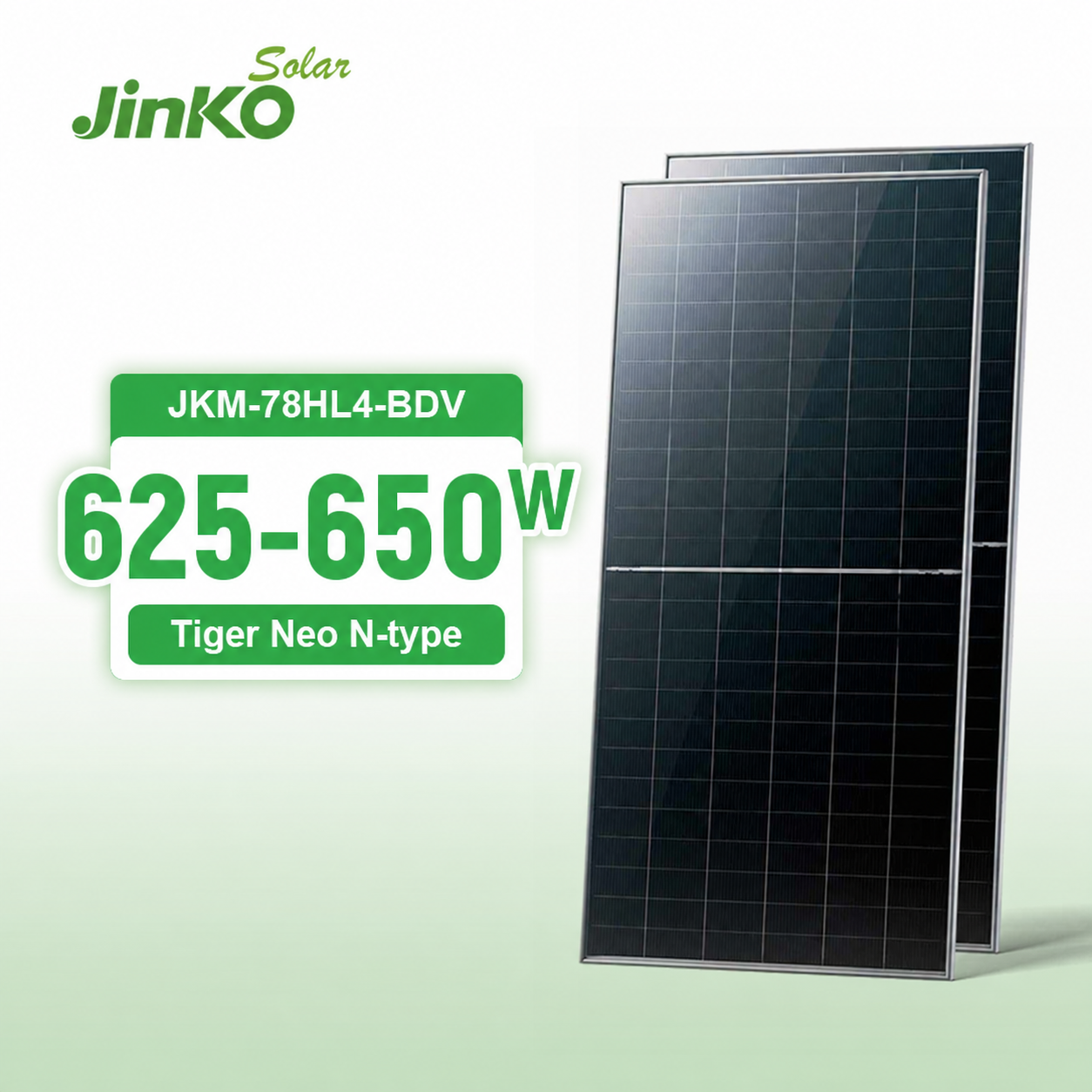
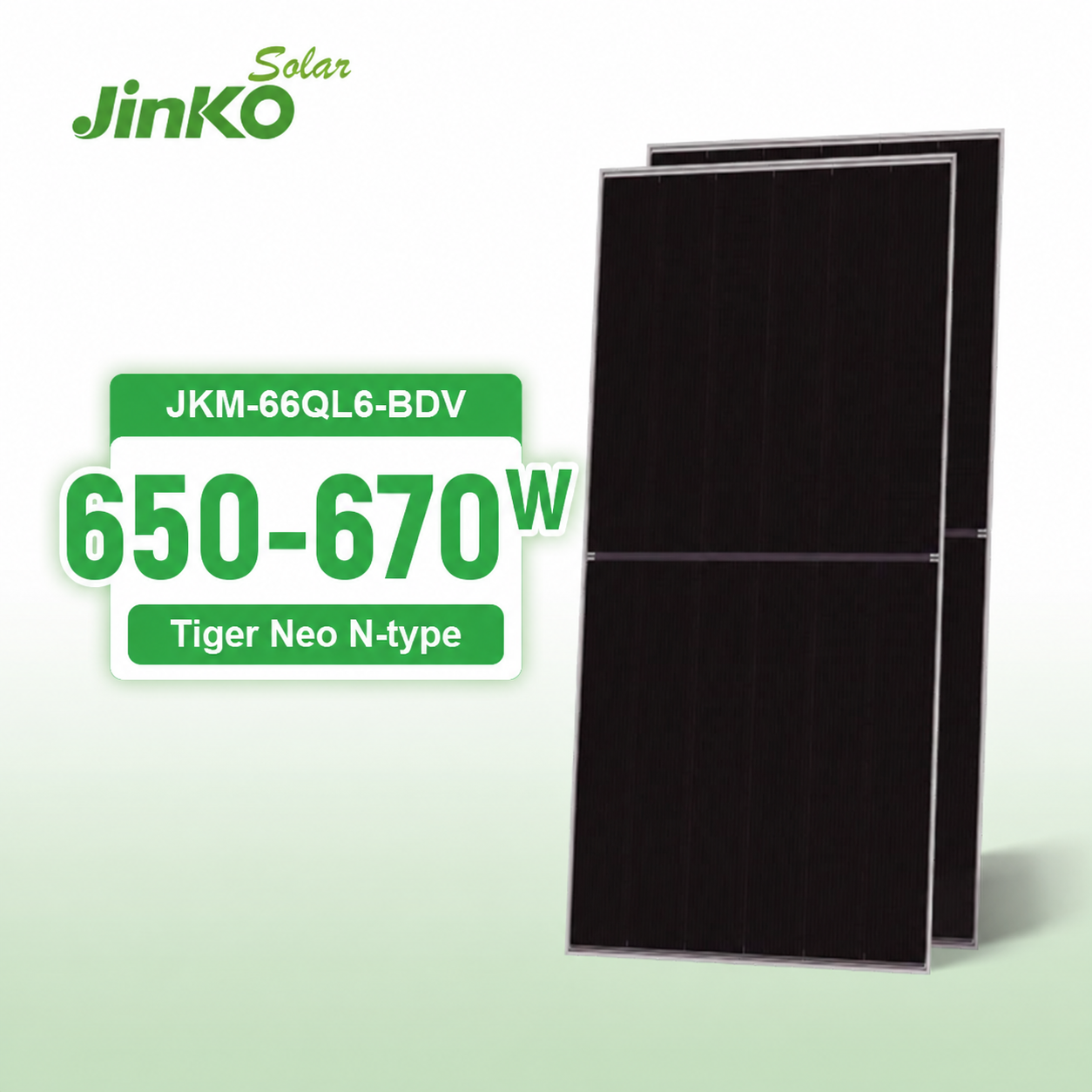
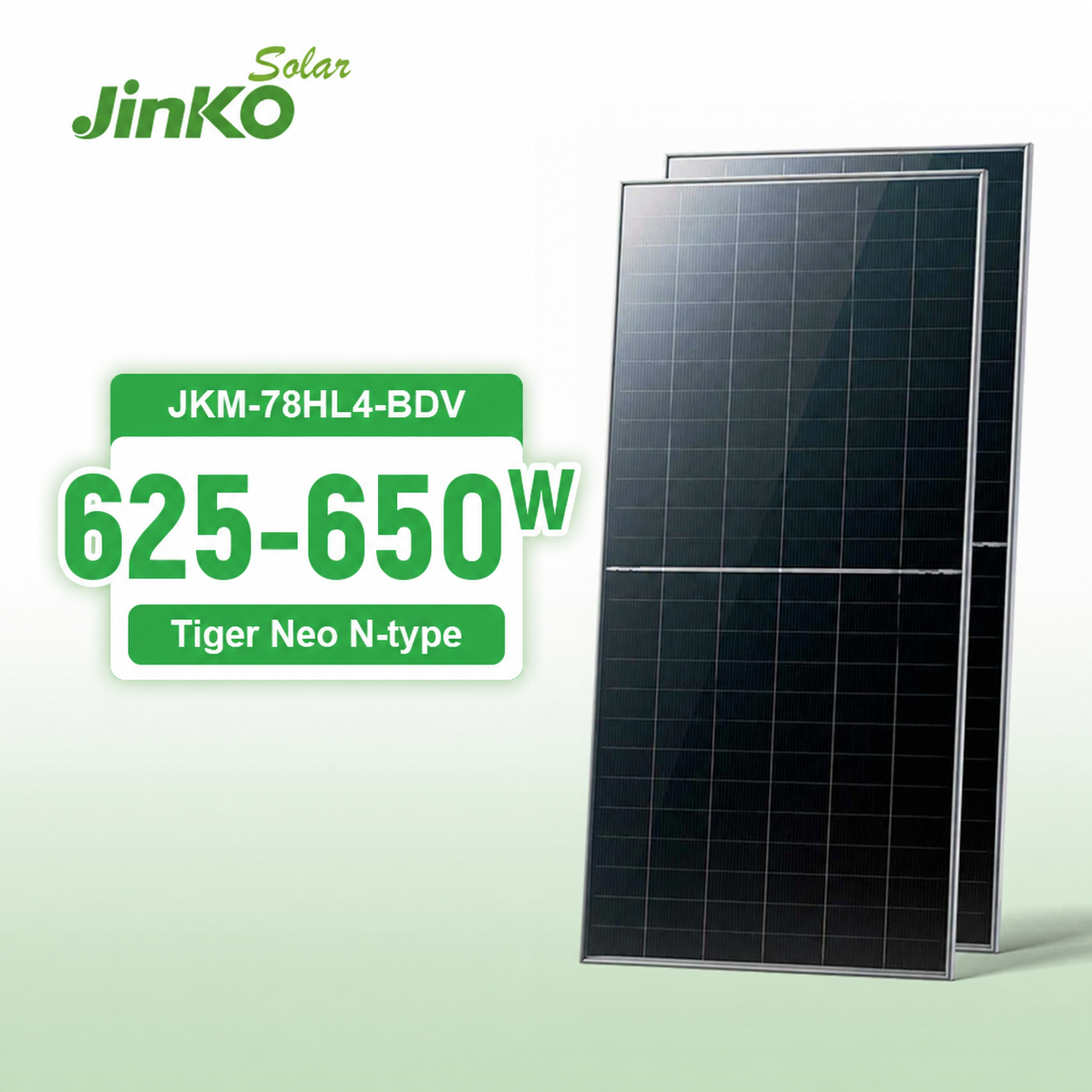
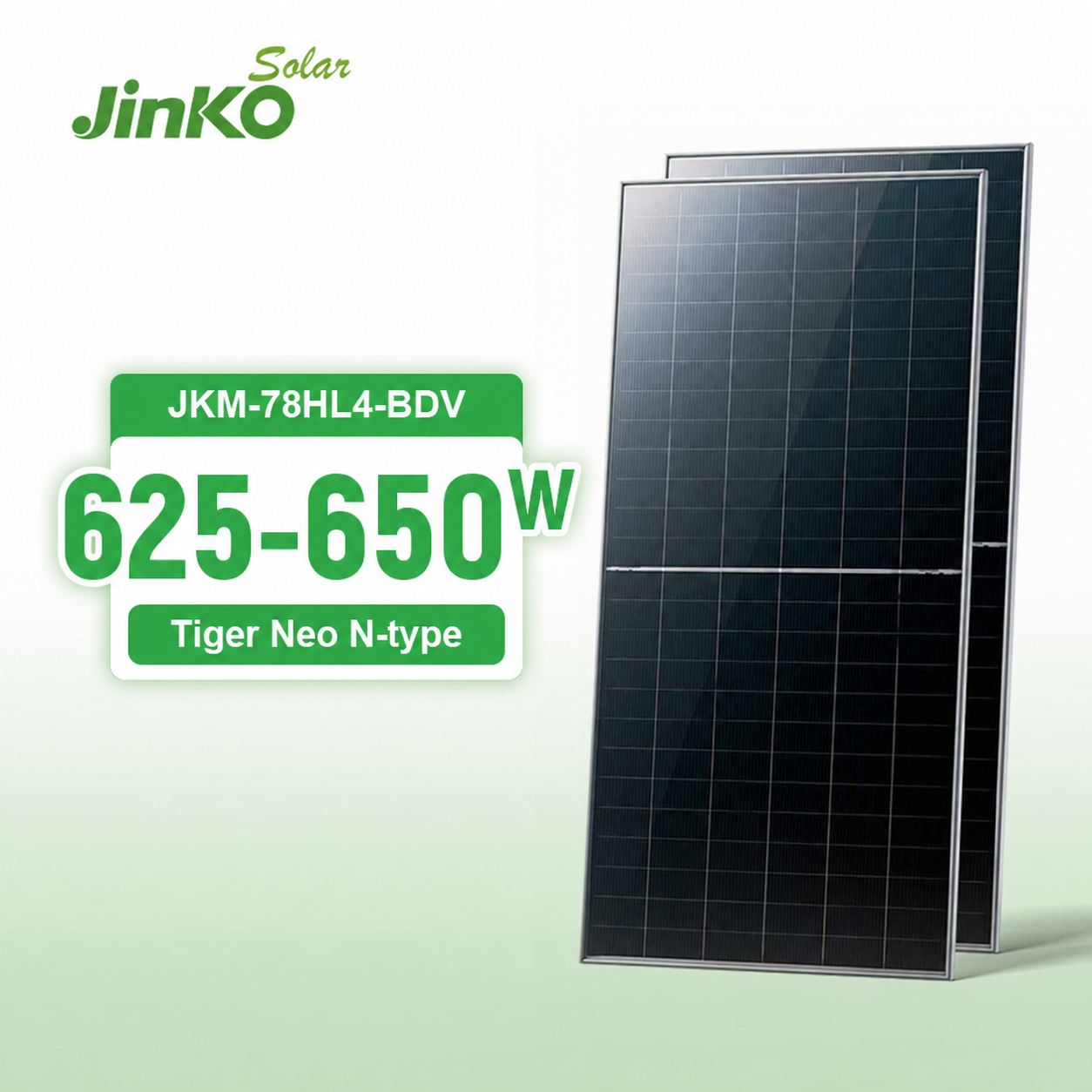
Mérida, the capital of Yucatán, occupies an extraordinary position within Mexico's clean energy transition. Characterized by high solar irradiance exceeding 5.6 kWh/m²/day, the region also presents one of the most grueling operating environments for electrochemical energy storage in North America. Ambient summer temperatures regularly surge past 42°C, accompanied by relative humidity levels hovering above 85% and elevated coastal airborne salinity from Progreso and the Gulf of Mexico. For solar engineering, procurement, and construction (EPC) firms, electrical contractors, and industrial operators in the Mérida metropolitan area, choosing the correct battery chemistry and thermal architecture is not merely a design preference—it is a critical parameter dictating operational longevity, fire safety, and levelized cost of storage (LCOS).
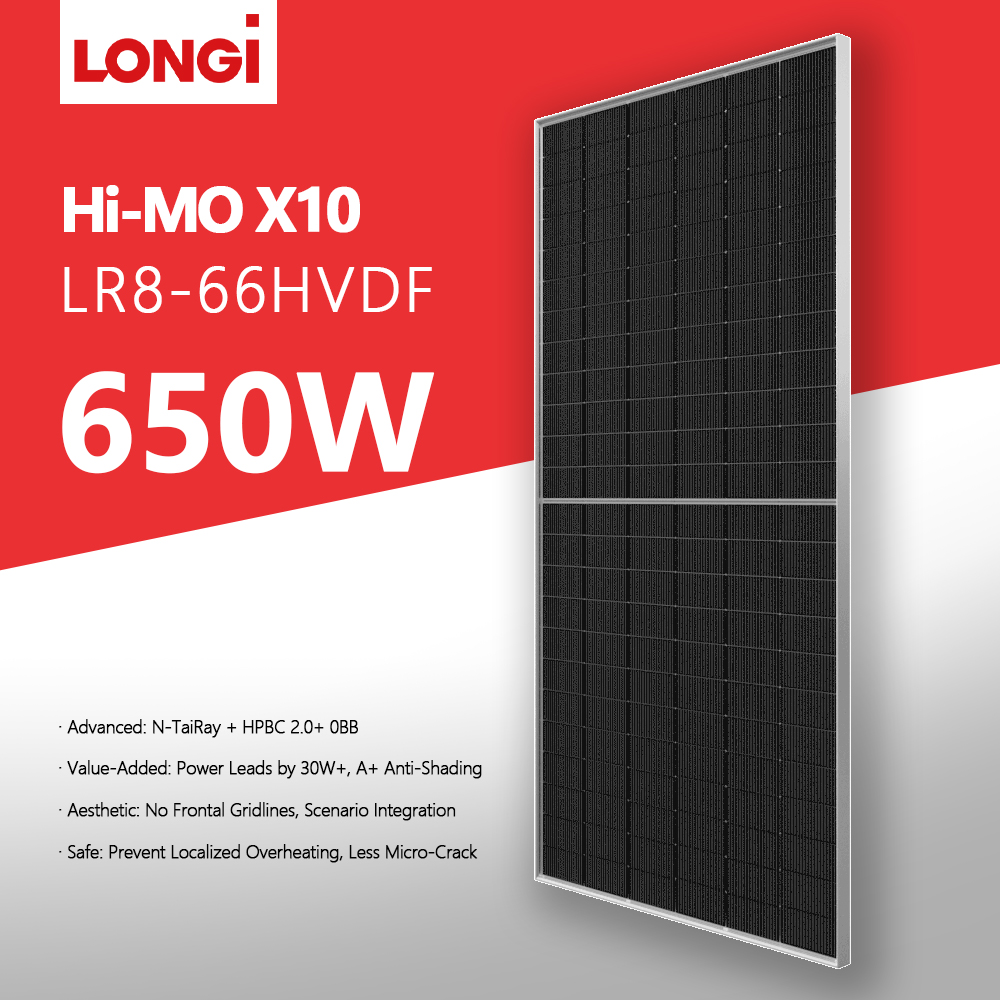
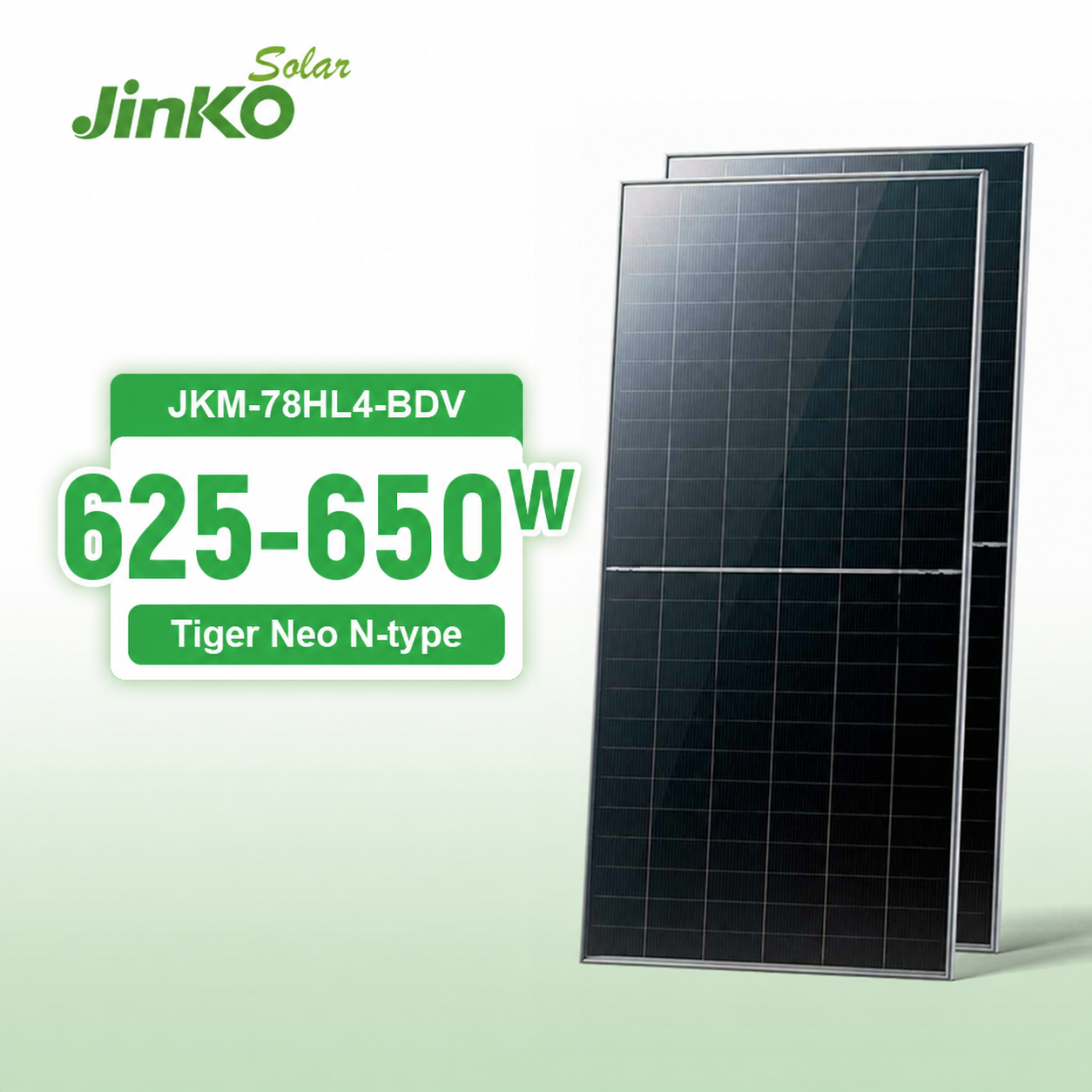
Traditional Nickel Manganese Cobalt (NMC) chemistries exhibit severe thermal vulnerability when exposed to continuous cycling under elevated ambient temperatures. The layered oxide cathode structure of NMC begins exothermic decomposition at approximately 150°C to 210°C, releasing molecular oxygen that can induce rapid thermal runaway under cell stress or cooling failure. In stark contrast, Lithium Iron Phosphate (LiFePO4 or LFP) utilizes a three-dimensional olivine crystal framework characterized by covalent P-O bonds. This macromolecular configuration displays superior thermodynamic stability, with thermal runaway onset thresholds exceeding 270°C and no catastrophic release of elemental oxygen. When paired with high-performance Tier-1 TOPCon bifacial photovoltaic arrays—such as Jinko and LONGi modules yielding exceptional thermal coefficients of -0.29%/°C—an LFP storage topology ensures optimal generation and storage continuity across extreme Yucatecan heat waves.
Factory Engineering Protocol: Hangzhou VOLT New Energy builds its 48V/51.2V low-voltage and 200V–800V high-voltage LiFePO4 battery modules utilizing Grade-A prismatic aluminum-shell cells. Each rack and wall-mount enclosure integrates multi-point automotive-grade NTC thermistors, isolated CAN 2.0B / RS485 communication protocols, and industrial conformal-coated BMS boards capable of resisting Class C5-M marine-saline atmospheric corrosion.
Furthermore, internal cell degradation is exacerbated by parasitic side reactions when charging under thermal duress. At temperatures exceeding 35°C, common during Mérida afternoons, conventional battery management systems (BMS) often fail to balance charge absorption rates across parallel cell groups, leading to localized solid electrolyte interphase (SEI) layer growth and accelerated capacity fade. Hangzhou VOLT New Energy equips each LiFePO4 pack with an intelligent, multi-layer BMS featuring dynamic thermal derating algorithms. By throttling charge currents precisely between 0.2C and 0.5C as core temperatures approach 45°C, our battery enclosures maintain continuous operational equilibrium, preventing premature aging and delivering beyond 6,000 full equivalent cycles at 80% Depth of Discharge (DoD).
The energy ecosystem of the Yucatán Peninsula is shaped by isolated grid vulnerabilities, expensive fossil-fired combined cycle generation, and escalating commercial power tariffs under the Comisión Federal de Electricidad (CFE). Our LiFePO4 energy storage systems, hybrid inverters, and N-type solar arrays solve specific operational bottlenecks across residential, industrial, and tourism sectors.
Residential homes in northern Mérida (Altabrisa, Temozón Norte, Montebello) face crippling Tarifa Doméstica de Alto Consumo (DAC) rates due to extensive air conditioning loads. Our 51.2V 100Ah/200Ah wall-mount LFP batteries store midday rooftop solar from 585W TOPCon panels, discharging during peak evening hours (6:00 PM – 11:00 PM) to cap baseline grid consumption below CFE DAC triggers.
Boutique haciendas in the interior and eco-resorts along Sisal, Celestún, and Telchac Puerto experience chronic brownouts and power surges. Pairing Deye 8kW/12kW low-frequency hybrid inverters with rack-mounted LFP banks creates true zero-interruption off-grid and grid-interactive microgrids that quietly replace noisy, polluting diesel generator runtime.
Logistics and manufacturing hubs in the Umán and Hunucmá industrial corridors operate under Gran Demanda en Media Tensión Horaria (GDMTH) tariffs, where peak demand charges can represent up to 60% of total utility invoices. Our scalable 100kWh–500kWh containerized and indoor cabinet LFP storage systems automatically shave peak loads, delivering rapid 2.8 to 3.5-year ROI.
The Yucatán Peninsula historically represents an electrical bottleneck within Mexico’s Sistema Interconectado Nacional (SIN). Transmission capacity running south through the Coatzacoalcos and Malpaso corridors has chronically operated near thermal capacity limits. Concurrently, natural gas supply constraints have frequently forced regional thermoelectric plants (such as Mérida II and Valladolid) to burn fuel oil, compounding localized carbon emissions and driving spot wholesale electricity prices higher than in Central or Northern Mexico.
In response, the Comisión Reguladora de Energía (CRE) and regional developers have accelerated the adoption of behind-the-meter Distributed Generation (Generación Distribuida) up to the statutory 500 kWp limit. However, the true inflection point for Mérida’s commercial sector is storage integration. Unbuffered grid-tied photovoltaic arrays are subject to export curtailment when distribution lines experience overvoltage during peak midday solar generation. By installing intelligent AC-coupled or DC-coupled Lithium Iron Phosphate storage, EPCs can capture 100% of generated energy, bypass export limitations, and guarantee power quality against the chronic voltage sags and frequency deviations frequent in Yucatán’s peripheral networks.
The accelerated arrival of global manufacturing and distribution facilities linked to nearshoring investments and the multimodal Maya Train logistics artery has further accentuated the need for resilient industrial power. Automated assembly lines, chilled food distribution hubs, and pharmaceutical warehouses cannot tolerate a 200-millisecond voltage drop. VOLT New Energy’s battery and inverter topologies provide sub-15ms seamless transfer speeds, serving simultaneously as primary UPS backup and high-speed energy arbitrage engines.
Sourcing commercial solar and storage hardware across trans-Pacific routes demands absolute precision in component matching, hazardous goods logistics, and international standards compliance. Hangzhou VOLT New Energy Technology Co., Ltd. eliminates integration failure through rigorous bench testing before cargo departs China.

Every LFP battery pack undergoes physical communication handshake testing with Deye, Victron, and Growatt inverters via CAN/RS485 prior to packaging, ensuring zero protocol mismatch on installation day.

Full UN38.3, MSDS, and maritime dangerous goods compliance. We consolidate mixed containers (panels, inverters, and lithium batteries) directly to the Port of Progreso, Altamira, or Veracruz.
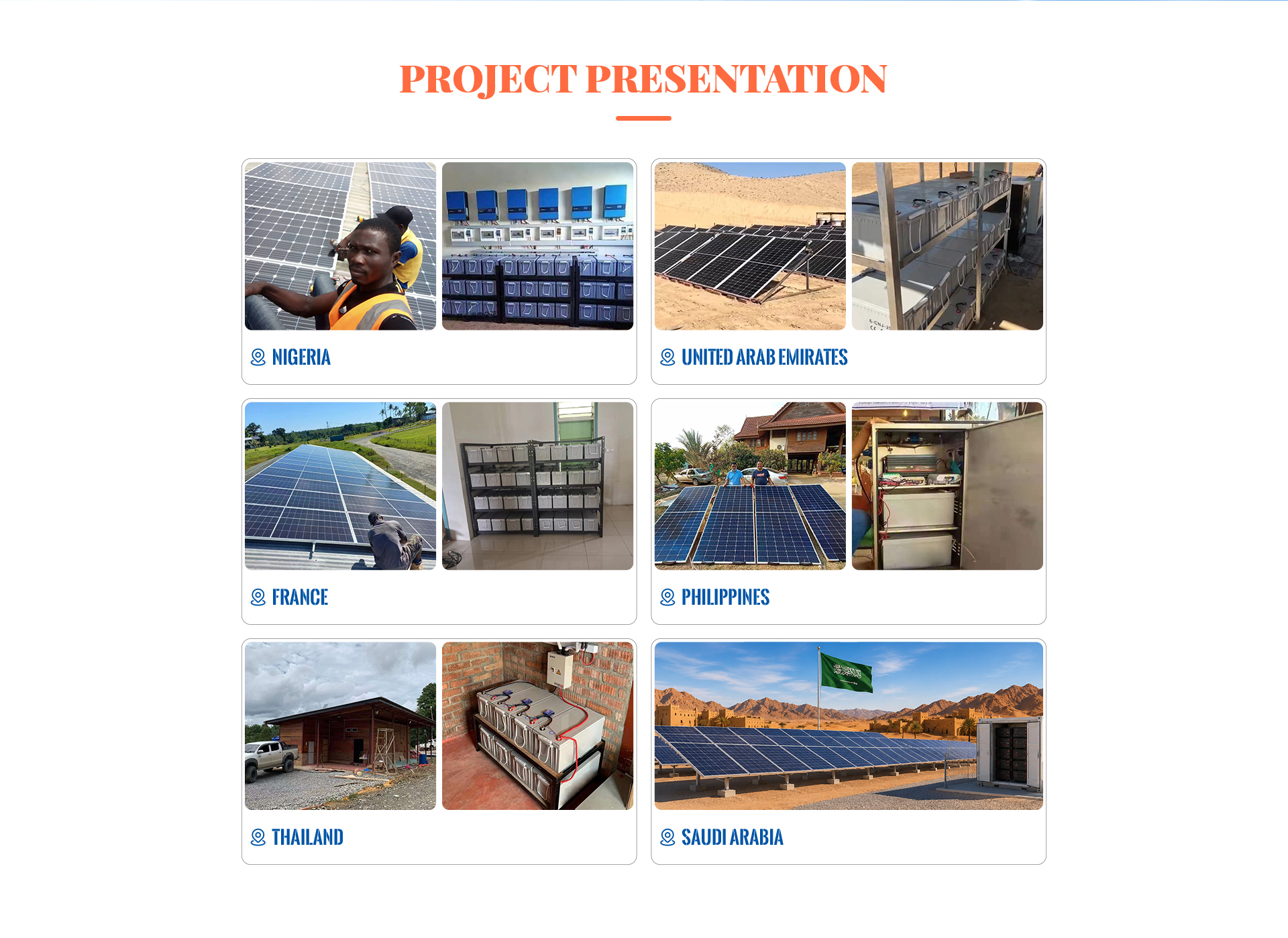
Zero recycled or B-grade inventory. We utilize factory-fresh, automated laser-welded prismatic cells with matched internal resistance (IR < 0.3mΩ) and factory capacity grading reports.
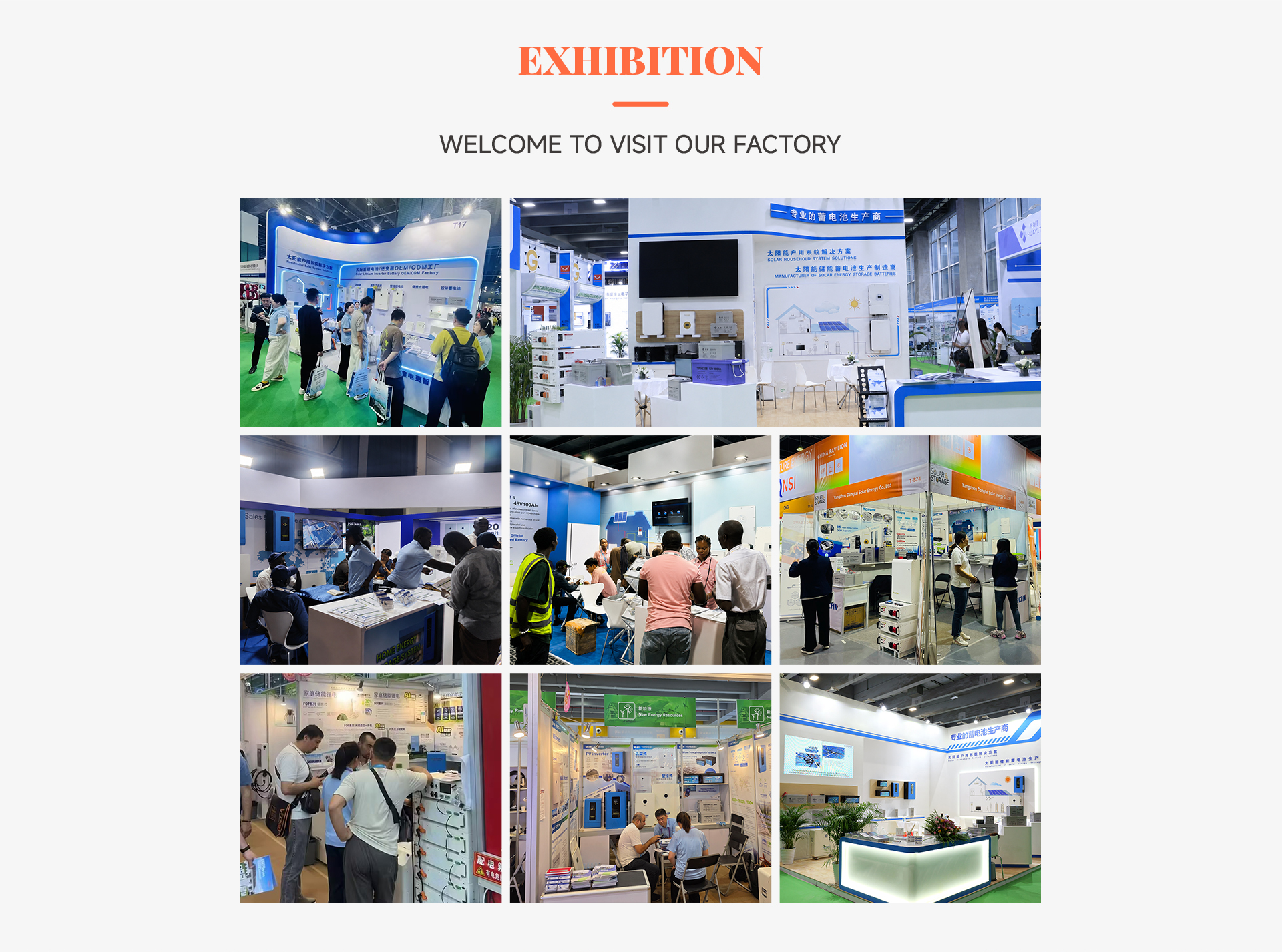
Beyond raw components, our Hangzhou engineering office provides bespoke string sizing, single-line wiring diagrams (SLD), and remote commissioning guidance in English and Spanish.