High-Efficiency Solar Modules for Syrian Commercial & Residential Projects
Engineered for low degradation under high ambient temperatures, dusty environments, and heavy thermal cycling across Damascus, Aleppo, Homs, and Latakia.
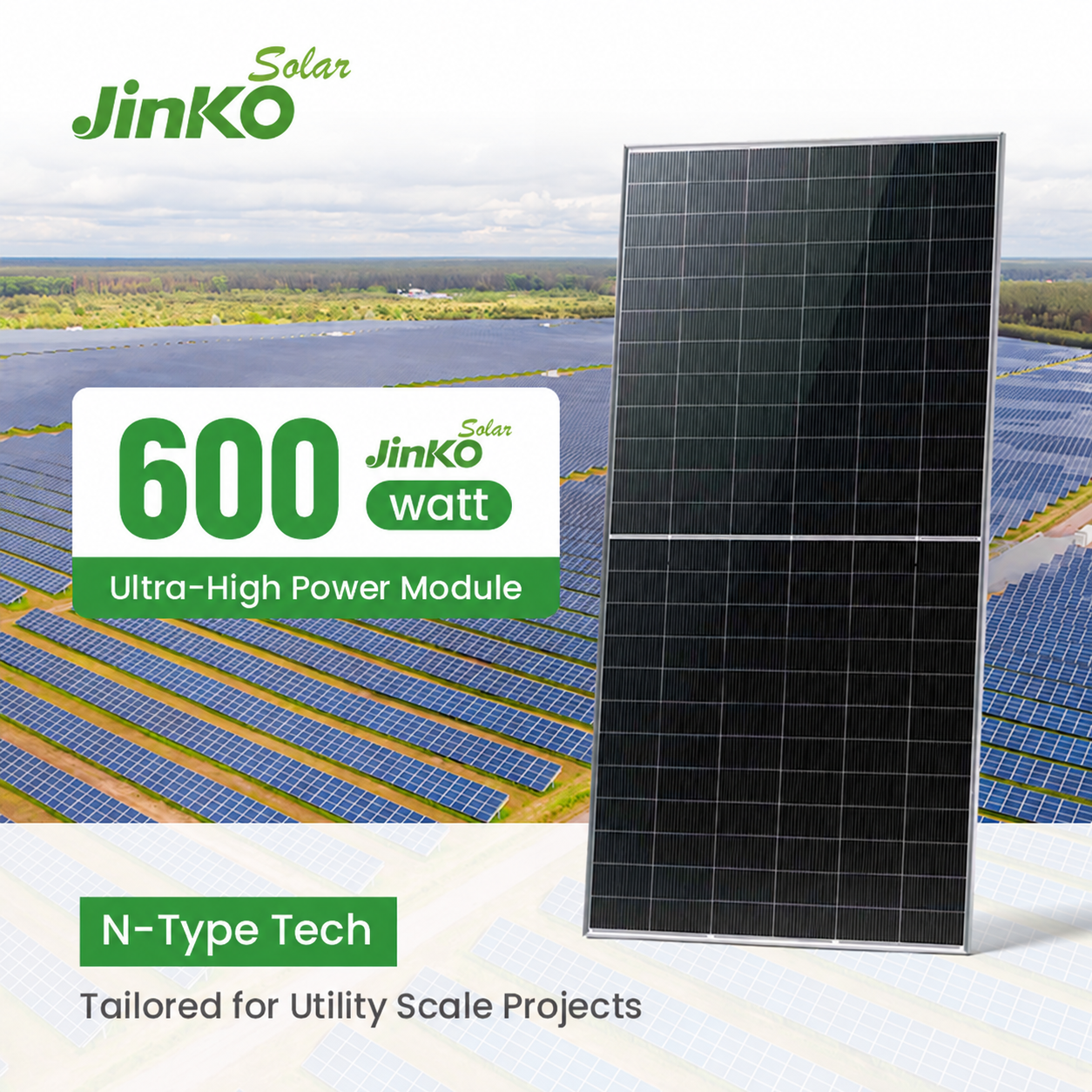
- Power Range: 580W - 600W
- Cell Architecture: N-Type TOPCon
- Glass Structure: 2.0mm Dual Glass
- Max Efficiency: 22.53%
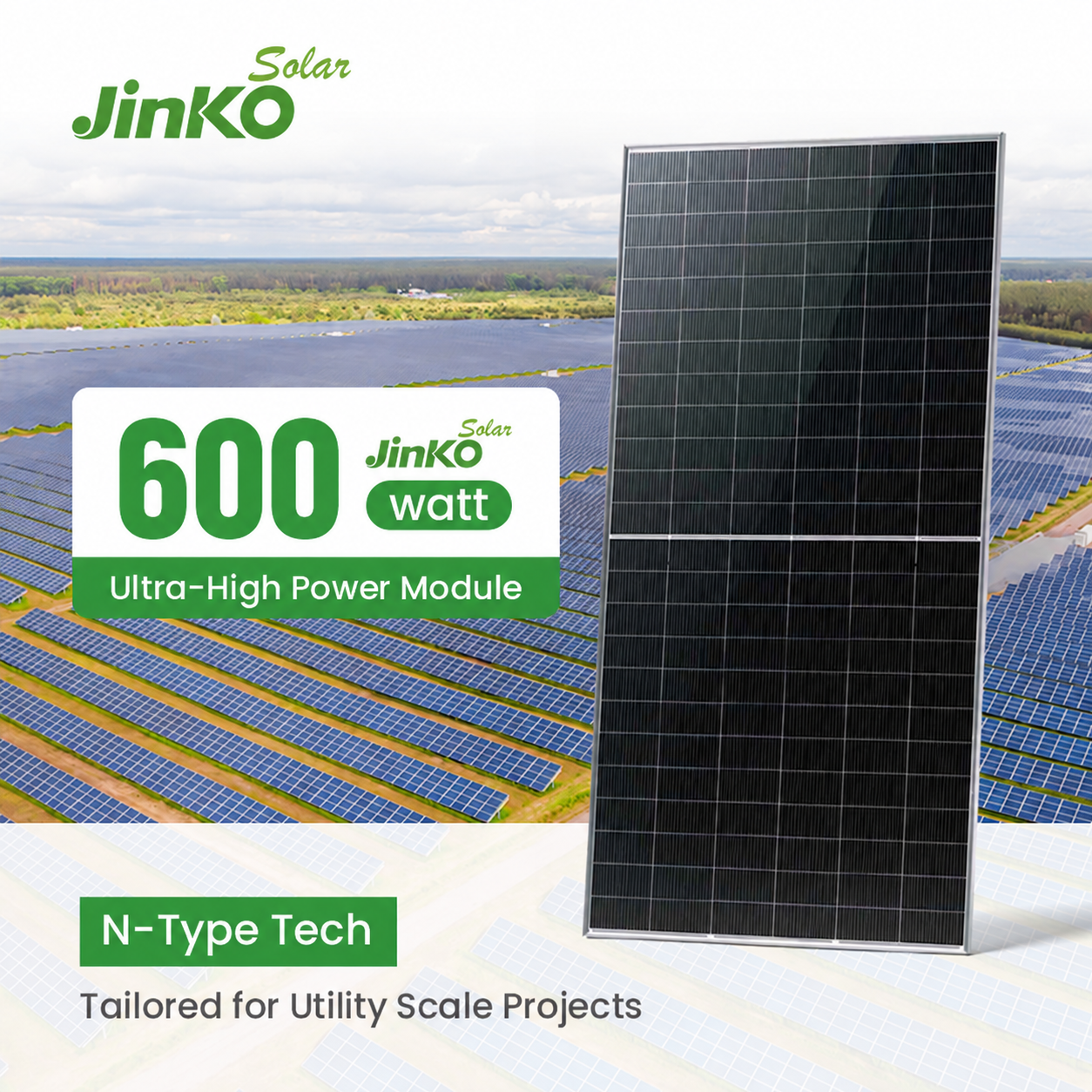
- Power Output: 585W - 600W
- Bifaciality Factor: 80% ± 5%
- Temp. Coefficient: -0.29%/°C
- Junction Box: IP68 Rated
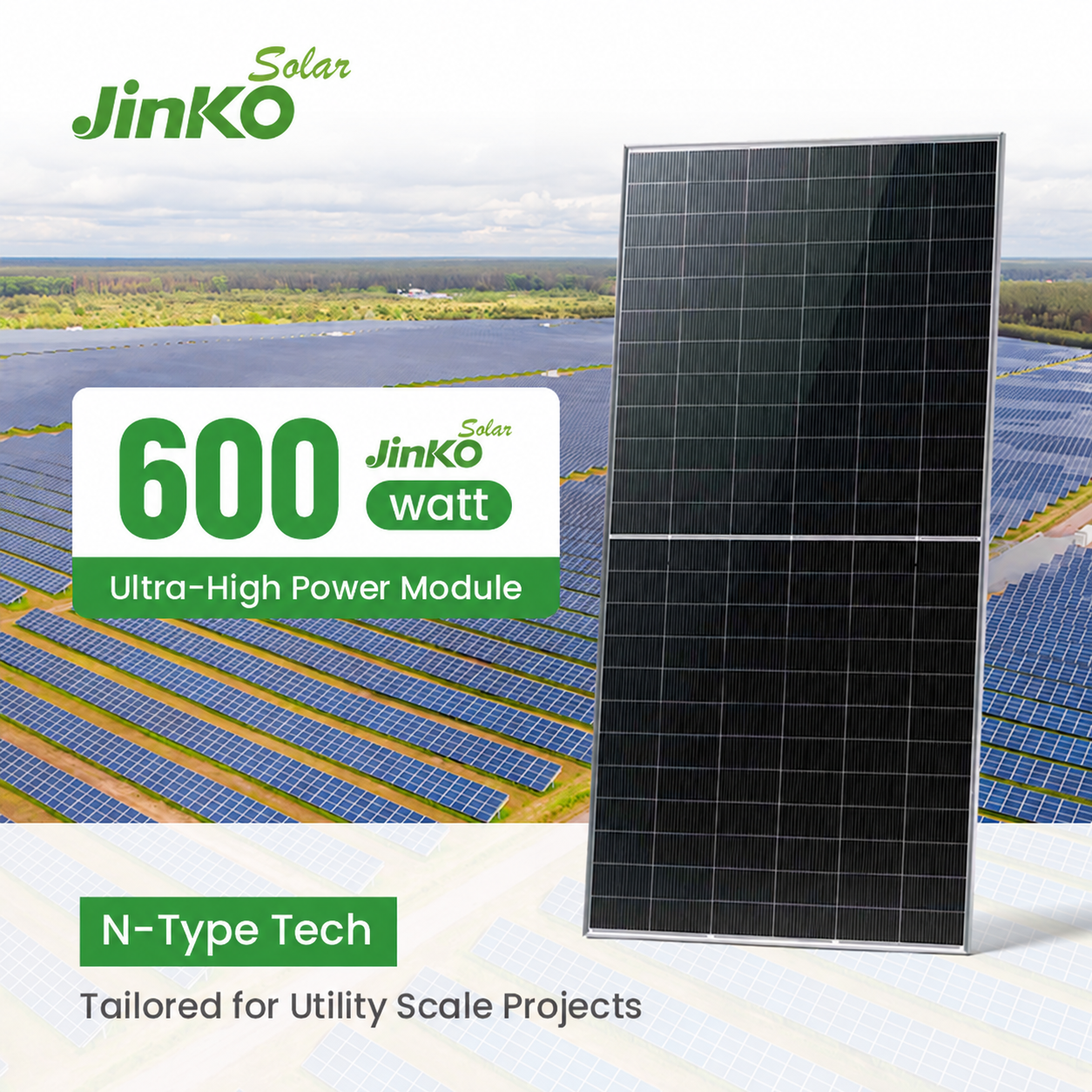
- Power Rating: 585W - 600W
- Encapsulation: POE/EVA High Barrier
- Degradation: 1% First Year, 0.4%/yr
- Mechanical Load: 5400Pa / 2400Pa
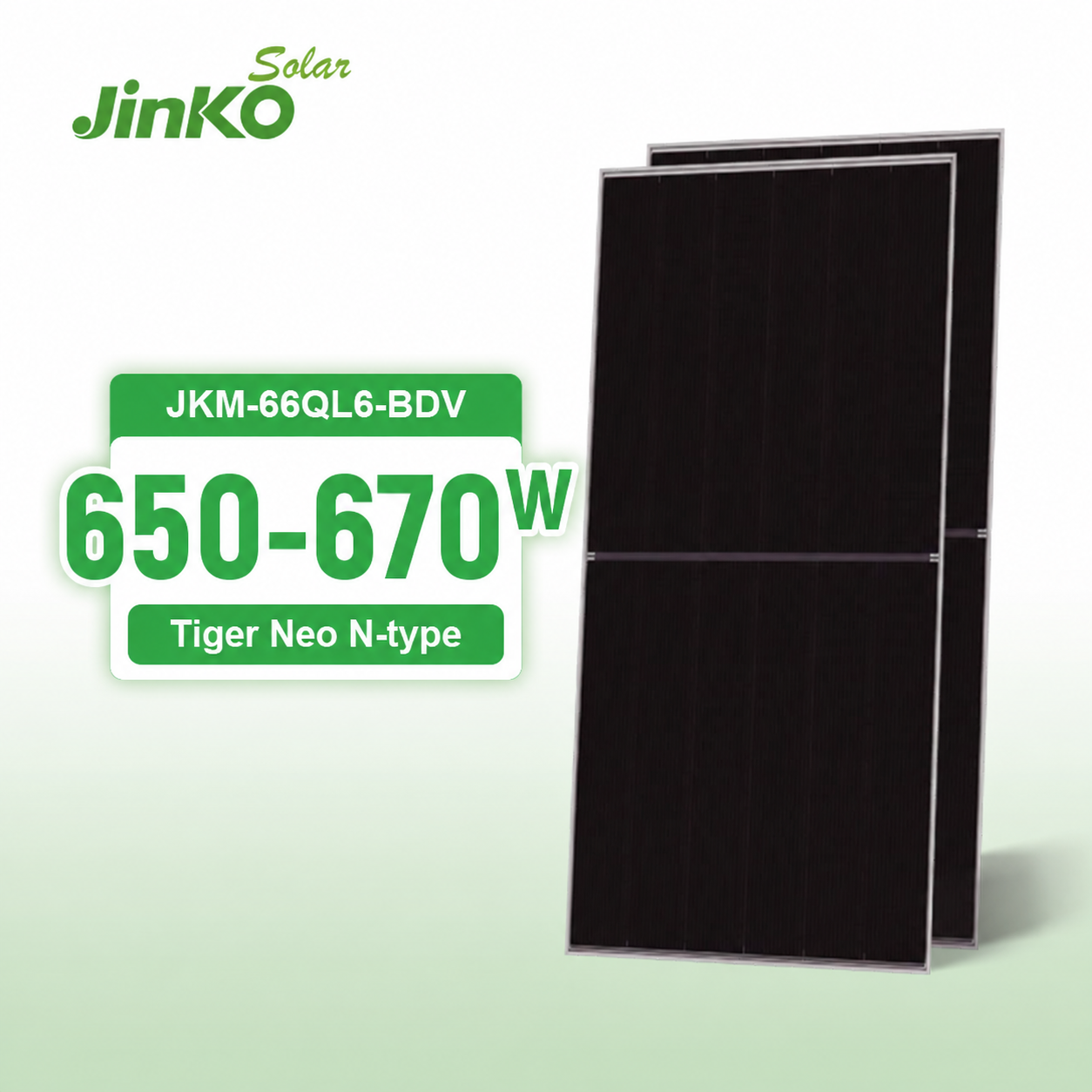
- Peak Power: 650W - 670W
- Cell Arrangement: 132 (2x66) Multi-busbar
- System Voltage: 1500V DC IEC
- PID Resistance: Guaranteed 96h IEC 62804
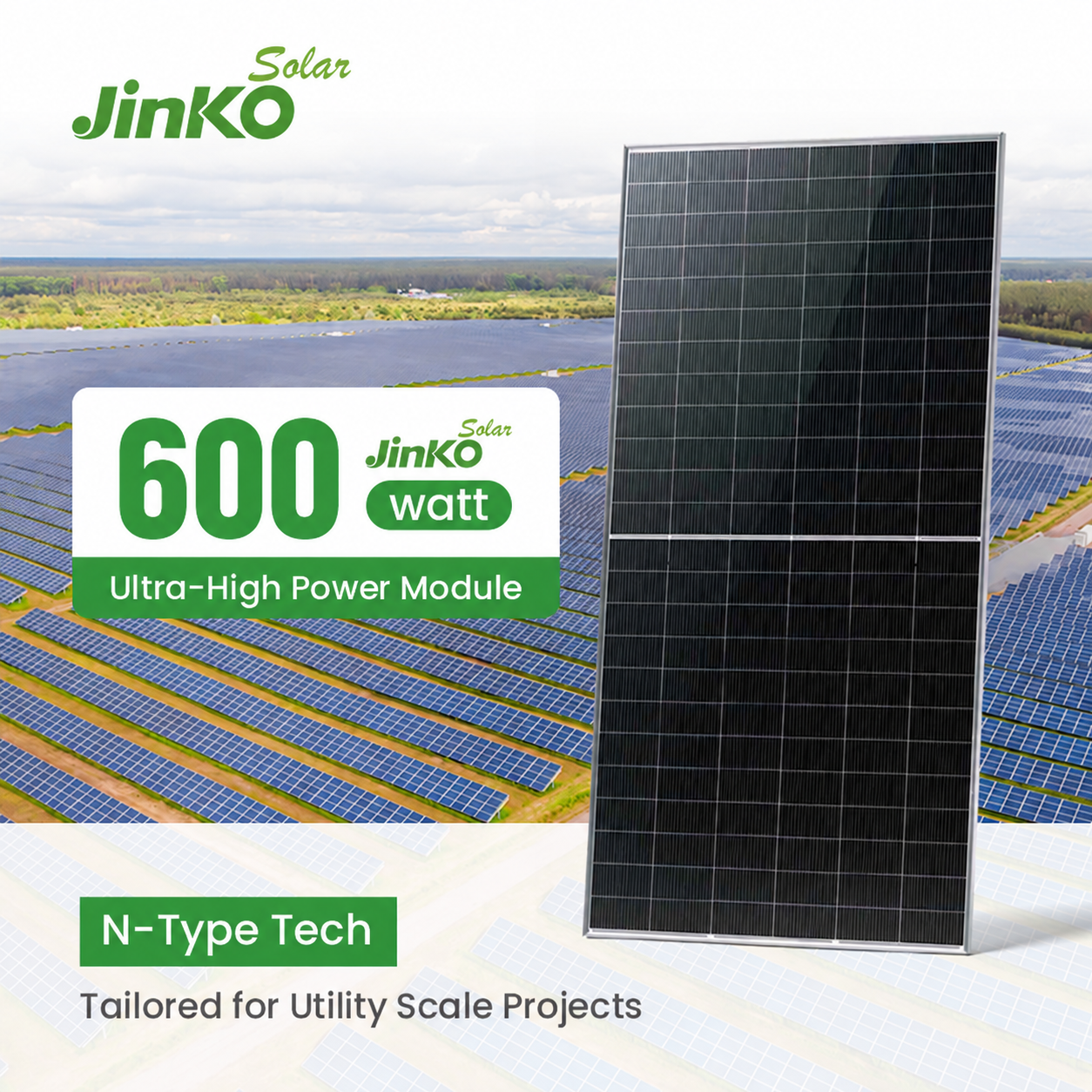
- Rated Range: 575W - 590W
- Wafer Format: M10 (182mm) Half-Cut
- Operating Temp: -40°C to +85°C
- Frame Profile: 30mm Anodized Alloy
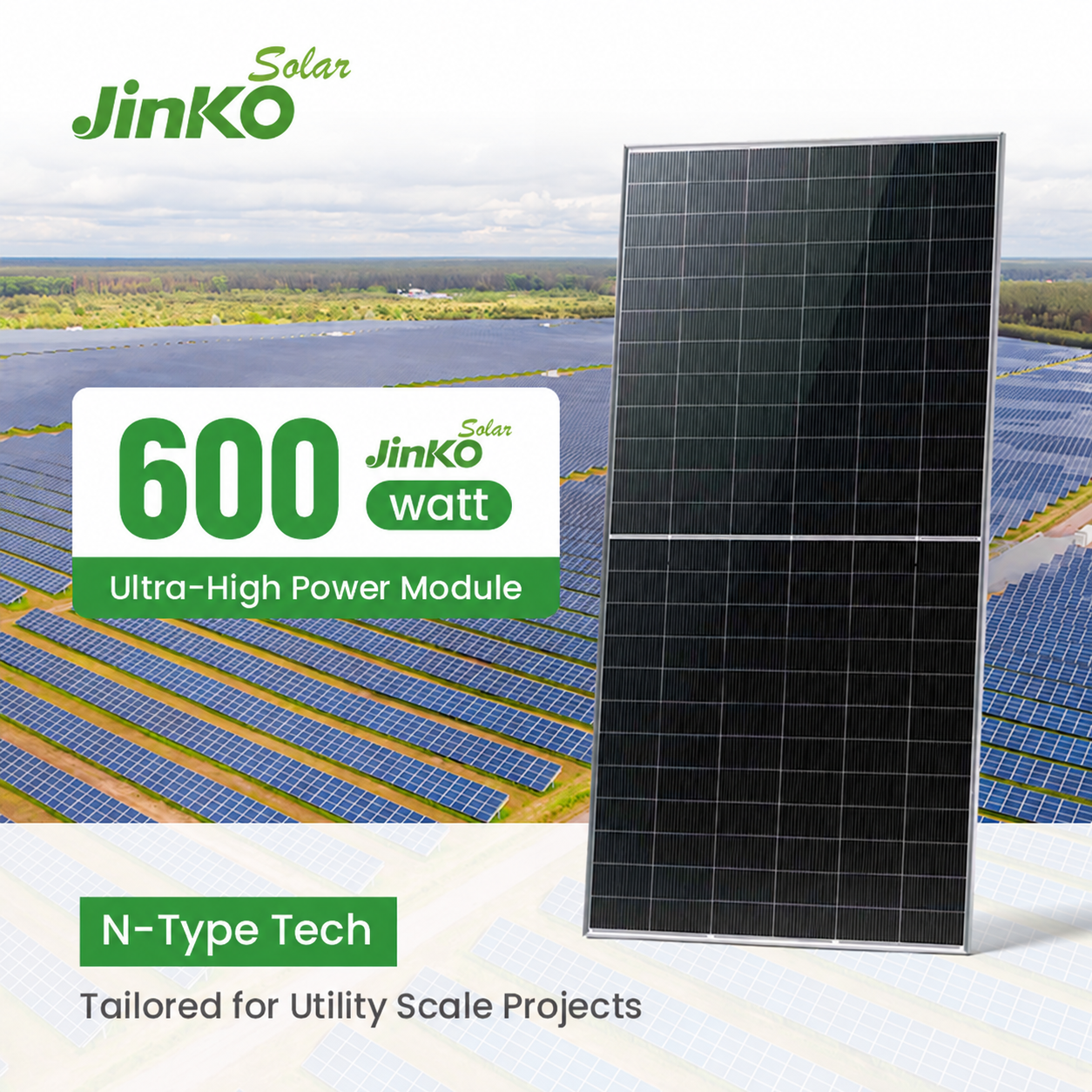
- Power Output: 580W - 600W
- Fire Class: Class A (IEC 61730)
- Reverse Current: 30A Overcurrent Rating
- Albedo Gain: Up to +25% on Concrete
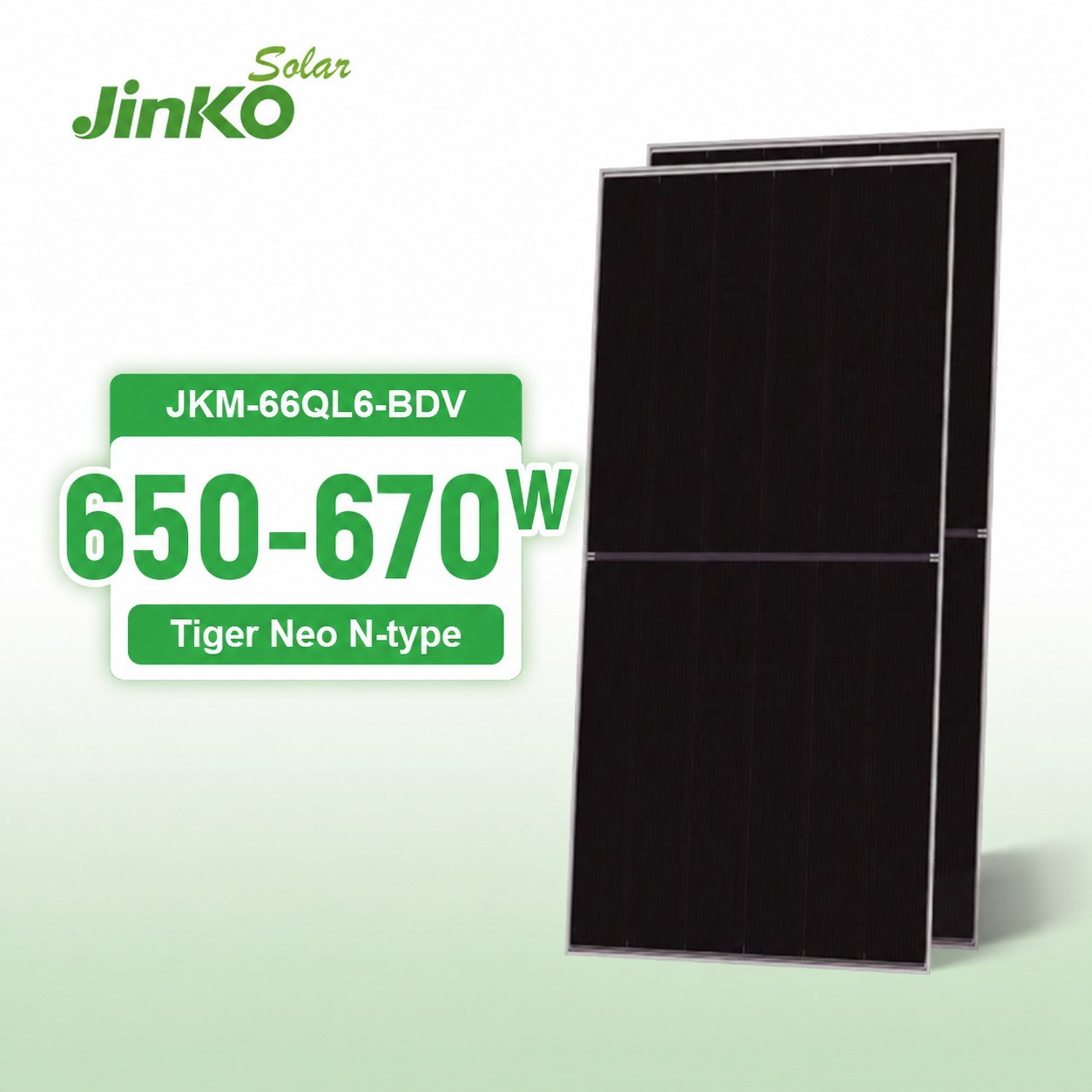
- Peak Rating: 650W - 670W
- Module Efficiency: 21.8% - 22.3%
- Connector Type: MC4-EVO2 Compatible
- Cable Length: Customizable for Trackers
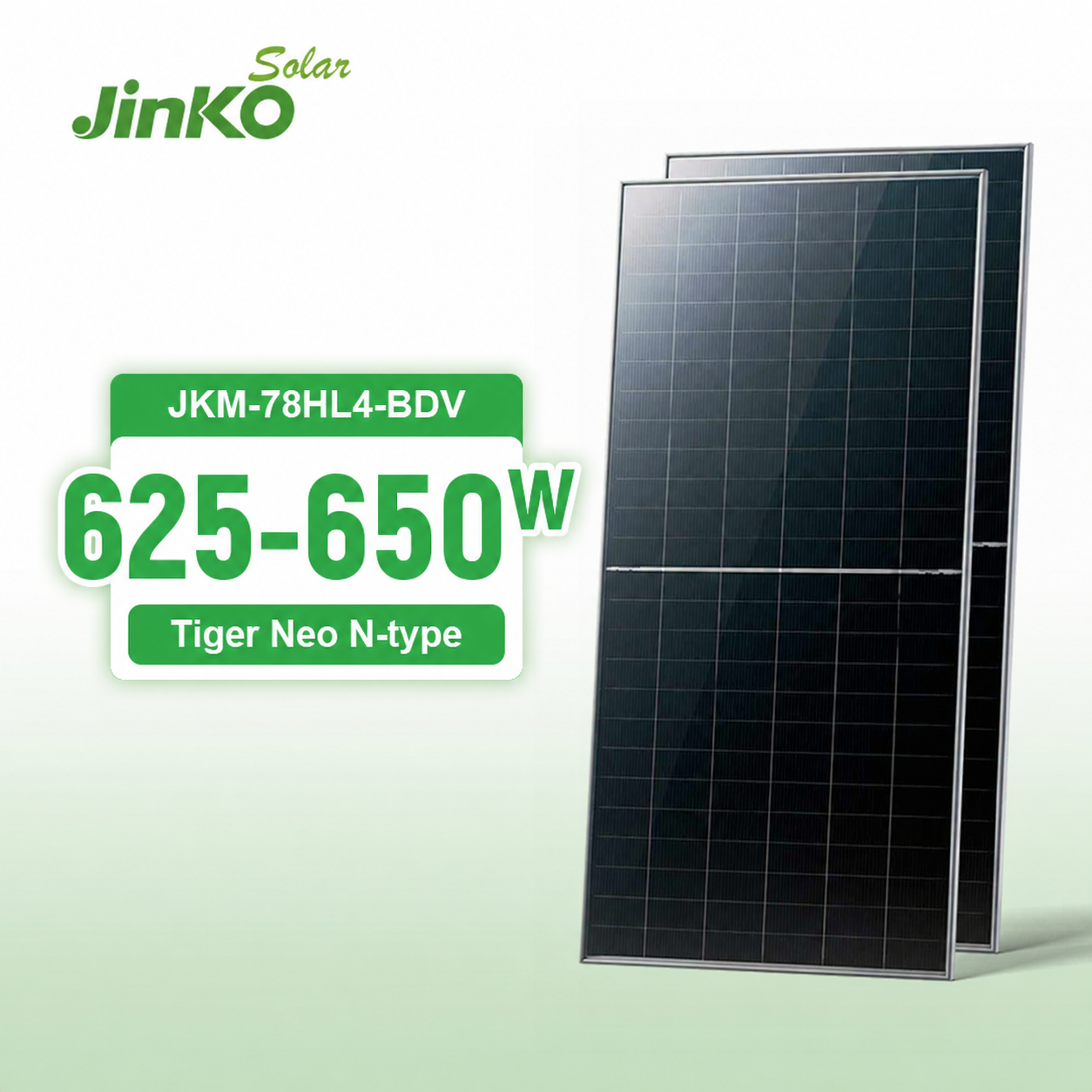
- Power Range: 630W - 640W
- Anti-Soiling: Hydrophobic Nano-coating
- Microcrack Safety: Circular Ribbon Technology
- Warranty: 12-Yr Product / 30-Yr Yield
Longi & Tier-1 Solar Module Supply Dynamics in Post-Crisis Syria
The Syrian Arab Republic represents one of the most critical and rapidly evolving photovoltaic deployment environments across the Middle East and North Africa (MENA) region. Following over a decade of severe infrastructure disruption, the central electrical transmission network operating under the Syrian Ministry of Electricity routinely delivers fewer than two to four hours of grid power per day in key metropolitan centers like Damascus, Aleppo, Hama, and Homs, with rural regions experiencing near-total grid disconnection. Consequently, private and municipal energy generation has undergone an unprecedented paradigm shift: solar photovoltaics have evolved from an alternative ecological supplement into the primary, baseline infrastructure required to sustain commercial manufacturing, agricultural irrigation, telecommunication grids, and domestic survival.
In this intensive market environment, procurement professionals and engineering, procurement, and construction (EPC) contractors consistently look toward established Chinese Tier-1 manufacturing excellence. The demand for Longi Solar panels—renowned globally for their proprietary HPBC (Hybrid Passivated Back Contact) architecture and robust monocrystalline silicon engineering—alongside top-tier TOPCon double-glass solutions like those developed by Jinko Solar, has surged exponentially. Syrian importers face unique, highly severe environmental and economic challenges: ambient summer temperatures regularly exceeding 45°C in central plains, intense desert dust storms (Khamaseen) causing abrasive soiling and severe potential induced degradation (PID), acute domestic diesel shortages inflating the levelized cost of diesel generation to unsustainable heights, and complex trade clearing corridors operating via Beirut, Lebanon, and the Syrian Mediterranean ports of Latakia and Tartus.
"In the Syrian operating theatre, module failure is not merely a financial inconvenience—it results in catastrophic shutdown of water extraction, medical refrigeration, and production lines. Sourcing factory-verified Tier-1 modules directly with full electroluminescence (EL) test certificates, matched inverter compatibility, and maritime export compliance is the fundamental difference between long-term operational autonomy and total capital loss."
Hangzhou VOLT New Energy Technology Co., Ltd. operates at the vanguard of this critical supply corridor. By integrating world-class manufacturing capacities from Longi, Jinko, and Deye with direct factory testing, container consolidation, and verified logistics chains, VOLT New Energy equips Syrian wholesalers, electro-mechanical contractors, and agricultural consortiums with industrial-grade PV hardware tailored specifically to survive the Syrian Levant's demanding thermal, climatic, and logistical conditions.
Localized Application Scenarios: Where Solar Solves Syria's Power Deficit
Solar deployment in Syria cannot be treated with generalized international assumptions. The local socio-economic terrain dictates distinct engineering demands across four primary application verticals:
Agricultural Deep-Well Pumping
Across the Orontes River basin, the Al-Ghab plain, Idlib rural zones, and the eastern cereal belts of Al-Hasakah and Deir ez-Zor, groundwater levels frequently sit between 150 and 400 meters deep. Farmers deploy high-power (580W-670W) bifacial dual-glass solar panels directly paired with Variable Frequency Drive (VFD) solar pump inverters (e.g., 30kW to 110kW). Modules must endure high open-circuit voltages under blistering morning sunlight without triggering DC bus overvoltage trips, eliminating reliance on black-market diesel supplies.
Industrial Zone Diesel-Solar Hybridization
In historic industrial hubs such as Sheikh Najjar (Aleppo) and Adra Industrial City (Damascus), textile spinning, chemical processing, and food packing plants face constant power shedding. Factory operators utilize large-scale rooftop and ground-mount arrays ranging from 200kWp to 2MWp. These systems utilize zero-export controllers synchronized with existing medium-voltage diesel gensets and Deye hybrid inverters, slashing fuel expenditures by 65% to 80% during daylight operating hours.
Urban Residential Storage Microgrids
In multi-story residential neighborhoods across Damascus (Mazzeh, Malki, Dummar) and coastal cities (Latakia, Tartus), households rely on compact 5kW to 15kW rooftop arrays. Here, high spatial efficiency is paramount. Modules utilizing high-density N-type cells maximize energy yield per square meter, feeding directly into 48V/51.2V LiFePO4 wall-mount battery systems to run continuous air conditioning, refrigeration, lighting, and booster water pumps during 20+ hours of daily municipal grid blackouts.
Technological Evolution: Why Syria Is Transitioning from P-Type PERC to N-Type TOPCon & HPBC
During the initial solar rush in Syria (2018–2021), the market was heavily inundated with legacy polycrystalline and standard P-type Mono PERC 400W–450W panels, frequently imported via secondary channels without adequate thermal auditing. The practical consequences were devastating: in Syria's extreme inland climate, where rooftop panel operating temperatures frequently exceed 68°C during July and August, P-type modules suffered from aggressive power attenuation dictated by a steep temperature coefficient of Pmax (typically -0.35%/°C to -0.38%/°C). Combined with Light and Elevated Temperature Induced Degradation (LeTID), systems lost over 15% to 20% of their nameplate generation capacity within the first two operating seasons.
Modern Syrian engineering standards have subsequently pivoted to N-type TOPCon and back-contact architectures such as Longi's HPBC. The technological advantages are mathematically profound for the Syrian climatic envelope:
- Superior Temperature Coefficient: Advanced N-type cells exhibit a temperature coefficient of -0.29%/°C to -0.30%/°C. When operating at an elevated cell temperature of 70°C (a ΔT of 45°C above Standard Test Conditions of 25°C), an N-type module loses approximately 13.05% of its rated capacity, compared to an 17.10% loss on legacy P-type panels. Over a five-month Syrian summer, this translates directly to hundreds of additional kilowatt-hours produced per installed string.
- Dual-Glass (Double Glass) Structural Integrity: Desert sandstorms carrying sharp silica particles scour module surfaces across Palmyra, Deir ez-Zor, and southern Daraa. Standard polymer backsheets become embrittled, yellowed, and prone to micro-delamination under extreme ultraviolet (UV) radiation indices (UV 10+). A 2.0mm + 2.0mm semi-tempered dual-glass design provides an impervious barrier against moisture, salt mist along the Mediterranean coastline (Latakia/Baniyas), and high-velocity abrasive dust, dramatically preventing PID.
- Bifacial Albedo Utilization in Arid Soils: Syria’s limestone-rich soil, light-colored desert sand, and white concrete industrial flat roofs exhibit high albedo reflection rates (ranging between 25% and 40%). High bifaciality modules (up to 80% bifacial factor) capture reflected ground irradiance on the rear cell surface, delivering an authentic 10% to 22% additional energy harvest without expanding the physical DC array footprint.
| Technical Metric | Legacy P-Type PERC (Older Syria Imports) | Longi HPBC / Hi-MO Series | N-Type TOPCon Double Glass (VOLT Line) |
|---|---|---|---|
| Cell Substrate & Doping | P-Type Silicon (Boron-doped) | N-Type Silicon (Phosphorus-doped) | N-Type Silicon (Zero Boron-Oxygen Defect) |
| Module Conversion Efficiency | 20.2% - 21.0% | 22.3% - 22.8% | 22.5% - 22.8% |
| Temp. Coefficient (Pmax) | -0.35% / °C (High Summer Loss) | -0.29% / °C (Optimal Heat Endurance) | -0.29% / °C (Max Output in Desert Heat) |
| First Year Power Degradation | ≤ 2.0% | ≤ 1.5% | ≤ 1.0% Ultra Stable |
| Annual Linear Degradation (Y2-30) | 0.55% / year | 0.40% / year | 0.40% / year (30-Year Performance) |
| Sand & Dust Abrasion Resistance | Polymer Backsheet (Susceptible to Scratch) | Dual Glass / High-Resist Backing | 2.0mm+2.0mm Anti-Reflective Dual Glass |
| Recommended Syrian Application | Budget-Constrained Installations | Aesthetic Urban Rooftops & Limited Space | Heavy Agriculture, Industrial & Microgrids |
VOLT New Energy: Your Authorized Supply Chain Bridge to Syria
Hangzhou VOLT New Energy Technology Co., Ltd. (headquartered in the high-tech economic zone of Hangzhou, Zhejiang, China) serves as a dedicated system integrator, manufacturer, and international trading bridge for solar equipment across 100+ countries worldwide. Sourcing solar modules for Syria requires far more than basic freight booking—it requires rigorous protocol checking, factory-direct tier-1 verification, pre-shipment quality auditing, and hazardous-materials consolidation expertise.

Triple EL Flash Testing
Every module batch undergoes automated Electroluminescence (EL) inspection before crating to ensure zero hidden microcracks, busbar soldering defects, or cell mismatch prior to export.

Reinforced Desert Packing
Modules are packed vertically with composite corner guards, heavy-duty anti-humidity shrink wrapping, and reinforced wooden pallets designed to withstand multi-port transshipment.

Consolidated Mixed Shipments
Syrian importers maximize container volume by bundling solar panels, Deye hybrid inverters, and LFP lithium/GEL battery packs in unified shipments with complete UN38.3 and MSDS clearance.

Direct Field Engineering
We provide full electrical string calculations, inverter MPPT matching, cable sizing, and Deye/inverter BMS communication validation before cargo dispatch, ensuring plug-and-play field setup.
Frequently Asked Questions: Sourcing Solar Modules for Syria
Practical engineering, customs clearance, transit logistics, and warranty solutions for Syrian B2B buyers.
What is the optimal shipping route for importing solar panels into Syria?
Depending on import license regulations and clearance logistics, Syrian clients primarily operate through two main shipping methods: direct ocean container transport to the Port of Latakia (or Tartus), or sea freight arriving at Beirut Port, Lebanon, followed by bonded overland trucking through the Masnaa border crossing directly to Damascus, Homs, or Aleppo. VOLT New Energy handles full Chinese export declaration, certified commercial invoices, packing lists, and certificate of origin (CO) documentation tailored to facilitate smooth transit and clearance through your designated freight forwarding agents.
How do you prevent counterfeit or sub-tier modules from entering the Syrian supply stream?
Due to severe supply shortages, the Syrian secondary market has unfortunately witnessed instances of re-labeled panels, B-grade cells sold as Grade-A, and unbranded modules mimicking Tier-1 aesthetics. VOLT New Energy eliminates this hazard entirely: all Longi, Jinko, and Tier-1 modules supplied are accompanied by verifiable original manufacturer barcode serial numbers, traceable factory calibration test reports, and flash test data sheets directly correlated to each individual pallet. Clients can verify serial sequences directly via manufacturer warranty portals.
How should solar strings be configured to withstand Syrian desert heat?
In arid Syrian regions, extreme high temperatures lower the module's voltage (Vmp and Voc), while cold winter mornings in mountainous zones (such as Qalamoun or Mount Hermon foothills) significantly elevate Voc. When sizing strings for Deye hybrid or central string inverters, VOLT engineers calculate string voltages using the local recorded temperature minimums (-5°C) to prevent exceeding the inverter’s maximum input DC voltage (typically 500V or 1000V/1500V), while ensuring that during 70°C summer cell heat, the string voltage remains safely above the inverter's minimum MPPT tracking threshold.
Can VOLT consolidate solar panels with Deye inverters and LiFePO4 batteries in one container?
Yes. This is one of our primary core competencies for Syrian distributors. Instead of having to negotiate with separate panel manufacturers, inverter suppliers, and lithium battery factories, VOLT New Energy performs full engineering compatibility verification, matches CAN/RS485 communication protocols between the BMS and inverter, balances cargo weight and volume within 20GP or 40HQ containers, and issues compliant international dangerous goods (DG) manifests under Class 9 maritime safety regulations.
What tilt angle and maintenance protocols are recommended for Syrian arrays?
For fixed-tilt agricultural and industrial arrays across central and northern Syria, the recommended structural tilt angle ranges between 28° and 33° facing true south to balance winter generation peaks (when irradiance hours are shorter) with high summer yield. Given the intense dust accumulation during spring Khamaseen dust storms, we recommend hydrophobic dual-glass coatings and automated dry-cleaning robotic brush systems or bi-weekly early morning water washing before panels are subjected to intense solar thermal shock.