100+
Countries Exported
6,000+
Deep Cycles @ 80% DoD
100%
CAN/RS485 Matched
24/7
Engineering Field Desk
Tier-1 Direct Supply
Compatible PV & Storage Generation Assets for Grenada Projects
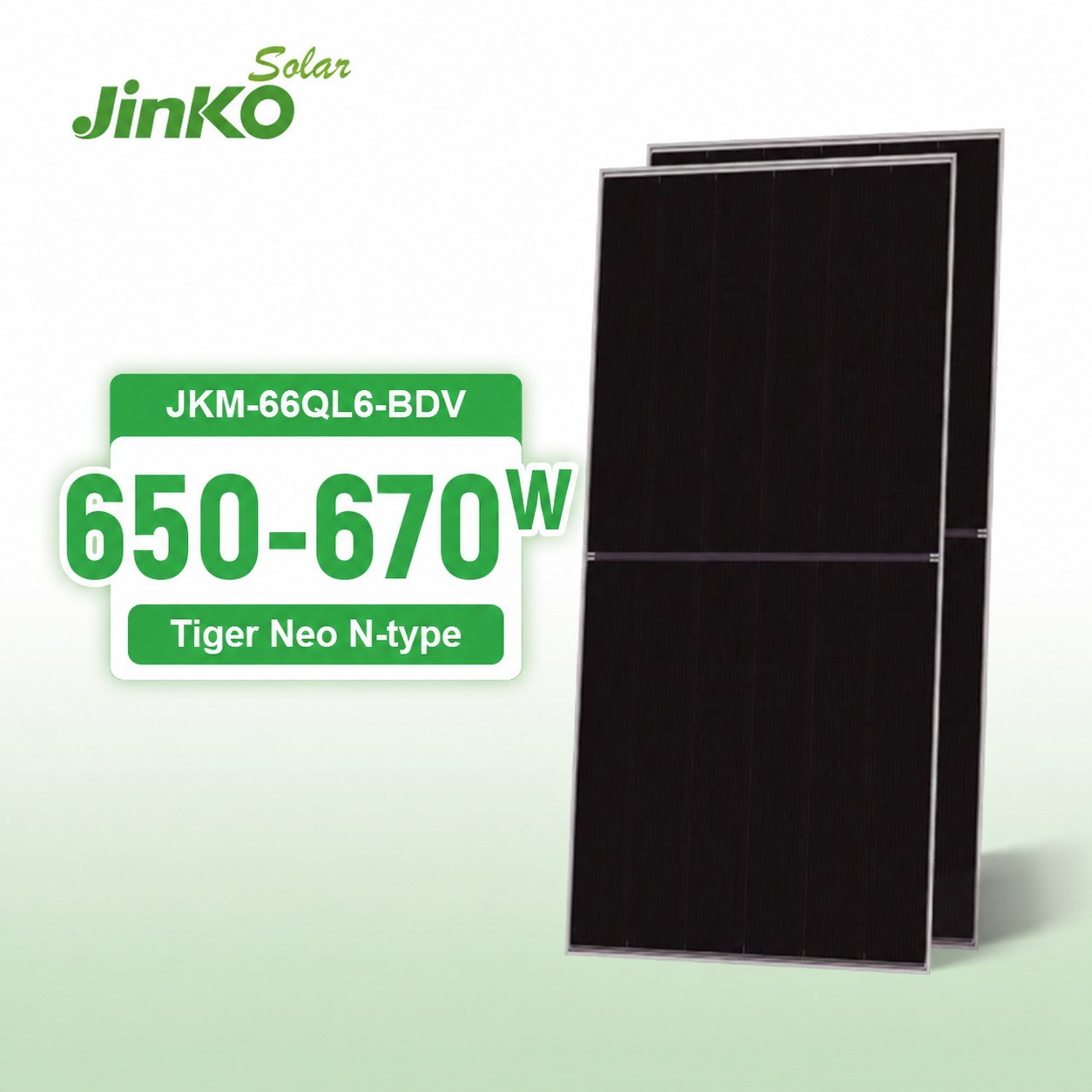
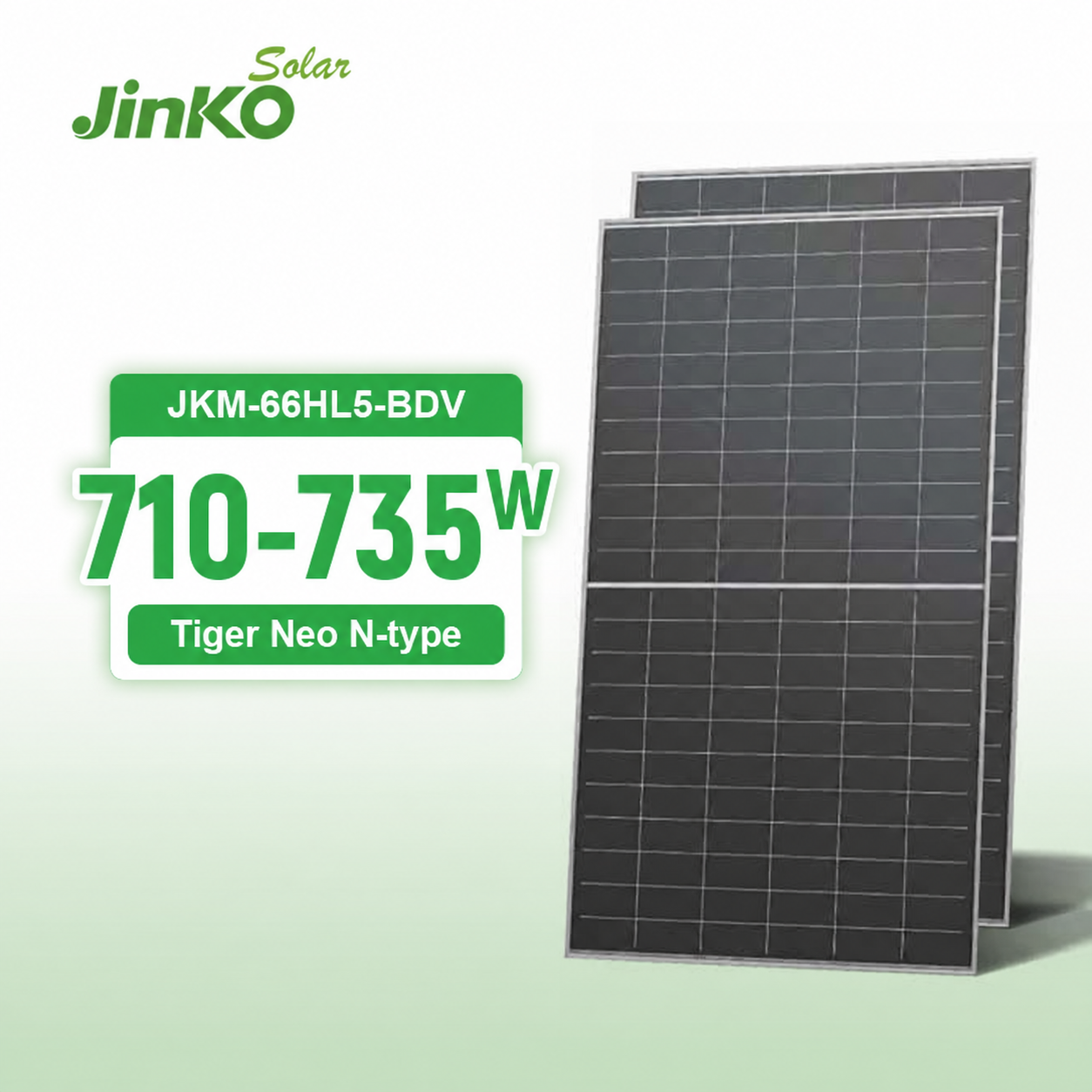
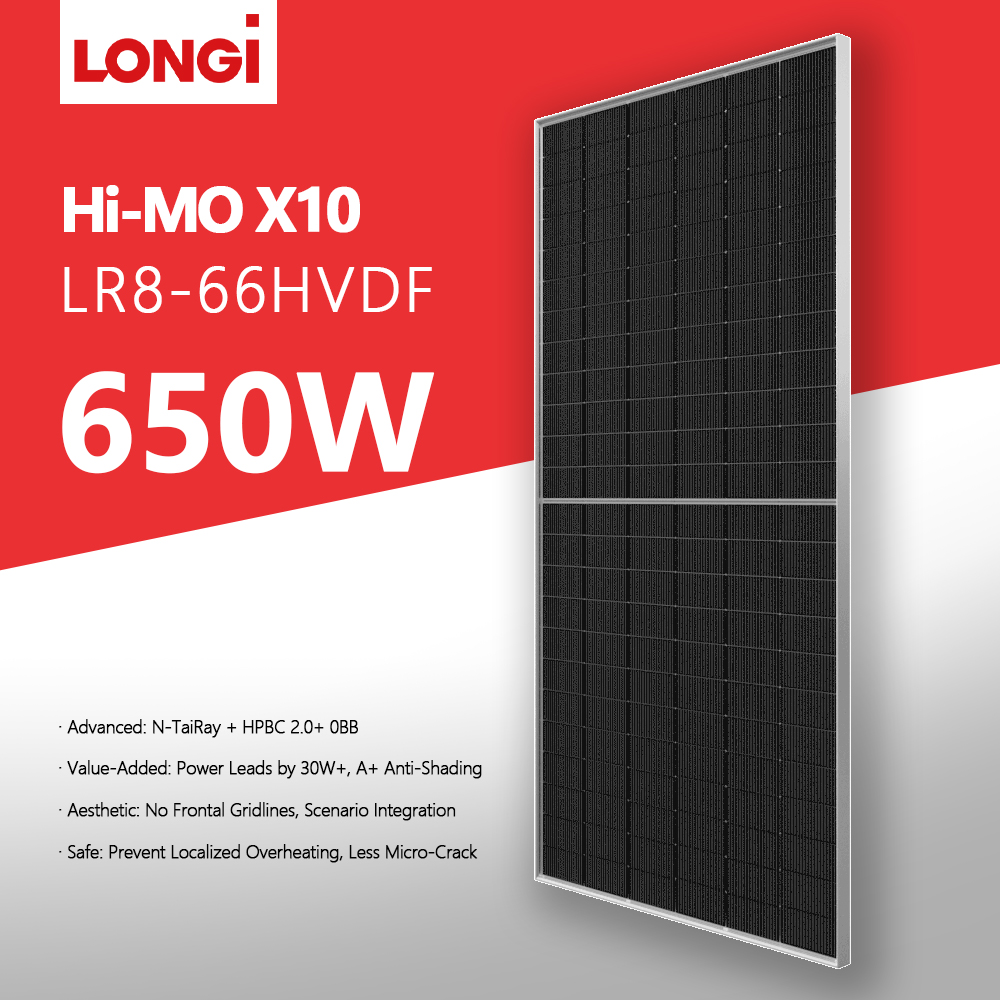
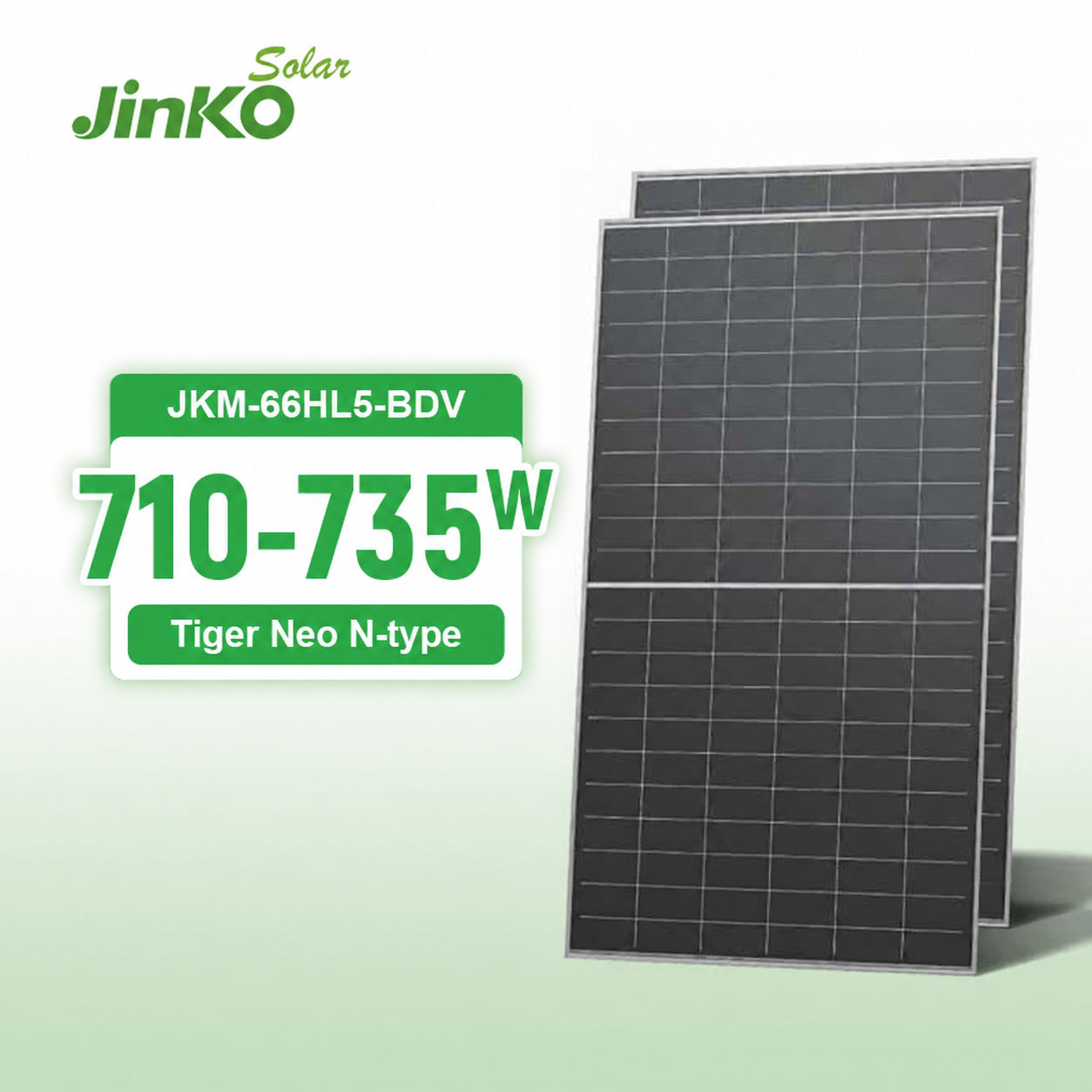
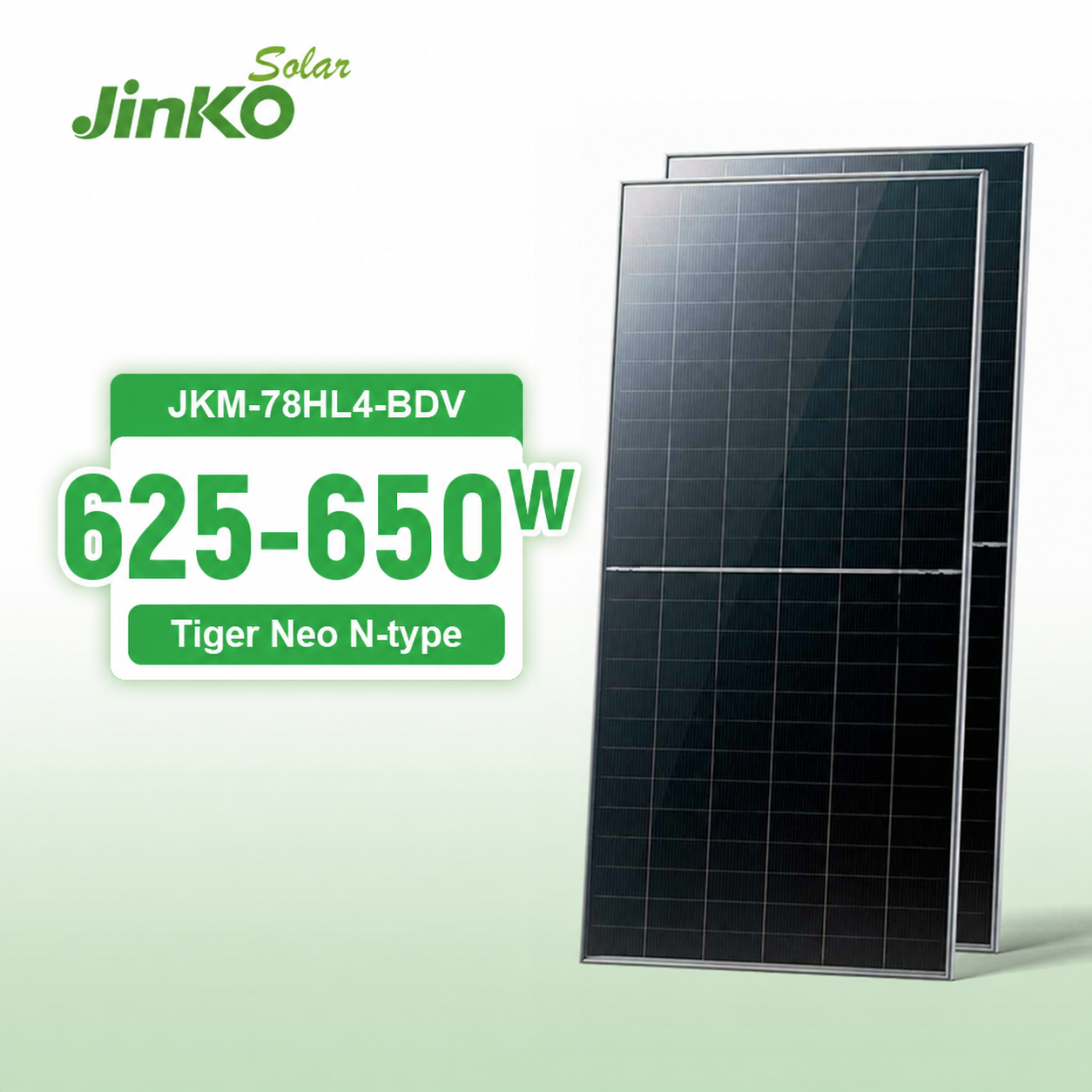
Every low-voltage storage configuration demands seamless generation pairing. Below are our high-efficiency TOPCon bifacial modules, high-output industrial panels, and commercial-grade solar solutions pre-calibrated for low-voltage (48V nominal) battery storage charging loops via MPPT hybrid architectures.
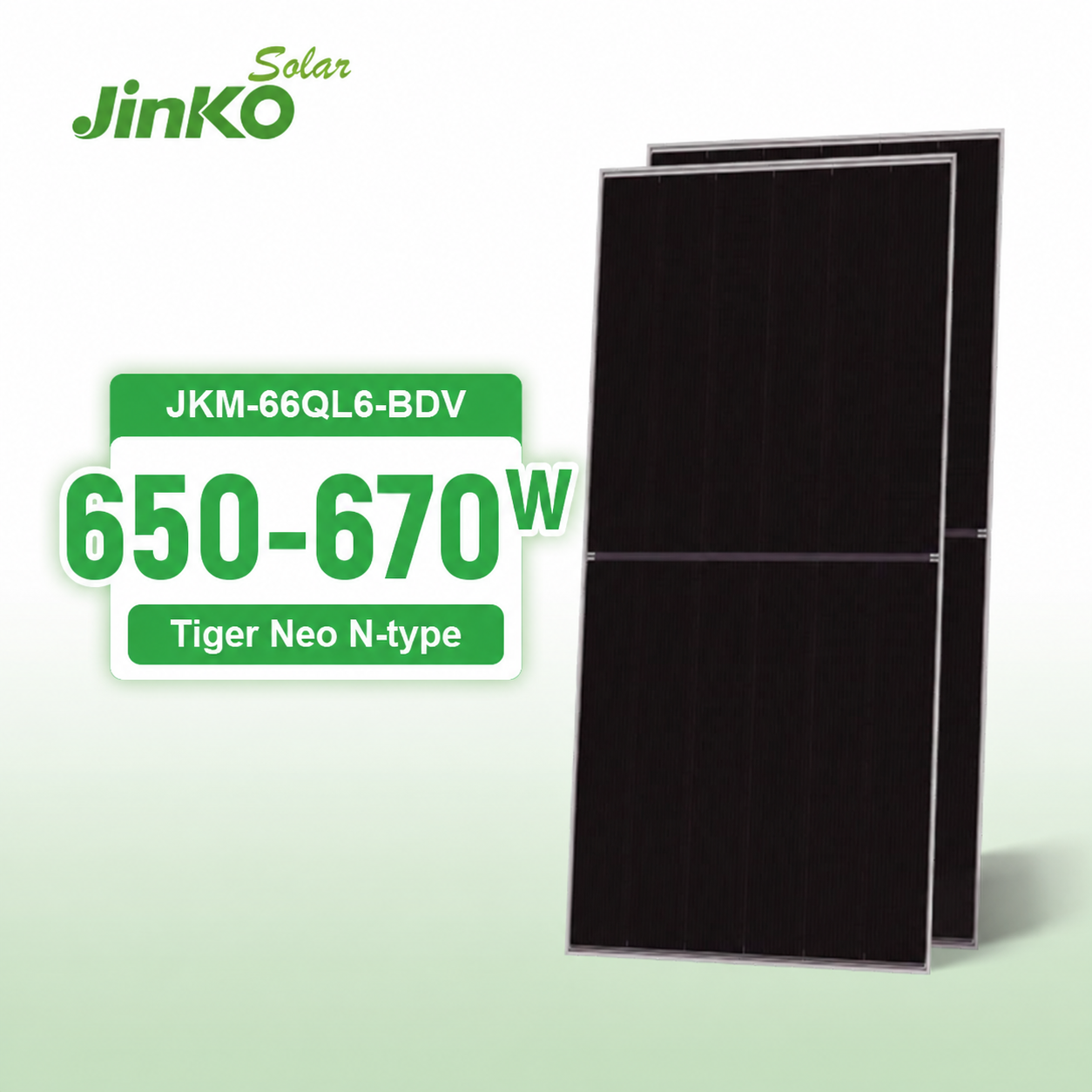
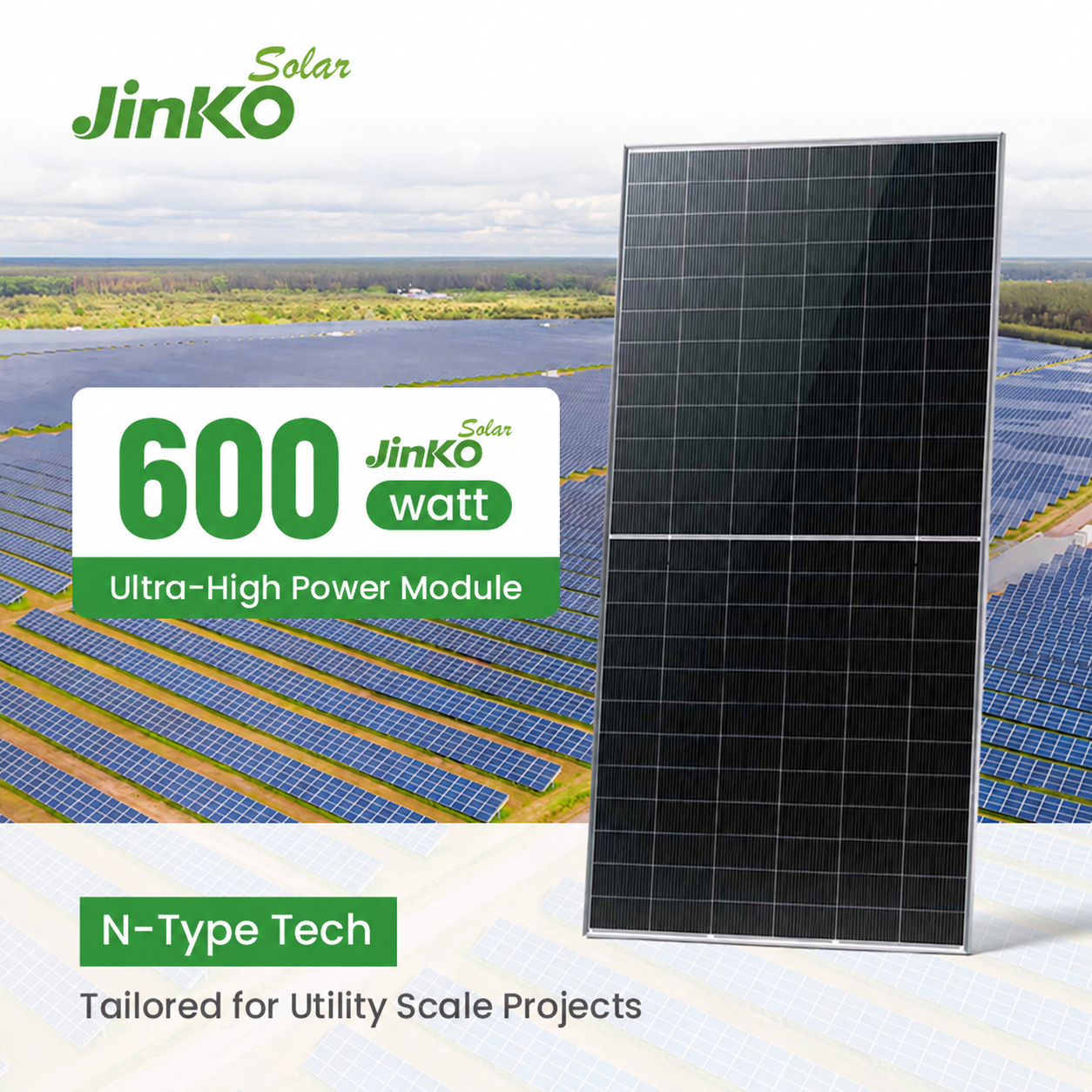
Utility & Estate Microgrid
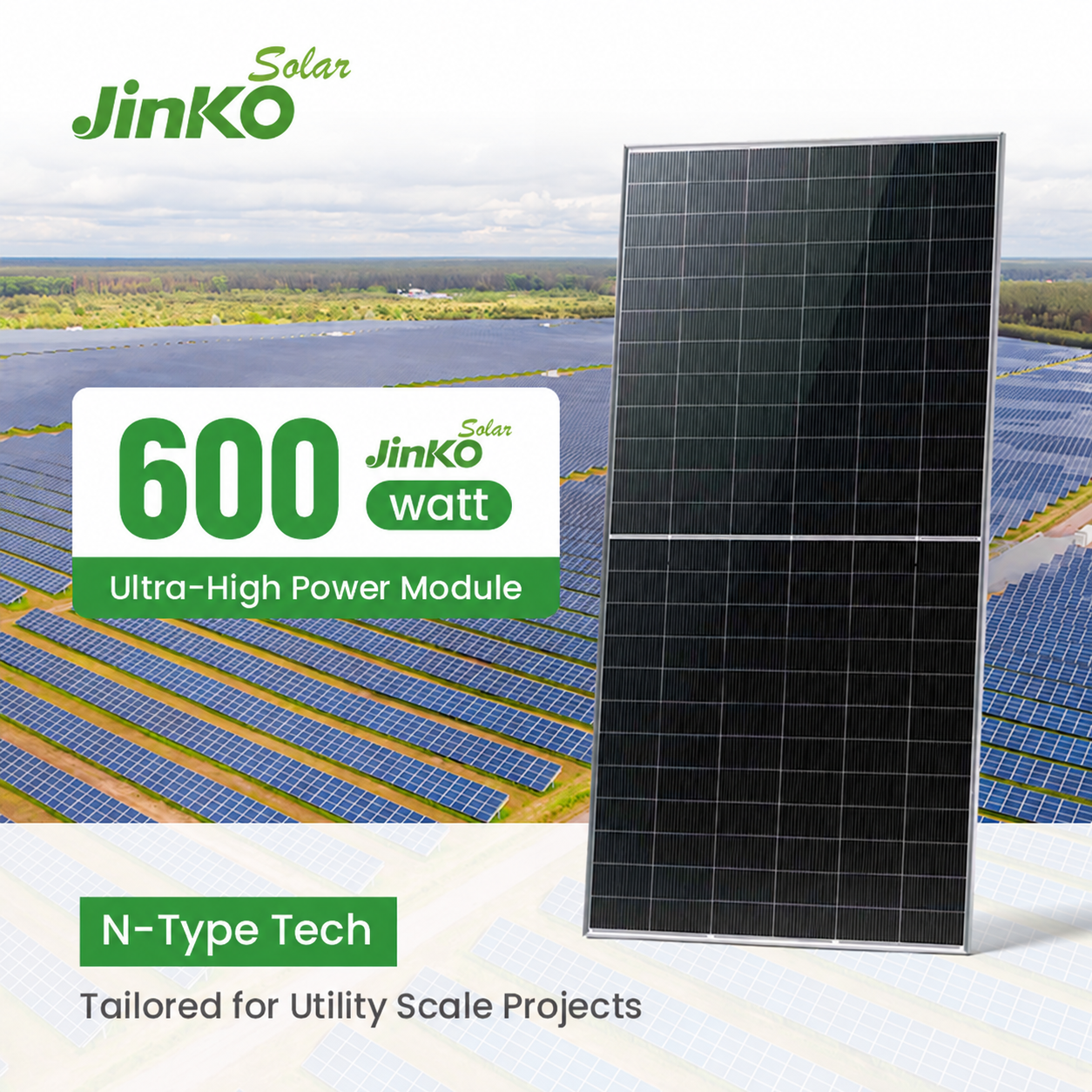
Jinko Pv Panels Wholesale 600w 580W 590W Bifacial Dual Glass Monocrystalline Solar Module
Technical Whitepaper: Regional Strategic Analysis
Engineering Low Voltage Energy Storage Systems (LV ESS) for Grenada's Grid Dynamics
The energy paradigm in Grenada presents a distinct nexus of macroeconomic vulnerability and technical opportunity. Operating as an isolated island electricity network governed primarily by diesel generation through Grenada Electricity Services Ltd (GRENLEC), the nation historically endures base residential and commercial electricity tariffs exceeding $0.35 to $0.45 USD per kilowatt-hour, subject directly to global fuel surcharge volatility. In this operational context, behind-the-meter (BTM) and front-of-the-meter (FTM) Low Voltage Energy Storage Systems (LV ESS)—defined within the standardized 48V to 51.2V DC operational window—have transitioned from alternative energy novelties to core infrastructure components essential for fiscal sustainability and electrical resilience.
Selecting low-voltage architectures over high-voltage (HV) alternatives across residential installations, boutique luxury resorts, and distributed commercial facilities across Saint George's, Grand Anse, Carriacou, and Petite Martinique offers clear structural advantages. Low voltage DC systems (≤60V DC) fall safely below dangerous shock thresholds, greatly simplifying local permitting, electrical inspection, and installer maintenance routines. More critically, the inherent scalability of parallel 51.2V Lithium Iron Phosphate (LiFePO4) rack-mounted or wall-mounted server modules enables localized sizing without requiring high-voltage series interlocks, which are prone to single-point degradation in unforgiving coastal climates.
However, engineering an LV ESS for Grenada cannot mirror standard continental temperate system design. Grenada's tropical marine environment combines continuous ambient temperatures fluctuating between 27°C and 34°C, relative humidity regularly surpassing 85%, and severe airborne marine chloride (salt mist) deposition. Under these operating conditions, uncertified energy storage equipment experiences accelerated printed circuit board (PCB) corrosion, busbar oxidation, rapid thermal throttling of inverters, and catastrophic capacity loss resulting from poorly regulated cell-level thermal runaway dynamics. Hangzhou VOLT New Energy Technology Co., Ltd. addresses this gap by supplying fully tropicalized, rigorously tested LV ESS platforms calibrated specifically for the Windward Islands.
Field Engineering Deployments
Targeted LV ESS Application Scenarios Across Grenada
Tailoring 48V/51.2V storage systems to Grenada's specific operational zones demands targeted electrical architectures that address grid instability, hurricane seasons, and high energy costs.
Boutique Eco-Resort & Hospitality Peak Shaving
Luxury hospitality facilities in Lance aux Épines and Grand Anse face steep commercial demand rates and frequent brownouts that can disrupt high-end guest amenities. Our 48V modular LiFePO4 configurations, scaled up to 80kWh in parallel arrays with Deye multi-phase low-voltage hybrid inverters, seamlessly absorb daytime PV overproduction from bifacial solar arrays. The system discharges during peak evening dining and air-conditioning hours (6:00 PM to 10:30 PM), shaving expensive commercial utility tiers while delivering noiseless, sub-10ms UPS grade backup that outclasses conventional diesel gensets.
Sister Island Autonomy: Carriacou & Petite Martinique
Grenada's sister islands of Carriacou and Petite Martinique depend on dedicated isolated power stations, making localized energy supply particularly vulnerable and costly. Deploying containerized or decentralized 48V rack-mount ESS integrated with agricultural irrigation and marine desalination pumps provides true microgrid independence. The low-voltage topology enables straightforward system expansion as agricultural estates grow: local technicians can safely drop in additional 5.12kWh rack modules without dealing with high-voltage DC string dangers or complex recalibration.
Critical Infrastructure Hurricane Survivability
In the wake of historical catastrophic weather events such as Hurricane Ivan and Hurricane Beryl, communication centers, medical clinics, and cold storage facilities require power systems designed for structural and functional survival. Our systems feature NEMA 3R/IP65 outer cabinets, conformal coated internal busbars, and robust dual-input hybrid logic that interfaces seamlessly with small auxiliary generators. If the national grid collapses, our LV ESS automatically isolates, keeps priority circuits live, and restarts solar black-start routines the moment morning sun hits the rooftop arrays.
Market Trends: Regulatory Shifting, Solar Interconnection & Technology Upgrades
Grenada's ongoing pursuit of its National Energy Policy (aiming for 100% renewable energy penetration by 2030) has accelerated structural reforms across the utility landscape. With GRENLEC updating its interconnection framework for distributed energy resources (DER), installation parameters have shifted significantly. The initial wave of standard grid-tie PV without local storage is giving way to hybrid self-consumption architectures. Exporting excess solar energy to the grid often yields minimal compensation, while retail purchase tariffs remain high; thus, every kilowatt-hour generated on a Grenadian roof that is stored locally in an LV battery pack and consumed after sunset represents a return on investment of over $0.40 USD.
Furthermore, technology is undergoing a decisive shift across the island. For decades, remote installations throughout Grenada relied on deep-cycle flooded or GEL colloidal lead-acid batteries. While VOLT New Energy continues to supply heavy-duty industrial GEL batteries for backup applications where initial cost is paramount, modern projects are moving rapidly toward prismatic Lithium Iron Phosphate (LiFePO4) chemistry. The operational realities of Caribbean usage explain this transition:
| Engineering Parameter | Traditional Deep-Cycle GEL | VOLT 51.2V LiFePO4 (LFP) Module | Grenada Operational Impact |
|---|---|---|---|
| Cycle Life (80% Depth of Discharge) | 1,200 – 1,500 cycles | 6,000 – 8,000 cycles | LFP delivers 10+ years of daily solar cycling versus 3-4 years for GEL. |
| Usable Capacity Window | 50% recommended (to protect life) | 90% – 95% continuous | Cuts required physical battery footprint by 50% for equal usable kWh storage. |
| Thermal Stability Window | Severe degradation >30°C | Stable up to 55°C with internal BMS | Withstands ambient Caribbean daytime utility room temperatures without capacity drop. |
| Round-Trip System Efficiency | 78% – 82% | 95% – 98% | Captures more usable power from expensive PV panels without resistive heat loss. |
| Communications Capability | None (Voltage sensing only) | Integrated CAN / RS485 Dual Bus | Communicates with Deye hybrid inverters to stop overcharging and prevent cell drift. |
The transition to LiFePO4 allows Grenadian EPCs, electrical contractors, and government procurement managers to lower Levelized Cost of Storage (LCOS) by more than 60% across the equipment life cycle. When integrated with Deye 5kW, 8kW, 10kW, or 12kW low-voltage single and three-phase hybrid inverters, system owners gain full cloud visibility via remote monitoring apps, ensuring early warning of any balance-of-system irregularities.
Factory-Direct Value Integration
Why Caribbean Installers & Importers Partner with VOLT New Energy
Sourcing equipment across international waters can introduce risks around mismatched communication protocols, transit damage, and lack of technical support. We systematically address these concerns through rigorous pre-shipment engineering and specialized logistics.

Verified CAN/RS485 Handshake
We eliminate "BMS Communication Error" installation delays. Every battery rack is cross-tested and flashed with the matching Deye, Victron, or Growatt firmware protocols in our facility before container loading.

Anti-Corrosive Tropicalization
Our LV ESS units feature automated aerosol conformal coating on BMS circuit boards and salt-resistant powder-coated steel enclosures, protecting internal systems against aggressive coastal air.

Export-Ready DG Cargo Handling
We manage Class 9 Dangerous Goods maritime shipping directly from Ningbo/Shanghai into St. George's port, providing full UN38.3 certification, MSDS, and consolidated mixed loads (panels, inverters, and racking).

Complete Engineering Bundling
We provide full system sizing, single-line wiring diagrams (SLDs), breaker trip curves, and cable gauge schedules to ensure local Grenada electrical inspectors approve projects without friction.
Buyer Due Diligence
Frequently Asked Questions by Grenada Importers & Contractors
Clear, practical answers addressing logistical, technical, and regulatory questions from EPC contractors, government agencies, and property developers on the island.
What are the exact voltage standards for integrating LV ESS with Grenada's residential and commercial power?
Grenada's electrical utility standard (GRENLEC) operates at 230V single-phase / 400V three-phase at 50Hz. Low voltage ESS platforms interface on the DC side at a safe 48V to 51.2V DC window. The connected low-voltage hybrid inverter (such as Deye SUN-8K-SG01LP1-EU or SUN-12K-SG04LP3-EU) synthesizes the precise 230V/400V 50Hz AC wave. Our factory tunes the AC voltage, frequency cutoffs, and anti-islanding trip parameters according to GRENLEC grid codes prior to export.
How does the local marine environment affect warranty coverage and battery lifespan?
Airborne salt spray can cause rapid galvanic corrosion on raw copper terminals, aluminum busbars, and electronic traces. VOLT New Energy applies conformal protective coatings to all circuit boards, uses nickel-plated copper terminal links, and houses systems in sealed, electrostatically powder-coated cabinets. While standard warranties from untracked sellers are often voided by "coastal environmental exposure," our manufacturer-backed warranties explicitly support tropical, coastal applications when installed within recommended shaded, ventilated enclosures.
How are lithium batteries classified and cleared at the Port of St. George's?
Lithium iron phosphate batteries are classified internationally as Class 9 Dangerous Goods (UN3480 for loose batteries, UN3481 if packed with equipment). We supply the complete shipping paperwork package required by international freight carriers and Grenada Customs, including verified UN38.3 test reports, certified Material Safety Data Sheets (MSDS), and sea freight declaration certificates. We also consolidate PV panels, inverters, racking, and battery banks into a single container to optimize port clearance fees and avoid demurrage.
Can our local technicians service and expand these 48V systems without proprietary tools?
Yes. A primary benefit of our modular 48V/51.2V rack architectures is open-protocol serviceability. Unlike closed high-voltage systems that require vendor-locked calibration tools and high-voltage training, our 5.12kWh rack modules can be serviced, swapped, or expanded up to 16 units in parallel (81.92kWh) by qualified local electricians using standard multi-meters, standard insulated hand tools, and our open CAN/RS485 documentation.
Can a 48V Low Voltage ESS integrate with an existing backup diesel generator?
Yes. Our supplied hybrid inverter platforms feature a dedicated "Generator Input" port with dry-contact automated generator start (AGS) support. If prolonged monsoon cloud cover drains the battery bank to a critical state of charge (e.g., 15%), the system automatically starts the auxiliary diesel generator, uses it efficiently at optimal load to recharge the battery bank and supply the facility, and shuts it off once batteries reach safe capacity—slashing diesel runtime by up to 80%.
Request a Customized LV ESS Sizing & Quote for Grenada
Whether you are outfitting a private villa, upgrading an eco-lodge, or designing a municipal microgrid, our technical engineers deliver comprehensive system sizing, single-line diagrams, and direct factory pricing.